
Other people’s words about … crying at work
Anthea told me she went to the bathrooms in the basement, by the cinema, when she needed to cry at work. Joanna recommended the stairwell behind the librarian’s office. I just sat silently at my desk, staring hard at my computer screen, rubbing my eyes as if they were smarting from all the data entry.
I was lucky to be here, checking measurements and shining the sentences that would appear on object labels. The open-plan offices felt like a new-age monastery; we showed our devotion through our long hours and low salaries, our gratitude and obsession with our work euphemistically called ‘attention to detail’ in the job advertisements. These offices were almost always silent save the soft clatter of our keyboards and the occasional ring of the elevator doors opening when somebody left for the galleries filled with bright, white light, where the crowds gathered to take photographs of endlessly reproduced images, paying homage to our gods, to modernism.
I wanted to stay, forever, because of the paintings.
From ‘The Modern‘
By Anna Kate Blair
The lines I’ve quoted in the passage above, which make up the opening sentences of Anna Kate Blair’s novel, The Modern, have stayed with me ever since I read it, some years ago now. The novel is about art, love, self-doubt and work — most of all, perhaps, about how in our society one of the things that determines our conception of ourselves, the way we see and value ourselves (and others), is work.
The ethos of work.
What I love, though, about this particular passage (which in fact turns out not to be particularly essential to the course of events throughout the rest of the novel, at least insofar as what happens to Sophia, the narrator), is its tragicomic depiction of women crying in the workplace. Blair dispenses here with the need to explain why Anthea and Joanna and Sophia are crying, and why they assume they have to keep their crying secret. Crying in the workplace, she implies, and secret crying in particular, is a commonplace for these women; they all simply assume, in some kind of tacit shared understanding of themselves and their lives, that they’ll end up crying at some point during the working week.

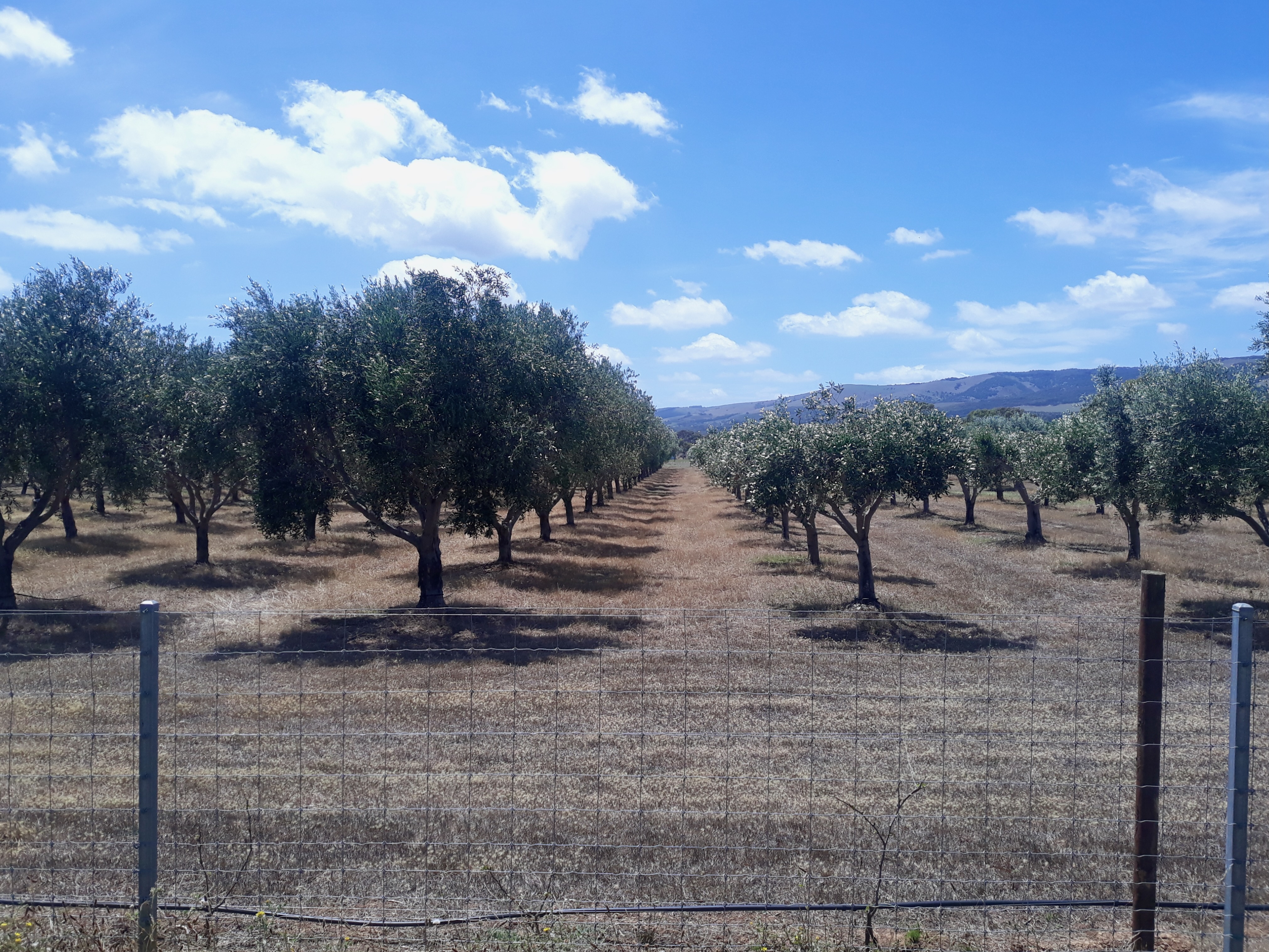
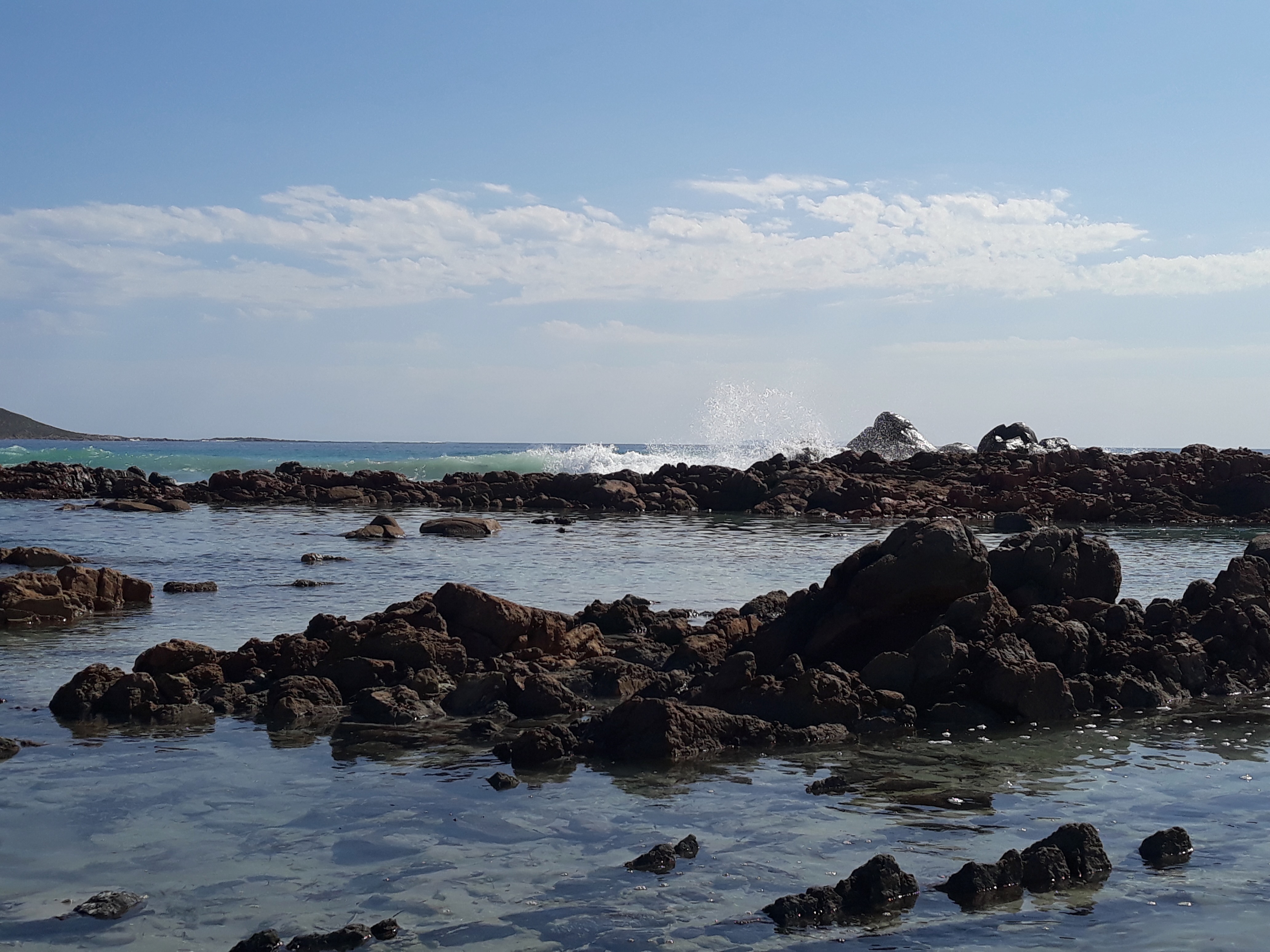
Aldinga Beach, May 2025.
I’ve worked in several workplaces over the years, and, just like Anthea and Joanna and Sophia, at some point in each job I’ve gone in search of a private place to cry. When I worked the afternoon shift in the call centre of a community health provider, I used to take the lift from the fourth floor down to the car park, walk around the corner of the building to a little alleyway on one side and lean against the wall to cry. When I was a cook, I’d step into the cool room and close the door behind me to cry in refrigerated privacy, crouched in among the cartons of milk and bowls of pastry cream and half-wheels of cheese. I’ve also done my fair share of crying in the office toilets like Anthea, and, yes, like Sophia, I’ve sat at my computer furtively blinking and dabbing at my eyes, all the while hoping that no-one would notice. And/or that no-one would notice me.
What is it about workplaces that reduces women, some women, to tears? Is crying part of our make-up, or is there something about the conditions of our workplaces — the buildings we work in, the people we talk to and report to, the conditions we’re bound by our salaries to — that makes us cry? Or is it rather the space the workplace occupies in our lives, the way it’s crammed in uneasily among everything else that belongs to our non-working selves, those selves we perhaps think of as our true selves?
I don’t know. But I think of Sophia, fellow workplace-weeper, from time to time and smile wryly.

May 2025
Lately I’ve been reading …
- I want to say one thing. And that’s this: if anyone ever tells you that you can’t write about the same thing over and over again, or that you can’t sink into your obsessions with a pen the way someone sinks into a couch or into a hot bath, show them today’s poem, ‘Hurry,’ alongside this other poem, ‘Walking Home,’ published by Marie Howe nearly a decade after ‘Hurry’: Devin Kelly, exploring the poem ‘Hurry’ by Marie Howe. Kelly is passionate about poetry and I’m thankful to him for introducing me to many poems I wouldn’t have come across otherwise. But also I love how he explores and acknowledges here artists who explore recurring themes in their work.
- The Kiss, by Pamela Painter: Over the last year, I’ve been exploring, both as a reader and a writer, different forms of short fiction, including flash fiction and microfiction. Here’s a flash fiction story I recently read and loved.
- We do not pay rent for the air we breathe: Poet and essayist Anne Boyer, exploring capitalism. If you read one essay this week, read this. It’s astonishing — an exhortation, a plea. A prayer.



 twenty-one words