Odyssey

Other people’s words about … becoming yourself

During the forty minutes she was in the audition room, the rain in Waterloo had stopped. If I lived here [in London], Frida thought, walking along the South Bank, what version of myself might I be? She was thinking of the clutter in Catherine’s kitchen, the fridge magnet shaped like a sheep from a holiday to Scotland, the orange Le Creuset casserole in which Catherine had cooked dinner the night before. What did Frida even own? Some old clothes that she didn’t particularly like, and a bunch of second-hand books. From a distance things in Dublin [her home] felt flimsy. Shored up by lollipop sticks and an over-dependence on her sister and tiny nieces for a sense of self. Frida thought she wouldn’t get this [acting] job, but increasingly she felt she’d get some other job and end up in London anyway. There were Irish accents here, people passing her on the riverside with warm, familiar voices. What Frida wanted was the same thing she had always wanted. Didn’t success inevitably involve leaving home? Put like that it had the ring of Greek myth, and Frida liked that: herself as Odysseus, not Penelope. It had been so long since she really thought about what she wanted from life. Now she pictured the entrance to Catherine’s flat, the colourful rag rug, the coats hanging on the wall. A little dish for keys and a heavy stone paperweight on top of the day’s post. She imagined having these things for herself. It was inevitable, wasn’t it, that she would have to turn away from Dublin sooner or later. Who had it in them to stay put forever?

From Frida Slattery as Herself, by Ana Kinsella

Herself as Odysseus, not Penelope: these are the words that stopped me when I first read the passage I’ve quoted here from Ana Kinsella’s wonderful novel, Frida Slattery as Herself. Frida, who is in her twenties, is an actor, and in this passage she is on her way to the audition that will ultimately change her career and lead her to success in Hollywood, though she doesn’t yet know it. All around her, her friends are pairing off and marrying, buying houses, having children, but Frida has until now held out, refusing to give up on a life of art. As a result (as yet, that is) she’s still living a self-described flimsy life. I smiled when I read her description of the things she owns: Some old clothes that she didn’t particularly like, and a bunch of second-hand books. I lived like that once, too — not in fact just at Frida’s age but well into my thirties, during which decade I wrote and had my first two novels for young adults published.

In some ways, unlike Frida, I still live like this. I own more than just clothes and second-hand books, admittedly, but I work part-time and live on a moderate income, and so my possessions are relatively few in comparison with my peers, and my lifestyle similarly pared back. In place of material luxury, I have this: I write a lot, I read a lot, I walk, I run, I cook. What Frida wanted was the same thing she had always wanted — in fact, that’s still me even now, as a woman in my mid-fifties.

Returning to Odysseus and Penelope, though, I was reminded of a conversation I had recently with an old friend of mine, a man I first got to know in my twenties. Our conversation on this day was about poetry; he is a poetry lover and, having recently begun to discover the joys of reading poetry myself, I’d shared a poem with him that I’d stumbled on and loved and that I thought he might love, too. The poem was Charlie Smith’s ‘The Rose’ (available in his collection The Palms), which begins as follows:

I’m looking everywhere for new ways
poking, selecting, looking everywhere,
turning the trees over, rummaging among skirts
and stars.

Those wonderful phrases turning the trees over and rummaging among skirts / and stars! I love them. And then, too, in some lines towards the end of the poem, there is this:

I’m stumbling against
beauty and not apologising, I’m almost naked here,
skinnier than I used to be, almost helpless
or maybe I’m completely helpless as the religious
say is the way to heaven — all right I’m helpless —

That almost helpless and the answering all right I’m helpless — every time I read this poem, these words undo me. 
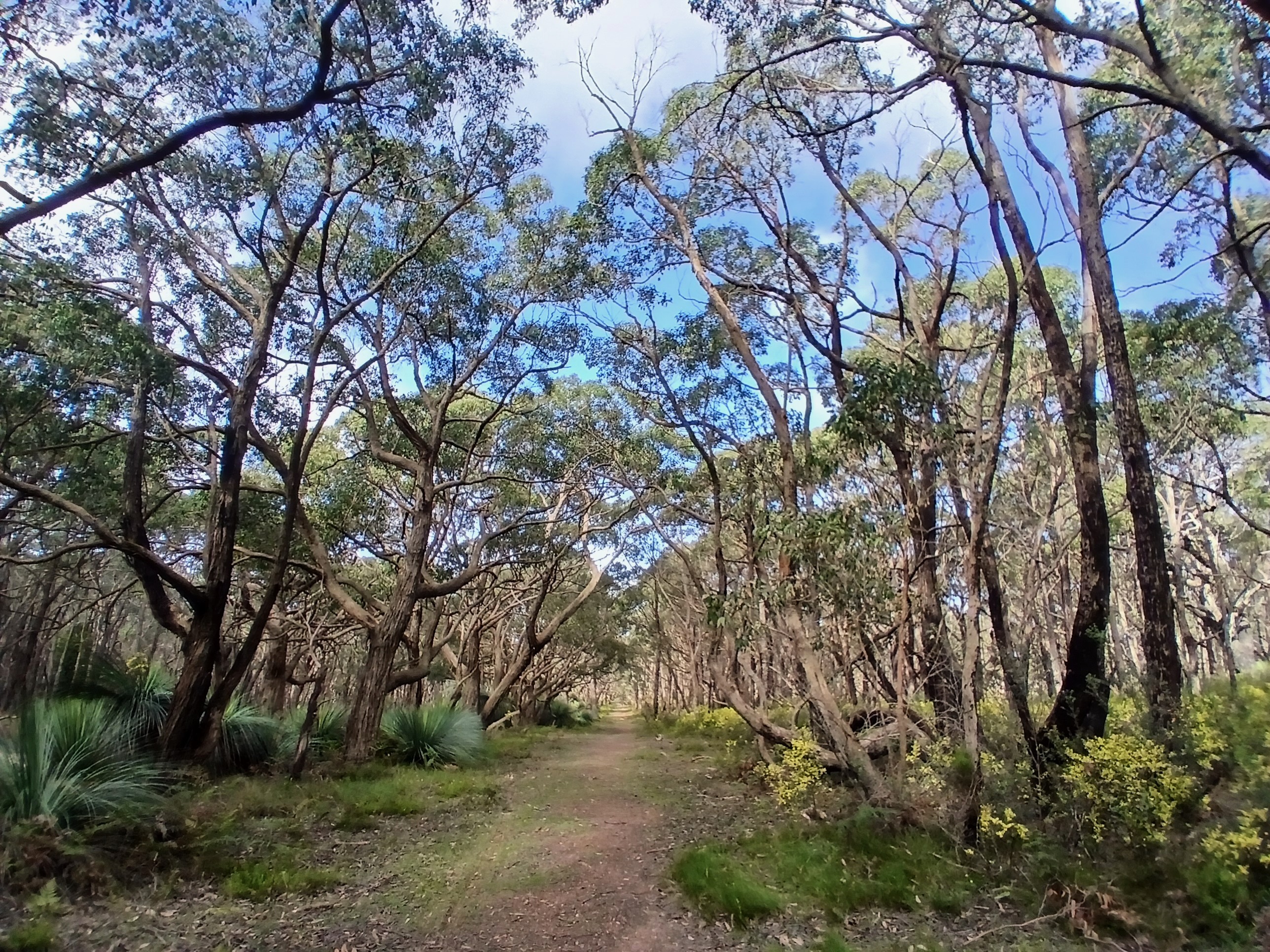
Deep Creek, September 2026.

In exchange, my friend sent me back a poem that he loves, Stephen Dunn’s ‘Odysseus’s Secret’, which begins with the following lines:

At first he thought only of home, and Penelope.
But after a few years, like anyone on his own,
he couldn’t separate what he’d chosen
from what had chosen him.

Dunn’s poem, too, is beautiful. It’s a poem that makes you think, one that I’m glad my friend shared with me and that I’m glad to have read. (You can read it in full here; it was published originally in his collection Different Hours.) 

I say that, and yet there’s this:

But by the middle years this other life
had become his life. That was Odysseus’s secret,
kept even from himself. When he talked about return
he thought he meant what he said. Twenty years to get home?
A man finds his shipwrecks,
tells himself the necessary stories.

What bothers me about these lines? A man finds his shipwrecks. 

A man. 

A man. 

That’s what bothers me. Everything in me, every tiny feminist part of me, rises up in protest at this, and perhaps in protest at the original Greek myth itself — Odysseus, who is gone from his wife at home for so many years, and whose return to her is so celebrated. I don’t know. I still love Dunn’s poem, but women find their own shipwrecks and I want to read about them, too. 

And so when Frida Slattery wants to think of herself as Odysseus, not Penelope, I am with her all the way.
Lately I’ve been reading …

(poetry, stories and the occasional essay from around the internet)

Thrum

Other people’s words about … writing a novel

I love King’s description in the passage above of that moment when you’re writing a novel and you begin to find things resonating across the manuscript — especially when those resonances are unexpected. For me, this is one of the reasons I write. These moments, when I find the little repeating motifs and echoes in my manuscript, are a form of recognition, an acknowledgment of my purpose. This is what I am writing about, I find myself thinking: This is my story.

I’ve been working on a novel-length manuscript now for a couple of years and I know in my heart that, like King’s narrator Casey in Writers & Lovers, it will take me at least a couple more years to finish the current draft (especially as I keep getting distracted by writing short stories). I know that by that point each chapter will carry with it memories of different places and times, different moods in my life. And like Casey, I know that it’s the little ‘knot of stubbornness that’s still inside me’ that will sustain me through all of this.

This is my story, I will keep telling myself: This.

Coastal vegetation, 2026.

Lately I’ve been reading …

You cannot win

Other people’s words about … the White Gaze

I think the passage above is one of the best, most succinct explorations of the White Gaze that I, as a white person, have ever read. Donaldson’s narrator in his novel Greenland, Kip, is Black, male and gay, and he lives with a white man, Ben, several years older than himself who, while loving and desiring Kip, is growing tired of the courage it takes to do so. But Ben is afraid to admit this. What he believes, and what he tells Kip, is that he has been seeing Kip the whole time they’ve been together. This is, after all, what everyone wants, isn’t it? To be seen.

The tiredness Ben feels about their relationship takes the form of telling Kip that he can’t make up for everything that every white person has ever done to Kip. That he can’t make up for all of the history that Kip is a victim of. That it is, finally, too big a wound. What can Kip do in response but watch Ben retreat, even as he, Kip, is not afforded the luxury of being able to retreat? Kip, who wants only to be seen.

Some months ago, I quoted a passage about the White Gaze by another writer, Brandon Taylor, from his latest novel, Minor Black Figures. Taylor’s narrator, Wyeth, describes the experience of being a Black artist as having: a tiny white man in your mind to argue with constantly all the way up and down until you died never having had a single thought that was not either about whiteness or a reaction to whiteness.

What I love about both Taylor’s and Donaldson’s writing in these passages is how they go about making it clear that there is no such thing for a Black person (or, as in both these cases, a Black man) as playing the race card, no such thing as getting over it. There is only living with the cards you have been dealt (that word again, card, in another guise) and understanding how much you have internalised them. There is only the daily decision you have to make about whether you have the energy and courage to go out again in public for another day.

Even Ben’s tiredness is a privilege. Ultimately, that’s what he has to learn.

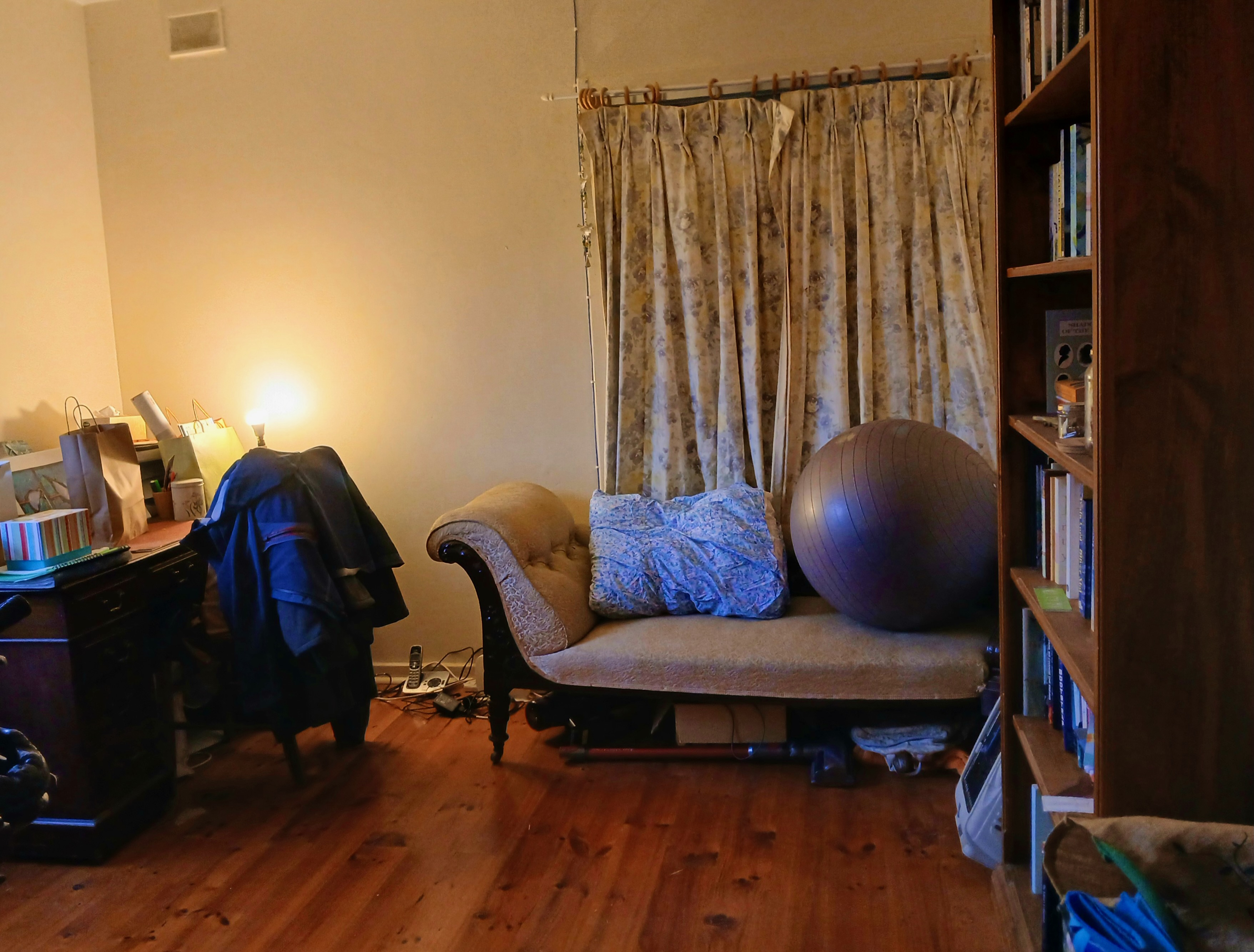
Reading nook, June 2026.

Lately I’ve been reading …

Muddy like my feet

Other people’s words about … beauty

I first ‘read’ Rozie Kelly’s novel Kingfisher on audiobook, which is to say that I listened to it. I am not in general someone who chooses often to listen to audiobooks; I find they encourage multi-tasking, whereas I like to read with a book in my hands, immersed only in the text itself. In a world that is all about reduced concentration spans and multi-multi-tasking, I treasure the simple, slow luxury of reading.

Having said that, I have recently begun listening to audiobooks when I’m out walking. Long-term readers of twenty-one words will know that I live by the beach and like to spend time walking there, but during the worst of the algal bloom that hit the South Australian coast last year, I found that I couldn’t bring myself to do this anymore. Walking on the beach during this period meant encountering dead marine animals in their masses, and even after the State Government took to cleaning up the beach each day to remove the carcasses, it remained for me a place that triggered grief. The ocean felt to me like a graveyard.

While the worst of the algal bloom is now deemed to be over, at least for now, I still don’t feel the same about the beach. What happened along our coast over the last twelve months is for me clear evidence that we are at the tipping point of irreversible climate change. These are sad, sad times.

So I have taken to walking around the streets where I live, along tree-lined footpaths, past houses with neat and not-so-neat front yards, along the railway. And because this kind of walking isn’t the kind of nature-immersion exercise that walking on the beach has always been for me, I’ve started listening to audiobooks while I walk. Kingfisher was one of the first novels I listened to in its entirety in this way, on loan from my library, and I loved it. (I loved it so much, in fact, that I bought the print version so that I could re-read it whenever I want to.)

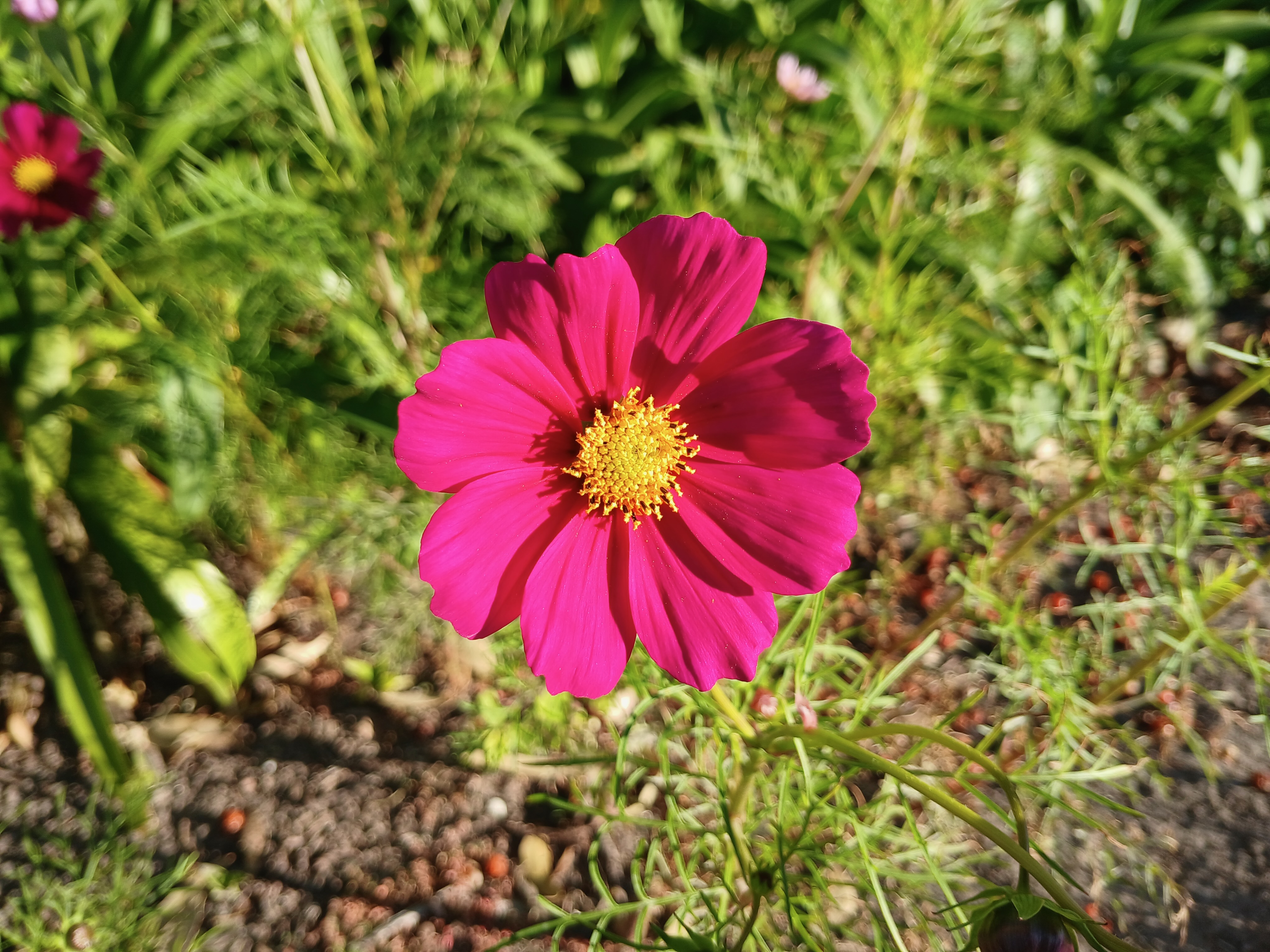
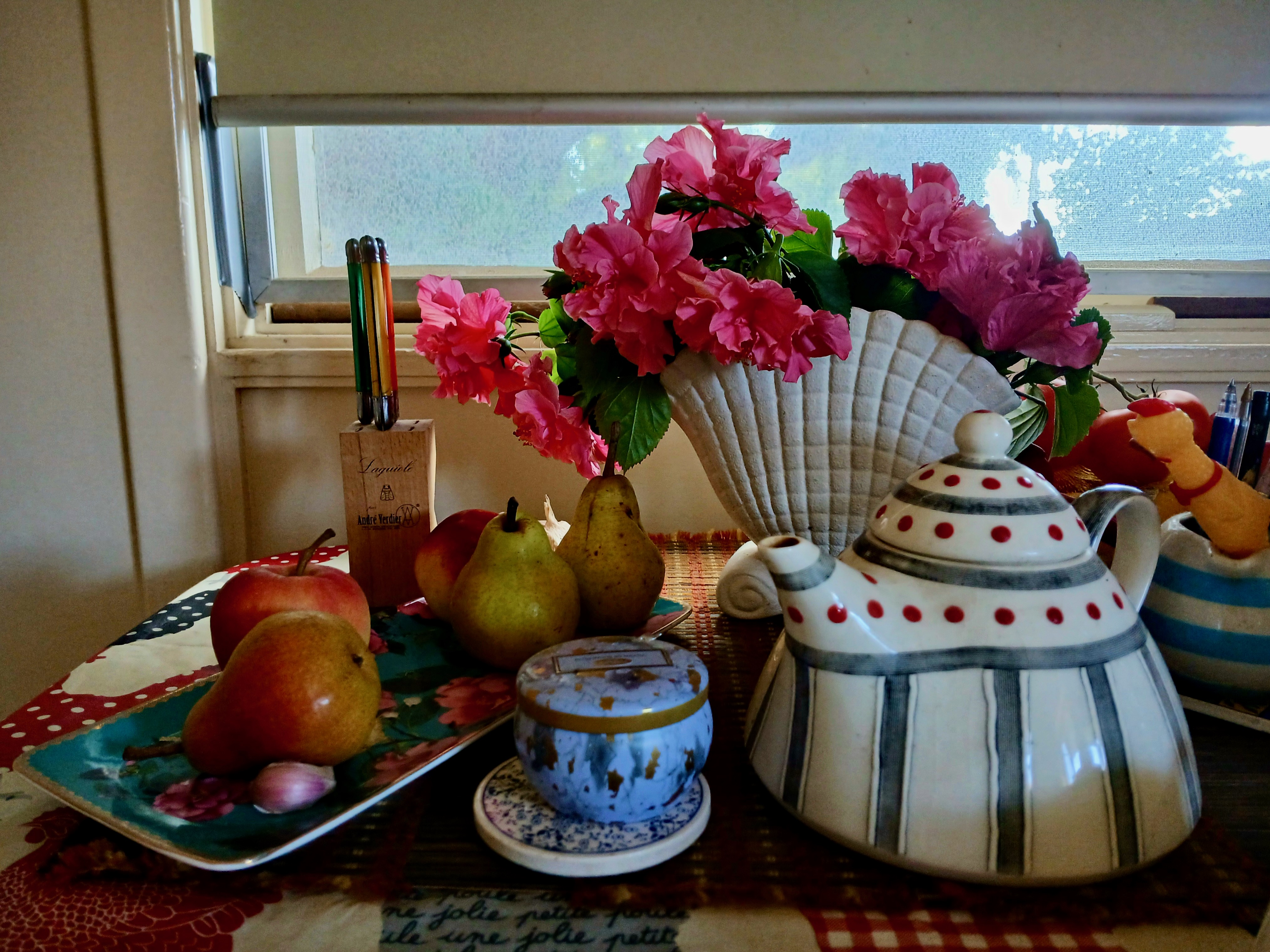
Garden flowers, April 2026.

There is so much to unpack in the passage I’ve quoted above. I love Kelly’s exploration, through the voice of her unnamed male narrator, of beauty, and her description of beauty in young women as being some kind of metal that will eventually make them sick. I love, too, the way she explores the idea that beauty is different in men, that it has different implications and obligations and connotations. I find the narrator’s need to mask his beauty, to make himself more masculine, and his fear as a beautiful man of being misinterpreted — this man who is, at this point in the story, in love with two people, his male lover Michael and an older woman, a poet — poignant and convincing.

On the topic of stories about beauty and the experience of embodiment more generally, I’ve had another short story published recently. If you’d like to read it, you can find it over at Peatsmoke Journal. It’s called Instructions For Living A Life.

Lately I’ve been reading …

Don’t look at me

Other people’s words about … marriage

Cece, one of the protagonists in Erich Puchner’s novel Dream State, is a woman after my own heart. Having married Charlie, a man she is deeply in love with, she runs off with his best friend Garrett, a man whom she meets just before her wedding — the man whom Charlie has in fact asked to officiate the wedding, the man who (briefly? forever?) captures her heart in a way that Charlie can’t. Because Garrett understands Cece. Garret sees her. And it feels magic to Cece.

Or does it?

I love Puchner’s exploration of love in the passage I’ve quoted above. I love the idea that love — romantic love, enduring love, the love between two people — might be the opposite of a truth-finding mission, that it might instead be about finding someone who [makes] you forget about yourself. I love the idea that maybe sometimes that’s where the magic between two people lies: in the way they can help each other turn away from sorrow towards joy, towards their more beautiful selves. It’s a lovely, if also poignantly humorous, reworking of the idea of romance.

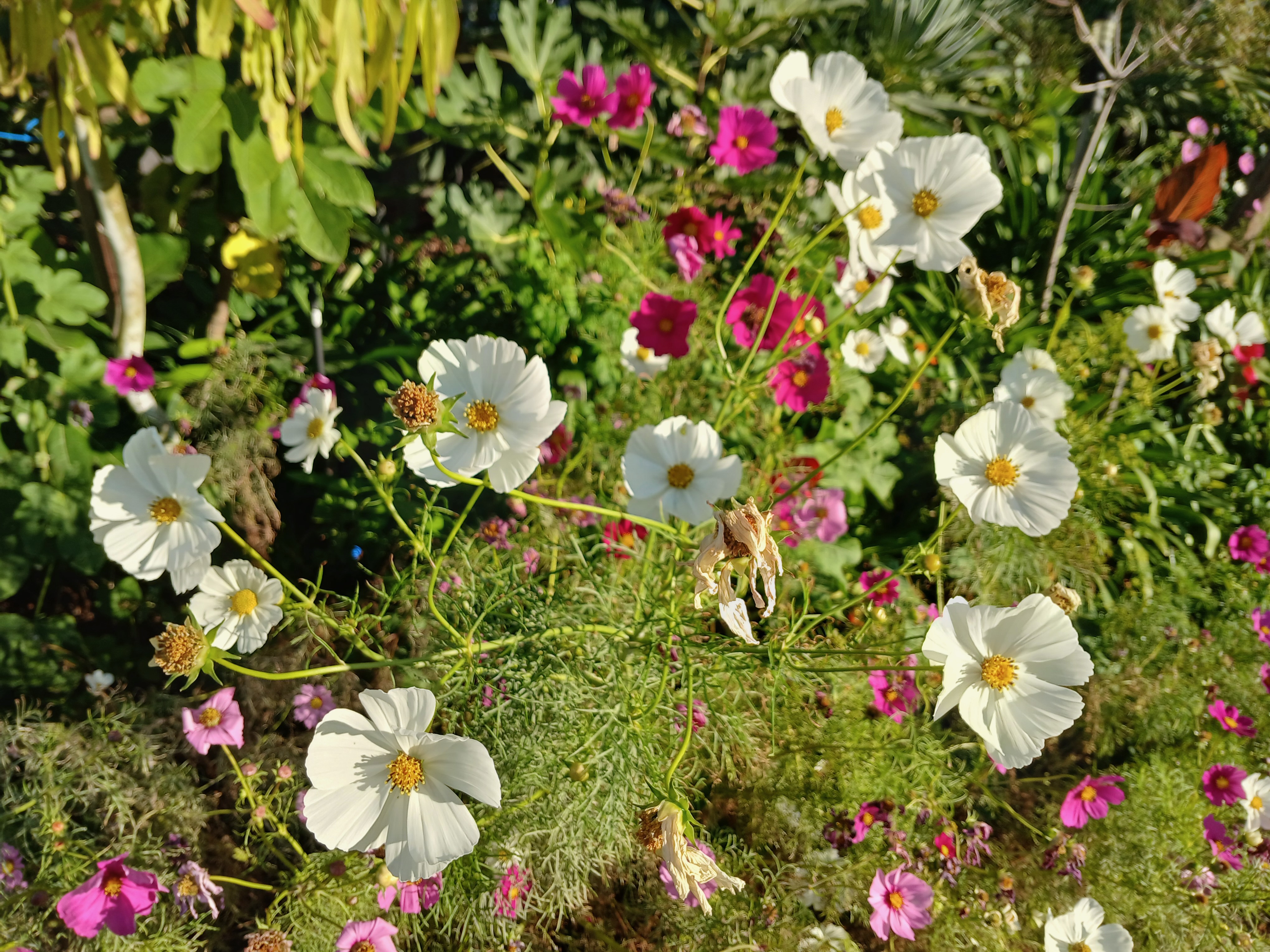
Easter table, 2026.

On the topic of stories about romance and love, I’ve just had a story of my own published, which is about a couple who meet and fall in love in Cairo. If you’d like to read it, you can find it over at The Marlowe Review. It’s called City of Light.

I have some other stories coming out this year, which I’ll provide links to here as they come out. I’m excited to be seeing my words in print, online, after all these years. Writers, I think, are a little like lovers — we write our stories to share our secret sorrow, but we also write stories in the hope that we can help a reader forget themselves for a little while as they lose themselves in our words.

That’s what we try for, anyway. That’s what I try for.

Lately I’ve been reading …

Clamour

Other people’s words about … the city at night

When I read Teju Cole’s description above of Lagos, I thought of my own experiences of Cairo when I lived there for a few months many years ago in the 1990s. Yes, I thought. A vast sonic mix of an ocean, I thought, yes. They are different cities — of course they are — but still, Cole’s description captures something of the essence of Cairo for me. That tremendous, beautiful clamour.

Hello, everyone! It’s been a minute since I last posted. I’ve been busy writing and living (and, yes, living and writing), and — always — reading. Meanwhile, an algal bloom has spread along the coast of South Australia. A bushfire has burned through beautiful Deep Creek. A president in a country much bigger and more powerful than my own has tried to buy Greenland. In the face of all the sadness and madness and badness of this world, it’s hard not to feel anything but grief. In the face of all of this, that is to say, I do only what I know how to do, which is to remain present. Show up. Keep living and breathing and writing and reading. Keep living in a way that is meaningful to me. This is all I can think of to do.

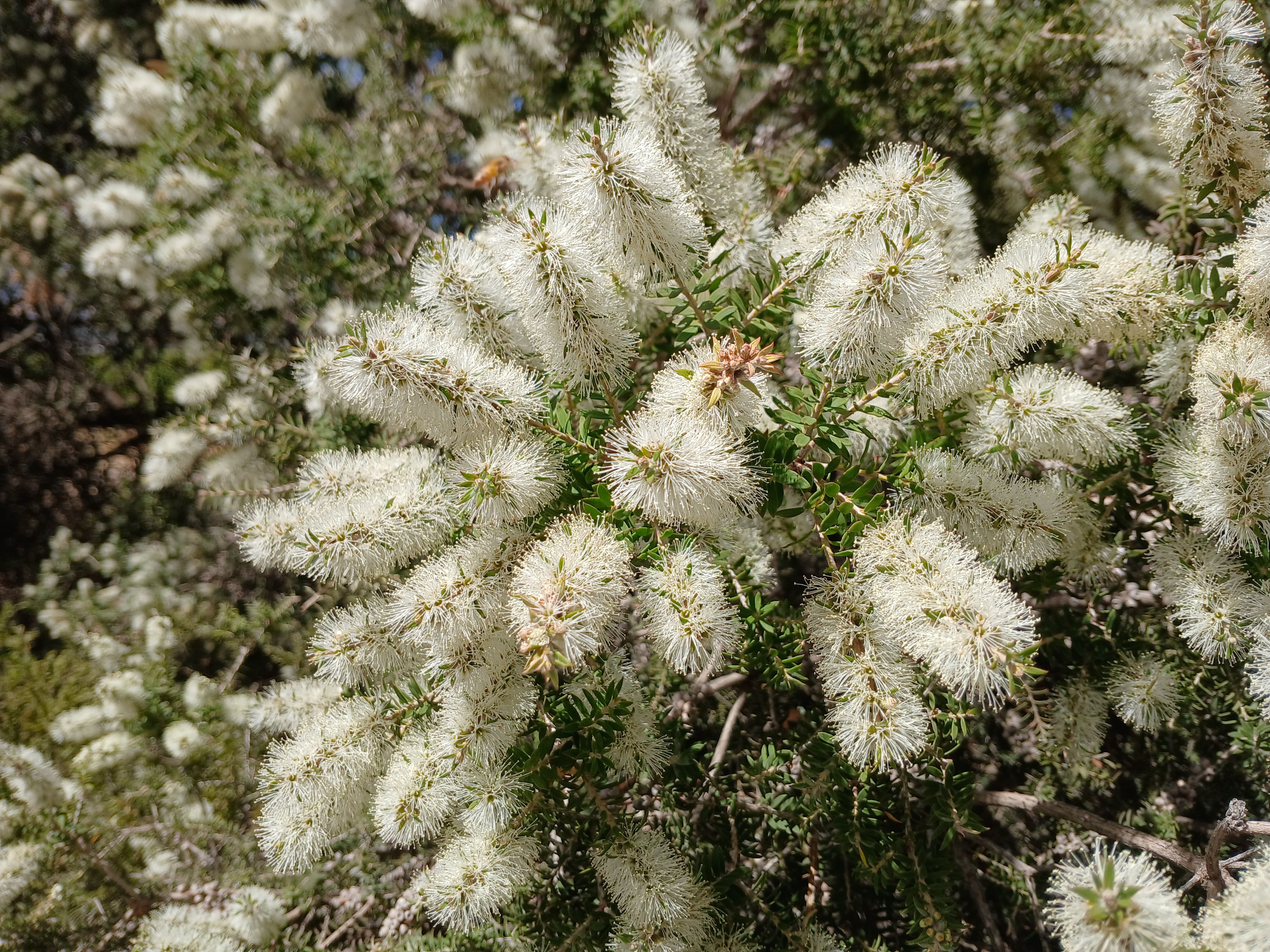
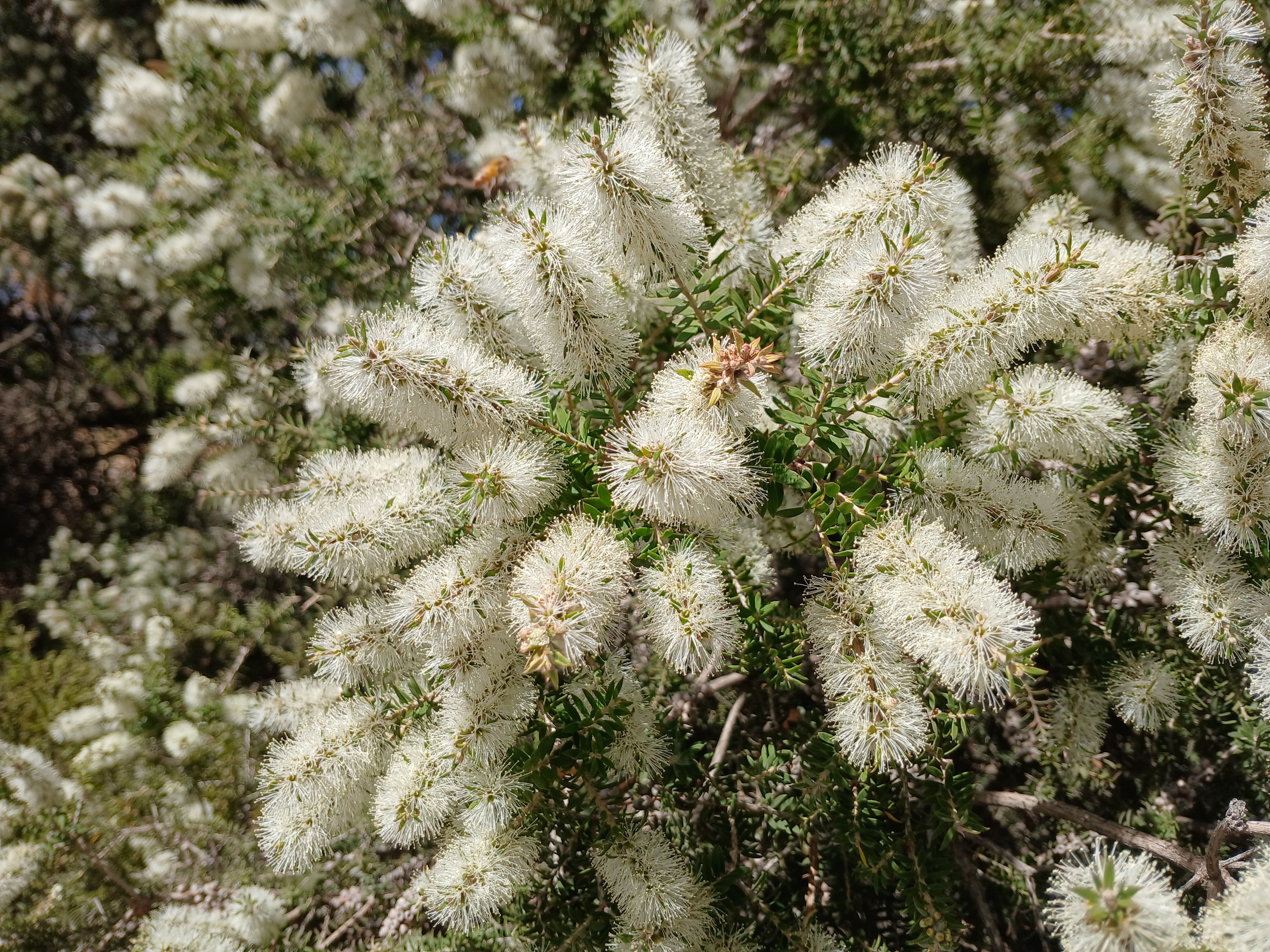
Melaleuca bush in flower in the scrub, February 2026.

I took the photo in this post this week while I was out on a run through the scrub. It was a hot afternoon and I was tired and my legs felt very heavy, but I still treasure running, no matter how slow a runner I am these days, and so I pushed on for twenty minutes or so. All along the path, as I ran, the melaleuca bushes were in flower, their creamy blossoms emitting a kind of musty, dusty scent that I love. Can you see a bee in the photograph? There is one, if you look closely; indeed, there were many bees in the bushes, busying themselves with pollen. In close-up, here in this photograph, what you can see is only beauty, but the truth is that on the opposite side of the path along which these bushes grow, the land has been cleared for subdevelopment; it is now bare of growth.

More houses, less trees, less bees — that’s the bigger picture. Yes, this is a metaphor. To extend the metaphor, I will add that I also took a picture of the road, the cleared land (the bigger picture), which I planned to include in this post, but at the last moment I changed my mind. It doesn’t help, I think, to focus on the bigger picture. Let’s be grateful for the small islands of beauty that remain in this world.

I’ll be back again in a few weeks with links to some stories that I’ve had accepted for publication in online literary magazines, for anyone interested in reading my short fiction. In the meantime, for today, I’ll leave you, as always, with some reading. This year, I’m changing my focus in the ‘Lately I’ve been reading’ section and will be providing links to a selection of fiction and poetry there instead of essays and articles. Micro fiction, flash fiction, short stories, poetry — there’s a wealth of beautiful work out there, and that’s what I’ll be providing links to this year.

Lately I’ve been reading …

A thousand ways

Other people’s words about … making art

I can think of no-one who writes better about living in the modern world as an artist than Brandon Taylor. No-one, more particularly, who writes better about being a young, queer, Black male artist in the twenty-first century who is trying to practise art while not succumbing to the white gaze. (Taylor describes white supremacy in another wonderful passage in Minor Black Figures, as giving Black artists a tiny white man in your mind to argue with constantly all the way up and down until you died never having had a single thought that was not either about whiteness or a reaction to whiteness).

This is not my story, clearly. Still, as a (middle-aged, white, female, straight) writer, I feel a great deal of kinship with Wyeth in the passage above as he struggles with the value and integrity of his art practice. Yes, yes, yes.

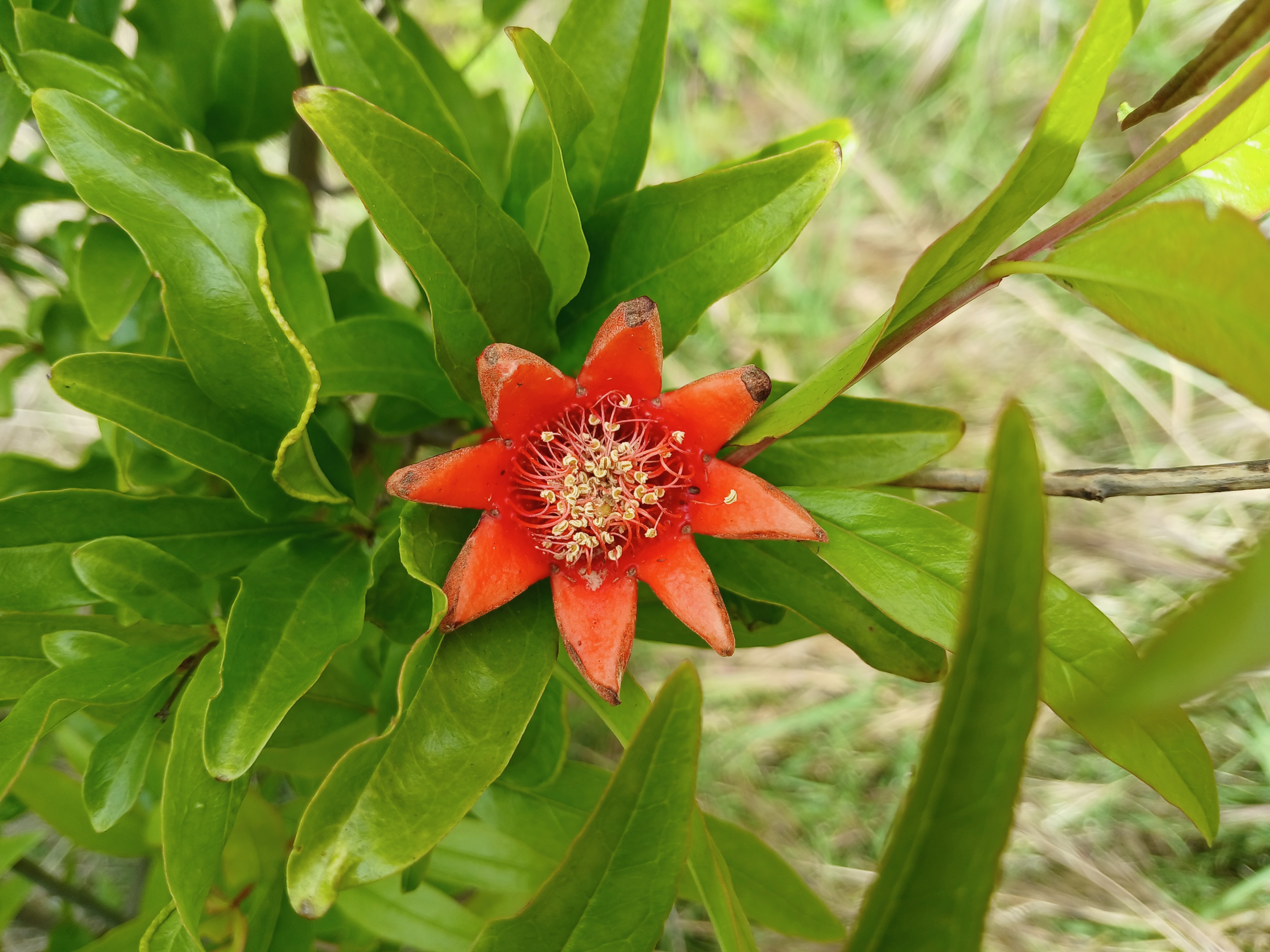
Pomegranate flower in my garden, November 2025.

For myself, post-publication of my novella Ravenous Girls, I’m still writing. Still writing, still learning. I am often puzzled by the values I encounter in the publishing world and more broadly in the world of books and reading — puzzled by how writers seem to be valued more for their productivity and conformism than for what they have to say or how they say it. As a consequence, I don’t know if I’ll ever have another book published. But I do know that I will continue to write, and that the act of writing — when I separate myself from its place in the commercial world — is meaningful to me, in and of itself.

Or, as Taylor puts it: Anyway, it wasn’t like he was staking anything of value to anyone else — just his integrity.

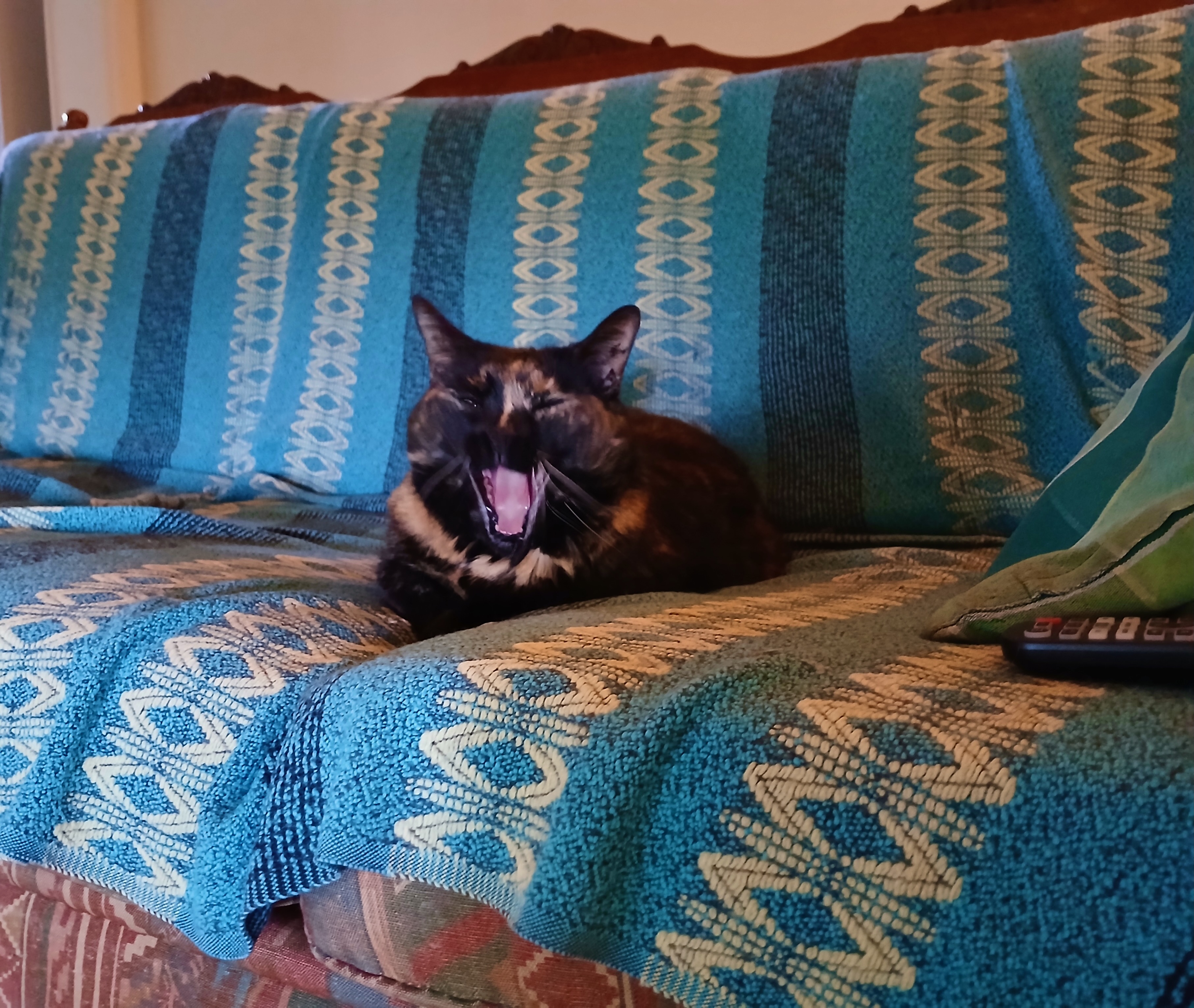
Lizzie mid-yawn, November 2025 (this cat has no issues with her own integrity!)

Lately I’ve been reading …

I’ve been exploring the world of short fiction in the last year, discovering some wonderful short stories, flash fiction and micro fiction in the process. Below I’ve listed some of the stories I’ve enjoyed — happy reading!

This world

Other people’s words about … kindness

Depictions of sex are notoriously hard to get right, and what sets those that work apart from those that don’t isn’t always obvious (although personally I feel that it helps if the writer avoids analogies with mountains and valleys, and doesn’t refer to a man’s ‘member’!). But I think the passage I’ve quoted above, from Clare Chambers’s lovely novel Small Pleasures — a novel set in 1957 — is one of the most moving sex scenes I’ve ever read.

It’s also somehow shocking. How many sex scenes have you read recently where the lovers were explicitly kind to each other? I can’t remember a single one. So when I say the scene is shocking, I mean, not that Chambers sets out to describe something graphic or taboo-breaking, but the opposite — that this is the word she uses, kind. And so even though they were unpractised, they were kind and that made it all right. How beautiful is that?

Deep Creek, September 2025.

I’ve been quiet over here for a while, not because I haven’t wanted to write a post, but because I didn’t know how to find the words to do so. Earlier this year, a toxic algal bloom hit the coast of South Australia. It began in regional locations but then spread to the metropolitan coast, killing marine animals in its wake and turning the ocean into a graveyard. Although scientists originally predicted that it would disperse during the cooler weather of the winter months, it hasn’t done so, and as summer approaches it’s clear that the bloom will remain for some time to come. There are thought to be several causes for it, among the most obvious of which is global warming: we are experiencing a marine heatwave in South Australia.

When I think about the algal bloom, I feel powerless and devastated. I have lived the whole of my adult life around the sea. My house is within walking distance of the sea. My holidays and camping trips are centred around the sea. I walk and run by the sea. I go to the sea to remind myself that there is another world beyond the human world — to tune the rhythm of my breathing into the rhythm of the waves, in and out. In and out.

But now what I feel when I go to the sea is grief.

Deep Creek, September 2025

It’s impossible for me to write a post here, on this blog in which I have for so many years celebrated my life by the sea, without acknowledging the algal bloom, and yet I find it almost equally impossible to write about it. And so this is the reason for my quietness. These words, even as I write them, do not come easily to me.

The effects of climate change are not kind. This is not a kind world.

Deep Creek, September 2025

I will finish by saying that the photographs that accompany this post come from a recent trip I made with a friend to Deep Creek, to the place where I spent a week on a writing residency around the same time last year.

Wait — let me rephrase that: I will finish by saying that Deep Creek is a place of stunning natural beauty and I am grateful for my time there, but that it, too, like the ocean, is vulnerable to climate change, because this is not a kind world.

It is not a kind world.

Lately I’ve been reading …

Soar

Other people’s words about … tea

Once upon a time, I used to describe myself as someone who drank ‘endless cups of tea’ — which was indeed true, once upon a time — but these days I’m sensitive to caffeine, and so my morning pot of tea, the treasured pot of tea, is the only tea I drink for the day.

And while I drink that pot of tea, I write. Some years ago, when I decided to make a commitment to writing something every day, no matter how little, I linked the commitment I’d made, very strategically, to my morning pot of tea. That way, I told myself, even when I’m filled with doubt about whatever it is I’m writing at the time, even if every part of me wants to give up on it, even if procrastination and writer’s block are overwhelming me, I still put myself through the process each morning — because of the cup of tea that accompanies it.

That’s how I wrote Ravenous Girls, in fact — one pot of tea at a time.

Morning pot of tea, June 2025.

Tiffany Atkinson’s beautiful poem Tea — which I found in a book that a dear friend gave me, Sophie Dahl’s Ten Poems about Tea — isn’t about tea, not really. It starts with a simple, everyday gesture, a man making a woman a cup of tea, and then, like all the best poems, it takes flight. It soars.

It’s a poem to be read slowly, to be savoured, just like a pot of tea.

Lately I’ve been reading …

The soft clatter of keyboards

Other people’s words about … crying at work

The lines I’ve quoted in the passage above, which make up the opening sentences of Anna Kate Blair’s novel, The Modern, have stayed with me ever since I read it, some years ago now. The novel is about art, love, self-doubt and work — most of all, perhaps, about how in our society one of the things that determines our conception of ourselves, the way we see and value ourselves (and others), is work.

The ethos of work.

What I love, though, about this particular passage (which in fact turns out not to be particularly essential to the course of events throughout the rest of the novel, at least insofar as what happens to Sophia, the narrator), is its tragicomic depiction of women crying in the workplace. Blair dispenses here with the need to explain why Anthea and Joanna and Sophia are crying, and why they assume they have to keep their crying secret. Crying in the workplace, she implies, and secret crying in particular, is a commonplace for these women; they all simply assume, in some kind of tacit shared understanding of themselves and their lives, that they’ll end up crying at some point during the working week.

Aldinga Beach, May 2025.

I’ve worked in several workplaces over the years, and, just like Anthea and Joanna and Sophia, at some point in each job I’ve gone in search of a private place to cry. When I worked the afternoon shift in the call centre of a community health provider, I used to take the lift from the fourth floor down to the car park, walk around the corner of the building to a little alleyway on one side and lean against the wall to cry. When I was a cook, I’d step into the cool room and close the door behind me to cry in refrigerated privacy, crouched in among the cartons of milk and bowls of pastry cream and half-wheels of cheese. I’ve also done my fair share of crying in the office toilets like Anthea, and, yes, like Sophia, I’ve sat at my computer furtively blinking and dabbing at my eyes, all the while hoping that no-one would notice. And/or that no-one would notice me.

What is it about workplaces that reduces women, some women, to tears? Is crying part of our make-up, or is there something about the conditions of our workplaces — the buildings we work in, the people we talk to and report to, the conditions we’re bound by our salaries to — that makes us cry? Or is it rather the space the workplace occupies in our lives, the way it’s crammed in uneasily among everything else that belongs to our non-working selves, those selves we perhaps think of as our true selves?

I don’t know. But I think of Sophia, fellow workplace-weeper, from time to time and smile wryly.

May 2025

Lately I’ve been reading …