
Other people’s words about … ageing (yes, again, but bear with me …)
I was not a happy or a healthy young person. I had chronic asthma exacerbated by smoking; I was unfit; my diet was ordinary. ‘Orphaned’ by 29, I spent most of my 20s and 30s in grief. I was deeply anxious with little confidence, my fretful neediness causing relationship problems. For many of those years, I cried every week.
From ‘The Luminous Solution‘
The day I turned 50, I felt a mysterious surge of what I could only think of as power. A deep optimism, energy and peacefulness took up space inside me. Give or take a few crises since, it hasn’t really left. In my mid-50s, I’m physically and emotionally stronger, healthier, more calmly loved and loving, more productive, more organised, smarter, wealthier and exponentially happier than I ever was in my youth. In the past four years I’ve really cried about three times, on one occasion because a good friend died.by Charlotte Wood
In my last blog post I talked about how a feeling of invisibility is something many women complain of experiencing as they grow older — and about how that feeling of invisibility doesn’t have to be (only) a negative experience. I talked about how feeling invisible can confer a certain grace and dignity to the way we live our lives.
It was my mother who reminded me subsequently of Charlotte Wood’s words about ageing. I have heard other women in their fifties and sixties express similar things and while so far I can’t say I share their feelings or their experiences, I find a certain comfort in their words. In my early fifties, I am, unlike Wood, neither more energetic nor healthier than I was as a younger woman; nor am I more productive or smarter. And I certainly don’t cry any less frequently.
And yet. The words optimism and peacefulness resonate deeply with me. I have fewer expectations of life than I did in my twenties and thirties — less hope, perhaps, but also, strangely, more joy.
Optimism, peacefulness, hope, joy. These are all invisible things. Maybe that’s what makes them feel so profound.
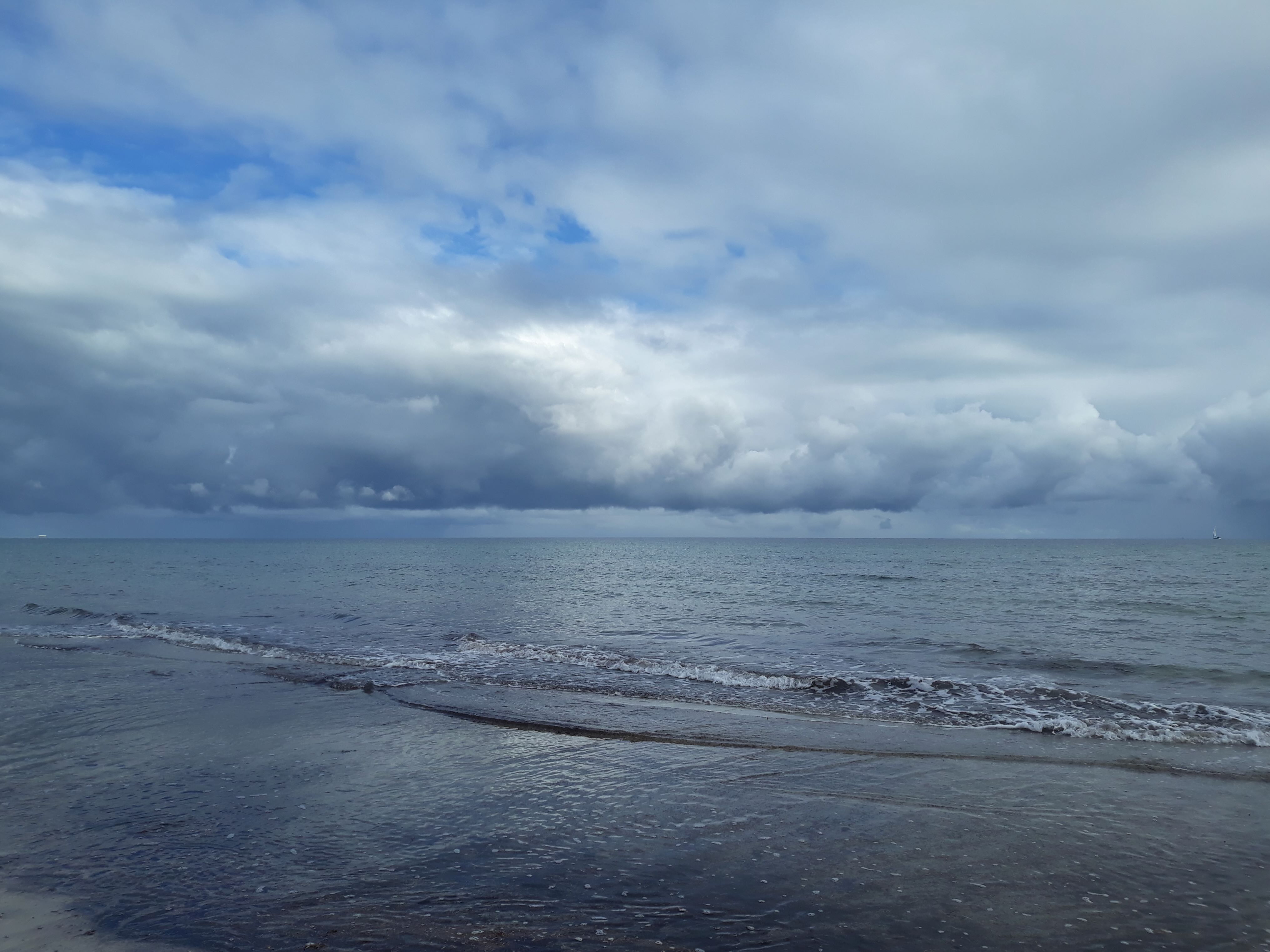
Shining sea, Late May 2022.
Lately I’ve been reading …
-
- When I’m alone, I can work or lie facedown and cry and no one knows the difference; no one is alarmed by my grief or astonished by my joy: Seema Reza extolling the virtues of solitude and the way it allows you to be, simply, yourself.
- So here’s what sends cold fear through those who study the global food system: Dan Saladino in a chilling piece about why the global food system may be on the verge of collapse, much like the global financial system in the run-up to 2008 — and for many of the same reasons.
- I used to love the city because I thought of myself as a people watcher. But I realise that I just enjoy watching —- people, plants, animals. Noticing is a gateway drug to writing: Naheed Phiroze Patel on tending creativity until it blooms.
- We praise the canonical authors for their imagination, so why does the plot of each of their works sound the same? Off the Fence magazine has some fun with the classics.




 twenty-one words