Other people’s words about … drought
I found a way back, south through Van Nuys and then east through Sherman Oaks, names I thought I recognised from the movies of my childhood, movies where blond-haired young people cruised in their own cars down wide streets to blasting music, movies where the material world was figured as primary coloured and suggestively grotesque, movies where teens congregated in malls which always seemed to contain fountains. I had never seen a fountain in a mall. Or maybe, I reflected as we drove, there had in fact been fountains in the malls of my childhood, but like so many water sources designated frivolous, they had been the victim of water restrictions imposed when the drought got bad, and then it just happened that the drought lasted fourteen years. Maybe the waterless fountains had been there all along, and I had simply not noticed. Instead, I had grown up the kind of child — the kind of adult — who felt a spike of panic at the tap left running while teeth were being brushed, and white rage at the sight of homeowners washing down cement footpaths and driveways with a garden hose. I still felt that rage when I saw it here in Los Angeles, and likewise I was shocked whenever I saw sprinkler systems misting over bright green lawns and gardens being watered in the high heat of noon, when such activities, where I was from, had been outlawed. And the drought in this part of the world had lasted just as long, a drought with no end in sight, and was arguably much worse. Who, I wondered, was in charge? Why wasn’t anybody doing something?
From ‘Elegy, Southwest‘
By Madeleine Watts
Many years ago, when I was in my twenties and travelling overseas, my American boyfriend took me back home to meet his family and friends in Michigan. We had been living for the previous few months in Cairo, that famous desert city, and to begin with we had, like all Westerners, drunk bottled water, fearing that the local water might make us sick. But we didn’t have much money and we had read that the municipal water in Cairo was safe to drink, even for Westerners, and so after a few weeks we had transitioned to drinking tap water. Neither of us had become sick as a result, but the Cairo water was so heavily chlorinated (presumably to make it safe to drink) that even I, hailing from Adelaide, found it hard to stomach.
In my home town, the tap water was similarly heavily chlorinated — so heavily, in fact, that it was said that aeroplanes, landing in Adelaide to refuel, didn’t refill with local water. How apocryphal this story is, I am not sure, but in any case, back in Cairo my boyfriend and I had taken to adding Tang to our water to take the taste of chlorine away. When I think of Cairo now, I still think of the taste of the water we drank in our last few weeks there, tangy with artificial orange flavour. How it sat in your belly afterwards like a stone. It was in Cairo, not Adelaide, that I came to understand the meaning of the term hard water.

Clouds but no rain, Aldinga Beach, May 2025.
The narrator in Madeleine Watt’s quietly devastating novel Elegy, Southwest, Eloise, is a young Australian woman, twenty-nine years old in the present day, which makes her, I guess, a Millennial. And yet when I read the passage I’ve quoted above I thought of myself, most decidedly a Gen X-er, and my own reactions to water scarcity when I was travelling in the nineties. In Michigan, when my boyfriend left the tap running as he brushed his teeth, when his mother washed the dishes under a running tap, I struggled to swallow back my protests.
‘We’re surrounded by the Great Lakes,’ my boyfriend said, teasing me. ‘We’re hardly experiencing water scarcity.’
But my response to the sight of running water was instinctive, fundamental. Water was a precious resource. You didn’t waste it. You just didn’t.
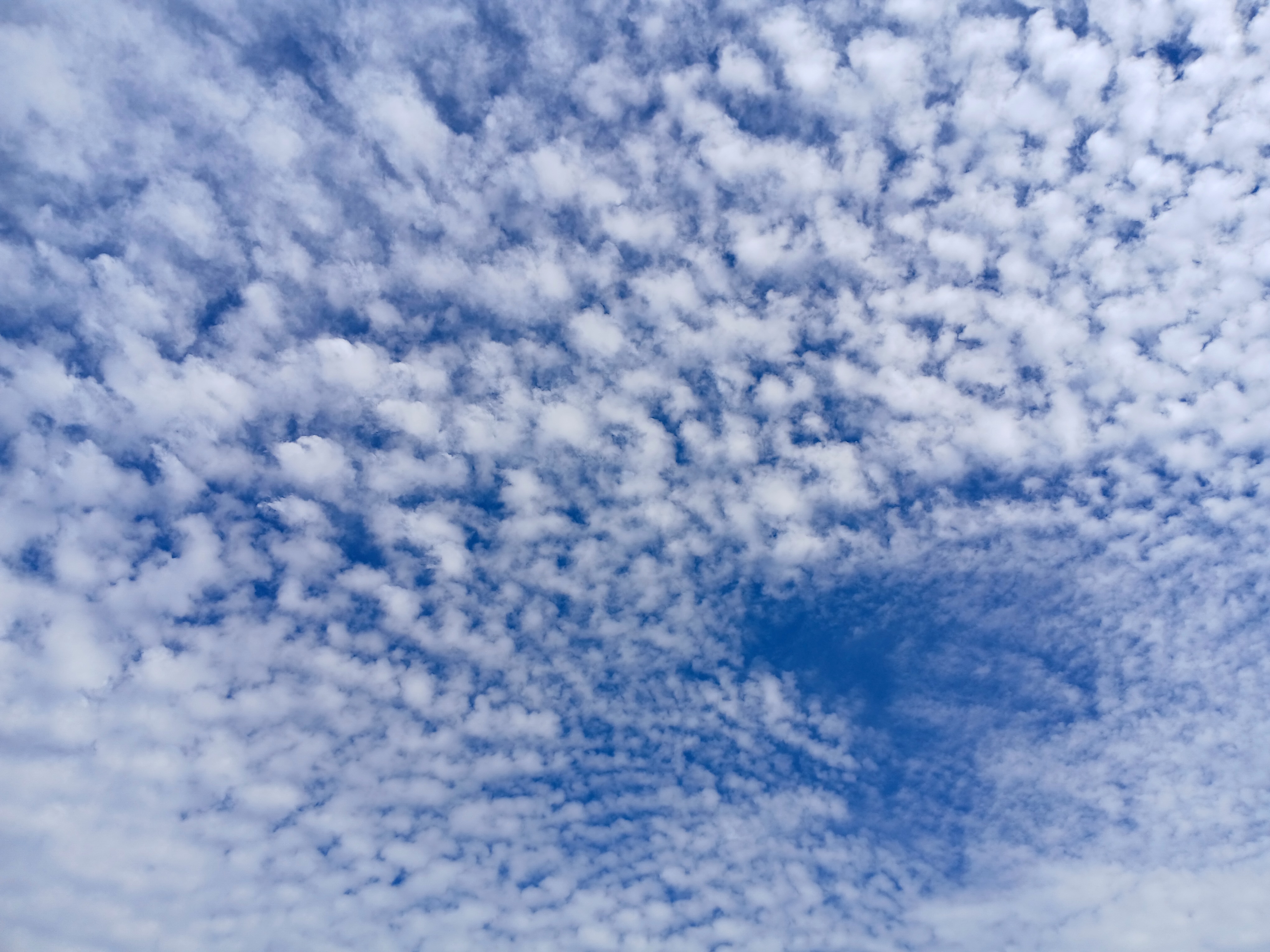
This year in South Australia we’re experiencing record low rainfall. After the driest summer in thirty-three years, we’ve moved into an equally dry autumn, and we’ve been saved from water restrictions only through the existence of the desalination plant that opened in 2012 in response to the Millennium Drought. Meanwhile, the native local flora and fauna are visibly, heart-breakingly struggling to stay alive. Those beautiful wide blue skies of South Australia? I’ve come almost to dread them.
Like Eloise, I grew up watching Hollywood movies where teenagers hung out in malls with fountains in them. Like Eloise, I don’t remember seeing a fountain in our local malls (though in the much-loved TV comedy from the noughties Kath and Kim, the local shopping mall is aptly — prophetically? — named Fountain Lakes). And like Eloise, all these years later, in these years of drought after drought, I, too, want to ask: Who is in charge? Why isn’t somebody doing something?
Lately I’ve been reading …
- Prison is where someone with OCD goes to be driven insane, the illusion of agency flayed from daily life: While we’re on the theme of water shortage and climate change, here is Michael Fischer on being incarcerated, climate change, veganism and more.
- Historically such strongmen have offered the populace a grand bargain: if they will surrender some liberties, he will make the trains run on time. But Trump’s delusions of monarchy have been coupled with a fundamental ineptitude: David Smith reports on Donald Trump’s first 100 days in power, which he describes as being characterised by revenge, retribution and stupidity. In our own country, we have just re-elected a Labor PM for his second term, partly, it is said, in response to our horror at what is happening in the US. It’s difficult to know what will happen next.
- What Morris wanted seems less workable than ever: As a young woman, I loved the designs of William Morris. I still love them, in fact, but I have since read more widely about Morris and found that there is much more to his story. Here Michael Ledger-Lomas, in a review of William Morris’s selected writings, explores the enigma of the man.
- Most people do not run. Most people who run do not run long distances. Most people who run long distances do not run extremely long distances. And most people who run extremely long distances do not decide to do so on a 400-metre track for 24 hours straight: I’ve been struggling to run much at all recently due to plummeting engery levels. Still, my interest was piqued by this piece from back in 2023 in which Stephen Lurie tries his hand at running round and around a 400m track for 24 hours — a form of running I can’t imagine ever attempting, even if my energy levels were to soar.
- I forget often about devotion. I forget what it was like to be seventeen, depressed and anxious and worried, and finding solace in the ritual of faith, believing that something greater than myself could save me. I forget, sometimes, what it was like to want to be saved. I forget, all of the time, what it was like to believe. I forget belief, tragic as that is. I forget it all of the time. Which is the same as forgetting hope. Which is the same, though you might disagree, as forgetting trust: Devin Kelly, in his wonderful substack about poetry, Ordinary Plots, on Maurice Manning’s poem XXXV, devotion and much more.
 twenty-one words
By the time I was four, my family count was nine people and our water source was a spring. In summer, my father would monitor that spring and we had strict orders not to waste a drop of water (nor anything else for that matter). I could never understand people who would waste because they felt they could. The earth’s resources are precious and I consider waste nothing less than disrespectful of the privilege of using them.
What an amazing story, Eliza. Indeed, the earth’s resources are precious!