Recovery

Other people’s words about … therapy

And perhaps not coincidentally, he also found himself doubting therapy — its promises, its premises — for the first time. He had never before questioned that therapy was, at worst, a benign treatment: when he was younger, he had even considered it a form of luxury, this right to speak about his life, essentially uninterrupted, for fifty minutes proof that he had somehow become someone whose life deserved such lengthy consideration, such an indulgent listener. But now, he was conscious of his own impatience with what he had begun to see as the sinister pedantry of therapy, its suggestion that life was somehow reparable, that there existed a societal norm and that the patient was being guided toward conforming to it.

‘You seem to be holding back, Willem,’ said Idriss — his shrink now for years — and he was quiet. Therapy, therapists, promised a rigorous lack of judgment (but wasn’t that an impossibility, to talk to a person and not be judged?), and yet behind every question was a nudge, one that pushed you gently but inexorably toward a recognition of some flaw, toward solving a problem you hadn’t known existed.

From ‘A Little Life
by Hanya Yanaghihara (p. 568)

When I was sixteen, I received in-patient treatment for an eating disorder. Though my weight loss wasn’t life-threatening, I had become stuck in a pattern of abstinence that my doctor considered a risk to both my physical and my mental health in the long term. And so, into hospital I went.

I am grateful for the treatment I received during the six weeks I spent on that ward. I am grateful to the dietitian who laughed when I told her I didn’t like Mars Bars, and said, ‘That’s your anorexia speaking.’ (Actually, I genuinely don’t like Mars Bars, but I am extremely fond of Cherry Ripes, so I think I pass the test.) I am grateful to the plump, curly-haired nurse whose pudgy feet squelched in her white shoes as she plodded down the corridor carrying a bedpan, who said, ‘If you can’t help yourself to a biscuit from that tin on the table just because you feel like eating one, you’re not better.’ I am grateful to the patient in her mid-fifties who sat opposite the dinner table from me one evening, asking me to pour her a glass of water, ‘because, you see,’ she told me — and her face was a maze of articulated wrinkles and creases as she leaned across the table to speak, her shoulders prematurely humped, her voice husky from years of smoking instead of eating — ‘my wrist bones are so fragile from osteoporosis that I can’t lift the water jug in case I get a fracture.’

I am grateful to these people, because they helped to strip starvation of its glamour for me. Because they helped me to escape.
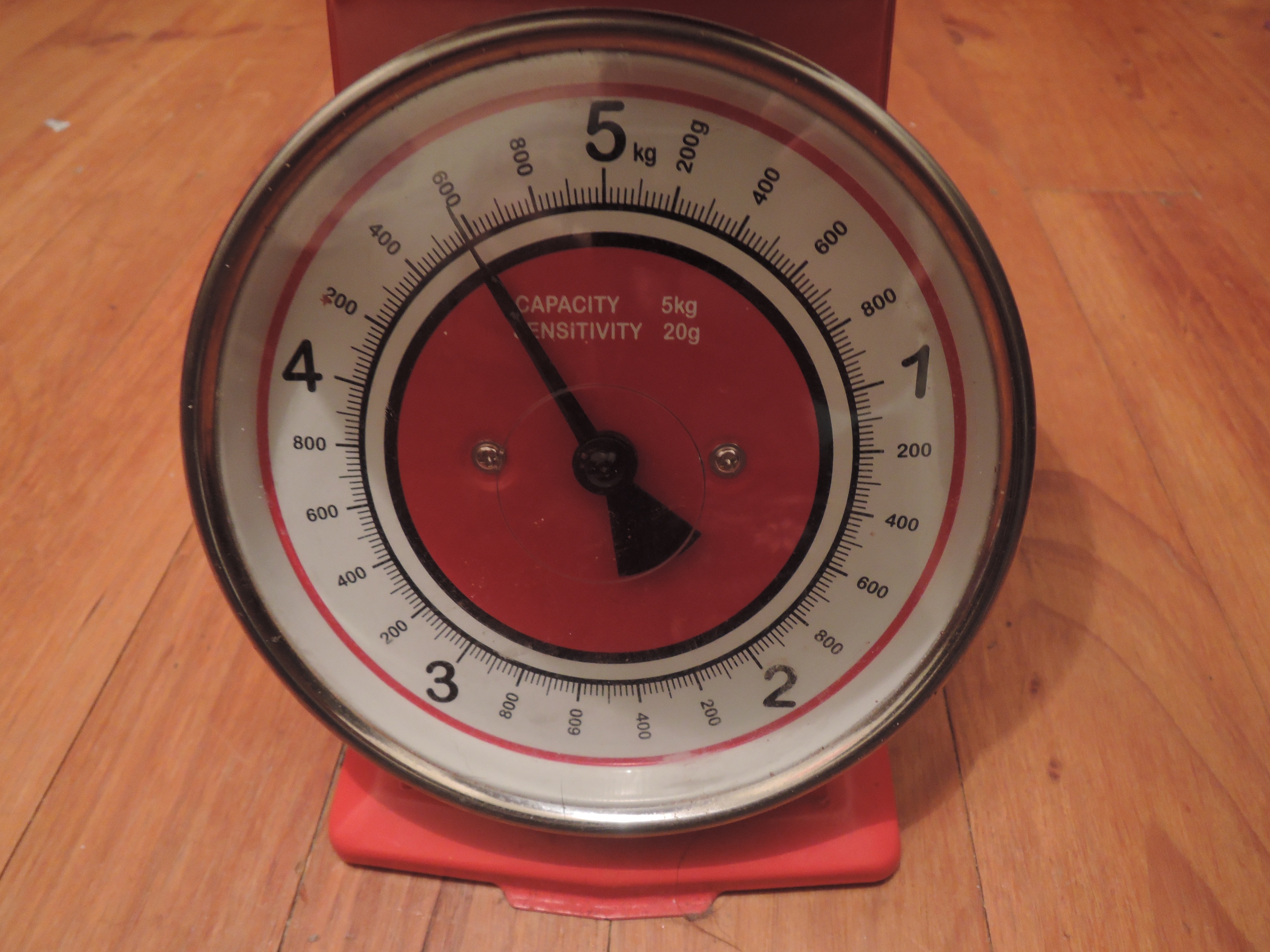
Regular weigh-ins were a part of the hospital treatment ...
Regular weigh-ins were a part of the hospital treatment …

During my time in hospital and afterwards, my therapists talked to me about getting well, moving on, recovering, leading a normal life, finding happiness. Because we talked about these things, I assumed they were not only achievable but also desirable — essential, even. Many people make the same assumption.

But now I am not so sure. I don’t think therapy’s orientation towards focusing on health and happiness and normality is sinister (Yanaghihara’s word). But I do think, like Yanaghihara, that some people’s lives are not reparable, or that some aspects of their lives are not reparable. Some people suffer terribly, some people less so; in either case, there are times when a person’s suffering cannot be eased, either through therapy or through other means. In that context, perhaps there are qualities other than health and happiness which a person might explore. Resilience, for example. Dignity. Grace. Surrender.

I think of Viktor Frankl, who wrote so eloquently and poignantly about people’s need to find meaning in their suffering, if that suffering was unavoidable. I think we shy away from that word, these days — unavoidable. We form goals, we foster dreams, we try to shape our lives, based on that act of shying away. I think this is a mistake.
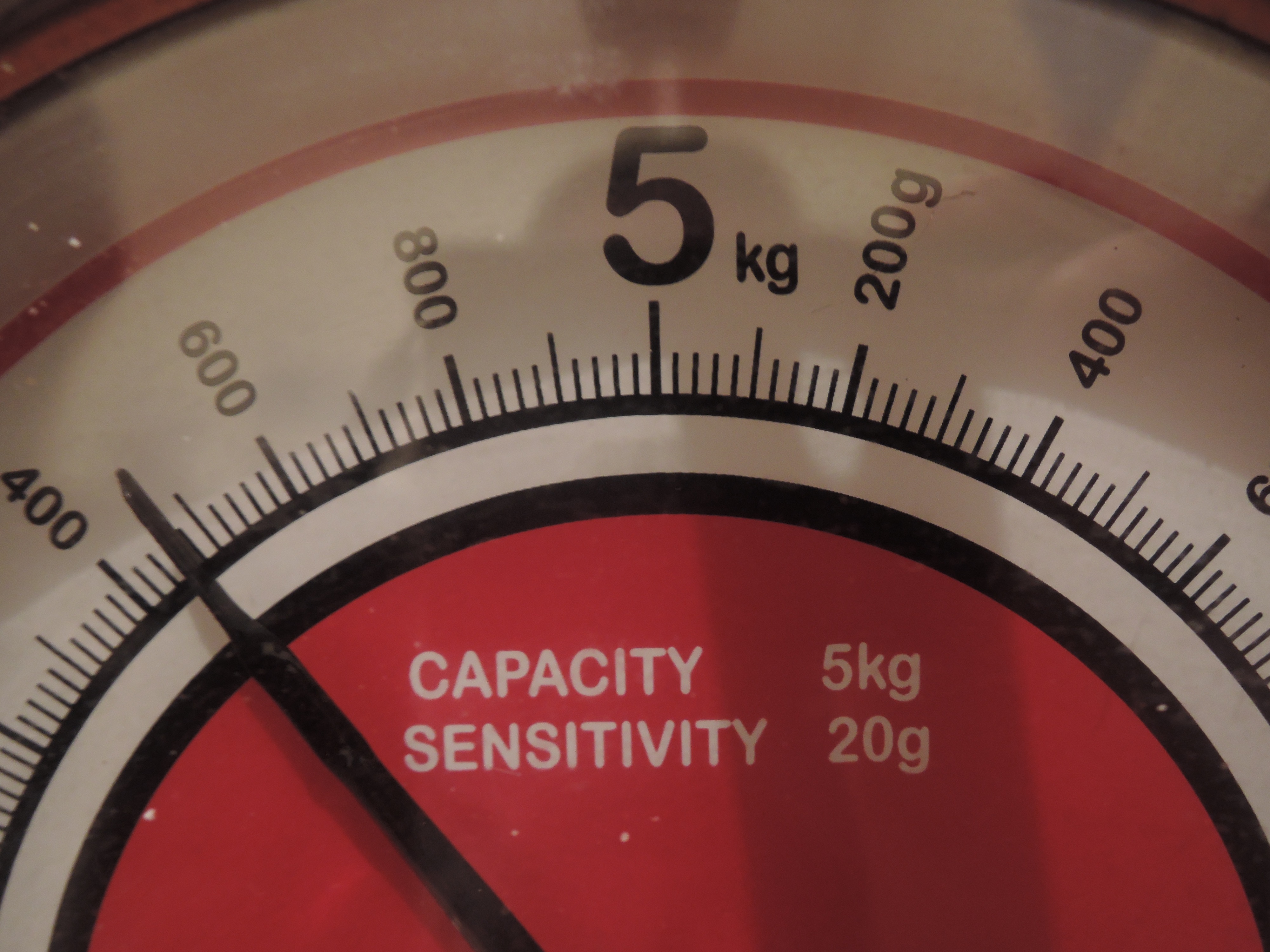
... but the number on the scale is only one factor in the equation
… but the number on the scale is only one factor in the equation

There is only so much you can can say in one post, and so I will leave the rest for another day. Instead, I will finish with some more words by Yanaghihara — words that, I think, complement these thoughts, though the millennial New York society she writes about is so far away from the terrible world of Frankl’s concentration camp:

But these were days of self-fulfillment, where settling for something that was not quite your first choice of a life seemed weak-willed and ignoble. Somewhere, surrendering to what seemed to be your fate had changed from being dignified to being a sign of your own cowardice. There were times when the pressure to achieve happiness felt almost oppressive, as if happiness were something that everyone should and could attain, and that any sort of compromise in its pursuit was somehow your fault.

(p. 41)

This is a tricky subject to write about, not least because it involves personal disclosure, if only on my side. But I would love to know what you, my readers, think about this. Please leave a comment and let me know. Your thoughts matter to me.

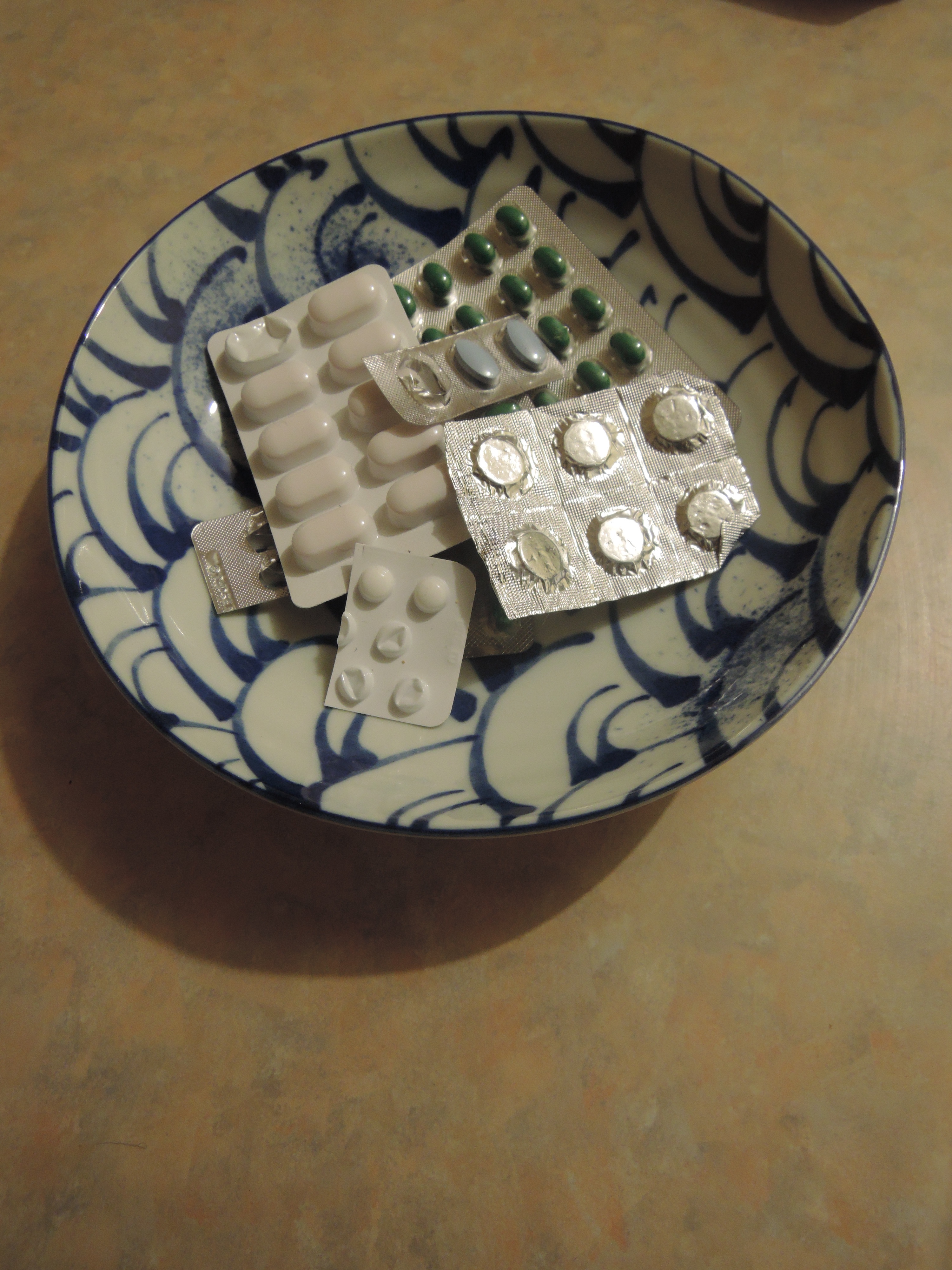
A bitter pill to swallow

Other people’s words about … cures

We feel sick even if we are physically well. We are organically diseased by lack or excess. Most of our healers — mainstream and alternative — now act and are treated like shopkeepers, and have become entrepreneurs (or the pawns of entrepreneurs). If they don’t give us the goods — the diagnosis and pill — we’ll shop elsewhere. We seek passive means of attaining health and longevity, which is what medicine (both conventional and alternative) promotes. We want diagnoses. We want solutions we can browse, buy and swallow, be they pharmaceuticals, tinctures or vitamins. It’s convenient for politicians, suits industry very nicely. Pills are our tiny white black holes: absorbing all our hope, agency and energy. They divert attention from prevention, population health and inequity; they promote consumption.

from ‘Too many pills?
by Karen Hitchcock
in The Monthly magazine (September 2015)

I like Hitchcock’s thinking. A doctor who works on the acute medical ward of a big city hospital, she pulls no punches when it comes to discussing health in our society.

Health, she says, is more than just a physical issue. It is an issue of combined mental, physical, environmental, interpersonal, social and political factors.

Too many pills?
Too many pills?

I can’t do justice to her argument here. It is complex and passionate, encompassing the need for both personal action (at the individual level) and social action (at the socio-political level). And it is about considering the idea of a cure not as something we can buy but rather as something we should do.

And, oh, these are words well worth reading.

Why I drink tea, not coffee

Other people’s words about … tea

The MOTH (the Man of the House) thinks the world’s drowning in a tsunami of expensive [cappuccino] froth. He’s fighting the trend single-handedly. He drinks tea made from tea leaves. He doesn’t like ‘gift’ teas that arrive with house guests and distant cousins …

DSCN2773

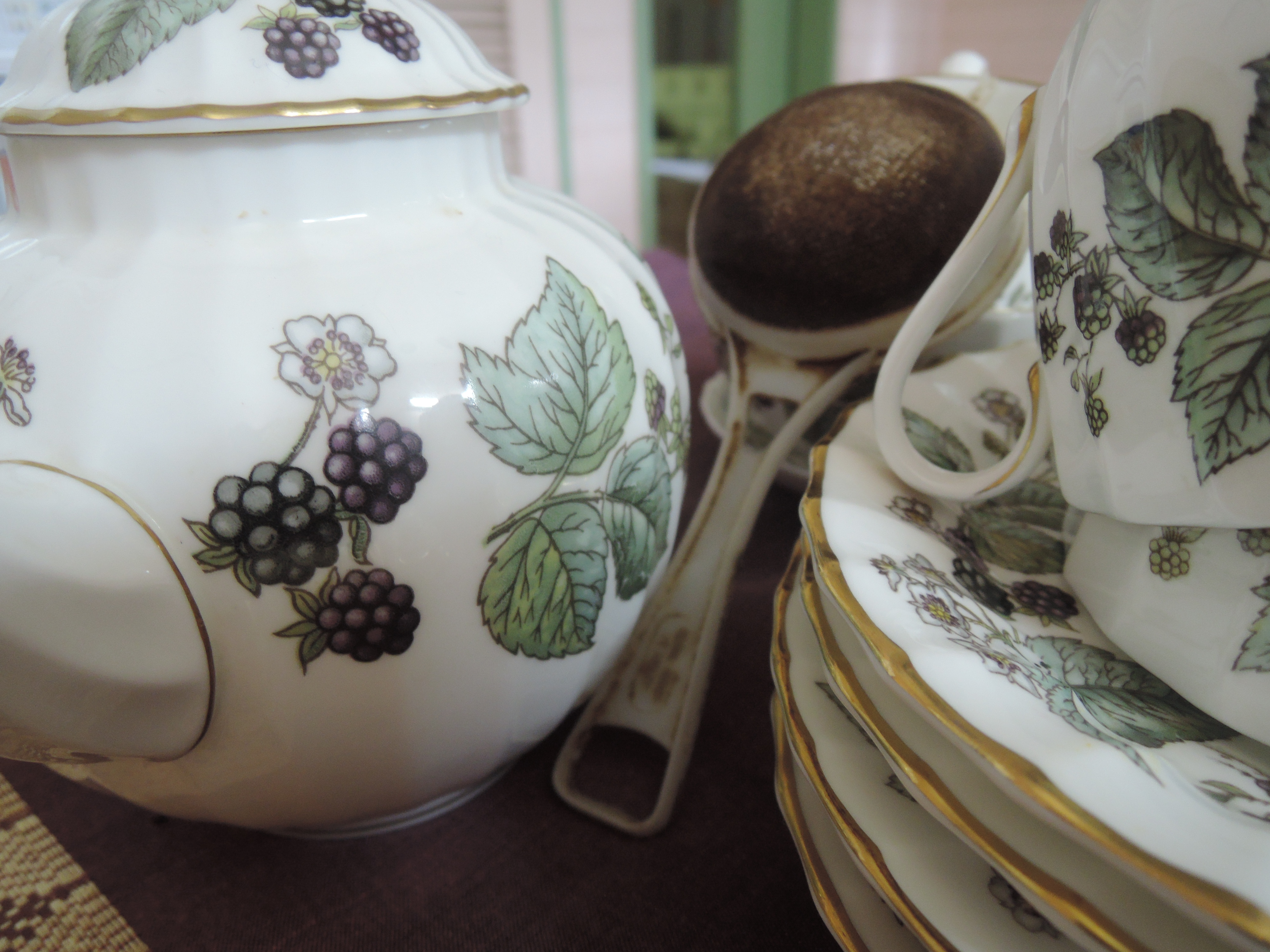
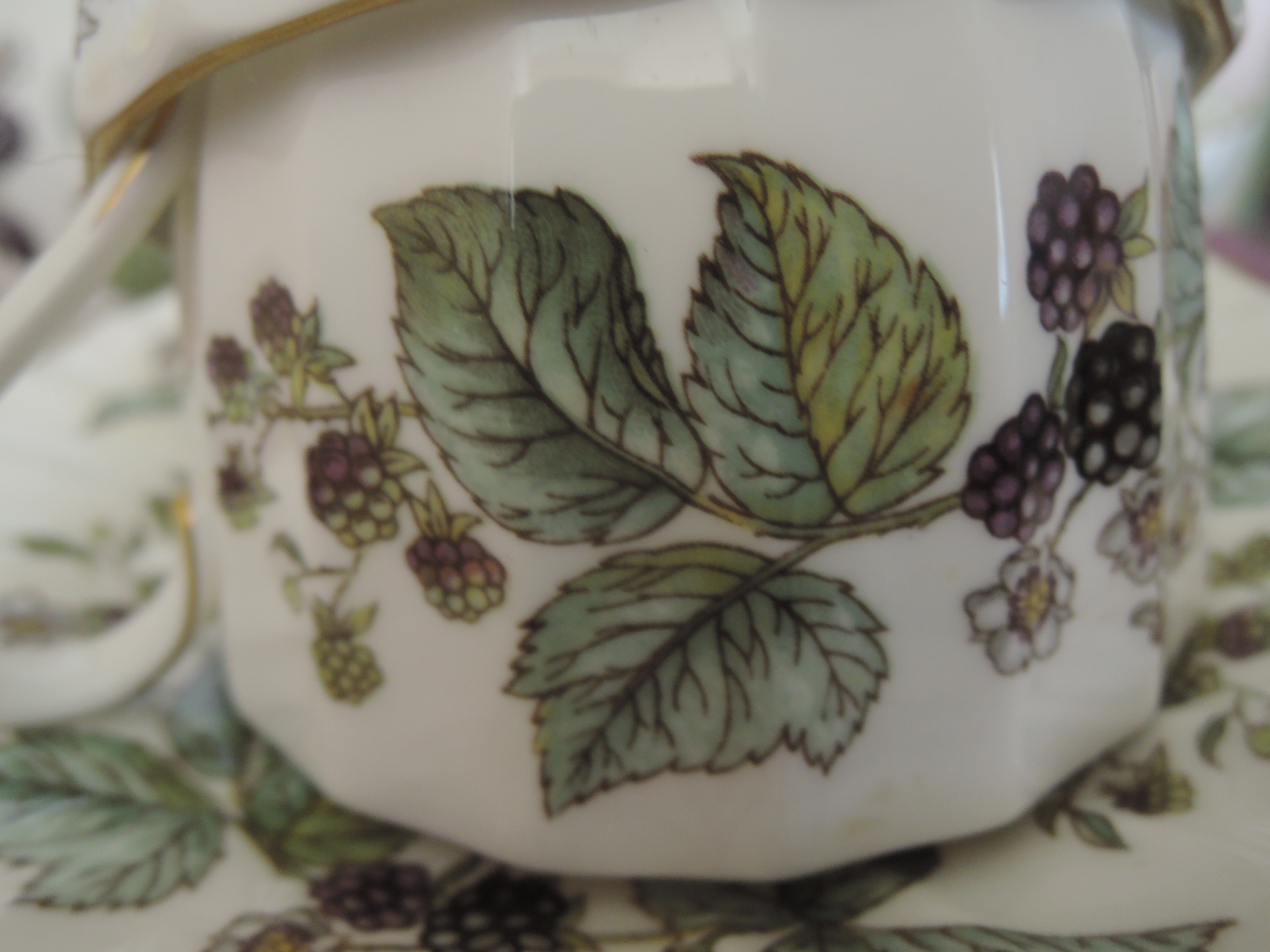
Every morning and most evenings, the MOTH makes tea following the rules set down by his mother. Bring a kettle of water to a ‘rolling’ boil. Warm the teapot. Put in a generous measure of loose tea. Fill the pot with boiling water, replace the lid and wait patiently. In the meantime, put out china cups and saucers, teaspoons, the sugar bowl and a jug of milk. Hot buttered toast and a jar of homemade marmalade will do nicely as well.

From ‘Tea and Sympathy’ by Pat McDermott
featured in
The Australian Women’s Weekly, July 2016

Old-time readers of this blog will know of my love for tea by now. I would rather give up wine, chocolate or cheese than give up my daily pot(s) of tea.

DSCN2777

Many years ago, I attempted to become a coffee drinker. I was working as a student barista in a cafe in Port Adelaide at the time, and the coffees I made for my customers smelt enticing. There is nothing better than the smell of freshly brewed coffee.

But. I soon discovered that I am extremely sensitive to caffeine. Give me a cappuccino at nine o’clock in the morning, and I will be jittery and fidgety and twitchy all day. I won’t sleep. I’ll still be awake the next morning, heart hammering away, eyes dry and wide. And don’t even get me started on that sense of the walls of the room caving in on me …

DSCN2776

My grandmother drank tea, and I remember her making me cups when I was a child: the ritual of it, the alluring whiff of mysterious adulthood that came with it. Still, for years after I’d begun reacting to coffee, I avoided drinking tea because I knew it also had caffeine in it, though in a smaller dose. Eventually, though, I became close to someone who was an inveterate tea-drinker, and I felt tempted again. Eventually, tea wooed me back in just the way that coffee had once done.

Maybe it’s the smaller amount of caffeine. Maybe it’s psychological. Maybe it’s the ritual of tea-making: my grandmother’s Royal Worcester china, the pot, the brewing, the accompaniment of sourdough toast spread with a (thick!) layer of my mother’s grapefruit marmalade or my father’s quince jam. Whatever it is, I have found that I can handle the caffeine in tea.

I read recently in The Australian Healthy Food Guide (p. 14) that Lord Twining, of Twinings Tea fame, has been known to state that anything less than nine cups of tea per day is a totally unsatisfying tea-drinking day. Clearly, Lord Twining may have vested interests in making statements like this … but I can’t help admiring such a line of thinking, all the same.

And so … let the tea-drinking continue!

It’s not always about speed. Or winning.

Other people’s words about … running (slowly)

I didn’t fight my way across the finishing line — nor did I float. The significance of that marathon didn’t lie in speed or in pain, but in the exchange between my body and the city. I didn’t need a personal best trophy; I could prize the run on its own terms. After many years of early morning runs and all kinds of races, running is to me a way of being, not a way of testing myself against invisible antagonists and not a competition with my peers. I had nothing to vanquish but my doubts, and now — in ways I could never have predicted — running has brought me into a rich communion with the world. It still surprises me. I’m careful not to slip on dirt tracks, and I pay more attention to warnings about overstraining my knees than I used to. I want to avoid injury. I don’t want a show-stopping finish line moment. I want to keep running.

From ‘The Long Run
by Catriona Menzies-Pike

When I (briefly, as it turned out, at least for now) took up running again last year, it wasn’t the thought of speed, or competition, or races, or personal bests, that appealed to me. Nor, God forbid, was it the thought of getting super-fit and toned. Lone beast that I am, it wasn’t the thought of companionship, either: of joining a running team, or running with new friends. I know these are the things that runners often find joy in, but they weren’t drawcards for me.

No, what drew me back to running was what I remembered from the period in my twenties when I ran: how meditative running can make you feel. There is the beat of your heart, the rhythm of your feet, the taking-in and letting-out of your breath. There is the simplicity of moving your feet over the ground, taking you there (wherever ‘there’ is) and back again. There is the joy, afterwards, of feeling reawakened. And alive.

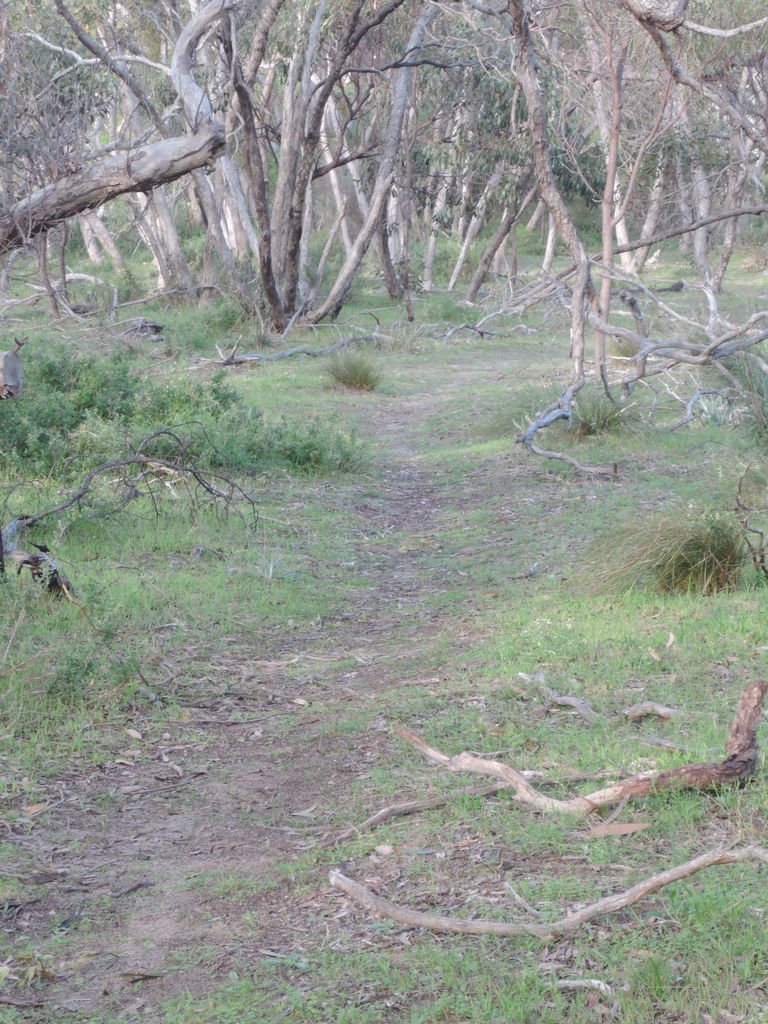
I'm careful not to slip on dirt tracks
I’m careful not to slip on dirt tracks

I suspect that Catriona Menzies-Pike is a kindred spirit. Her whole book, if you care to read it, is an eloquent essay on how running helped to heal the grief she felt for her parents’ untimely death when she was still a child. It is also an exploration of the joys of running slowly — and making the choice to do so. Imagine running, but not forcing yourself to race. Imagine running, but allowing yourself to enjoy the moment rather than the end-result. Imagine running, with no particular aim in mind other than to take the time it takes.

Imagine.

A rich communion with the world

We talk big about fitness these days. We talk about heart-rate and VO2 and pace and gait. We talk about sub-four-hour marathons and heel-striking and foam rollers. We have instruments and apps to help us talk this talk — Garmins and GPS trackers and Apple Watches and the like. (Wait, maybe those instruments created the talk. Have you ever thought that?) So choosing to run slowly, in a world full of talk like this, is tantamount to an act of anti-consumerist, anti-conformist rebellion.

I don’t want a show-stopping finish line moment. Those words apply equally well to life as they do to running, don’t they? There’s another metaphor in the quote above, too. Running, Menzies-Pike says, still surprises me. I get that. I do.

Because life still surprises me. I hope it always will.

Everyday cake

Other people’s words about … cake

The other day, in a dark moment, I was trying to compile a list of things that make me feel better when I’m feeling bad.
(I write these lists often. You can draw your own conclusions about what this says about me!)
DSCN2556
One of the things that’s always on my list of consolations is: CAKE.
Cake never fails, right?
Lovely blogger Stacy Ladenburger talks about this over on her blog Delightful Crumb.
Her solution is something she calls ‘
Everyday Cake’ —
a cake to eat and bake through all life’s trials and tribulations.

DSCN2033

Everyday cake.
Even the idea consoles me …

Note:
I have never posted a recipe on my blog, and don’t intend to. One reason is my self-imposed word limit. It’s hard to publish a recipe in a post that’s 101 words or less.
But if you would like a recipe for everyday cake, I’d try Stacy’s recipes here and here.
And whatever recipe you try, I hope that baking and eating the end-result will console you as I have found it consoles me…

Kinship

Other people’s words about … headaches

One of the things I love about reading is the sense of kinship
you can find in another person’s words.
Sometimes, the smallest phrases from a book sing true.

Since he left, a headache had followed Laura, the kind like a bird that settles and soars.

from ‘Questions of Travel’
by Michelle de Kretser

(p. 177)

Sometimes I, like Laura, get headaches that come over me, varying in intensity —
for a few hours, or days, or weeks.
Medication doesn’t help:
and I’ve learned just to sit the headache out.

… she could feel a headache coming on, the close-fitting, all-over kind like a swimming cap made of lead.

(p. 498)

So I find solace and companionship in these words of Michelle de Kretser.
I may never meet her.
But I know how her world is coloured,
and I know that she is kin.

My hourglass

Slowly, it started to feel as if I had clawed my way back to something resembling a life. It was such a relief to know that I hadn’t finished changing — I wasn’t an hourglass that had timed out, all the grains fallen through. I wasn’t stuck, too soon the best I could ever be.

from ‘Inbetween Days’
by Vikki Wakefield*

Have you ever wondered if you’ve already achieved the best you can?
Have you ever thought that it’s all downhill from here?
If so, perhaps — like me — you will find these words comforting.
I like to think of the grains in my hourglass still trickling through slowly …
… not quite timing out.

*Note:
Vikki is a good friend of mine and fellow writer. Check out her website for more information.

On running

Finally, after a summer of heartache followed by almost crippling depression, came the walking phase. After a hectic routine of lying under my coffee table weeping, I had reached a point where I had to get outside and see daylight. I wanted to feel the breath of warm air on my skin; I yearned to feel the blood circulate around my body again … Half-deranged by weeks of erratic sleeping — nights spent enervated and panicky followed by sluggish, heavy-limbed days — I decided in desperation that physically exhausting myself might make the nights seem a little more welcoming. I longed to yearn to lie down at the end of the day, legs aching from use rather than the anxious jiggling they did under my desk for hours on end.

from ‘Running like a girl
by Alexandra Heminsley

When I was twenty-five, I took up running to cure my own case of heartbreak. I lived by the beach (a different one then), and so I picked out my four-kilometre course, from one jetty to the next and back; and then I ran.
And the heartbreak lifted. Running brought me the simplest joy I’ve ever known, in fact — until I developed runner’s knee.
Twenty years later, I’ve started running again.
The joy’s still there …
… but so is the runner’s knee.
I won’t give up hope, though: running is the best salve I know.
Cross your fingers for me?