The quality of blue (2)

As I mentioned in my previous post,
there is something about the colour of the sea in summer.
DSCN2536
The quality of blue is different from other times of the year.
DSCN2538
It’s silky blue.
Pearly blue.
The truest kind of blue.
DSCN2542
Blue sky.
Blue sea.
Bluer than blue.
DSCN2544
A celebration of blue.

Tangled

The bush is in the throes of mid-summer right now.
It’s dry and brown.
It’s a tangle of trunks and branches —

and grasses —

and twigs and leaves.

But the mistletoe in the trees …

… is in flower:

And one or two bushes are heavy with creamy blossom.

Insects tick.
Shrike thrushes sing.
Whistlers call.
Black cockatoos swoop and shriek.
Kookaburras laugh.
Summer slumbers on.

Stop and smell the roses

Native plants and vegetation are my passion.
(We all know that.)
So you won’t be surprised when I say I haven’t always been the hugest fan of roses.
They’re not native to Australia.
Sometimes they seem overblown to me, and showy — blowsy, even.
DSCN2325
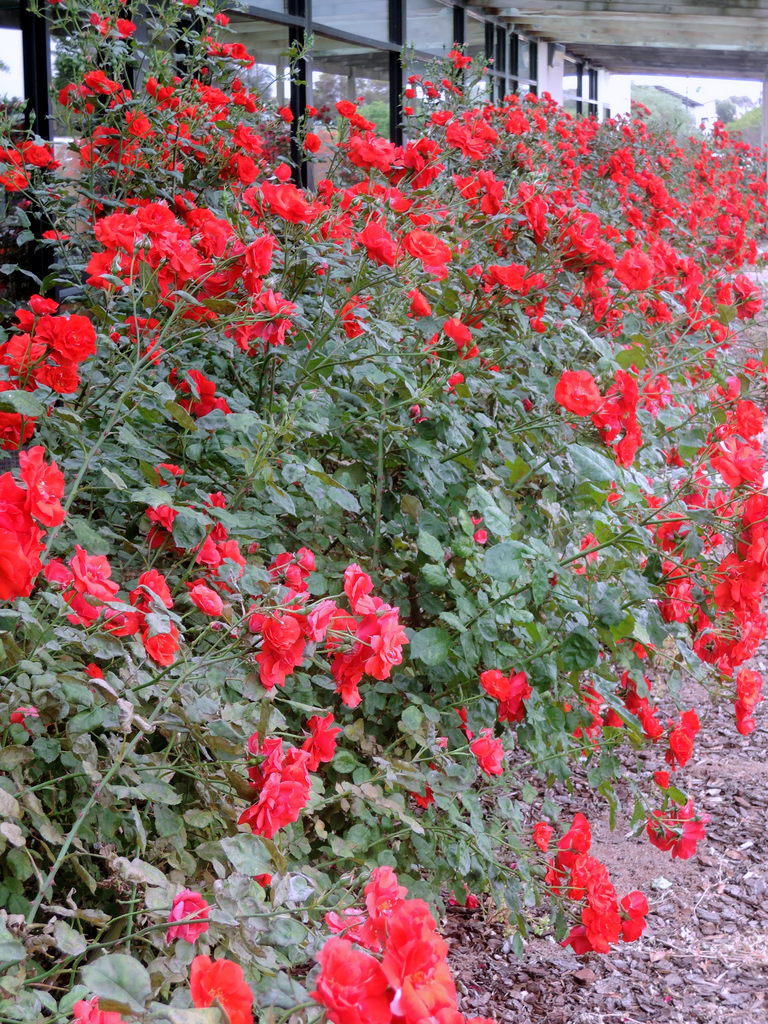
But once a year, the rose bushes outside a library I visit frequently put on quite a show.
DSCN2324
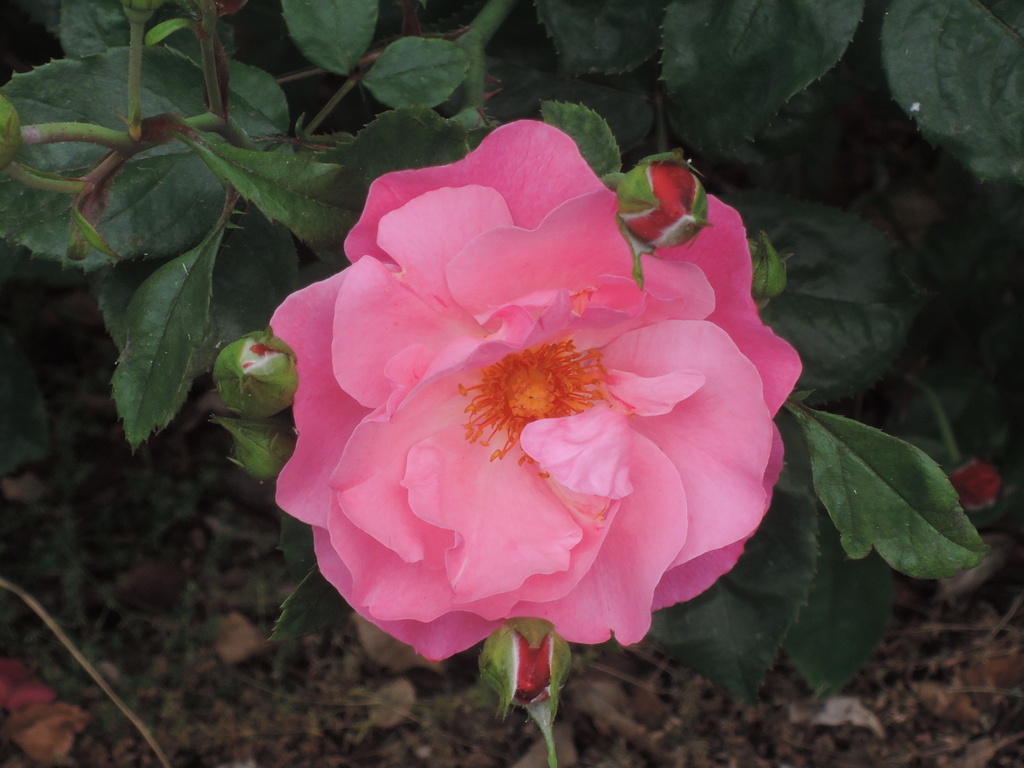
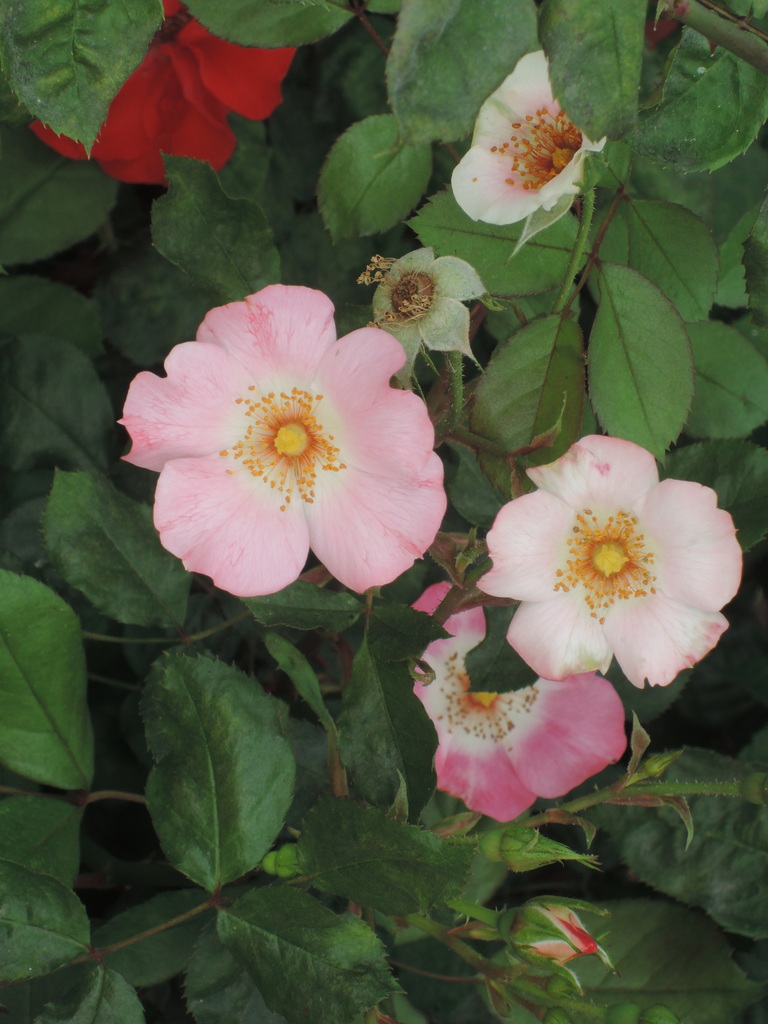
Somehow, these roses please even my curmudgeonly spirit.
DSCN2329
They are, simply, quite lovely.
DSCN2323

They bring joy, not just into my day …
DSCN2326

but into my very soul.

DSCN2328

I think I’m slowly joining the rose-lover’s world …

Late spring

In late October, I went for another bushwalk.
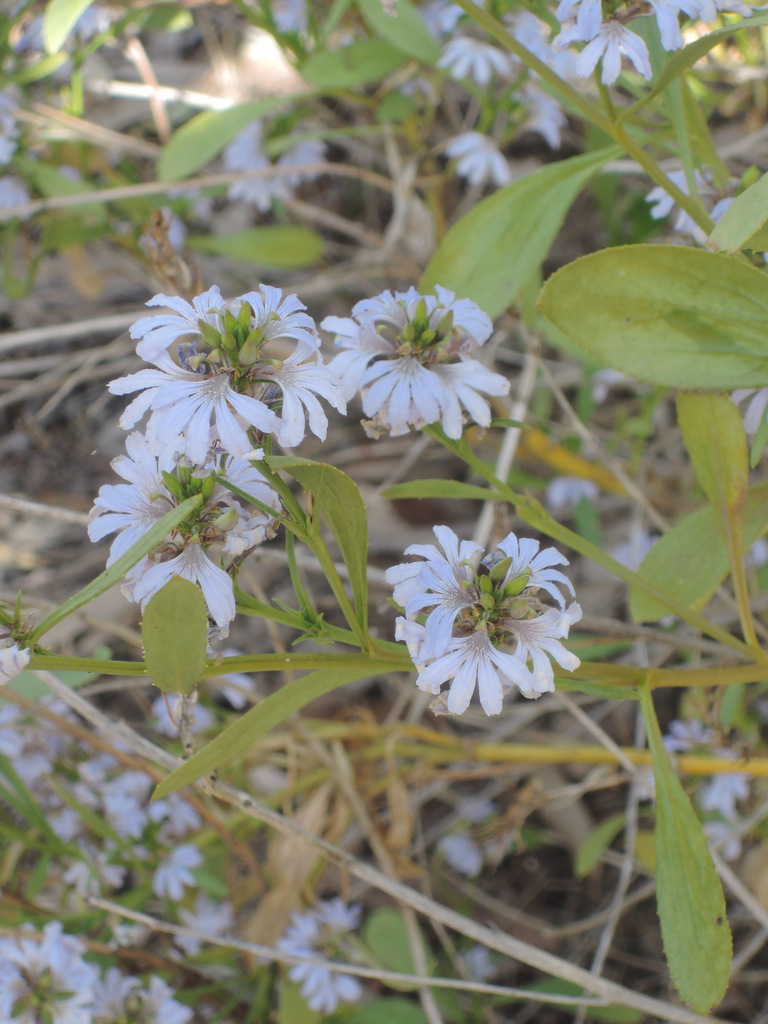
In blossom were fan flowers:
DSCN2331
muntries:
DSCN2345
and those papery, daisy-like flowers, the common everlastings:
DSCN2336
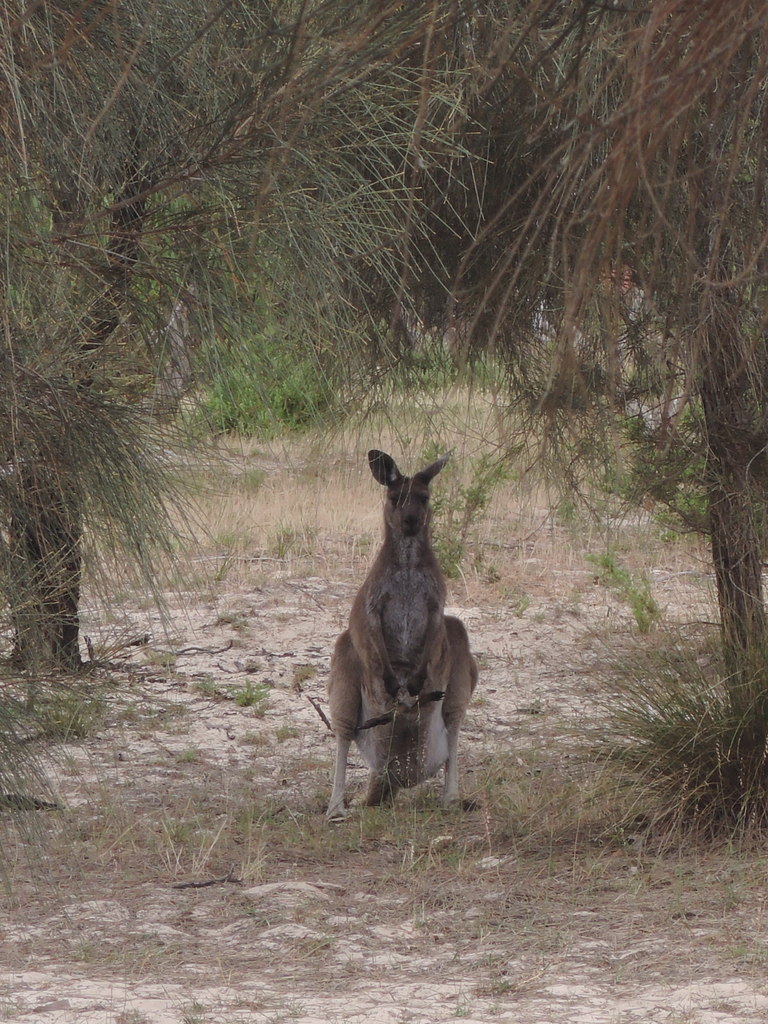
I encountered other inhabitants of the area, too —
many of them.
DSCN2339
It was mid-morning — grazing time, I think, before the sun gets too hot.
I don’t like disturbing roos:
when threatened, they can be aggressive, especially if they are guarding joeys.
And besides, I’m aware that I’m on their territory, not vice versa.
So I stepped away and left them happily to it …
DSCN2350
… Do you think it’s comfortable in that pouch?
It doesn’t look it to me!

Deception

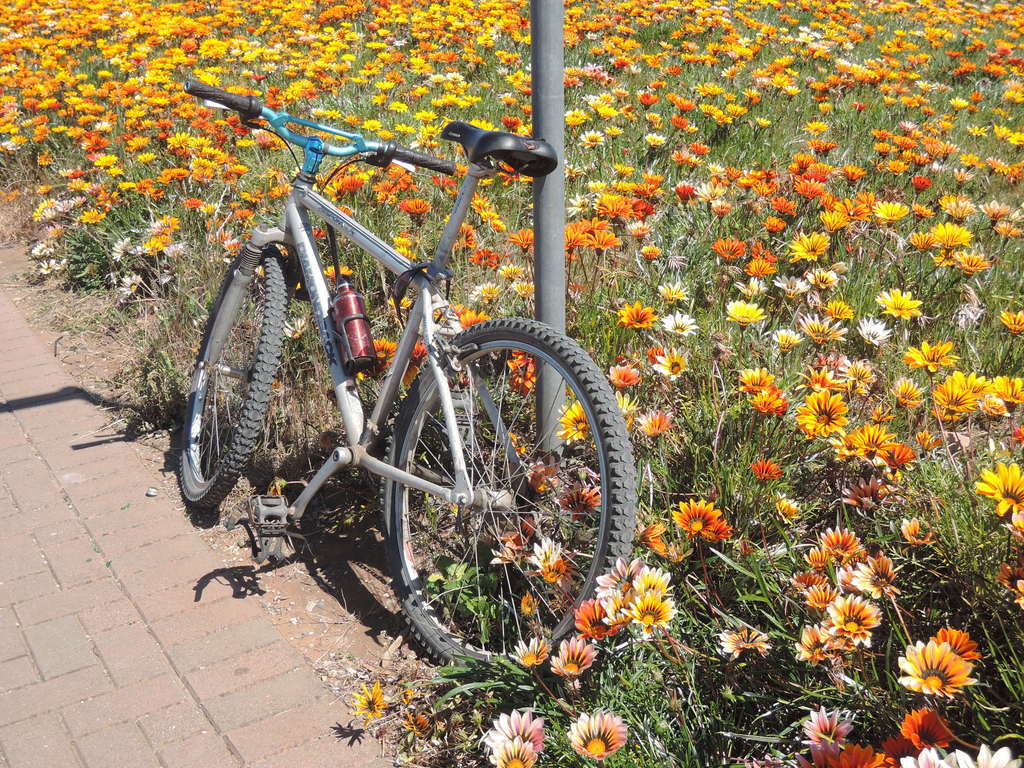
On one of my favourite bike rides,
I pass an empty field outside a GP clinic.
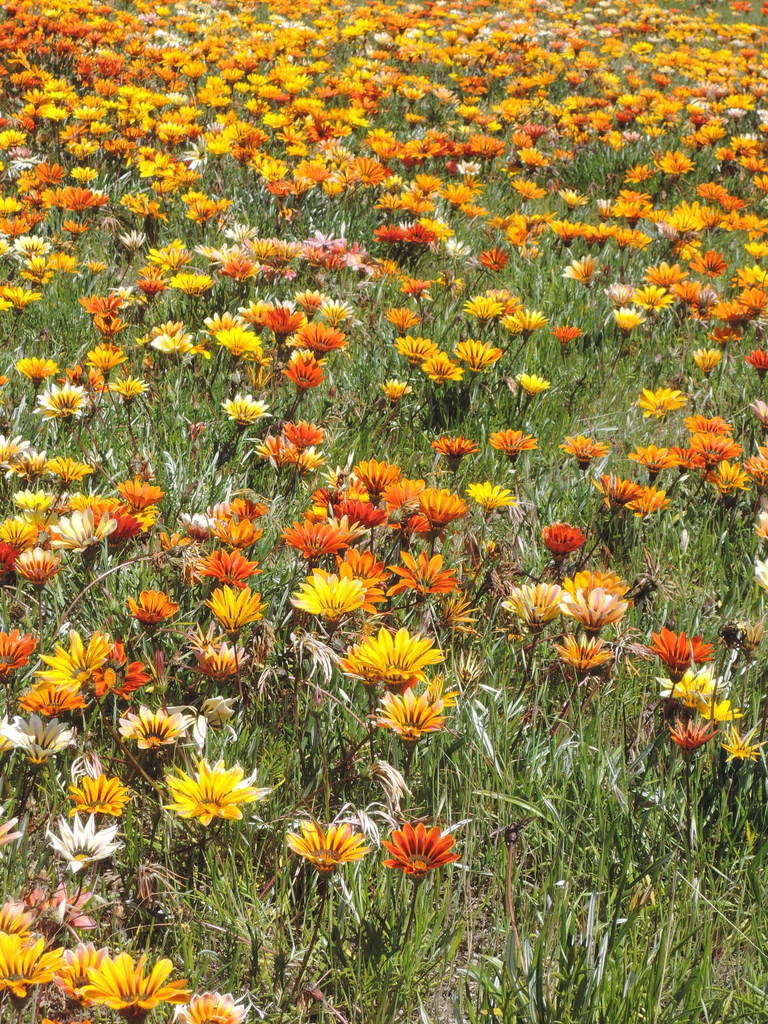
Most of the year, it’s just a bare field with long, uncut grass.
But in spring, it changes.
DSCN2267


DSCN2270

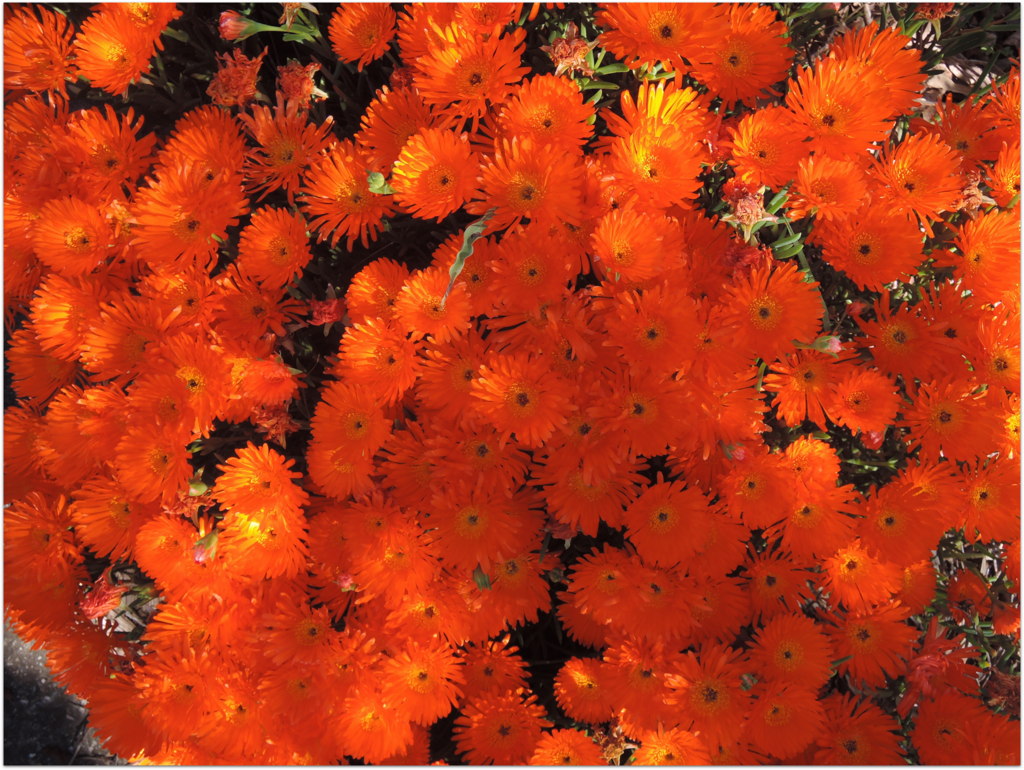
Such deceptive beauty!
These flowers, heralding from South Africa,
are considered weeds here.
They’ve spread far and wide, pushing out our own native flowers.

DSCN2269

It’s hard not to admire them, though —
their abandoned spread;
their cheerful, bright colours …

DSCN2272

DSCN2273

… and their faces uplifted to the sun.

Spring joy

I took a walk through the bush again in late September.
Skinks rustled through the undergrowth.
Whistlers burbled; shrike thrushes sang; blue fairy-wrens and fantails darted about.
And there were wild flowers everywhere, including common fringe-myrtles;

paper flowers;

smooth rice-flowers;

and grevilleas.

Every month brings a new season in the bush.
Every month brings a new, different kind of joy.

Abundance

My garden originally had several patches of arum lilies.
Also called calla lilies, these flowers are sometimes thought to symbolise death. They’re considered a toxic weed in South Australia, so I ended up reducing my lilies to one small, protected patch.
DSCN2239
They spring up during the mid-winter rains, when the grass is long and wet and green, and the soil damp and crumbly — reminding me not of death, but of life.
Of growth.
Of abundance.

I’m happy to let them grow in that small patch, ready for picking and putting in a vase — tall, elegant and lush.

Life cycle

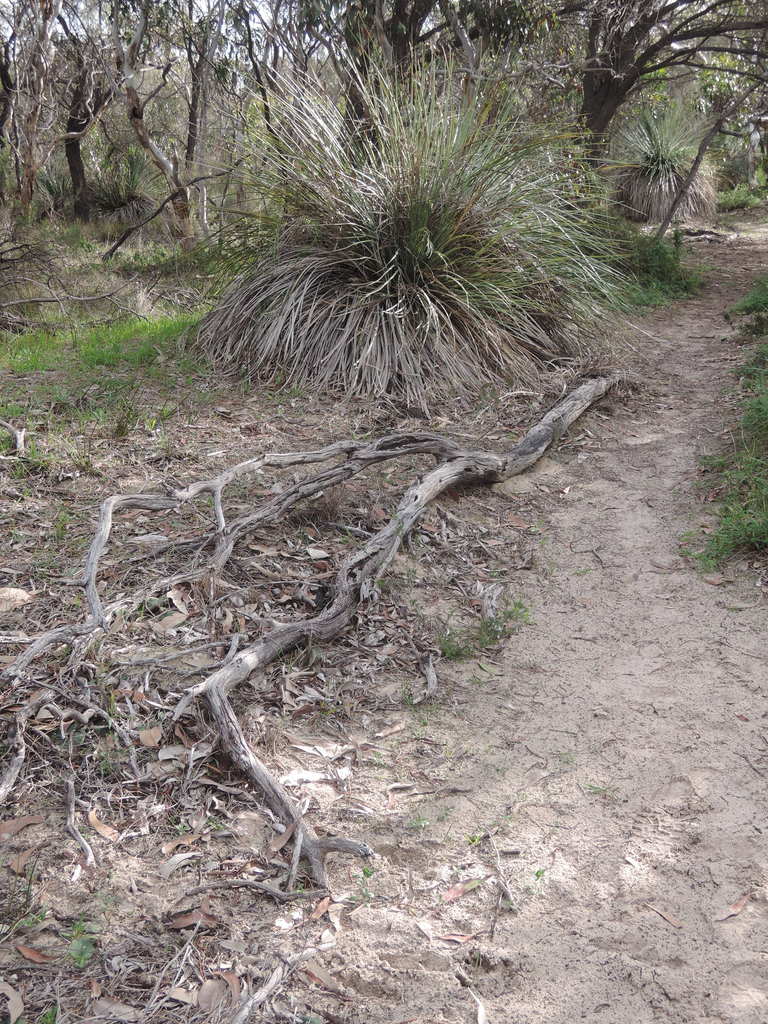
One of my favourite native plants is the grasstree.
In the last few weeks, walking through the bush,
I’ve glimpsed grasstrees at all stages of their life cycle.

Some were growing and establishing themselves:

DSCN2064

DSCN2067

Some were flowering:

DSCN2218

DSCN2219

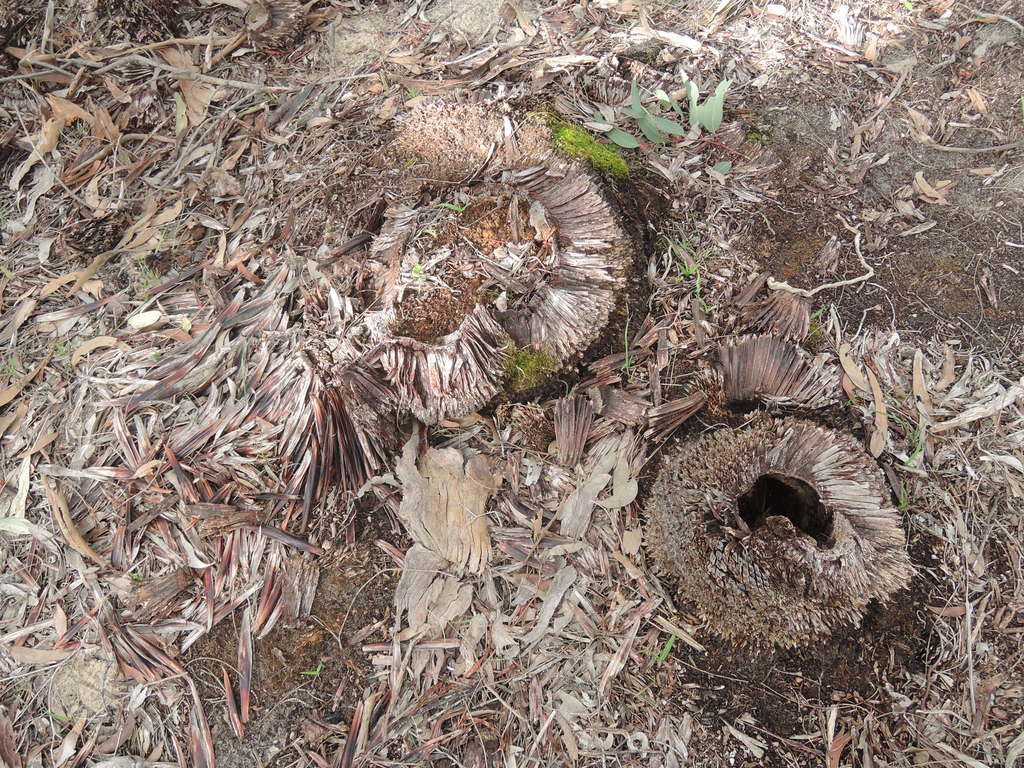
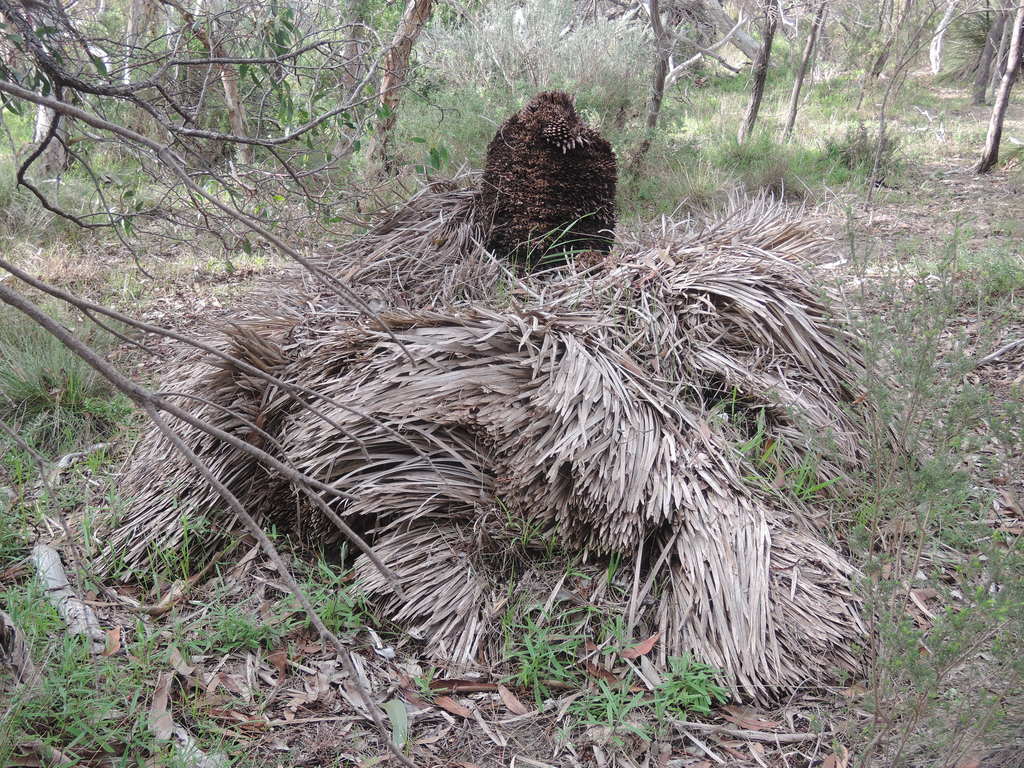
And some were dying and decaying:

DSCN2058

DSCN2059

At each stage of their life
grasstrees seem to me unique, strange, prehistoric …
and beautiful.