
Other people’s words about … kindness
He knelt down to undress her, his shaking hands fumbling over every button and zip and hook, until she was naked in front of him. Then he stopped and looked up at her with a troubled expression.
‘I haven’t done this for seven years. Will you forgive me if it goes badly?’
Jean laughed, amazed at her own boldness in displaying her body while he was still fully clothed. It was the strangest feeling, placing herself in someone else’s power with complete confidence. There was nothing she wouldn’t do for him.
‘Well, I haven’t done it for longer than that. But it doesn’t matter, as long as we’re kind.’
And so even though they were unpractised, they were kind and that made it all right. And afterwards they lay for a long time pressed together, her head on his shoulder, his hand stroking her hip while the night deepened around them. There was no urgency to move apart; morning and work were a long way off.
From ‘Small Pleasures‘
By Clare Chambers
Depictions of sex are notoriously hard to get right, and what sets those that work apart from those that don’t isn’t always obvious (although personally I feel that it helps if the writer avoids analogies with mountains and valleys, and doesn’t refer to a man’s ‘member’!). But I think the passage I’ve quoted above, from Clare Chambers’s lovely novel Small Pleasures — a novel set in 1957 — is one of the most moving sex scenes I’ve ever read.
It’s also somehow shocking. How many sex scenes have you read recently where the lovers were explicitly kind to each other? I can’t remember a single one. So when I say the scene is shocking, I mean, not that Chambers sets out to describe something graphic or taboo-breaking, but the opposite — that this is the word she uses, kind. And so even though they were unpractised, they were kind and that made it all right. How beautiful is that?

Deep Creek, September 2025.
I’ve been quiet over here for a while, not because I haven’t wanted to write a post, but because I didn’t know how to find the words to do so. Earlier this year, a toxic algal bloom hit the coast of South Australia. It began in regional locations but then spread to the metropolitan coast, killing marine animals in its wake and turning the ocean into a graveyard. Although scientists originally predicted that it would disperse during the cooler weather of the winter months, it hasn’t done so, and as summer approaches it’s clear that the bloom will remain for some time to come. There are thought to be several causes for it, among the most obvious of which is global warming: we are experiencing a marine heatwave in South Australia.
When I think about the algal bloom, I feel powerless and devastated. I have lived the whole of my adult life around the sea. My house is within walking distance of the sea. My holidays and camping trips are centred around the sea. I walk and run by the sea. I go to the sea to remind myself that there is another world beyond the human world — to tune the rhythm of my breathing into the rhythm of the waves, in and out. In and out.
But now what I feel when I go to the sea is grief.

Deep Creek, September 2025
It’s impossible for me to write a post here, on this blog in which I have for so many years celebrated my life by the sea, without acknowledging the algal bloom, and yet I find it almost equally impossible to write about it. And so this is the reason for my quietness. These words, even as I write them, do not come easily to me.
The effects of climate change are not kind. This is not a kind world.

Deep Creek, September 2025
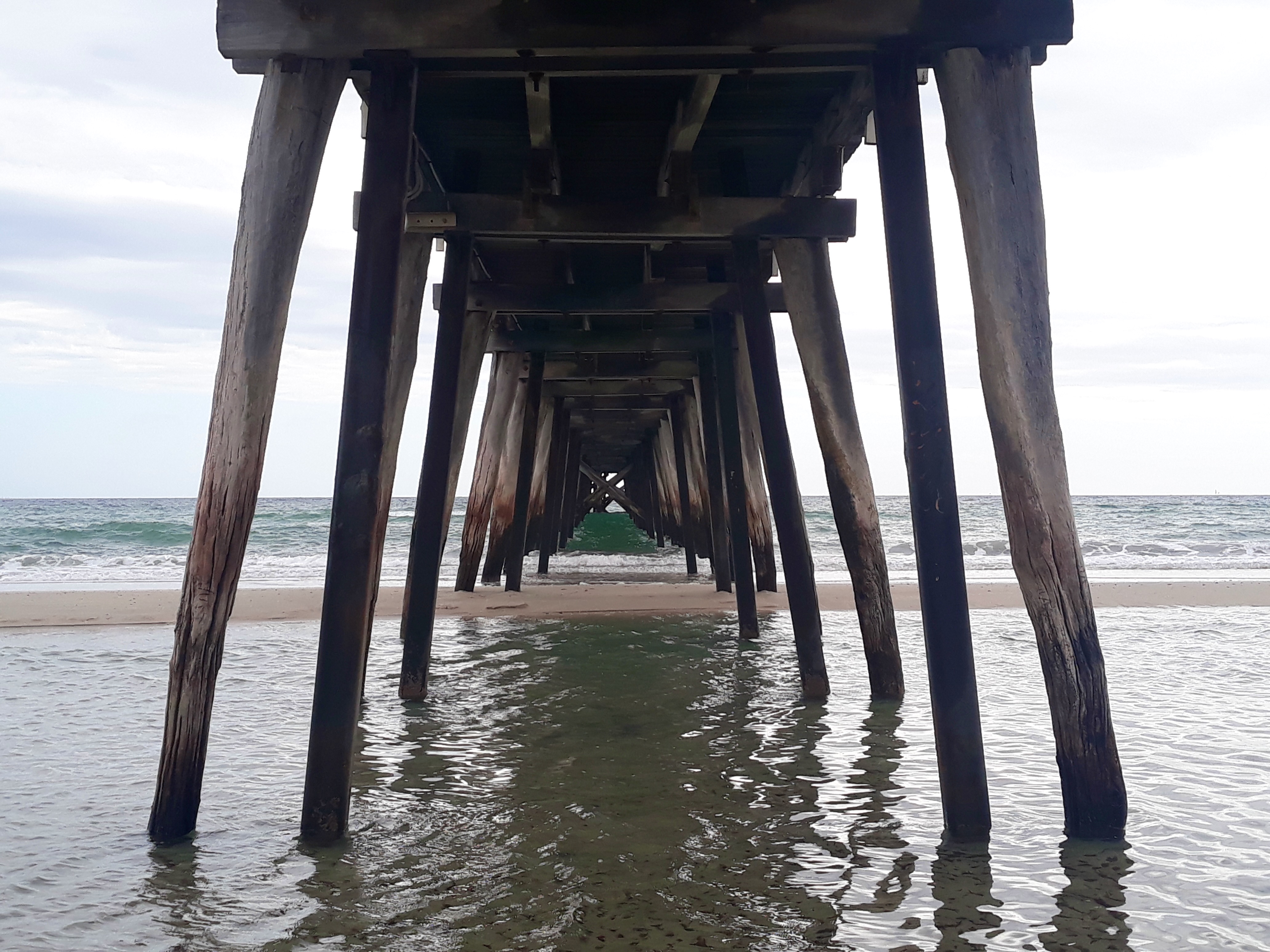
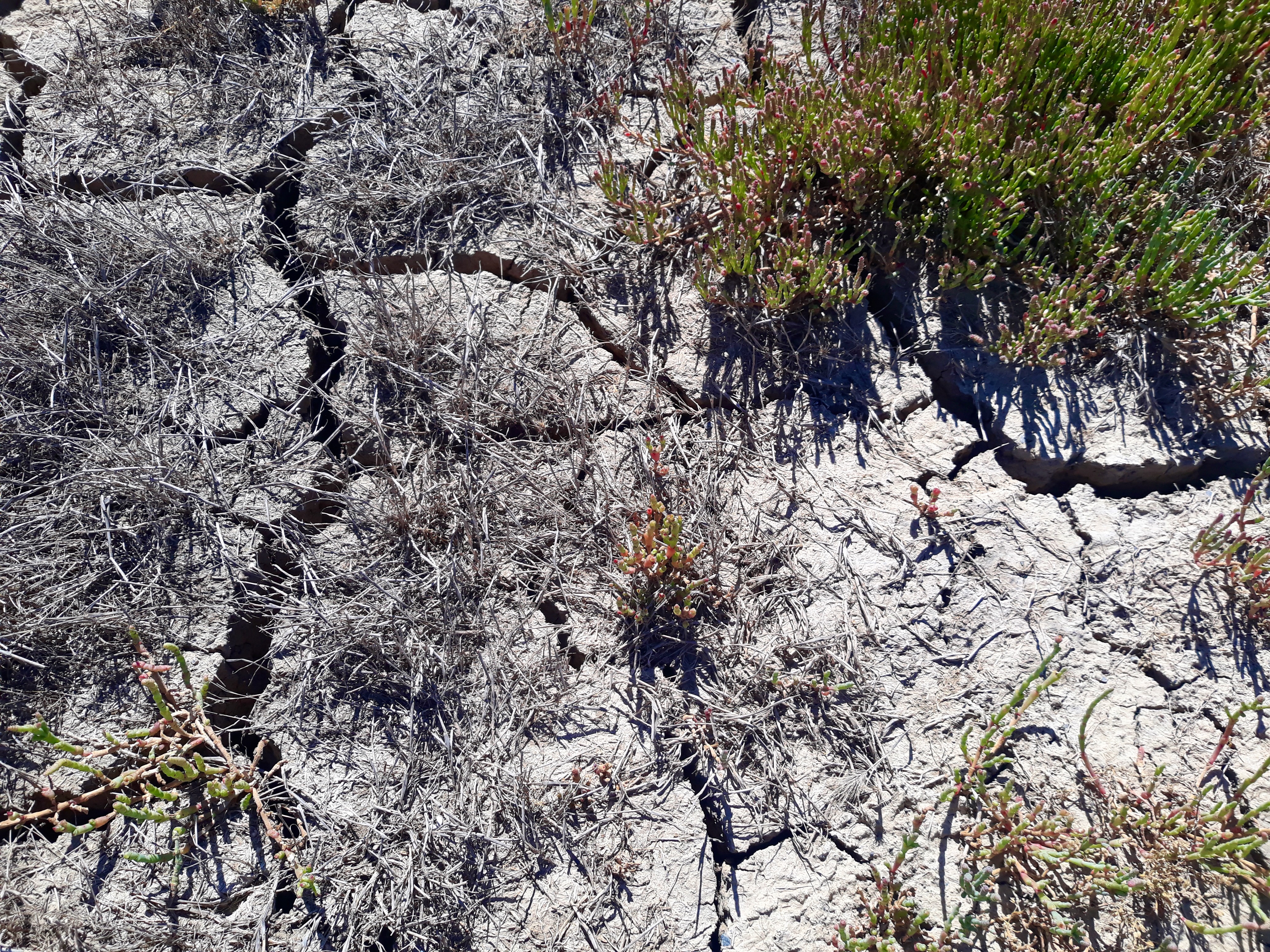
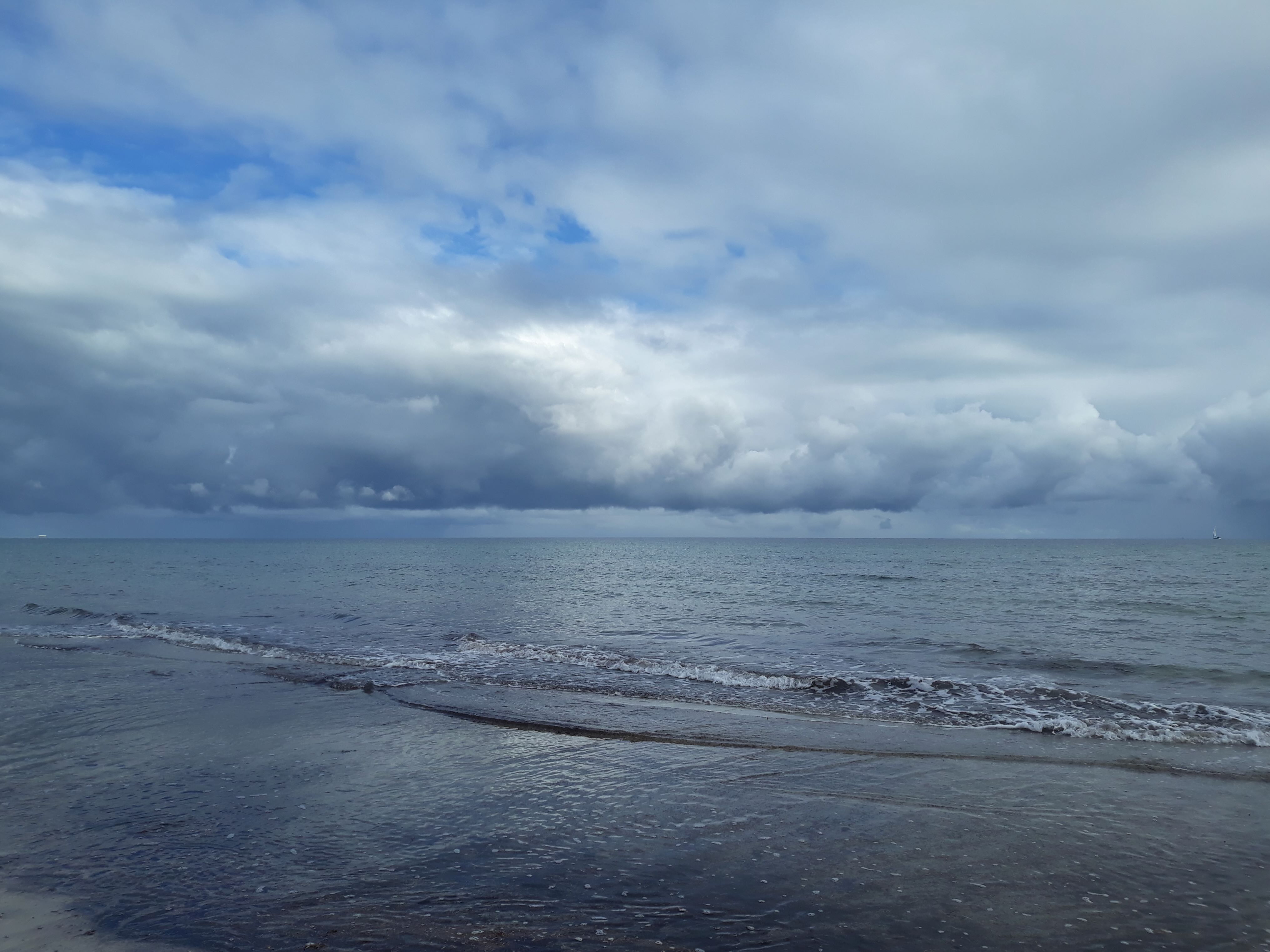
I will finish by saying that the photographs that accompany this post come from a recent trip I made with a friend to Deep Creek, to the place where I spent a week on a writing residency around the same time last year.
Wait — let me rephrase that: I will finish by saying that Deep Creek is a place of stunning natural beauty and I am grateful for my time there, but that it, too, like the ocean, is vulnerable to climate change, because this is not a kind world.
It is not a kind world.
Lately I’ve been reading …
- I want to say one thing. And that’s this: if anyone ever tells you that you can’t write about the same thing over and over again, or that you can’t sink into your obsessions with a pen the way someone sinks into a couch or into a hot bath, show them today’s poem, ‘Hurry,’ alongside this other poem, ‘Walking Home,’ published by Marie Howe nearly a decade after ‘Hurry’: Devin Kelly, discussing the poem Hurry by Marie Howe. Kelly is passionate about poetry and I’m thankful to him for introducing me to many poems I wouldn’t have come across otherwise. But also I love how he explores and acknowledges in this essay artists who explore recurring themes in their work.
- These poems remind me that one reason why I turn to poetry is because of the ways that some poems acknowledge, so often, our ever-present inability, and, in doing so, they perform exercises of coping. They reimagine lives. They repeat. They open doors. They enter: Devin Kelly again, this time exploring Matthew Nienow’s poem For What it’s Worth.
- Thank You For the Tulips: more poetry here, perhaps because I need it — this time a poem by Lisa Bellamy on motherhood and love.
- At 50, Choosing New Make-Up: one more poem for good measure, this one by Wendy Barker. In fact, there are several others by Barker if you scroll down the page, though this is the one that first drew me to her poetry.







 twenty-one words