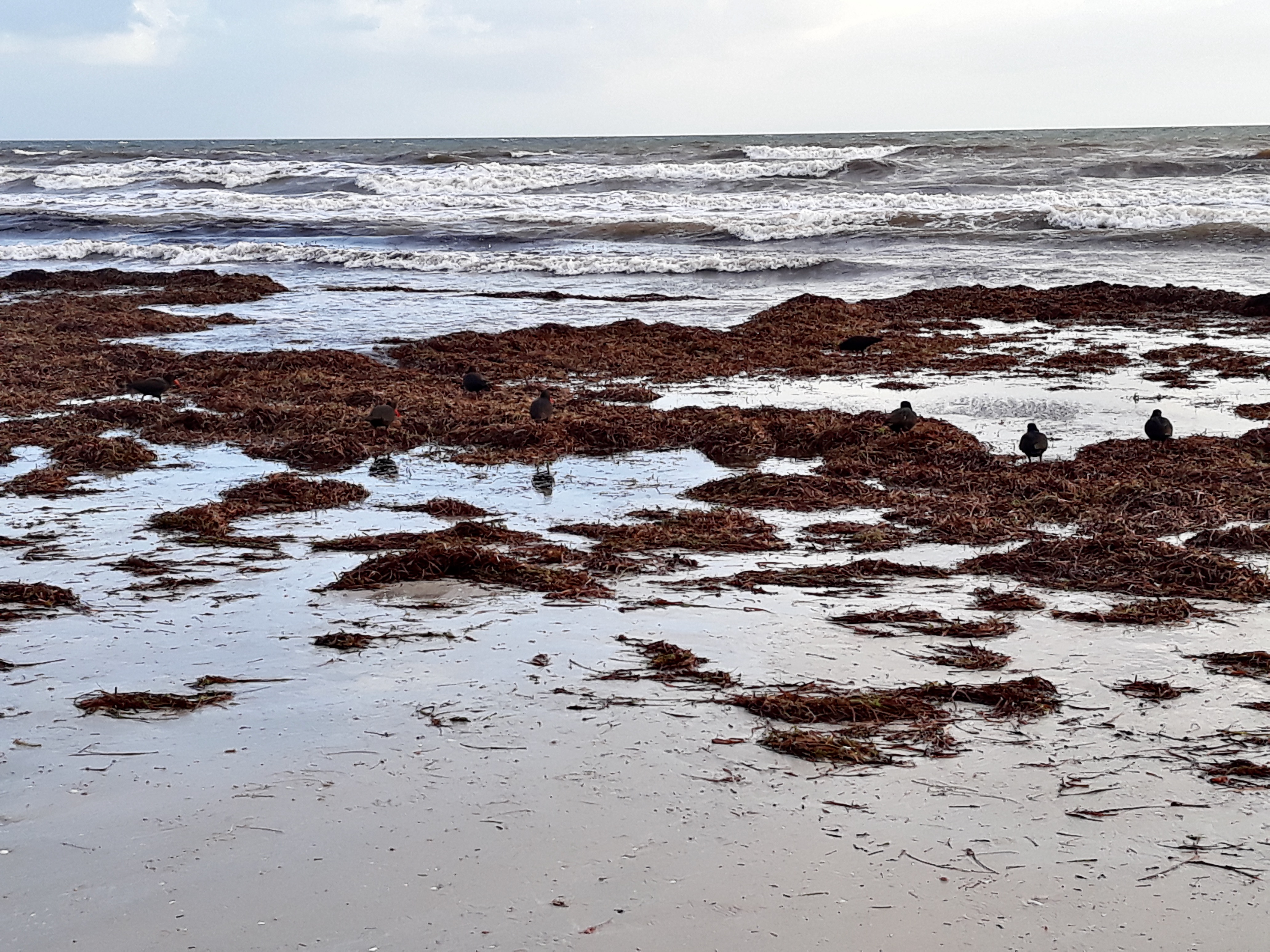
We cannot know

Other people’s words about … writing about life

‘We cannot know.’ If used sparingly, this is one of the strongest phrases in the biographer’s language. It reminds us that the suave study-of-a-life we are reading, for all its detail, length and footnotes, for all its factual certainties and confident hypotheses, can only be a public version of a public life, and a partial version of a private life. Biography is a collection of holes tied together with string, and nowhere more so than with the sexual and amatory life. For some there is nothing easier than understanding the sex life of someone you’ve never met, and easier still when they’re conveniently dead; or in posthumously adding another conquest to the dance card of a known Don Juan. Others simplify things by maintaining that human sexual habits have always been more or less the same, the only variables being the degree of hypocrisy and cover-up.
But sex is a world in which self-deception can so easily present itself as objective fact, and ‘brutal honesty’ is no more likely to be true than shy evasiveness or sentimental melodrama as an explanation of what really took place. Oscar Wilde may have been a ‘posing sodomite’, but such evidence as we have suggests he preferred intercrural sex, and if so was not technically a ‘sodomite’ at all. We cannot know. Sara Bernhardt was a nymphomaniac. Oh, but she was also incapable of orgasm. Until she had the problem fixed by means of an ingenious surgical implant — which is reliably attested by that ‘hysterical duplicitous gossip’ Jean Lorrain, and then recorded in the [j]ournal of Edmond de Goncourt, whose views on women were old-fashioned to say the least. We cannot know. Robert de Montesquiou was a flamboyant homosexual, except that his biographer thinks he was too coldly fastidious to indulge his Hellenic urges, while [Samuel] Pozzi’s biographer thinks he may have been impotent from around 1884, and remained so. We cannot know. Pozzi had a reputation as ‘an incorrigible seducer’, a doctor who slept with his patients, who may even have used his consultations as foreplay. He also kept all the letters he had received from women over a sexual career of half a century or more. Yet after his death, Mme Pozzi instructed her son Jean to burn them all. So we cannot know a large amount … We may speculate as long as we also admit that our speculations are novelistic, and that the novel has almost as many forms as there are forms of love and sex.

from ‘The Man in the Red Coat
by Julian Barnes

Many years ago, my mother and I embarked together on a reading project for a year, our own little book club before book clubs were a thing. Our reading theme was American novels, and we took it in turns to pick a novel, one by one over the course of the year, which we each then assiduously read; afterwards, we caught up over coffee to talk about it. I remember this year with great fondness as a time of shared reading and conversations, conversations that began with reading and literature but moved on, as all good conversations do, to other things. Art. Love. Life.
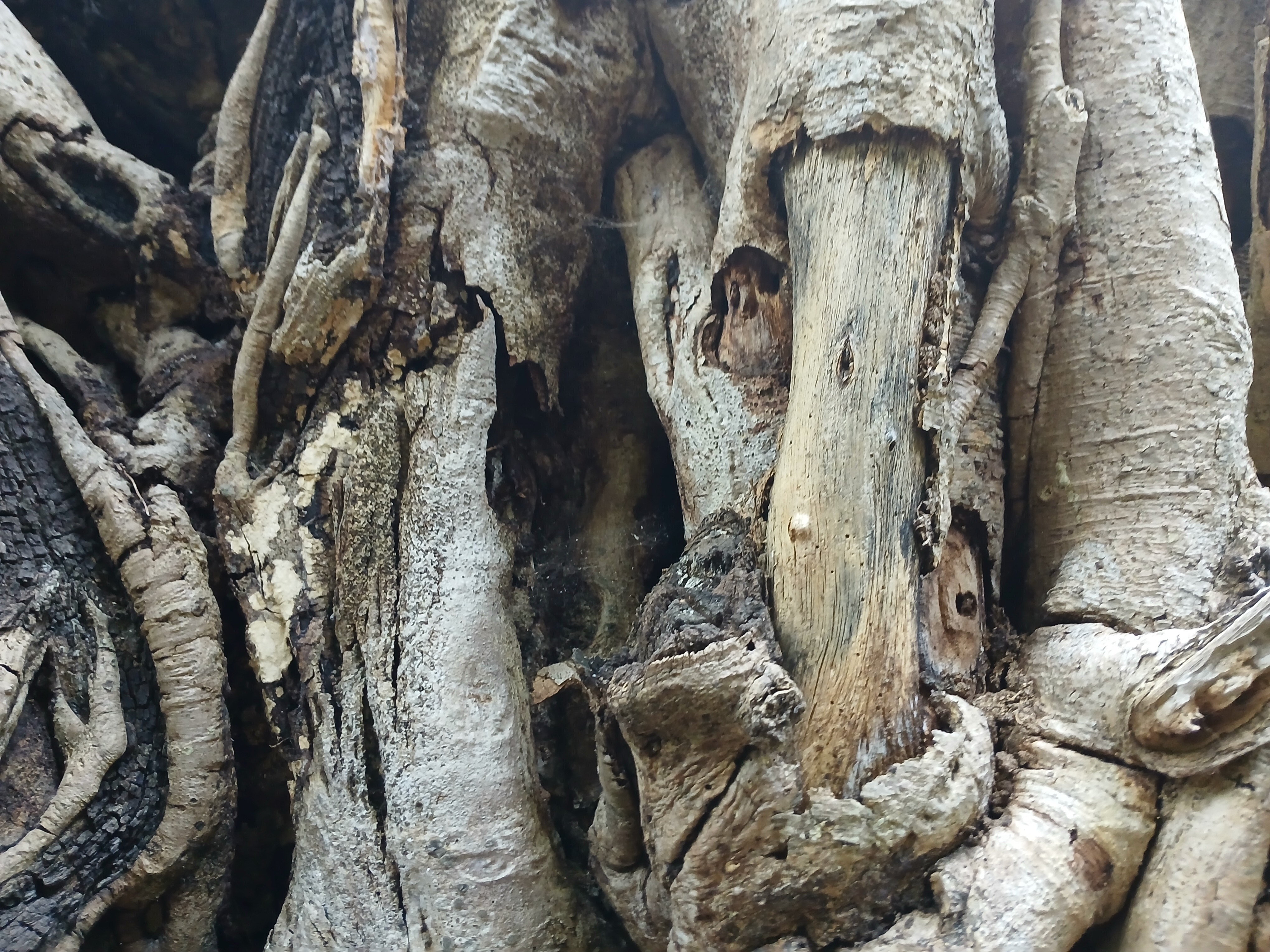
Knotted trunk, Lameroo Beach, Darwin, August 2024.

Recently we’ve begun another reading project together, one that we hope will involve some writing further down the track. As a result, my reading choices, which usually tend to fiction only, and generally to contemporary literary fiction at that, have widened. I’m reading fiction and non-fiction, works by contemporary writers and works by long-dead ones, works by women and works by men. Hence The Man in the Red Coat, which I might not otherwise have come across.

We cannot know. I’ve quoted Barnes at length here (which I hope he will forgive me for) because I love the virtuosity of this passage, the way he begins with a simple assertion, a certain truth, and then moves on in the space of a couple of paragraphs to cover themes at once intimate and specific to the period he is writing about (the Belle Epoque) but also meta-textual, concerning the art of biography itself, that collection of holes tied together with string. (What a lovely image that is.) And then, somehow, we arrive at the end of this flight of thought with another assertion, equally simple but bold, about the essence of novels and fiction.

We cannot know. Indeed.
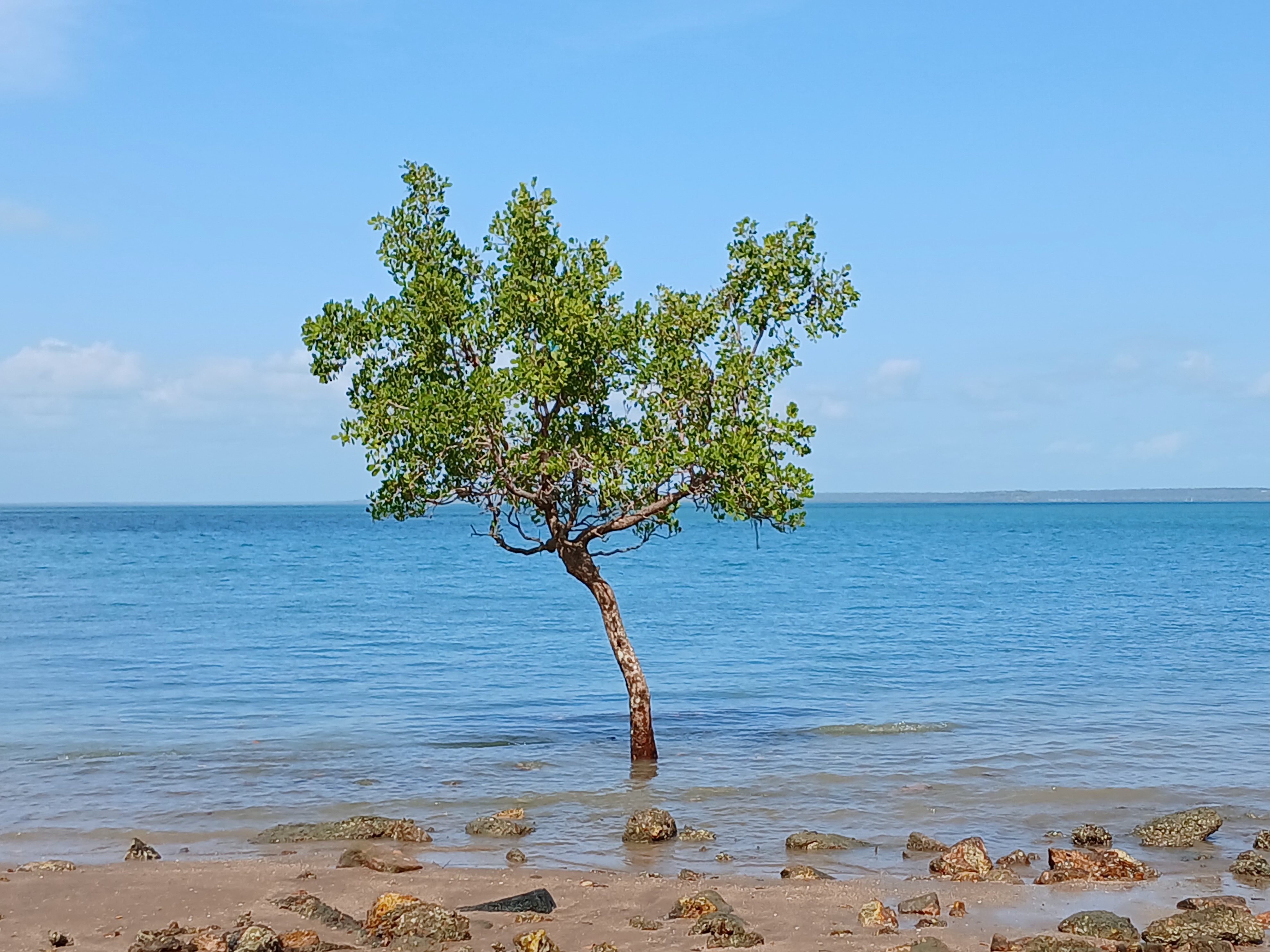
Mangrove tree at Lameroo Beach, Darwin, August 2024.

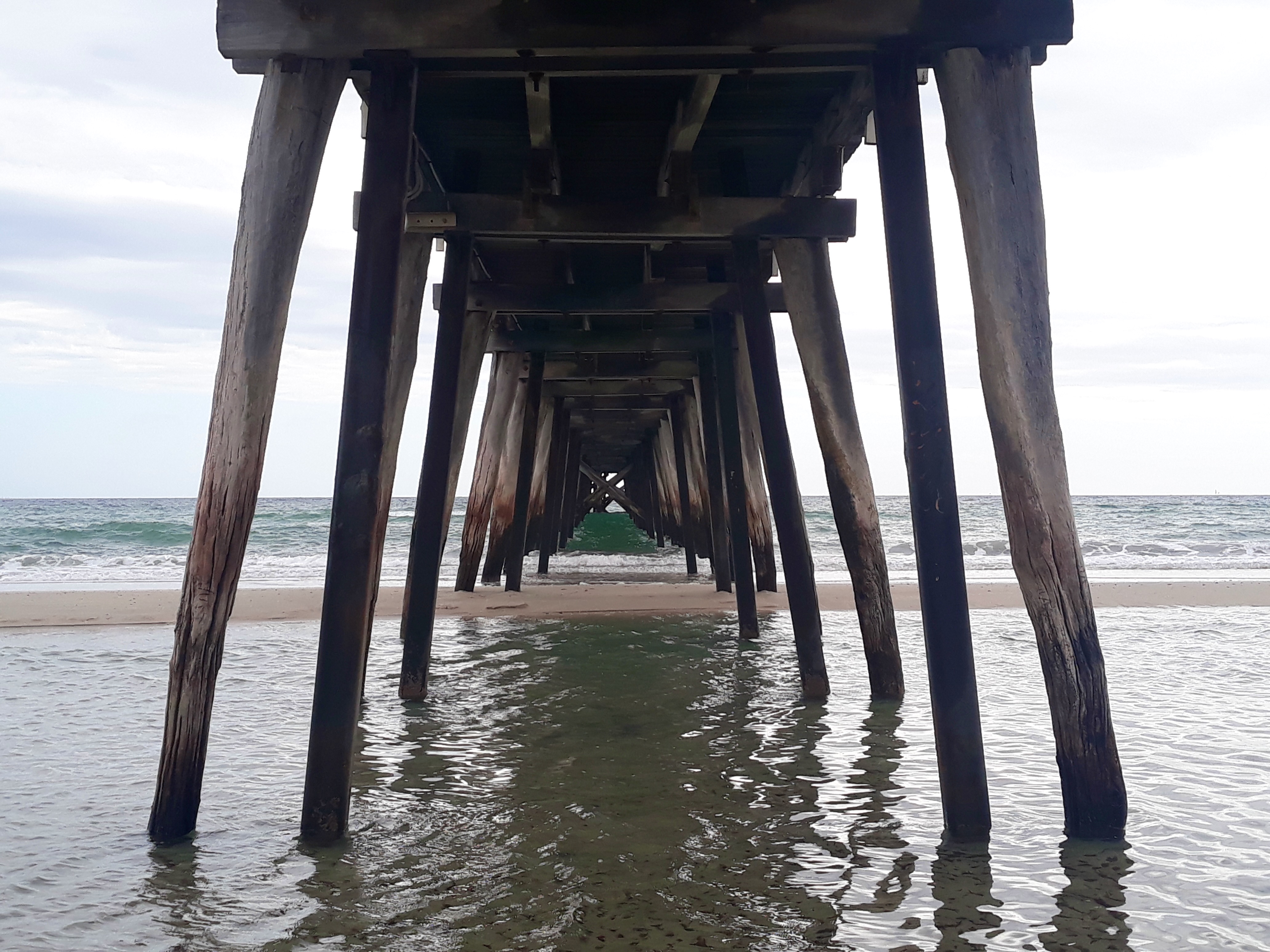
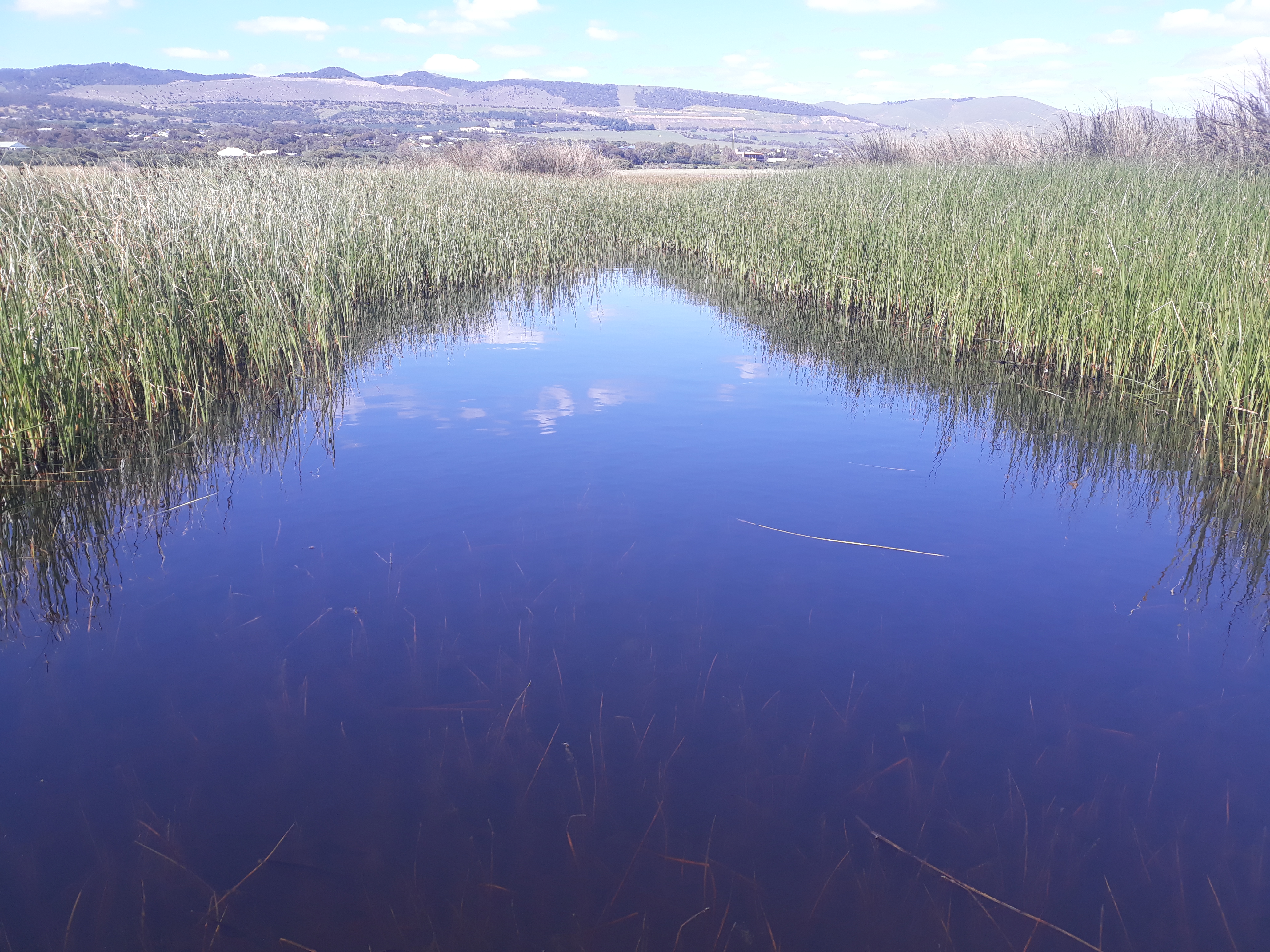
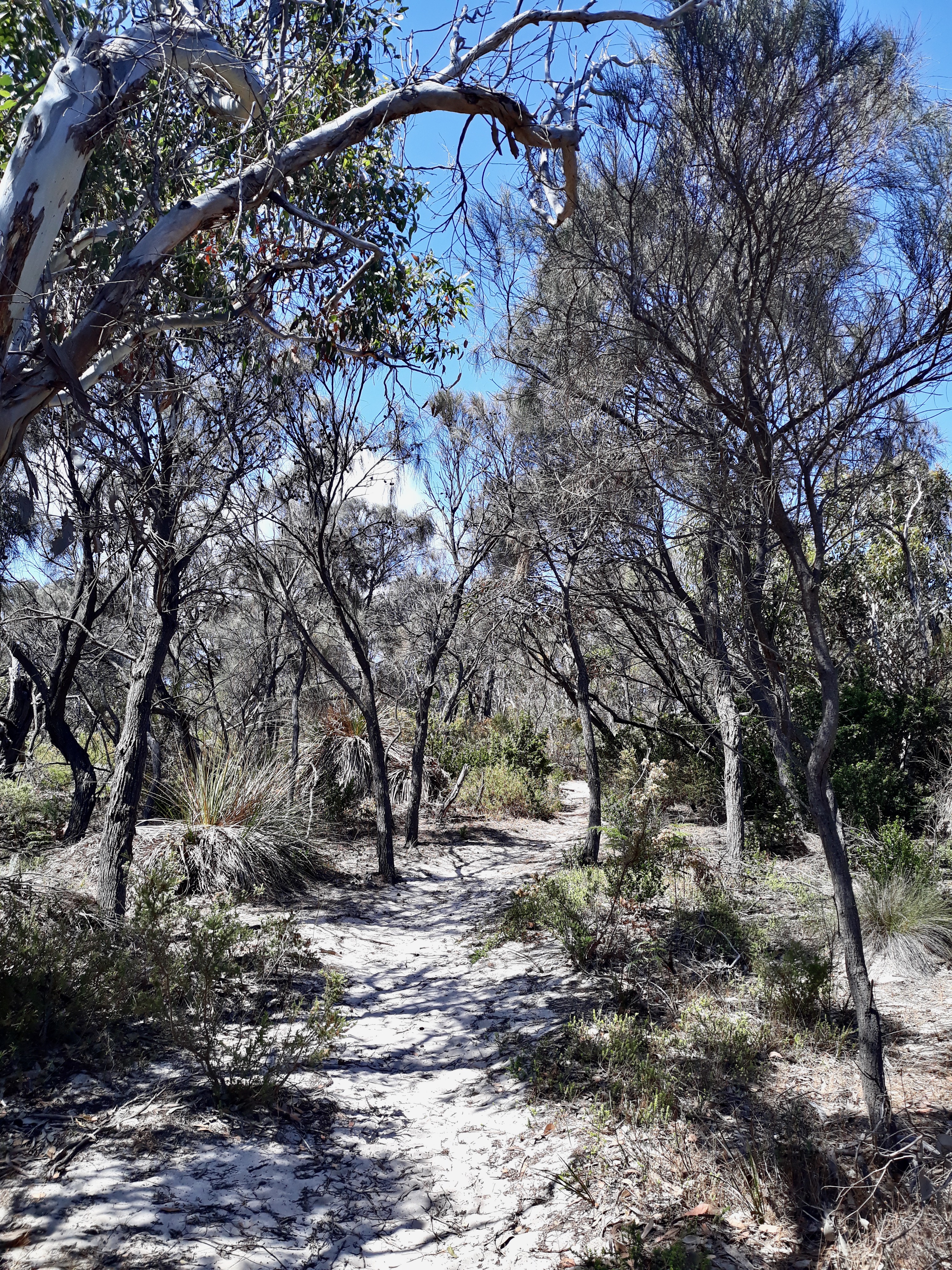
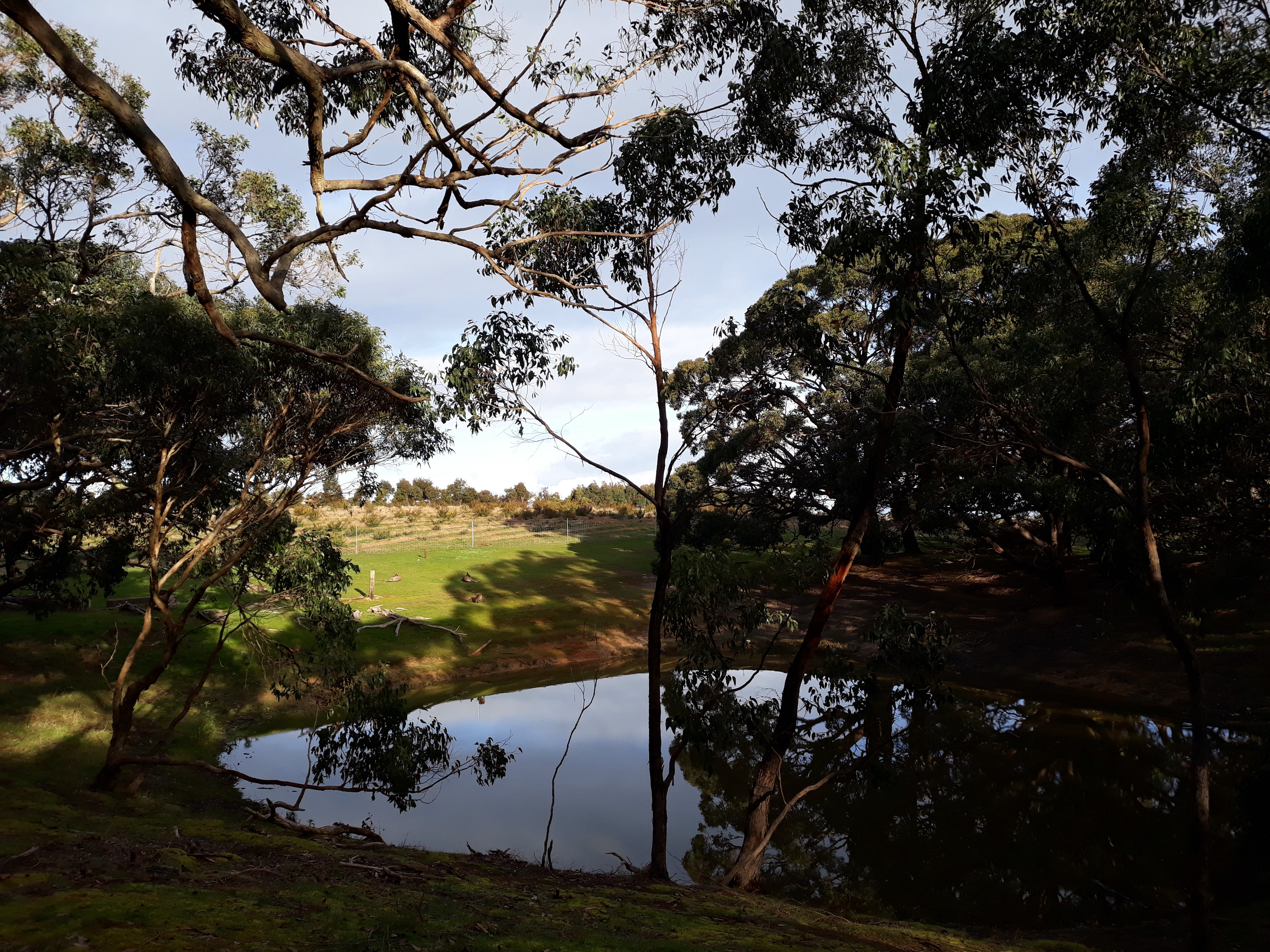
The photographs in this post, like the ones in my previous post, come from a recent trip I took to Darwin. I’d never been to Darwin before and was only there fleetingly on this occasion, but I fell in love with it, all of it. Darwin in the dry season: place of sunny days, rainforest-lined beaches, mangroves and vines and bush-stone curlews. When you visit somewhere new, you see things through a stranger’s eyes, which is to say that you don’t see its inner workings, its inner truth. Does that mean that you see its truth or something else, your own hypothesis of the place? We cannot know. But oh, the privilege of having the opportunity to see it anyway.

Lately I’ve been reading …

End-times

Other people’s words about … the end of the world

It has been so many years — a decade of this, another decade before that of almost this. People take supplements, for vitamin D, for energy, complain the damp has reached their bones. It rains constantly and the fact of the rain, of the rain’s whole great impending somethingness, runs parallel to the day-to-day of work and sleep and lottery tickets, of yoga challenges, of buying fruit and paying taxes, of mopping floors and taking drugs on weekends and reading books and wondering what to do on dates. It’s exhausting, as it always was, to live with such a breadth of things to take up one’s attention — exhausting, the way there can be too much world, even in its final stages. Exhausting, to be so busy and so bored with no time left for either.

from ‘Private Rites
by Julia Armfield

In Private Rites, three sisters, Isla, Irene and Agnes, are living in the end-times of the world. Their world, their day-to-day, is one of endless rain, of land flooding, buildings subsiding, people drowning. It’s not the world we live in, not quite — and yet it is. When I read the passage above, I thought of the days of the Covid lockdowns, of 2020 and 2021 when on the one hand everything stopped — when no-one went out, when people lost their jobs and their lives — and yet on the other hand, people went on. They bought food; they spoke to their loved ones; they slept and ate and bickered and loved each other and tried to stay healthy and tried to stay apart from each other while also trying not to let go of each other. Armfield’s rainy, drowning world is a lot like that.

Pathway to Lameroo Beach, Darwin, August 2024.

The pandemic is over now, at least officially, and no-one speaks about it anymore, except in passing, but it has changed our lives forever. Meanwhile, in the background, there is the climate crisis, which was possibly what made it possible for a pandemic like Covid to happen in the first place, and which continues apace while we look away and go about our lives.

Vines at Lameroo Beach, Darwin, August 2024.

For me, Armfield’s words in the passage above capture all of this, the worry and the refusal to worry, the going on and the not quite going on. It is exhausting, and it is boring. Writing about it, I think, is important.

Lately I’ve been reading …

Unrequited

Other people’s words about … a woman’s desire

The meat was ready, steaming, when I lifted the lid of the pot. As I sliced it up I pictured meeting the ambassador in the hotel room. First, he will open the door and clasp me in his arms, I decided, putting a plate in front of my husband. He will kiss the hollow of my throat very softly, and then he will gaze upon me, I decided, like he did today, but with much more tenderness. I cut my potatoes up into tiny pieces. My husband chewed and chewed, with the mouth that never kissed me. He will lay me down on the soft white bed and undo the buttons slowly, I decided. He will kiss my eyelids. I will place my hands on his smooth back, I decided as I chewed. I will clutch him to me but not too hard, not like a drowning person. The light will be dim. The bedding will be spotless. He will tell me that he has seen what nobody else has ever noticed. He will say, ‘It’s you I’ve wanted all along, Elodie. I see you, Elodie. You. You.’

from ‘Cursed Bread
by Sophie Mackintosh

I came back to Elodie’s story again today, having quoted from it once before. Elodie’s story continues to compel me — her longing for her husband to desire her, to see her, oh, to want her. Though Elodie is young and has her life ahead of her, I wonder whether the feelings and desires she expresses in her narrative, those feelings and desires that in her tiny village community are so forbidden, are a little like those an older woman might feel, a woman my age, on realising that the desires she once thought might be realised are now out of reach.

I wonder.

Largs Bay Jetty, May 2024.

I’ve spent the last few weeks quietly. Post-Covid, I still feel tired. It’s a funny kind of tiredness, not so much a feeling of lethargy as a feeling of being tissue-thin, emotionally and physically. I don’t know how else to describe it. Still, I’ve been walking and reading and even writing (a little), and I had a quiet moment of celebration a couple of weeks ago when I saw ten hooded plovers at Aldinga Beach.

Yes, ten. I have never seen so many before, and I walked home feeling quietly jubilant.

Bracken fern, May 2024.

Lately I’ve been reading …

Disjunction

Other people’s words about … getting divorced

I went to a gymnasium most afternoons between half past five and dinner time, because exercise kept me clearheaded writing copy in the daytime, and fresher-looking through the evening. The gymnasium had a running track on the roof. Going round and round it, regarding the view of upper Broadway electric light signs, or thinking that the person who invented the sweat shirt had no sense of design, or just counting off twenty laps to the mile, and debating detachedly whether to be energetic and run three miles, or lazy and stop at two, I felt very contented. Thump, thump, thump, around a board track. It was a simple occupation, but an absorbing one.
That feeling of running, of having been running endlessly, so that I was breathless, yet must go on running forever, seemed to sum up my life. Running through days of posing as an efficient young business woman, through nights of posing as a sophisticated young woman about town. Running from the memory of Peter, toward something or nothing, it did not matter which.

from ‘Ex-Wife
by Ursula Parrott

You could think, reading the passage above, that you were reading something from a book by a contemporary female author, a Millennial or a Gen Z writer, that you were reading a modern sad-girl novel. But you would be mistaken. Ursula Parrott published her wonderful novel, The Ex-Wife, in 1929. I am astonished at how true Patricia’s story, and Patricia’s voice, still rings now.

I read The Ex-Wife just before I came down with my first bout of Covid, and now, picking the novel up again and reading the words from it that I’ve quoted above, which so struck a chord with me at the time I read it, I wonder if I’ll ever run again the way Patricia describes, which is the way I remember running. Thump, thump, thump. I know that everyone feels like this after Covid, and I assume that it will pass. Still, the feeling of disjunction between the me who read Parrott’s novel a few weeks ago and the me writing this post is jarring.

Norfolk pine trees and autumn sunshine post-Covid, April 2024.

In The Ex-Wife Patricia’s husband has just broken up with her and she is trying to make sense of being, yes, an ex-wife. Though divorce is now far commoner than it was when Parrott wrote her novel; and though we accept the idea of wives committing adultery as much as we do the idea of husbands doing so; and though many women no longer feel the need to marry at all — still, it seems to me that Patricia’s feelings reflect what a young, heartbroken woman might feel now in a similar situation. Patricia feels betrayed by her ex-husband Peter, who leaves her after she confesses to him that she has slept with another man (even though he has, all along, been sleeping with another woman); she loves him, still, as much as she hates him; she wants to move on but can’t; and meanwhile she tries to make her way as a young, single, independent woman through the world. How familiar does all of that sound?

I am grateful to live in a world post-third wave feminism. I am grateful to live in a world that has allowed the #MeToo movement to happen finally. And yet. And yet. There is still so much that needs to change in this space. So very much.

Cuddly Covid companion, April 2024.

Lately I’ve been reading …


Loss

Other people’s words about … doing what we love

It was a lie that Timo had not loved [playing] piano enough. He had loved it very much, but in a way that was difficult to describe. It was apophatic — he could only describe it through its negation. He only understood how much he loved the piano after he had given it up. Even that decision in hindsight seemed arbitrary, a whim. An act of petulance. But he had loved it, and he still did. Every day, he felt like a struck tuning fork, vibrating all the time. Except that it wasn’t pitch he was tuned to but something else, some horrible frequency cutting through the universe. Loss, he thought. It was loss.

from ‘The Late Americans
by Brandon Taylor

In the passage above, Taylor’s character Timo is a graduate student in Iowa who used to study music but then gave up. Sometimes, when he is on his own in the apartment he shares with his boyfriend, Fyodor, who works at a meat-packing plant, he sits listening to classical music recordings, losing himself in the music he so loves. But when Fyodor comes home, Timo switches the music off immediately, mid-piece, refusing to talk to Fyodor about this thing he so loves — refusing, also, to allow Fyodor to share in a part of him that in many ways still feels like the truest part of himself.

The Washpool, September 2023.

When I read the words I’ve quoted above, I thought about the times that I’ve given up writing over the years. Though I’m not beginning to claim that I am as talented a writer as Timo is a musician, nonetheless, writing for me has always been a channel of creativity, a tool that helps me make sense of and navigate the world. I don’t know why, honestly. I do know that I have a longing to make something beautiful (though this is another impulse I don’t really understand), and that writing is the only way I know how to (try to) do this. Maybe that’s why, every time I’ve ‘given up’ writing ‘for good’, I’ve returned to the practice later.

I’ve written before about how I’ve learned over the years to value my writing practice for the practice itself rather than for any measurable outcome. That’s partly what I’m saying again here, in response to the words I’ve quoted today. But it’s more than that, too. What Taylor expresses so beautifully is the same sense of loss I always feel when I stop writing. His image of a tuning fork vibrating to the wrong frequency describes this feeling beautifully. At the same time, I’d also describe the feeling another way, as a feeling of being muted. Silenced. When I don’t write, I feel as though I have lost my voice: I feel as though no-one hears me.

I understand, as a writer who is published very infrequently, that few people hear me, anyway. But writing is my way of speaking to the world, and not writing is the opposite of that. Not writing feels like grief.

The Washpool, September 2023.

Meanwhile, I’ll be back soon with another post about writing, and with a little piece of news, the news I’ve been hinting at for months now. Watch this space! ❤

Lately I’ve been reading …

Only connect: One moment apart

Other people’s words about … connection

‘We should probably go back [to the party].’
‘We?’ Lionel shook his head. ‘You can do whatever you want. I think I’ll hang out here for a while.’
Charles sighed then. There, [standing] resting his cheek against the wall, he looked a little helpless. Lionel mirrored him, turning, resting his cheek against the cool plaster.
‘You mind if I hang?’
‘Suit yourself. Not my house,’ Lionel said, but then he saw it. Relief. Charles was shy too.
‘Okay, tough guy.’
Lionel felt their breathing sync. The eye contact had reached the point of being ridiculous, but it wasn’t uncomfortable or uneasy. Lionel wasn’t even sure if they were seeing each other anymore. His own eyes had gone slightly crossed, and Charles broke up into blurry segments. But they were in another moment apart. They had returned to their own tempo, just the two of them. Lionel felt free of other people’s expectations for how he should act and be. He felt free of his expectations for himself.
It was like kindness, as simple as that.

From ‘Filthy Animals

by Brandon Taylor

In my last post a couple of weeks ago, I wrote about not having the words to describe the life I live now, the life so many of us live now. And that hasn’t changed. I’m still feeling quiet, still waiting things out. In a sense, I think the whole world is in a waiting phase right now as we move into the third year of the coronavirus pandemic.

I feel as though I’m waiting myself out, too, until things make more sense again.


Port Adelaide, February 2022.

Meantime, moments like the one Brandon Taylor describes in the passage I’ve quoted above continue to bring me succour. As Taylor tells it, this is a moment passing between two people, a moment of wordless understanding. Whatever happens next to Charles and Lionel, we know that they will be richer for this moment they have shared.

When I read about moments like this, I feel richer, too.


Aldinga Beach, February 2022.

Lately I’ve been reading …

Wordless

Other people’s words about … the things we say

All that talking, years of reading: There was a time I thought that all language might contain something of value, but most of life is flat and boring and the things we say are too. Or maybe it’s that most of life is so much stranger than language is able to make room for, so we say the same dead things and hope maybe the who and how of what is said can make it into what we mean.

From ‘Want

by Lynn Steger Strong

I’ve been posting less and frequently on my blog over the last few months, I know. And it’s not, as you might think, because I have become more active on other (more instant) social media, though I can see the appeal of posting photographs (excluding selfies) on Instagram. 


Spring flowers, Aldinga Scrub, 2021.

In fact my quietness on this blog is more to do with the fact that most of life is so much stranger than language is able to make room for, as Lynn Steger Strong puts it so wonderfully in the passage I’ve quoted above. The Covid-19 pandemic, now entering its third year globally, has left me feeling, in the truest part of me, wordless. I am surviving, for which I am grateful. I am getting on with my life. But I don’t know how to put that into words very well, or at least not in the form of a blog post. I enjoy blogging, and I like my space in the blogosphere, so I hope that this phase will pass. But in the meantime … here I am, not finding the language I need to say what I want to say.


Pathway, Aldinga Scrub, 2022.

Another reason for my quietness on this blog is that I’ve been doing a different kind of writing in my spare time recently, which is to say I’ve started writing fiction again. As I mentioned in my previous post, last year I submitted the manuscript of a middle-grade novel to my agent, who is currently trying to find a publisher for it. (No luck yet.) And now, somehow, I find myself writing a novel for adults. I don’t know whether any of the fiction I’ve written since the beginning of the pandemic will ultimately be publishable, but somehow, entirely unexpectedly, it seems that I’ve found the courage to try again, and because of that very unexpectedness, I’m allowing myself to honour my courage for now and see what happens.

Life continues, albeit quietly and unexpectedly, I suppose is what I’m saying. Sometimes I have the words for it and can compose a blog post about it and sometimes I don’t. But I will keep trying. That’s a promise.


Wordless, 2022.

Lately I’ve been reading …


Stumble

Other people’s words about … being an adult

I’ve joked all my life about my complete incapacity with money. Nothing has made me more anxious than dealing with finances. Trying to do my accounts caused a fog in my brain, a feeling near panic. I sensed, with the same primitive instincts that locate danger, that money is something that invalidates me, that cancels me out. I was afraid of it, afraid of its mysterious mechanisms. I loathed it, and yet it ruled my life …

Before I was in my fifties, I had no idea, until an accountant added it up, how much I earned in a year. I couldn’t read my financial records and I didn’t possess the smallest notion of what to do if I did. To me, all these things were as punitive and arbitrary as the love of God, which passeth all understanding.

From ‘Monsters: A Reckoning

by Alison Croggon

For the last few years I have lived with a similar sense of incapacity at the edges of my awareness to the one that Alison Croggon describes in the passage above. My incapacity is partly, like Croggon’s, about financial matters: though I finally learned to manage to file my tax return in my early thirties, for example, I have yet to come to terms with superannuation and all its requirements. (I make flippant jokes to friends about how I plan to live in a tent after retirement. And then I say: ‘Besides, what’s retirement, anyway? I’ll have to keep working to pay my bills till the day I die.’)

But that fog in my brain that Croggon describes descends on me in other areas, too. I have been aware since my late twenties that I had lost, or couldn’t locate, several crucial documents of identity — my birth certificate, my Australian citizenship certificate. I stumbled along without these documents, managing to get by using my passport instead, until, around the time I began to avoid getting in planes, I let my passport lapse, too, until it no longer qualified as a document that could establish my identity.

And still, even then, I put off applying for a replacement birth certificate or citizenship certificate. I was terrified that I would find once I started the application process that I wouldn’t qualify for those documents anymore. I was terrified I would no longer be able to prove that I am who I am. (Whoever that is.) I was terrified, in other words, that the application process would, as Croggon puts it, cancel me out.


Fog at Deep Creek.

I have lived my life like this for years. Decades, even. But in the space of the last three weeks — and I apologise for the clumsiness of the segue here, but it is all I can muster — in addition to re-establishing my identity and regaining my papers, I have bought a house and I have sold a house. Somewhere in those last three weeks I have also walked through a doorway out into the sunshine — a real, physical doorway, I mean, not a metaphorical one — and rolled my ankle, possibly tearing a ligament (still trying to figure that out). As a result of this I find myself now, quite literally, limping and stumbling through my days.


After the fog cleared.

I apologised earlier for the clumsiness of my segue, but the clumsiness I was referring to, though not intentional, was hardly coincidental. Though it shames me to say this, I find it impossible to talk with any grace or even with any sense of safe passage about the things I have been doing recently: proving my identity, applying for home loans, buying and selling and moving house. They are things that most people have to do at some point in their lives in our society, I know, but going through them makes me feel sick enough, my stomach churning, my head spinning. Talking about it, writing about it, processing it is too much. That fog in the brain again.

It takes a certain level of privilege to be in the position I am in, to have got through my life the way I have till now: no questions to answer, no endless need to prove who I am. The colour of my skin, the family I am part of, the certainty that I am lucky enough to feel about my gender and sexuality, the generation I was born into — all of these things have allowed me, and will continue to allow me, to choose to make myself powerless in the ways I have chosen to till now.


Deep Creek reflections.

And yet. That doesn’t mean the terror isn’t real. It doesn’t mean the choices I’ve made haven’t felt instinctive, primitive, inevitable; it doesn’t mean they haven’t felt like choices at all. It doesn’t mean I won’t keep limping through the days, wondering when I will be able to walk — or maybe, one day, even run? — again.

Lately I’ve been reading …

  • Through the Window: Rather than a number of articles, today I’m sending you this link instead, the Griffith Review‘s wonderful series of essays about the experience of living through the coronavirus pandemic. If you are interested in any kind of coronavirus chronicles, I can highly recommend any of the essays on this list.

Legacy

Other people’s words about … a beached whale

For as long as there have been humans, the whale has been a portentous animal. A whale warrants pause — be it for amazement, or for mourning. Its appearance and its disappearance are significant. On the beach, an individual whale’s [beaching and] death may not prove ‘global’ in the way of its body powering down abruptly, like a switch being flicked, but, in a different sense, the deaths of whales today are global. The decline of a sperm whale — [its belly, when dissected post-mortem,] filled with sheeting and ropes, plant-pots and hosepipes — belongs to a class of environmental threat that, over the past few decades, has become dispersed across entire ocean systems, taking on transhemispheric proportions. This whale’s body serves as an accounting of the legacies of industry and culture that have not only escaped the limits of our control, but now lie outside the range of our sensory perception, and, perhaps even more worryingly, beyond technical quantification. We struggle to understand the sprawl of our impact, but there it is, within one cavernous stomach: pollution, climate, animal welfare, wildness, commerce, the future, and the past. Inside the whale, the world.

From ‘Fathoms

by Rebecca Giggs

If you want to read only one book about climate change, and if you want that book to be one whose narrative ranges from the scientific to the literary to the philosophical to the emotional, and if you want it to be a book that explores metaphors and symbols right alongside facts and evidence, then Rebecca Giggs’s book is the one I’d encourage you to read. We struggle to understand the sprawl of our impact, Giggs writes of climate change. But if you read her book you will come closer to understanding.

Vista.


I’ve been quiet here on my blog recently, mostly because it’s hard to know what to say right now. The global pandemic continues. So does the climate emergency. And so, too, does my own little life, which I continue to pass by walking on the beach, by showing up to work, by writing a book that I hope one day will be published, by (maybe) moving house, and by growing older but not necessarily any wiser.

The pictures in today’s post come from a holiday I took last month in Deep Creek, a national park in the heart of the Fleurieu Peninsula. In my next post, I’ll feature more photos from the same part of the world, a part of the world so beautiful it’s hard not to feel your heart break with wonder and awe as you move through it.


Grasstree world.

Transhemispheric. That’s not a word I’ve come across before, but it’s an apt one to use if you’re trying to comprehend the size of humanity’s impact on the natural environment. I thought about that, too, while I was in Deep Creek. I thought and thought and thought.

Lately I’ve been reading …

Only connect: Those small moments

Other people’s words about connection

Paul sat alongside Julian on the kitchen floor. There was a long moment that they didn’t touch, or even look at each other. Paul could feel them staring at the same patch of wall, the scar … in the yellow paint. When Paul breached the distance he expected Julian to recoil, but he didn’t. Paul had barely touched his arm when Julian collapsed against him. He lay with his head on Paul’s lap, hardly making a sound but for the scattered rhythm of his breathing.

From ‘These Violent Delights’
by Micah Nemerever

Here in Australia, while countries all over the rest of the world have spent the last few months steadily vaccinating their populations against Covid-19, our population has remained largely unvaccinated. But now, with the kind of predictability that it seems only our political leaders were unable to predict, the Delta strain of Covid-19 has arrived on our shores. And because, without vaccination, lockdown is the only form of protection we have against the virus, we are — state by state — moving into lockdown once again, as the new strain of infection spreads. South Australia, where I live, went into a strict seven-day lockdown at 6pm on Tuesday night. The lockdown will be extended if the outbreak continues to grow, which is what has happened in New South Wales and Victoria.

Right now, I’m working from home. I’m lucky to be in the kind of work where this is possible, I know, but that’s the best I can say about the situation. Lockdowns are funny things, aren’t they? They do funny things to your mind, to your thinking. Maybe they lock your mind down, too?


Turn your back. Look away.

Anyway, in my spare time during lockdown I am reading, reading, reading. (Also writing a little, too, but that’s another story.) The libraries are closed but I have enough books from my last trip to my local library to tide me over, at least for now. And so I’m reading stories that transport me to other places and times, sentences that move me to laughter and tears, words that depict small moments of connection, like the moment between Julian and Paul in the passage above.

Everyone has their own way of coping, I know. Me? When things are tough, I collapse into books the way Julian collapses into Paul. I can think of far worse ways to collapse.

Lately I’ve been reading …