A thousand ways

Other people’s words about … making art

I can think of no-one who writes better about living in the modern world as an artist than Brandon Taylor. No-one, more particularly, who writes better about being a young, queer, Black male artist in the twenty-first century who is trying to practise art while not succumbing to the white gaze. (Taylor describes white supremacy in another wonderful passage in Minor Black Figures, as giving Black artists a tiny white man in your mind to argue with constantly all the way up and down until you died never having had a single thought that was not either about whiteness or a reaction to whiteness).

This is not my story, clearly. Still, as a (middle-aged, white, female, straight) writer, I feel a great deal of kinship with Wyeth in the passage above as he struggles with the value and integrity of his art practice. Yes, yes, yes.

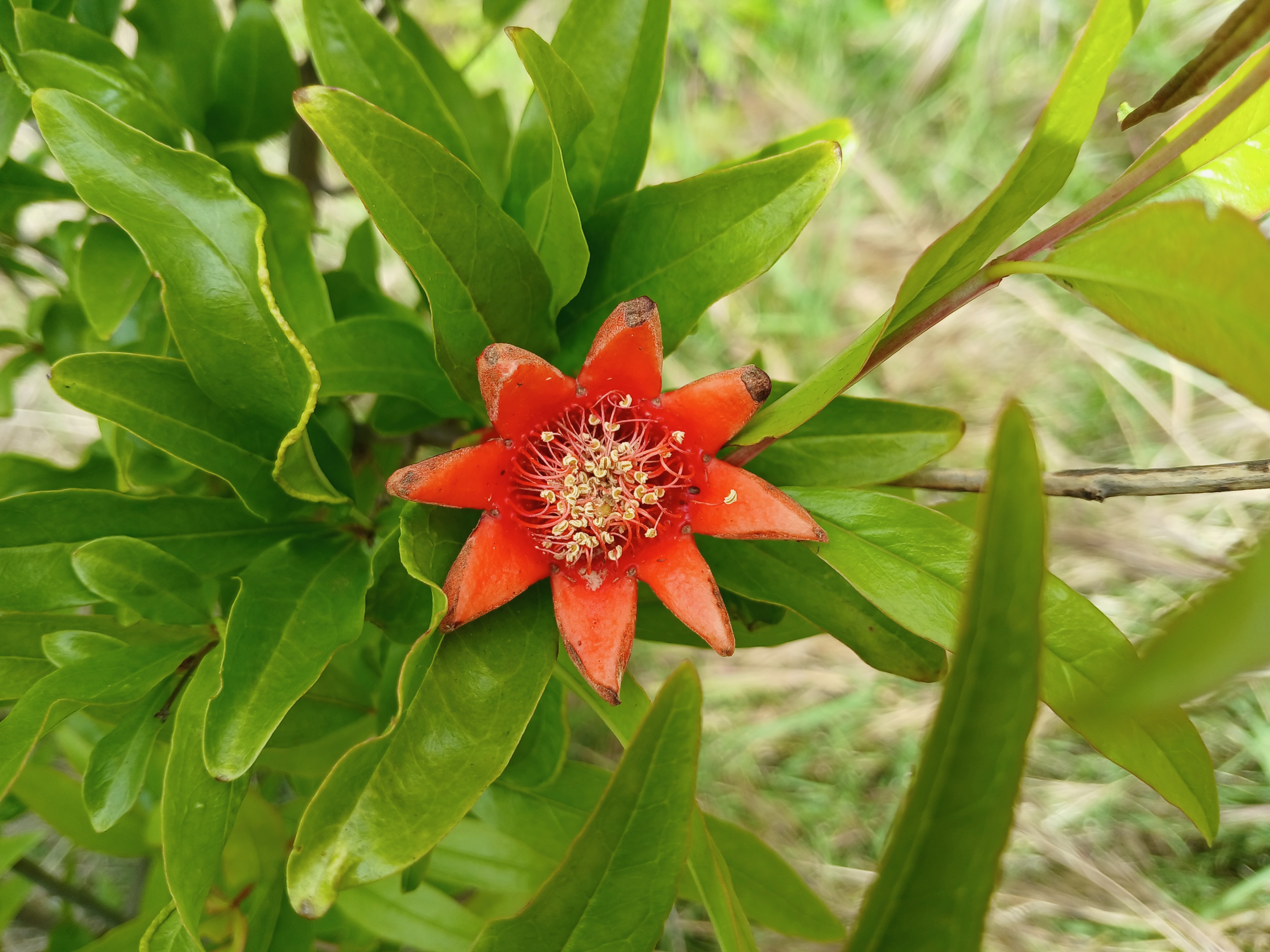
Pomegranate flower in my garden, November 2025.

For myself, post-publication of my novella Ravenous Girls, I’m still writing. Still writing, still learning. I am often puzzled by the values I encounter in the publishing world and more broadly in the world of books and reading — puzzled by how writers seem to be valued more for their productivity and conformism than for what they have to say or how they say it. As a consequence, I don’t know if I’ll ever have another book published. But I do know that I will continue to write, and that the act of writing — when I separate myself from its place in the commercial world — is meaningful to me, in and of itself.

Or, as Taylor puts it: Anyway, it wasn’t like he was staking anything of value to anyone else — just his integrity.

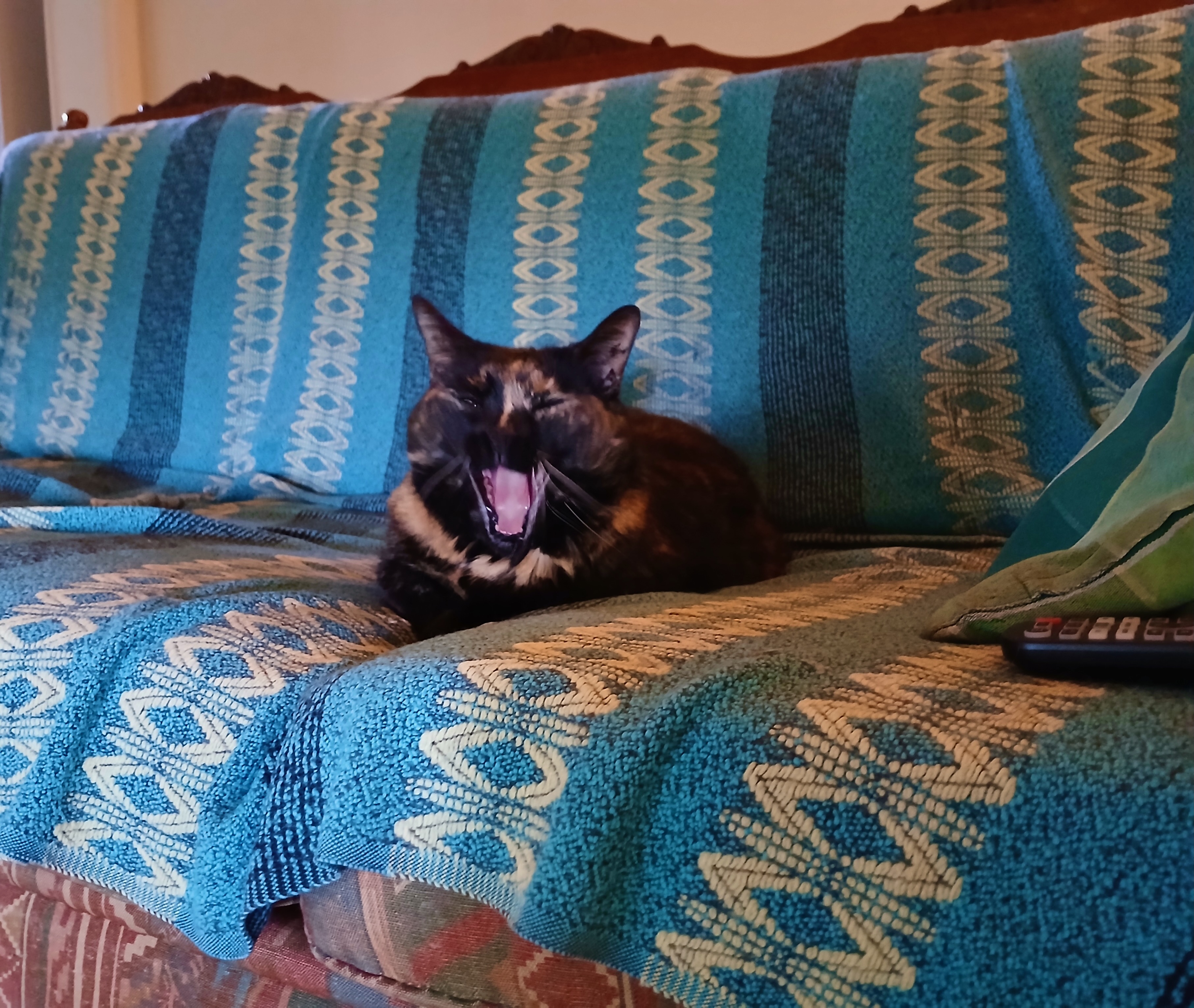
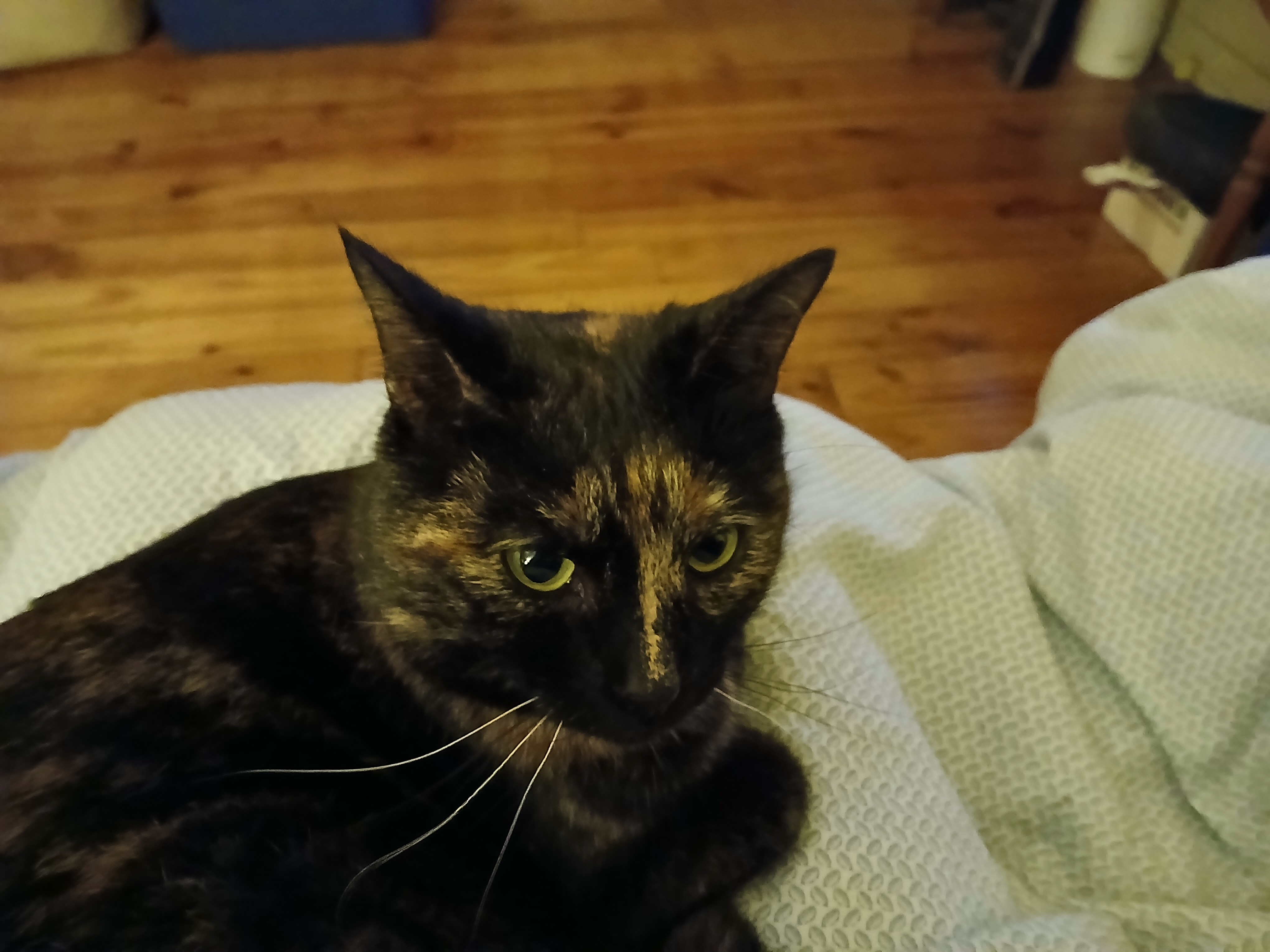
Lizzie mid-yawn, November 2025 (this cat has no issues with her own integrity!)

Lately I’ve been reading …

I’ve been exploring the world of short fiction in the last year, discovering some wonderful short stories, flash fiction and micro fiction in the process. Below I’ve listed some of the stories I’ve enjoyed — happy reading!

Soar

Other people’s words about … tea

Once upon a time, I used to describe myself as someone who drank ‘endless cups of tea’ — which was indeed true, once upon a time — but these days I’m sensitive to caffeine, and so my morning pot of tea, the treasured pot of tea, is the only tea I drink for the day.

And while I drink that pot of tea, I write. Some years ago, when I decided to make a commitment to writing something every day, no matter how little, I linked the commitment I’d made, very strategically, to my morning pot of tea. That way, I told myself, even when I’m filled with doubt about whatever it is I’m writing at the time, even if every part of me wants to give up on it, even if procrastination and writer’s block are overwhelming me, I still put myself through the process each morning — because of the cup of tea that accompanies it.

That’s how I wrote Ravenous Girls, in fact — one pot of tea at a time.

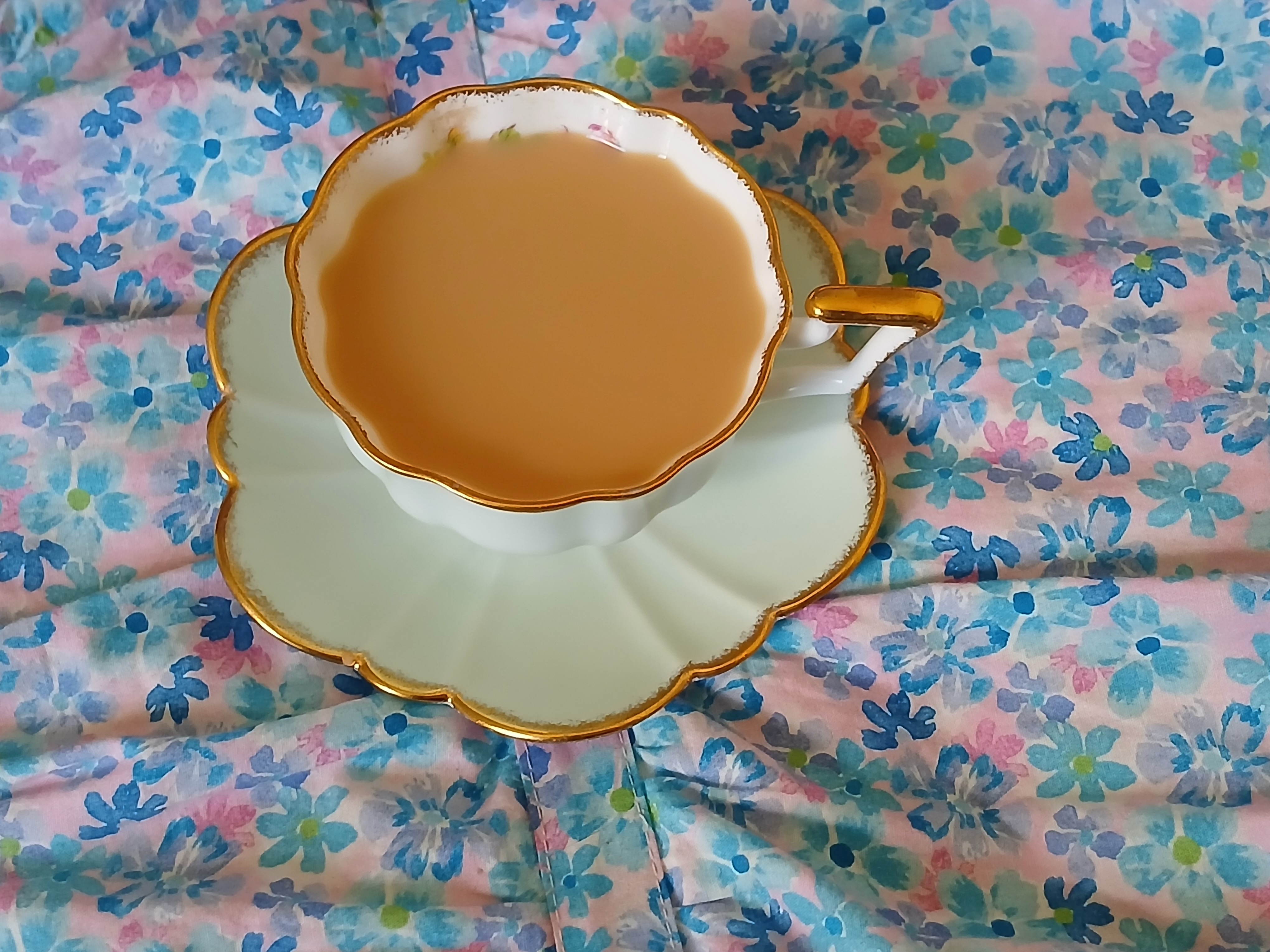
Morning pot of tea, June 2025.

Tiffany Atkinson’s beautiful poem Tea — which I found in a book that a dear friend gave me, Sophie Dahl’s Ten Poems about Tea — isn’t about tea, not really. It starts with a simple, everyday gesture, a man making a woman a cup of tea, and then, like all the best poems, it takes flight. It soars.

It’s a poem to be read slowly, to be savoured, just like a pot of tea.

Lately I’ve been reading …

The soft clatter of keyboards

Other people’s words about … crying at work

The lines I’ve quoted in the passage above, which make up the opening sentences of Anna Kate Blair’s novel, The Modern, have stayed with me ever since I read it, some years ago now. The novel is about art, love, self-doubt and work — most of all, perhaps, about how in our society one of the things that determines our conception of ourselves, the way we see and value ourselves (and others), is work.

The ethos of work.

What I love, though, about this particular passage (which in fact turns out not to be particularly essential to the course of events throughout the rest of the novel, at least insofar as what happens to Sophia, the narrator), is its tragicomic depiction of women crying in the workplace. Blair dispenses here with the need to explain why Anthea and Joanna and Sophia are crying, and why they assume they have to keep their crying secret. Crying in the workplace, she implies, and secret crying in particular, is a commonplace for these women; they all simply assume, in some kind of tacit shared understanding of themselves and their lives, that they’ll end up crying at some point during the working week.

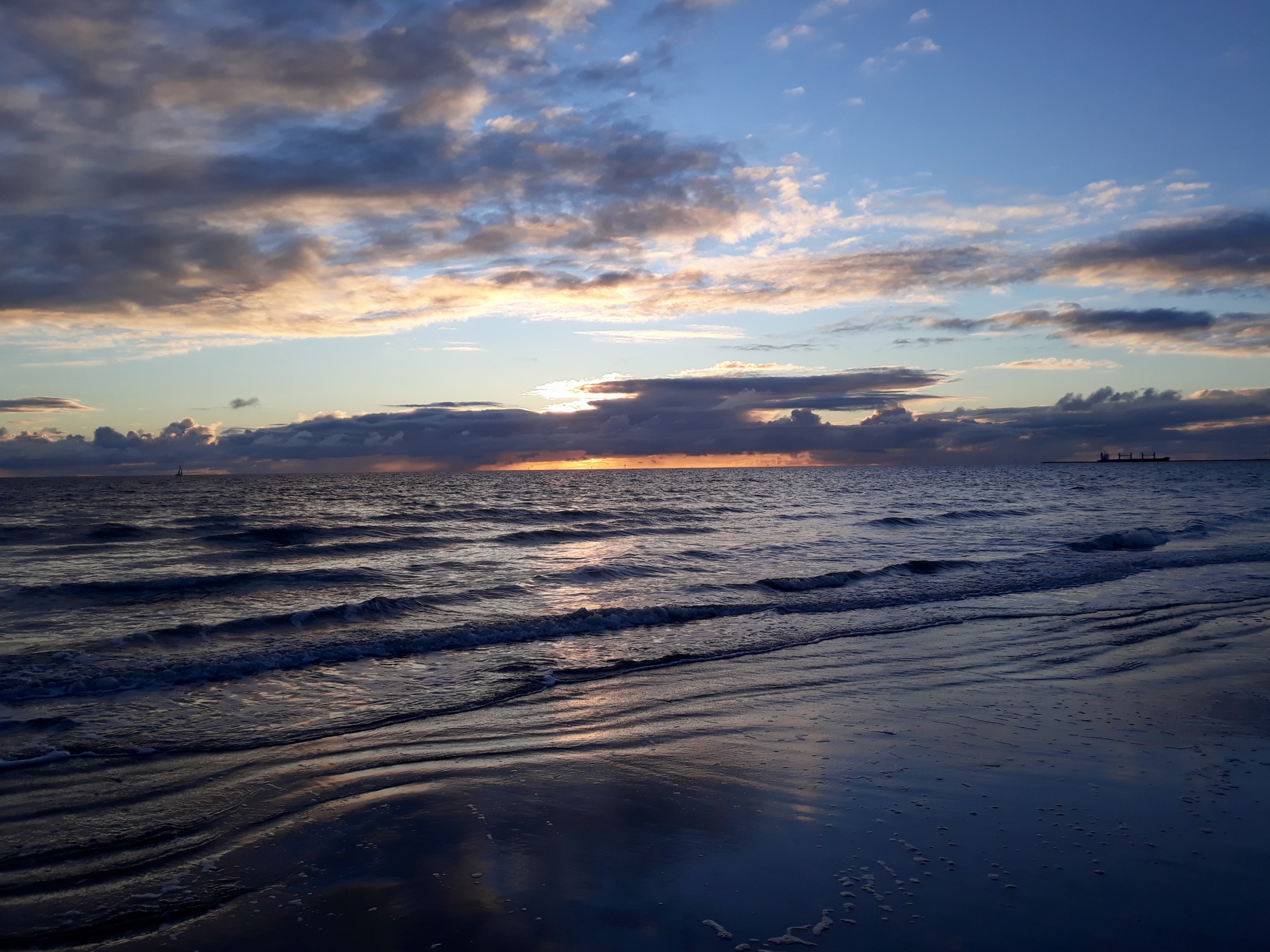
Aldinga Beach, May 2025.

I’ve worked in several workplaces over the years, and, just like Anthea and Joanna and Sophia, at some point in each job I’ve gone in search of a private place to cry. When I worked the afternoon shift in the call centre of a community health provider, I used to take the lift from the fourth floor down to the car park, walk around the corner of the building to a little alleyway on one side and lean against the wall to cry. When I was a cook, I’d step into the cool room and close the door behind me to cry in refrigerated privacy, crouched in among the cartons of milk and bowls of pastry cream and half-wheels of cheese. I’ve also done my fair share of crying in the office toilets like Anthea, and, yes, like Sophia, I’ve sat at my computer furtively blinking and dabbing at my eyes, all the while hoping that no-one would notice. And/or that no-one would notice me.

What is it about workplaces that reduces women, some women, to tears? Is crying part of our make-up, or is there something about the conditions of our workplaces — the buildings we work in, the people we talk to and report to, the conditions we’re bound by our salaries to — that makes us cry? Or is it rather the space the workplace occupies in our lives, the way it’s crammed in uneasily among everything else that belongs to our non-working selves, those selves we perhaps think of as our true selves?

I don’t know. But I think of Sophia, fellow workplace-weeper, from time to time and smile wryly.

May 2025

Lately I’ve been reading …

Decoded

Other people’s words about … language and interpreting

When I was a young woman I studied French, German and Mandarin at university. I had a facility for language, for words, and in those days I thought that I might one day become an interpreter in one of these languages, like the narrator in Katie Kitamura’s novel Intimacies. I studied all three languages for a year, having also studied French and German at high school, and then at the end of the year, which was the end of my first year at university, having achieved distinctions in all three subjects, I left university, left Australia, and didn’t return home to resume my studies for another three years.

By then I’d decided not to pursue a career in languages at all. I had understood from my travels that my natural shyness and introversion would make the kinds of context in which an interpreter works difficult for me, and I had decided not to challenge myself in that way. Funnily enough, this realisation came to me while I was living in Germany, where I had gone to live for a year to become fluent in German. Funnily enough, I should add, by the time I came to the realisation that interpreting wasn’t for me, I was almost entirely fluent in German. Anyway, I came back to Australia and left all of this behind, my fluency in German, my plans to be an interpreter, all of that.

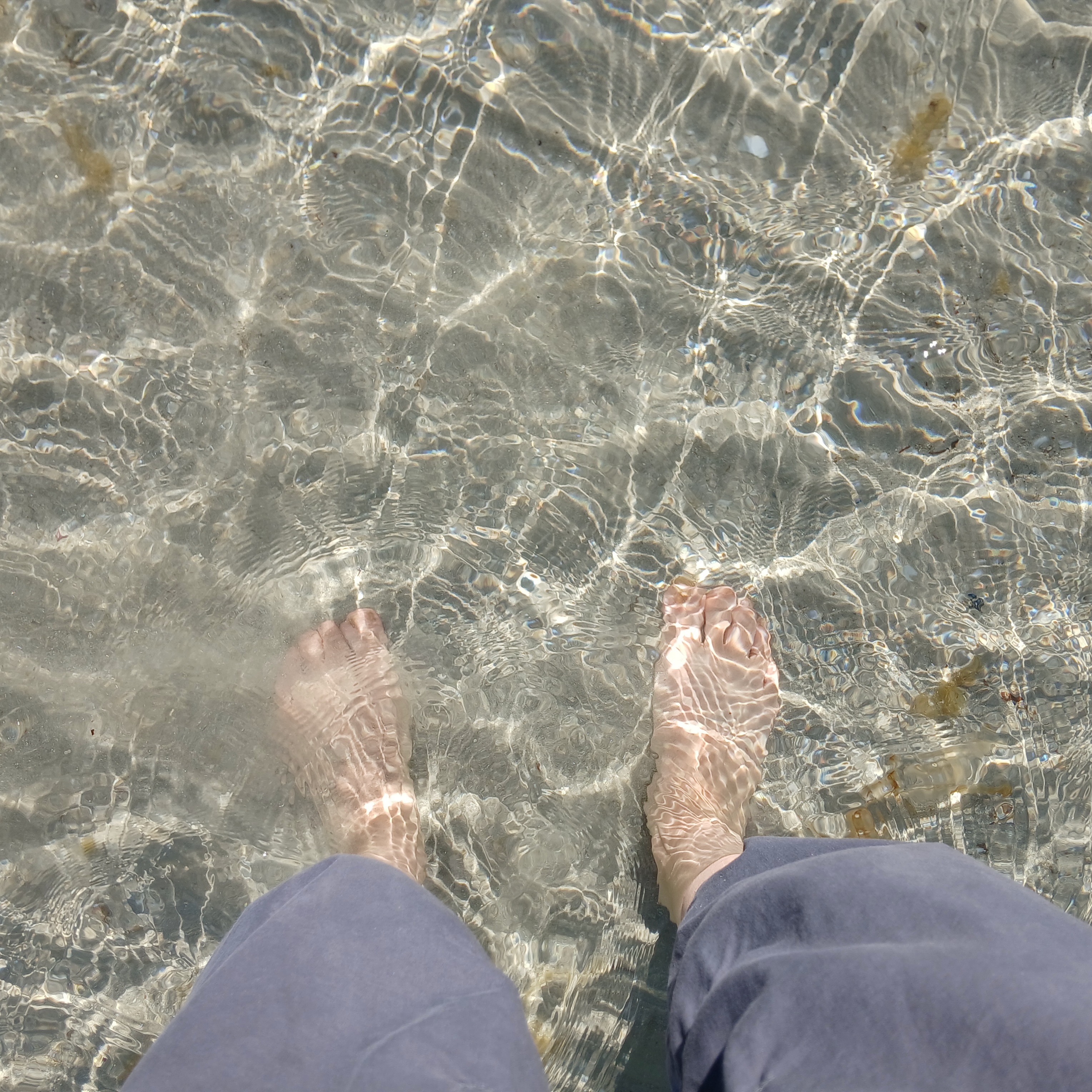
Footprints in the sand, March 2025.

It’s funny, though, because Katie Kitamura’s description in the passage I’ve quoted above of the experience of being so immersed in the pursuit of choosing the correct word that you lose all sense of meaning is something I am deeply familiar with in another context — editing. As an editor, I have edited books in the fields of geology, medicine, history, literature and religion. On hearing this, people frequently say to me, ‘Wow, you must have learned a lot about geology/medicine/history/literature/religion!’ But the truth is, I don’t absorb that kind of information when I’m editing. Like Kitamura’s interpreter, I decode the language I’m working with in the material I’m editing — meaning that I make sure that the sentences are grammatically correct, that there are no spelling errors, that the writer has presented their argument cogently — but that doesn’t necessarily mean that I understand it.

You literally do not know what you are saying, says Kitamura’s narrator of interpreting. Likewise, I would say of editing, I literally do not know what I am reading.

There are times when I regret losing the languages I learned when I was younger. There are times when I wish I had tried a little harder, thought a little more laterally, about how a person like me might use her language skills in her career without needing to be a gifted conversationalist or gregarious extrovert. But perhaps in the end my love for words and decoding language are what led me to become an editor, even if only by default. And I am, despite everything, grateful to have found my way to an editing life. It has served me well.

Lately I’ve been reading …

My body, my self

Other people’s words about … other people’s writing

I think this is one of the best critiques I’ve read about the written world today. How do we escape the aesthetic smallness of scope and affective numbness? I don’t know, but I think Eisenberg is onto something here.

Taperoo Beach, March 2025.

Leah, one of the two main protagonists of Housemates, is fat and queer and in love with her housemate Bernie, who is attracted to Leah but not driven to pursue the attraction, or at least not initially. And here again Eisenberg questions our social mores, the platitudes we repeat to ourselves and to others, this time about the discourse of sexuality. Was she more or less comfortable among queers than she was among everyone else? Bernie asks herself. About the same, came the answer. But if she really listened, really paused, there was another answer, which was: less. The style. The discordance, the mismatching, the pride, the attracting of attention and the comfort in that attention, the physicality to dance, to fuck, to march. The physical in Bernie felt meant for other uses.

Leah and Bernie move in a world where people pride themselves for being other, for not living according to the usual socially accepted order. And yet their world, too, demands acceptance and conformity to certain philosophical and sexual tenets. I love how Bernie has the courage to question the over-sexualised expectations that she perceives the people around her to have of themselves and others. The physical in Bernie felt meant for other uses. Now that’s a celebratory sentence if there ever was one.

Taperoo Beach, March 2025.

Lately I’ve been reading …

Begin again

From the annals of The Great First Chapter Project

About a year ago my husband handed me a brochure for a retreat in a nearby mountain village. We were standing in our Beijing kitchen while the girls played make-believe dog at our feet. The brochure was more like a handmade pamphlet – four pieces of white computer paper folded in the middle and stapled three times along the crease. There was a grainy photo of a cement terrace on the cover, and a more alarming photo of people sitting in a room with their eyes closed, and text under the photos that explained something called a ‘day of silence’ and yoga and the chance for participants to reinvent themselves. My husband, Lukas, told me these things would make a good week’s vacation for me, and he smiled while I looked at the photos, but it was a distant smile.

from ‘Elsey Come Home
by Susan Conley

I’ve been thinking, as you do at this time of the year, about endings and beginnings. About the things I hoped for at the start of the year, and the things that happened, and the things that I wanted to happen but didn’t (or haven’t yet). And about next year too, of course — the same kind of things, what I hope for, what I dread, what I can plan for, what I can’t. What I might just have to take on the chin.

One of the things that happened for me this year was that, as part of winning the Deep Creek Residency, I got to have a conversation with a publisher after he’d read the first 20 pages of the manuscript I’m currently working on. I’m the kind of writer who works from project to project — that is to say, uncontracted — and I also spend years between publications, years working alone, writing and rewriting and doubting myself all the while, so this was an incredible opportunity, one I’ll be forever grateful for.

Over the course of one hour, the publisher and I talked about many things, one of which was how important it is to get the first few pages of your manuscript right. We talked about prologues. We talked about hooks. We talked about grabbing the reader within the first five pages. We talked. We talked. Oh, we talked.

And I’ve been thinking about beginnings ever since.

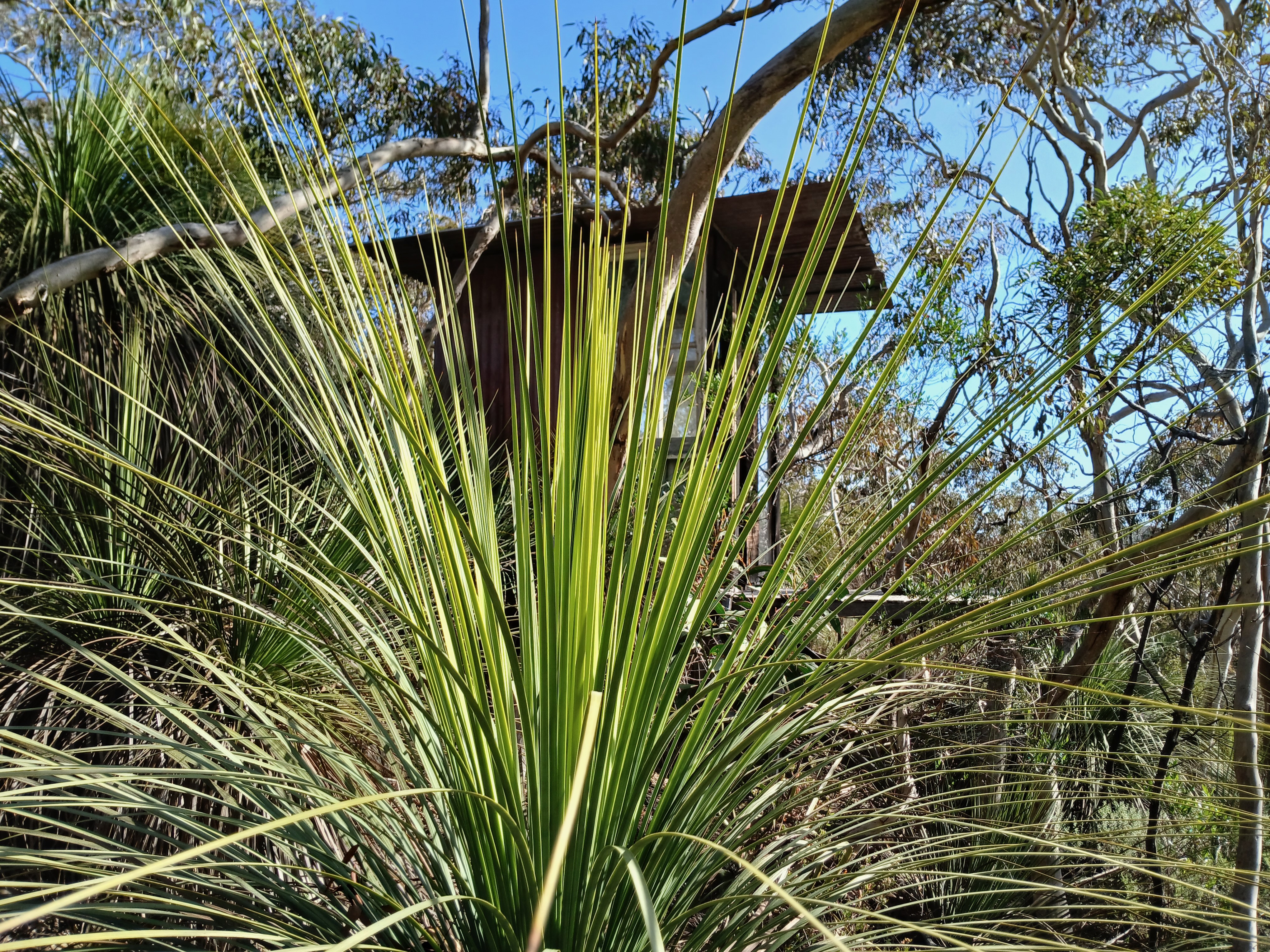
Abandoned writer’s cabin, Deep Creek, October 2024.

So much has changed for me in the last two years when it comes to writing. I’ve had my first piece of literary fiction published, my novella Ravenous Girls. I’ve begun work on my second piece. I’ve won a residency. So many beginnings! Somehow, it seems fitting to end my year of writing on this note, thinking about beginnings.

On this note, I’ve started collecting quotations from books whose first chapter, or first few paragraphs, or even — rarely — first sentences, grab me. I’m calling this The Great First Chapter project, and I can’t think of a better way to start than with the first paragraph I’ve quoted in this post, which comes from a novel I love, Susan Conley’s Elsey Come Home.

My husband, Lukas, told me these things would make a good week’s vacation for me, writes Conley, and he smiled while I looked at the photos, but it was a distant smile. There it is, the story lying ahead of us in a nutshell: the story of a husband and wife who love each other but are estranged, the story of a marriage that needs healing. I knew the moment I read this line for the first time that I would love this book, and I did.

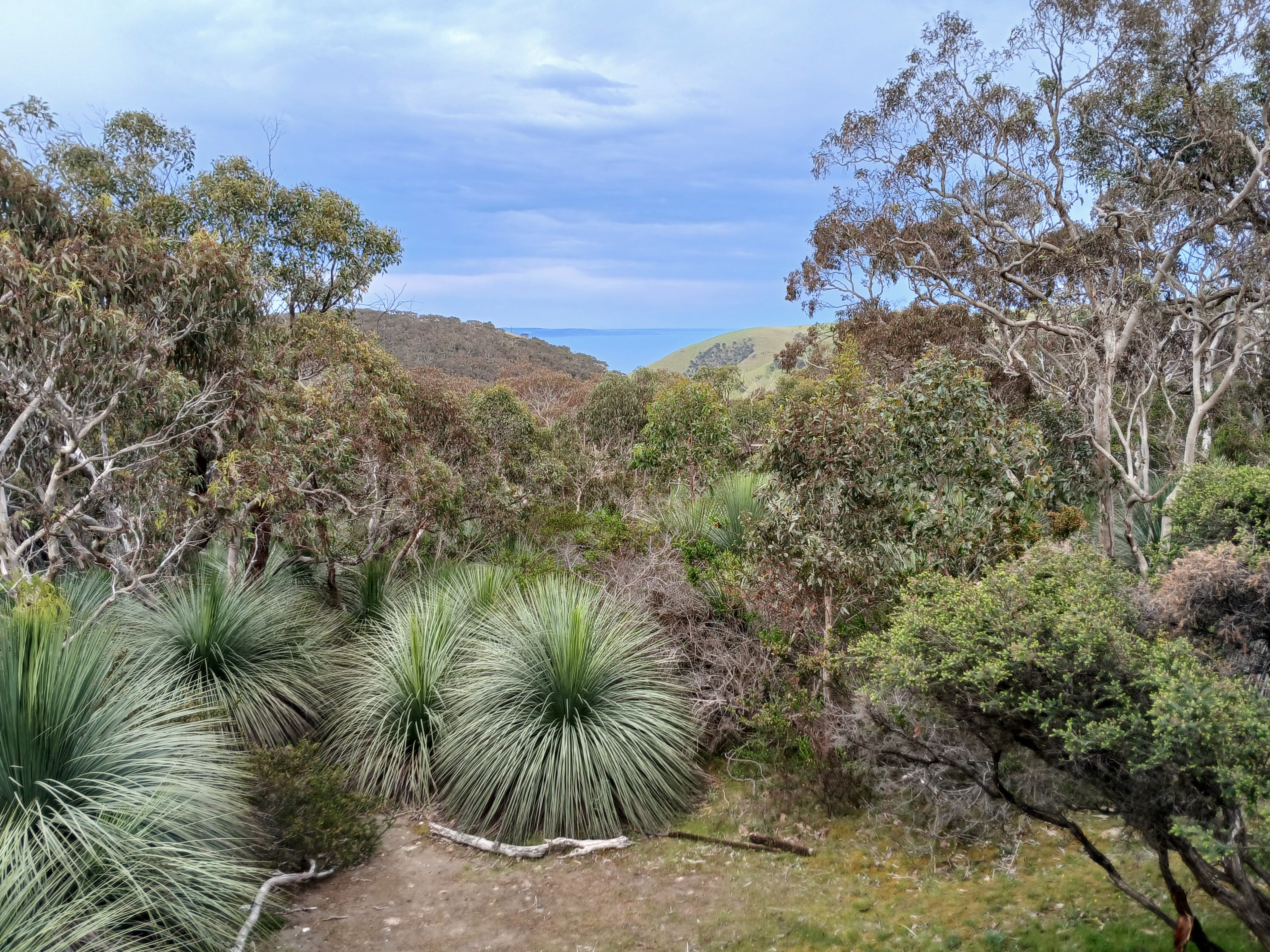
View from the cabin, Deep Creek, October 2024.

Before I go, I wanted to mention some good news I’ve had recently. My story ‘A Farewell’ was shortlisted for the MIKI Prize and included in the MIKI Prize 2024 Anthology, which was launched last week, and just this week my story ‘City of Lights’ was highly commended in the Marj Wilke Short Story Award 2024. I’ve never really focused on writing shorter pieces before, but this year, while I was working on a longer manuscript, the one that the publisher and I were discussing, I also started writing and submitting stories here and there, where and when I can. I have a lot to learn, but when it comes to beginnings — this feels like another one.

The cabin from afar, Deep Creek, October 2024.

Lately I’ve been reading (and listening) …

Like breath

Other people’s words about … places that reside within our hearts

During our visit to the jungle, while we slept on the verandah at 3 AM, night would be suddenly alive with disturbed peacocks. A casual movement from one of them roosting in the trees would waken them all and, so fussing, sounding like branches full of cats, they would weep weep loud into the night.

One evening I kept the tape recorder beside my bed and wakened by them once more out of a deep sleep automatically pressed the machine on to record them. Now, and here, Canadian February, I write this in the kitchen and play that section of cassette to hear not just peacocks but all the noises of the night behind them — inaudible then because they were always there like breath. In this silent room (with its own unheard hum of fridge fluorescent light) there are these frogs as loud as river, grunting, the whistle of other birds brash and sleepy, but in that night so modest behind the peacocks they were unfocused by the brain — nothing more than darkness, all those sweet loud younger brothers of the night.

from ‘Running in the Family
by Michael Ondaatje

I have just spent a week away in Deep Creek, having been chosen as this year’s lucky winner of the Deep Creek Residency for writers. I spent that week away writing, reading, bushwalking, running, writing again, then writing some more. It was a joyous time, the rarest privilege, to be given time away simply to write.

Daytime, Deep Creek, October 2024.

In our lives, I think that there are some places, connected to some times, that are somehow magic, that come to us through luck or stealth or a great deal of planning and then reside with us forever. These places become a part of the fabric of who we are, though we may not always understand why, and what we feel, when we think of them or remember them or revisit them, is a sense of awe — a sense of connection to something deeper than we can articulate.

Gully of grass trees, Deep Creek, October 2024.

Deep Creek, place of grass trees and rolling hills and shrike thrushes calling in the trees, place of kangaroos and echidnas and sheep and shingleback lizards, place of tawny frogmouths and fogs and sunshine and rain and big, big skies — Deep Creek is, anyway, one of those places for me, a place close to my heart. I have left Deep Creek now, and the hopes and dreams I went there with — that I would write copiously and productively, that the story I’m writing is worth telling, that the manuscript I’m working on might one day get published — may or may not come true, but Deep Creek is still with me and always will be. I don’t know how else to put it.

Resting place, Deep Creek, October 2024.

And this is what I love about the passage I’ve quoted above by Michael Ondaatje, the way he captures the mystery of a place, its essence; the way it has become a part of him. I have never been to the jungle that he writes of, never heard peacocks who weep weep loud into the night. But in Deep Creek I have felt what Ondaatje describes. In Deep Creek I have felt that I have found a place that will, like breath, always be with me.

First light, Deep Creek, October 2024.

Lately I’ve been reading …

Stay true

Other people’s words about … reading

When I get to our house, Lauren and Edith are both asleep. The house is dark and quiet, and warm too — the solidity of English homes is a welcome point of difference to Australia, where we were used to draughty Edwardian weatherboards — and, still buzzing with the thoughts that occurred to me on my walk home, I pour myself a tumbler of the Aldi whiskey we got on special, and, thinking of how a quiet house and a calm world allow a reader to become their book, and how, at the same time, it is the act of solitary reading that produces that quietness and the calmness, and how, at the same time, it is the reader’s desire to be a model reader, their desire for quietness and for calmness, that makes it so — thinking of that, I sit down at the dining table in the living room and try to remember the thoughts I had on my walk home — as if thoughts can be possessed, rather than experienced; as if my thoughts are a book that I can lean into, to which I can be true, and through such trueness of reading make order, quiet and calm where before there was none.

from ‘Anam
by Andre Dao

There are a couple of things that resonated with me in the passage I’ve quoted above from Andre Dao’s award-winning novel, Anam.

First, there’s the mention of draughty Australian houses. I thought, reading these words, of the grey, rainy winter days of my own childhood in South Australia, although unlike Dao, I grew up in a 1920s colonial-style house rather than a weatherboard one. Our house had french windows and a verandah with wrought-iron lace trimming and a terrazzo floor. The ceilings in the house were high and the walls were thick, and we had central heating, but we used it sparingly. In June and July, then, when the days were at their shortest, those rooms were cold; I remember going to bed with a hot water bottle to warm my feet on. Even in adulthood — perhaps especially in adulthood — the houses I’ve lived in have been chilly in winter, the kind of chilly that requires you to wear several layers to ward it off.

In Australia, we like to believe that we don’t experience cold weather, and to an extent that is true — but there is nothing like the internal climate of a poorly heated house to remind you that winter does exist here. It does indeed get cold.

Guinea Flower, Aldinga Scrub, September 2024.

But the main theme of this passage is reading, and the quietness and calmness we seek from it. A quiet house and a calm world — isn’t that what most of us want? How wonderful it is that reading, an activity whose seeming simplicity belies its complexity, can give this to us.

How wonderful, too, that in discussing this Dao takes us from the idea of reading books to reading our own thoughts — and how we may stay true to them.

Lizzie, August 2024.

Lately I’ve been reading …

Calculus

Other people’s words about … counting calories

In 2008, I downloaded a new app to my iPod. The icon featured a silhouetted figure in the middle of a balletic jump, lithe and limber like I wanted to be, and when I clicked open the app I was welcomed and asked to input my height, current weight, age, gender, and goal weight. MyFitnessPal, which debuted on the app store in 2005, is to this day one of the most popular calorie counting apps worldwide. Its icon is also regular featured in eating disorder starter pack memes and discussed on pro-ED websites. ‘Does anyone else have MyFitnessPal app trauma???’ someone posted, while another joked darkly about ‘the myfitnesspal to eating disorder pipeline’, and another mocked ‘myfitnesspal’s yassification of orthorexia’. The app is focused on calories in and out, calculating your personalised daily allotment based on your biometrics and the date by which you’d like to hit your weight goal. During the era I spent addicted to the app, every time I considered putting something in my mouth, I searched it in the apps’s expansive database, and often decided against eating it after seeing its caloric content. What I did eat, I entered, and the app updated my remaining calories for the day accordingly. The app quickly became a ritual and a rulebook, and scrolling my daily record in bed at night a practice as yearnful and penitent as running my fingers through rosary beads.

from ‘Dead Weight
by Emmeline Clein

I have written two novels now that feature characters with eating disorders in them, a YA novel and my recent novella, Ravenous Girls. Both the characters in my books, like myself, experienced the onset of their anorexia in the late 1980s or early 1990s, before the existence of the internet, let alone of iPods and the app store. And yet when I read the passage I’ve quoted above by Emmeline Clein, I thought how familiar it sounded and how, despite the passage of time and the onslaught of digital technology, the experience of anorexia has remained in its essence the same across generations, at least in certain parts of the world and among people of a certain class.

Whether you count calories by consulting a book of charts that is updated and republished annually (as my characters and I did in the 1980s) or whether you download an app and then ‘chat’ about it online with your pro-ana friends, you are still counting calories. You are still measuring yourself by your food intake and the effect it has on your physical appearance. You are still, in other words, measuring your worth by what you eat and how you look.

Taperoo Beach, July 2024.

There are people who say that when we write about the experience of anorexia we trigger others to seek the experience out. I am not one of those people. The subtitle of Clein’s book is On Hunger, Harm and Disordered Eating, and I think it’s the first two words of that subtitle that grab me most strongly. Hunger is the primary experience of anorexia, whatever your age or sex or class or gender, and harm is the result — in some cases, terrible harm.

Perhaps we can’t prevent that harm when we write about it, but perhaps, too, we can try to make sense of it. And that, I believe, is important.

Lately I’ve been reading …

Each week I bookmark pieces I’ve read online that I might list on my blog, and each week my list grows and grows, since I read far more than I blog. For this post, I’ve dived into my archive of bookmarks for some pieces I’ve loved over the last two or three years.

Echo

Other people’s words about … intimacy

He exhales. In the spring he would sometimes wake up at night beside Marianne, and if she was awake they would move into each other’s arms until he could feel himself inside her. He didn’t have to say anything, except to ask her if it was alright, and she always said it was. Nothing else in his life compared to what he felt then. Often he wished he could fall asleep inside her body. It was something he could never have with anyone else, and he would never want to. Afterwards they’d just go back to sleep in each other’s arms, without speaking.

from ‘Normal People
by Sally Rooney

I don’t know anyone who writes about intimacy better than Sally Rooney, especially in her first two novels, Conversations with Friends and Normal People. What I love about Rooney’s writing is that she understands how our emotions convey themselves to us by manifesting themselves physically. Connor’s longing for Marianne in the passage above, his longing to be inside her, is both physical and emotional. It’s all-encompassing, unspeakable, the kind of intimacy that he doesn’t have words for — that most of us don’t have words for. Only Sally Rooney, as I said, can write this way.

Port Elliot, June 2024.

I’ve been thinking over the last few months about why I write and what I want to write about next, now that my novella Ravenous Girls is out in the world. And I’ve been writing, too, or trying to. Earlier this year, in fact, I submitted part of a new manuscript, the manuscript I’ve been thinking about over the last few months, to the Deep Creek Residency — and this week I found out to my excitement that, based on the strength of the material I’d submitted, I have been named the winner for 2024 of the residency. Which is deeply exciting.

It’s funny how writing works, though — by the time I got the news about winning the residency, I’d pretty much convinced myself that this manuscript, or the version of it that I’d worked on and submitted to the residency, was unfeasible. Clunky. Strained. Embarrassing, even.

So maybe I was wrong about that; maybe I somehow got myself lost inside my own echo chamber. This happens to me over and over again whenever I’m writing, and yet each time it happens to me, it astonishes me anew. It’s not a place I recommend staying in very long, this echo chamber. It’s a desolate, lonely place.

Aldinga Beach, June 2024.

Partly what I’m writing about in my new manuscript is Cairo. Partly what I’m writing about is the two sisters that I wrote about in Ravenous Girls, Frankie and Justine, at a later stage in their lives. And partly what I’m writing about is intimacy, not in the way that Sally Rooney writes about intimacy, but intimacy nonetheless.

Intimacy, which is its own terrifying echo chamber.

Lately I’ve been reading …