‘[I] stare at the water.
It’s shot with moon, silver leaking all over the surface.’
from ‘Words in Deep Blue‘ by Cath Crowley
Okay, so I don’t have any photos of the sea in moonlight, because I have as yet to figure out night-time photography.
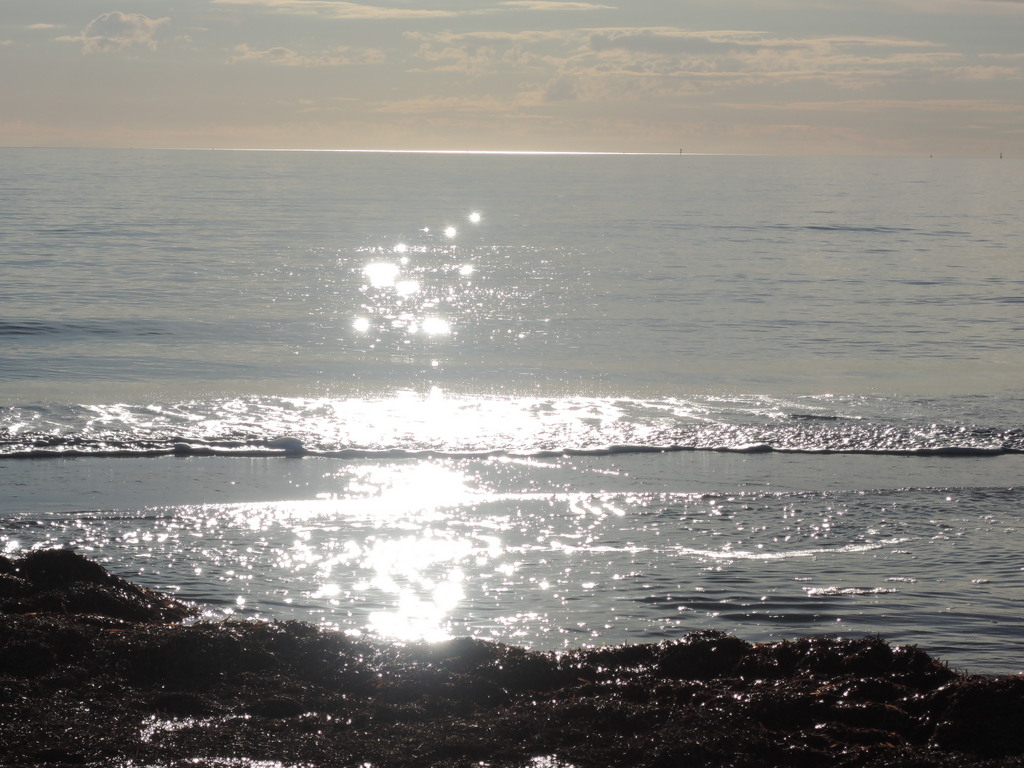
But the words above reminded me of one of the things I love about the sea, and one of the reasons I so frequently post other people’s words about it, accompanied by my own photos: I love how the sea changes colour, depending on the season, the temperature, the weather, the time of day, the tide. The colours you see below — blue, green, pewter, turquoise, gold, silver — are just some of the many colours of the sea.
You may recognise some of these photos from earlier posts on this blog. Forgive the repetitiveness. That is one of the things about the ocean, I think: the wonder it instils in you, each time you see it, each time you visit it. It repeats itself, over and over.
Summer came, clanging days of glaring sunshine in the seaside town where I live, the gulls screaming in the early dawn, a glittering agitation everywhere, the water a vista of smashed light.
From ‘Aftermath‘ by Rachel Cusk
I live in a seaside suburb like Rachel Cusk. Gulls scream outside my window most mornings, flapping over the roof, perching on the top of the stobie poles. I find great solace in their shrieks. Like the call of a wattlebird, there is nothing elegant or beautiful in a gull’s cry. It is gloriously unapologetic, and harsh, and guttural, and wild.
There is a particular kind of summer day at the beach: the sand is so hot along the path from the road across the dunes that if you are making your way barefoot — or if you are a dog — you have to run over it towards the shore to prevent the soles of your feet (or paws!) from burning. The sky throbs; the air is windless, hot, salt-scented; and gulls stand in the shallows, waggling their legs as they stare down into the clear water, searching (I think) for fish. It’s so quiet in the hot stillness that you can hear the little lapping, bubbling noises the water makes as the gulls’ legs move about in it.
A vista of smashed light
I haven’t swum in the sea much this summer. Due to the storms in December and early January, the water is muddied and polluted. But I love the beach at this time of the year, regardless. I feel no glittering agitation, as Cusk does: only joy.
It’s the heat. And the light. And the gull-shriek-rent air.
This is what is behind the special relationship between tale and travel, and, perhaps, the reason why narrative writing is so closely bound up with walking. To write is to carve a new path through the terrain of the imagination, or to point out new features on a familiar route. To read is to travel through that terrain with the author as guide — a guide one may not always agree with or trust, but who can at least be counted upon to take one somewhere. I have often wished that my sentences could be written out as a single line running into the distance so that it would be clear that a sentence is likewise a road and reading is traveling … Perhaps those Chinese scrolls one unrolls as one reads preserve something of this sense. The songlines of Australia’s native aboriginal peoples are the most famous examples conflating landscape and narrative. The songlines are tools of navigation across the deep desert, while the landscape is a mnemonic device for remembering the stories: in other words, the story is a map, the landscape a narrative.
So stories are travels and travels are stories.
from ‘Wanderlust‘ by Rebecca Solnit
Last year, a theme I returned to often on this blog was paths. I had decided not to make a New Year’s Resolution for once: instead, I thought, I would learn to find, and then follow, my own path. Paths became a metaphor for me; once I began to look, I found them in the most startling and beautiful moments. There were paths in the sea, paths across the sky, paths to the horizon, paths trodden by other creatures than myself, making their way through the bush.
Path through the sky
Perhaps it was a theme painfully obvious in its metaphors. Less painfully obvious is the metaphor Rebecca Solnit employs in the passage above. To consider one’s job as a writer to be the task of carving a path for one’s readers to follow: what a wonderful thought. What an honour.
Path of the sun
I was interested in Solnit’s comparison with the songlines of the First Australians. In these days of serious debate about cultural appropriation, I considered long and hard whether it would be appropriate to include that part of the quote. In doing so, I found an explanation which seemed genuine and made sense to me. You can read it here.
Path across the sea
Landscape as narrative. This is something I have long believed in, right down to my core. When I go for a bushwalk in a place that is familiar to me, a track I’ve walked many times before, part of the joy I find in my wandering is in the act of observing how the seasons have wrought changes on the place since the last time I was there — how rain brings forth wildflowers, for example; and how those wildflowers differ in variety and in abundance, depending on that year’s rainfall. It feels then as though I am following a narrative which is both part of me, as a creature on this earth, and also greater than me. Songlines are not mine to appropriate, but the sense of a story, and the sense of the sacred, is everyone’s to share.
Other creatures’ paths
But story as map: that’s something I hadn’t considered before. I am both a reader and a writer,and I am intensely aware, in both roles, of the contract between the two. The writer makes a promise; the reader holds the writer to it. I like the idea of viewing this contract as a map. It explains the sense of awe I feel as a reader, and the sense of humility I feel as a writer.
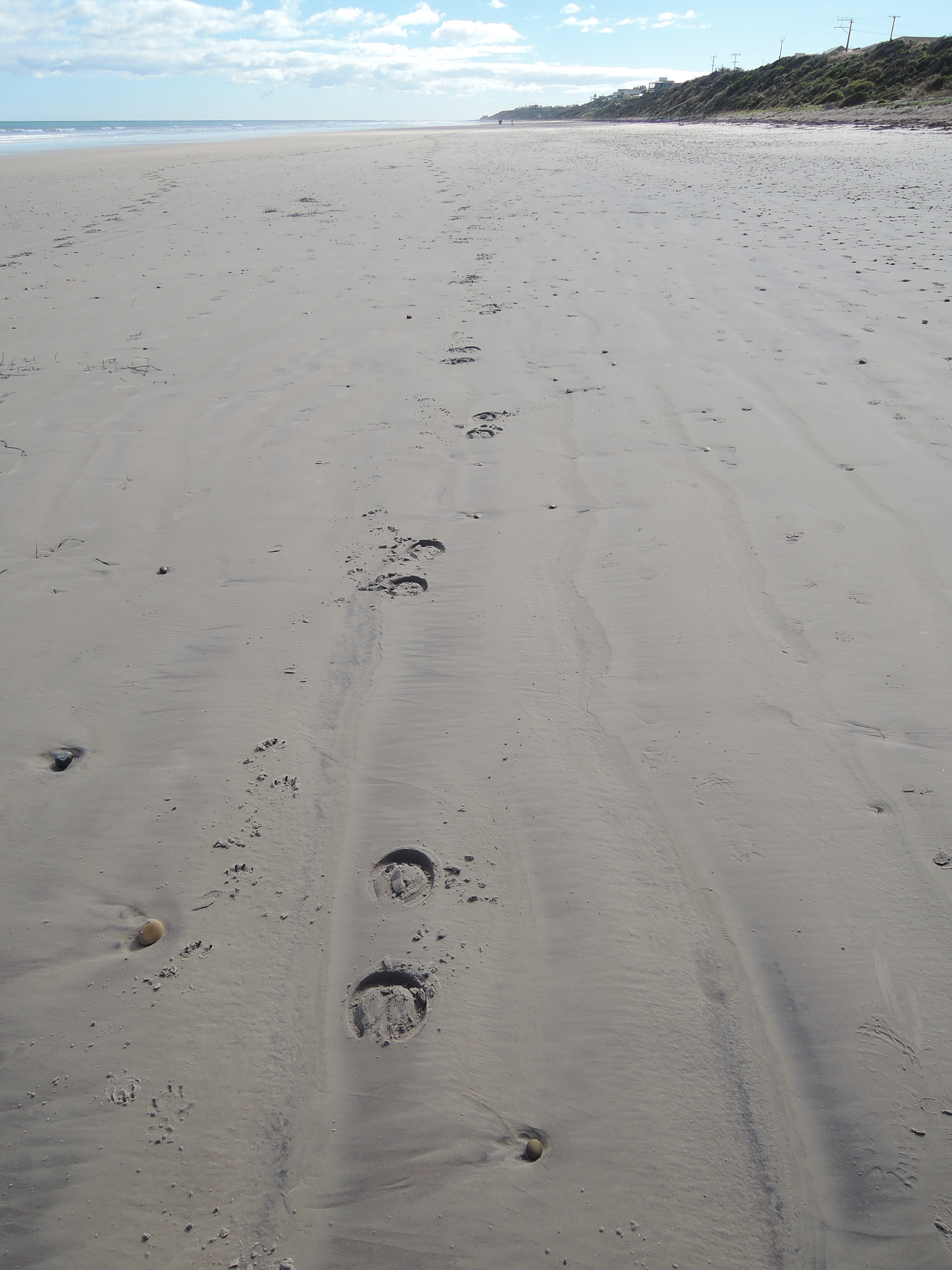
Path across the sand
In the end, we each tread our own path across our own landscape, using our own map.
But it is nice to know there are guides along the way.
‘It’s maybe why her mother took to walking, Tess thinks as she clambers through thickets of ash, brown kurrajong, weeping fig.
When you’re walking the view shifts and changes.
Walking’s a form of hope.’
from ‘The World Without Us‘ by Mireille Juchau
When you’re walking …… the view shifts and changes.Walking’s a form of hope.
It was the top of the morning, the very cream, and I skimmed it off and crouched in the cornfield, gulping it down … The field ended in a double ditch, and from it grew a mass of flowers in a profusion of colours and forms, such as is seen trimming the edges of medieval manuscripts. Black medick, I counted, buttercup, horsetail, ribwort plantain, hedge woundwort, must mallow and curled dock, the clustered seeds a rusty brown. Wild rose, dandelion, the red and white dead nettle, blackberry, smooth hawksbeard and purple-crowned knapweed. Interspersed with these were smaller, more delicate flowers: cut-leaved cranesbill, birdsfoot trefoil, slender speedwell, St John’s wort, heath bedstraw, tufted vetch and, weaving in and out of the rest, field bindweed, its flowers striped cups of sherbet-pink and white. The stem of the knapweed was covered in black fly, and a spider trap shaped like a dodecahedron had annexed a few pale purple flowers of vetch inside swathes of tight-woven web.
from ‘To the River‘ by Olivia Laing
I have quoted from Olivia Laing before, I know. Still, one day a week or so ago as I went for a bushwalk, I couldn’t help thinking again of To the River. In particular, my thoughts kept returning to the passage I’ve quoted above. We’ve had an extraordinarily wet, windy spring here in South Australia this year — a spring that’s left me craving our usual harsh, dry, crackling heat. But the ‘up’ side to the lower temperatures and higher rainfall has been the abundance of wildflowers.
Bitter peas
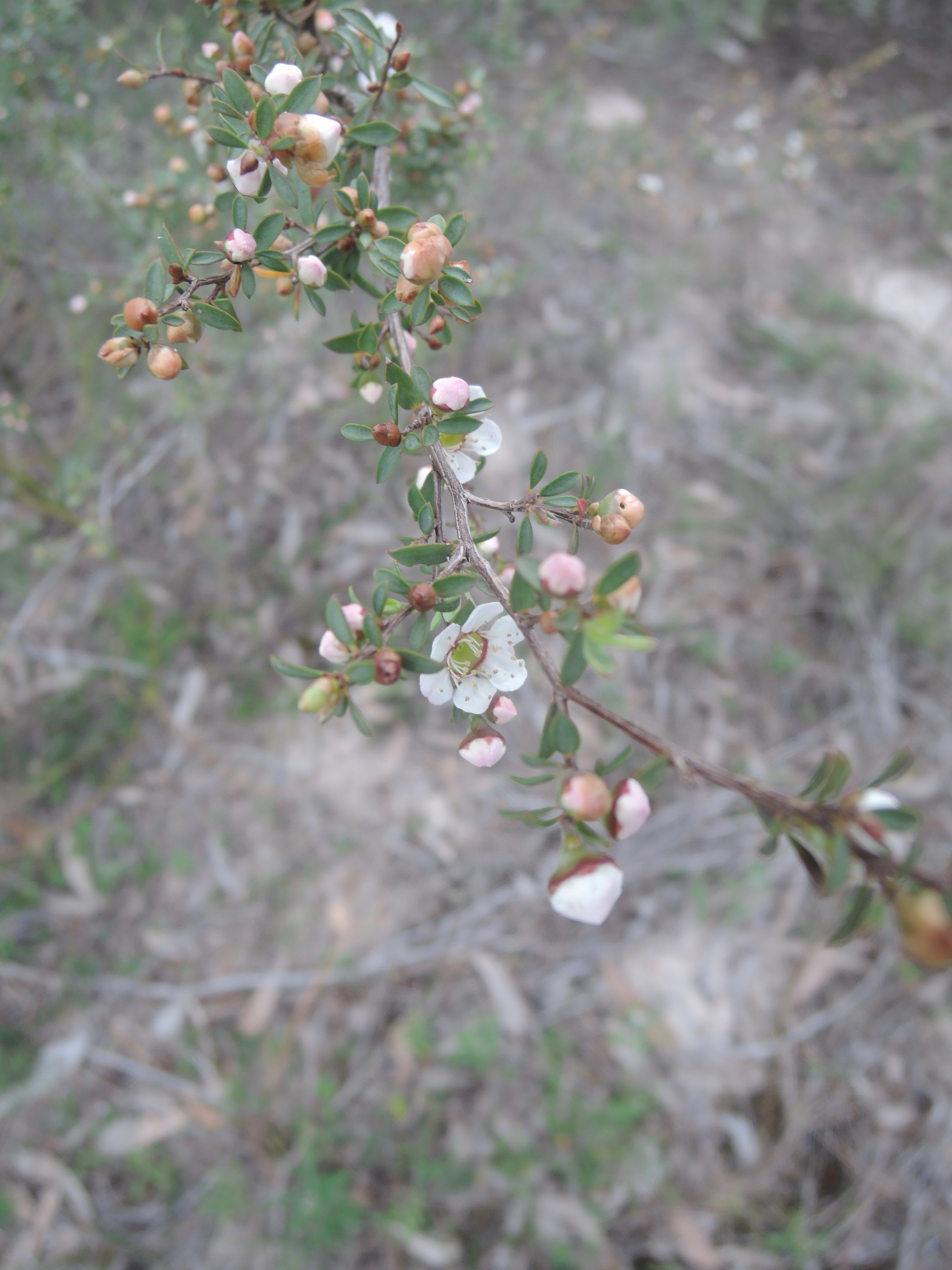
Common fringe myrtle
That day, as I strolled along the path, it felt to me as though I was walking on a carpet of flowers. Whistlers burbled in the trees above me — I spied both golden whistlers and rufous whistlers — and wattlebirds clucked, and magpies warbled, and I am sure I heard the call of a curlew or a godwit, though I really don’t know whether that’s possible in the part of the world through which I was walking.
Meanwhile, the rug of flowers went on spreading out before me.
Milkmaids? I think that’s what these are, but I’m not 100% sure …
As I walked, I found myself doing exactly what Laing does in the passage above: counting the flowers. I saw each flower; I named it; I knew it. I made my list as Laing made hers, and though we live in different hemispheres, and our lists are very different, I suspect that the joy I felt in making my list was somewhat akin to hers.
Muntries
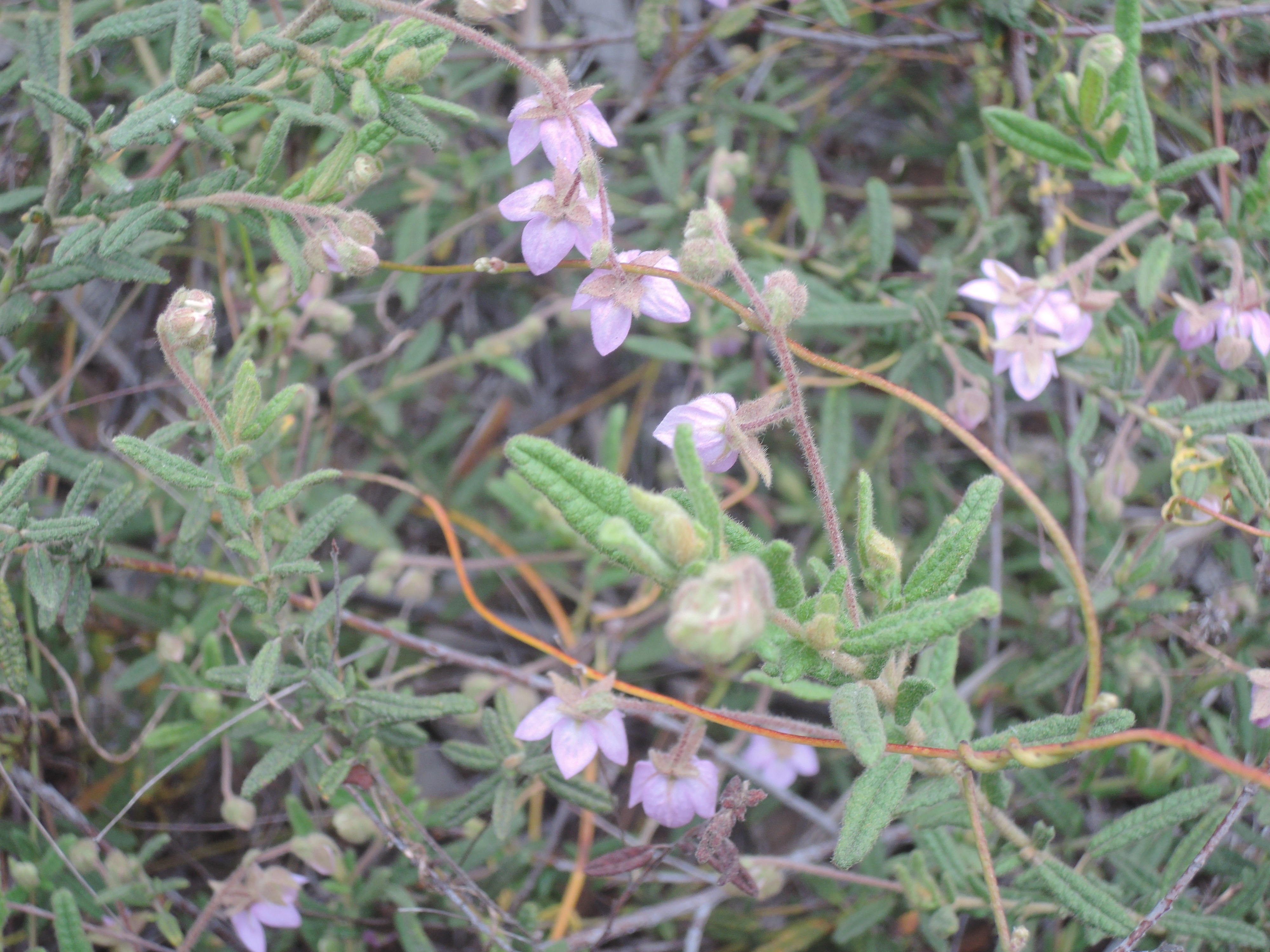
If I was an artist or a calligrapher — if I was a mediaeval scribe — I would decorate the edges of this post with the flowers I saw that day, in reference to the illuminated manuscripts Laing mentions above. But I am none of those things, so my photos will have to suffice. (As usual, hover your cursor over the photos to see the name of each flower — or my attempt, at least, to identify and name each one. Part of the pleasure in list-making is the knowledge that some of the names on the list might be wrong. I learn as I go.)
What I think are native bluebells
Perhaps you might like to think of these photos as a kind of pictorial version of the list I made that day, or as evidence of the carpeted path I trod, or as a simple expression of my joy.
He put his hand out. One drop of water and then another.
Spitting, his [dad] called this kind of rain.
Not enough to fill the creeks, but enough to make the ferns droop and the ground smell like wet dog.
It is no wonder that most Adelaide inhabitants have little idea of what the pre-European vegetation of the Adelaide Plains looked like, because over vast swathes of suburbia, unless one knows exactly where to look, it is basically all gone and has been for over a hundred years. Add to this the interest in recent decades in planting Australian natives that may have been sourced from regions over a thousand kilometres away and there is little wonder that confusion exists about the identity of the truly indigenous plants of the Adelaide Plains.
from ‘The Native Plants of Adelaide‘ by Phil Bagust and Lynda Tout-Smith
One of my favourite places to spend time in is Aldinga, south of Adelaide, though I didn’t grow familiar with it until I was well into adulthood. When I was a child, Aldinga was still a little coastal country town within driving distance of Adelaide. City people spent their summer holidays there each year. That was all I knew about it.
Aldinga isn’t a small country town anymore: over the years, it’s been swallowed up in the growing suburban sprawl — those vast swathes of suburbia — along the coast north and south of Adelaide. It’s no longer a holiday town, either. People travel farther afield these days for their holidays, mostly overseas. Many of the beach shacks have been knocked down, but some still stand.
Aldinga Scrub is a patch of native coastal vegetation growing just inland of the beach: an environment of dense, bushy vegetation growing on low sandy dunes. As a child, I didn’t even know of its existence, though now I try to make the effort to visit it as often as I can. It is, in fact, the only patch of remnant (pre-European) coastal vegetation left in South Australia. It’s not pristine — there are many weeds growing in it. The climate within the Scrub itself has changed, too, due to the diversion of natural stormwater by farmers onto encroaching farmland.
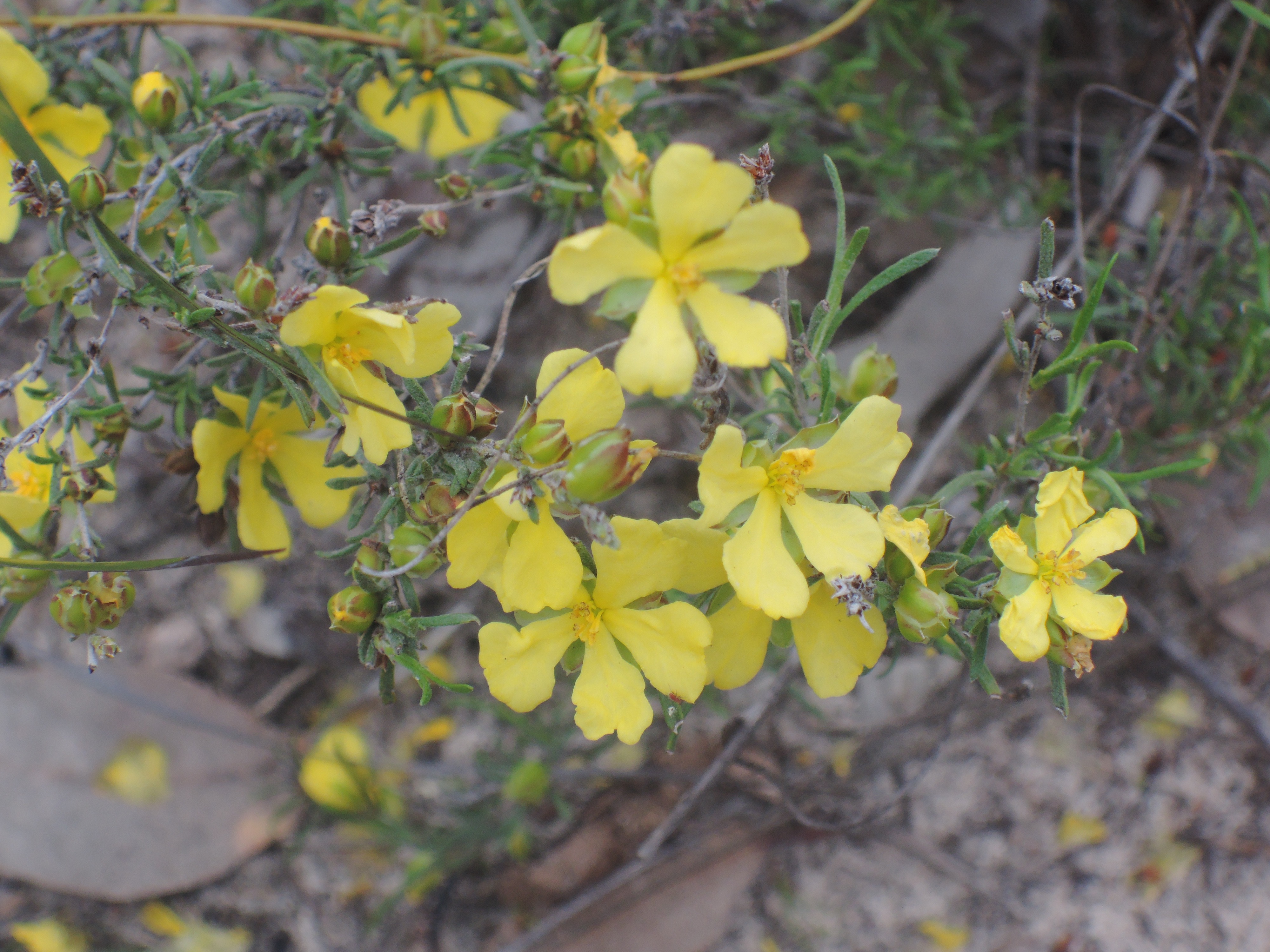
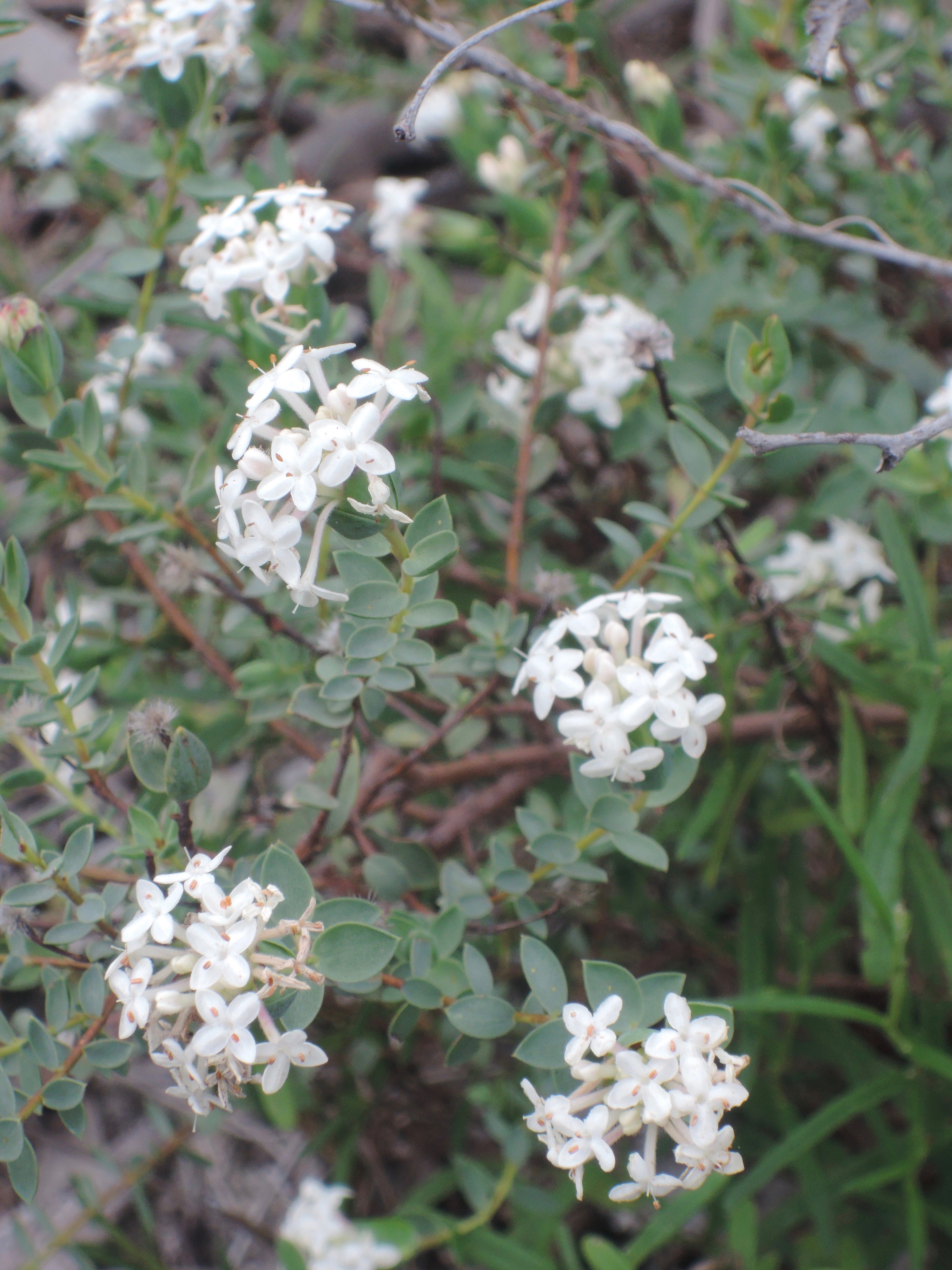
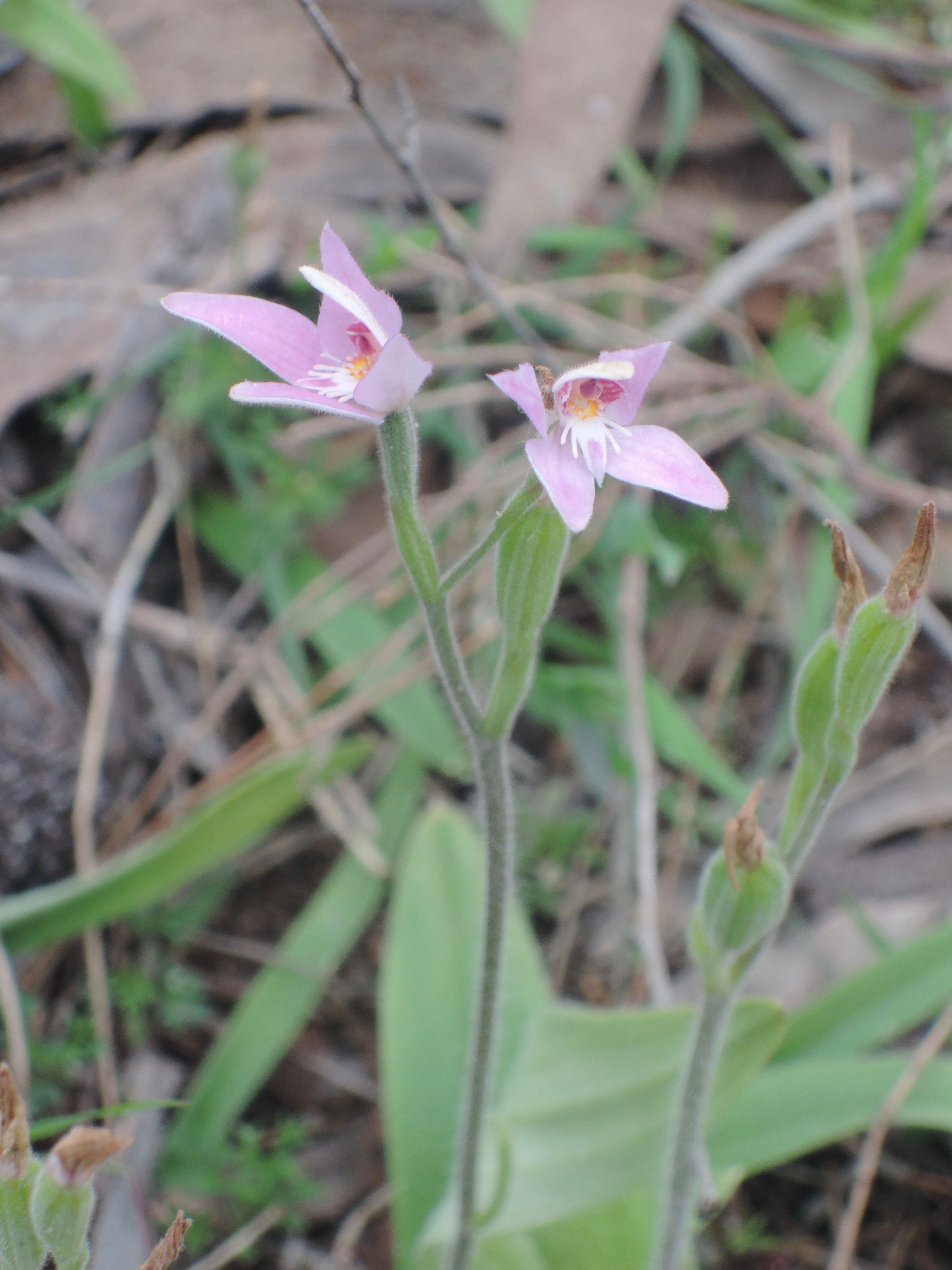
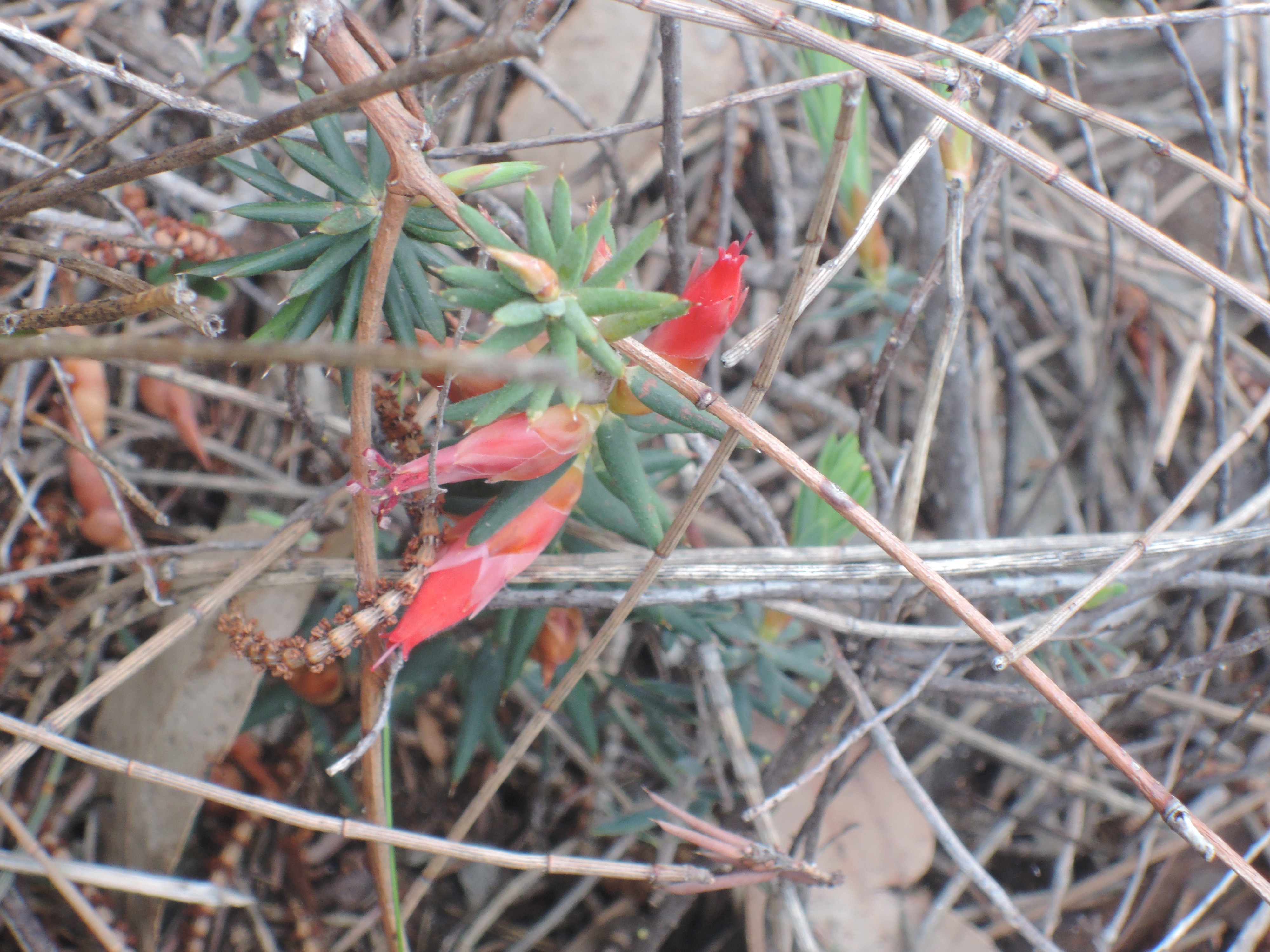
And yet, wandering through on a precious day off work — listening to the songs of the shrike-thrushes and whistlers and magpies and fantails; stumbling across a lone echidna trundling through the undergrowth; standing back to allow a kangaroo with a joey in her pouch bound past — I feel as though I get a hint of what the place was like before European settlement. Hence the photographs on today’s post, which I took on a visit in mid-September, as spring took hold of the Scrub.
I’ve never named the Scrub explicitly on my blog before, though I’ve posted many photographs from my visits to it. I feel fiercely protective of the place — because of its unique status; because I discovered it late in life; because I know that the more that humans like me encroach upon it, the more it disappears. Because, because, because.
Meanwhile, whenever I visit the Scrub, I continue to teach myself the names of the native birds and animals and plants and insects who inhabit it. I wander about, learning and wondering. I may never really know its original nature, but I plan to go on teaching myself about it until the day I die.










 twenty-one words