Loss

Other people’s words about … doing what we love

It was a lie that Timo had not loved [playing] piano enough. He had loved it very much, but in a way that was difficult to describe. It was apophatic — he could only describe it through its negation. He only understood how much he loved the piano after he had given it up. Even that decision in hindsight seemed arbitrary, a whim. An act of petulance. But he had loved it, and he still did. Every day, he felt like a struck tuning fork, vibrating all the time. Except that it wasn’t pitch he was tuned to but something else, some horrible frequency cutting through the universe. Loss, he thought. It was loss.

from ‘The Late Americans
by Brandon Taylor

In the passage above, Taylor’s character Timo is a graduate student in Iowa who used to study music but then gave up. Sometimes, when he is on his own in the apartment he shares with his boyfriend, Fyodor, who works at a meat-packing plant, he sits listening to classical music recordings, losing himself in the music he so loves. But when Fyodor comes home, Timo switches the music off immediately, mid-piece, refusing to talk to Fyodor about this thing he so loves — refusing, also, to allow Fyodor to share in a part of him that in many ways still feels like the truest part of himself.

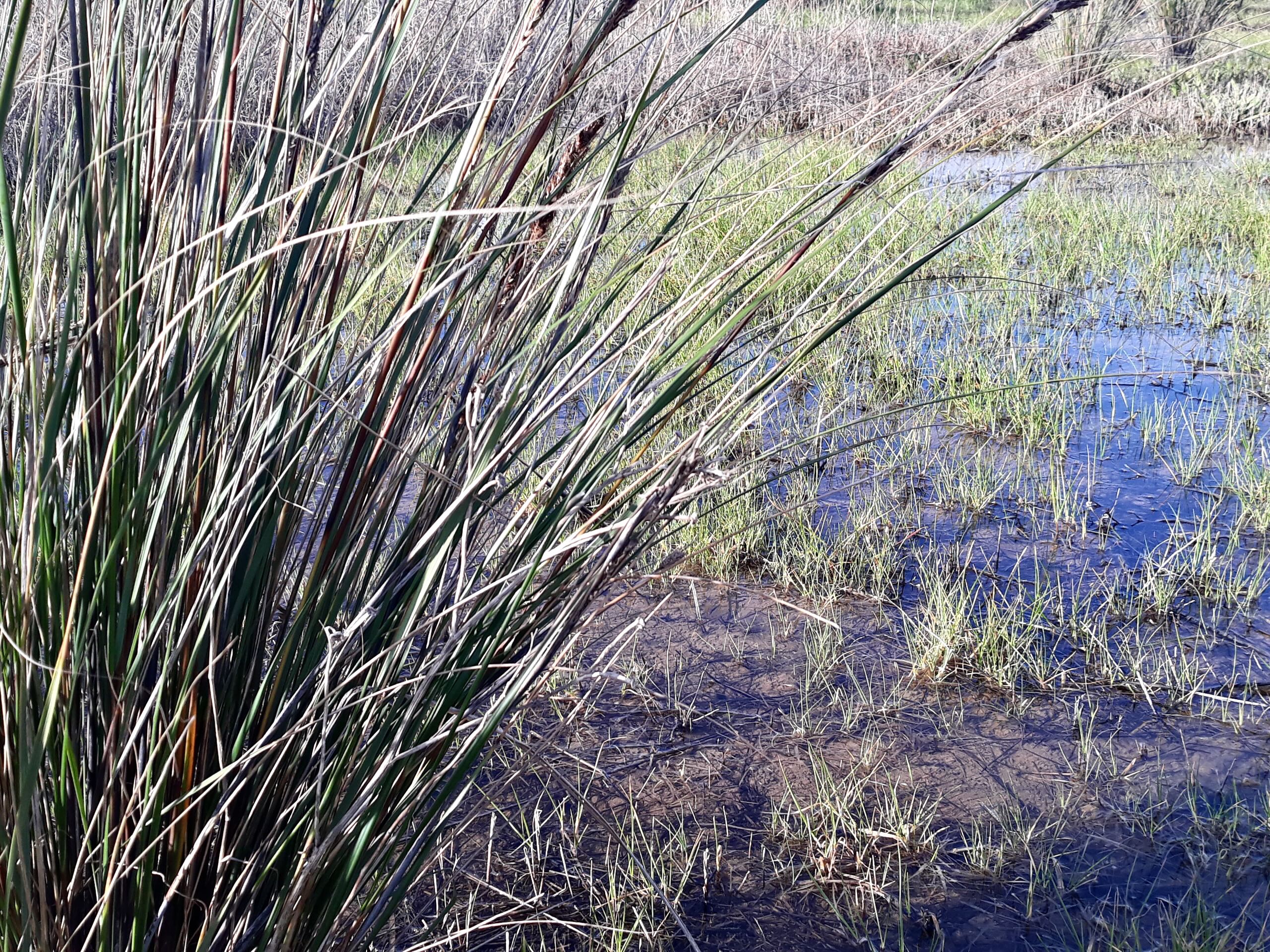
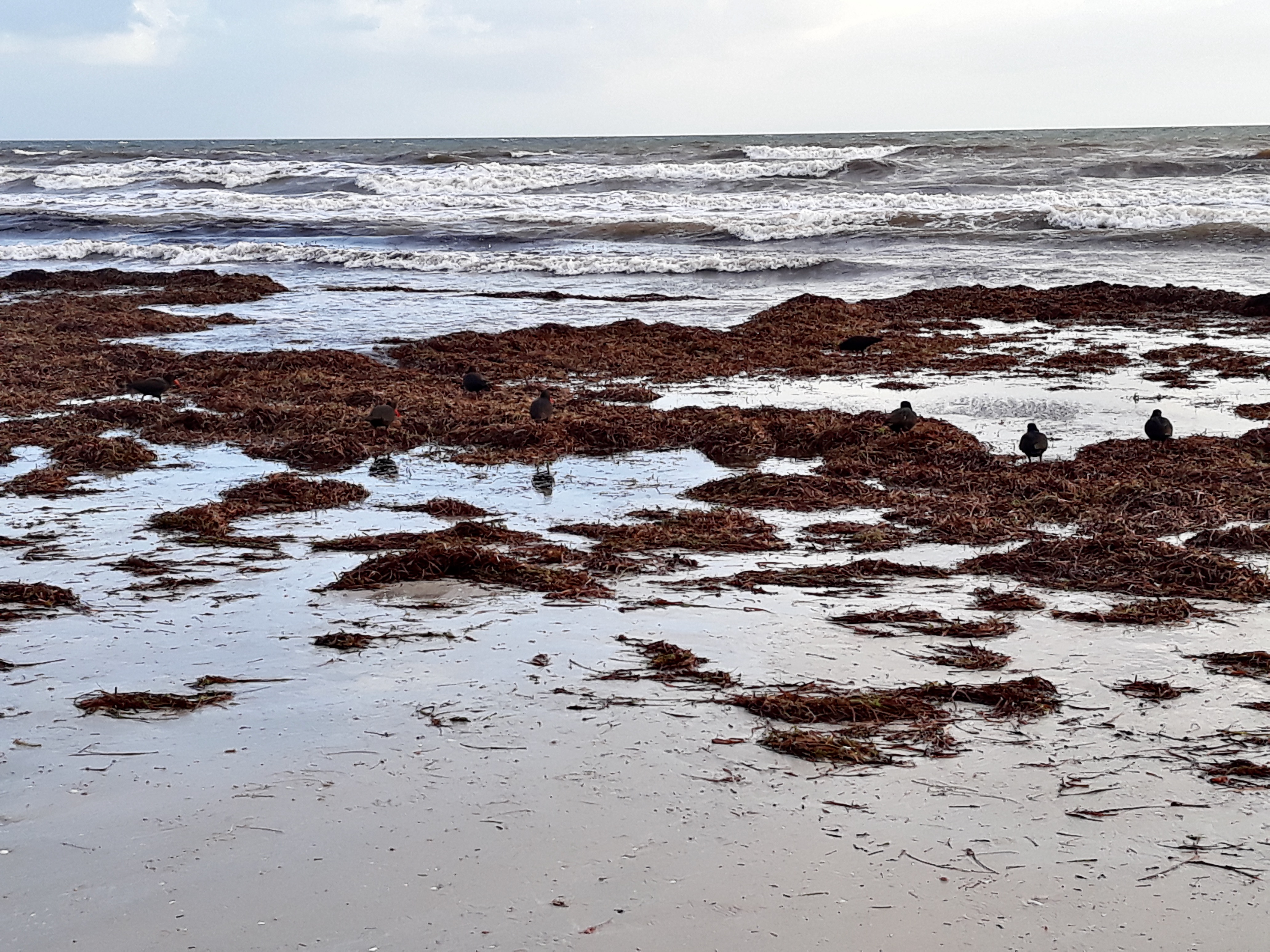
The Washpool, September 2023.

When I read the words I’ve quoted above, I thought about the times that I’ve given up writing over the years. Though I’m not beginning to claim that I am as talented a writer as Timo is a musician, nonetheless, writing for me has always been a channel of creativity, a tool that helps me make sense of and navigate the world. I don’t know why, honestly. I do know that I have a longing to make something beautiful (though this is another impulse I don’t really understand), and that writing is the only way I know how to (try to) do this. Maybe that’s why, every time I’ve ‘given up’ writing ‘for good’, I’ve returned to the practice later.

I’ve written before about how I’ve learned over the years to value my writing practice for the practice itself rather than for any measurable outcome. That’s partly what I’m saying again here, in response to the words I’ve quoted today. But it’s more than that, too. What Taylor expresses so beautifully is the same sense of loss I always feel when I stop writing. His image of a tuning fork vibrating to the wrong frequency describes this feeling beautifully. At the same time, I’d also describe the feeling another way, as a feeling of being muted. Silenced. When I don’t write, I feel as though I have lost my voice: I feel as though no-one hears me.

I understand, as a writer who is published very infrequently, that few people hear me, anyway. But writing is my way of speaking to the world, and not writing is the opposite of that. Not writing feels like grief.
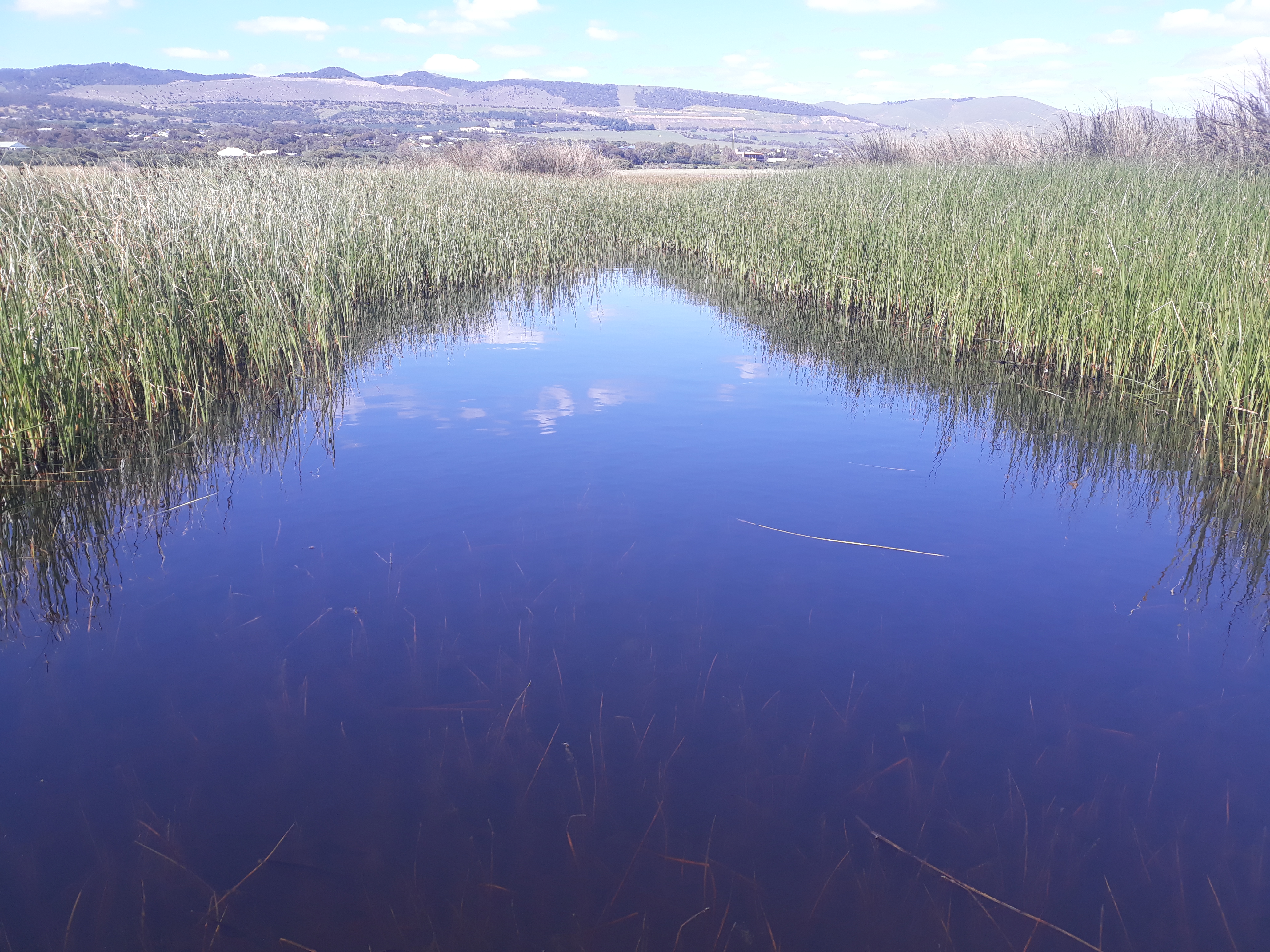
The Washpool, September 2023.

Meanwhile, I’ll be back soon with another post about writing, and with a little piece of news, the news I’ve been hinting at for months now. Watch this space! ❤

Lately I’ve been reading …

Only connect: seeing someone

Other people’s words about … connection

‘So how is it [in prison]?’ I said [to Bunny]. ‘You look good.’
She did not look good. Her skin looked dull and she had a handful of tiny pimples on the left side of her face. Her hair was greasy at the roots. ‘It’s fine,’ she said. ‘I mean, I get by.’ She laughed.
‘Do you have any friends?’ I asked.
‘A couple,’ she said, licking up a palmful of M&Ms.
‘It’s just so good to see your face,’ I said, which was a lie. It was weird and sad to see her face. She didn’t look the same. But then she met my eyes fully for the first time, and the eye contact was so intense I felt I was falling, that if I didn’t concentrate I would lose consciousness. There was just her whole soul, right there. Looking at me. It was Bunny.

from ‘The Knockout Queen
by Rufi Thorpe

You know those moments when someone says something to you, or when you look at someone, and you feel a deep, true connection with them? That’s the kind of moment, I think, that Rufi Thorpe captures so movingly in the passage I’ve quoted today.

It’s hard to be frank in this way with another person, and it’s rarely sustainable, and so the intensity of the moment fades in the same way a bruise fades. That doesn’t mean you didn’t see each other.

It doesn’t mean you haven’t been seen.

Sunset, Deep Creek, August 2023.

Lately I’ve been reading …

Unlearn

Other people’s words about … the way we feel

She did not adopt the persona of a lawyer, which was the only thing I’d learned to do. Instead, her own innate mannerisms, her seemingly authentic and unrehearsed responses, were more effective than any behaviour she might have acquired through practice and effort. She knew this, she used it and we won. I left the courtroom feeling slightly different about myself. I vowed to be less afraid to talk in my own voice, or to follow my own line of thought, though I had no clear sense of either of these things. I wanted to learn how to be myself again, having been carefully unlearning it ever since I was born.

from ‘Chrysalis
by Anna Metcalfe

It’s funny how you can be struck by a single passage in a book even when the book itself — its story, its characters, its voice, its narrative arc — leaves you cold. That’s how it is for me today, in quoting the passage above. My feelings about Anna Metcalfe’s novel Chrysalis as a whole are ambivalent, but this passage, particularly the last sentence, will never leave me. I wanted to learn how to be myself again, having been carefully unlearning it ever since I was born.

Groundsel flowers, Taperoo dunes, July 2023.

Another way to say what Metcalfe says is: All my life, I have felt as though there is something wrong with me. This is something I’ve written about in blog posts before, this feeling of wrongness, of inner wrongness, essential wrongness. I understand that it’s not unique to me — we probably all feel this way, to some degree. We live in a social world, after all. My life is jumbled up in yours, and yours in mine. Still, this feeling is one I’ve always experienced very strongly.

Something about Metcalfe’s way of putting it, though, particularly resonates with me. It’s the concept of learning and unlearning, I think. Can we unlearn this feeling? Maybe.

Lately I’ve been reading …

Immeasurable

Other people’s words about … practising art alone

But you have a little secret: while you are not making Art anymore you are at least drawing every day. To tell anyone about this would be admitting there is a hole in your life, and you’d rather not say that out loud, except in therapy. But there you are, once a day, drawing the same thing over and over: that goddamned Empire State Building [which you can see from the floor-to-ceiling window in your new apartment]. You get up every morning (or afternoon, on the weekends, depending on the hangover), have a cup of coffee, sit at the card table near the window, and draw it, usually in pencil. If you have time, you’ll ink it. Sometimes, if you are running late from work, you do it at night instead, and then you add colour to the sketches, to reflect the building’s ever-changing lights. Sometimes you draw just the building and sometimes you draw the buildings around it and sometimes you draw the sky and sometimes you draw the bridge in the foreground and sometimes you draw the East River and sometimes you draw the window frame around the whole scene. You have sketchbooks full of these drawings. You could draw the same thing forever, you realise. ‘No man ever steps in the same river twice, for it’s not the same river, and it’s not the same man’ is a thing you read once. The Empire State Building is your river. And you don’t have to leave your apartment to step in it. Art feels safe for you again, even though you know you are not getting any better at it, that the work you are making could be sold to tourists on a sidewalk outside of Central Park on a sunny Saturday and that’s about it. There’s no challenge to it, no message, just your view, on repeat. But this is all you can do, this all you have to offer, and it is just enough to make you feel special.

from ‘All Grown Up
by Jami Attenberg

I have conflicting responses to the passage above. In many ways, Attenberg’s narrator, Andrea, reminds me of myself, although her creative practice is art and mine is writing. I certainly know what it’s like to stop showing people the material you are creating, to keep your practice to yourself, to see it as your own little secret. And I know the feeling that comes with doing this, too, which Andrea articulates elsewhere in her narrative — that feeling that what you are doing, the material you are creating, the act of creating it, is barely scratching a feverish itch.

Something changed for me about a year ago, though, after which I began tentatively showing people something I’d written — a few people, a very few people. This gave me the courage to do more with that particular piece of writing, and as a result I’m not in the same place anymore as Andrea, although all I can say about that for now is that I do have a piece of writing coming out later this year — a small piece, but a piece nonetheless — and I will tell you more when I can.

Reeds in the marsh, The Washpool, July 2023.

But even if things hadn’t changed for me, I suspect that I’d still finding myself wanting to argue with Andrea as much as I’d find myself wanting to agree with her. Because the thing that I learned during those years of writing alone, writing unseen, was that there is a value to creating something — art, literature, whatever — that has nothing to do with other people’s opinions, nothing to do with productivity or acclaim or results. What I learned (very slowly, very painfully) is that creating just your view, on repeat can in fact teach you something; it can take you somewhere new in your work. You may not be able to measure the work you create in private; you may not be able to quantify it. But when did art become something we need to measure and quantify, anyway? When did it become an outcome, a product?

I believe, although it’s taken me years to come to this understanding, that the practice of creating has its own value. The work you do as you create something, that feeling you get as you practise it of reaching out, of bringing something into the world, is an act of connection and hope. This is valuable. This is meaningful. And it can — it can — be enough.

Lately I’ve been reading …

It’s a long list today, as I try to catch up on some of my reading over the last few months. I hope you’ll enjoy one or two of the pieces I’ve listed here.

In the ether

Other people’s words about … emails

Dorothy used to love email, used to have long, meaningful, occasionally thrilling email correspondences that involved the testing of ideas and the exchange of videos and music links. Email had been the way that she and the people she know or was getting to know had crafted personas, narrated events, made sense of their lives. Their way of life, alas, had ended. Long emails had ceased being the preferred mode of storytelling among her peers, or perhaps they no longer had so much to say to one another, and emails, though sealed with perfunctory hugs and kisses, had become businesslike. Sending a thoughtful email that she had drafted over several days and edited would, she knew, be a form of aggression; it would be foisting unpaid labour, a homework assignment, on a friend. She herself liked homework, but it was unreasonable to hope for such an email: There was too much television to keep up on, and if you wanted to know what someone was doing, you could usually find out on social media. Still, Dorothy had not stopped checking, expecting, or wishing that a good message might be out there, waiting in the ether just for her.

from ‘The Life of the Mind
by Christine Smallwood

Oh, how wryly I smiled when I read the passage above. My smile was wry on two counts — first, I come from a generation before Dorothy’s, and so I miss letters as well as emails. And second, there is so much to unpack here, from the description of a long, thoughtful email as a form of aggression (ouch!) through to that funny but terribly sad comment: There was too much television to keep up on.

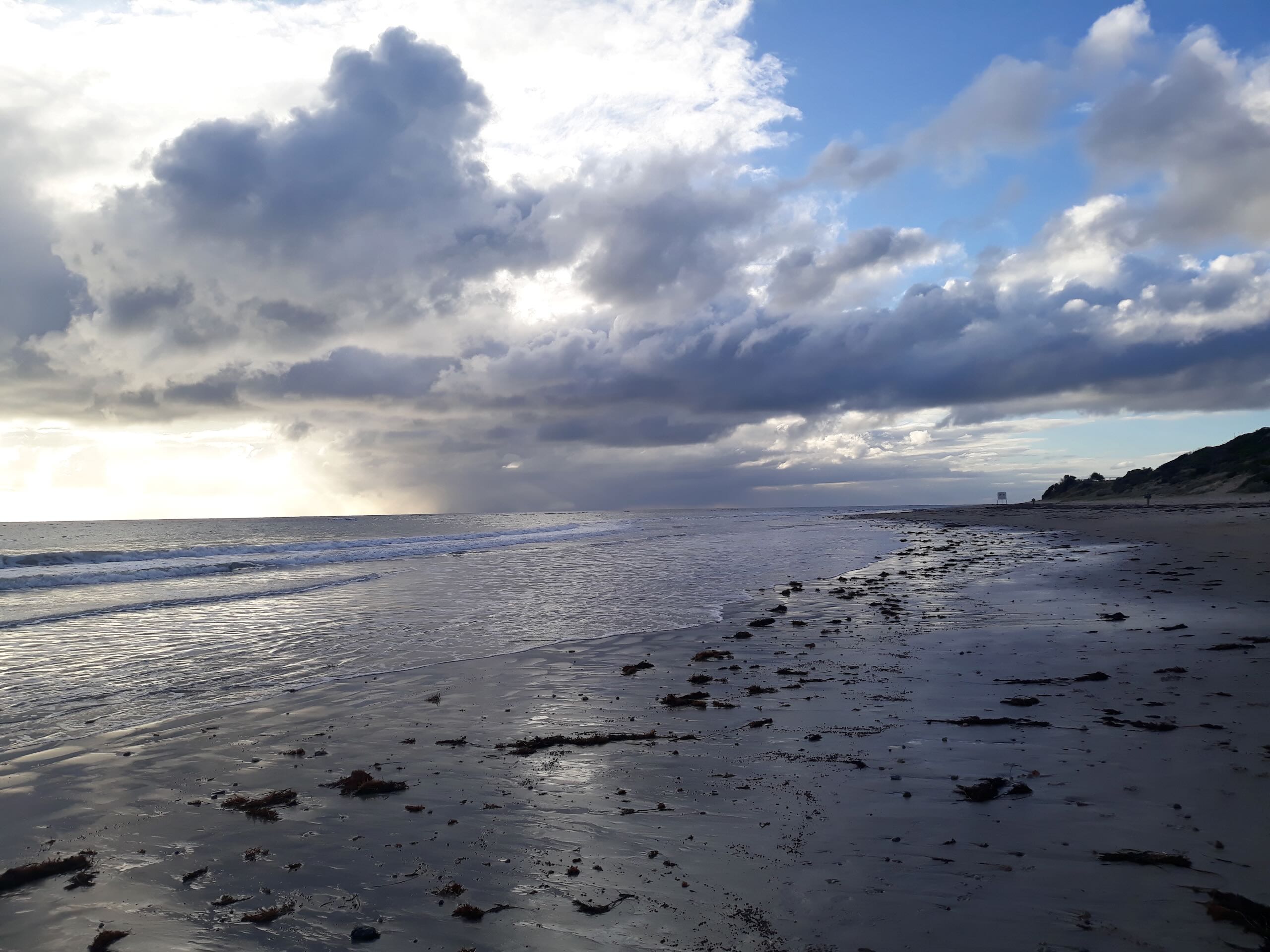
Shining sand, Aldinga Beach, May 2023.

Meanwhile, I’ve had some good news recently. As a result, my life has been exceptionally busy for reasons that I can’t (yet) go into, though I promise that I will when I can. But I couldn’t resist popping in to leave you all to enjoy the passage above for now.

As always, there are links to some reading below, too. I’ve listed a few more than usual, just to keep you going till I next write …

Rock pools, Aldinga Beach, May 2023.

Lately I’ve been reading …

How to write

Other people’s words about … writing (and shame)

The voice I wrote with felt new to me — unrestrained. For years I had been trying to cool down the temperature of my writing, to pull it back, pull it back, pull it back — neutralise it, contain it, make it crisp, clear, and sharp, every word carved out of crystal. This writing was nothing like that — it was drippy, messy, breezy. I was working through a mind frame, not a conceit. I was creating a world, not words on a page.

from ‘Vladimir
by Julia May Jonas

There is a practice called Loving Kindness Meditation that I first encountered some years ago when I was participating in a forty-day meditation challenge that involved raising money for a particular charity by pledging to my sponsors to meditate for ten or more minutes every day for forty days. Although I tried many different kinds of meditation during those forty days, and although ultimately I didn’t keep meditating after the challenge was over, the idea behind Loving Kindness Meditation has stuck with me. Essentially, this kind of meditation is about generating, through your meditation practice, kindness and love to other people — as well as to yourself.

There’s a quote by Femi Kayode about writing that I keep close to me whenever I myself am writing. I don’t remember where I got the quote from, and I’ve tried but failed to trace it back to its source. In it, though, Kayode says:

Most of all, write in love. Love for the characters — good or bad, and the story. Love for the reader, for the craft, for humanity. An unconditional compassion for the human condition is the one true gift I believe a writer can give the world.

I thought about Kayode’s words when I came across the passage I’ve quoted at the start of this post, from Julia May Jonas’s wonderful novel Vladimir. The narrator in Vladimir is, like me, a middle-aged female writer who has had two novels published early on in her writing career but has struggled to bring out a third novel. Now, when I think about the ten years I spent between having my second novel for young adults published and submitting my third manuscript to my agent, a novel for middle-grade readers that remains as yet unpublished, what I remember most is how I wrote and rewrote the same manuscript, then wrote and rewrote it some more, all the while trying to perfect it — all the while not understanding that there is no such thing as perfect, and that the search for perfection can take you a long way away from the place you started, that place of excitement and hope.

Stormy skies over the Port River, Port Adelaide, February 2023.

I mentioned recently that I’ve now begun working on a fourth manuscript, a literary fiction novel. This time around, in an attempt to break free of the tangle of lonely perfectionism that I’d somehow found myself ensnared in during the writing of my third novel, I’ve deliberately sought feedback from readers early on in the process. Predictably, some of the feedback I’ve received has been positive, and some less so. Your writing lacks introspection, one reader said. And: We never really get to know or understand your narrator, so it’s hard to care about what happens to her.

To be honest, I was a little shocked when I got this feedback. I thought I’d been writing with great restraint; I thought I’d been ‘showing, not telling’; I thought I’d been practising the principle of ‘less is more’. All those old writing saws. But I’ve slowly come to see, as I’ve mulled this feedback over, that in writing this way I’d been falling into the same trap as Jonas’s narrator, trying to carve my words out of crystal. To neutralise my writing. To contain it. To pull it back.

And here is where I find myself returning to the idea of loving kindness and compassion that I began this post with. It’s okay to try to improve your writing, to see the flaws in it and work hard to make it better: more interesting, perhaps, or more insightful, or more moving. But trying to improve your writing isn’t the same thing as condemning it. Because what is the act of trying to neutralise your writing other than a reflection of your own self-doubt and self-hatred? What is the act of trying to contain your words and thoughts other than a reflection of the shame you feel about yourself? What is this whole painful process, other than a way of saying to yourself that your writing is not good enough? That your characters are not good enough? That you, by extension, are not good enough?

Calmer waters, the Port River, Port Adelaide, February 2023.

In the end, what I’ve learned from all of this over the last few weeks (or perhaps over the last ten years) — what I’ve learned from Jonas’s words, and from the words of those people who were kind enough to read my manuscript and give me feedback, and from, finally, the words of Kayode — is that writing, any kind of writing, can’t come from a place of shame.

If, as a writer, you ask your readers to care about your characters, then you have to allow yourself to care about your characters, too. You have to write from a place of compassion. You have to write — yes — in love.

Lately I’ve been reading …

Speak

Other people’s words about … despair

She sat across from him. For some reason, he removed his glasses and set them on the gold table. His naked eyes were as dark as the burnished leather they sat on and held a startling amount of despair. The effect struck her as indecent, as if he’d disrobed. ‘Put your glasses back on,’ she wanted to tell him. ‘For God’s sake.’

from ‘Vacuum in the Dark
by Jen Beagin

I’ve been thinking a lot recently about the things people say to each other and the things they don’t. And about subtext, which is not quite the same thing but is part of it all the same.

Over the last couple of years, having written and submitted a middle-grade fiction manuscript to my agent which has as yet to find a home with a publisher, I’ve been writing a literary fiction manuscript. I haven’t mentioned this here till now, in part because my writing in that area is still so new and tentative, and in part because when I say the words, ‘I am writing a literary fiction manuscript’, all I hear is my own internal mocking laughter.

You? says the voice in head, that little internalised voice. How could you possibly presume to have something to say in the literary fiction field? How could you assume that much writing talent of yourself? That much wisdom?

Bracken fern, light and shadow, January 2023.

It’s impossible to say whether what I’m writing will ever be something complete, let alone publishable. That’s the risk any writer takes, whether they have had previous books published, as I have, or not. But what I am writing about in that manuscript is in part what Jen Beagin describes so beautifully in the passage I’ve quoted above: our unwillingness to witness each other’s despair. Our inability to talk about it or bring it to light. Our constant need to reassure each other with upbeat, optimistic conversation and good cheer.

I am not by nature a cheerful person. Nor am I an optimist. Nor am I a skilled conversationalist. At fifty-two, I still find myself getting midway through a conversation with another person, only to realise that I have revealed too much of myself: my fears, my doubts, my sadnesses. (Actually, ‘I still find myself’ is the wrong way to put this; in fact, the right way to put this would be, ‘I increasingly find myself’.) Maybe this isn’t evident to the person I’m talking to, or maybe it is. I’m never sure. But I often feel like the man Beagin describes in the passage above: glasses off, the truth in my eyes revealed. This is not a comfortable place to find myself.

But increasingly I believe in the importance of confronting the secrets we see in other people’s eyes. I believe in meeting those secrets head-on. I believe in talking about them. Perhaps what I am saying here is that secrets don’t have to be the subtext to the conversations we have with other people: they can be the essence of our conversations. They can be where we meet.

Common everlasting flowers, January 2023.

Lately I’ve been reading …

Only connect: One moment apart

Other people’s words about … connection

‘We should probably go back [to the party].’
‘We?’ Lionel shook his head. ‘You can do whatever you want. I think I’ll hang out here for a while.’
Charles sighed then. There, [standing] resting his cheek against the wall, he looked a little helpless. Lionel mirrored him, turning, resting his cheek against the cool plaster.
‘You mind if I hang?’
‘Suit yourself. Not my house,’ Lionel said, but then he saw it. Relief. Charles was shy too.
‘Okay, tough guy.’
Lionel felt their breathing sync. The eye contact had reached the point of being ridiculous, but it wasn’t uncomfortable or uneasy. Lionel wasn’t even sure if they were seeing each other anymore. His own eyes had gone slightly crossed, and Charles broke up into blurry segments. But they were in another moment apart. They had returned to their own tempo, just the two of them. Lionel felt free of other people’s expectations for how he should act and be. He felt free of his expectations for himself.
It was like kindness, as simple as that.

From ‘Filthy Animals

by Brandon Taylor

In my last post a couple of weeks ago, I wrote about not having the words to describe the life I live now, the life so many of us live now. And that hasn’t changed. I’m still feeling quiet, still waiting things out. In a sense, I think the whole world is in a waiting phase right now as we move into the third year of the coronavirus pandemic.

I feel as though I’m waiting myself out, too, until things make more sense again.


Port Adelaide, February 2022.

Meantime, moments like the one Brandon Taylor describes in the passage I’ve quoted above continue to bring me succour. As Taylor tells it, this is a moment passing between two people, a moment of wordless understanding. Whatever happens next to Charles and Lionel, we know that they will be richer for this moment they have shared.

When I read about moments like this, I feel richer, too.


Aldinga Beach, February 2022.

Lately I’ve been reading …

Wordless

Other people’s words about … the things we say

All that talking, years of reading: There was a time I thought that all language might contain something of value, but most of life is flat and boring and the things we say are too. Or maybe it’s that most of life is so much stranger than language is able to make room for, so we say the same dead things and hope maybe the who and how of what is said can make it into what we mean.

From ‘Want

by Lynn Steger Strong

I’ve been posting less and frequently on my blog over the last few months, I know. And it’s not, as you might think, because I have become more active on other (more instant) social media, though I can see the appeal of posting photographs (excluding selfies) on Instagram. 


Spring flowers, Aldinga Scrub, 2021.

In fact my quietness on this blog is more to do with the fact that most of life is so much stranger than language is able to make room for, as Lynn Steger Strong puts it so wonderfully in the passage I’ve quoted above. The Covid-19 pandemic, now entering its third year globally, has left me feeling, in the truest part of me, wordless. I am surviving, for which I am grateful. I am getting on with my life. But I don’t know how to put that into words very well, or at least not in the form of a blog post. I enjoy blogging, and I like my space in the blogosphere, so I hope that this phase will pass. But in the meantime … here I am, not finding the language I need to say what I want to say.


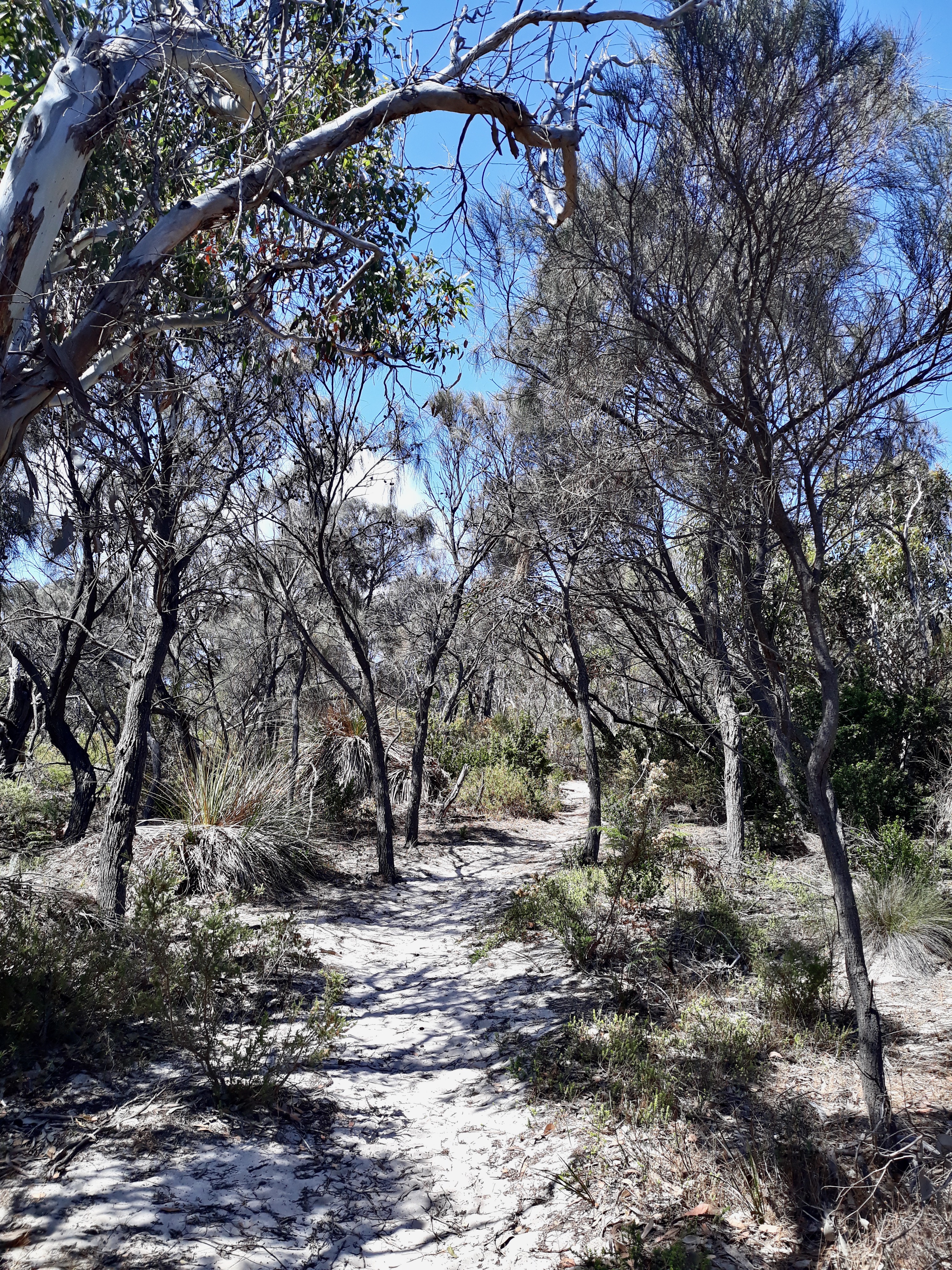
Pathway, Aldinga Scrub, 2022.

Another reason for my quietness on this blog is that I’ve been doing a different kind of writing in my spare time recently, which is to say I’ve started writing fiction again. As I mentioned in my previous post, last year I submitted the manuscript of a middle-grade novel to my agent, who is currently trying to find a publisher for it. (No luck yet.) And now, somehow, I find myself writing a novel for adults. I don’t know whether any of the fiction I’ve written since the beginning of the pandemic will ultimately be publishable, but somehow, entirely unexpectedly, it seems that I’ve found the courage to try again, and because of that very unexpectedness, I’m allowing myself to honour my courage for now and see what happens.

Life continues, albeit quietly and unexpectedly, I suppose is what I’m saying. Sometimes I have the words for it and can compose a blog post about it and sometimes I don’t. But I will keep trying. That’s a promise.


Wordless, 2022.

Lately I’ve been reading …


Only connect: Those small moments

Other people’s words about connection

Paul sat alongside Julian on the kitchen floor. There was a long moment that they didn’t touch, or even look at each other. Paul could feel them staring at the same patch of wall, the scar … in the yellow paint. When Paul breached the distance he expected Julian to recoil, but he didn’t. Paul had barely touched his arm when Julian collapsed against him. He lay with his head on Paul’s lap, hardly making a sound but for the scattered rhythm of his breathing.

From ‘These Violent Delights’
by Micah Nemerever

Here in Australia, while countries all over the rest of the world have spent the last few months steadily vaccinating their populations against Covid-19, our population has remained largely unvaccinated. But now, with the kind of predictability that it seems only our political leaders were unable to predict, the Delta strain of Covid-19 has arrived on our shores. And because, without vaccination, lockdown is the only form of protection we have against the virus, we are — state by state — moving into lockdown once again, as the new strain of infection spreads. South Australia, where I live, went into a strict seven-day lockdown at 6pm on Tuesday night. The lockdown will be extended if the outbreak continues to grow, which is what has happened in New South Wales and Victoria.

Right now, I’m working from home. I’m lucky to be in the kind of work where this is possible, I know, but that’s the best I can say about the situation. Lockdowns are funny things, aren’t they? They do funny things to your mind, to your thinking. Maybe they lock your mind down, too?


Turn your back. Look away.

Anyway, in my spare time during lockdown I am reading, reading, reading. (Also writing a little, too, but that’s another story.) The libraries are closed but I have enough books from my last trip to my local library to tide me over, at least for now. And so I’m reading stories that transport me to other places and times, sentences that move me to laughter and tears, words that depict small moments of connection, like the moment between Julian and Paul in the passage above.

Everyone has their own way of coping, I know. Me? When things are tough, I collapse into books the way Julian collapses into Paul. I can think of far worse ways to collapse.

Lately I’ve been reading …