Loss

Other people’s words about … doing what we love

It was a lie that Timo had not loved [playing] piano enough. He had loved it very much, but in a way that was difficult to describe. It was apophatic — he could only describe it through its negation. He only understood how much he loved the piano after he had given it up. Even that decision in hindsight seemed arbitrary, a whim. An act of petulance. But he had loved it, and he still did. Every day, he felt like a struck tuning fork, vibrating all the time. Except that it wasn’t pitch he was tuned to but something else, some horrible frequency cutting through the universe. Loss, he thought. It was loss.

from ‘The Late Americans
by Brandon Taylor

In the passage above, Taylor’s character Timo is a graduate student in Iowa who used to study music but then gave up. Sometimes, when he is on his own in the apartment he shares with his boyfriend, Fyodor, who works at a meat-packing plant, he sits listening to classical music recordings, losing himself in the music he so loves. But when Fyodor comes home, Timo switches the music off immediately, mid-piece, refusing to talk to Fyodor about this thing he so loves — refusing, also, to allow Fyodor to share in a part of him that in many ways still feels like the truest part of himself.

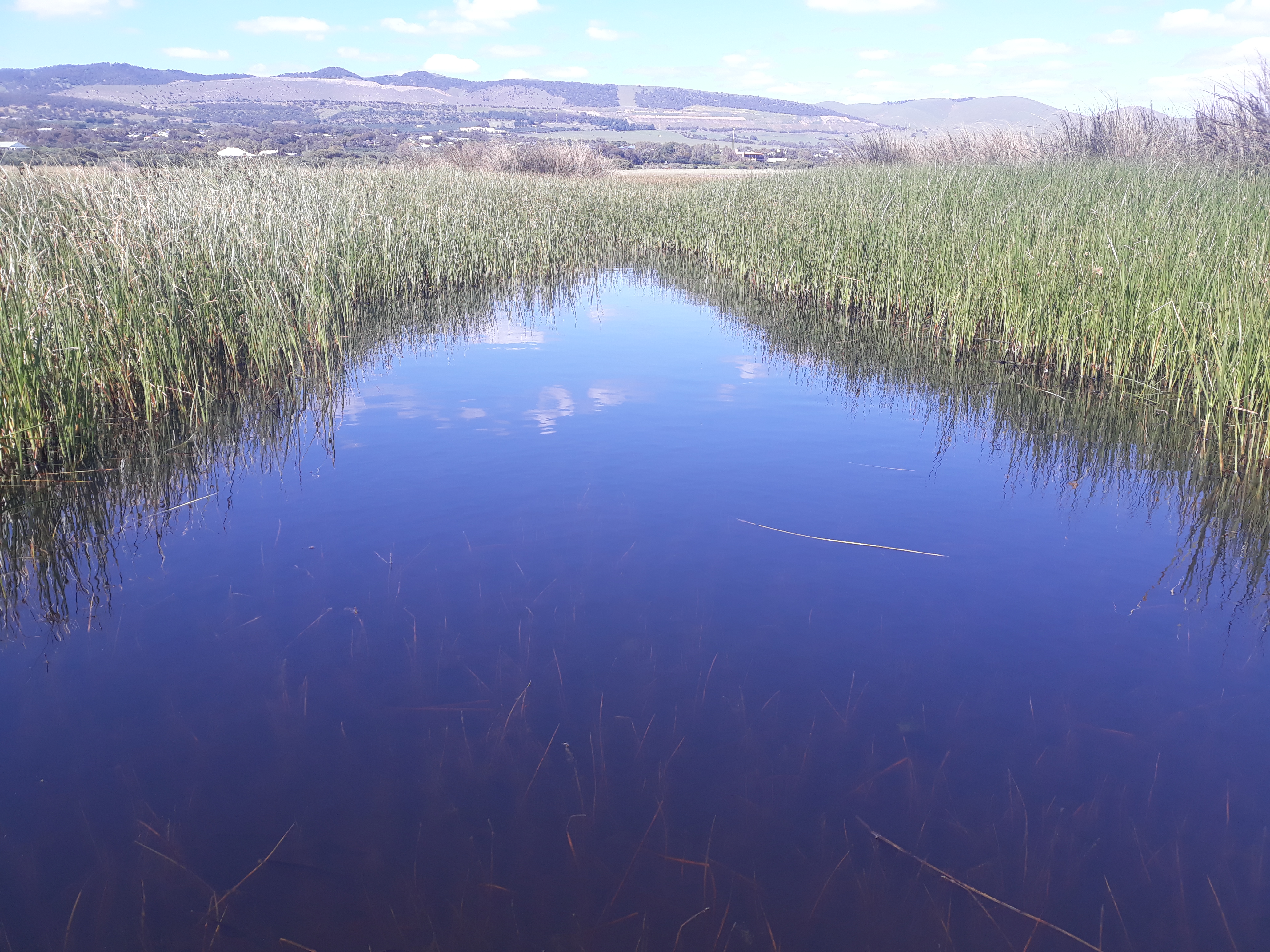
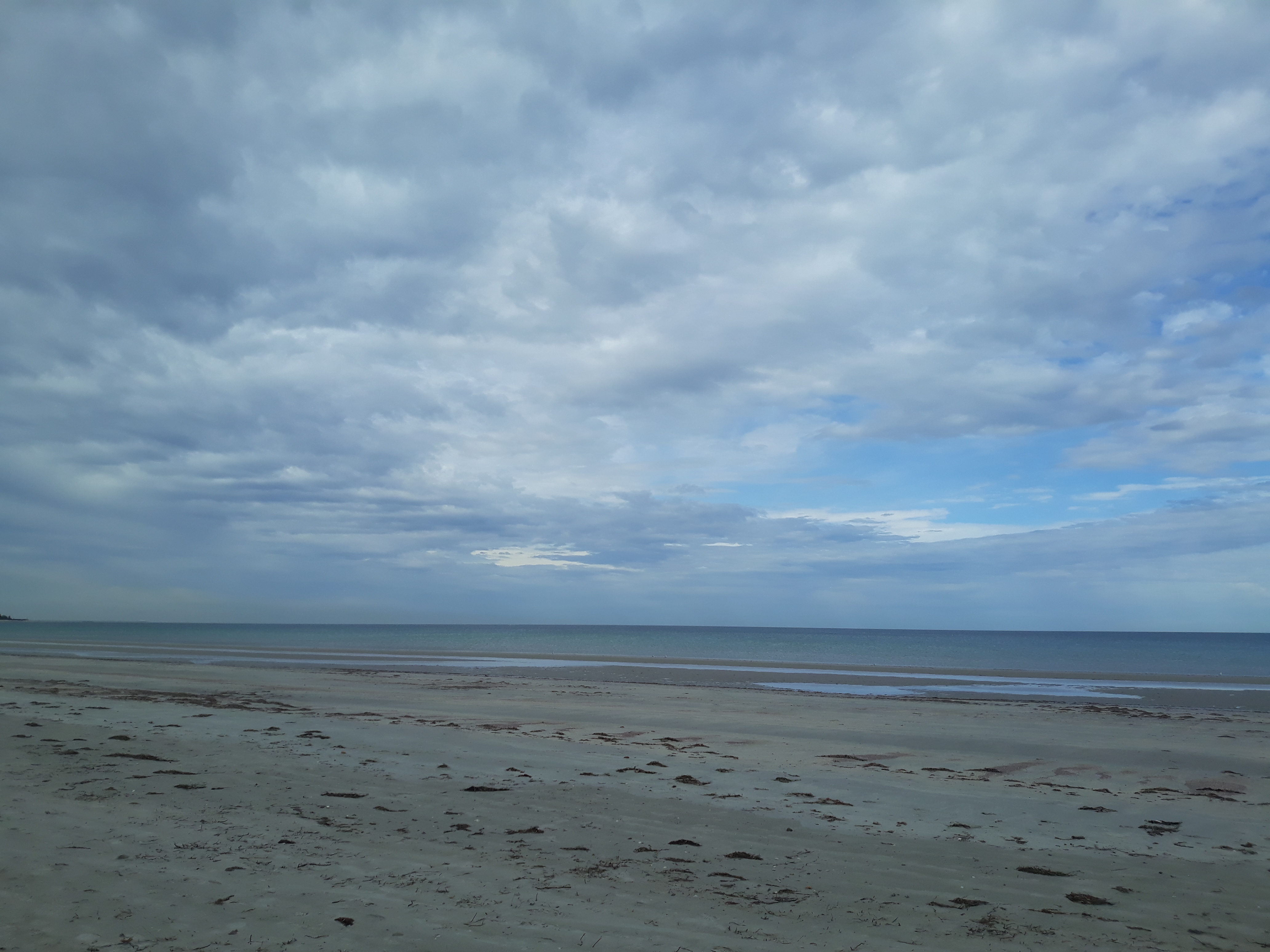
The Washpool, September 2023.

When I read the words I’ve quoted above, I thought about the times that I’ve given up writing over the years. Though I’m not beginning to claim that I am as talented a writer as Timo is a musician, nonetheless, writing for me has always been a channel of creativity, a tool that helps me make sense of and navigate the world. I don’t know why, honestly. I do know that I have a longing to make something beautiful (though this is another impulse I don’t really understand), and that writing is the only way I know how to (try to) do this. Maybe that’s why, every time I’ve ‘given up’ writing ‘for good’, I’ve returned to the practice later.

I’ve written before about how I’ve learned over the years to value my writing practice for the practice itself rather than for any measurable outcome. That’s partly what I’m saying again here, in response to the words I’ve quoted today. But it’s more than that, too. What Taylor expresses so beautifully is the same sense of loss I always feel when I stop writing. His image of a tuning fork vibrating to the wrong frequency describes this feeling beautifully. At the same time, I’d also describe the feeling another way, as a feeling of being muted. Silenced. When I don’t write, I feel as though I have lost my voice: I feel as though no-one hears me.

I understand, as a writer who is published very infrequently, that few people hear me, anyway. But writing is my way of speaking to the world, and not writing is the opposite of that. Not writing feels like grief.

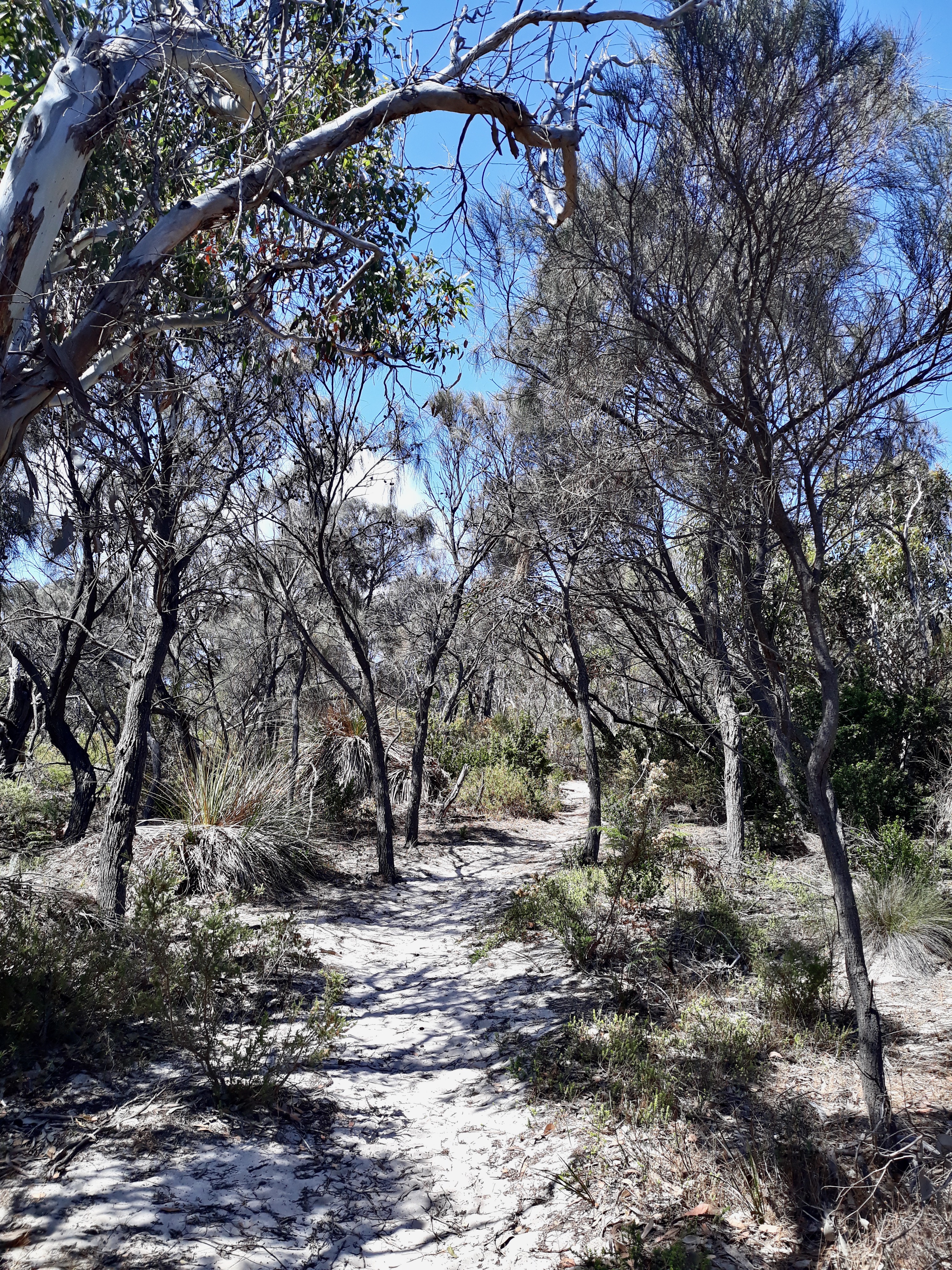
The Washpool, September 2023.

Meanwhile, I’ll be back soon with another post about writing, and with a little piece of news, the news I’ve been hinting at for months now. Watch this space! ❤

Lately I’ve been reading …

This is me happy

Other people’s words about … happiness

Ivan closed his eyes. He tried to remember what it was like when [he and Goran] were good and together and all right. He tried to imagine what it was like the first time they met on the app and made plans to see each other outside the auditorium at night. They’d stood on the bridge and looked at the lights of the auditorium, gold and tiered like a delicate rock formation. Then they’d walked around the river path and talked all night about music, about ballet, about where they spent their afternoons, best place for coffee, how to dodge the undergrads.
That night had been so good, like something out of a dream. And they were so far from it now.
‘I can’t make you happy,’ Ivan said.
‘You do make me happy. This is me happy. I am happy.’
‘This can’t be happiness. If this is you happy, then I don’t think I understand what happiness is for.’
‘Sometimes happiness is just letting people feel how they fucking feel,’ Goran said.
He looked the furthest thing from happy. He looked pissed off. He looked annoyed. He looked like he was going to cry. His eyes welled. He bit at the inside of his jaw, then sat down sharply at the kitchen table, trying to catch his breath. Ivan sat down next to him, reached for his hand, and for the first time in a very long time, Goran let him.

from ‘The Late Americans
by Brandon Taylor

I’ve been fighting a battle with fleas for the last couple of weeks. This might seem like a random thing to write about after quoting Brandon Taylor’s words about happiness (and love … and life), but somehow it feels directly related.

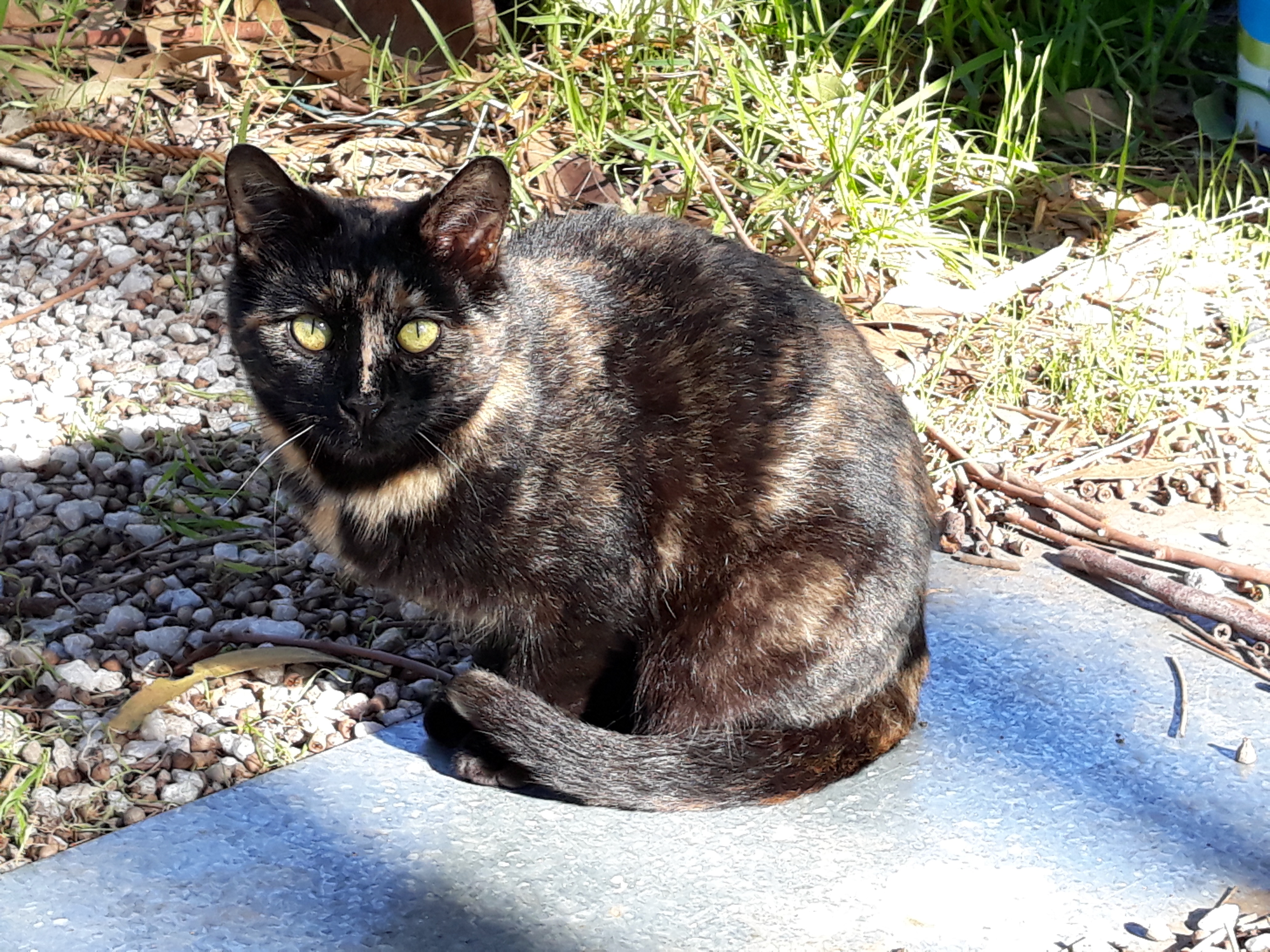
Lizzie, my rescue cat, the cat who went from living in the garden and not letting me touch her to jumping up on my lap every night and curling up on top of me to go to sleep, started scratching ferociously a few weeks ago. Because I’ve never had a cat before; because I didn’t have any bites or itches myself (and still don’t); because, in all the years I had dogs,they never once got fleas; because, before I moved house a couple of years ago, Lizzie herself had never had fleas; because I thought (wrongly, as it turns out) that, since my house has bare wooden floorboards throughout instead of carpet, it was flea-proof — because of all these things, it took me a while to figure out that the cause of her scratching was fleas.

Semaphore Jetty, August 2023.

She’s far more domesticated than she was when she arrived in the garden of my old house three years ago, but still, a rescue cat is a rescue cat, and there are times when she likes to be touched and times when she doesn’t, times when you can pick her up and times when you can’t. So it took me several days to get her to take the medication, and several days more to get her to allow me to start combing her with a fine-toothed flea-comb. I flea-bombed the main room about two weeks ago, and since then, I’ve been vacuuming every day — every day, God, every day — and slowly, slowly I am getting on top of them.

What has this got to do with the passage I’ve quoted today from Taylor’s wonderful third book, The Late Americans? In part, it has to do with something I mentioned here a while back, some good news I had earlier this year. Astute readers might have guessed when I mentioned it that my news is writing-related, which it is, although I still can’t tell you the details yet because they’re still embargoed. It’s a small thing, a very small thing — a very, very small thing — and yet it’s made me feel part of the publishing world again in a way that I haven’t for over a decade. In this sense, though in a very small way, it’s something that I’ve dreamed of and longed for for a long time.

Spring flowers in the Scrub, September 2023.

And yet. Has my year been any happier because of this news? In a big-picture way, yes. But in a small-picture way, in my everyday life — no. (No, no, no.) Happiness still eludes me. I am not unique in this, I realise. Still, in these past few weeks, as I vacuumed the house and combed my cat and put on load after load of laundry, I found myself returning to Taylor’s words over and over. This is me happy. And: If this is [me] happy, then I don’t understand what happiness is for.

Why do we search for happiness in this way? Why do we expect it, even? I don’t know. I can’t tell you. And still Taylor’s words ring in my ears.

Lately I’ve been reading …

A question

Other people’s words about … therapy

My scores and answers [on the psychology questionnaires] indicated, among other things, [the therapist] had said, a lack of excitement about the future. Sleeping a great deal or sleeping very little. An ongoing melancholy.
My laughter burbled up again, helpless, irrepressible. It was the first time I had been this disrespectful to a grown-up.
If you ‘cured me’ of all of these, I told her, I don’t even know who I would be. It would be like getting lobotomised. I would not recognise myself.
Setting the clipboard down, I thanked her, still chuckling lightly. Walked out.
What the questionnaires had not asked that might have been useful to me:
Do you wake up each day for yourself or for someone else?
Do you believe your life to be your own?

from ‘All This Could Be Different
by Sarah Thankam Mathews

I’ve written before about how, many years ago now, I quit therapy. I’d been seeing a therapist for many years, but I’d come to the conclusion I couldn’t see him anymore. That therapist — I still remember him with great respect and affection, and I still remember my last session with him with great rage. I think my rage had been growing for some time, and I think, if I am honest with myself, that it was as much about what I felt my life might look like post-therapy than it was about the therapist himself, or about any failure I accused him of that day. Nonetheless, I did accuse him.

I told my therapist that day that I left each session with him feeling sadder than I did when I arrived. I told him that I was tired of the words ‘recovery’ and ‘cure’ when they were used in reference to my sadness. I told him, repeatedly, that this language we used in our sessions, which was the language of illness, made no sense in the context of my sadness. I told him that I didn’t want to speak this language anymore. And I left.

In my time I have filled out many questionnaires like the ones that the therapist in All This Could Be Different asks the narrator, Sneha, to fill out. And like Sneha, I’ve been given labels to use about myself as a result of the findings from those questionnaires. Ultimately, though, it’s the stuff I feel that isn’t diagnosable that is the hardest to sort through. To live with.

What would therapy be like if the first questions our therapists asked us — the questions our therapists repeated to us at every session — were Sneha’s two questions? What would life be like if those were the two questions we asked the people we love when we were worried about them? I don’t know. Sometimes I feel as though I’ve been trying to have that kind of therapy, that kind of conversation, all my life.

Tell me, do you wake up each day for yourself or for someone else? Do you believe your life to be your own? And what does it mean if your answer to both of those questions was ‘no’?

Lately I’ve been reading …

Replenish

Other people’s words about … being alone

As the train left the station, I felt a sense of relief. I wanted to walk in the woods and among the trees. I wanted not to speak to anyone, only to see and hear, to feel lonely.

from ‘Cold Enough for Snow
by Jessica Au

I’ve been thinking a lot this year about solitude and loneliness, about participating socially and withdrawing. Though popular scientists and the mainstream media continue to exhort us to maintain our social connections as we age, both for the health of our brain and for our psychological wellbeing, I have come to believe that it’s just as important to be comfortable in your own skin as it is to be comfortable in a social context.

Garden pickings (1), October 2022.

Some years ago a friend said to me that what she admired most in me was that I am a person who has a rich inner life. I have often thought about her words and what they might mean. I tend to think of myself as introverted and shy, a social choker, and I often find myself wanting because of this. But the truth is that when I let go of my expectations of myself as a social creature, I am happy wandering the avenues of my mind.

I think that’s why I find such accord with Jessica Au’s words in the passage I’ve quoted above. What if loneliness wasn’t just a negative version of solitude? Why not embrace it for itself? In fact, why not seek replenishment from it?

Truly: why not?

Garden pickings (2), October 2022.

Lately I’ve been reading …

Wordless

Other people’s words about … the things we say

All that talking, years of reading: There was a time I thought that all language might contain something of value, but most of life is flat and boring and the things we say are too. Or maybe it’s that most of life is so much stranger than language is able to make room for, so we say the same dead things and hope maybe the who and how of what is said can make it into what we mean.

From ‘Want

by Lynn Steger Strong

I’ve been posting less and frequently on my blog over the last few months, I know. And it’s not, as you might think, because I have become more active on other (more instant) social media, though I can see the appeal of posting photographs (excluding selfies) on Instagram. 


Spring flowers, Aldinga Scrub, 2021.

In fact my quietness on this blog is more to do with the fact that most of life is so much stranger than language is able to make room for, as Lynn Steger Strong puts it so wonderfully in the passage I’ve quoted above. The Covid-19 pandemic, now entering its third year globally, has left me feeling, in the truest part of me, wordless. I am surviving, for which I am grateful. I am getting on with my life. But I don’t know how to put that into words very well, or at least not in the form of a blog post. I enjoy blogging, and I like my space in the blogosphere, so I hope that this phase will pass. But in the meantime … here I am, not finding the language I need to say what I want to say.


Pathway, Aldinga Scrub, 2022.

Another reason for my quietness on this blog is that I’ve been doing a different kind of writing in my spare time recently, which is to say I’ve started writing fiction again. As I mentioned in my previous post, last year I submitted the manuscript of a middle-grade novel to my agent, who is currently trying to find a publisher for it. (No luck yet.) And now, somehow, I find myself writing a novel for adults. I don’t know whether any of the fiction I’ve written since the beginning of the pandemic will ultimately be publishable, but somehow, entirely unexpectedly, it seems that I’ve found the courage to try again, and because of that very unexpectedness, I’m allowing myself to honour my courage for now and see what happens.

Life continues, albeit quietly and unexpectedly, I suppose is what I’m saying. Sometimes I have the words for it and can compose a blog post about it and sometimes I don’t. But I will keep trying. That’s a promise.


Wordless, 2022.

Lately I’ve been reading …


Still here

Other people’s words about … the safety of books

I walk from the museum to the train and take it downtown where I get off and go to a coffee shop I used to go to before I worked full time. I was in grad school for six years — English literature, mid- to late-twentieth century, British and American, forgotten or actively discarded female writers: Penelope Fitzgerald, Anita Brookner, Jean Rhys, Nella Larsen, Lucia Berlin. There was a time when I thought giving books to other people — showing them their richness, their quiet, secret, temporary safety — could be a useful way to spend one’s life. I spent another five years as a part-time adjunct, waitress, admin assistant. Once, for six months, I wrote quizzes to accompany the bad books put out by an education corporation, but I was fired because I couldn’t keep my sentences short enough.

From ‘Want

by Lynn Steger Strong

It’s been a while since I posted here, for which I apologise. In the last few months I’ve moved house, lost my car in a car crash and sprained my ankle. In addition (and somewhat unexpectedly), the house I bought and moved into had no running water beyond a garden tap, and the sale of the house I moved out of fell through three days before settlement.


In the garden (1).

But I’m still here in the new house, still alive, still breathing. And Lizzie, the little cat who appeared in my garden at the old house two years ago, is with me, too. Though she still won’t allow human touch, she has managed the move quite splendidly so far. On the advice of the cat rescue organisation who helped me trap her and move her into the new house, I’m keeping her indoors for several weeks before attempting to allow her back outside. I hope that when I do open the door for her into the garden she’ll choose to stay with me.

I hope, I hope, I hope.


In the garden (2).

When I moved into my old house, there were no trees and the garden was a bare patch of ground covered with a pervasive weed called caltrop (three-corner jacks). I pulled out all the caltrop and then planted trees and watched them grow. When Lizzie arrived years later, she sat beneath the trees or wandered down the path beneath them from one end of the garden to the other. In the end, though I often think of myself as an indoor person, as someone who lives more richly in my inner world than the outer world, I found it far harder to leave those trees, that garden, than I did to leave the house itself.

My new house is bigger than the last one, and still within walking distance of the beach, but once again there are no trees. So I’m back to planting trees again, back to watching them grow.


Still within walking distance.

In the midst of it all, as the pandemic continues, as South Australia finally opens its borders to the rest of the world, I’ve also submitted a manuscript to my literary agent and written the first draft of another one. The manuscript I submitted to my agent is doing the rounds and has so far been rejected by six publishers, and I don’t know if it will ever be published. And the other manuscript, the first draft of which I’ve just completed — well, it’s still very much a first draft. It has a long, long way to go, many more drafts, before it will tell the story I want it to tell.

But both as a reader and as a writer, I still believe, like Lynn Steger Strong’s narrator in the passage I’ve quoted above, that giving books to other people — showing them their richness, their quiet, secret, temporary safety — [can] be a useful way to spend one’s life. After all this time, all these years, reading and writing still enrich my days and fill my life with purpose.

I’m still here. I hope you are, too.

Plunge

Other people’s words about … taking the leap

I cannot be the only woman who fantasises, sometimes, about spinning the wheel, driving her car off a cliff. It seems impossible to do, and therefore I long to do it. If only to make a hole in the preordained. If only to do something other than follow along, bumper to bumper, a dutiful mirror, for once in my life. If only to destroy something, even if it is myself.

I say this, but I can’t even take a leap into the goddamn ocean.

From ‘The Lightness’
by Emily Temple

I like the words by Emily Temple in the passage above, not because I often think about taking a suicidal plunge (I don’t), but because they are fearless. Because they acknowledge the violence inside us. Because they confess to a longing for the impossible, no matter how destructive the longing is.

I’ve spent the weeks (months, in fact) since I last wrote in here going about my life quietly, methodically, following each day, as Temple might have it, bumper to bumper.

Like everybody else in the world, I would call this a strange year, a troubling year. If I had to describe this year in a few, broad brushstrokes, I would say: there has been fire (in both hemispheres now); there has been a plague; there has been an insane king, bent on destroying his kingdom, while his subjects watch on, appalled.

There have been fires; there has been a plague.

In my own little world, on a more personal scale, I’ve turned fifty; I’ve mourned the loss of running in my life, due to an injury that I have yet to overcome; and I’ve farewelled my old dog. Life this year feels entirely strange and yet at the same time preordained, a statement I confess I can provide no explanation for.

I want to finish by adding something wise, something pithy, here, but nothing comes to mind. Sometimes, you just have to keep moving, keep avoiding those cliffs, until you are ready to leap into the goddamn ocean.

Lately I’ve been reading …


Metronome

Other people’s words about … feeling wrong

I walked out of the class then, back into the hallway, thinking that this was another thing I didn’t understand: how you can work so hard on a report, you can even earn an A, but you still walk away feeling like you’ve done something wrong.

Like you, yourself, are terribly wrong.

From ‘The Thing about Jellyfish’
by Ali Benjamin

I mentioned in previous posts that I’ve been tired recently, too tired to run very far. And honestly? I still feel that way. I’m still tired, and though, having had a couple of weeks off running altogether when I was sick with a cold, I’ve come back to it, I’m still lacking energy and verve, still lacking that feeling of rightness that I usually associate with running.

At the moment, in fact, I’m running more because I remember the sense of rightness and joy that running gives me than because I actually feel it in the present.

View on the run (1)
Pathway to the horizon

In a funny way, the quote in today’s post encapsulates not only the way I’ve felt all my life — the feeling that I’m wrong; that I get things wrong; that I’ll never, ever get them right — but also the particular feeling that I have right now, when I’m out on the path, running (and stopping, mid-run, to take photographs like the ones in today’s post). The truth is, I feel wrong, right now, when I run. But I keep running, anyway.

View on the run (2)
Three little ducks

Meanwhile, I’ve been getting back to reading novels for younger people again over the last few months, these months of tiredness, after a long time away from them — novels written for young adults, for middle-grade readers, for kids. And I’ve loved every minute of my reading. I’ve been reminded, reading these books, of all the things I used to love about them: the poignancy of the voices of protagonists like thirteen-year-old Suzy in The Thing about Jellyfish, the freshness, the truth. Her words ring true across the generations, at least for me.

I’d turned away from reading books for younger people over the last few years, because I thought that I couldn’t write for that audience anymore, and because I thought I was the wrong reader, the wrong writer.

View on the run (3)
Baby almonds

But maybe that’s the thing: maybe, sometimes, you have to do things, anyway, regardless of how wrong you feel doing it. Maybe the rightness comes from doing it anyway — despite, or because.

View on the run (4)
Two’s company

So I’m out there running these days, both despite and because. And whether the joy is there, whether the feeling of rightness is there, I’ll keep running like this until something stops me, or until the joy and the rightness return.

Because there’s a rhythm to these things, I think: a rhythm to the pounding of my feet on the footpath, a metronome ticking away, the same way that life ticks away.

And that rhythm, that ticking, is the only true, right thing I know.

Chasing clouds

Other people’s words about … running

Some athletes love to talk about what a simple sport running is. They say that all you need is a pair of sneakers. That’s not true. What you need is some freedom of movement and the ability to see a clear path ahead of you. It took me years to see that path and to find my pace. When I finally got moving, I hoped I might be able to run forever.

From ‘The Long Run’
by Catriona Menzies-Pike

After I wrote my last post here, in which I mentioned that I’d been too tired to run very much recently, I caught a cold and stopped running altogether for almost three weeks. It was probably the longest period I’ve gone without running since I took the habit up again, back in 2015, at the age of forty-five.

This past Thursday, I went for my first run since catching that cold, feeling fragile and wobbly and exhausted. I was so tired that I ran half the distance that I usually run, and I stopped at the midway point — partly to rest, partly just to soak up the wonder of being out under the sky again, with my feet thudding against the ground.

I sat on a rock looking out over the sailboats anchored in the cove, and I thanked whatever grace it is that allows me to continue to run. There are so many people who would like to run but can’t, whether because of disability or illness, injury or lack of opportunity. I remembered that I am one of the lucky ones: that it is my great good fortune and privilege to be able to run, however slow my pace, however short my distance.

I took the photographs in today’s post as I was sitting on those rocks, midway through that run. It was a short, tiring, exhausting, feeble run, and it left me feeling both humbled and blessed.

And that is what I love most about this privileged pursuit of mine: the gratitude it feels me with. The joy that it brings.

Paradise

Other people’s words about … the ocean at night

They [drive] across the train tracks where they see a sign proclaiming PARADISE JUST 7 KMS AHEAD.

Paradise is a caravan park. Her father kills the engine and sits still, gripping the wheel. Rose can hear the ocean; the sudden intake of its breath, as though it has remembered something, something terrible, but finding there is nothing it can do, it breathes out again. The night is dark and starless.

‘It’s as good a place as any,’ he finally says.

From ‘The Midnight Dress’
by Karen Foxlee

Usually, when I quote passages describing the sea on this blog, I accompany them with whatever latest shots I have taken of the sea. So it seems more than a little ironic to me that I don’t have any recent shots of the ocean at all to accompany the beautiful quote in today’s post. I live by the sea! I love the sea! How can I not have any new photos of it?

But it’s been a hot, windy spring in South Australia, creating conditions that are less than photogenic, particularly here where I live, by the coast. And in addition, I’ve been busy and tired for the last few weeks, settling into my new job, working new hours, stepping back into life after a period of withdrawal.

Still, I’m quoting this description of the sea today anyway, because I love the metaphor in it: the idea that you can hear the sea breathing.

Hot, blue, windy sky

Besides, like all good metaphorical words, Karen Foxlee’s words, which I’ve quoted above, aren’t really (or aren’t only) about the sea. Have Rose and her father really arrived at a paradisiacal destination? Is any destination, at any stage in our lives, paradisiacal?

No. Of course not.

Seagull surviving the heat by the Port River

And so back to me, and to the real reason for my lack of sea-themed photographs. One of my favourite times for taking photos of the sea is when I’m running right alongside it: either on the foreshore path, or on the shore itself, by the water’s edge. But I’ve been so tired over the last few weeks — exhausted, actually, to the point of illness — that I haven’t had the energy to run much, if at all.

I am grateful for my new job, which, in comparison to my previous work situation seems virtually paradisiacal. All the same, I’ve been trudging through my days, and the sea has been, at best, a distant companion.

And yet. The place I am now, this place I have arrived at in my life — a little by design, mostly by chance — is, as Rose’s father says, as good a place as any.

I’ll settle for this life I’m living, paradise or no.

Scenes from my life over the last few weeks

Lately I’ve been reading about …