‘She feels as though she’s made of nothing but paper:
insubstantial,
frail,
infinitely tearable.’
From ‘Instructions for a Heatwave‘
by Maggie O’Farrell

(tales from the birdgirl)

From ‘Instructions for a Heatwave‘
by Maggie O’Farrell

Back in my room, I put down my bags, undressed, wrapped myself in blankets, put on Christmas music, and watched the snow fall outside my window, a picture-perfect postcard winter scene, wide lawns of white, thin black arms of trees holding up the white sky. I thought of writing. But what would I have said? I’d long since stopped writing, real writing, my own writing. No words ever came anymore. I’d lost the sense of first-person, the sense of being in the world that writing requires. I guess I had nothing to say for myself. I turned my face into the pillow and slept.
from ‘Wasted’
by Marya Hornbacher
It is a strange thing, but the words above — which form part of Hornbacher’s memoir about anorexia — speak to me as much about writing as they do about starving.
(Let me pause here to say, in passing, that Hornbacher writes about anorexia better than anyone else I have ever read. She writes with a vividness and intensity that is rare and moving and unforgettable. At the time she is describing in the passage above, she was at her lowest weight, close to death. She could not work, or eat, or read, or sleep. Of course she could not write.)

I don’t know if you could call what Hornbacher is describing here ‘writer’s block’, although certainly she is describing an inability to write. I don’t even know if writer’s block exists. I do know that, like many writers, I have experienced times when I have been unable to write anything I deemed meaningful or worthwhile. For me, like Hornbacher, that feeling is powerfully tied up with a sense of despair, of loss. The despair comes first, and then the inability to write — not the other way around.
We like to tell ourselves that there is a link between depression and genius, between suffering and artistic ability. (Mozart, anyone? Van Gogh? Plath?) But most writers who have been through a period of depression will tell you that they write despite their depression, not because of it; and that they write their best material after a period of depression, not during it. Even those writers who choose to write specifically about their depression — like William Styron in ‘Darkness Visible‘, and Andrew Solomon in his particularly fine book ‘The Noonday Demon‘ — do so after the fact.
Is despair a different thing from depression? In the clinical sense, I guess, it is. Whatever its cause or pathology, it can certainly affect a writer’s ability to write. It can certainly keep her quiet. I’d lost the sense of first-person, Hornbacher says, of her own encounter with illness and despair: the sense of being in the world that writing requires. And that is how it feels.
The corollary of this, for me at least, is that when I write — when I can, when I do — it comes from a good place. Because here’s the thing: to have a sense of being in the world is to have a sense of belonging, of groundedness, of being alive. It is to have a sense of joy.

I will leave it to Matt Haig, another writer who has chosen depression as the theme of one of his books, to close this post:
I want life. I want to read it and write it and feel it and live it. I want, for as much of the time as possible in this blink-of-an-eye existence we have, to feel all that can be felt.
from ‘Reasons to Stay Alive‘
by Matt Haig
Those are words that can keep you alive, if you let them, though they will not keep you quiet. I want. I want. I want.
Quietness, anyway, in my opinion, is overrated.

It was the top of the morning, the very cream, and I skimmed it off and crouched in the cornfield, gulping it down … The field ended in a double ditch, and from it grew a mass of flowers in a profusion of colours and forms, such as is seen trimming the edges of medieval manuscripts. Black medick, I counted, buttercup, horsetail, ribwort plantain, hedge woundwort, must mallow and curled dock, the clustered seeds a rusty brown. Wild rose, dandelion, the red and white dead nettle, blackberry, smooth hawksbeard and purple-crowned knapweed. Interspersed with these were smaller, more delicate flowers: cut-leaved cranesbill, birdsfoot trefoil, slender speedwell, St John’s wort, heath bedstraw, tufted vetch and, weaving in and out of the rest, field bindweed, its flowers striped cups of sherbet-pink and white. The stem of the knapweed was covered in black fly, and a spider trap shaped like a dodecahedron had annexed a few pale purple flowers of vetch inside swathes of tight-woven web.
from ‘To the River‘
by Olivia Laing
I have quoted from Olivia Laing before, I know. Still, one day a week or so ago as I went for a bushwalk, I couldn’t help thinking again of To the River. In particular, my thoughts kept returning to the passage I’ve quoted above. We’ve had an extraordinarily wet, windy spring here in South Australia this year — a spring that’s left me craving our usual harsh, dry, crackling heat. But the ‘up’ side to the lower temperatures and higher rainfall has been the abundance of wildflowers.


That day, as I strolled along the path, it felt to me as though I was walking on a carpet of flowers. Whistlers burbled in the trees above me — I spied both golden whistlers and rufous whistlers — and wattlebirds clucked, and magpies warbled, and I am sure I heard the call of a curlew or a godwit, though I really don’t know whether that’s possible in the part of the world through which I was walking.
Meanwhile, the rug of flowers went on spreading out before me.


As I walked, I found myself doing exactly what Laing does in the passage above: counting the flowers. I saw each flower; I named it; I knew it. I made my list as Laing made hers, and though we live in different hemispheres, and our lists are very different, I suspect that the joy I felt in making my list was somewhat akin to hers.


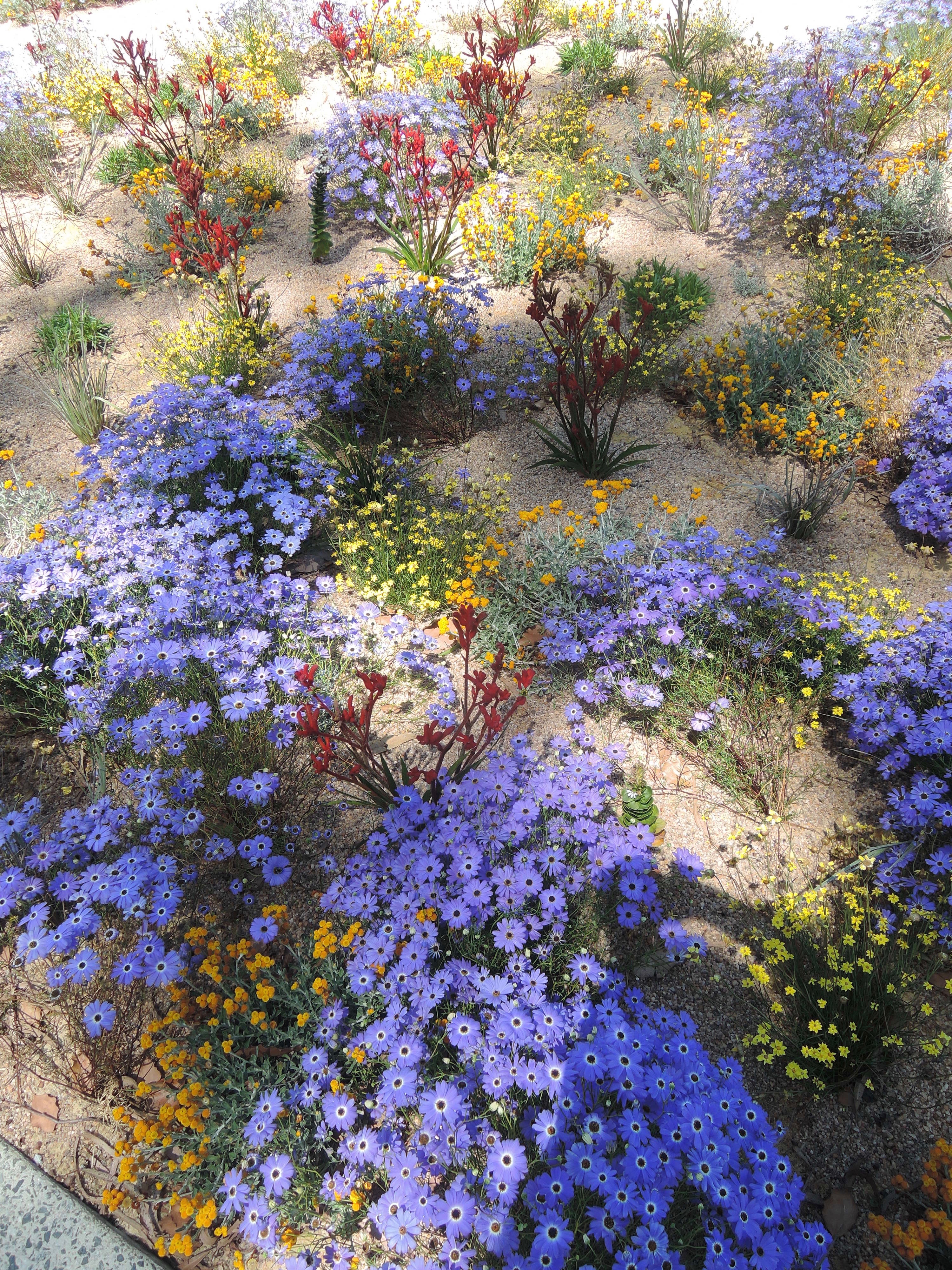
If I was an artist or a calligrapher — if I was a mediaeval scribe — I would decorate the edges of this post with the flowers I saw that day, in reference to the illuminated manuscripts Laing mentions above. But I am none of those things, so my photos will have to suffice. (As usual, hover your cursor over the photos to see the name of each flower — or my attempt, at least, to identify and name each one. Part of the pleasure in list-making is the knowledge that some of the names on the list might be wrong. I learn as I go.)

Perhaps you might like to think of these photos as a kind of pictorial version of the list I made that day, or as evidence of the carpeted path I trod, or as a simple expression of my joy.

They’re all of those things to me.

The narrow trail I had been following came to an end as it rose to meet the old grey asphalt road that runs up to the missile guidance station. Stepping from path to road means stepping up to see the whole expanse of the ocean, spreading uninterrupted to Japan. The same shock of pleasure comes every time I cross this boundary to discover the ocean again, an ocean shining like beaten silver on the brightest days, green on the overcast ones, brown with the muddy runoff of the streams and rivers washing far out to sea during winter floods, an opalescent mottling of blues on days of scattered clouds, only invisible on the foggiest of days, when the salt smell alone announces the change. This day the sea was a solid blue running toward an indistinct horizon where white mist blurred the transition to cloudless sky.
from ‘Wanderlust‘
by Rebecca Solnit
Rebecca Solnit’s words remind me of my own jaunts to and from the sea. So, no more words from me today — just a gallery of pictures I’ve taken over my own years of oceanside ramblings. You’ll recognise many of these pictures from earlier posts, no doubt, but collected here they convey, I hope, the many moods of the sea.
(Hover over the pictures to see their connection to the words above.)


Recently, I spent a weekend in Perth, Western Australia, celebrating a friend’s fiftieth birthday.
Read that sentence again. It doesn’t sound like much, does it? I hopped onto a plane in Adelaide on Friday afternoon, and arrived in Perth two hours later; I rented a small, sunlit apartment in West Perth for two nights; and then late on Sunday afternoon, I hopped onto another plane and flew back to Adelaide. This is the kind of thing people do all the time, if they can afford to. It’s what people call a ‘holiday’, a ‘break’.
And this trip was both of those things, and for me, that seems a little like a miracle.

In my twenties, I spent over two years travelling and living overseas: waitressing in London, volunteering on an archaeology dig in Texas, working in a factory and then an ice cream shop in Germany, and, in my last year, teaching English in Cairo and Jakarta. I was a well-seasoned traveller by any standards. By that age, I had already had emetophobia — a fear of nausea and vomiting, which I have mentioned in passing on this blog before (here, for example) — for over fifteen years. It caused the odd anxiety attack, but nothing else. It certainly didn’t stop me from my travels.
But then, in my late thirties, something happened. Something — some edifice of bravery or stability or spontaneity inside of me — crumbled. For some reason, I began to feel queasy and nauseated more often, and so, because of the emetophobia, I began to feel anxious more often. The sickness and the anxiety always accompanied each other: sometimes it was hard to tell which came first. (This is the emetophobe’s eternal dilemma: Do I feel anxious because I am nauseous? Or do I feel I nauseous because I am anxious?)
My illness and anxiety seemed to be magnified when I travelled interstate or overseas. They became even worse if I was travelling in the company of people I loved, people I really wanted to travel with. I booked rash, non-refundable trips to visit my dearest friends who live interstate — Perth, New South Wales — and then cancelled my bookings, losing all the money I’d spent in the process. I planned holidays in Portugal and New York, with family, with friends, with people I loved, and then I cancelled those trips, too. I wanted to go on those trips, but I felt that I couldn’t.
In the end, I stopped going on holidays anywhere beyond the state borders of South Australia.
I just stopped.

Fear of holidays is a very strange fear to have. Adelaide author Elisa Black is one of the few people who understand it:
The anxiety during this trip was so intense that it is almost too much to remember, no matter how hard I try. I know I thought I was going crazy. I know I was exhausted …
Constant dread, that is what I felt … What I wanted was to not feel this way, to be normal, but if that wasn’t possible then I wanted to crawl into a hole where I could be safe, where everything could be controlled …
from ‘The Anxiety Book‘
by Elisa Black
Those phrases: constant dread, and I wanted to crawl into a hole where I could be safe. They say it all. For me, they speak to a form of social anxiety. For many years, I have been ashamed of my phobia. What is there to fear about vomiting? And so, when I get nauseous, and the nausea triggers my anxiety, I am also flooded with feelings of shame. I try to act ‘normally’ during the course of an attack of nausea, but my terror and my shame impair my performance. (Note that word, with all its implications: ‘performance’.)
What I long for when I am nauseous is to be alone. I long for some kind of sanctuary.

Fear of holidays and travel is one thing. But then, too, there’s the fear of flying.
Winter in Adelaide this year has been very stormy. We have had one of the rainiest winters ever recorded; we have had statewide power cuts; we have had floods. It is spring now, and yet winter still hovers and menaces. The night before I left for Perth, there was another storm, and when I went to walk my dog the following morning, I saw that branches from the pine trees that line the esplanade by the beach had come down, barring our path over the dunes.
It did not seem a very auspicious day for flying. All that wind! All that turbulence! I wondered — I truly wondered — if I could get on the plane and fly to Perth as I’d promised.
Oddly, I am not actually afraid of the act of flying itself: unlike many anxious fliers, I don’t fear plane crashes or hijacking. I once knew a woman who feared flying because she had a fear of sharks, but I don’t share this particular terror. My fear is, I think, more like a form of claustrophobia: it is a fear of becoming nauseated and thus anxious whilst I am trapped inside a machine, way up in the air, with no escape. I am not very good at staying still when I am anxious about being sick. I do not lie down, as most people do when they feel unwell: I go outside; I pace; I tremble; I sob melodramatically; I run away. I do not like to be witnessed or contained. An aeroplane is, unfortunately, the perfect vessel of witness and containment.
Scott Stossel shares my fear:
For instance, the fear of vomiting … makes me afraid of travel because I’m afraid I’ll vomit far from home. It makes me afraid of flying not for the conventional reason that I’m afraid that the plane will crash, although I also have that, but I’m afraid I’ll get motion sick and get nauseous … The horrible kind of self-fulfilling vicious cycle of emetophobia is that if you’re prone to acute anxiety and nervousness, as I am, it often manifests itself with stomach symptoms.
from an interview on NPR with Scott Stossel
author of ‘My Age of Anxiety‘
6 January 2014
At first glance, today’s post might seem to be all about fear. Yet here I am, back from a wonderful weekend in Perth, despite all my fears.
So what I am writing about today is, in fact, celebration. Forgive me if it seems solipsistic, but this is about me breaking a pattern. It’s about me, stepping onto a plane; me, flying; me, not getting ill while I was on holiday as I’d feared (though I did get anxious). It’s about me being able to do something I’ve wanted to do for a long, long time. It is about some part of me being restored after all these years: rebuilt. Not recovered, exactly: I am still emetophobic; I still have a funny tummy; I am still anxious; I still find recovery, from both illness and anxiety, a problematic concept.
Most of all, what I am writing about today is hope.

By the way, if you should ever choose to holiday in Perth, you must visit Kings Park, where most of the photos on today’s post were taken. It is a beautiful place: a kind of sanctuary, if you like. Take a picnic there with you, or a book; go for a wander with friends.
Enjoy your time there. Celebrate it. Allow yourself to feel restored.

And, wherever you are today, whatever you are doing right now, breathe. Smile. Wonder.
Hope.


I never intended to be a blogger. The name alone is enough to put anyone off — ‘blog’ is an ugly word — and besides, I’ve always been about as tech-savvy as an aardvark. Then one of my oldest and closest friends started a blog and the scales fell from my eyes. I realised that, in the right hands, a blog, which I’d lazily assumed to be an outlet for opinionated egos or a medium for look-at-me wittering, could actually be a thing of beauty, a repository of interesting and original thought, of humour and pleasure, of amiable interchange among friends …
from ‘In Praise of Blogging‘
by Nigel Andrew
featured in the Literary Review magazine, August 2016
Do you remember when blogging first began? It wasn’t so long ago, was it? — somewhere in the late nineties, perhaps. I remember being deeply suspicious of bloggers and their blogs, at least at the start. They were so … trendy. Instant. Shallow.
Right?

For me, blogging was the beginning of social media, of which I was originally — and indeed still remain — very wary. What could be good about instant publishing? About uncensored, unfettered writing? About unedited writing? (A disclaimer here: in my non-blogging life, I work as an editor. Perhaps my horror at the thought of unedited writing has an aspect of self-interest to it … )
Nigel Andrews continues:
Blogging at its best is essentially an extension of the essay form: brief and provisional, feeling its way through a subject, written with care but relaxed and not over-polished. One difference is that a blog post is published instantly and by the author; it takes its place in a conversation (with luck) and the blogger establishes his place in a community of taste and thought (ditto). This has its risks, but there is something deeply satisfying about it. Another difference is that technology enables a blog post to open out in ways not possible in the printed essay: for instance, through hyperlinks embedded in the text, or through pictures, video and audio …
I’m glad my original opinion about blogging turned out to be wrong. Blogs can be warehouses of mediocrity, egocentrism and vitriol. But, as Andrews — known on his own blog as Nige — says, they can also be places where people write with wit and tenderness, with beauty and sagacity, with passion and honesty and verve. Bloggers can take you to worlds you might not otherwise visit. I love that about them.

The blog world is vastly wider and richer than I ever imagined, Andrews says. I’m with him here, too. I have cooked new recipes from some of the blogs I read (here, for example, and here); I’ve learned about art and craft (here); I’ve marvelled over the joys and wonders of nature (here); I’ve found fellow booklovers (here); I’ve envied women of my age who run long distance (here); I’ve sympathised with the health woes of women younger than I am (here).
One aspect of blogging that I struggle with, though, is its conversational side: the participatory nature of it, the community. Don’t get me wrong: I love being part of the blogging community, and I love feeling as though I am getting to know the bloggers whose posts I regularly read. I love that there are readers and fellow bloggers who take the time to comment on my blog; I love that, in replying to them, I have in a sense ‘met’ them. They and their blogs have enriched my world.

But I am still, at heart, an old-fashioned reader. For me, reading is an activity that I engage in privately. The silent communion I find with the writer of whatever it is I’m reading: that, right there, is for me the joy of reading. I read with my mind and my heart and my soul. And those things — my mind, my heart, my soul — are mine, and mine alone. So I rarely comment on other bloggers’ posts, or give feedback to them, or praise them, or, heaven forbid, criticise them.
This means, I am glad to say, that you could never call me a troll. But you could, apparently, call me a lurker.

Seriously? When did the act of reading become some kind of dialogue? When did reading obligate a reader to correspond? Isn’t reading an escape from all of that?
I take comfort in Andrews’s thoughts towards the end of his essay on blogging:
Much else that used to be in blog form has also made the transition into other social media. Could it be that the ‘death of the blog’, which seems to have been predicted ever since blogging began, is now happening? I doubt it; I think it’s more that those who were using the blog form to pick fights, project their egos or drone on about their everyday lives are migrating to media better equipped for such purposes: Twitter, Facebook, Instagram, Snapchat and the rest (neophilia is a strong driving force here). This might, one hopes, leave the blogscape open to those who blog because the form is a perfect fit for what they want to do and who are impervious to the whims of technology. If blogging is unfashionable, so much the better, I say. So many of the best things, like so many of the best books and writers, are.
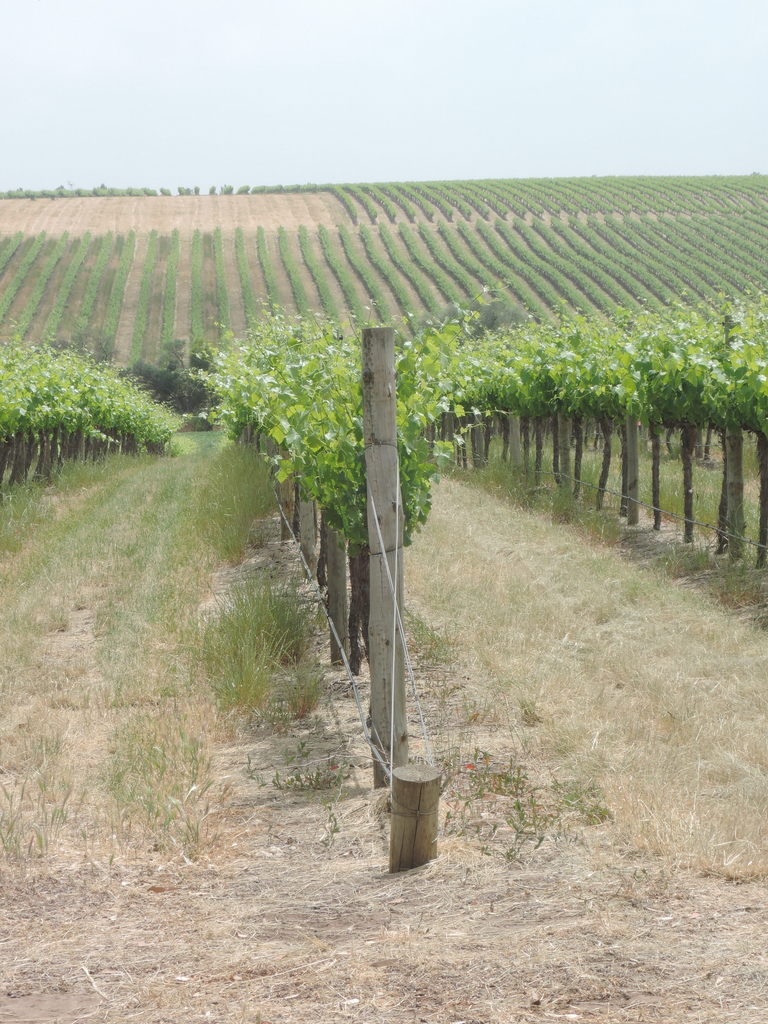
I’m a reader, a writer, an editor: all of those things. And I’m also — yes, still/always/despite everything — a blogger. I see my blog as an extension of the best parts of me. However contradictory it may seem after what I’ve just said, my blog is an effort to express myself. To educate myself. To introduce my readers to things they might not otherwise have encountered on my side of the world (like some of the things pictured in today’s post). And I see it as an effort to try, in my writing and my posting and my life, to reach towards some kind of beauty.
In case you wondered, you are, as always, very welcome to comment … 🙂

It is no wonder that most Adelaide inhabitants have little idea of what the pre-European vegetation of the Adelaide Plains looked like, because over vast swathes of suburbia, unless one knows exactly where to look, it is basically all gone and has been for over a hundred years. Add to this the interest in recent decades in planting Australian natives that may have been sourced from regions over a thousand kilometres away and there is little wonder that confusion exists about the identity of the truly indigenous plants of the Adelaide Plains.
from ‘The Native Plants of Adelaide‘
by Phil Bagust and Lynda Tout-Smith
One of my favourite places to spend time in is Aldinga, south of Adelaide, though I didn’t grow familiar with it until I was well into adulthood. When I was a child, Aldinga was still a little coastal country town within driving distance of Adelaide. City people spent their summer holidays there each year. That was all I knew about it.
Aldinga isn’t a small country town anymore: over the years, it’s been swallowed up in the growing suburban sprawl — those vast swathes of suburbia — along the coast north and south of Adelaide. It’s no longer a holiday town, either. People travel farther afield these days for their holidays, mostly overseas. Many of the beach shacks have been knocked down, but some still stand.
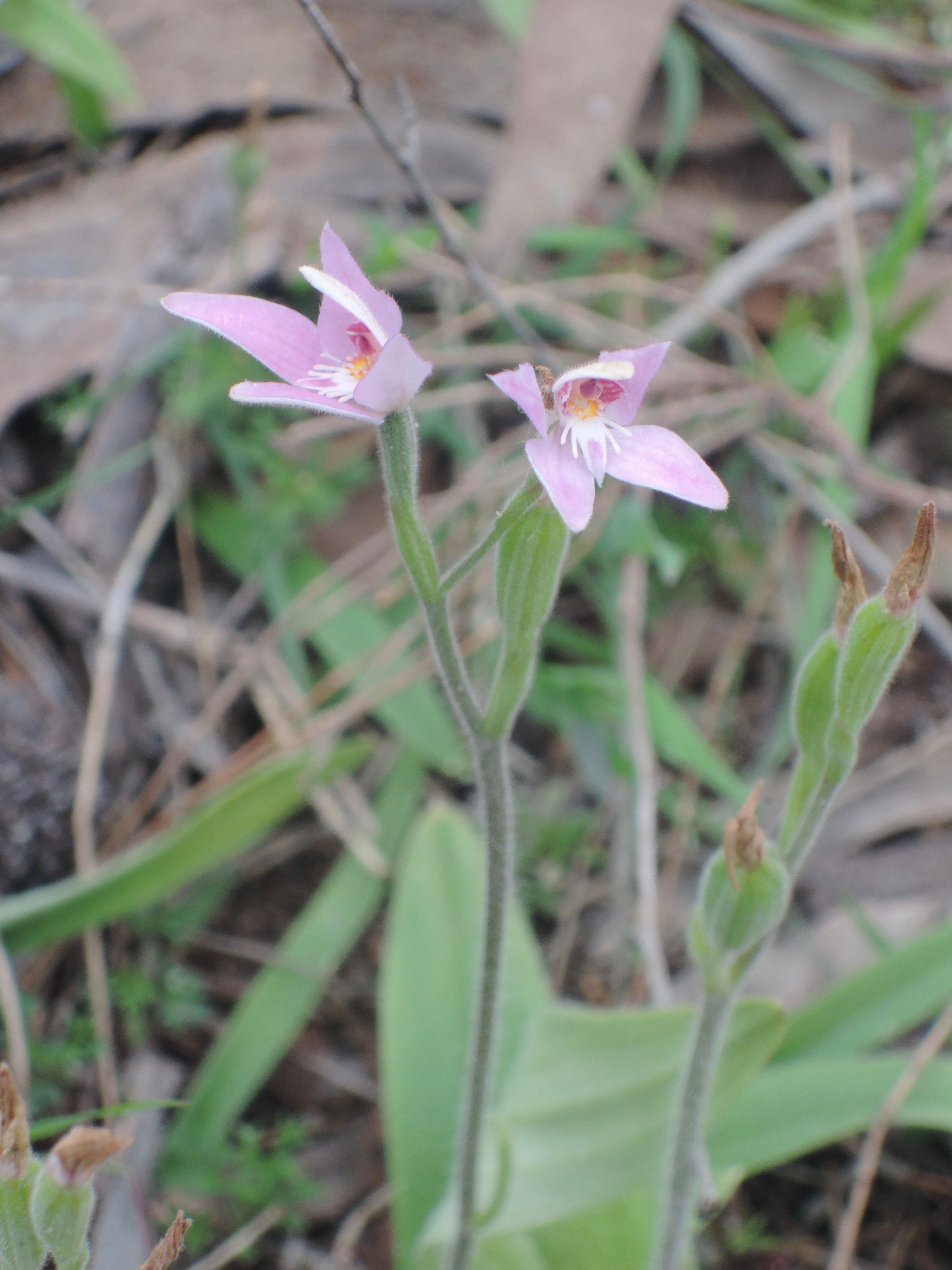

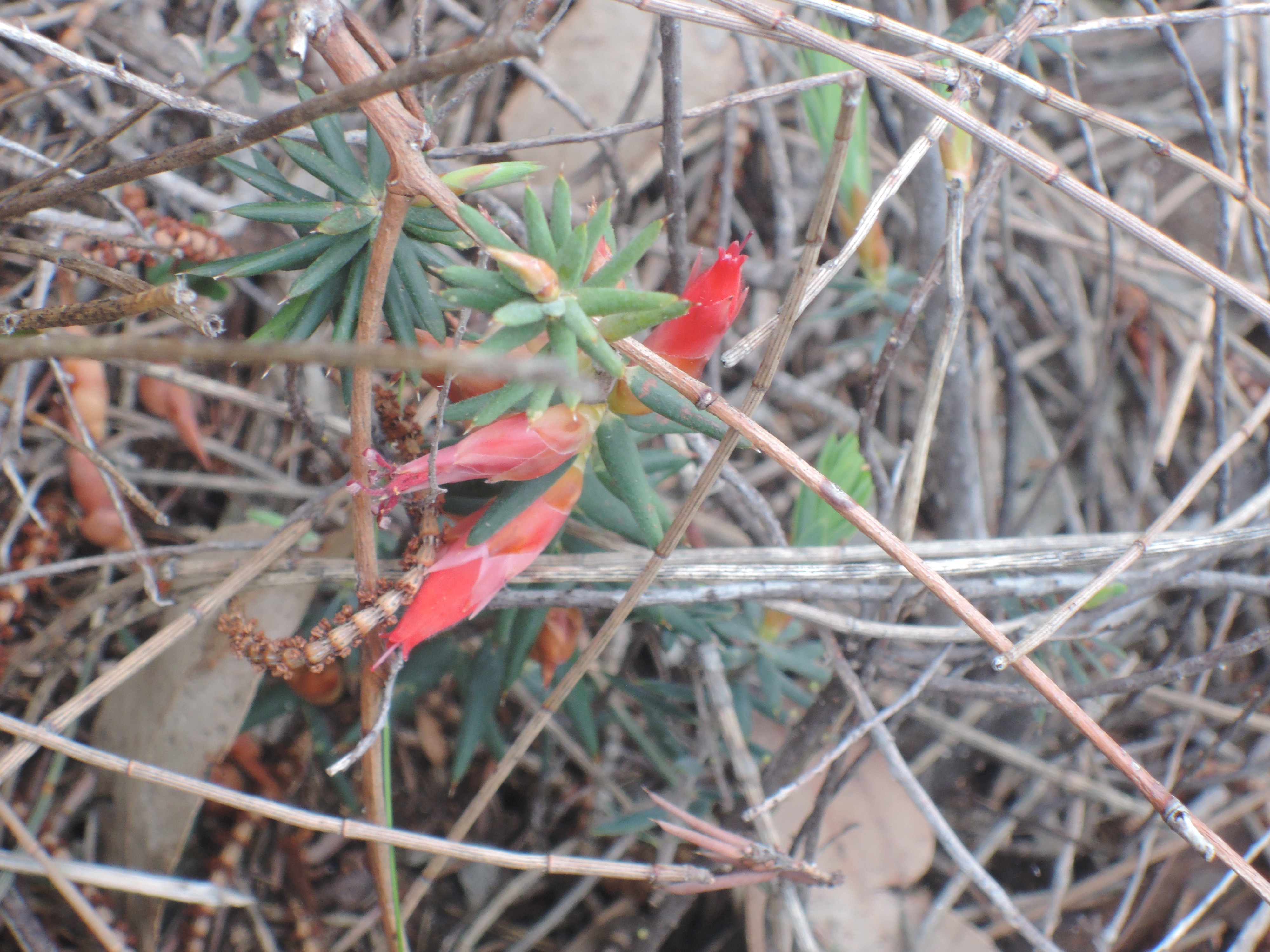
Aldinga Scrub is a patch of native coastal vegetation growing just inland of the beach: an environment of dense, bushy vegetation growing on low sandy dunes. As a child, I didn’t even know of its existence, though now I try to make the effort to visit it as often as I can. It is, in fact, the only patch of remnant (pre-European) coastal vegetation left in South Australia. It’s not pristine — there are many weeds growing in it. The climate within the Scrub itself has changed, too, due to the diversion of natural stormwater by farmers onto encroaching farmland.
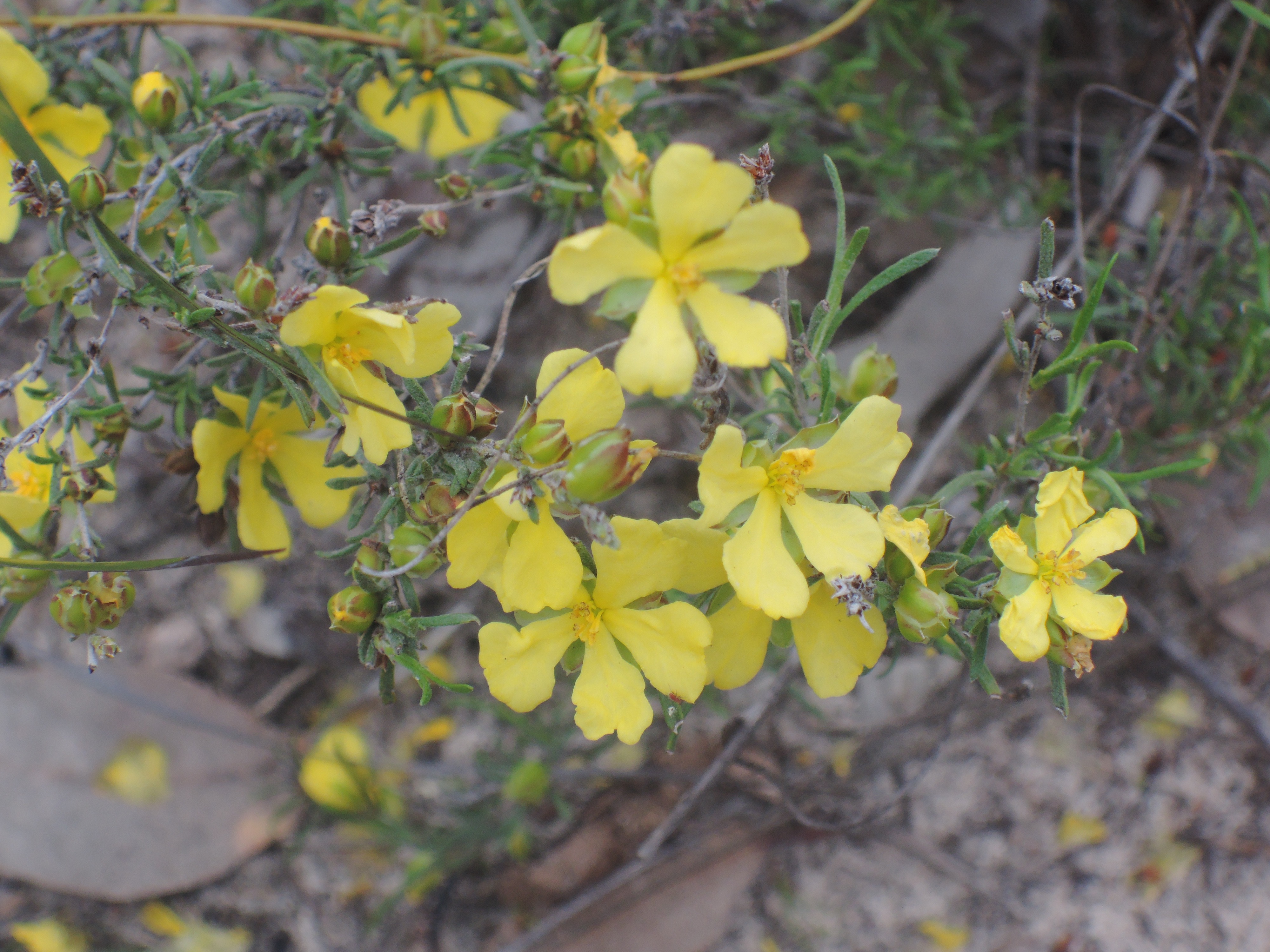
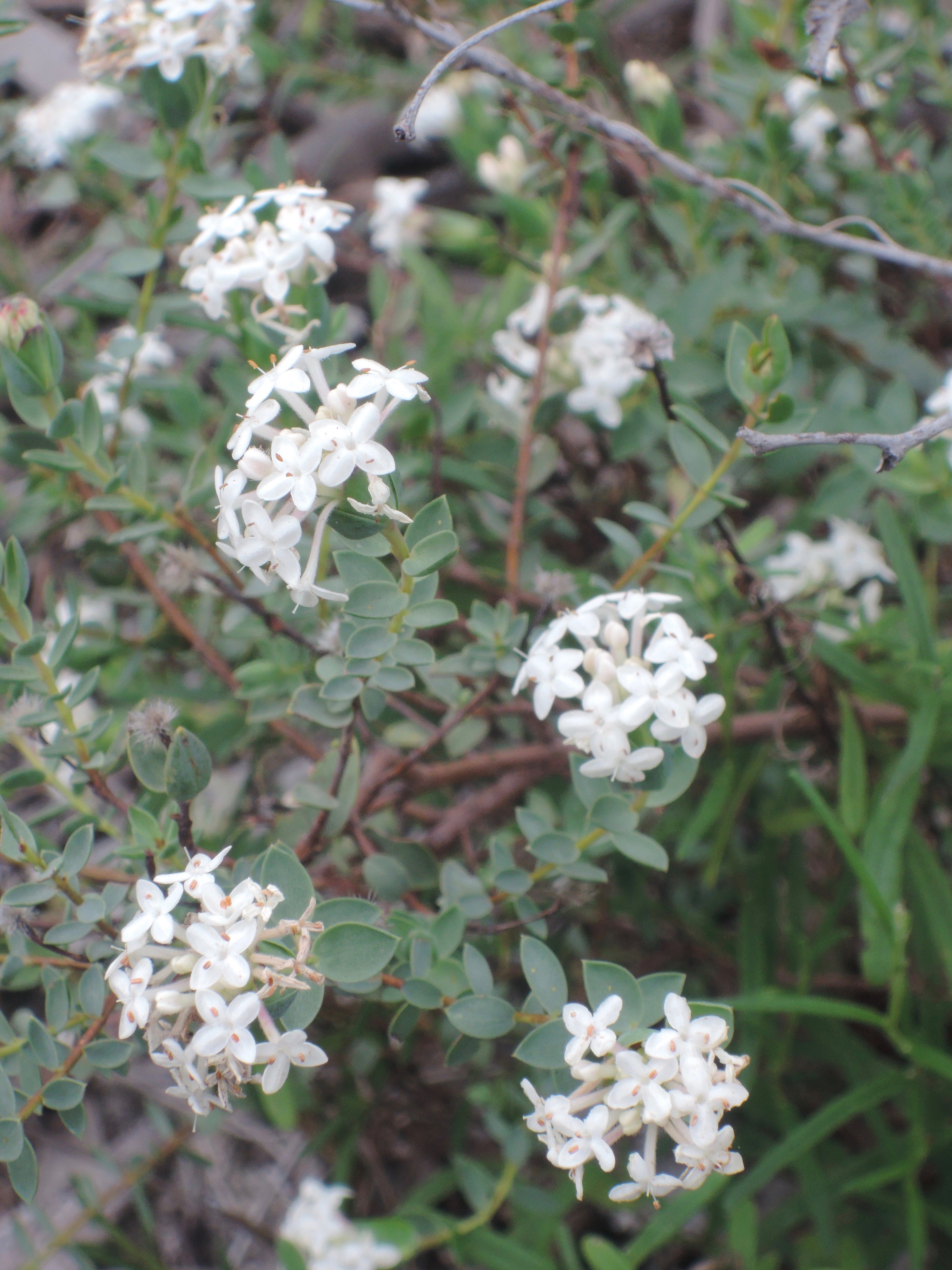
And yet, wandering through on a precious day off work — listening to the songs of the shrike-thrushes and whistlers and magpies and fantails; stumbling across a lone echidna trundling through the undergrowth; standing back to allow a kangaroo with a joey in her pouch bound past — I feel as though I get a hint of what the place was like before European settlement. Hence the photographs on today’s post, which I took on a visit in mid-September, as spring took hold of the Scrub.
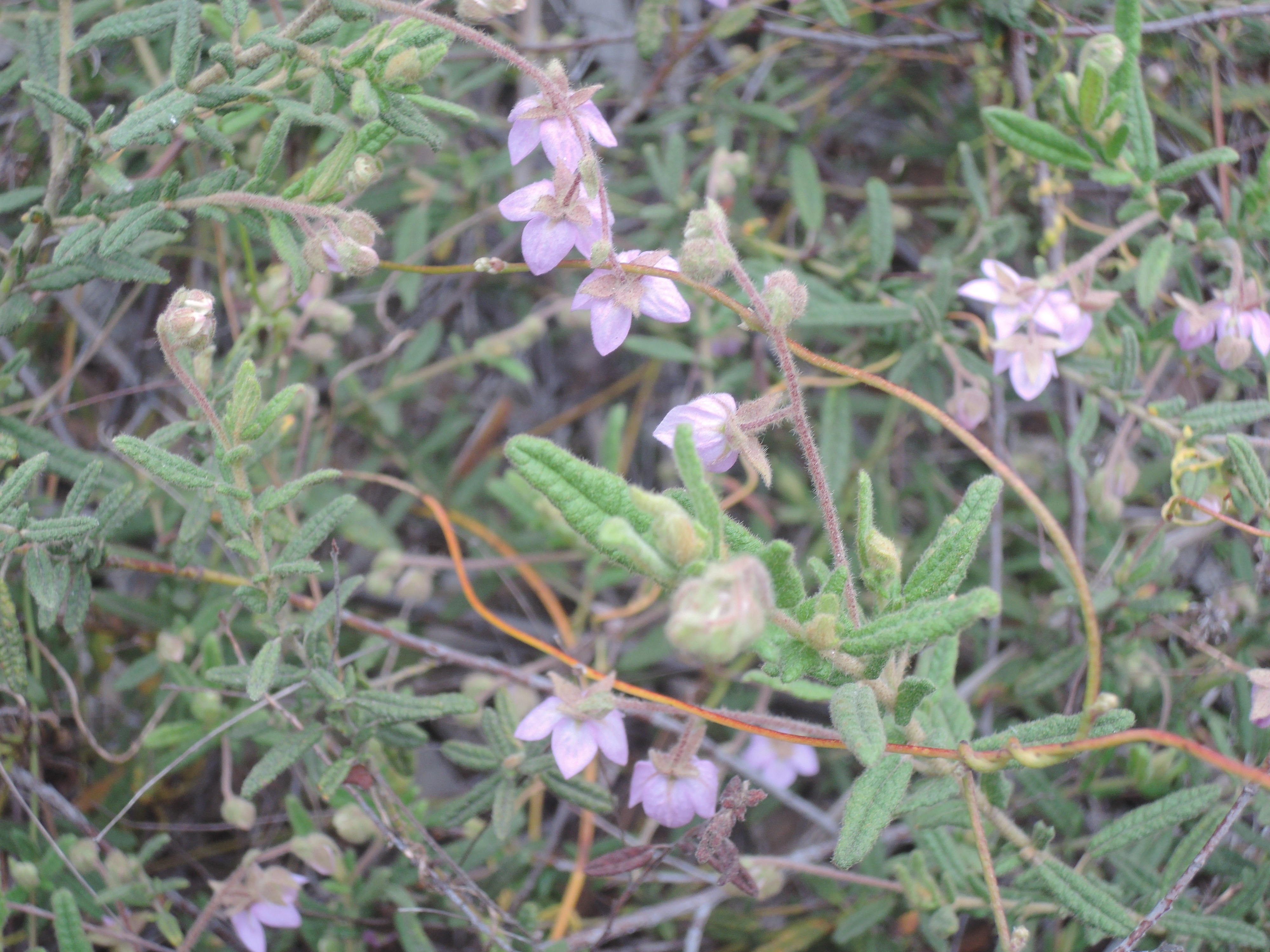

I’ve never named the Scrub explicitly on my blog before, though I’ve posted many photographs from my visits to it. I feel fiercely protective of the place — because of its unique status; because I discovered it late in life; because I know that the more that humans like me encroach upon it, the more it disappears. Because, because, because.
Meanwhile, whenever I visit the Scrub, I continue to teach myself the names of the native birds and animals and plants and insects who inhabit it. I wander about, learning and wondering. I may never really know its original nature, but I plan to go on teaching myself about it until the day I die.

And perhaps not coincidentally, he also found himself doubting therapy — its promises, its premises — for the first time. He had never before questioned that therapy was, at worst, a benign treatment: when he was younger, he had even considered it a form of luxury, this right to speak about his life, essentially uninterrupted, for fifty minutes proof that he had somehow become someone whose life deserved such lengthy consideration, such an indulgent listener. But now, he was conscious of his own impatience with what he had begun to see as the sinister pedantry of therapy, its suggestion that life was somehow reparable, that there existed a societal norm and that the patient was being guided toward conforming to it.
‘You seem to be holding back, Willem,’ said Idriss — his shrink now for years — and he was quiet. Therapy, therapists, promised a rigorous lack of judgment (but wasn’t that an impossibility, to talk to a person and not be judged?), and yet behind every question was a nudge, one that pushed you gently but inexorably toward a recognition of some flaw, toward solving a problem you hadn’t known existed.
From ‘A Little Life’
by Hanya Yanaghihara (p. 568)
When I was sixteen, I received in-patient treatment for an eating disorder. Though my weight loss wasn’t life-threatening, I had become stuck in a pattern of abstinence that my doctor considered a risk to both my physical and my mental health in the long term. And so, into hospital I went.
I am grateful for the treatment I received during the six weeks I spent on that ward. I am grateful to the dietitian who laughed when I told her I didn’t like Mars Bars, and said, ‘That’s your anorexia speaking.’ (Actually, I genuinely don’t like Mars Bars, but I am extremely fond of Cherry Ripes, so I think I pass the test.) I am grateful to the plump, curly-haired nurse whose pudgy feet squelched in her white shoes as she plodded down the corridor carrying a bedpan, who said, ‘If you can’t help yourself to a biscuit from that tin on the table just because you feel like eating one, you’re not better.’ I am grateful to the patient in her mid-fifties who sat opposite the dinner table from me one evening, asking me to pour her a glass of water, ‘because, you see,’ she told me — and her face was a maze of articulated wrinkles and creases as she leaned across the table to speak, her shoulders prematurely humped, her voice husky from years of smoking instead of eating — ‘my wrist bones are so fragile from osteoporosis that I can’t lift the water jug in case I get a fracture.’
I am grateful to these people, because they helped to strip starvation of its glamour for me. Because they helped me to escape.
During my time in hospital and afterwards, my therapists talked to me about getting well, moving on, recovering, leading a normal life, finding happiness. Because we talked about these things, I assumed they were not only achievable but also desirable — essential, even. Many people make the same assumption.
But now I am not so sure. I don’t think therapy’s orientation towards focusing on health and happiness and normality is sinister (Yanaghihara’s word). But I do think, like Yanaghihara, that some people’s lives are not reparable, or that some aspects of their lives are not reparable. Some people suffer terribly, some people less so; in either case, there are times when a person’s suffering cannot be eased, either through therapy or through other means. In that context, perhaps there are qualities other than health and happiness which a person might explore. Resilience, for example. Dignity. Grace. Surrender.
I think of Viktor Frankl, who wrote so eloquently and poignantly about people’s need to find meaning in their suffering, if that suffering was unavoidable. I think we shy away from that word, these days — unavoidable. We form goals, we foster dreams, we try to shape our lives, based on that act of shying away. I think this is a mistake.
There is only so much you can can say in one post, and so I will leave the rest for another day. Instead, I will finish with some more words by Yanaghihara — words that, I think, complement these thoughts, though the millennial New York society she writes about is so far away from the terrible world of Frankl’s concentration camp:
But these were days of self-fulfillment, where settling for something that was not quite your first choice of a life seemed weak-willed and ignoble. Somewhere, surrendering to what seemed to be your fate had changed from being dignified to being a sign of your own cowardice. There were times when the pressure to achieve happiness felt almost oppressive, as if happiness were something that everyone should and could attain, and that any sort of compromise in its pursuit was somehow your fault.
(p. 41)
This is a tricky subject to write about, not least because it involves personal disclosure, if only on my side. But I would love to know what you, my readers, think about this. Please leave a comment and let me know. Your thoughts matter to me.
from ‘The Faraway Nearby‘
by Rebecca Solnit
Sometimes, when I’m reading, a small phrase or a sentence will catch my eye, hidden away in the middle of the paragraph, or at the bottom of a page. Perhaps the words in that phrase snag my attention because they are beautiful; or perhaps the thought behind the phrase is beautiful — complex and lingering — despite the simplicity of the actual words.
I write these phrases down in a notebook and treasure them, as you might a necklace your mother gave you when you were a young woman, or a china teacup that once belonged to your grandmother. Sometimes, when I’m writing them down, the word ‘stolen’ creeps into my mind: there is something about the act of recording them which makes me feel I have snatched them from their creator and reappropriated them as mine, storing them inside my heart.
Snatched phrases: today’s post, quoting Rebecca Solnit’s beautiful words about books, is the first in an occasional series here with this theme. However you think of these words, whatever your definition of the word ‘stolen’, they are yours now, too. Writers write for others, after all; writing is about the transmission of words and ideas from a writer to his or her readers — readers like you and me.
And they are not really stolen at all, these words. It feels that way at first, because they are so precious and so beautiful. But in fact, it is the other way around: the words have stolen our hearts. To read is to be captured, over and over again. I can think of no better form of thievery.

I am haunted by waters. It may be that I’m too dry in myself, too English, or it may be simply that I’m susceptible to beauty, but I do not feel truly at ease on this earth unless there’s a river nearby.
from To the River
by Olivia Laing
Haunted by waters. Isn’t that a beautiful phrase?
Though the words I’ve quoted above are about a river rather than the sea, still, they ring true for me. For most of my adult life — except for the two or three years I spent in my early twenties, travelling and working abroad — I have chosen to live within walking distance of the sea. In my late twenties and thirties, as I’ve mentioned before, I lived in a series of share households: different houses every eighteen months or so, different housemates. But each of those houses was close to the sea.
These days, I live in a house just a few minutes’ walk to the beach. Open a window, and you can hear waves rolling onto shore. Step onto the front porch, and you’ll smell seaweed drying out beyond the water’s reach — a damp, bleached, faintly rotten smell. Look around indoors, and you’ll see drifts of sand piling up in the corners.
The sea surrounds me. It’s how I make sense of things. It’s how I feel at ease.
There’s another phrase I love in the words above: susceptible to beauty.
Like anyone else, I have good days and bad days. There are days when I feel at home, here on this earth: when my skin feels comfortable beneath the layers of my clothes, and the warmth of the sun feels kind and good. And there are days when the world seems vast, alien, spinning, remote. What gets me through those latter kinds of day are tiny moments of beauty, out there by the water: pinpricks of sunlight sparkling on the tips of waves, like sequins on a piece of cloth; clouds chasing across the horizon, billowing and grey; a cluster of yellow flowers growing in the dip of a dune, petals cupped to reflect the light.

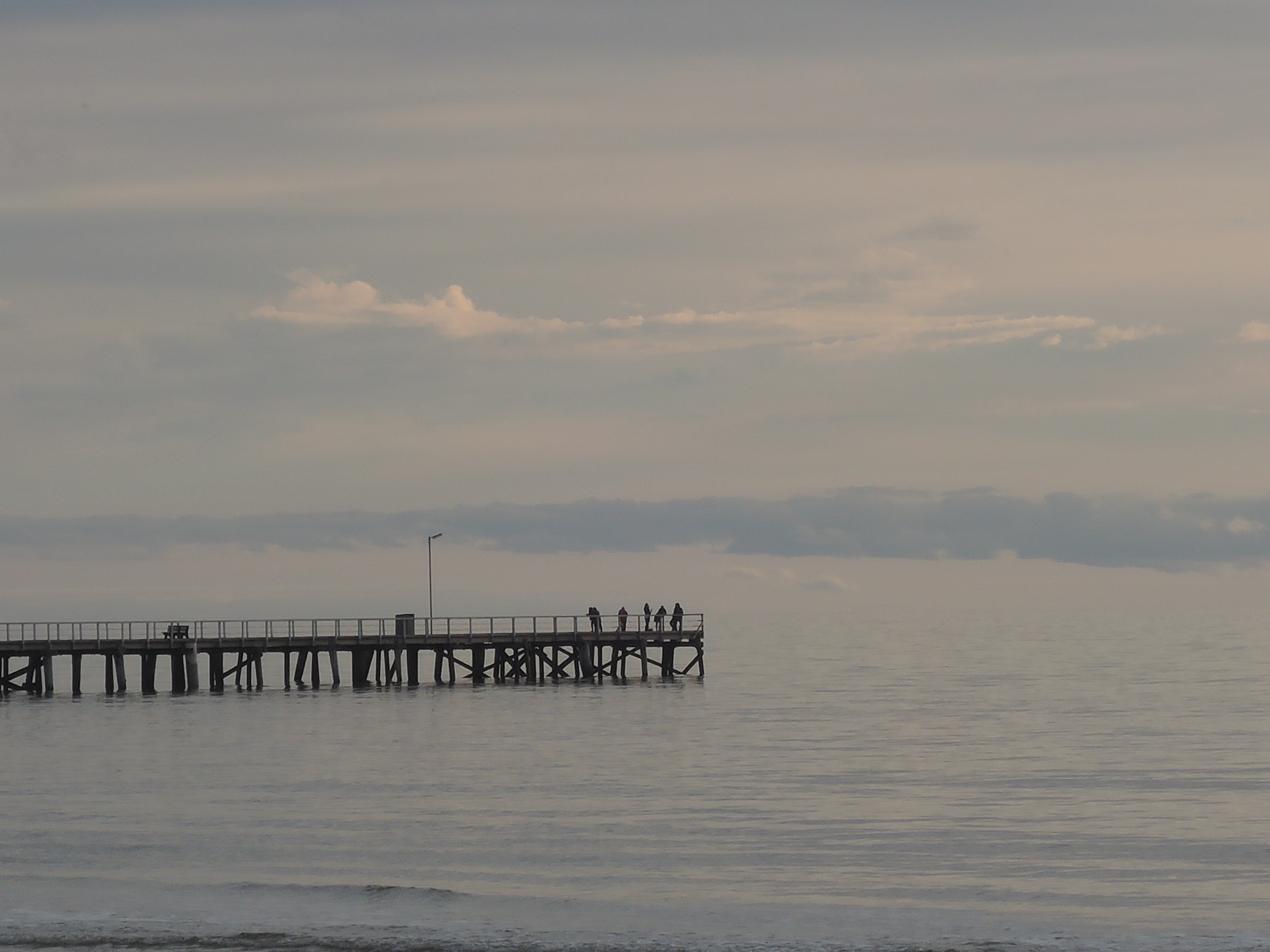
I took the photographs you see here late one August afternoon, just a few weeks ago. Sitting at my desk, working at my computer, I felt hemmed in suddenly: by streets and footpaths, by fences and cement driveways, by the sound of my neighbour hawking up sputum in his bathroom. The longing to get away from all of that was so strong it felt akin to starving. I felt hollow through and through.
I shut down my computer, stepped outside, and walked down the road to the sea.

Five minutes later there I was, standing on the sand, looking out at the water and the sky. It was close to sunset and I wandered a while along the shore, released at last: from work and worry and words. And I saw something, then, that I don’t know how to describe, though I’ll try: I saw spring coming. The air had a certain quality to it — a softness, perhaps, after the steely bleakness of winter. I thought that if I reached out with my hand I might touch that beautiful softness. It seemed possible, just for a moment.
Looking at the photographs now, I don’t see what I did then. Perhaps you don’t, either. But I know that I saw it, all the same. It was one of those moments — those tiny moments of beauty — to which I, like Olivia Laing, am susceptible.
I am grateful for those moments, is what I’m trying to say. They give me a kind of gladness. They bring me home.
 twenty-one words
