The one true story

Other people’s words on … writing

He said, ‘What is your job as a writer of fiction?’ And she said that her job as a writer of fiction was to report on the human condition, to tell us who we are and what we think and what we do.

from ‘My name is Lucy Barton
by Elizabeth Strout

When I first began this blog, I was adamant that, though I am a published writer, my blog would not be about writing. A writer can blog about things other than writing, right? A writer isn’t just a writer: a writer is a person; a writer has a life. That’s what I wanted to blog about.

Besides, it seemed to me that blogging about writing would be, in my case, an inexcusably audacious act. My thinking went like this: I have published only two books. I haven’t published anything since 2010. My books have gone out of print. What can I tell anyone about writing? Who would want to read what I had the temerity to say?

Early drafts: an audacious act

I don’t much like the word ‘writer’. Perhaps it’s because I haven’t published much and don’t make a living from my writing, but I feel pretentious and arrogant when I call myself one. I think of myself instead as someone who has written two books, and would like to write another one, but is struggling to do so.

That’s another word I don’t like: ‘struggle’. When I first began writing stories and fiction, the writing was an act of joy. It was a process of humble discovery. Each word that I wrote, each sentence, each chapter, was a journey. I was learning to do something new. I was learning to do something I loved. I was learning.
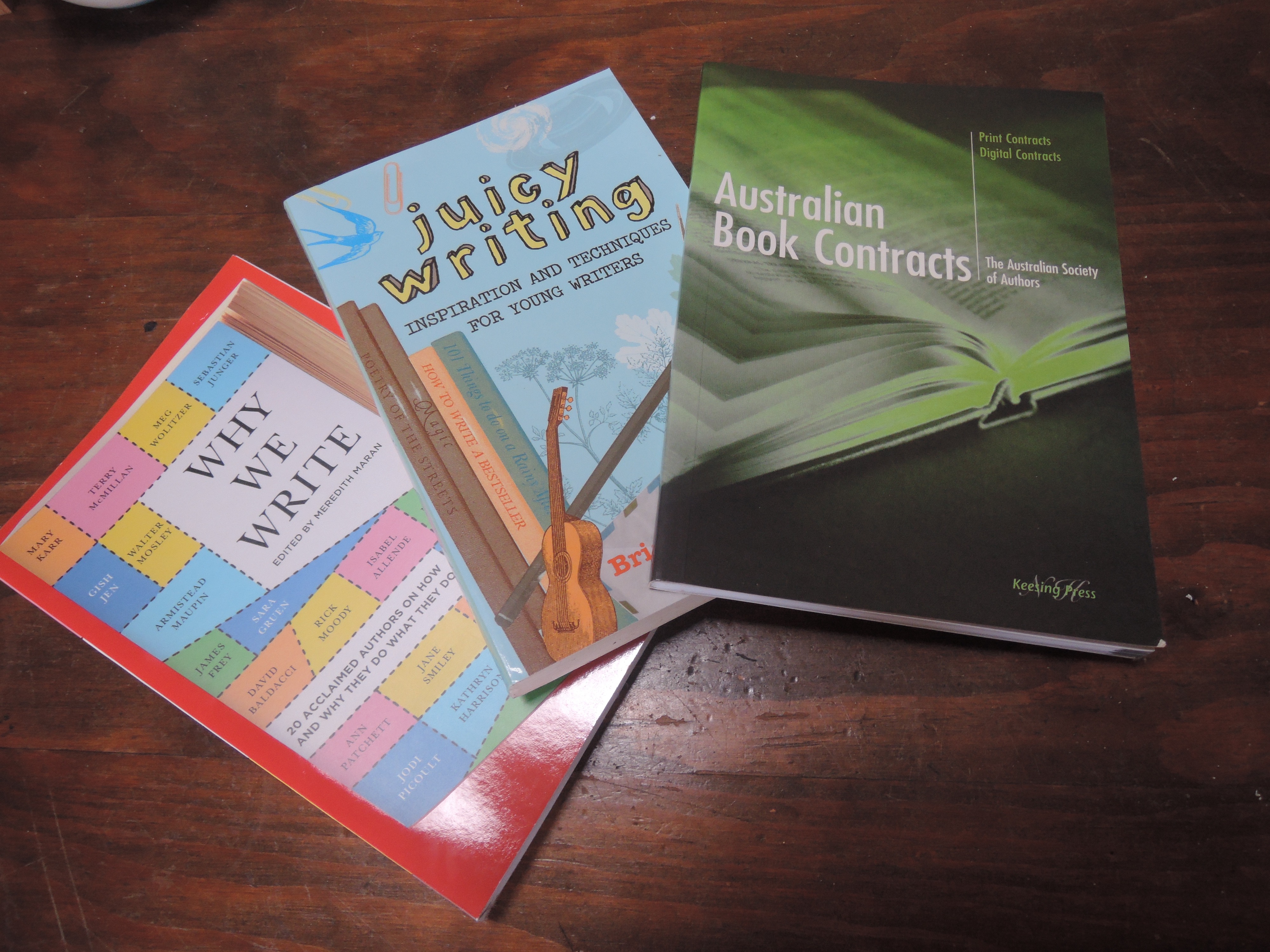
Writing is a learning process
Lessons in writing: all part of the learning process

So when I first read the words I’ve quoted above from Elizabeth Strout, I thought: Yes! Writing fiction, for me, has always been about opening myself up to sorrow, and to joy, and to humility, and to discovery. It’s about expressing those things, however afraid I am to do so. It’s about making sense of my life. It’s about trying to make something beautiful. It’s about having the temerity — the audacity, the arrogance — to share my words with other people: people who, like me, love reading.

Most of all, writing fiction, like blogging, is about sharing.

And so that’s the reason I’m posting these words about writing today. Call it pretension; call it temerity. Call it audacity; call it arrogance. Call it learning; call it sorrow; call it joy.

Elizabeth Strout again (from the same book):

You will have only one story … You’ll write your one story many ways. Don’t ever worry about story. You have only one.

Maybe this is the only story I have to share, but that doesn’t mean it’s not worth sharing.

The third year

Beautiful words

I love reading.
I love words.
Maybe you’d noticed?
After all, reading and writing have been two of my core themes on this blog, right from the start.
So.
This year — my third year of blogging (yes, really! twenty-one words has been around for over two years now) — that will be my main focus.
Other people’s words.

A year of reading
A year of reading

Each week, I’ll be posting a quote from something I’ve read and loved,
either recently or long ago.
(Some writers’ words stay in your mind forever.)
Sometimes I’ll post a photo to accompany the quote,
sometimes I’ll post a comment instead.

A cup of tea to accompany reading makes it even better ...
A cup of tea to accompany reading makes it even better …

I hope you’ll find some words here, in the next year, that tickle your fancy;
that make you think;
that make you laugh,
or smile,
or cry;
that make you go to your library and read those other people’s words for yourself.
For me, that’s what reading’s all about.

Note
For readers wondering about my original theme — twenty-one words, after which this blog is named — fear not. ‘Twenty-one’ will still be a theme around here. Watch this space to find out how.

Gladness

On a windless, clouded afternoon at the end of May,
I go for another bushwalk.
I’m greeted at the start of my walk by one of my favourite native birds,
the kookaburra:

Its laughter echoes through the scrub for the first ten minutes of my walk.
Then comes magpie song:

A kangaroo regards me intently from afar.

The only bush in flower is one whose name I don’t know.
Its flowers grow in tiny, white clusters and smell sweet and rich, like honey.

It’s quiet in the bush,
and I, too, am quietly gladdened for my time there.

The circle of life

I can’t resist coming back to Kim Leine’s ‘The Prophets of Eternal Fjorde’ today to post a couple more quotes. This time, we are not focusing on intestinal discomfort. (Enough already!)

My constitution would seem to be better than I would have thought, for I have survived two attacks upon my life this winter and may thereby once more look forward to further prolongation of my futile destiny.
(p. 406)

Morten Falck, a Danish missionary, struggles with his own fleshly weakness, with his desires and cravings, and with the despair that comes from leading a life whose purpose is not entirely clear to him.

I cannot go back … I can only go forward, in a ceaseless circle, and my only hope  is that when the circle is complete and the motion halts I shall have arrived at the place that is best for me …
(p. 505)

Life as a ceaseless circle:
Don’t you, too, sometimes feel you are pushing forward blindly, hoping — hoping — that you will one day arrive at a place that makes sense?

The flesh is weak

Other people’s words about … well, elimination

Writers don’t often describe bodily functions in literature (other than sex). After all, reading is about escapism, right?

But in ‘The Prophets of Eternal Fjord’, Kim Leine describes the main character’s afflictions with — ahem — a sensitive colon so evocatively that his physical suffering becomes embedded into the story.

His intestines are in an uproar. He senses the ominous ripple of diarrhoea in the bowel, the quivering alarm of the sphincter.
(p. 114)

Morten Falck is an eighteenth-century missionary in the Danish colony of Greenland.

His bowels emit a series of shrill tones of varying intensity. He grimaces, then collects himself.
(p. 127)

This is a story of suffering, weakness, morality, intestinal discomfort and (perhaps) redemption.

It gushes from him the moment he pulls up his cassock and sits down on the privy seat, a mud-like mass, almost without smell, an inexhaustible landslide of brown. His intestines writhe in agony, and yet there is a considerable element of joy at being able to release, to discharge this spray of filth and empty the bowels. He groans, bites his hand and chuckles. His sphincter blares and squelches, and then there is silence. He feels more is to come and shifts his weight from side to side, bent double, his head between his bony knees, his hands massaging his stomach, but nothing is forthcoming. It is as if something is stuck inside him, a thick log of excrement blocking his passage. But most likely a fold of the intestine, he considers. He recalls images of the corpses he dissected and drew as a young man, and he sees now his own colon in his mind’s eye and the blockage that has occurred. He imagines its slow release and the sudden slop that comes with it. The thought of it helps. A new deluge is evacuated and his anus trumpets a fanfare.
(p. 151)

Seriously, how can you not admire such a vivid description of intestinal torture?
Come on, admit it — we’ve all been there at some time!


Autumn sun

April 2016

DSCN2689

In the Northern Hemisphere, they call it Indian summer:
a hot, dry start to Autumn.
That’s what we had here last month —
DSCN2675
— warm, sunny days.
Still nights.
No rain.
DSCN2696
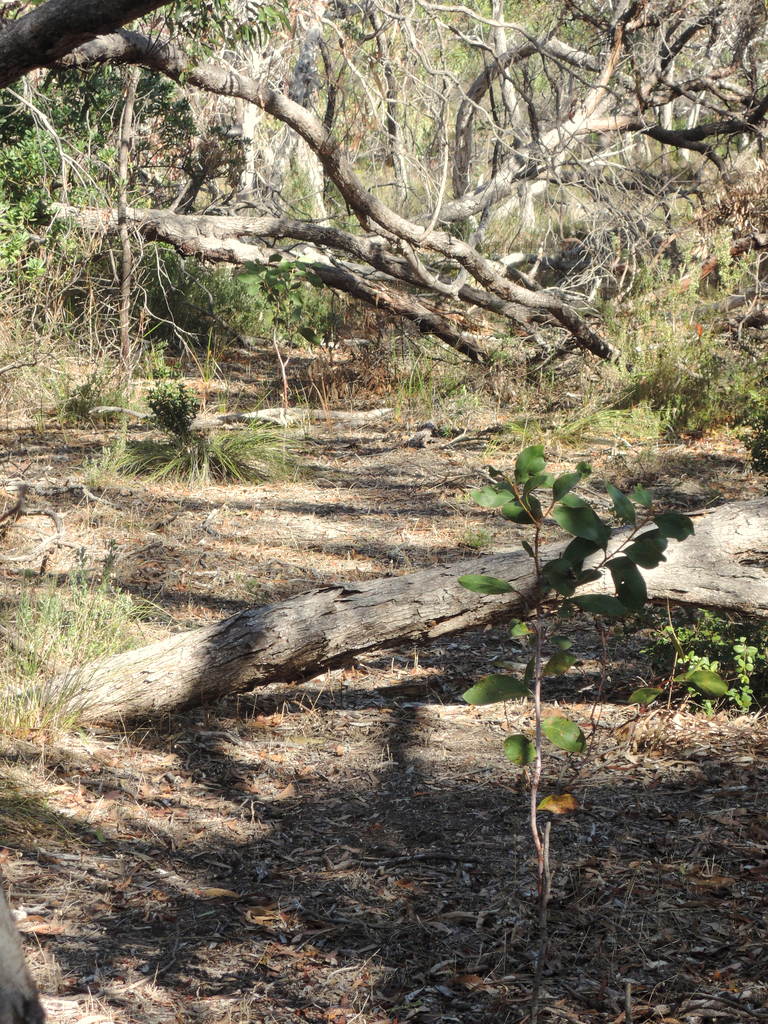
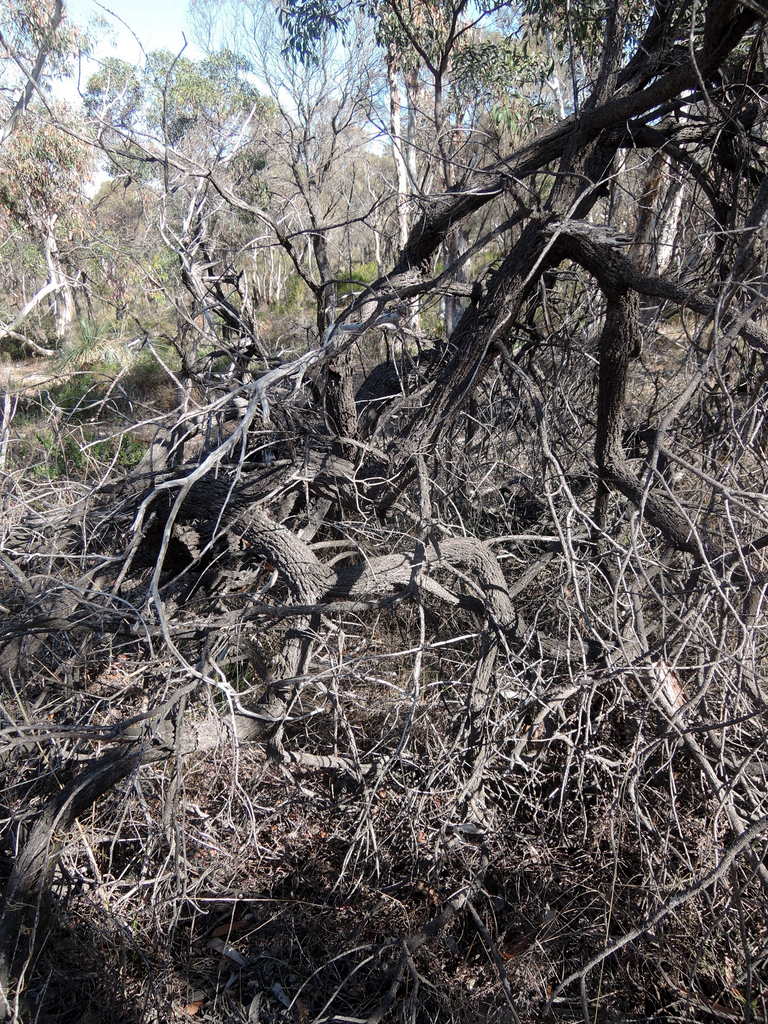
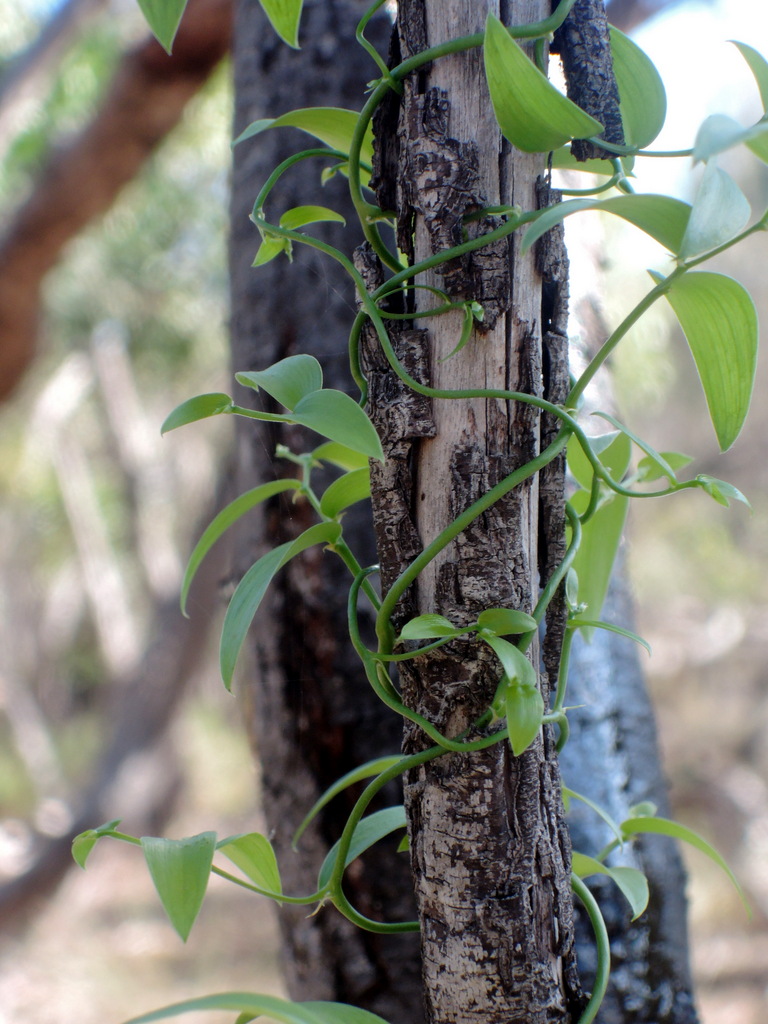
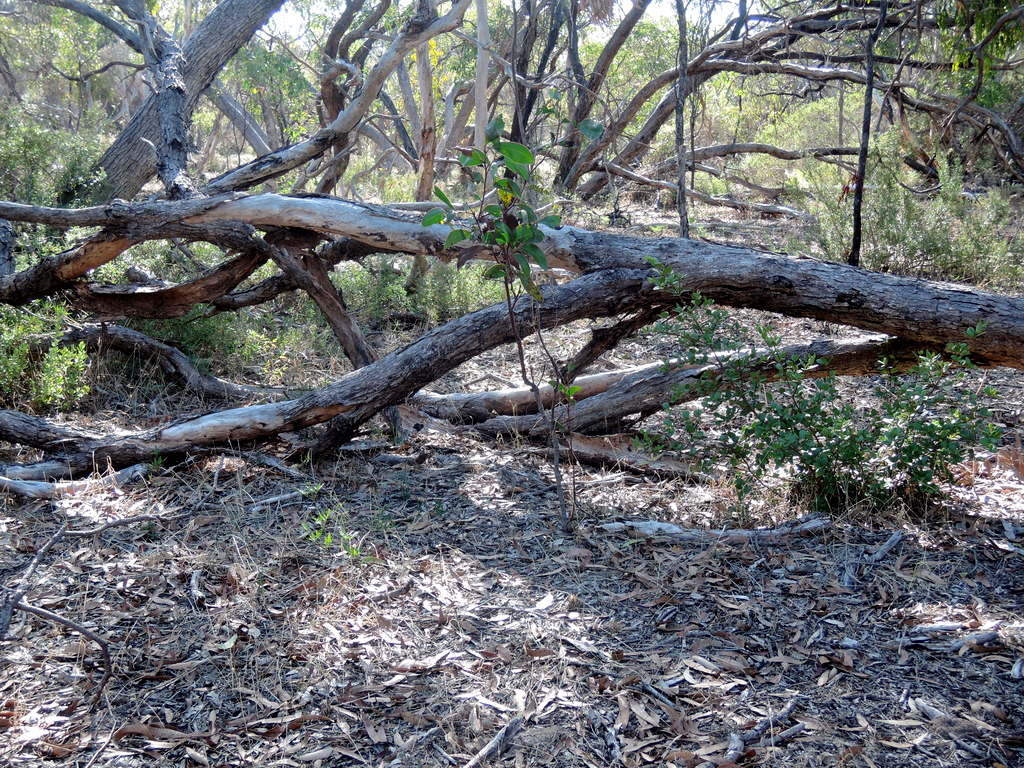
In the bush,
dry twigs crackled beneath my feet,
and the odd flower bloomed.
DSCN2678
Winter stole closer,
like afternoon shadows
creeping across sandy ground.
DSCN2692

Everyday cake

Other people’s words about … cake

The other day, in a dark moment, I was trying to compile a list of things that make me feel better when I’m feeling bad.
(I write these lists often. You can draw your own conclusions about what this says about me!)
DSCN2556
One of the things that’s always on my list of consolations is: CAKE.
Cake never fails, right?
Lovely blogger Stacy Ladenburger talks about this over on her blog Delightful Crumb.
Her solution is something she calls ‘
Everyday Cake’ —
a cake to eat and bake through all life’s trials and tribulations.

DSCN2033

Everyday cake.
Even the idea consoles me …

Note:
I have never posted a recipe on my blog, and don’t intend to. One reason is my self-imposed word limit. It’s hard to publish a recipe in a post that’s 101 words or less.
But if you would like a recipe for everyday cake, I’d try Stacy’s recipes here and here.
And whatever recipe you try, I hope that baking and eating the end-result will console you as I have found it consoles me…

Daylight robbery

On Saturday afternoon, I went for a quick stroll on the beach,
shoring the sights up in my memory — and the warmth on my skin — of the last hours of Daylight Saving.

DSCN2658

It was a typical mid-Autumn day.
Windy.
Half-sunny.
Half-dull.

DSCN2661

The sand was wind- and water-rippled.
The gulls’ footprints seemed to blow away as I watched.

DSCN2663

Soon, when I walk on the beach, I’ll wear shoes, socks, a coat, a beanie.
I’ll call the wind ‘bracing’.
DSCN2657
I’ll think of this last long day of light with yearning.
Summer nostalgia — is there a cure?
There should be!

Note:
Okay, a confession: autumn makes me crotchety. I’ll get over it soon, I swear!

Kinship

Other people’s words about … headaches

One of the things I love about reading is the sense of kinship
you can find in another person’s words.
Sometimes, the smallest phrases from a book sing true.

Since he left, a headache had followed Laura, the kind like a bird that settles and soars.

from ‘Questions of Travel’
by Michelle de Kretser

(p. 177)

Sometimes I, like Laura, get headaches that come over me, varying in intensity —
for a few hours, or days, or weeks.
Medication doesn’t help:
and I’ve learned just to sit the headache out.

… she could feel a headache coming on, the close-fitting, all-over kind like a swimming cap made of lead.

(p. 498)

So I find solace and companionship in these words of Michelle de Kretser.
I may never meet her.
But I know how her world is coloured,
and I know that she is kin.

Early Autumn

Sometimes, in early Autumn, the days become sunny in a way utterly unlike summer.
The mornings are cool.
There’s a brief wave of heat in the afternoon,
before coolness returns with evening.

Grey heron standing in a rockpool 22 March 2016 12.12 pm
Grey heron standing in a rockpool
22 March 2016
12.12 pm

I wish you could hear the sounds accompanying today’s photo.
It was still.
Hot.
Intensely sunny.
I could hear gulls’ legs moving through the water,
and tiny rock-creatures made bubbling noises beneath the surface.

By late April, this weather will vanish,
and the grey skies of Autumn will begin.
You have to treasure these moments, don’t you?
Treasure them.
Treasure them.