
Other people’s words about … accessing feelings
The exams are over and we’ve had the graduation party at school. Everyone cheered now that they were leaving the ‘red prison’, and I cheered loudest of all. It bothers me a lot that I don’t seem to own any real feelings anymore, but always have to pretend that I do by copying other people’s reactions. It’s as if I’m only moved by things that come to me indirectly. I can cry when I see a picture in the newspaper of an unfortunate family that’s been evicted, but when I see the same ordinary sight in reality, it doesn’t touch me. I’m moved by poetry and lyrical prose, now as always — but the things that are described leave me completely cold. I don’t think very much of reality.
From ‘Childhood‘
By Tove Ditlevsen
Some years ago an older woman said to me that she had noticed she didn’t cry very much anymore. She said that when she was younger she had been someone who cried easily, when she was sad, when she was angry, sometimes when she was happy. But now, in her seventies, the tears didn’t well up anymore.
I remember thinking that that wouldn’t be the case for me. I remember thinking that I would always be someone who cried a lot — too much, probably, rather than not enough. I have always cried copiously and easily and very often self-piteously. I have cried at the most inappropriate times, during moments that weren’t about me at all, moments when I should have been comforting someone, not dealing with my own emotions.

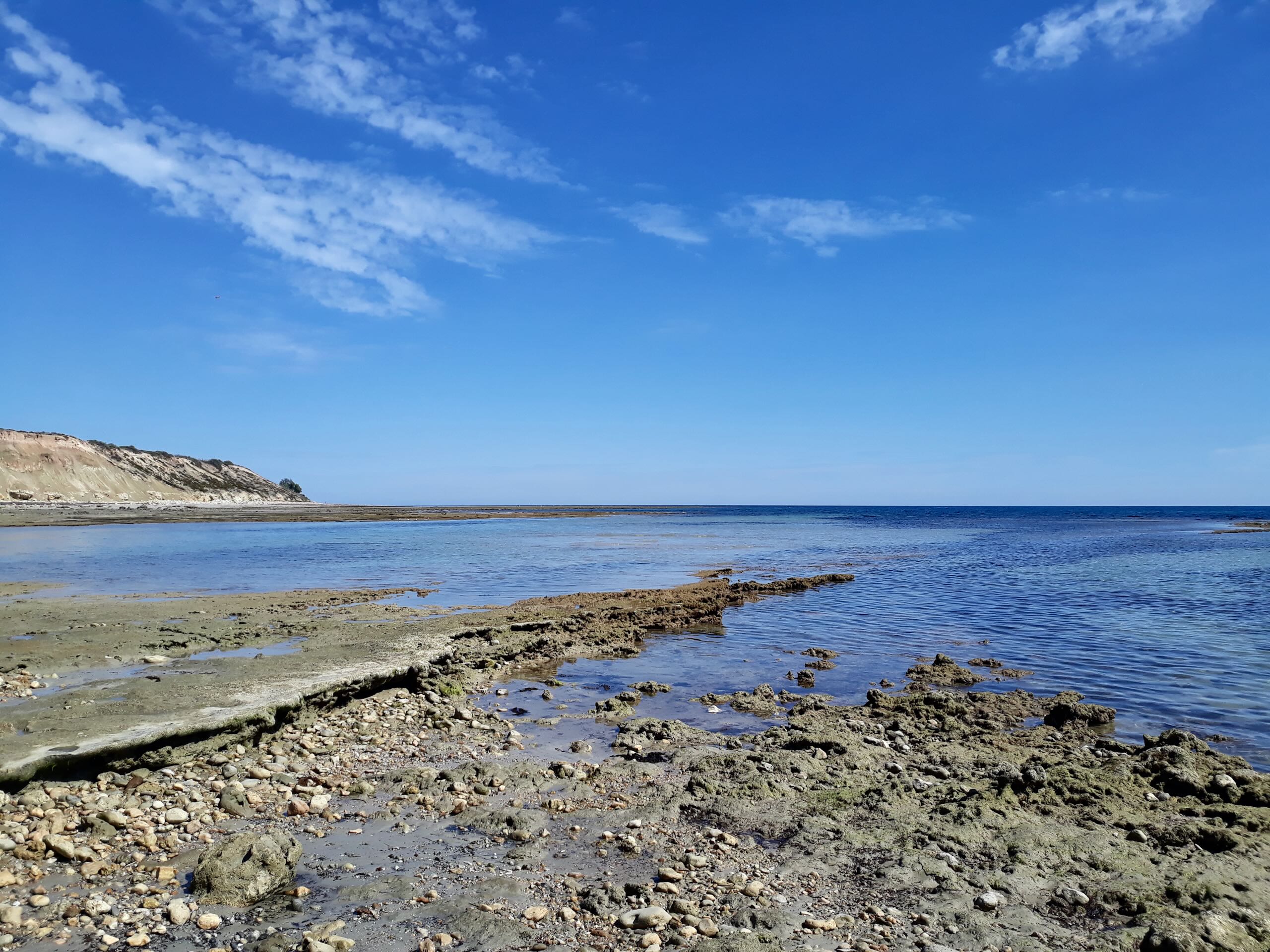
Largs Bay Jetty, April 2025.
And yet here I am, mid-fifties, and it’s happening to me, too. In the passage I’ve quoted above from Tove Ditlevesen’s memoir, Ditlevsen is describing the way she felt as a teenager, but the feelings she expresses in this passage describe the way I often feel now, the way the older woman I mentioned above also expressed feeling. It’s a feeling of seeing sad things, being moved by them, being aware that I’m sad about them even, but not being able to access the sadness itself directly. When I do cry, it’s usually, like the adolescent Ditlevesen, when the feeling is being conveyed to me through another medium — a book, a film, a poem, a song.
I miss crying. Perhaps that sounds odd or self-indulgent, but I miss the feeling that came when my eyes grew hot and tears fell down my cheeks and my throat tightened and my breath snagged. I miss the feeling of being there with my sadness, right there. I miss the feeling that follows a crying bout, too, that feeling of being healed, even if only temporarily.
The world is a sad place right now. People will say in response to this that the world has always been sad for someone somewhere, and that’s true. Partly, then, I say that it’s a sad place from a place of privilege, because I’ve experienced times when it seemed that there was a lot of hope in the world, if you could only learn to access it. Still, when I think about the climate crisis, when I think about Presidents Trump and Putin and Xi Jinping and Yoon Suk Yeol, when I think about the rise of Artificial Intelligence, the world seems to me a very sad place indeed. Would it help if I were able to cry about this? I don’t know. Like the adolescent Divletsen, I don’t think very much of reality.
Lately I’ve been reading …
- Technology appears to extend our connection … (but) while that’s true, it can’t replace intimacy: Willow Defebaugh on loneliness and longevity.
- Sure, it’s voyeuristic (or pornographic if you like), and that’s part of the fun: T M Brown explores reality TV and his curious passion for it.
- Our innocence is chipped away, often gently but sometimes brutally, by what happens to us. Gradually, innocence is transformed to experience, and we begin to understand who we are, how the world is, and what matters most to us: James Bailey asks people what is the meaning of life and receives a variety of answers.
- The great American biologist EO Wilson predicted that human life would not long survive the demise of the invertebrates. But he also devised a plangent term for this epoch from ancient Greek: the Eremocene, a new, isolated place. Our era is not just the human-dominated Anthropocene; it is an age of loneliness: Patrick Barkham reflects on the role of invertebrates on Earth.











 twenty-one words