When you can’t eat anything

Other people’s words about … IBS*

We’ve all been there. There are some days when it seems like everything you eat triggers an IBS attack. This is not your imagination; when your IBS is raging, your gastrocolic reflex can be so sensitive that simply drinking water can trigger dysfunctional colon contractions and IBS symptoms.

When this happens, you need to give your body a rest and stick to the safest foods and drinks possible in order to break the cycle of IBS.

from Help for IBS
a website by Heather van Vorous

* IBS stands for Irritable Bowel Syndrome. Honestly? The acronym definitely sounds better than the full name!

A long time ago, I promised you that I would never publish a recipe on this blog. Today I’m breaking that promise.

I’ve talked often about how much I love to bake and eat cake. These days, I enjoy every part of the process — stirring, whisking and beating the mixture; smelling it cooking in the oven; eating it afterwards. Sharing it with someone. Setting aside slices for my parents when I next see them. Eating a sliver after dinner each night. I’ve come to believe that these things are, contrary to what one might think, healthy things to do.

dscn3005

The older I get, the more I believe in these rituals, at least for me. For most of my late teens and twenties, and even during my early thirties, I was stuck in a pattern of abstinent eating, though my abstinence varied in its severity and compulsion, and definitely waned as I moved beyond late adolescence. At various times, I have been low-fat, vegetarian, pescatarian, gluten-free, wheat-free, bread-free, red-meat-free, dairy-free.

In the early days, the reasons for my restrictions were purely about trying to keep myself at an artificially low weight, though I would never have admitted this then, either to others or to myself. Later, the reasons for restricting my diet were less about my weight and more about my health. When I was diagnosed with IBS some years ago — which was an explanation, at least, for some of the weird ways my digestive system behaves — I obediently tried the Low Fodmap diet, as my GP suggested. (It didn’t work. I felt worse.) When I had glandular fever with persistent fatigue some years later, I tried a grain-free diet, on the advice of various paleo enthusiasts on the internet. (Uugh. This was a disaster. Never again.)

I discovered Heather van Vorous’s website and book some years ago, and found it more helpful than anything I’ve ever come across. She is not a doctor or a dietitian or a scientist: she is someone who has suffered from severe IBS all her life. Her suggestions read a lot like the dietary advice we were all given in the 1980s and early 1990s, and so run counter to the current prevailing dietary guidelines for people with health issues. In essence (and I’m massively over-simplifying here), she advocates regular and frequent consumption of foods containing carbohydrates and soluble fibre — particularly simple, starchy foods like white rice, pasta and bread. Meanwhile, she suggests reducing or altering your pattern of consumption of foods high in fat, like avocados and coconut, along with foods high in insoluble fibre, like lettuce and prunes. She also recommends reducing or altogether omitting consumption of red meat, dairy products and alcohol. I don’t follow her guidelines all the time, particularly the omission of those last three things, but when I am experiencing a bad bout of IBS, I find her guidelines both effective and comforting.

In the end, we are all individuals: our bodies react individually to whatever we put in them, and to the environment around them. There is no one perfect diet for good health and longevity. Health is a complex beast, referring to our physical and mental wellbeing, genetically inherited tendencies, life events and personal belief systems. Doctors and dietitians — and internet health gurus, particularly — would do well to remember that.

dscn3007

What does all of this have to do with cake?

First, over the years, I have come to the conclusion that restriction and abstinence, in whatever form they appear, will never be healthy practices for me personally. They may make my body temporarily healthier, but my mind and my mental wellbeing suffer. And that’s no longer acceptable to me. It hasn’t been for years.

Second, when I’m sick, or experiencing a bad case of IBS, sometimes cake is the answer. That may sound counterintuitive, but, truly, there is a cake for every occasion. The recipe below is what I call my ‘comfort cake’. Even when my stomach is wobbly and uncertain — when cauliflower and bananas are no-go zones; when, as Heather van Vorous puts it, even a glass of water can trigger symptoms — I can eat this cake. Perhaps it’s the spices in it, most of which are carminative and some of which also have anti-emetic effects. Perhaps it’s the starch. Perhaps it’s purely psychological. Whatever the reason, this cake settles my stomach; it calms my system down; it’s safe. At the same time, it tastes good and it feels like a treat. I’d go so far as to say it’s my own particular everyday cake.

This may be the only recipe I ever post on my blog. I’m posting it here because it represents something that has become a core belief for me during the time I’ve been writing this blog — which is to say, the importance of finding, and sticking to, your own kind of wellness, no matter what anyone else says, even (especially?) the experts. I’m posting it, too, for those of my readers who have a wobbly stomach like me but haven’t found anything that eases it. (You never know — this might.)

Most of all, I’m posting this recipe because I hate that saying ‘have your cake and eat it’. Why would you have a cake and not eat it?

Chocolate comfort cake

Note:
This recipe is based on an original recipe by Heather van Vorous, although I have altered it, over the years, almost beyond recognition. If you make substitutions to it, please know that it may not turn out as you expected or as I have suggested. In particular, this cake does not work well if you make it with solely gluten-free flours, due to its lack of eggs and its low fat content.

Ingredients:

1 x 410 g can pears in natural fruit juice
2 cups spelt flour
2 small teaspoons bicarb soda/baking soda
1 tablespoon of almond flour or coconut flour
1 teaspoon cinnamon
1 teaspoon nutmeg
1 teaspoon ground cloves
1 teaspoon ground cardamom
1 cup sugar
1/3 cup cocoa, sifted
1/4 cup oil

Instructions:

  1. Blitz the pears in their juice in a blender or a nutribullet until they form a smooth puree. Set aside.
  2. In a large bowl, whisk together the dry ingredients until they are well combined and lump-free. Either almond flour or coconut flour works well in this recipe, depending on which flavour you prefer. The coconut flour will make for a slightly lighter but also a slightly drier cake.
  3. Add the pear puree and oil and stir well to form a smooth batter. Don’t overmix, as spelt flour has some gluten in it and over-stirring here will develop the gluten, making the cake tougher.
  4. Spoon into a greased and lined loaf tin and bake at 170 degrees Celsius for one hour or so, or until a skewer inserted into the centre of the loaf comes out clean or with just a few crumbs clinging to it.
  5. Leave to cool in the tin for at least 20 minutes or until completely cool, as this cake, due to its lack of eggs and fat, is crumbly when still warm.
  6. Enjoy a slice or two with a cup of tea. If it is a sunny day and you have a balcony or a garden, go and sit out there and bathe yourself in sunshine while you eat!
  7. When your stomach is feeling stronger, this cake is good spread with a little coconut butter, butter or tahini. It is particularly nice shared with a friend.

The list maker

Other people’s words about … wildflowers

It was the top of the morning, the very cream, and I skimmed it off and crouched in the cornfield, gulping it down … The field ended in a double ditch, and from it grew a mass of flowers in a profusion of colours and forms, such as is seen trimming the edges of medieval manuscripts. Black medick, I counted, buttercup, horsetail, ribwort plantain, hedge woundwort, must mallow and curled dock, the clustered seeds a rusty brown. Wild rose, dandelion, the red and white dead nettle, blackberry, smooth hawksbeard and purple-crowned knapweed. Interspersed with these were smaller, more delicate flowers: cut-leaved cranesbill, birdsfoot trefoil, slender speedwell, St John’s wort, heath bedstraw, tufted vetch and, weaving in and out of the rest, field bindweed, its flowers striped cups of sherbet-pink and white. The stem of the knapweed was covered in black fly, and a spider trap shaped like a dodecahedron had annexed a few pale purple flowers of vetch inside swathes of tight-woven web.

from ‘To the River
by Olivia Laing

I have quoted from Olivia Laing before, I know. Still, one day a week or so ago as I went for a bushwalk, I couldn’t help thinking again of To the River. In particular, my thoughts kept returning to the passage I’ve quoted above. We’ve had an extraordinarily wet, windy spring here in South Australia this year — a spring that’s left me craving our usual harsh, dry, crackling heat. But the ‘up’ side to the lower temperatures and higher rainfall has been the abundance of wildflowers.

That day, as I strolled along the path, it felt to me as though I was walking on a carpet of flowers. Whistlers burbled in the trees above me — I spied both golden whistlers and rufous whistlers — and wattlebirds clucked, and magpies warbled, and I am sure I heard the call of a curlew or a godwit, though I really don’t know whether that’s possible in the part of the world through which I was walking.

Meanwhile, the rug of flowers went on spreading out before me.


As I walked, I found myself doing exactly what Laing does in the passage above: counting the flowers. I saw each flower; I named it; I knew it. I made my list as Laing made hers, and though we live in different hemispheres, and our lists are very different, I suspect that the joy I felt in making my list was somewhat akin to hers.


If I was an artist or a calligrapher — if I was a mediaeval scribe — I would decorate the edges of this post with the flowers I saw that day, in reference to the illuminated manuscripts Laing mentions above. But I am none of those things, so my photos will have to suffice. (As usual, hover your cursor over the photos to see the name of each flower — or my attempt, at least, to identify and name each one. Part of the pleasure in list-making is the knowledge that some of the names on the list might be wrong. I learn as I go.)

Perhaps you might like to think of these photos as a kind of pictorial version of the list I made that day, or as evidence of the carpeted path I trod, or as a simple expression of my joy.

They’re all of those things to me.

A shock of pleasure

Other people’s words about … the sea

The narrow trail I had been following came to an end as it rose to meet the old grey asphalt road that runs up to the missile guidance station. Stepping from path to road means stepping up to see the whole expanse of the ocean, spreading uninterrupted to Japan. The same shock of pleasure comes every time I cross this boundary to discover the ocean again, an ocean shining like beaten silver on the brightest days, green on the overcast ones, brown with the muddy runoff of the streams and rivers washing far out to sea during winter floods, an opalescent mottling of blues on days of scattered clouds, only invisible on the foggiest of days, when the salt smell alone announces the change. This day the sea was a solid blue running toward an indistinct horizon where white mist blurred the transition to cloudless sky.

from ‘Wanderlust
by Rebecca Solnit

Rebecca Solnit’s words remind me of my own jaunts to and from the sea. So, no more words from me today — just a gallery of pictures I’ve taken over my own years of oceanside ramblings. You’ll recognise many of these pictures from earlier posts, no doubt, but collected here they convey, I hope, the many moods of the sea.

(Hover over the pictures to see their connection to the words above.)


Where song begins

Other people’s words about … birdcalls

A bird calls with a sound like a pot being scraped,
and the moist air is cool on our skin.

from ‘The Collaborator
by Margaret Leroy

I love the way that worlds sometimes collide in the space of a few words. What kind of bird is Margaret Leroy describing here? I’m not sure: the characters in her book live on the Channel Islands during the Occupation in World War II — which is a long way from Australia.

And yet when I read her phrase, I thought instantly of our native red wattlebirds.

Wattlebirds (from a photo of a sheet of Earth Greetings wrapping paper: https://www.earthgreetings.com.au)
Wattlebirds
(from a photo of a sheet of Earth Greetings wrapping paper: https://www.earthgreetings.com.au)

Australian birds are known for their startlingly loud calls. In fact, biologist Tim Low has devoted a whole book to this theme. In Where Song Began, he proposes that Australian plants produce such an abundance of nectar that some birds — honeyeaters in particular, including wattlebirds — have evolved with strong aggressive tendencies, which enable them to fight over and defend their sources of nectar. Their loud, harsh calls are a part of that aggression. (You can find a brief summary of this argument here.)

I have struggled for years to come up with words to describe the calls that red wattlebirds make. They are a mixture of chuckles, coughs, clicks, screeches, rattles, squawks and whistles: you can hear a sample on the website Birds in Backyards, whichprovides a link to a recording on this factsheet. (Click on ‘Top 40 Bird Songs’ at the top of the factsheet, and then click on the ‘Soundfile’ for the red wattlebird, which is the fourteenth bird on the list. But turn your volume up first. Wattlebirds are very noisy.)

Wattlebird on a wire

The recording misses something, though, as do my words. Neither effort really conveys the sound of the wattlebird’s call accurately: somehow, Margaret Leroy’s words come closer.

Serendipity, perhaps? Now, whenever I hear a wattlebird call, I will think of these words.


Because

Other people’s words about … settlement

It is no wonder that most Adelaide inhabitants have little idea of what the pre-European vegetation of the Adelaide Plains looked like, because over vast swathes of suburbia, unless one knows exactly where to look, it is basically all gone and has been for over a hundred years. Add to this the interest in recent decades in planting Australian natives that may have been sourced from regions over a thousand kilometres away and there is little wonder that confusion exists about the identity of the truly indigenous plants of the Adelaide Plains.

from ‘The Native Plants of Adelaide
by Phil Bagust and Lynda Tout-Smith

One of my favourite places to spend time in is Aldinga, south of Adelaide, though I didn’t grow familiar with it until I was well into adulthood. When I was a child, Aldinga was still a little coastal country town within driving distance of Adelaide. City people spent their summer holidays there each year. That was all I knew about it.

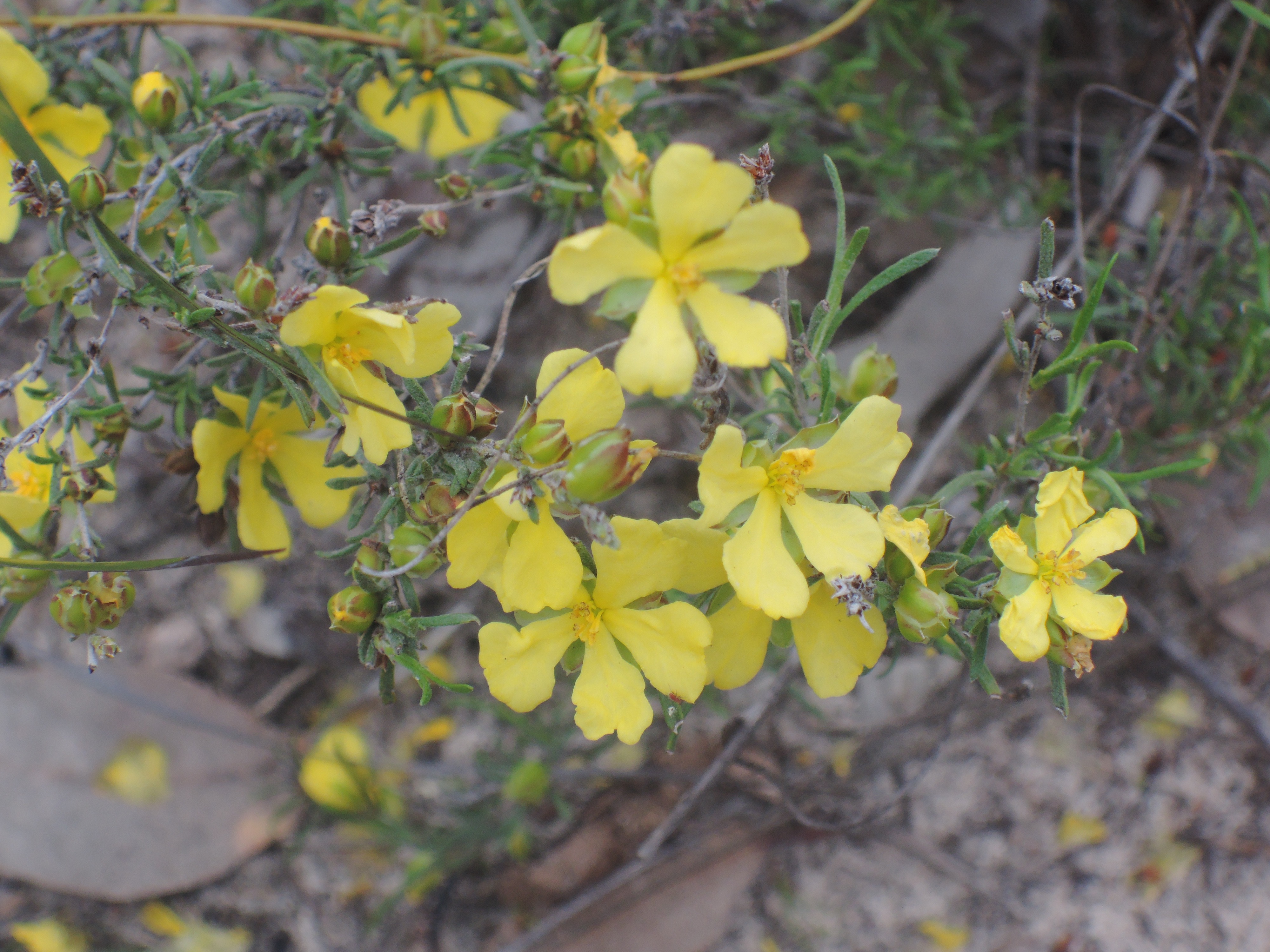
Guinea flower (hibbertia)
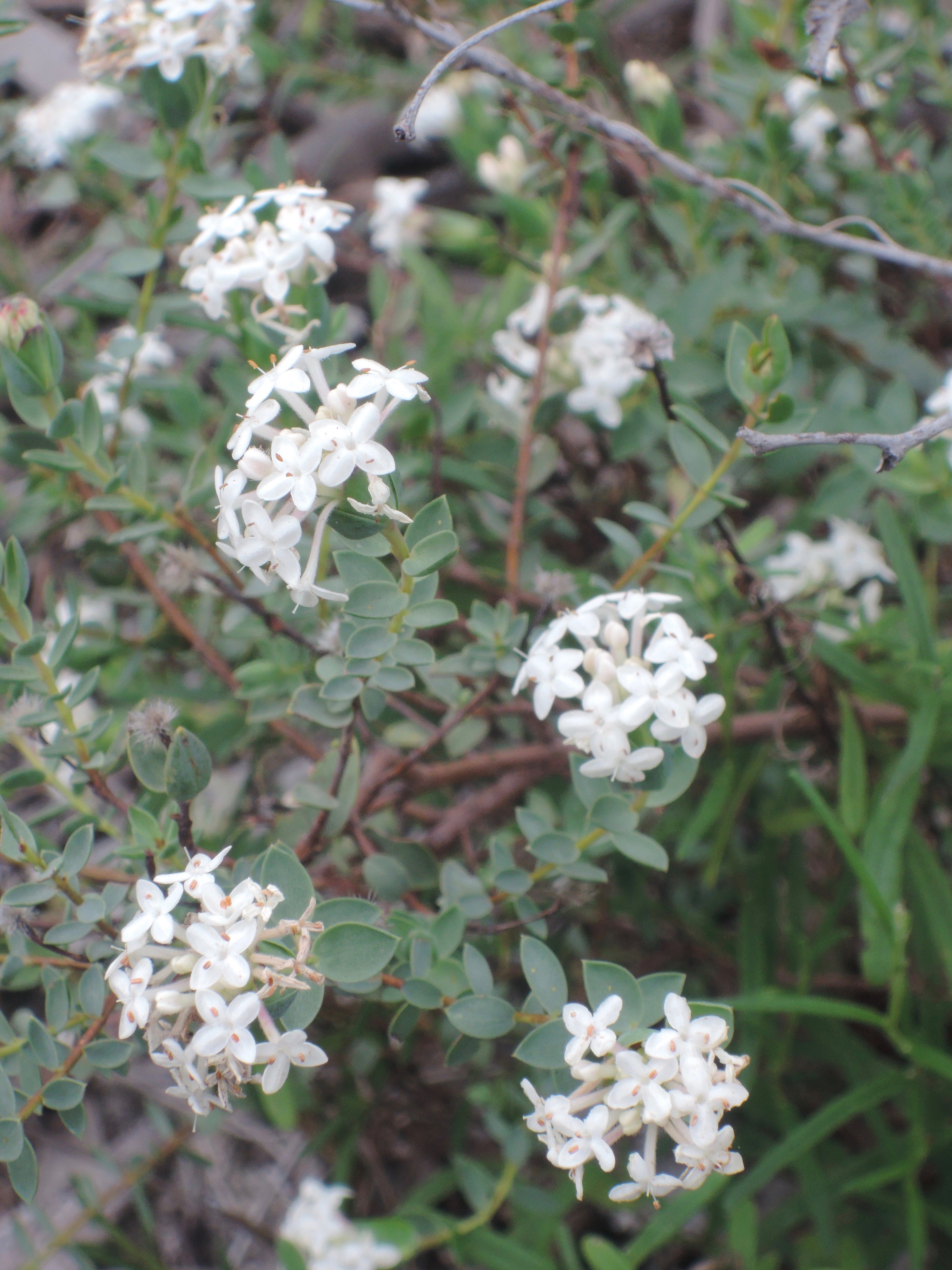
Smooth riceflower (pimelea glauca)

Aldinga isn’t a small country town anymore: over the years, it’s been swallowed up in the growing suburban sprawl — those vast swathes of suburbia — along the coast north and south of Adelaide. It’s no longer a holiday town, either. People travel farther afield these days for their holidays, mostly overseas. Many of the beach shacks have been knocked down, but some still stand.

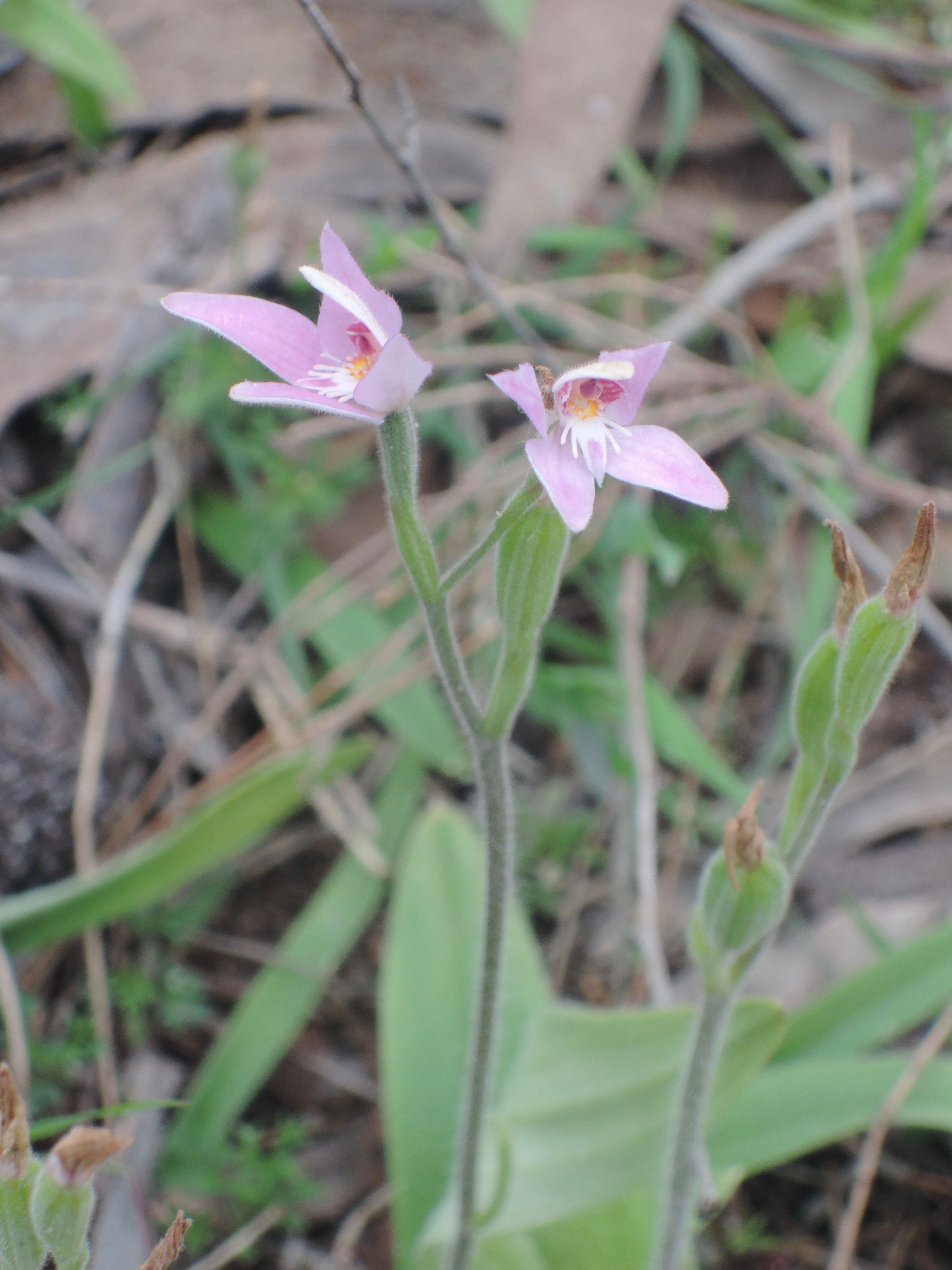
Pink fairy, a spider orchid (caladenia latifolia)
Old man's beard (clematis microphylla)
Old man’s beard (clematis microphylla)
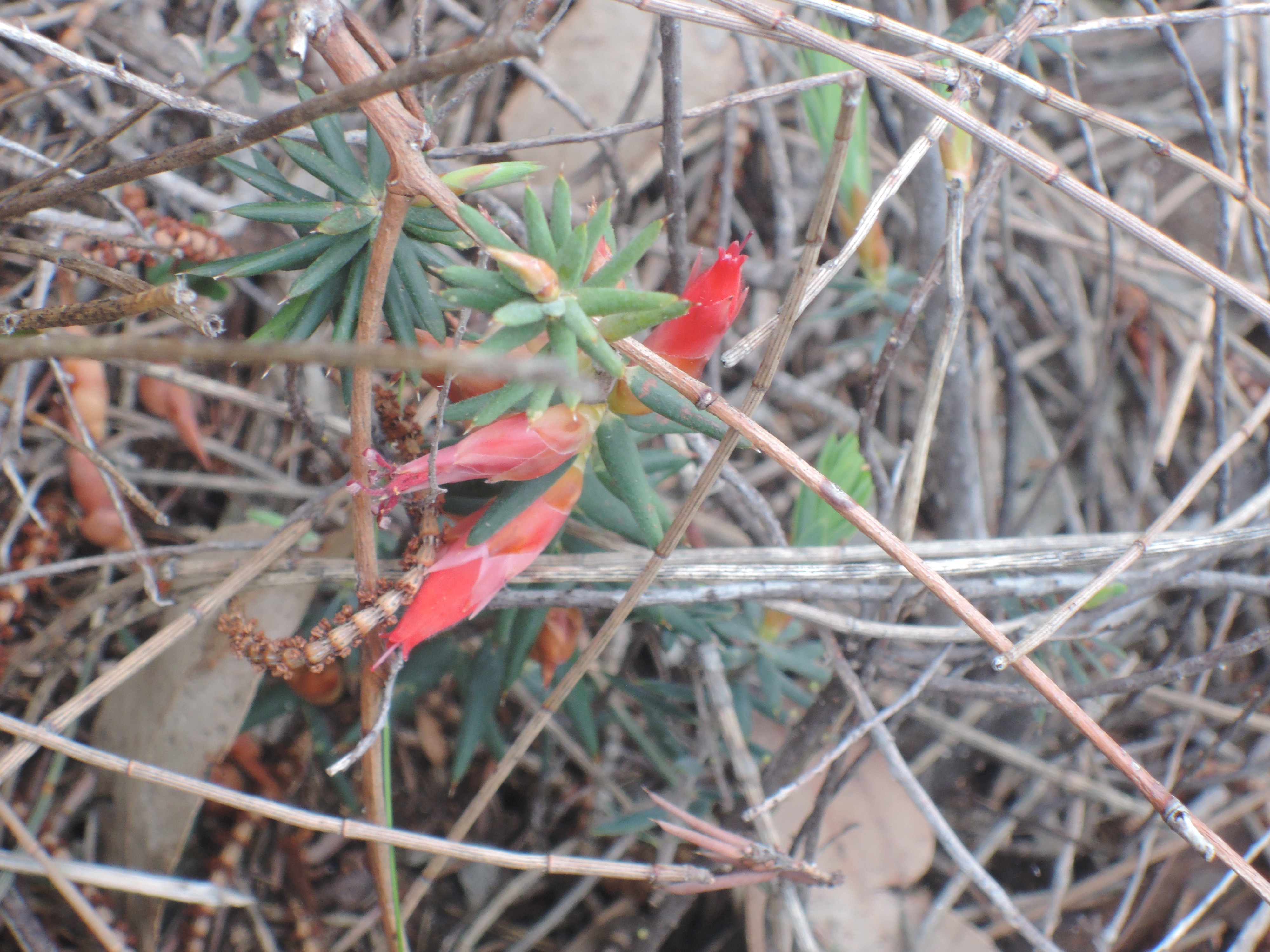
Flame heath (astraloma conostephioides)

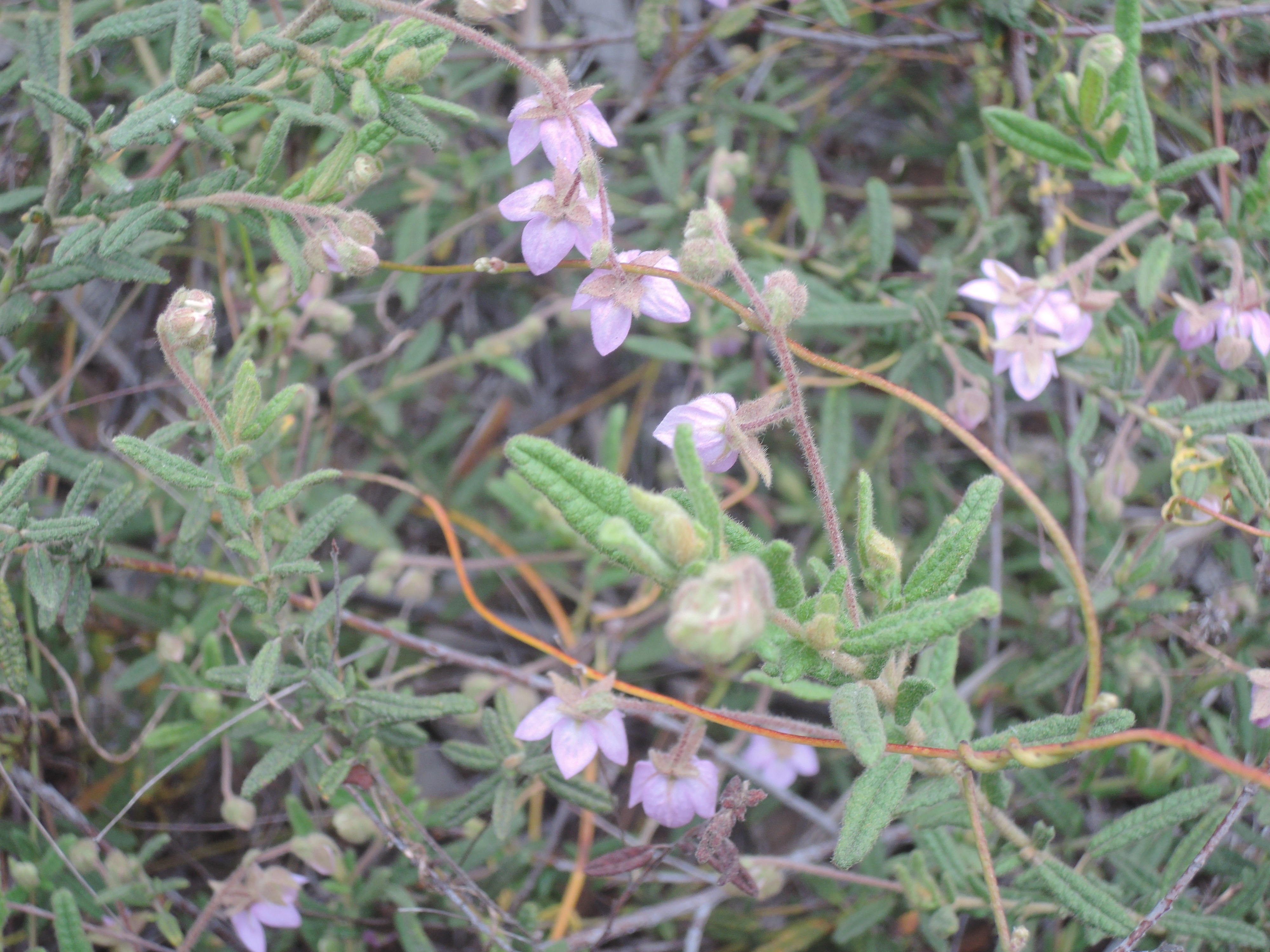
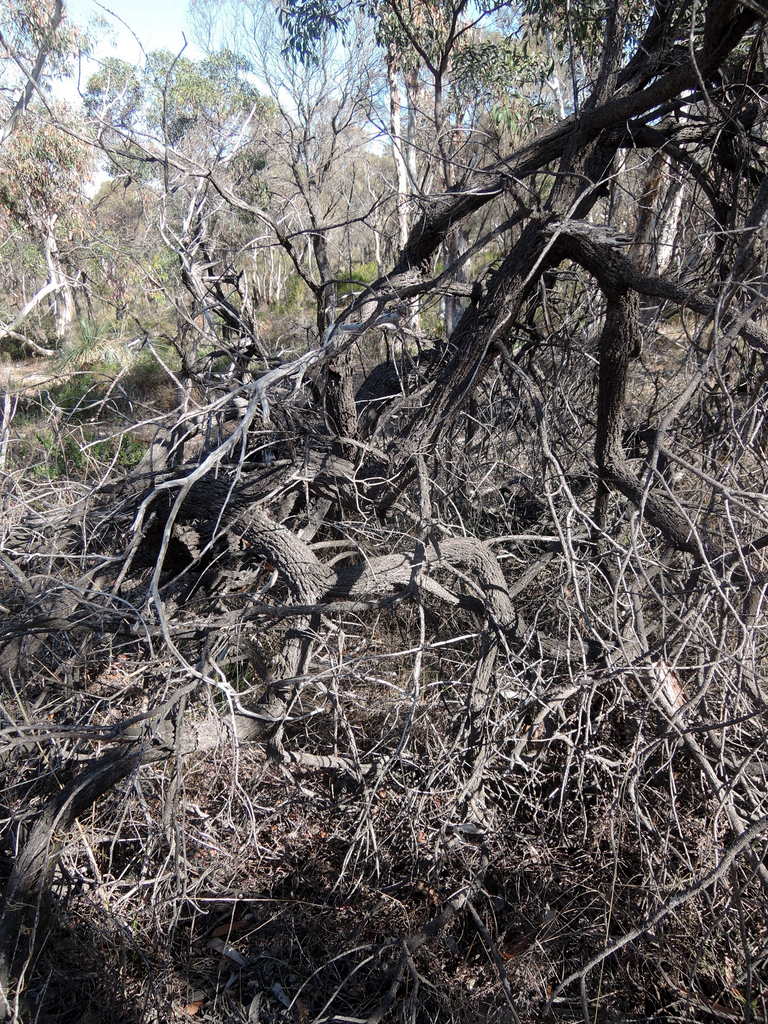
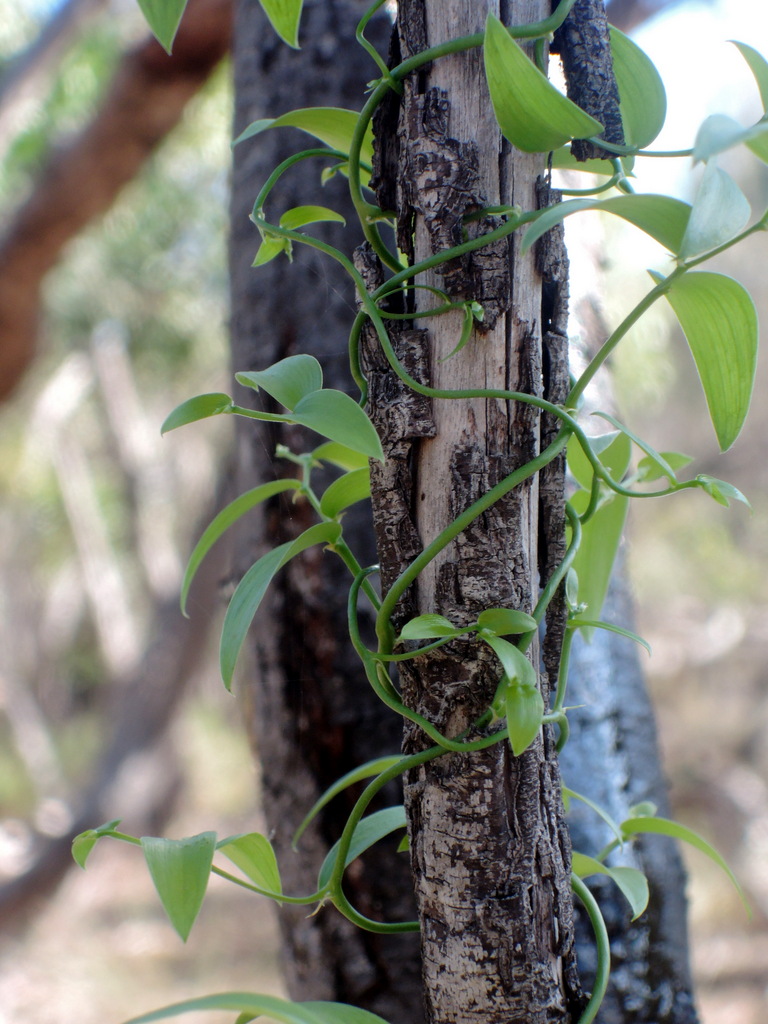
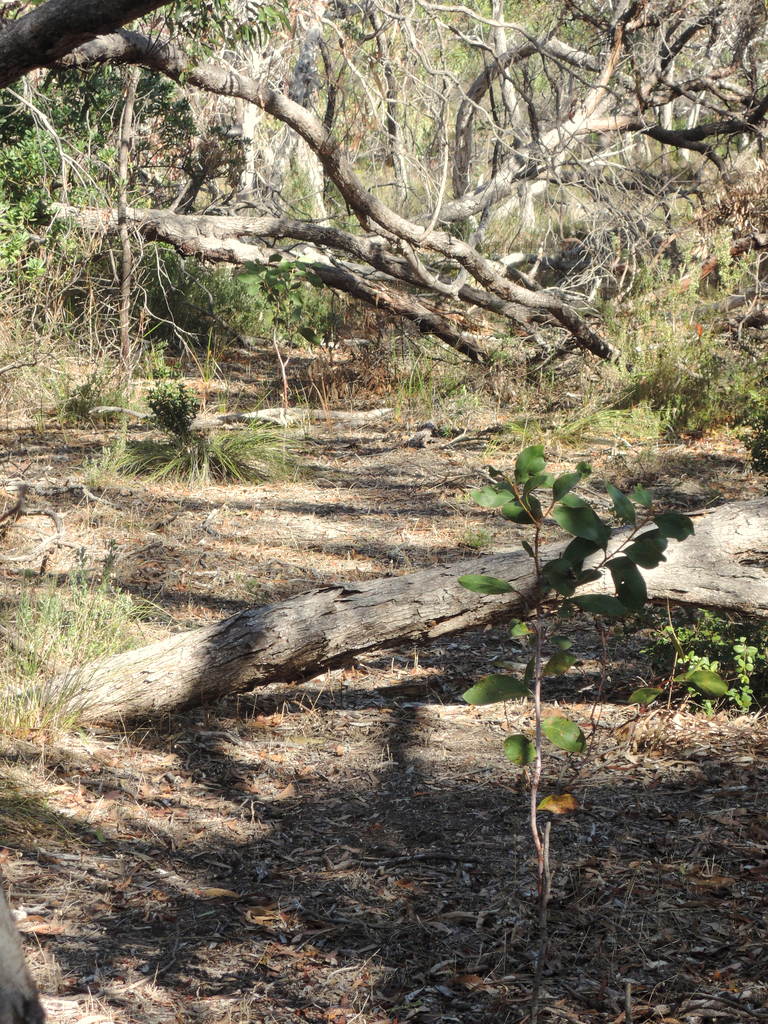
Aldinga Scrub is a patch of native coastal vegetation growing just inland of the beach: an environment of dense, bushy vegetation growing on low sandy dunes. As a child, I didn’t even know of its existence, though now I try to make the effort to visit it as often as I can. It is, in fact, the only patch of remnant (pre-European) coastal vegetation left in South Australia. It’s not pristine — there are many weeds growing in it. The climate within the Scrub itself has changed, too, due to the diversion of natural stormwater by farmers onto encroaching farmland.

And yet, wandering through on a precious day off work — listening to the songs of the shrike-thrushes and whistlers and magpies and fantails; stumbling across a lone echidna trundling through the undergrowth; standing back to allow a kangaroo with a joey in her pouch bound past — I feel as though I get a hint of what the place was like before European settlement. Hence the photographs on today’s post, which I took on a visit in mid-September, as spring took hold of the Scrub.
Paper-flower (thomasia petalocalyx)
Variable groundsel (senecio lotus)

I’ve never named the Scrub explicitly on my blog before, though I’ve posted many photographs from my visits to it. I feel fiercely protective of the place — because of its unique status; because I discovered it late in life; because I know that the more that humans like me encroach upon it, the more it disappears. Because, because, because.

Meanwhile, whenever I visit the Scrub, I continue to teach myself the names of the native birds and animals and plants and insects who inhabit it. I wander about, learning and wondering. I may never really know its original nature, but I plan to go on teaching myself about it until the day I die.

Snatched phrases (on books)

‘A book is a heart that only beats in the chest of another.’

from ‘The Faraway Nearby
by Rebecca Solnit

Sometimes, when I’m reading, a small phrase or a sentence will catch my eye, hidden away in the middle of the paragraph, or at the bottom of a page. Perhaps the words in that phrase snag my attention because they are beautiful; or perhaps the thought behind the phrase is beautiful — complex and lingering — despite the simplicity of the actual words.

I write these phrases down in a notebook and treasure them, as you might a necklace your mother gave you when you were a young woman, or a china teacup that once belonged to your grandmother. Sometimes, when I’m writing them down, the word ‘stolen’ creeps into my mind: there is something about the act of recording them which makes me feel I have snatched them from their creator and reappropriated them as mine, storing them inside my heart.

Snatched phrases: today’s post, quoting Rebecca Solnit’s beautiful words about books, is the first in an occasional series here with this theme. However you think of these words, whatever your definition of the word ‘stolen’, they are yours now, too. Writers write for others, after all; writing is about the transmission of words and ideas from a writer to his or her readers — readers like you and me.

And they are not really stolen at all, these words. It feels that way at first, because they are so precious and so beautiful. But in fact, it is the other way around: the words have stolen our hearts. To read is to be captured, over and over again. I can think of no better form of thievery.

At ease on this earth

Other people’s words about … beauty

I am haunted by waters. It may be that I’m too dry in myself, too English, or it may be simply that I’m susceptible to beauty, but I do not feel truly at ease on this earth unless there’s a river nearby.

from To the River
by Olivia Laing

Haunted by waters. Isn’t that a beautiful phrase?

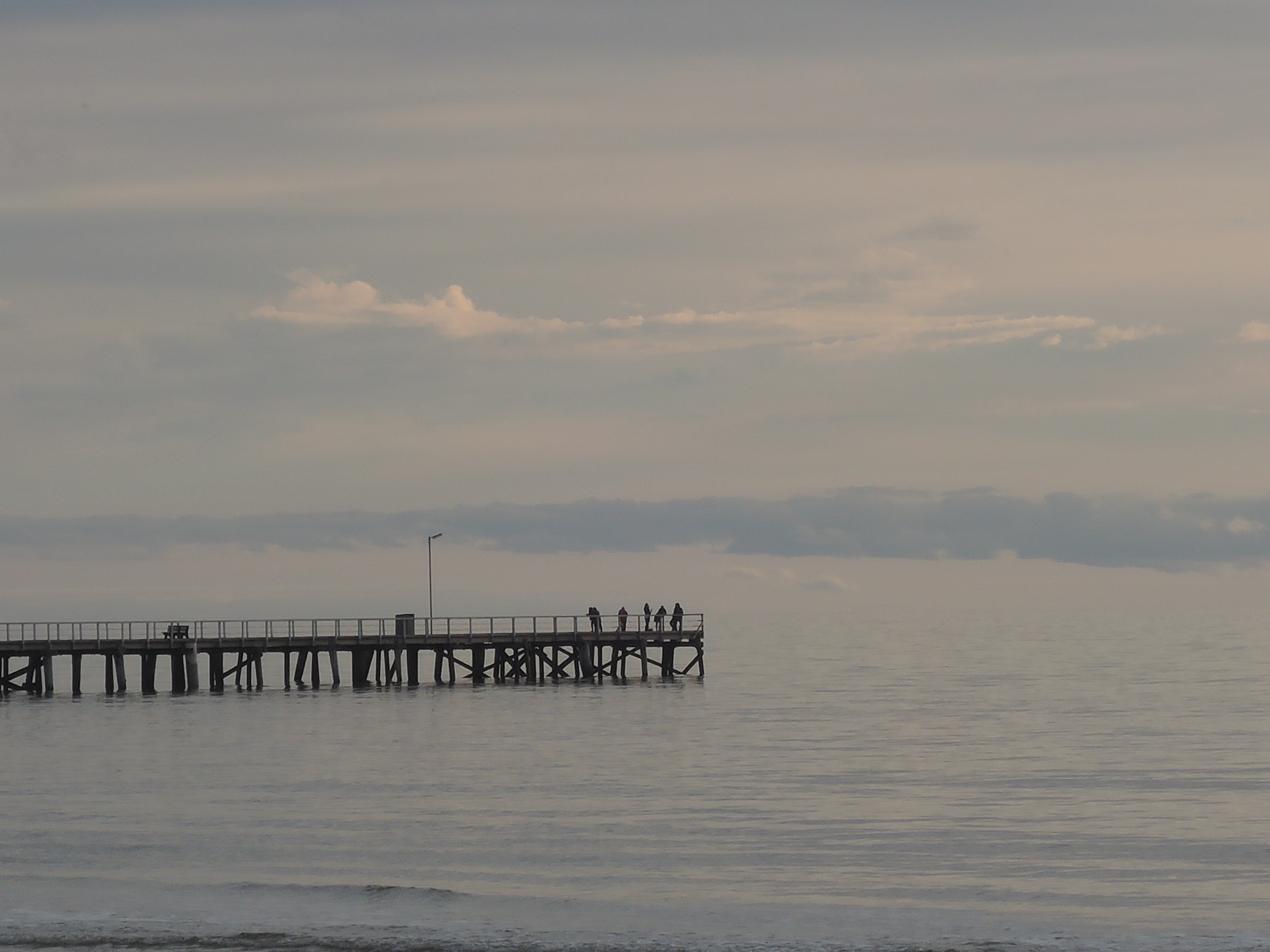
Though the words I’ve quoted above are about a river rather than the sea, still, they ring true for me. For most of my adult life — except for the two or three years I spent in my early twenties, travelling and working abroad — I have chosen to live within walking distance of the sea. In my late twenties and thirties, as I’ve mentioned before, I lived in a series of share households: different houses every eighteen months or so, different housemates. But each of those houses was close to the sea.

These days, I live in a house just a few minutes’ walk to the beach. Open a window, and you can hear waves rolling onto shore. Step onto the front porch, and you’ll smell seaweed drying out beyond the water’s reach — a damp, bleached, faintly rotten smell. Look around indoors, and you’ll see drifts of sand piling up in the corners.

The sea surrounds me. It’s how I make sense of things. It’s how I feel at ease.

DSCN2831

There’s another phrase I love in the words above: susceptible to beauty.

Like anyone else, I have good days and bad days. There are days when I feel at home, here on this earth: when my skin feels comfortable beneath the layers of my clothes, and the warmth of the sun feels kind and good. And there are days when the world seems vast, alien, spinning, remote. What gets me through those latter kinds of day are tiny moments of beauty, out there by the water: pinpricks of sunlight sparkling on the tips of waves, like sequins on a piece of cloth; clouds chasing across the horizon, billowing and grey; a cluster of yellow flowers growing in the dip of a dune, petals cupped to reflect the light.

DSCN2833

I took the photographs you see here late one August afternoon, just a few weeks ago. Sitting at my desk, working at my computer, I felt hemmed in suddenly: by streets and footpaths, by fences and cement driveways, by the sound of my neighbour hawking up sputum in his bathroom. The longing to get away from all of that was so strong it felt akin to starving. I felt hollow through and through.

I shut down my computer, stepped outside, and walked down the road to the sea.

DSCN2832

Five minutes later there I was, standing on the sand, looking out at the water and the sky. It was close to sunset and I wandered a while along the shore, released at last: from work and worry and words. And I saw something, then, that I don’t know how to describe, though I’ll try: I saw spring coming. The air had a certain quality to it — a softness, perhaps, after the steely bleakness of winter. I thought that if I reached out with my hand I might touch that beautiful softness. It seemed possible, just for a moment.

Looking at the photographs now, I don’t see what I did then. Perhaps you don’t, either. But I know that I saw it, all the same. It was one of those moments — those tiny moments of beauty — to which I, like Olivia Laing, am susceptible.

I am grateful for those moments, is what I’m trying to say. They give me a kind of gladness. They bring me home.

Gladness

On a windless, clouded afternoon at the end of May,
I go for another bushwalk.
I’m greeted at the start of my walk by one of my favourite native birds,
the kookaburra:

Its laughter echoes through the scrub for the first ten minutes of my walk.
Then comes magpie song:

A kangaroo regards me intently from afar.

The only bush in flower is one whose name I don’t know.
Its flowers grow in tiny, white clusters and smell sweet and rich, like honey.

It’s quiet in the bush,
and I, too, am quietly gladdened for my time there.

Autumn sun

April 2016

DSCN2689

In the Northern Hemisphere, they call it Indian summer:
a hot, dry start to Autumn.
That’s what we had here last month —
DSCN2675
— warm, sunny days.
Still nights.
No rain.
DSCN2696
In the bush,
dry twigs crackled beneath my feet,
and the odd flower bloomed.
DSCN2678
Winter stole closer,
like afternoon shadows
creeping across sandy ground.
DSCN2692

Running and baking

Other people’s words about … running

I’ve been reading Y Lee’s lemonpi blog on and off for years. She is Australian and she loves to bake. What more can I say?

I was tickled by her recent post entitled When exercise ruins your waistline, in which she says how much she loves running, and then adds:

Running gives me time to think. Unfortunately, most of my ‘thinking’ tends to veer sharply towards the solemn contemplation of potential baked goods (thereby negating all the good work that running accomplishes). Which is incidentally how I came about to make a big batch of shortcrust pastry.

Inspired by this thinking, I went for a big long walk on the beach (my current version of running), and conjured up visions of what I might bake next … Not good for the waistline, assuredly, but very good for the spirit!