Out and about … but still reading!

I don’t have a quote for you today: just a link to a post by the lovely Sophie of Wholehearted Eats, whose healthy-cooking blog I often drop in and read. In her post, Sophie, someone who has experienced anxiety all her life, suggests creating an anxiety toolbox — a kit you can (metaphorically) carry around with you at all times, full of techniques and strategies you can use when and if you need to. I’ve often toyed with the idea of sharing some of the techniques that I’ve learned over the years to cope with anxiety, she writes, but never got around to it.

Till now, that is.

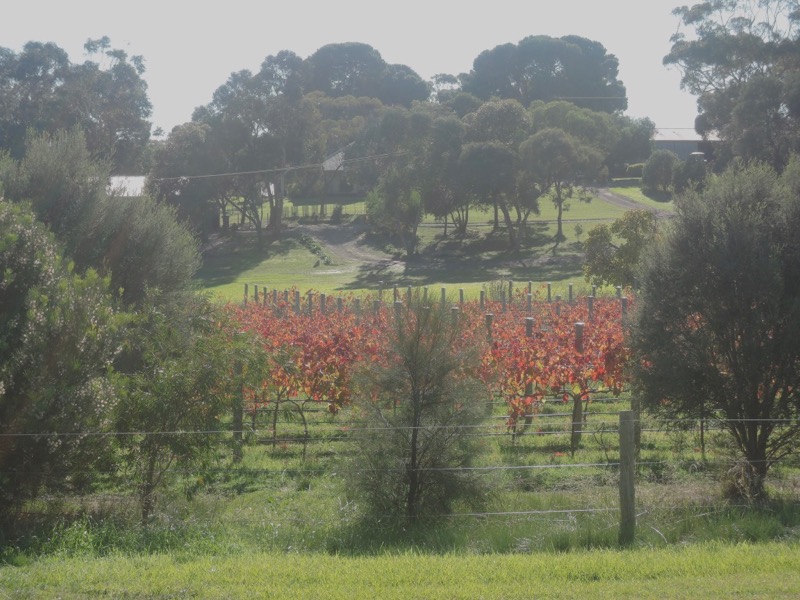
Vineyards

Head on over and see what you think. Perhaps you, like me, will find some of Sophie’s techniques helpful.

Meanwhile, as for me, I’ve been out and about a lot on my bike recently, exercise being one of the greatest feel-good strategies I know and keep in my own toolbox. The gorgeous sunny weather we’ve been having this autumn and winter has added to the joy I’ve felt getting on my bike.

Eucalypt and vines
The different shades of autumn

The photos in today’s post all come from one of my recent bike rides. It was a still, sunny day, and every moment of that ride was uplifting.

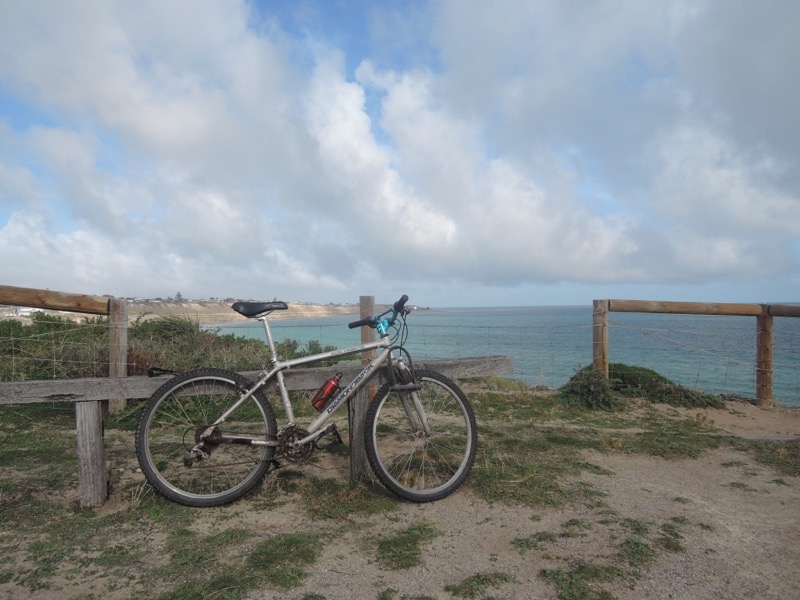
At the top of the hill
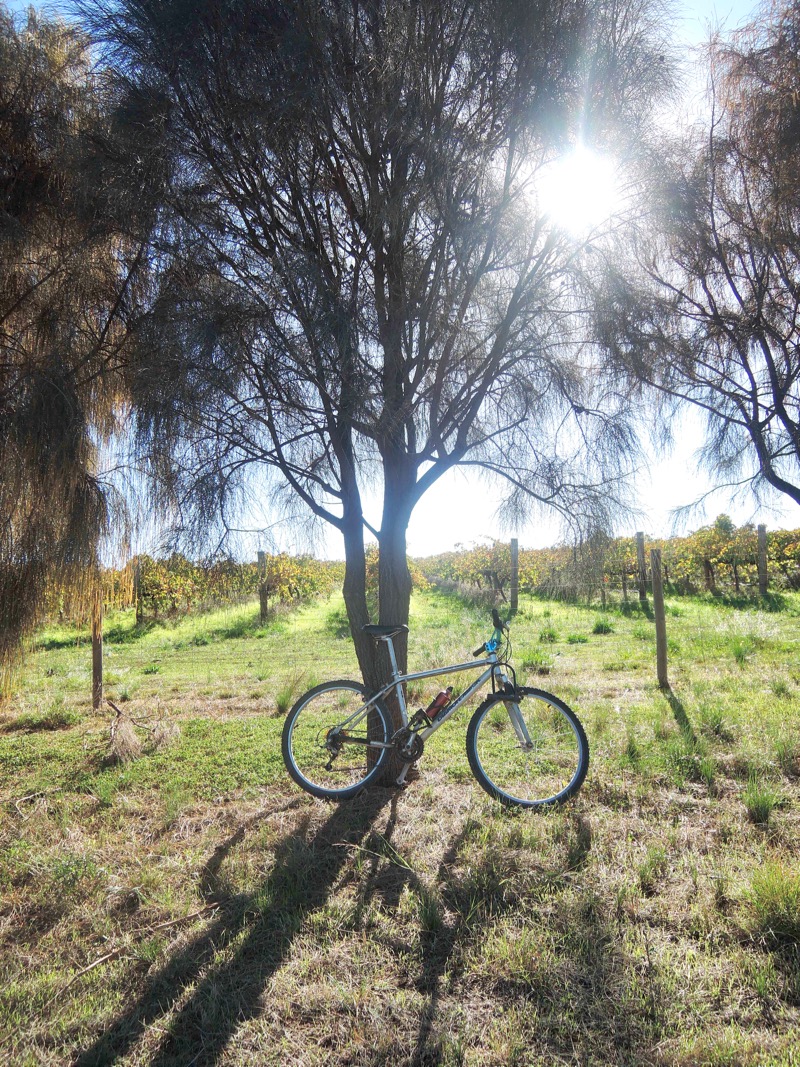
Sheoaks in golden bloom, vineyards and … my bike (of course)

I hope these photos leave you feeling uplifted, too.

A beautiful thing

Other people’s words about … appetite

To say that I ‘lost’ my appetite during those years would be a joke. On the contrary, I ate, slept, and breathed appetite. I thought about food constantly, pored over food magazines and restaurant reviews like a teenage boy with a pile of porn, copied down recipes on index cards: breads, cakes, chocolate desserts, pies with the richest fillings, things I longed for and wouldn’t let myself have. In truth, I had appetites the size of Mack trucks — driving and insistent longings for food and connection and bodily pleasure — but I found their very power too daunting and fearsome to contend with, and so I split the world into the most rigid place of black and white, yes and no.

from ‘Appetites
by Caroline Knapp

Appetite is a strange, fickle creature. I remember feeling, years ago, when I first read Caroline Knapp’s words in the passage I’ve quoted today, an overwhelming sense of recognition and kinship. I have always had a strong, keen appetite, and back then, when I read Knapp’s book, I felt ashamed of this fact; I fought my driving and insistent longings for food and connection and bodily pleasure.

I don’t feel that way now; my life is on a different keel. In fact, the periodic bouts of nausea I experience lead me to feel the very opposite. During these bouts of sickness, I would give anything — anything at all — to feel hungry.

Part of what I miss when my appetite is gone is the sense of anticipation that I, like all of us, experience with regards to food: the sense of looking forward to something I know will be pleasurable — whether we’re talking solitary pleasures here (sitting on the porch in the sunshine with a plate of cake on my knee and a pot of tea at my feet) or shared pleasures (a meal with family or friends). Anticipation, I realise now, is a pleasure in and of itself. Strip away anticipation and you strip away, with it, a great source of pleasure from your life.
Still, what I have learned is that there are other pleasures to anticipate, apart from food; other things to look forward to; other things, in a way, to hunger for, and then — finally — to savour. These days, the moment I start to feel a little better after a bout of sickness, the moment the nausea begins to fade, I make a big effort to stop languishing inside my house. I take a deep breath and then start seeking out, immediately, the things I know will bring me pleasure.
A while back, I quoted some words from Sarah Wilson about managing anxiety by (to paraphrase) simply doing it, leaving it, and moving on. Wilson’s words, I see, apply here, too. Anxiety, after all, is only one source of anguish: sickness is another. By not dwelling on our anguish, by actively making ourselves move on from it, we allow a sense of anticipation and pleasure to return to our lives.

We allow our appetite for life to flourish once again.
If I could go back in time and give my younger self advice now, I would counsel her to cherish her appetite rather than to be daunted by it (Knapp’s word). I would tell her that hunger and appetite are vital to life. I would tell her that hunger, like appetite, is a beautiful thing. And I would tell her to look up, out and around at the world. To savour the things she sees and experiences. To savour all the pleasures life has to offer.

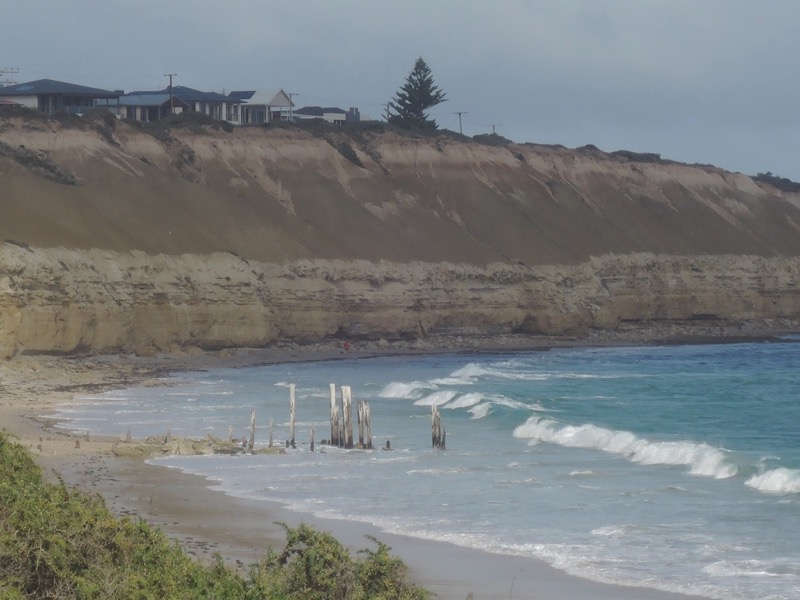
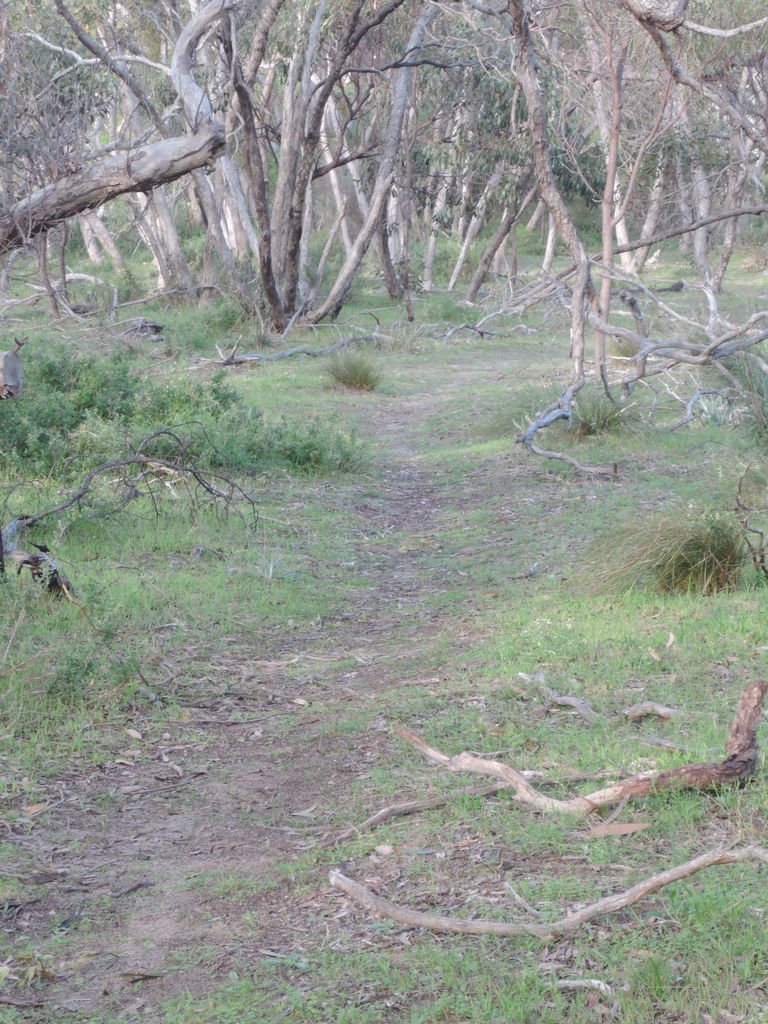
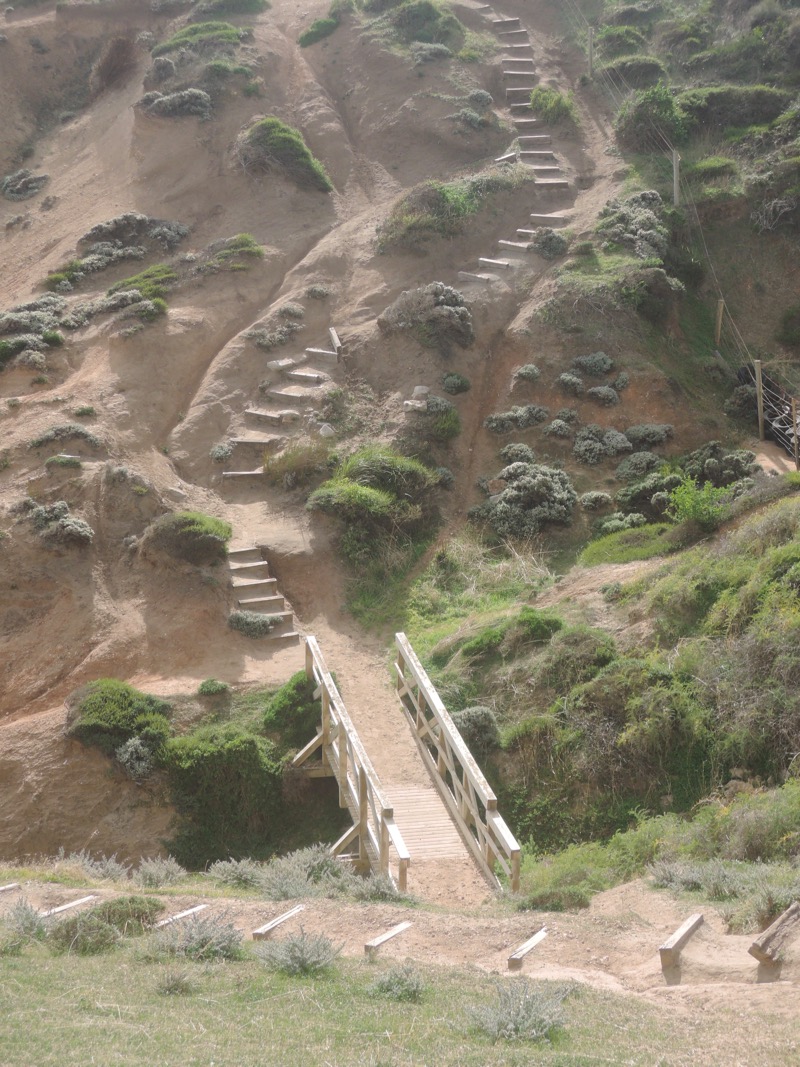
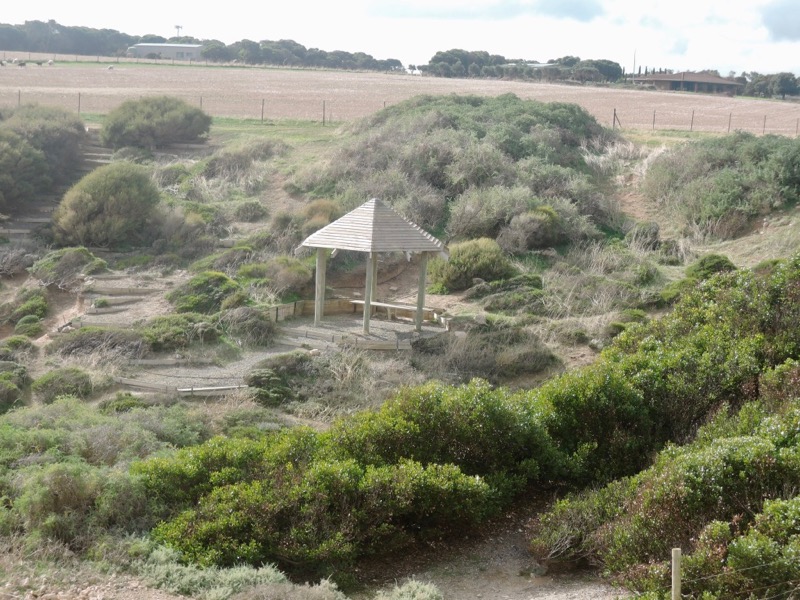
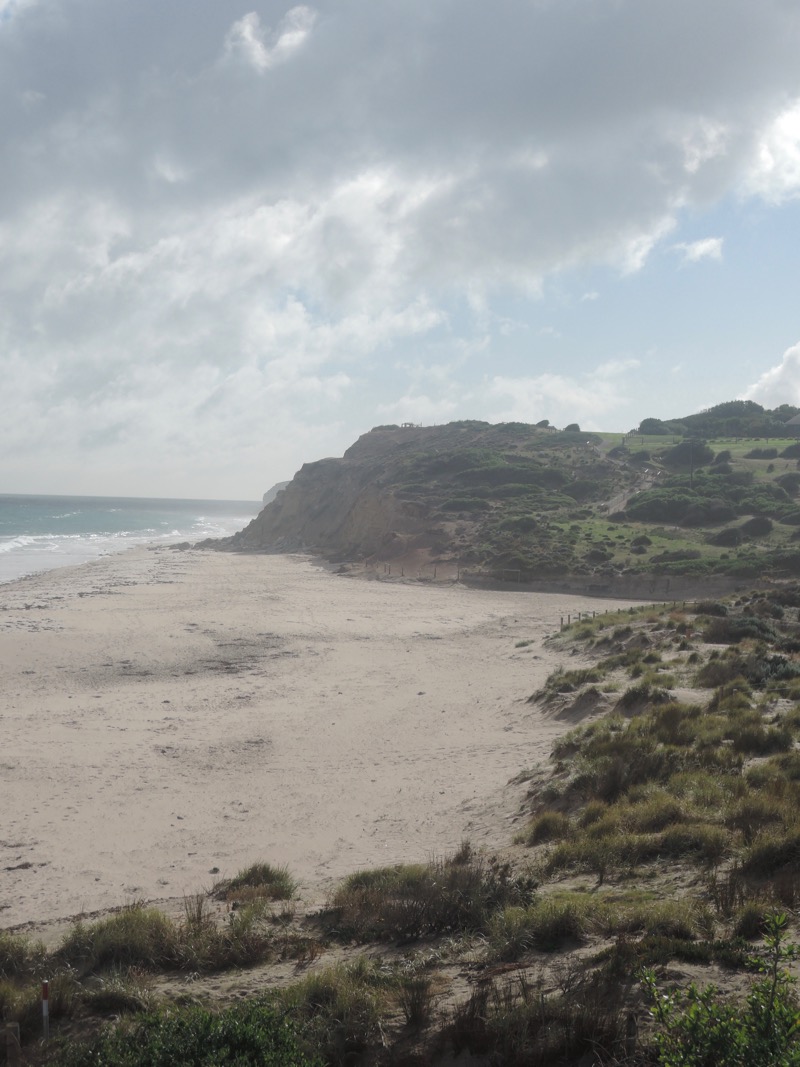
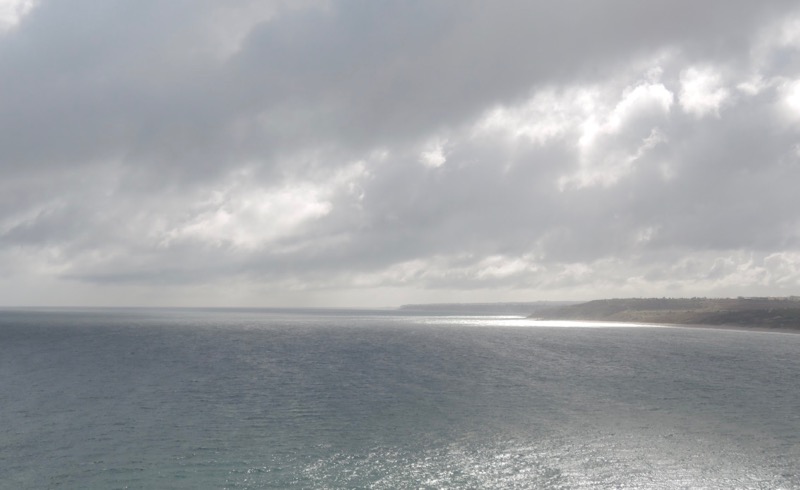
I took the photos you see in today’s post on a recent trip to the Aldinga Beach/Port Willunga area. I had not been feeling particularly well in the days prior to this; I had slept poorly as a result; and though I’d planned a bike ride, I cycled slowly, feeling tired and not terribly fit.

Still, it was good to be out there. I had looked forward to that ride, and I enjoyed it. It felt good to be alive.
What, then, is this?

Other people’s words about … therapy

Sometimes I wonder why I come here [to see my psychoanalyst] when the coming is so iterative, so forced. Having to come here sometimes feels like the biggest problem I have. I feel like a lonely man visiting a brothel, the money changing hands, paying for understanding as some people pay for love. And just as that is not love, so this cannot be understanding. What, then, is it?

from ‘Aftermath
by Rachel Cusk

As I’ve mentioned here before, I spent several years in and out of therapy, being treated for anorexia and its aftermath. I will be forever grateful to the therapists I saw during those years. They treated me with respect, patience, warmth and compassion. And they listened. Oh, they listened.

But I stayed in therapy too long, I think. I believed at the time that I was seeking a cure for my constant sense of malaise. That cure seemed terribly elusive. Now I think it was elusive because, subconsciously, I knew there wasn’t one. What I was really reaching out for was understanding, and that is not something I found in therapy sessions.

Therapy is a strange process. It is, as Rachel Cusk says in the passage above, a transaction of sorts. When that transaction starts to make you feel worse rather than better, when you feel lonelier leaving the therapist’s office than you did on arriving, it’s time to stop. It really is as simple as that, though it took me some time to figure this out.

Post-therapy, am I still seeking understanding? Yes, of course — just like everyone else. Have I found it? Not really. Perhaps no-one ever does. What I have found, though, is solace. I find solace in pots of tea, and walks along the beach, and wanders through the bush. I find it in cakes I bake, and books I’m reading, and holidays I plan to go on. I find it in birdsong, and in leisurely bike rides, and in the company of friends and family and pets.

And I find solace in other people’s stories.

Tell me, then, where do you find solace?

The big ‘I’

Other people’s words about … the view

Sit. Quietly. Turn your awareness to your heart space.

Now imagine you’re sitting on a small wooden bench with yourself. Imagine you’re doing so in that space in the centre of your chest. There you are, sitting to your right, the little nattering humanoid that you are, berating yourself for eating too much at lunch and debating whether to hang the washing out or not. This little nattering self is your little ‘i’. You (the big ‘I’) can watch it all. Yep, there you are, sitting quietly, looking out at a view, over treetops down to an ocean. On your little bench. Together. You’re just hanging, nowhere to go, nothing to do. The two of you …

From ‘First, We Make the Beast Beautiful
by Sarah wilson

It was my friend and fellow blogger, Anne, who first alerted me to the appeal of benches — I mean, real benches, in real life. In her ‘Bench Series‘, she posts photos of benches that she’s snapped from all over the world. I’d never really looked at benches before, except as convenient things to sit on while I rested and took a moment to enjoy the view before me. Now I find myself noticing them (and photographing them) all the time.

The kind of bench Sarah Wilson describes in the passage I’ve quoted above, though, is a metaphorical bench, one that you can only find within yourself. It’s a place where you can sit while you encounter, and learn to accommodate, your two selves: the busy, superficial, language-oriented self that churns out thoughts night and day, and the deeper, quieter, wordless self that lies beneath all the nagging chatter.

The idea of the two selves isn’t unique to Wilson. It’s an idea common to many systems of thought, one we’ve all become more familiar with since the recent popularisation of mindfulness-based practices and therapies. But I particularly like the way she uses the image of sitting on a bench to explain it. It’s a simple, vivid, accessible reminder of how easy it is to get caught up in (and believe) your own thoughts.

A thought, after all, is only that: a thought. It may be true; it may not. Thoughts and the truth exist independently of each other. When I first came across this idea (here), it seemed both counterintuitive and revolutionary to me. I’m still grappling with it.

Wilson again:

And then it might occur to you that your little mate ‘i’ is just that — a little mate sitting next to you. And that this Big ‘I’ is who you really are. It feels deep and close and yet so vast.

Okay, I’ll admit I winced, at first, when I read these words. First, I’m not sure that the quieter self (the one Wilson calls the Big ‘I’) is deep or close or vast — or, indeed, in any way somehow ‘better’ than any other part of our self. I think that it just is.

Second, I was troubled by her use of the phrase little mate both to describe the thinking self, and to distinguish that self from the non-thinking self. I found the phrase overly colloquial, like some kind of condescending attempt to make a difficult concept more user-friendly to her less educated readers. But I have slowly come to feel the opposite way about her wording. The word mate implies friendship: it implies love, acceptance, forgiveness. Also fun. That’s helpful, I think. Why vilify a part of yourself, when you can instead smile and make friends with it?

Wilson uses meditation to find her bench. As you know, I don’t. But I don’t think that matters. What matters is that you know the bench exists — and that you know how to find it, however you get there.

And whether or not your prefer your benches real or whether you prefer them metaphorical, I wish you many sun-dappled, peaceful benches of your own in your life, wherever you happen to be.

The beast

Snatched phrases (on being present)

Do the anxiety. Then leave it there. This is our challenge.

from ‘First, We Make the Beast Beautiful: A New Story about Anxiety
by Sarah Wilson

Simple words, huh? They apply to all manner of ills, I think — not just anxiety. They are about staying in the present: doing the hard stuff when it comes up, not questioning it or agonising over it … and then leaving it behind and moving on.

There are no solutions to anxiety out there, Wilson argues further on: no cures or fixes. So you just do it …

… and then you leave it.

This makes great sense to me.

Today’s photos? They’re from one of my latest bushwalks, a couple of weeks ago: mid-March. It was a still, grey afternoon, and when I first began to walk, the colours seemed drab, and the birdsong was muted, and the air felt unkind and cold.

But as I wandered on, I began to see a few flowers despite the greyness, and I came upon a kangaroo, which stiffened at my bumbling approach and then bounded away. I heard the sea murmur somewhere through and beyond the thicket of trees, and a magpie began to carol, low and soft.

I had done my day, and I had left it there, and things were fine. Just fine.

In the middle of ordinary life

Other people’s words about … meditation

While I was [at Maharishi’s meditation course in the Alps] I managed to meditate for up to four hours a day, but back home it all seemed difficult again. And then, gradually, as I listened to the lectures it dawned on me that meditation was for recluses or people inclined that way. Prolonged practice could only result in a detachment from life that, although it might be better, I didn’t want. I didn’t want to become indifferent to anything, and as I watched those closest to Maharishi it seemed to me that they had this desire, gift, need — however you want to put it. I wanted to be in the middle of ordinary life trying to make the best of it even if — I could see more clearly now — it entailed my making the same mistakes many times. I didn’t want to give my life to anyone, I wanted to have it and use it and be an ordinary householder. So gradually I stopped. I think of Maharishi with great respect and affection, and I am sure that there is a spiritual hierarchy in which I am merely on the lower rungs. That was it.

from ‘Slipstream
by Elizabeth Jane Howard

I’ve written before about how I tried meditation recently (again), before deciding, finally, that it didn’t work for me. I don’t want to bore you by repeating myself endlessly on this blog; please feel free to read my older posts about the topic if you’re interested. Most particularly, what has worked for me, post-meditation, has been learning to spend my days looking outward rather than inward.

I do particularly like Elizabeth Jane Howard’s spin on the theme, though. That’s why I’m revisiting it today. Perhaps, when she wrote the words above, meditation wasn’t considered to be the cure-all that it often is now; perhaps, for that reason, her words were less transgressive than they seem to me as I read them today. Still, I find her words wise and humble and filled with gratitude. Ironic, isn’t it? Those three things — wisdom, humility, gratitude — are all things we are often told we may develop through practising meditation.

Tea for one —
an ordinary pleasure,
all the more worth treasuring for its ordinariness

Like Howard, the older I get, the more I realise how attached I am to life — and how much I want to stay attached. My days are filled with petty, mucky angst, and I like them that way. Yes, I have bad days — days when my head aches, and my stomach churns, and my throat crawls with a hot kind of sickness and I can’t figure out why; days when my thoughts seem fevered and panicked and tumbling and disconnected; days when it takes all my effort to get dressed for work, and go in, and sit at my desk, and stay seated there, and stay still, oh, just stay still.

Still, even as I wait the bad days out, not knowing how else to get through them, I find myself wanting, in my strange, fierce way, to hold onto them. Because, like Howard, I want to be in the middle of ordinary life trying to make the best of it.

It’s about honouring life, really, isn’t it? That’s what I want to strive for. That’s all. That’s really all.

It’s not always about speed. Or winning.

Other people’s words about … running (slowly)

I didn’t fight my way across the finishing line — nor did I float. The significance of that marathon didn’t lie in speed or in pain, but in the exchange between my body and the city. I didn’t need a personal best trophy; I could prize the run on its own terms. After many years of early morning runs and all kinds of races, running is to me a way of being, not a way of testing myself against invisible antagonists and not a competition with my peers. I had nothing to vanquish but my doubts, and now — in ways I could never have predicted — running has brought me into a rich communion with the world. It still surprises me. I’m careful not to slip on dirt tracks, and I pay more attention to warnings about overstraining my knees than I used to. I want to avoid injury. I don’t want a show-stopping finish line moment. I want to keep running.

From ‘The Long Run
by Catriona Menzies-Pike

When I (briefly, as it turned out, at least for now) took up running again last year, it wasn’t the thought of speed, or competition, or races, or personal bests, that appealed to me. Nor, God forbid, was it the thought of getting super-fit and toned. Lone beast that I am, it wasn’t the thought of companionship, either: of joining a running team, or running with new friends. I know these are the things that runners often find joy in, but they weren’t drawcards for me.

No, what drew me back to running was what I remembered from the period in my twenties when I ran: how meditative running can make you feel. There is the beat of your heart, the rhythm of your feet, the taking-in and letting-out of your breath. There is the simplicity of moving your feet over the ground, taking you there (wherever ‘there’ is) and back again. There is the joy, afterwards, of feeling reawakened. And alive.

I'm careful not to slip on dirt tracks
I’m careful not to slip on dirt tracks

I suspect that Catriona Menzies-Pike is a kindred spirit. Her whole book, if you care to read it, is an eloquent essay on how running helped to heal the grief she felt for her parents’ untimely death when she was still a child. It is also an exploration of the joys of running slowly — and making the choice to do so. Imagine running, but not forcing yourself to race. Imagine running, but allowing yourself to enjoy the moment rather than the end-result. Imagine running, with no particular aim in mind other than to take the time it takes.

Imagine.

A rich communion with the world

We talk big about fitness these days. We talk about heart-rate and VO2 and pace and gait. We talk about sub-four-hour marathons and heel-striking and foam rollers. We have instruments and apps to help us talk this talk — Garmins and GPS trackers and Apple Watches and the like. (Wait, maybe those instruments created the talk. Have you ever thought that?) So choosing to run slowly, in a world full of talk like this, is tantamount to an act of anti-consumerist, anti-conformist rebellion.

I don’t want a show-stopping finish line moment. Those words apply equally well to life as they do to running, don’t they? There’s another metaphor in the quote above, too. Running, Menzies-Pike says, still surprises me. I get that. I do.

Because life still surprises me. I hope it always will.