Darkness encroaching

Other people’s words about … winter

Minutes after that the sun came out: brilliant, stunning us all. Still, it was no surprise when we were let out of school a half hour early due to the windchill. I made my way home from the bus stop at a rigid trot. I crunched along the snow-packed trail, felt the wind come off the lake in blasts, heard the pines groan and creak overhead. Halfway up the hill, my lungs started to feel raggedy. My face changed into something other than face, got rubbed out. When I finally got to the top of the hill, when I slowed down to brush ice from my nose, I turned and saw a puff of exhaust across our lake. I had to squint against all that white to make it out.

From ‘History of Wolves‘
by Emily Fridlund

Many years ago, I spent a winter in Michigan in the USA. For a whole month, the temperature did not lift above zero degrees Celsius. Having lived in South Australia most of my life, I had never seen a lake freeze over before. I walked across the surface of the frozen water, and grasped for the first time the meaning of the term ‘windchill’, a term I realised I had never understood before. A little way further out, a fisherman sat in a folding camp chair with his line cast down into a carved-out pool at his feet. I thought of taking a photograph, but my hands grew numb in the few seconds it took me to take off my gloves and fiddle with the lens on my camera. How can you grow so cold so quickly? It didn’t seem possible.

My American friends, knowing my love of ice cream, suggested taking me to the ice cream parlour in their local town, but it was shut down for the winter. We did a quick march up and down each side of the main street to look at the ice sculptures standing outside the shops. I kept expecting them to melt. I am Australian: I expect ice to melt. That’s just what it does.

For me, Emily Fridlund’s words, which I’ve threaded above and below throughout this post, capture the essence of that winter I spent in the northern hemisphere.

Overhead each afternoon we could hear the Canada geese coming back. We could hear them giving directions, labouring through wind currents, setting down their Vs. When the sun had just about set, we turned around, Paul lagging, getting farther and farther behind, so as the day grew truly cold –- miniature winter setting in, the way it does at night in April –- I put the backpack on … and we headed back toward his house on the lake.

What a lovely phrase, don’t you think?: Miniature winter.

Here in South Australia, where our climate is temperate, we don’t have four distinct seasons. Autumn is the beginning of what I always think of as the grey months. Our native trees are mostly evergreen, so they don’t shed their leaves; the weather simply grows windy, rainy and cold. As winter approaches, the days grow greyer still, and the hours of daylight shorten. The sky seems to sink lower over the earth, closing everything in. The world grows monochrome.

But then, in the middle of March, the temperature shot up to fifty and miraculously stayed there. Within a couple of weeks, the south slope drifts had eroded to stalagmite pillars. A wet sheen appeared across the surface of the ice, and in the late afternoons you could hear the whole lake pop and zing. Cracks appeared. It was warm enough to gather wood from the pile without mittens, to unfreeze the latches on the dogs’ chains with the heat of your fingers.

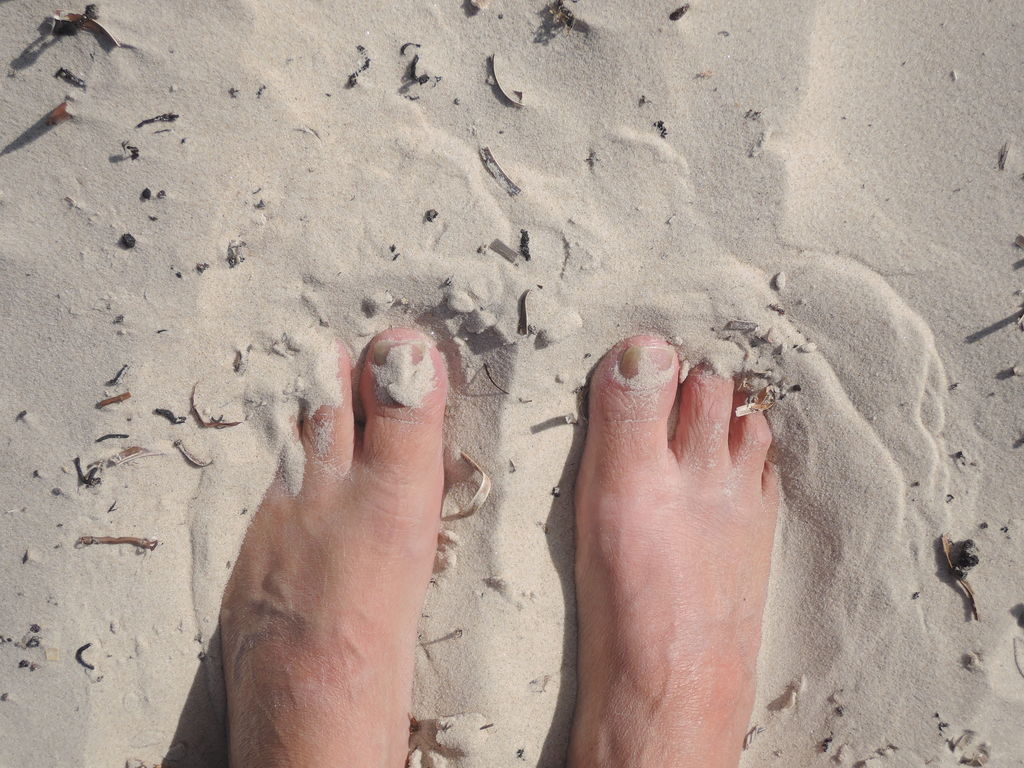
This time of the year — the first days of March, the very beginning of autumn — I always grow nostalgic for summer. Down the road at the beach, the sea is still warm enough to swim in, and the sand crumbles soft and dry and warm beneath my bare feet. A sense of urgency comes over me as I look up at the upside-down bowl of blue sky above me. I murmur spells at it, trying to make it stay.

The grey months are coming but not yet, not yet.

Note:
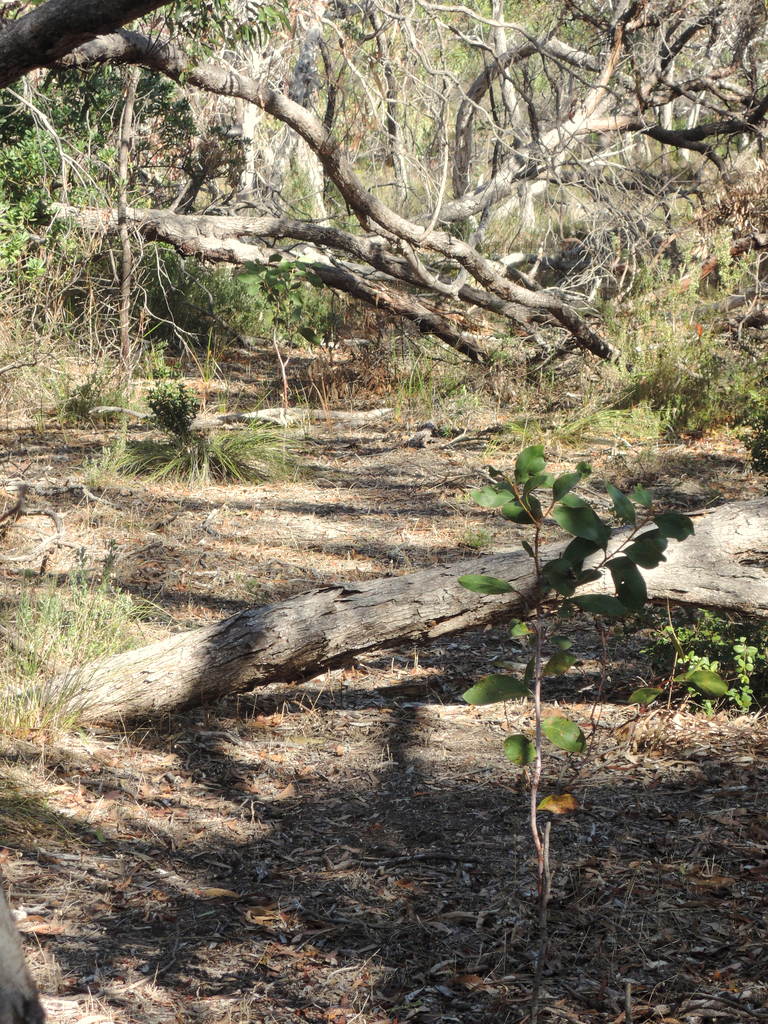
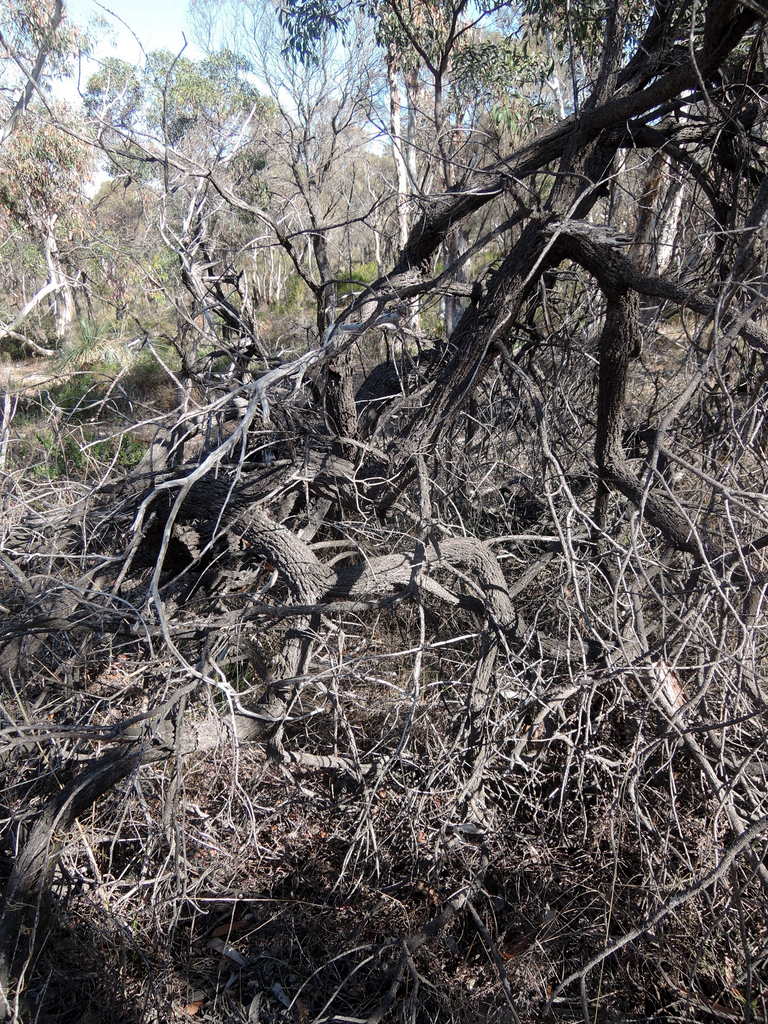
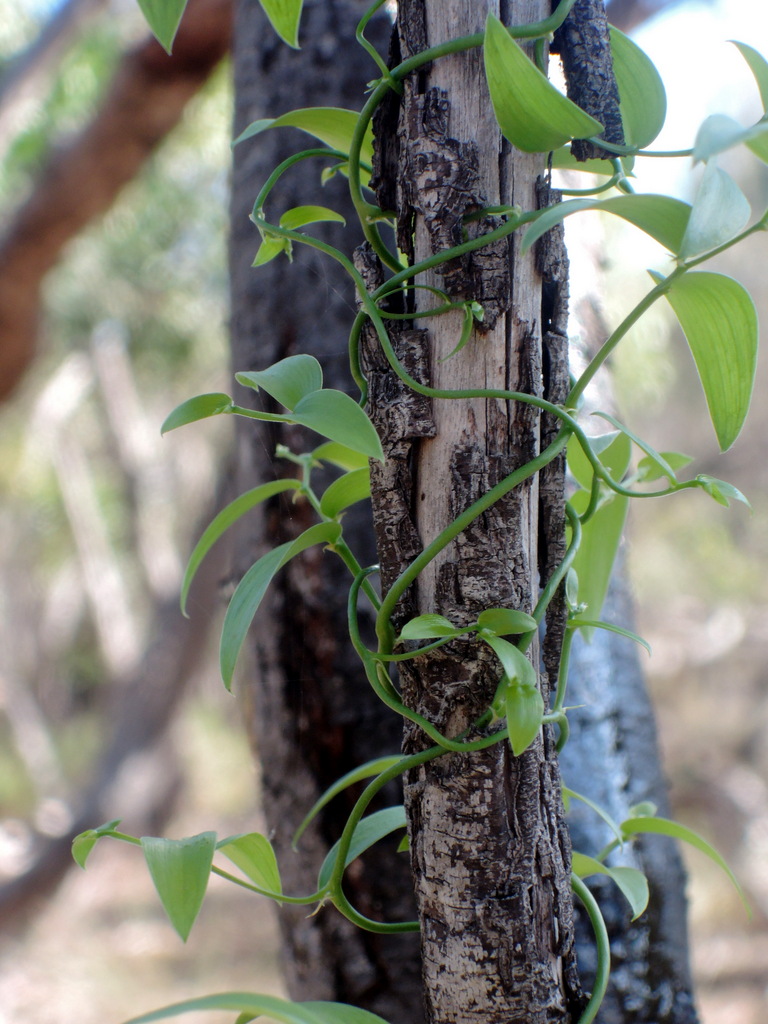
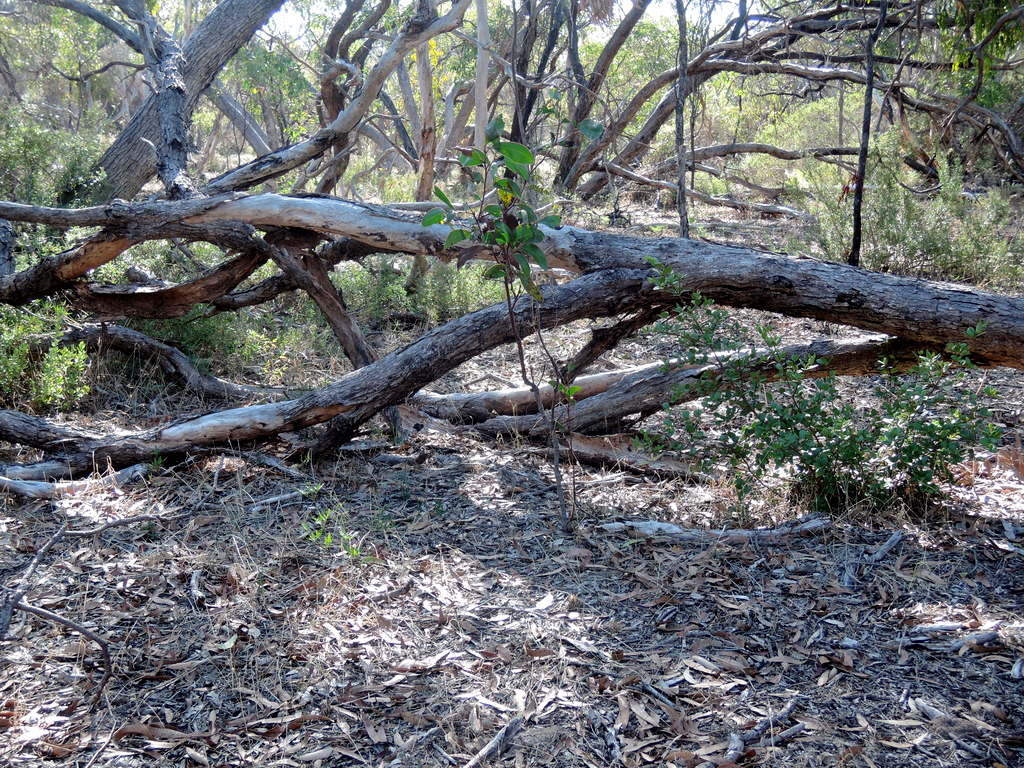
The pictures accompanying today’s posts are photos I’ve taken over the last few years during the South Australian winter. It may look as though I used black-and-white film, but I didn’t. That’s just the way it is.

The one true story

Other people’s words on … writing

He said, ‘What is your job as a writer of fiction?’ And she said that her job as a writer of fiction was to report on the human condition, to tell us who we are and what we think and what we do.

from ‘My name is Lucy Barton‘
by Elizabeth Strout

When I first began this blog, I was adamant that, though I am a published writer, my blog would not be about writing. A writer can blog about things other than writing, right? A writer isn’t just a writer: a writer is a person; a writer has a life. That’s what I wanted to blog about.

Besides, it seemed to me that blogging about writing would be, in my case, an inexcusably audacious act. My thinking went like this: I have published only two books. I haven’t published anything since 2010. My books have gone out of print. What can I tell anyone about writing? Who would want to read what I had the temerity to say?

Early drafts: an audacious act

I don’t much like the word ‘writer’. Perhaps it’s because I haven’t published much and don’t make a living from my writing, but I feel pretentious and arrogant when I call myself one. I think of myself instead as someone who has written two books, and would like to write another one, but is struggling to do so.

That’s another word I don’t like: ‘struggle’. When I first began writing stories and fiction, the writing was an act of joy. It was a process of humble discovery. Each word that I wrote, each sentence, each chapter, was a journey. I was learning to do something new. I was learning to do something I loved. I was learning.

Writing is a learning process
Lessons in writing: all part of the learning process

So when I first read the words I’ve quoted above from Elizabeth Strout, I thought: Yes! Writing fiction, for me, has always been about opening myself up to sorrow, and to joy, and to humility, and to discovery. It’s about expressing those things, however afraid I am to do so. It’s about making sense of my life. It’s about trying to make something beautiful. It’s about having the temerity — the audacity, the arrogance — to share my words with other people: people who, like me, love reading.

Most of all, writing fiction, like blogging, is about sharing.

And so that’s the reason I’m posting these words about writing today. Call it pretension; call it temerity. Call it audacity; call it arrogance. Call it learning; call it sorrow; call it joy.

Elizabeth Strout again (from the same book):

You will have only one story … You’ll write your one story many ways. Don’t ever worry about story. You have only one.

Maybe this is the only story I have to share, but that doesn’t mean it’s not worth sharing.

The circle of life

I can’t resist coming back to Kim Leine’s ‘The Prophets of Eternal Fjorde’ today to post a couple more quotes. This time, we are not focusing on intestinal discomfort. (Enough already!)

My constitution would seem to be better than I would have thought, for I have survived two attacks upon my life this winter and may thereby once more look forward to further prolongation of my futile destiny.
(p. 406)

Morten Falck, a Danish missionary, struggles with his own fleshly weakness, with his desires and cravings, and with the despair that comes from leading a life whose purpose is not entirely clear to him.

I cannot go back … I can only go forward, in a ceaseless circle, and my only hope  is that when the circle is complete and the motion halts I shall have arrived at the place that is best for me …
(p. 505)

Life as a ceaseless circle:
Don’t you, too, sometimes feel you are pushing forward blindly, hoping — hoping — that you will one day arrive at a place that makes sense?

Autumn sun

April 2016

DSCN2689

In the Northern Hemisphere, they call it Indian summer:
a hot, dry start to Autumn.
That’s what we had here last month —
DSCN2675
— warm, sunny days.
Still nights.
No rain.
DSCN2696
In the bush,
dry twigs crackled beneath my feet,
and the odd flower bloomed.
DSCN2678
Winter stole closer,
like afternoon shadows
creeping across sandy ground.
DSCN2692

Daylight robbery

On Saturday afternoon, I went for a quick stroll on the beach,
shoring the sights up in my memory — and the warmth on my skin — of the last hours of Daylight Saving.

DSCN2658

It was a typical mid-Autumn day.
Windy.
Half-sunny.
Half-dull.

DSCN2661

The sand was wind- and water-rippled.
The gulls’ footprints seemed to blow away as I watched.

DSCN2663

Soon, when I walk on the beach, I’ll wear shoes, socks, a coat, a beanie.
I’ll call the wind ‘bracing’.
DSCN2657
I’ll think of this last long day of light with yearning.
Summer nostalgia — is there a cure?
There should be!

Note:
Okay, a confession: autumn makes me crotchety. I’ll get over it soon, I swear!

Reading Elizabeth Taylor

On the lonely horror of writing

At the thought of work, of the book he was writing, must finish, his stomach lurched, just as if he had come unexpectedly on something repellent. He was scared, too. Nowadays, he was so frightened of sitting down to work that he had to drive himself to grapple with it.

from ‘The Soul of Kindness‘
by Elizabeth Taylor

I love Elizabeth Taylor’s novels.

Her observations about people, (English) society and life are  acute, pithy and devastating.

Try her sometime!


Note:
Two people drew my attention to the writing of the English novelist, Elizabeth Taylor, who died in 1975. One was my mother, an inveterate and highly intelligent reader. The other was one of my favourite bloggers, Jane Brocket.

Other people’s words

Emetophobia has governed my life, with a fluctuating intensity of tyranny, for some thirty-five years. Nothing — not the thousands of psychotherapy appointments I’ve sat through, not the dozens of medications I’ve taken, not the hypnosis I underwent when I was eighteen, not the stomach viruses I’ve contracted and withstood without vomiting — has succeeded in stamping it out … 

From ‘My age of anxiety’
by Scott Stossel

Sometimes, no cure exists for our ills.

We learn — slowly, painfully — to co-exist with them:

We learn to strive for grace.

♦

Note: Click on the following link if you want to know more about emetophobia. And for a review of the book I’ve quoted from, and more insight into anxiety as well as emetophobia, see Sally Satel’s article  from The Millions.