Words unfurled

Other people’s words about … paths

This is what is behind the special relationship between tale and travel, and, perhaps, the reason why narrative writing is so closely bound up with walking. To write is to carve a new path through the terrain of the imagination, or to point out new features on a familiar route. To read is to travel through that terrain with the author as guide — a guide one may not always agree with or trust, but who can at least be counted upon to take one somewhere. I have often wished that my sentences could be written out as a single line running into the distance so that it would be clear that a sentence is likewise a road and reading is traveling … Perhaps those Chinese scrolls one unrolls as one reads preserve something of this sense. The songlines of Australia’s native aboriginal peoples are the most famous examples conflating landscape and narrative. The songlines are tools of navigation across the deep desert, while the landscape is a mnemonic device for remembering the stories: in other words, the story is a map, the landscape a narrative.

So stories are travels and travels are stories.

from ‘Wanderlust
by Rebecca Solnit

Last year, a theme I returned to often on this blog was paths. I had decided not to make a New Year’s Resolution for once: instead, I thought, I would learn to find, and then follow, my own path. Paths became a metaphor for me; once I began to look, I found them in the most startling and beautiful moments. There were paths in the sea, paths across the sky, paths to the horizon, paths trodden by other creatures than myself, making their way through the bush.

Path through the sky

Perhaps it was a theme painfully obvious in its metaphors. Less painfully obvious is the metaphor Rebecca Solnit employs in the passage above. To consider one’s job as a writer to be the task of carving a path for one’s readers to follow: what a wonderful thought. What an honour.

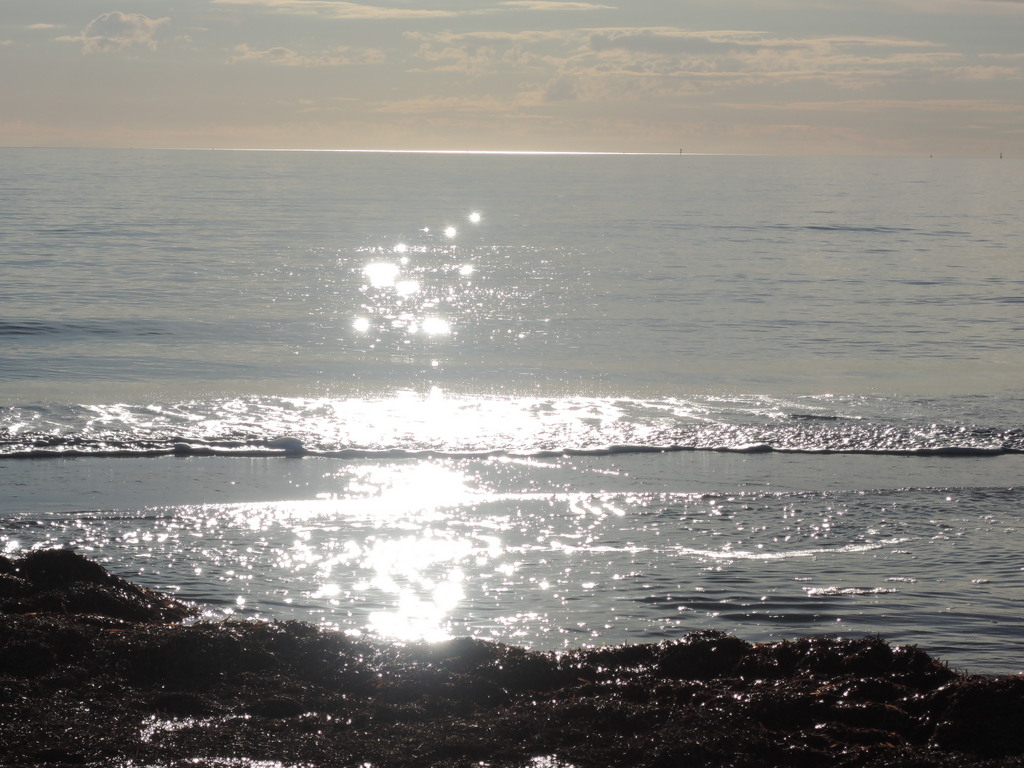
The sun's path over the sea
Path of the sun

I was interested in Solnit’s comparison with the songlines of the First Australians. In these days of serious debate about cultural appropriation, I considered long and hard whether it would be appropriate to include that part of the quote. In doing so, I found an explanation which seemed genuine and made sense to me. You can read it here.

Path across the sea
Path across the sea

Landscape as narrative. This is something I have long believed in, right down to my core. When I go for a bushwalk in a place that is familiar to me, a track I’ve walked many times before, part of the joy I find in my wandering is in the act of observing how the seasons have wrought changes on the place since the last time I was there — how rain brings forth wildflowers, for example; and how those wildflowers differ in variety and in abundance, depending on that year’s rainfall. It feels then as though I am following a narrative which is both part of me, as a creature on this earth, and also greater than me. Songlines are not mine to appropriate, but the sense of a story, and the sense of the sacred, is everyone’s to share.

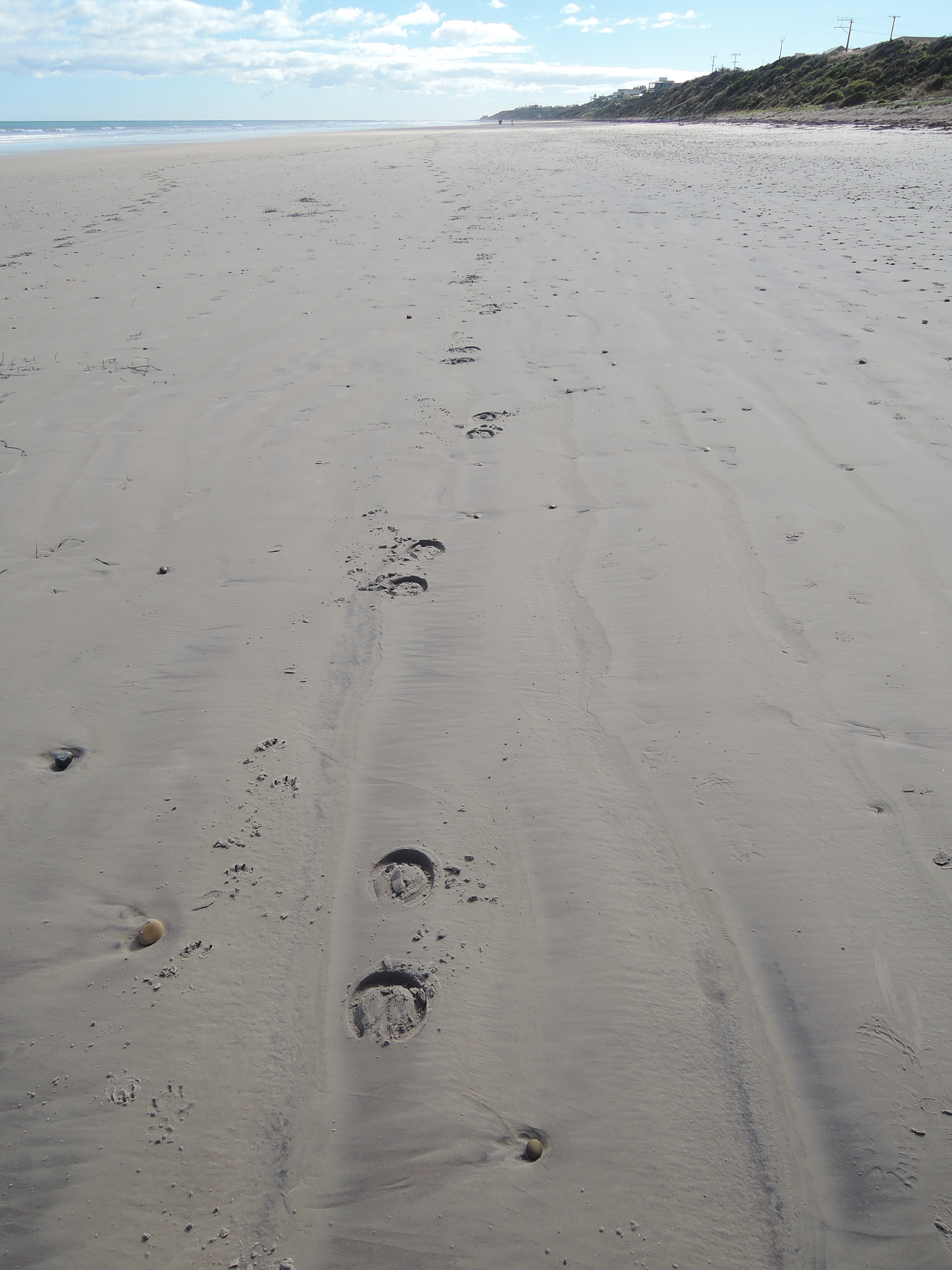
Other creatures' paths
Other creatures’ paths

But story as map: that’s something I hadn’t considered before. I am both a reader and a writer,and I am intensely aware, in both roles, of the contract between the two. The writer makes a promise; the reader holds the writer to it. I like the idea of viewing this contract as a map. It explains the sense of awe I feel as a reader, and the sense of humility I feel as a writer.

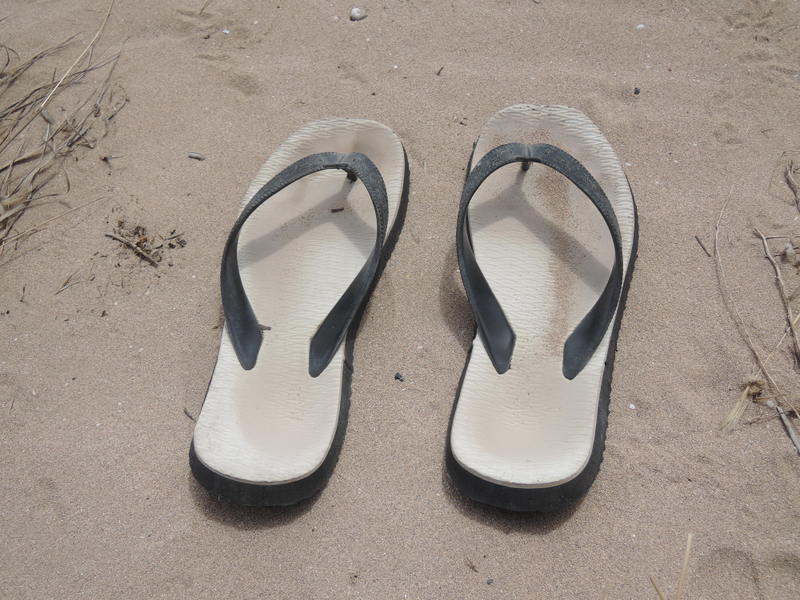
Path across the sand

In the end, we each tread our own path across our own landscape, using our own map.

But it is nice to know there are guides along the way.

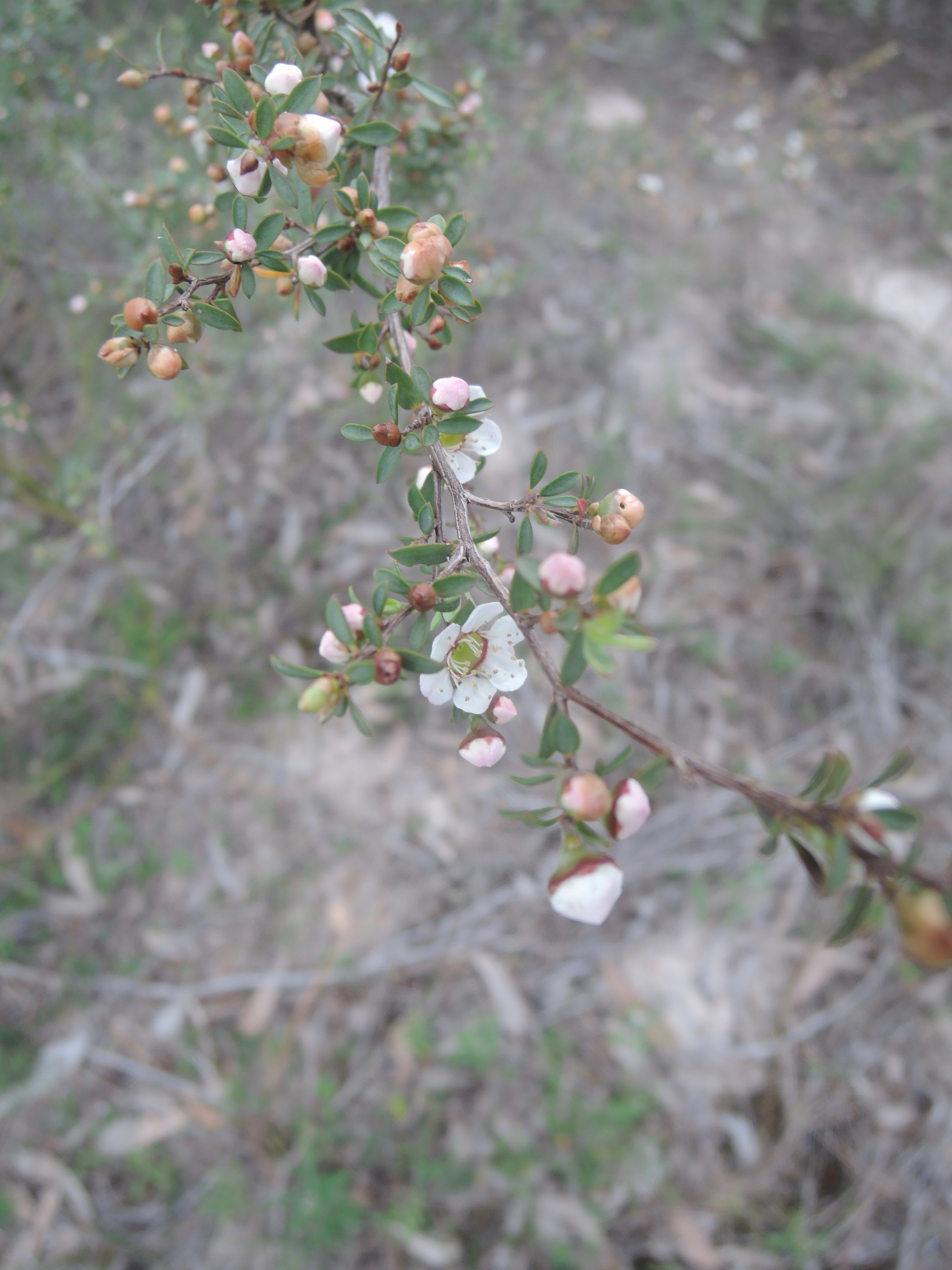
Tread your own path ...
Tread your own path …

Happy new year, everyone!

Snatched phrases (on hope)

‘It’s maybe why her mother took to walking, Tess thinks  as she clambers through thickets of ash, brown kurrajong, weeping fig.
When you’re walking the view shifts and changes.
Walking’s a form of hope.’

from ‘The World Without Us
by Mireille Juchau

When you're walking ...
When you’re walking …
... the view shifts and changes.
… the view shifts and changes.
Walking's a form of hope.
Walking’s a form of hope.

Recovery

Other people’s words about … therapy

And perhaps not coincidentally, he also found himself doubting therapy — its promises, its premises — for the first time. He had never before questioned that therapy was, at worst, a benign treatment: when he was younger, he had even considered it a form of luxury, this right to speak about his life, essentially uninterrupted, for fifty minutes proof that he had somehow become someone whose life deserved such lengthy consideration, such an indulgent listener. But now, he was conscious of his own impatience with what he had begun to see as the sinister pedantry of therapy, its suggestion that life was somehow reparable, that there existed a societal norm and that the patient was being guided toward conforming to it.

‘You seem to be holding back, Willem,’ said Idriss — his shrink now for years — and he was quiet. Therapy, therapists, promised a rigorous lack of judgment (but wasn’t that an impossibility, to talk to a person and not be judged?), and yet behind every question was a nudge, one that pushed you gently but inexorably toward a recognition of some flaw, toward solving a problem you hadn’t known existed.

From ‘A Little Life
by Hanya Yanaghihara (p. 568)

When I was sixteen, I received in-patient treatment for an eating disorder. Though my weight loss wasn’t life-threatening, I had become stuck in a pattern of abstinence that my doctor considered a risk to both my physical and my mental health in the long term. And so, into hospital I went.

I am grateful for the treatment I received during the six weeks I spent on that ward. I am grateful to the dietitian who laughed when I told her I didn’t like Mars Bars, and said, ‘That’s your anorexia speaking.’ (Actually, I genuinely don’t like Mars Bars, but I am extremely fond of Cherry Ripes, so I think I pass the test.) I am grateful to the plump, curly-haired nurse whose pudgy feet squelched in her white shoes as she plodded down the corridor carrying a bedpan, who said, ‘If you can’t help yourself to a biscuit from that tin on the table just because you feel like eating one, you’re not better.’ I am grateful to the patient in her mid-fifties who sat opposite the dinner table from me one evening, asking me to pour her a glass of water, ‘because, you see,’ she told me — and her face was a maze of articulated wrinkles and creases as she leaned across the table to speak, her shoulders prematurely humped, her voice husky from years of smoking instead of eating — ‘my wrist bones are so fragile from osteoporosis that I can’t lift the water jug in case I get a fracture.’

I am grateful to these people, because they helped to strip starvation of its glamour for me. Because they helped me to escape.

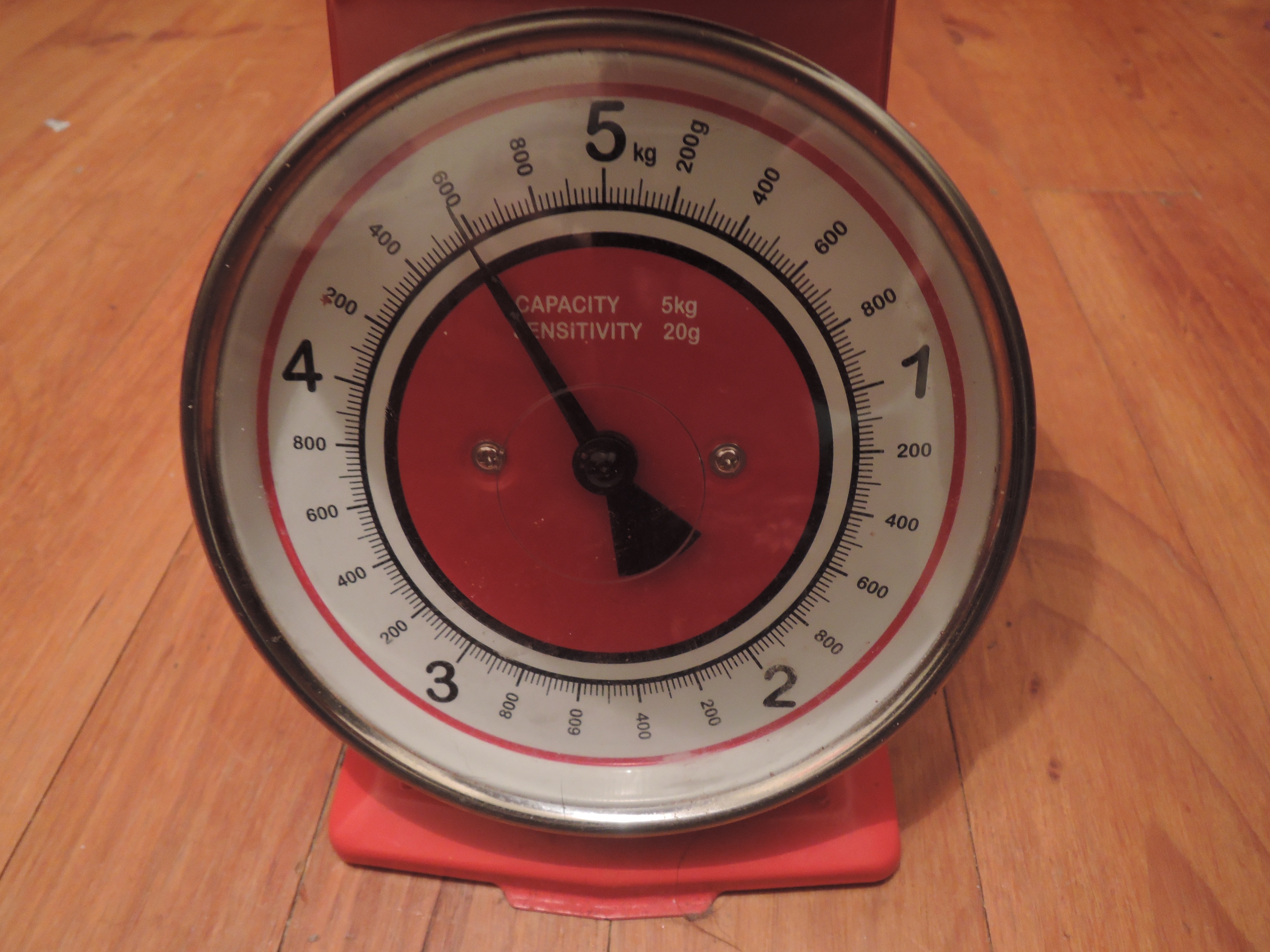
Regular weigh-ins were a part of the hospital treatment ...
Regular weigh-ins were a part of the hospital treatment …

During my time in hospital and afterwards, my therapists talked to me about getting well, moving on, recovering, leading a normal life, finding happiness. Because we talked about these things, I assumed they were not only achievable but also desirable — essential, even. Many people make the same assumption.

But now I am not so sure. I don’t think therapy’s orientation towards focusing on health and happiness and normality is sinister (Yanaghihara’s word). But I do think, like Yanaghihara, that some people’s lives are not reparable, or that some aspects of their lives are not reparable. Some people suffer terribly, some people less so; in either case, there are times when a person’s suffering cannot be eased, either through therapy or through other means. In that context, perhaps there are qualities other than health and happiness which a person might explore. Resilience, for example. Dignity. Grace. Surrender.

I think of Viktor Frankl, who wrote so eloquently and poignantly about people’s need to find meaning in their suffering, if that suffering was unavoidable. I think we shy away from that word, these days — unavoidable. We form goals, we foster dreams, we try to shape our lives, based on that act of shying away. I think this is a mistake.

... but the number on the scale is only one factor in the equation
… but the number on the scale is only one factor in the equation

There is only so much you can can say in one post, and so I will leave the rest for another day. Instead, I will finish with some more words by Yanaghihara — words that, I think, complement these thoughts, though the millennial New York society she writes about is so far away from the terrible world of Frankl’s concentration camp:

But these were days of self-fulfillment, where settling for something that was not quite your first choice of a life seemed weak-willed and ignoble. Somewhere, surrendering to what seemed to be your fate had changed from being dignified to being a sign of your own cowardice. There were times when the pressure to achieve happiness felt almost oppressive, as if happiness were something that everyone should and could attain, and that any sort of compromise in its pursuit was somehow your fault.

(p. 41)

This is a tricky subject to write about, not least because it involves personal disclosure, if only on my side. But I would love to know what you, my readers, think about this. Please leave a comment and let me know. Your thoughts matter to me.

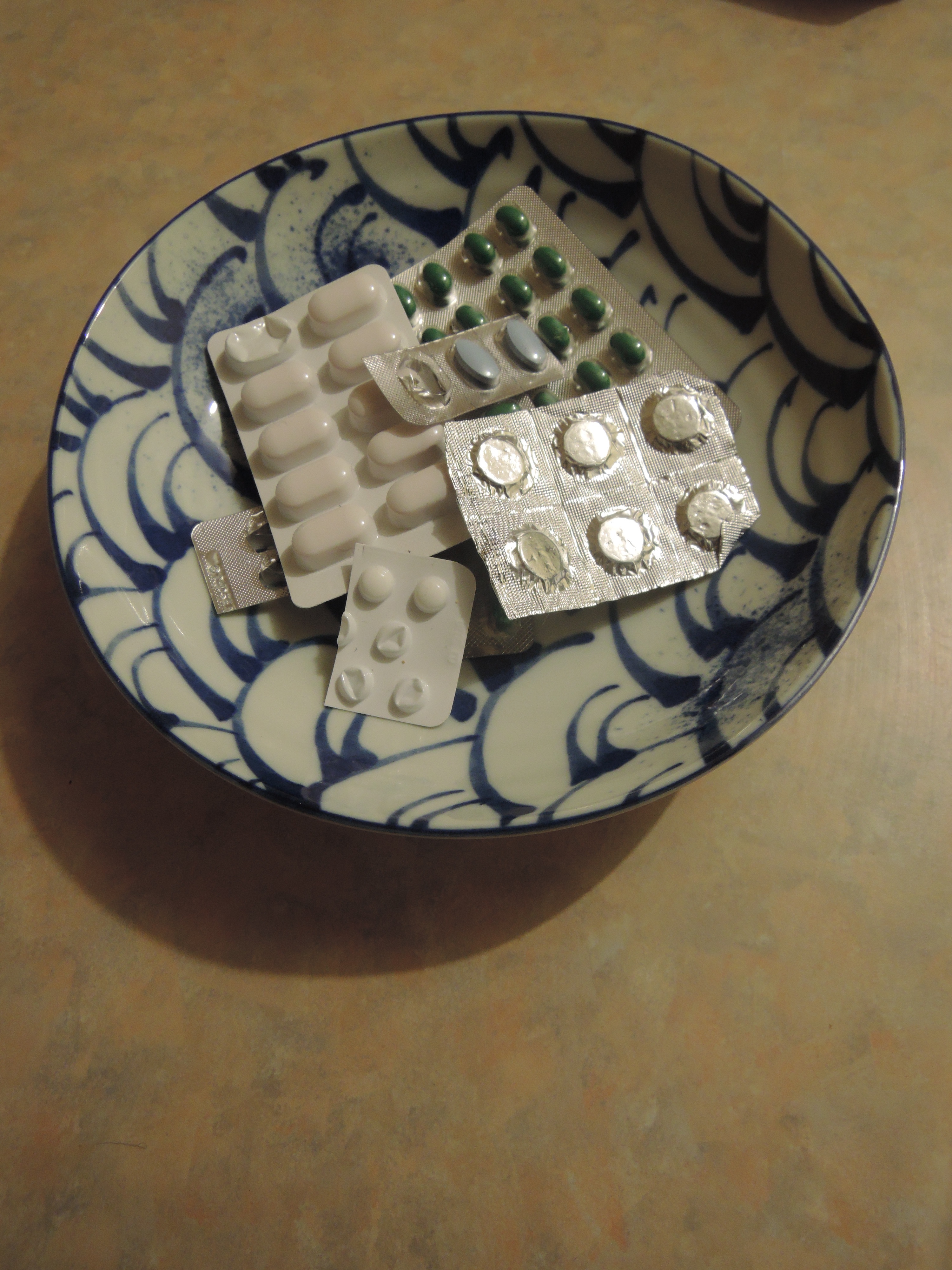
A bitter pill to swallow

Other people’s words about … cures

We feel sick even if we are physically well. We are organically diseased by lack or excess. Most of our healers — mainstream and alternative — now act and are treated like shopkeepers, and have become entrepreneurs (or the pawns of entrepreneurs). If they don’t give us the goods — the diagnosis and pill — we’ll shop elsewhere. We seek passive means of attaining health and longevity, which is what medicine (both conventional and alternative) promotes. We want diagnoses. We want solutions we can browse, buy and swallow, be they pharmaceuticals, tinctures or vitamins. It’s convenient for politicians, suits industry very nicely. Pills are our tiny white black holes: absorbing all our hope, agency and energy. They divert attention from prevention, population health and inequity; they promote consumption.

from ‘Too many pills?
by Karen Hitchcock
in The Monthly magazine (September 2015)

I like Hitchcock’s thinking. A doctor who works on the acute medical ward of a big city hospital, she pulls no punches when it comes to discussing health in our society.

Health, she says, is more than just a physical issue. It is an issue of combined mental, physical, environmental, interpersonal, social and political factors.

Too many pills?
Too many pills?

I can’t do justice to her argument here. It is complex and passionate, encompassing the need for both personal action (at the individual level) and social action (at the socio-political level). And it is about considering the idea of a cure not as something we can buy but rather as something we should do.

And, oh, these are words well worth reading.

Inner world

Other people’s words about … resilience

I think maybe [my father] liked the worlds in his head better than the real one. As far as I ever knew, he didn’t have any close friends … Once, when I was about nine or ten, I told him I wasn’t very popular at school. He told me that friends were overrated, because the only person you could ever really count on was yourself. Weirdly, that actually made me feel better.

from ‘Thanks for the Trouble
by Tommy Wallach

I am, I suppose, what most people would describe as introverted. There are other words that go along with this kind of description: shy, quiet, aloof, disengaged, uncertain, insecure, antisocial. Those are mostly negative words, I see. Perhaps they are coined by extroverts.

The year that we lived in England, I was at my most introverted: I had no friends at all. (Here’s a question: do you end up without friends because you are introverted, or do you become introverted because you have no friends?) I was fourteen, and I wandered those long school corridors with the white polished floors alone. I wore the wrong clothes, and I had the wrong accent, and I lived life at the wrong pace and the wrong volume. At lunch I sat in one of the stalls in the girls’ toilets, waiting the hour out. I listened to girls coming in and out, the cubicle doors swinging, the toilets flushing. My breath caught on the sweet spray of perfume they doused themselves with as they stood before the mirrors. I listened to their chatter, high and loud and lipsticked. And then I listened to the door to the girls’ room banging shut again, their footsteps receding down the white-floored corridors as they went back to wherever they had come from.

After the first few weeks, one of the school teachers took pity on me, and introduced me to a couple of girls in my class.

‘Go and sit with them at lunchtime,’ he said, with a look on his face that was half-pity and half-exasperation. He was small and balding and chipper. ‘They’re nice girls. They’ll look after you.’

Such well-meaning, misguided intentions! I looked at the two girls and they looked back at me. I could see they were as horrified at the prospect of me spending lunchtime with them as I was. And yet we all did what he said. They took me back to their lunchtime bench, and I sat with them and their friends — that day and the day after and the day after that. For months, in fact, I ate my sandwich with them silently; I sat with them silently; I watched them silently; I listened to them silently. They took to ignoring me, in the end. They went on with their lives — their parties and their gossip and their drinking and their shopping and their boyfriends — while I sat mute beside them, in what seems to me now almost a parody of introversion.

I have often thought back to that year in high school. I’ve thought about how, at night, I lay in the darkness of my bedroom, the one with the wallpaper with pretty sprigs of flowers dotted over it, and longed for popularity and friendship, for someone my own age to count on. I’ve thought about how I believed that I must be faulty in some way — weak, or cowardly, or defective — because I couldn’t do what other people my own age did instinctively: talk. Make connections. Relax. Laugh.

So it astonishes me now, to look back and see a different possibility, a different narrative, from the one I’ve just told. I don’t believe that friends are ‘overrated’, to use Wallach’s word. Still, I wonder: what if I had learned to trust myself during that year? What if I had learned that I was my own friend? What if I had allowed myself to like the world in my head at least as much as the real one? More broadly, what if we could teach all young people to count on themselves in this way? What, then?

I am not sure. But I think it’s important to listen to alternative narratives like the one in the words above: to retell our life-stories to ourselves, to seek out new plots, new endings. I think it’s important to trust your own inner world: to learn to turn to it in times of need, or in times of loneliness. Introversion, in this context, is irrelevant. What’s relevant is resilience. Resilience is all that matters.

Resilience, you will note, is not a negative word.

The third year

Beautiful words

I love reading.
I love words.
Maybe you’d noticed?
After all, reading and writing have been two of my core themes on this blog, right from the start.
So.
This year — my third year of blogging (yes, really! twenty-one words has been around for over two years now) — that will be my main focus.
Other people’s words.

A year of reading
A year of reading

Each week, I’ll be posting a quote from something I’ve read and loved,
either recently or long ago.
(Some writers’ words stay in your mind forever.)
Sometimes I’ll post a photo to accompany the quote,
sometimes I’ll post a comment instead.

A cup of tea to accompany reading makes it even better ...
A cup of tea to accompany reading makes it even better …

I hope you’ll find some words here, in the next year, that tickle your fancy;
that make you think;
that make you laugh,
or smile,
or cry;
that make you go to your library and read those other people’s words for yourself.
For me, that’s what reading’s all about.

Note
For readers wondering about my original theme — twenty-one words, after which this blog is named — fear not. ‘Twenty-one’ will still be a theme around here. Watch this space to find out how.

The one-legged seagull

Questions, questions, questions

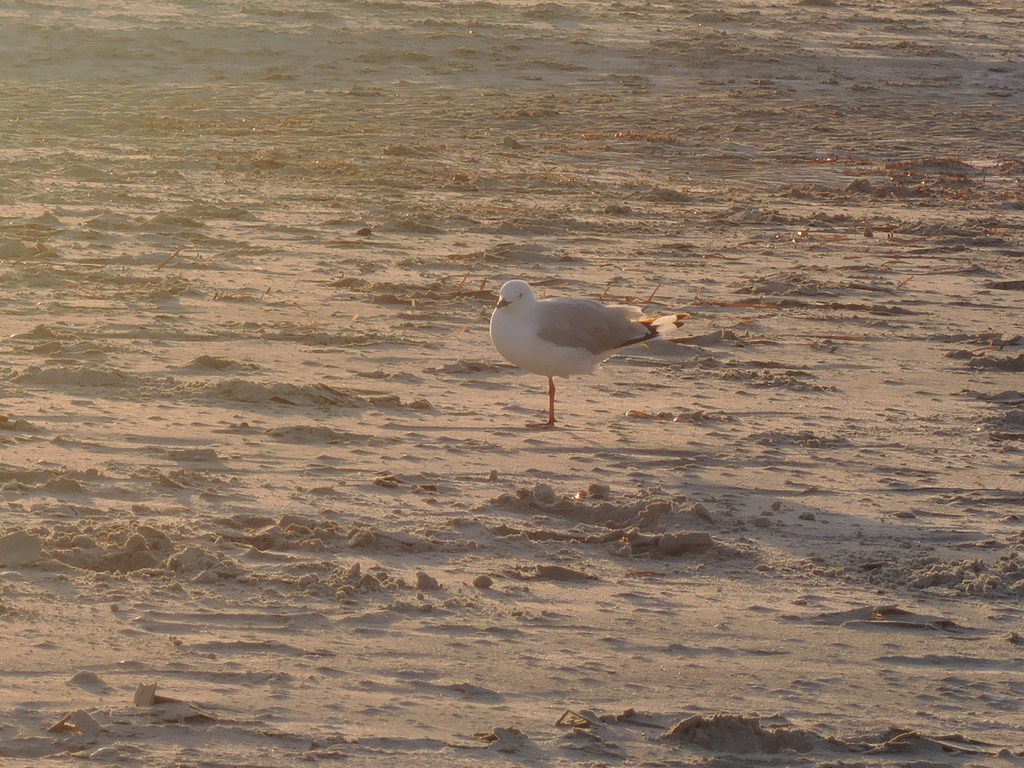
Sunset at Taperoo 17 January 2016 7.15 pm

If you’ve seen a one-legged seagull, you’ll know what I mean.
Why are there so many of them?
Do they lose their legs during epic battles for territory?
Why don’t their predators attack other parts of their bodies? (Do seagulls have predators?)
And then, too:
How do one-legged seagulls survive?
Do they grow replacement legs, like reptiles grow new tails?
Or does the remaining leg grow stronger over time?
So many questions.
I could google for answers, I suppose,
but I’m enjoying the mystery …

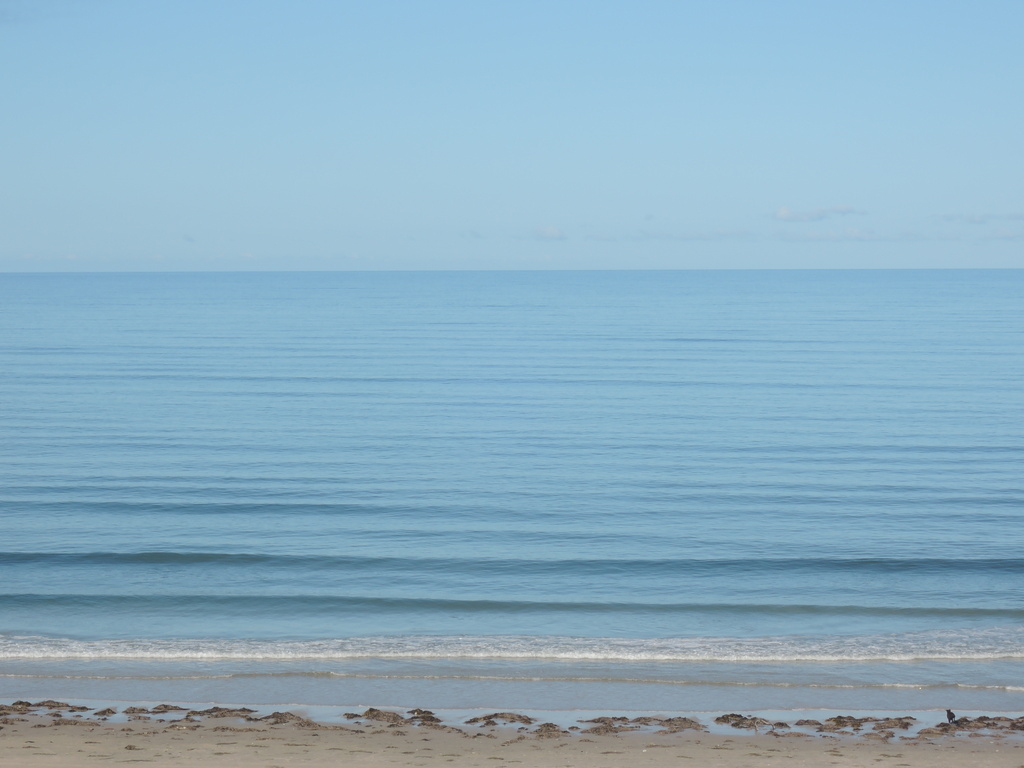
The quality of blue (2)

As I mentioned in my previous post,
there is something about the colour of the sea in summer.
DSCN2536
The quality of blue is different from other times of the year.
DSCN2538
It’s silky blue.
Pearly blue.
The truest kind of blue.
DSCN2542
Blue sky.
Blue sea.
Bluer than blue.
DSCN2544
A celebration of blue.

My hourglass

Slowly, it started to feel as if I had clawed my way back to something resembling a life. It was such a relief to know that I hadn’t finished changing — I wasn’t an hourglass that had timed out, all the grains fallen through. I wasn’t stuck, too soon the best I could ever be.

from ‘Inbetween Days’
by Vikki Wakefield*

Have you ever wondered if you’ve already achieved the best you can?
Have you ever thought that it’s all downhill from here?
If so, perhaps — like me — you will find these words comforting.
I like to think of the grains in my hourglass still trickling through slowly …
… not quite timing out.

*Note:
Vikki is a good friend of mine and fellow writer. Check out her website for more information.