Like breath

Other people’s words about … places that reside within our hearts

During our visit to the jungle, while we slept on the verandah at 3 AM, night would be suddenly alive with disturbed peacocks. A casual movement from one of them roosting in the trees would waken them all and, so fussing, sounding like branches full of cats, they would weep weep loud into the night.

One evening I kept the tape recorder beside my bed and wakened by them once more out of a deep sleep automatically pressed the machine on to record them. Now, and here, Canadian February, I write this in the kitchen and play that section of cassette to hear not just peacocks but all the noises of the night behind them — inaudible then because they were always there like breath. In this silent room (with its own unheard hum of fridge fluorescent light) there are these frogs as loud as river, grunting, the whistle of other birds brash and sleepy, but in that night so modest behind the peacocks they were unfocused by the brain — nothing more than darkness, all those sweet loud younger brothers of the night.

from ‘Running in the Family
by Michael Ondaatje

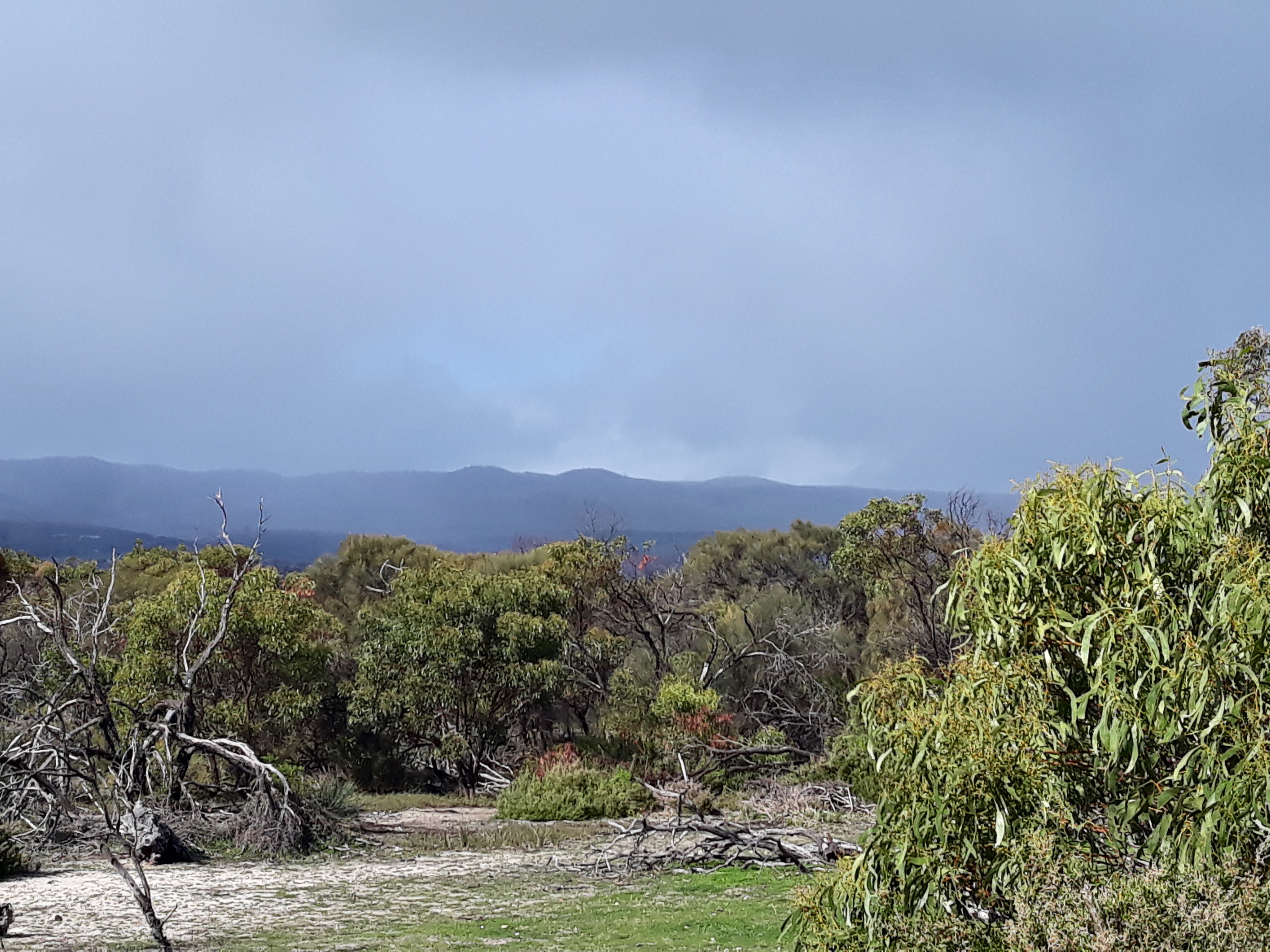
I have just spent a week away in Deep Creek, having been chosen as this year’s lucky winner of the Deep Creek Residency for writers. I spent that week away writing, reading, bushwalking, running, writing again, then writing some more. It was a joyous time, the rarest privilege, to be given time away simply to write.
Daytime, Deep Creek, October 2024.

In our lives, I think that there are some places, connected to some times, that are somehow magic, that come to us through luck or stealth or a great deal of planning and then reside with us forever. These places become a part of the fabric of who we are, though we may not always understand why, and what we feel, when we think of them or remember them or revisit them, is a sense of awe — a sense of connection to something deeper than we can articulate.

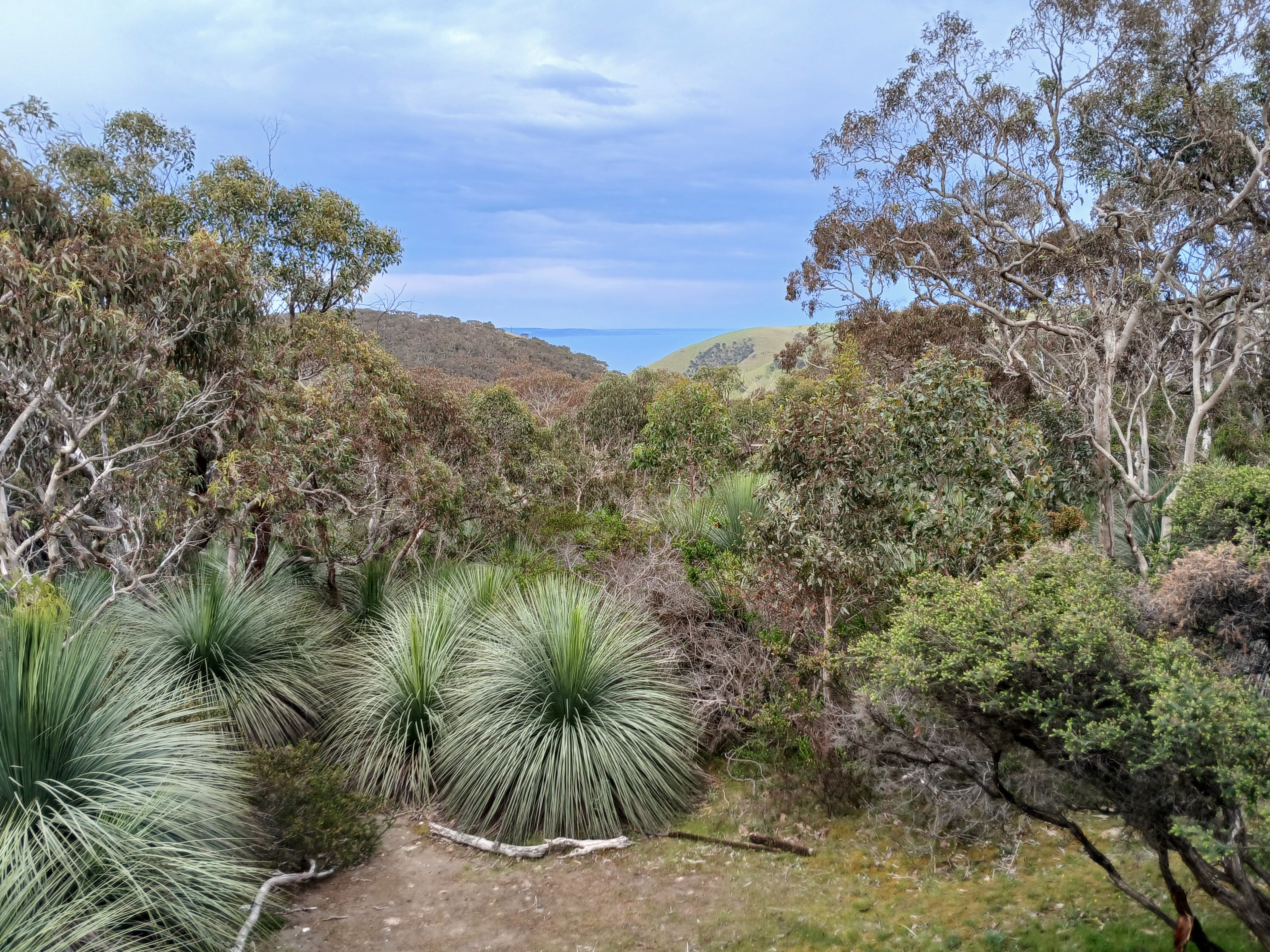
Gully of grass trees, Deep Creek, October 2024.

Deep Creek, place of grass trees and rolling hills and shrike thrushes calling in the trees, place of kangaroos and echidnas and sheep and shingleback lizards, place of tawny frogmouths and fogs and sunshine and rain and big, big skies — Deep Creek is, anyway, one of those places for me, a place close to my heart. I have left Deep Creek now, and the hopes and dreams I went there with — that I would write copiously and productively, that the story I’m writing is worth telling, that the manuscript I’m working on might one day get published — may or may not come true, but Deep Creek is still with me and always will be. I don’t know how else to put it.

Resting place, Deep Creek, October 2024.

And this is what I love about the passage I’ve quoted above by Michael Ondaatje, the way he captures the mystery of a place, its essence; the way it has become a part of him. I have never been to the jungle that he writes of, never heard peacocks who weep weep loud into the night. But in Deep Creek I have felt what Ondaatje describes. In Deep Creek I have felt that I have found a place that will, like breath, always be with me.

First light, Deep Creek, October 2024.

Lately I’ve been reading …

We cannot know

Other people’s words about … writing about life

‘We cannot know.’ If used sparingly, this is one of the strongest phrases in the biographer’s language. It reminds us that the suave study-of-a-life we are reading, for all its detail, length and footnotes, for all its factual certainties and confident hypotheses, can only be a public version of a public life, and a partial version of a private life. Biography is a collection of holes tied together with string, and nowhere more so than with the sexual and amatory life. For some there is nothing easier than understanding the sex life of someone you’ve never met, and easier still when they’re conveniently dead; or in posthumously adding another conquest to the dance card of a known Don Juan. Others simplify things by maintaining that human sexual habits have always been more or less the same, the only variables being the degree of hypocrisy and cover-up.
But sex is a world in which self-deception can so easily present itself as objective fact, and ‘brutal honesty’ is no more likely to be true than shy evasiveness or sentimental melodrama as an explanation of what really took place. Oscar Wilde may have been a ‘posing sodomite’, but such evidence as we have suggests he preferred intercrural sex, and if so was not technically a ‘sodomite’ at all. We cannot know. Sara Bernhardt was a nymphomaniac. Oh, but she was also incapable of orgasm. Until she had the problem fixed by means of an ingenious surgical implant — which is reliably attested by that ‘hysterical duplicitous gossip’ Jean Lorrain, and then recorded in the [j]ournal of Edmond de Goncourt, whose views on women were old-fashioned to say the least. We cannot know. Robert de Montesquiou was a flamboyant homosexual, except that his biographer thinks he was too coldly fastidious to indulge his Hellenic urges, while [Samuel] Pozzi’s biographer thinks he may have been impotent from around 1884, and remained so. We cannot know. Pozzi had a reputation as ‘an incorrigible seducer’, a doctor who slept with his patients, who may even have used his consultations as foreplay. He also kept all the letters he had received from women over a sexual career of half a century or more. Yet after his death, Mme Pozzi instructed her son Jean to burn them all. So we cannot know a large amount … We may speculate as long as we also admit that our speculations are novelistic, and that the novel has almost as many forms as there are forms of love and sex.

from ‘The Man in the Red Coat
by Julian Barnes

Many years ago, my mother and I embarked together on a reading project for a year, our own little book club before book clubs were a thing. Our reading theme was American novels, and we took it in turns to pick a novel, one by one over the course of the year, which we each then assiduously read; afterwards, we caught up over coffee to talk about it. I remember this year with great fondness as a time of shared reading and conversations, conversations that began with reading and literature but moved on, as all good conversations do, to other things. Art. Love. Life.

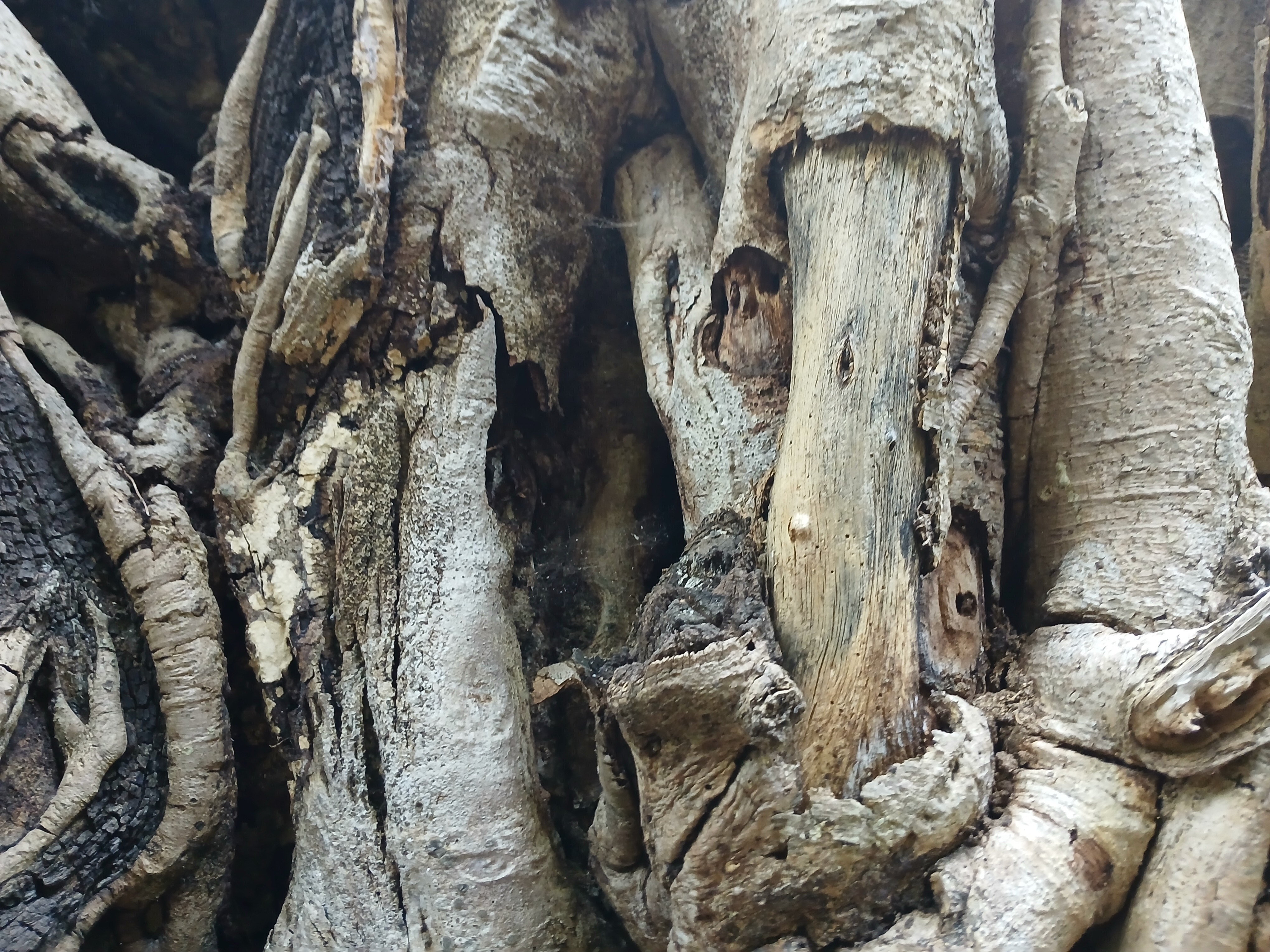
Knotted trunk, Lameroo Beach, Darwin, August 2024.

Recently we’ve begun another reading project together, one that we hope will involve some writing further down the track. As a result, my reading choices, which usually tend to fiction only, and generally to contemporary literary fiction at that, have widened. I’m reading fiction and non-fiction, works by contemporary writers and works by long-dead ones, works by women and works by men. Hence The Man in the Red Coat, which I might not otherwise have come across.

We cannot know. I’ve quoted Barnes at length here (which I hope he will forgive me for) because I love the virtuosity of this passage, the way he begins with a simple assertion, a certain truth, and then moves on in the space of a couple of paragraphs to cover themes at once intimate and specific to the period he is writing about (the Belle Epoque) but also meta-textual, concerning the art of biography itself, that collection of holes tied together with string. (What a lovely image that is.) And then, somehow, we arrive at the end of this flight of thought with another assertion, equally simple but bold, about the essence of novels and fiction.

We cannot know. Indeed.

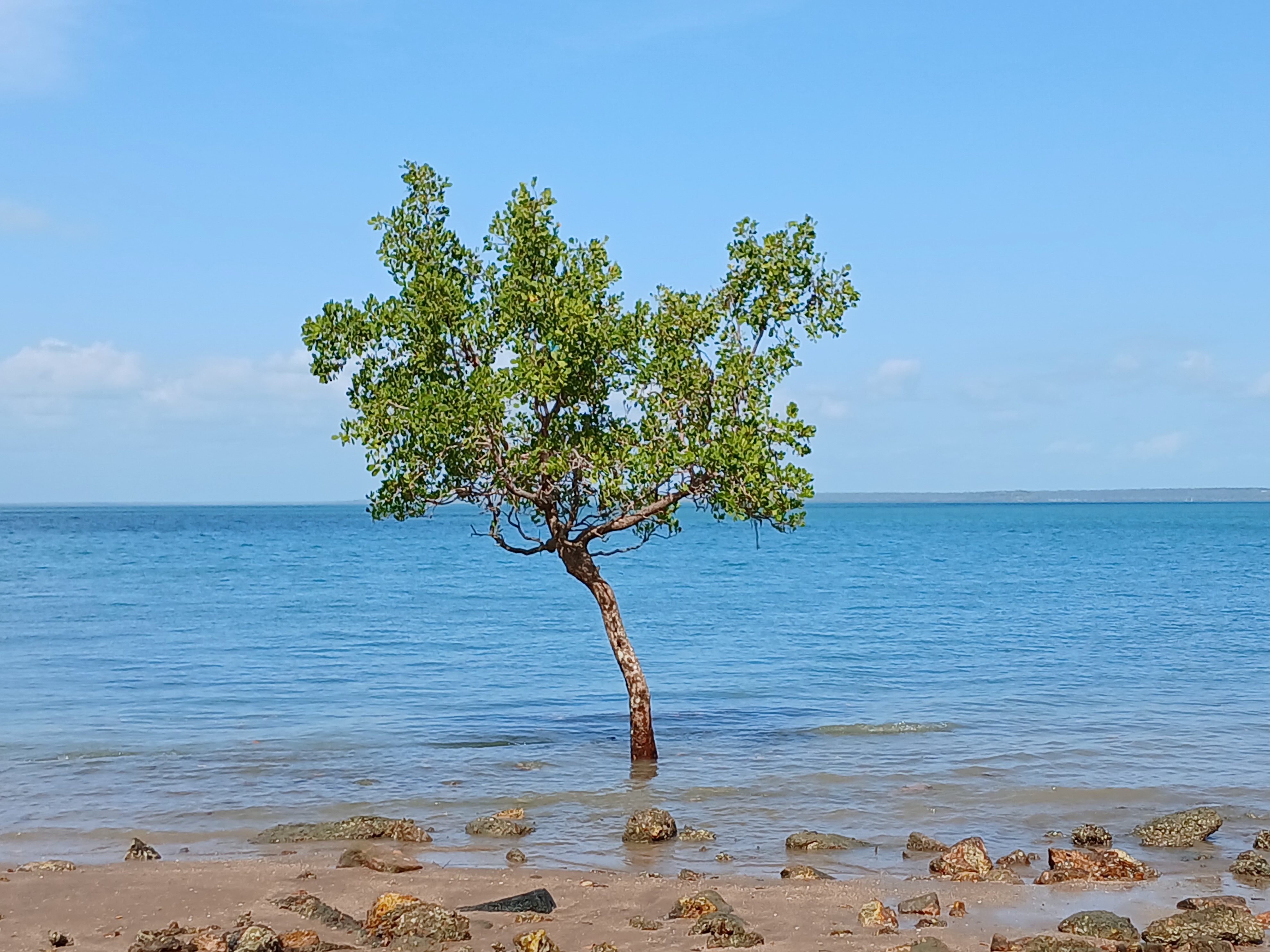
Mangrove tree at Lameroo Beach, Darwin, August 2024.

The photographs in this post, like the ones in my previous post, come from a recent trip I took to Darwin. I’d never been to Darwin before and was only there fleetingly on this occasion, but I fell in love with it, all of it. Darwin in the dry season: place of sunny days, rainforest-lined beaches, mangroves and vines and bush-stone curlews. When you visit somewhere new, you see things through a stranger’s eyes, which is to say that you don’t see its inner workings, its inner truth. Does that mean that you see its truth or something else, your own hypothesis of the place? We cannot know. But oh, the privilege of having the opportunity to see it anyway.

Lately I’ve been reading …

Unrequited

Other people’s words about … a woman’s desire

The meat was ready, steaming, when I lifted the lid of the pot. As I sliced it up I pictured meeting the ambassador in the hotel room. First, he will open the door and clasp me in his arms, I decided, putting a plate in front of my husband. He will kiss the hollow of my throat very softly, and then he will gaze upon me, I decided, like he did today, but with much more tenderness. I cut my potatoes up into tiny pieces. My husband chewed and chewed, with the mouth that never kissed me. He will lay me down on the soft white bed and undo the buttons slowly, I decided. He will kiss my eyelids. I will place my hands on his smooth back, I decided as I chewed. I will clutch him to me but not too hard, not like a drowning person. The light will be dim. The bedding will be spotless. He will tell me that he has seen what nobody else has ever noticed. He will say, ‘It’s you I’ve wanted all along, Elodie. I see you, Elodie. You. You.’

from ‘Cursed Bread
by Sophie Mackintosh

I came back to Elodie’s story again today, having quoted from it once before. Elodie’s story continues to compel me — her longing for her husband to desire her, to see her, oh, to want her. Though Elodie is young and has her life ahead of her, I wonder whether the feelings and desires she expresses in her narrative, those feelings and desires that in her tiny village community are so forbidden, are a little like those an older woman might feel, a woman my age, on realising that the desires she once thought might be realised are now out of reach.

I wonder.

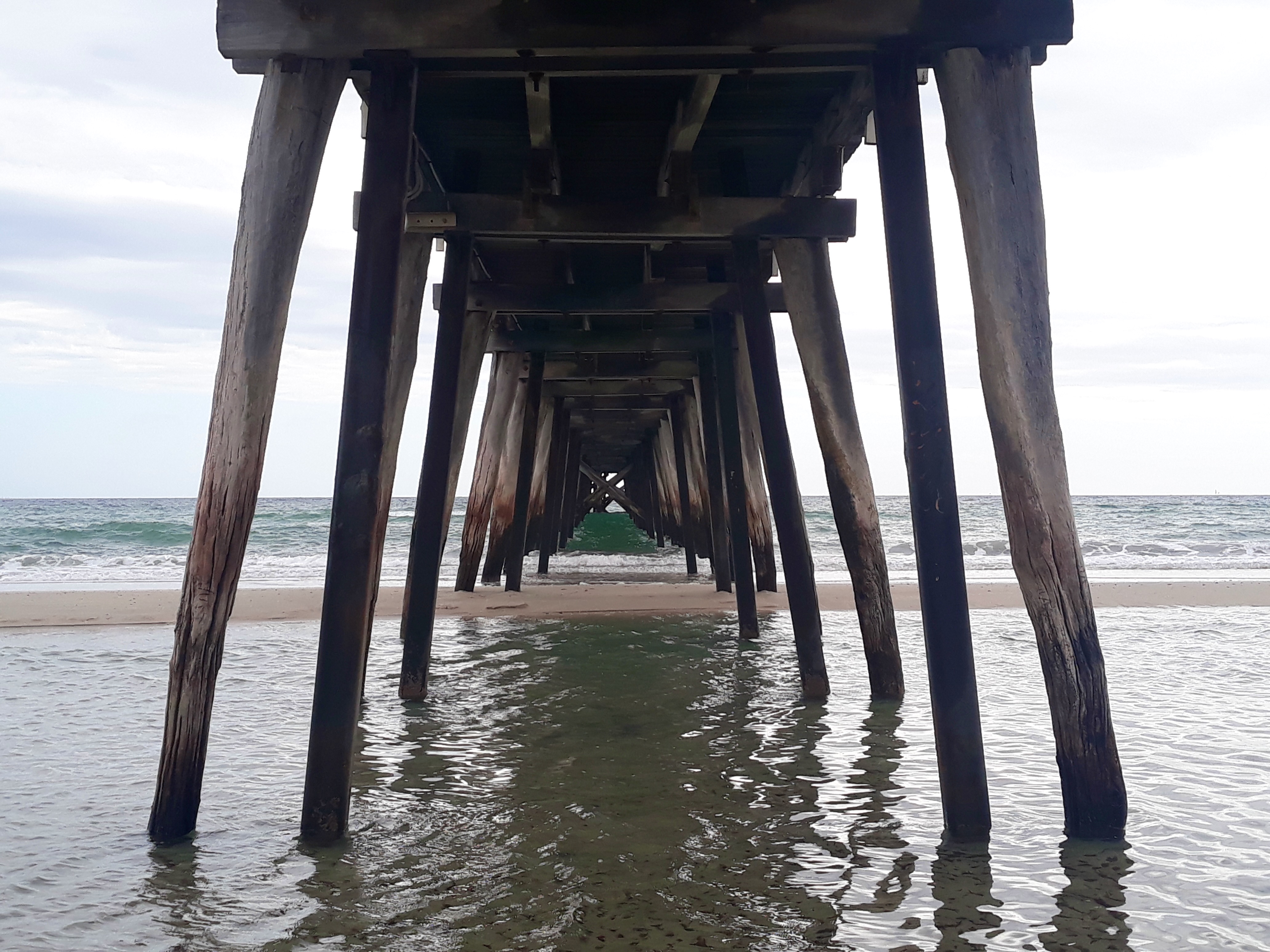
Largs Bay Jetty, May 2024.

I’ve spent the last few weeks quietly. Post-Covid, I still feel tired. It’s a funny kind of tiredness, not so much a feeling of lethargy as a feeling of being tissue-thin, emotionally and physically. I don’t know how else to describe it. Still, I’ve been walking and reading and even writing (a little), and I had a quiet moment of celebration a couple of weeks ago when I saw ten hooded plovers at Aldinga Beach.

Yes, ten. I have never seen so many before, and I walked home feeling quietly jubilant.

Bracken fern, May 2024.

Lately I’ve been reading …

Roar

Other people’s words about … country and city life

Ramesh was used to the sounds of the suburbs. He never noticed barking dogs or level crossings. On the train to work every morning he turned up the volume of his audiobook so it was louder than other passengers’ mobile phone conversations. But [tonight he was in] the country [and it] roared. He could hear the air move in the trees. He had grown up in Croydon, moved to Glasgow at seventeen, back to London at twenty-three, then Sydney at thirty-six. As a child he’d stood outside his parents’ bedroom listening to his father’s whistling snore. He liked living in places where he could hear others alive. He reached for his phone where it sat charging. For an instant he saw his hands illuminated in the bluish light of its screen. He set his rain sound app to the setting called ‘Harbour Storm’.

‘What are you doing?’ Henry croaked. His face was pressed to the pillow. ‘You don’t need that tonight.’ 

Ramesh opened his mouth to argue, then he heard the rain outside, like gunfire on the corrugated iron roof.

from ‘Pulse Points
by Jennifer Down

I love this passage, not because I’m in accordance with Ramesh, but for the opposite reason. I love the ‘roar’ of the country. I spend most of my time living in a house in the suburbs. It’s close to the beach, which I love, but it’s even closer to the railway line, a line that trains zip up and down every half an hour from five in the morning until midnight.

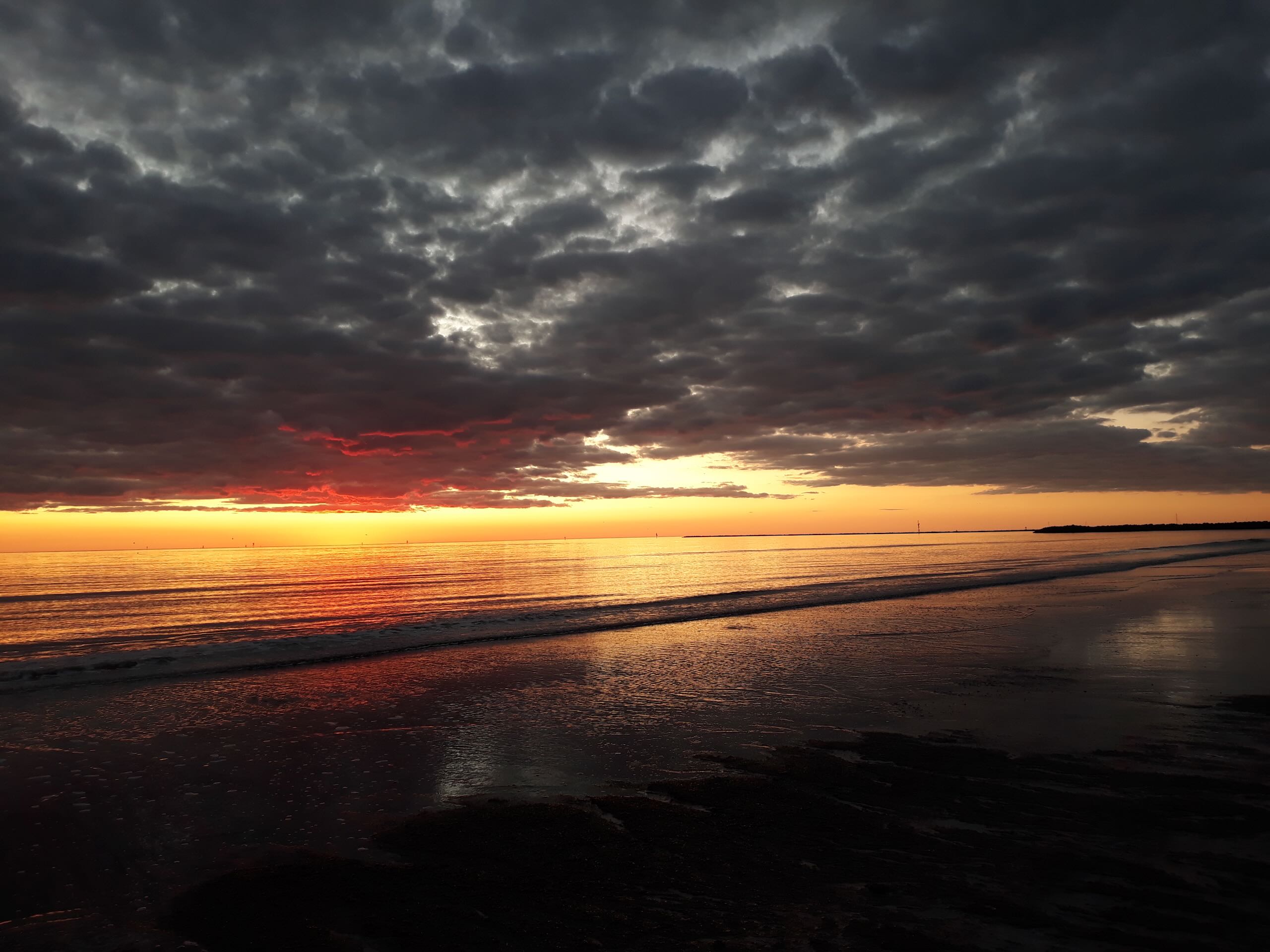
Sunset, early August 2022.

I don’t mind the sound of trains, actually — as suburban sounds go, I find it vaguely comforting — but when I leave my house to stay outside the city, to visit Aldinga Scrub or to camp in Yorke Peninsula, I feel a knot inside my chest of which I wasn’t even aware releasing itself.

Sounds I love when I am away from the city: the dull roar of the ocean at the end of the road (yes, another roar). The whistle of a hot wind through the trees. A frogmouth letting out its low, persistent, booming call at dusk. A shrike thrush singing. A magpie warbling. Frogs croaking. Insects clicking in the grass. And, yes, like Ramesh, the rain drumming on the roof.

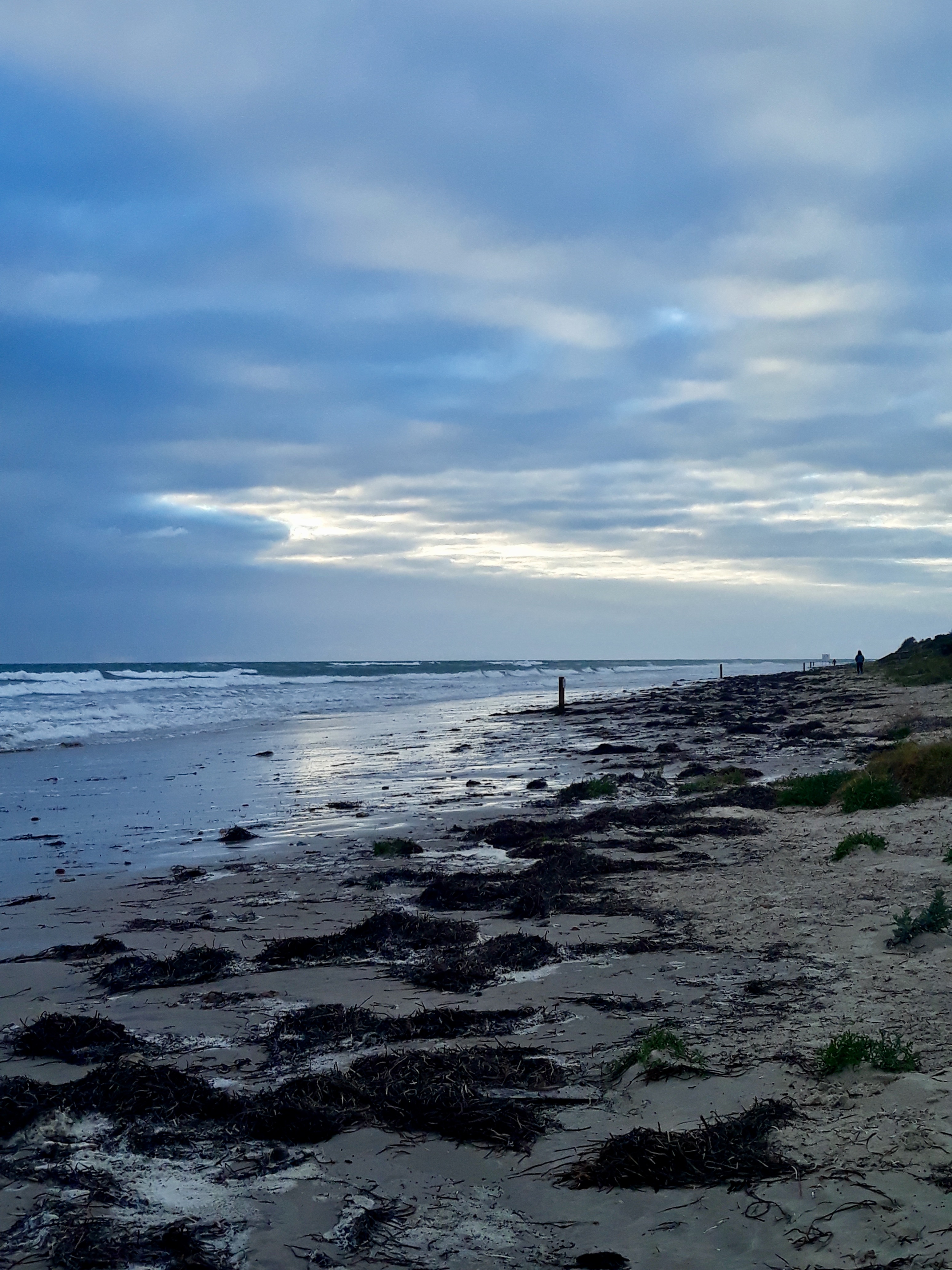
Still, the photo accompanying my post today, like so many of my photos on this blog these days, comes from the suburban beach at the end of the street I live on. The sand is being eroded away and there are car parks dotted along the coast line and on most weekends a food truck selling hot donuts sets up shop during daylight hours.

But it’s still the beach. It’s still wide and beautiful and open and … The sea still roars.

Lately I’ve been reading …

It’s a lengthy list today, because I’ve been reading far more than I’ve been posting. But I hope you find something interesting below.

What lies beneath

Other people’s words about the sea

Sometimes the whole sea looks like a mirror of beaten silver, though it’s too turbulent to hold many reflections; it’s the bay that carries a reflected sky on its surface. On the most beautiful days, there are no words for the colours of San Francisco Bay and the sky above it. Sometimes the water reflects a heaven that is both grey and gold, and the water is blue, is green, is silver, is a mirror of that grey and gold, catching the warmth and cold of colours in its ripples, is all and none of them, is something more subtle than the language we have. Sometimes a bird dives into the mirror of the water, vanishing into its own reflection, and the reflective surface makes it impossible to see what lies beneath.

From ‘Recollections of My Non-Existence’
by Rebecca Solnit

It’s been a while since I’ve written a post for this blog, for which I apologise. Sometimes, life has a way of getting in the way. Sometimes, there just isn’t much to say.

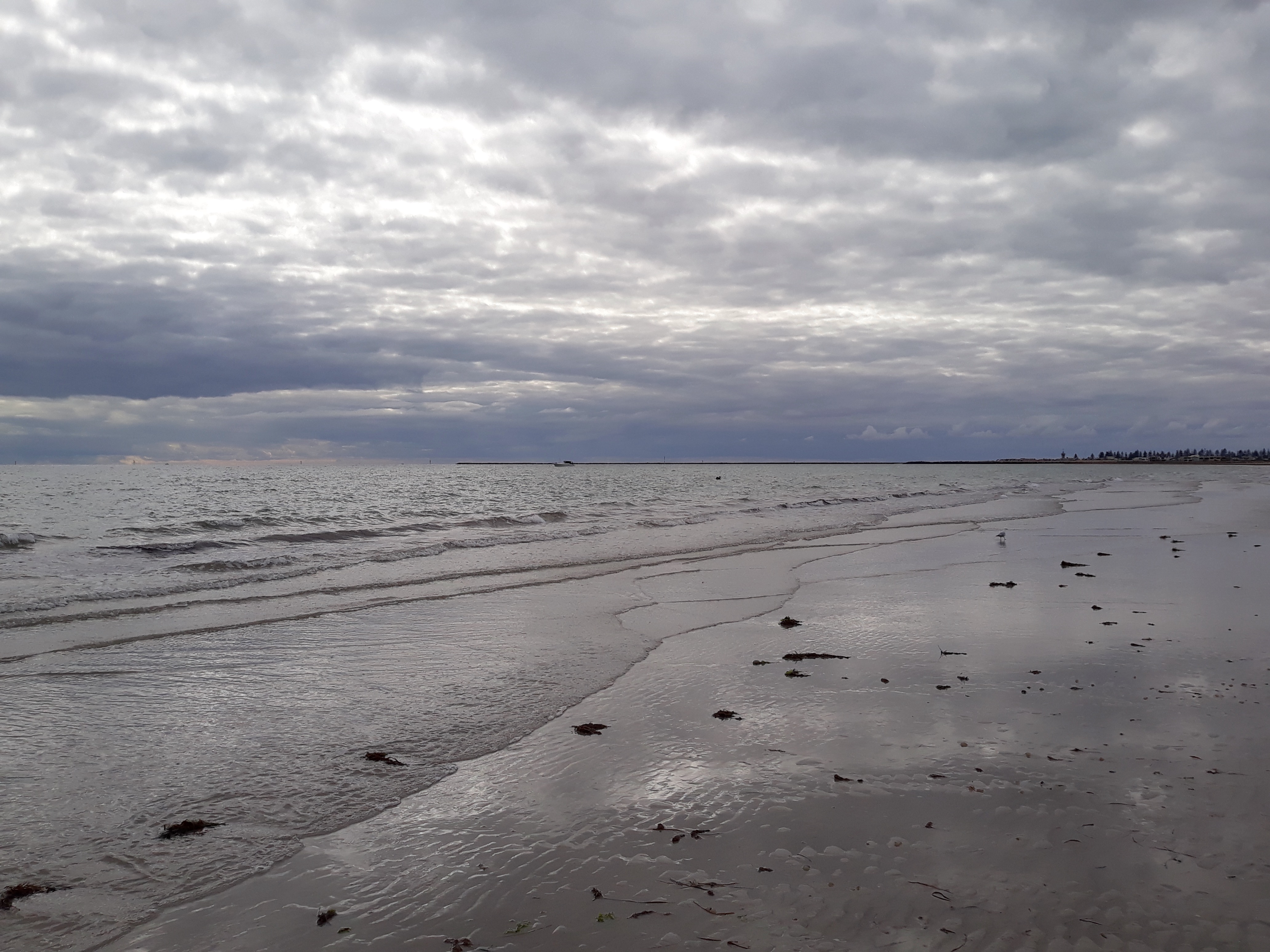
Still, Rebecca Solnit’s words about the sea make me think of walking and running by my own sea, so far from hers, on the other side of the world. In the weeks since I last wrote a blog post, summer has faded away and autumn has arrived, and the sea has transformed itself from deep blue …


… to a wondrous, pearly, rippled blue …


… to spun silver.


Time passes, and the world turns, and that is how it should be. May the world keep turning for you, too.

Lately I’ve been reading …

Milestone

Other people’s words about … why they run

You know, I have run all my life. From fights and bars and women and any number of tricky situations. I run to think and I run to not think. I ran even when I was drinking. Often, I would leave bars and run into the night, just keep going until the exhaustion or sheer drunkenness stopped me. I don’t run in groups or on teams, I don’t run in events or with friends. I don’t run for charity. I don’t run for fitness — I ran even when I was fat or when I smoked. I run for the same thing I have always run for. The solitude and the independence of spirit. The feeling of freedom. When I was in my early teens I read Alan Silitoe’s short story ‘The Loneliness of the Long-Distance Runner’ and had my psyche explained to me.

From ‘Riding the Elephant’
by Craig Ferguson

I haven’t been able to run for several months now, due to a niggling ankle/tendon injury that I’m still trying to work out how to fix. Despite this (or perhaps because of it), when I came across Craig Ferguson’s words about running recently, which I’ve quoted above, they struck such a chord within me that I couldn’t let them go.

Reflective

I turned fifty this past weekend. Like most people I know who have turned fifty ahead of me, the milestone left me feeling even more introspective and reflective and wistful (or maudlin? self-absorbed?) than I usually do.

And the niggling ankle injury certainly didn’t help.

Fading beauty

So here is a metaphor for you: today, I went for a ride on my bike. I stopped to take the photograph below, because it was such a lovely, sun-dappled, shady spot, and because I already had the caption for the photograph planned. It was: ‘Who knows what lies around the next turn?’ This seemed apt, since the road I was cycling along made a literal turn, and since, at fifty, I’m also at a metaphorical turning point.

But then, after I’d taken the photograph and got back on my bike, I actually did cycle around the turn … and got repeatedly swooped by a magpie all the rest of the way down the road.

There’s a lesson in that somewhere, if you’re fifty and feeling maudlin and introspective, right?

Round the bend

But back to Craig Ferguson and the point of this post. I run for the same thing I have always run for, he writes. The solitude and the independence of spirit. The feeling of freedom.

And (oh my goodness, yes): I run to think and I run to not think.

These are the reasons I run, too, and the reasons I hope I’ll run again, one day. Is that a vain hope? Perhaps. But the fifty-year-old in me has learned that hope is worth clinging to, because, against all logic, hope keeps you real. It keeps you true.

Mantra

Other people’s words about … language

I watched them walk down the steps, [and then I] turned around in the hallway, and heard myself say, ‘I’m so lonely’. It shook me because this sentence had become an involuntary verbal tic. I seldom realised I was saying it or perhaps didn’t know that I was speaking the words out loud. I had started to experience this unbidden mantra even while I was still married, mumbling it before sleep, in the bathroom, or even at the grocery store, but it had become more pronounced in the last year. My father had it with my mother’s name. While he was sitting alone in a chair, before he dozed off, and later, in his room at the nursing home, he would utter Marit over and over. He did it sometimes when she was within hearing distance. If she answered the call, he seemed not to know that he had spoken. That is the strangeness of language: it crosses the boundaries of the body, is at once inside and outside, and it sometimes happens that we don’t notice the threshold has been crossed.

From ‘The Sorrows of an American’
by Siri Hustvedt

Have you ever had the same experience as Siri Hustvedt’s narrator Erik describes having in the passage I’ve quoted above — the experience, I mean, of a single phrase that comes to you frequently and (often) unbidden?

Threshold between sky and sea

Until I read this passage, I thought I was alone in this experience, although the phrase that comes to me is not the same phrase as Erik’s phrase. This phrase, my phrase, sometimes comes to me when I’m awake; and it sometimes comes to me when I’m drifting off to sleep; and it sometimes comes to me when I have a pen in my hand and am writing. The phrase, my phrase, is so familiar to me that it has written itself into my very sense of self.

Or perhaps it’s the other way around: the feeling I have when the words come to me is so strong, and so familiar, that it has formed itself into words.

Threshold between bird and world

As I’ve said many times before, I read to find accord with other people whom I will never meet in real life — either the writers themeselves, or the characters whom they create in their writing. Books are words, but they are more than words: their words cross a threshold between words and lived experience.

That, as Hustvedt herself puts it, is the strangeness of language. And, I would add, of life in this world.

Threshold between night and day

Unlovely

Other people’s words about … the view from the kitchen window

The kitchen window [of the railroad flat] looked into the gray courtyard where, on better days, there would be lines of clothes baking in the sun, although the floor of the deep courtyard, even in the prettiest weather, was a junkyard and a jungle. There were rats and bedsprings and broken crates. A tangle of city-bred vegetation: a sickly tree, black vines, a long-abandoned attempt at a garden.

From ‘The Ninth Hour’
by Alice McDermott

The world can seem very unlovely sometimes, can’t it? Sometimes the unloveliness is of the kind described in the passage above, which comes from poverty and dereliction and is visible from your kitchen window. And sometimes it comes from a more spiritual kind of unloveliness: a human lack of grace.

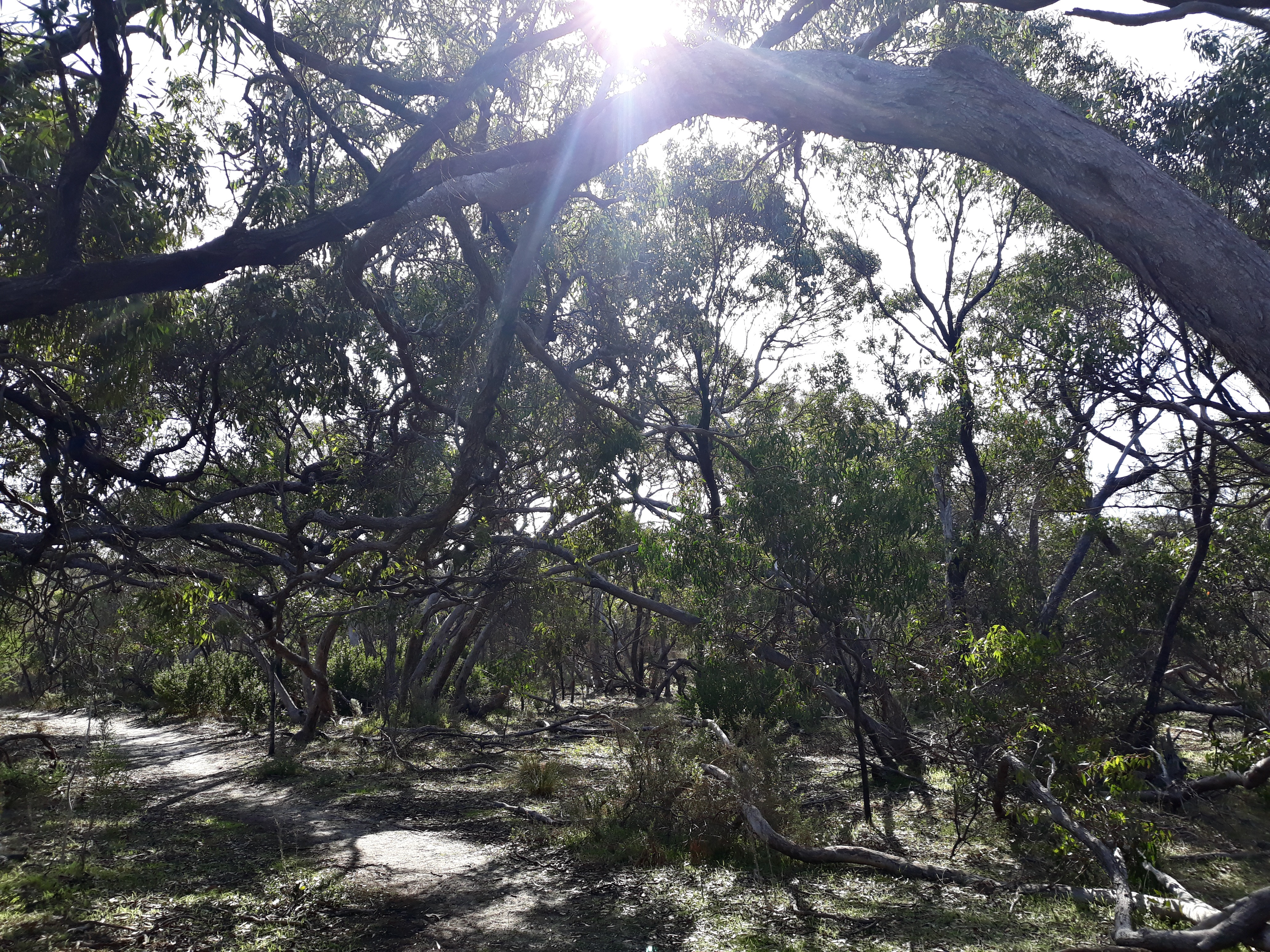
Shafts of sunlight

There are times when I fret and rail at the unloveliness, times when it is all I can see. And there are other times — for the space of a breath, or a second, or a minute, or an hour — when I am overwhelmed by the loveliness that surrounds me, both within people and without.

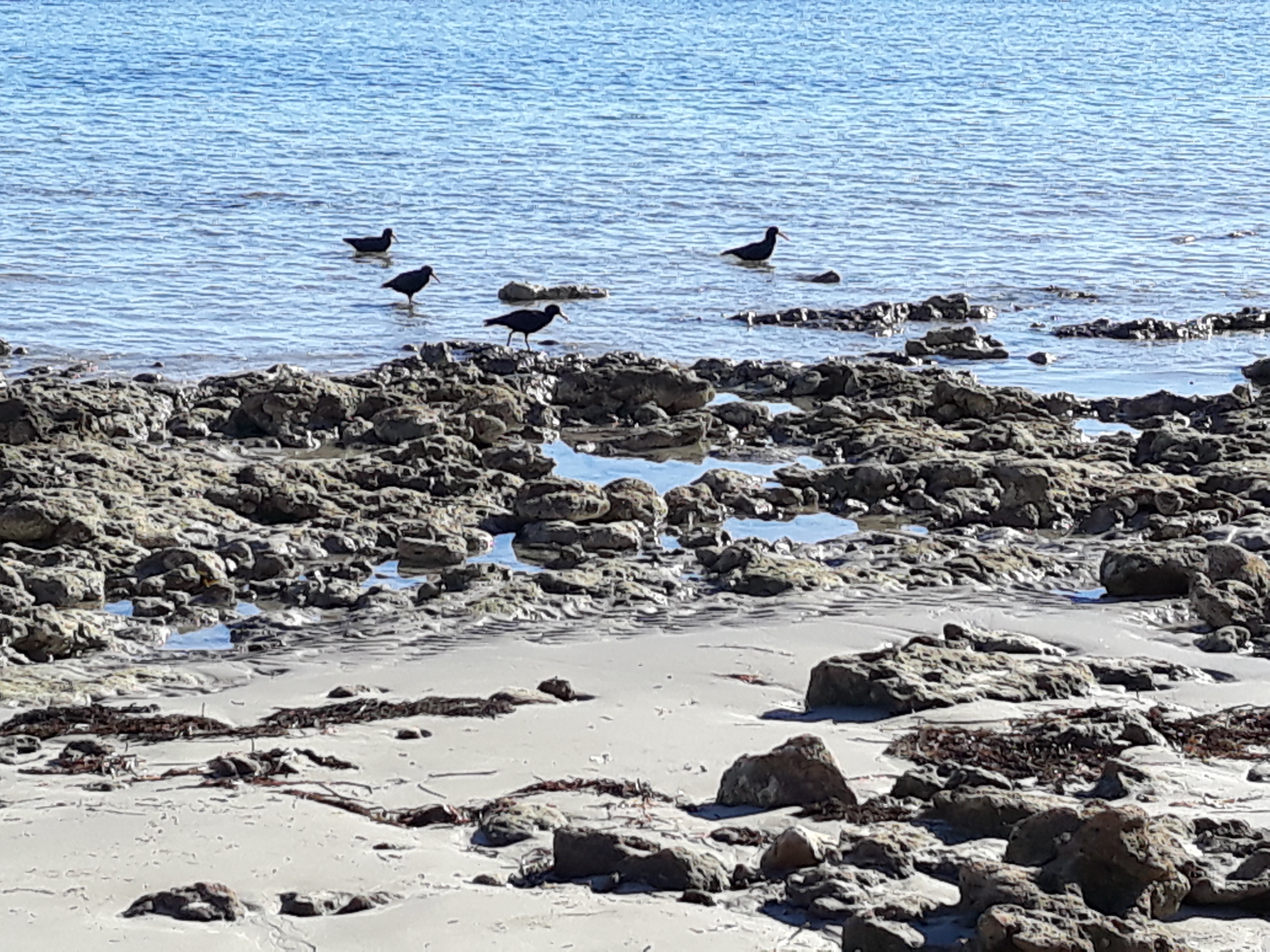
Oystercatchers on the reef

I had a week of annual leave from work last week, which I spent by the beach. The weather was dank and damp and (yes) somewhat unlovely, and, at least partly in response, my mood veered up and down erratically.

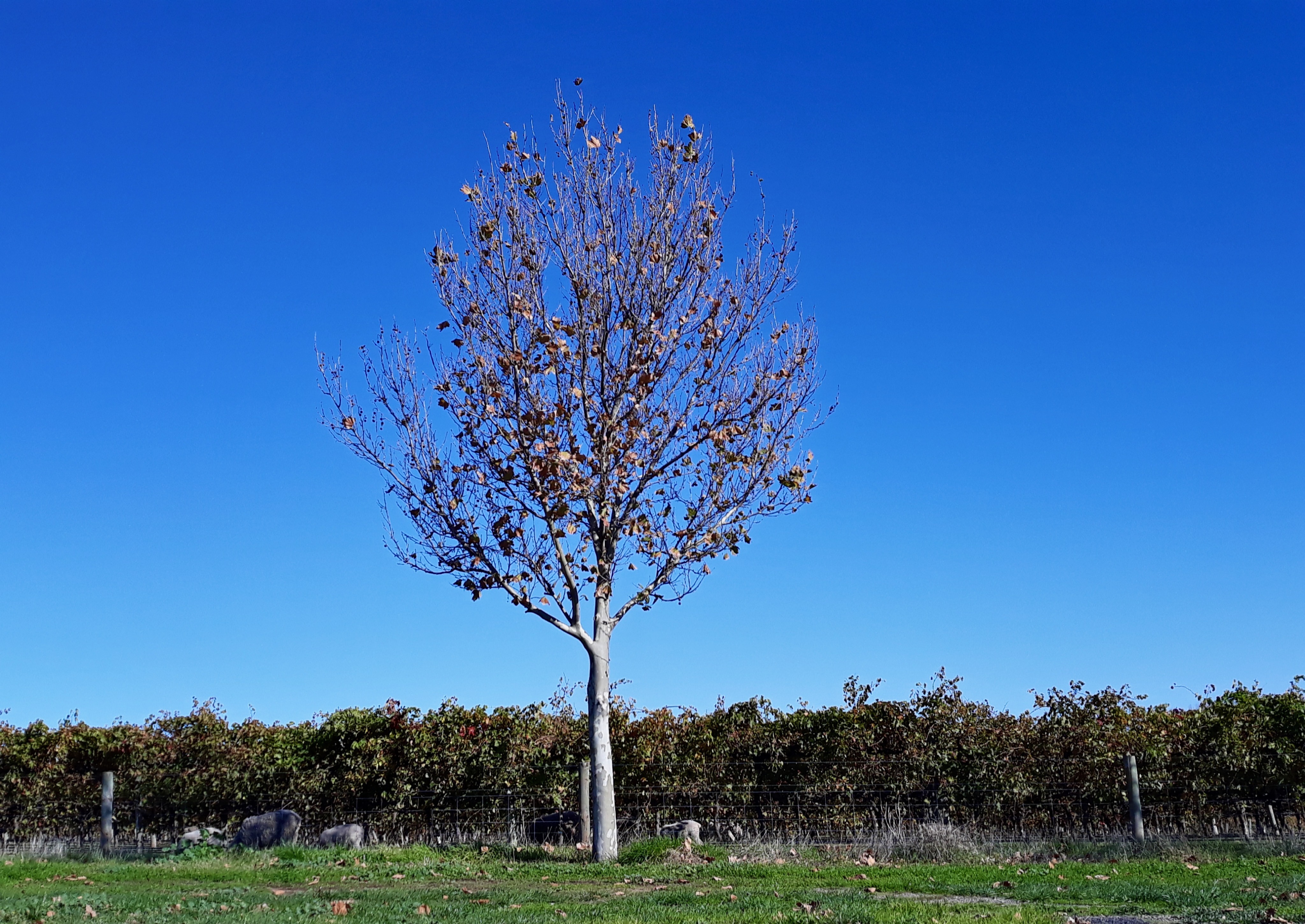
Autumn in the vineyards

But then, over the week, because I’m on a pause in my running at the moment, I found myself seeking out my bike again, taking myself for long, hypnotic rides along the coast, through hills and paddocks and vineyards. And all around me, amidst the dampness and dankness, there were moments of loveliness, some of which you can see pictured in today’s post.

Rainclouds over the hills

Sometimes, I think, you just have to take moments of loveliness like this and carry them with you, through the unloveliness. Sometimes it’s all you can do.

Lately I’ve been reading …

Bright lights

Other people’s words about … living small

His approach, enjoying small spots of nature every day rather than epic versions of wilderness and escape, made sense to me. Big trips were the glaciers, cruise ships to Madagascar, the Verdon Gorge, the Cliffs of Moher, walking on the moon. Small trips were city parks with abraded grass, the occasional foray to the lake-woods of Ontario, a dirt pile. Smallness did not dismay me. Big nature travel — with its extreme odysseys and summit-fixated explorers — just seemed so, well, grandiose.The drive to go bigger and further just one more instance of the overreaching at the heart of Western culture.

I like smallness. I like the perverse audacity of someone aiming tiny.

From ‘Birds Art Life Death’
by Kyo Maclear

This week marks a new phase in the COVID-19 pandemic, as the world begins to open up again, economically. Here in South Australia, several restrictions will be lifted from 11 May. Cafes will reopen for outdoor eating; travel within the state (to holiday houses and campgrounds) will be encouraged; libraries will open their doors to patrons; swimming pools and community halls will be available for public use once more. All of these reopenings are accompanied by regulations that we could never have imagined prior to the pandemic, most of which are to do with the amount of people gathering in any one spot, and the distance they must keep between each other. But still, even with those rules in place for the foreseeable future, it’s clear that the lockdown is easing slowly.

And I am glad — glad that so few people are ill and dying here now in South Australia; glad that people whose livelihoods have been threatened by the closures of their businesses can now have a chance to make a living again; glad that people who have felt isolated and lonely during lockdown can go out into the world again and reconnect.

But also, I find myself feeling a little sad as the quiet time comes to an end.

Cafe life during the pandemic: the not-so-bright lights

Because, like Kyo Maclear, I, too, on the whole, like smallness. I don’t mean that I like illness or poverty or death — of course not. I don’t mean, either, that I can’t see how incredibly fortunate I’ve been (so far) during this pandemic, given that my health, and the health of all the people I love, remains intact. Given that I still have a job and an income.

But still, for the longest time — for as long as I can remember, in fact — I have felt out of tune with what Maclear calls the overreaching at the heart of Western culture. Over and over in my life, I have sought smallness over largeness; quietness over noise; scarcity over plenitude; closeness over distance; solitude over the throng. Often, this pursuit has felt less like a choice to me than a compulsion or a duty. Often, it has felt very lonely.

During the lockdown, though, as life has shrunk and quietened, as the crowds have thinned and ebbed away, I have seen my instincts and compulsions aligning themselves with the changing world around me. And in this quieter, smaller world, I have felt something inside of me loosen and release. I have felt, for once, at peace.

Through a window: looking up and out to the light

In the society I live in, a Western society like Maclear’s, we are encouraged to spend big, to think big. To live big. In tandem, we are encouraged to ignore the damage that results from doing so — the damage to the environment we live in, and the damage to the quiet places within ourselves, to the truths we feel in the smallness of our own hearts.

Coronavirus has affected the world on a global scale: its effects have been enormous, and they will be long-lasting. And yet, how perverse would it be, to borrow a word from Maclear, if what we take away from this catastrophe is a desire to live smaller, to aim tiny? How audacious? How — dare I say it — wonderful?

Deserted beach: this beautiful light

Lately I’ve been reading …

Beside the point

Other people’s words about … the world we live in

In the past few months [my eight-year-old son] Jack has become exasperated with my talking back to the radio. ‘You have to cheer up,’ he’ll say … And so I’ve been trying to keep most of my feelings about the news to myself. I’m grateful for the trust and sanguinity Jack displays these days, which makes me feel I’ve done something right. It’s only that, as the world seems to become an increasingly dangerous place, I wonder if happiness is the point. Maybe passion, something that can keep you satisfied inside your own head, independent of other people, is going to be worth more in Jack’s lifetime.

From ‘Lost and Wanted’
by Nell Freudenberger

The novel I’ve quoted from in today’s blog post was published in 2019, meaning that Freudenberger wrote it well before the coronavirus pandemic began. And here, in fact, when Freudenberger’s Boston-based narrator Helen mentions the world becoming an increasingly dangerous place, she is, in the context of the paragraphs that precede this passage, referring not to public health but to politics. Specifically, she is talking about the election of Donald Trump, and about the effect his policies have had on her and her world.

Still, Helen’s words ring eerily true to me in the world of 2020, this post-pandemic world. What is it that keeps us going when happiness is either inaccessible or beside the point? Is it passion, as Helen suggests? I’m not sure, but I do like the idea of finding something that can keep you satisfied inside your own head, independent of other people.

So tell me: what keeps you satisfied inside your own head? I’m curious. I’d love to know.

Lately I’ve been reading …