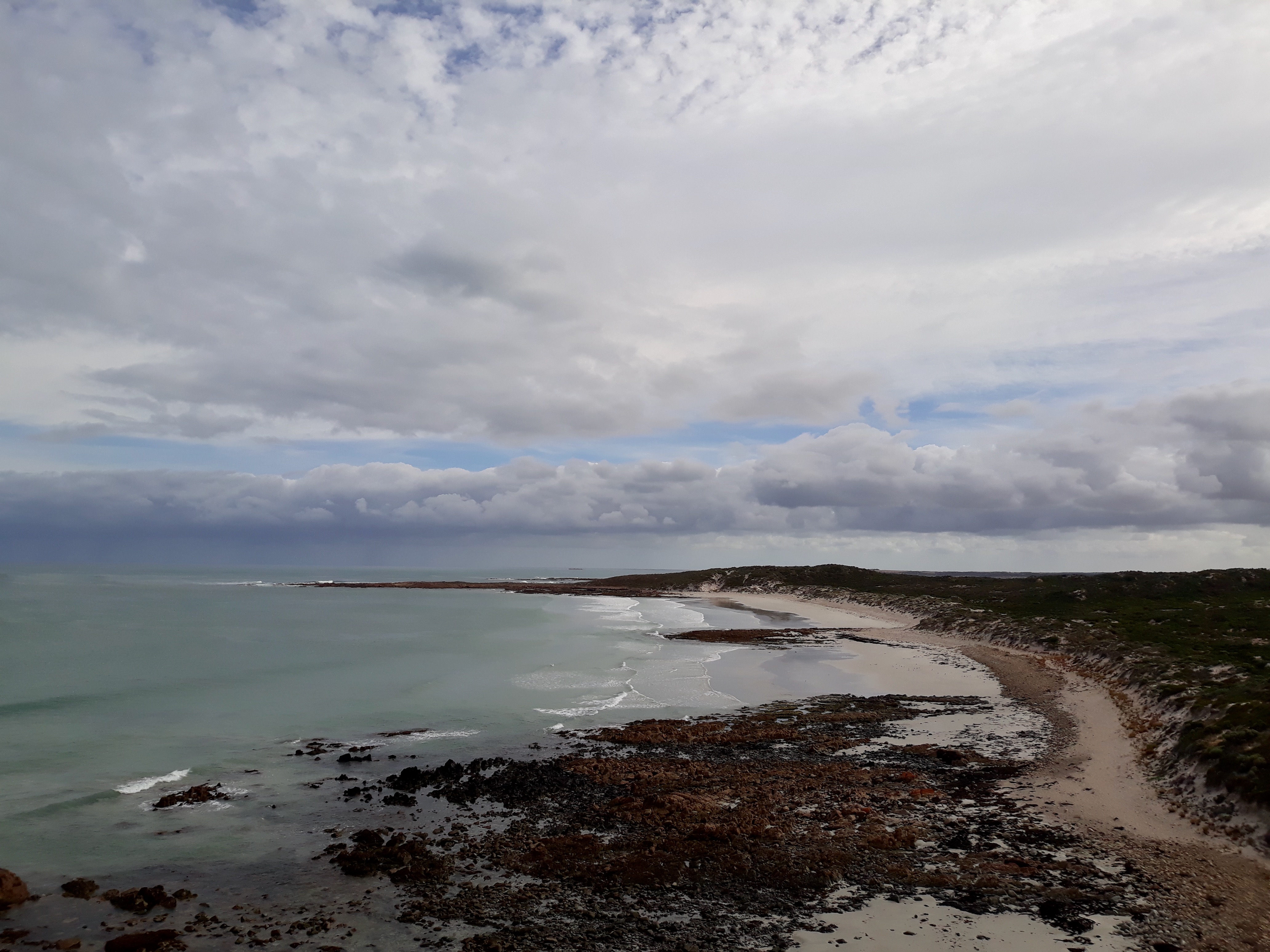
Wordless

Other people’s words about … the things we say

All that talking, years of reading: There was a time I thought that all language might contain something of value, but most of life is flat and boring and the things we say are too. Or maybe it’s that most of life is so much stranger than language is able to make room for, so we say the same dead things and hope maybe the who and how of what is said can make it into what we mean.

From ‘Want

by Lynn Steger Strong

I’ve been posting less and frequently on my blog over the last few months, I know. And it’s not, as you might think, because I have become more active on other (more instant) social media, though I can see the appeal of posting photographs (excluding selfies) on Instagram. 


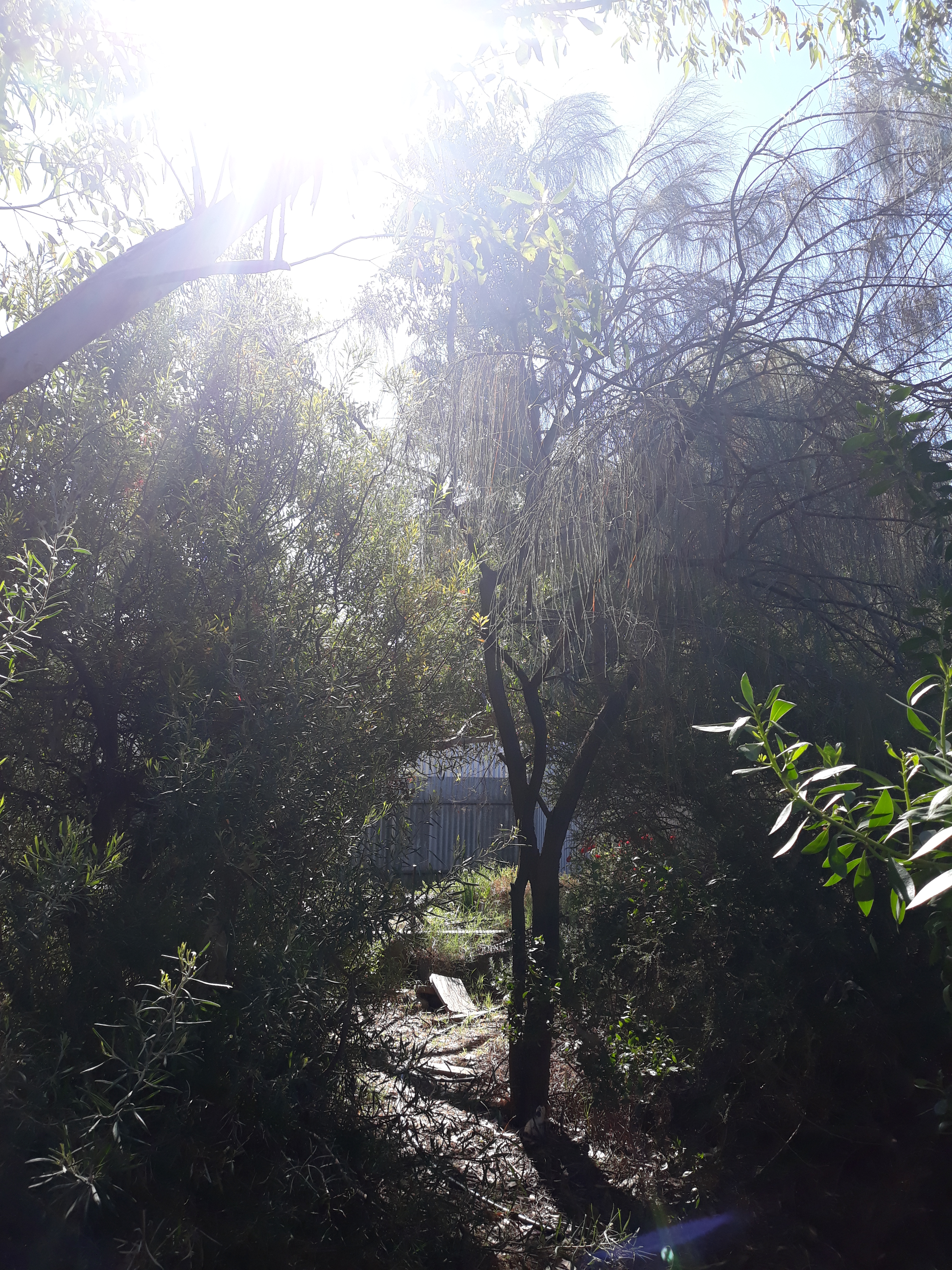
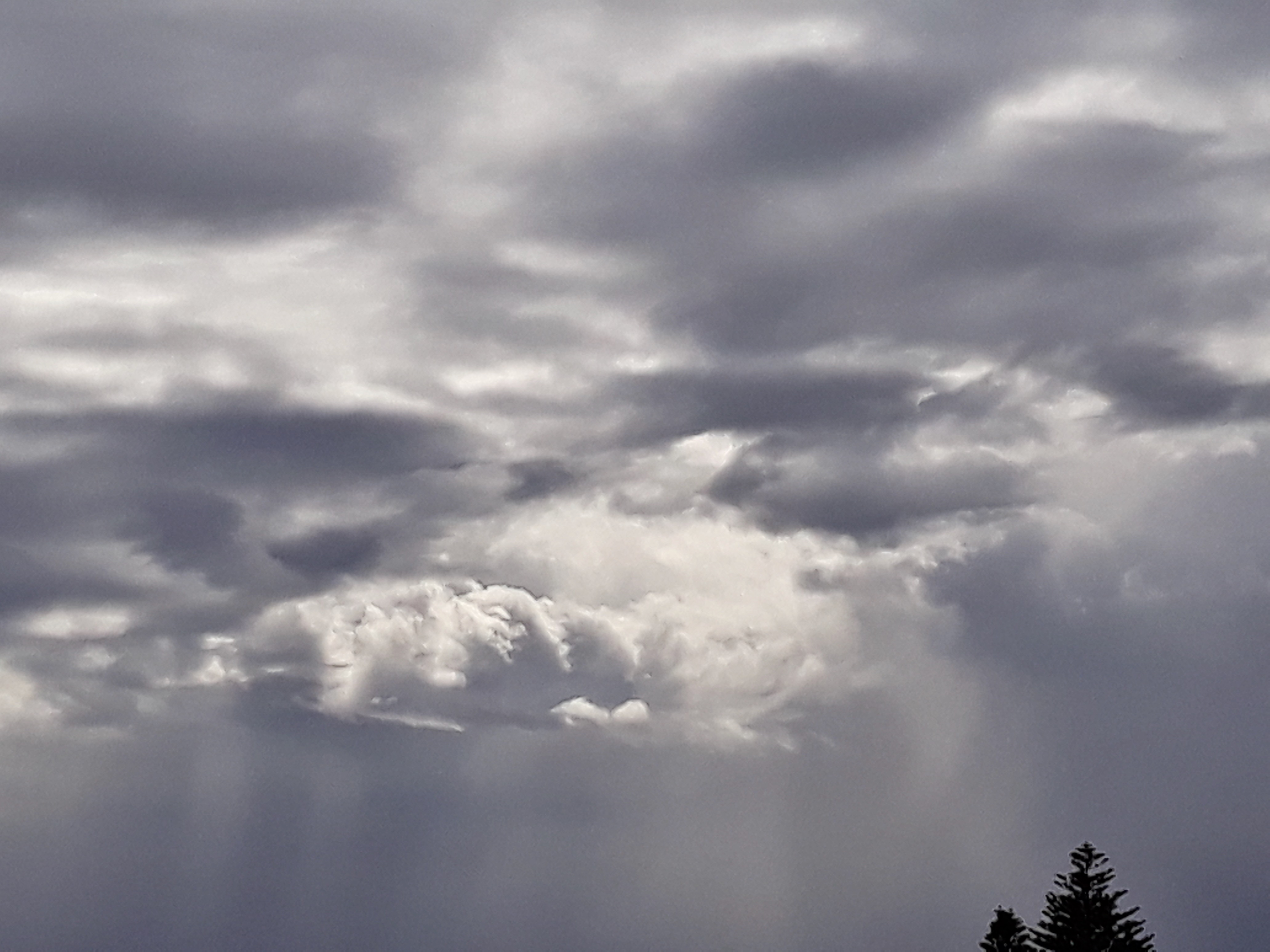
Spring flowers, Aldinga Scrub, 2021.

In fact my quietness on this blog is more to do with the fact that most of life is so much stranger than language is able to make room for, as Lynn Steger Strong puts it so wonderfully in the passage I’ve quoted above. The Covid-19 pandemic, now entering its third year globally, has left me feeling, in the truest part of me, wordless. I am surviving, for which I am grateful. I am getting on with my life. But I don’t know how to put that into words very well, or at least not in the form of a blog post. I enjoy blogging, and I like my space in the blogosphere, so I hope that this phase will pass. But in the meantime … here I am, not finding the language I need to say what I want to say.
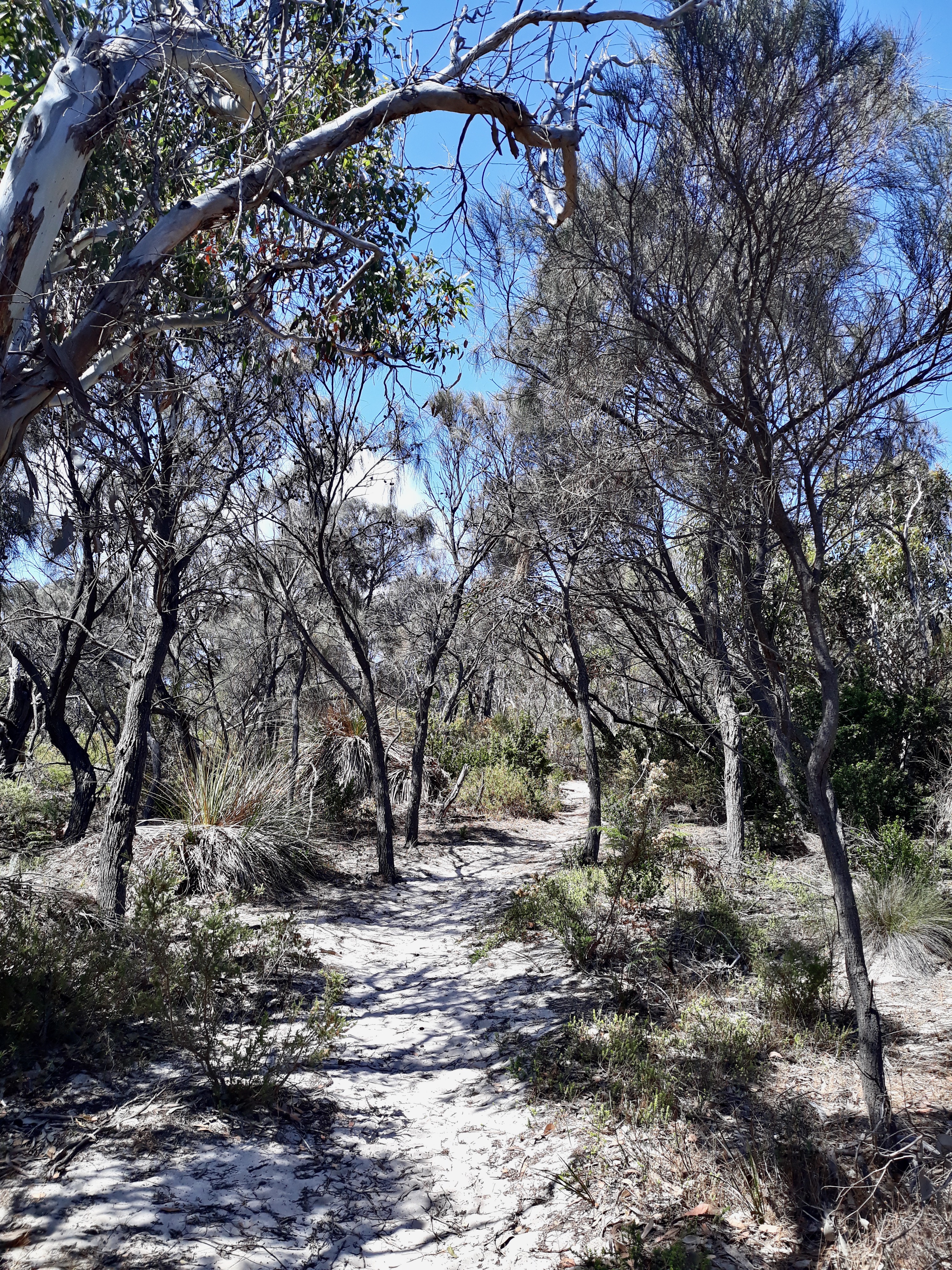


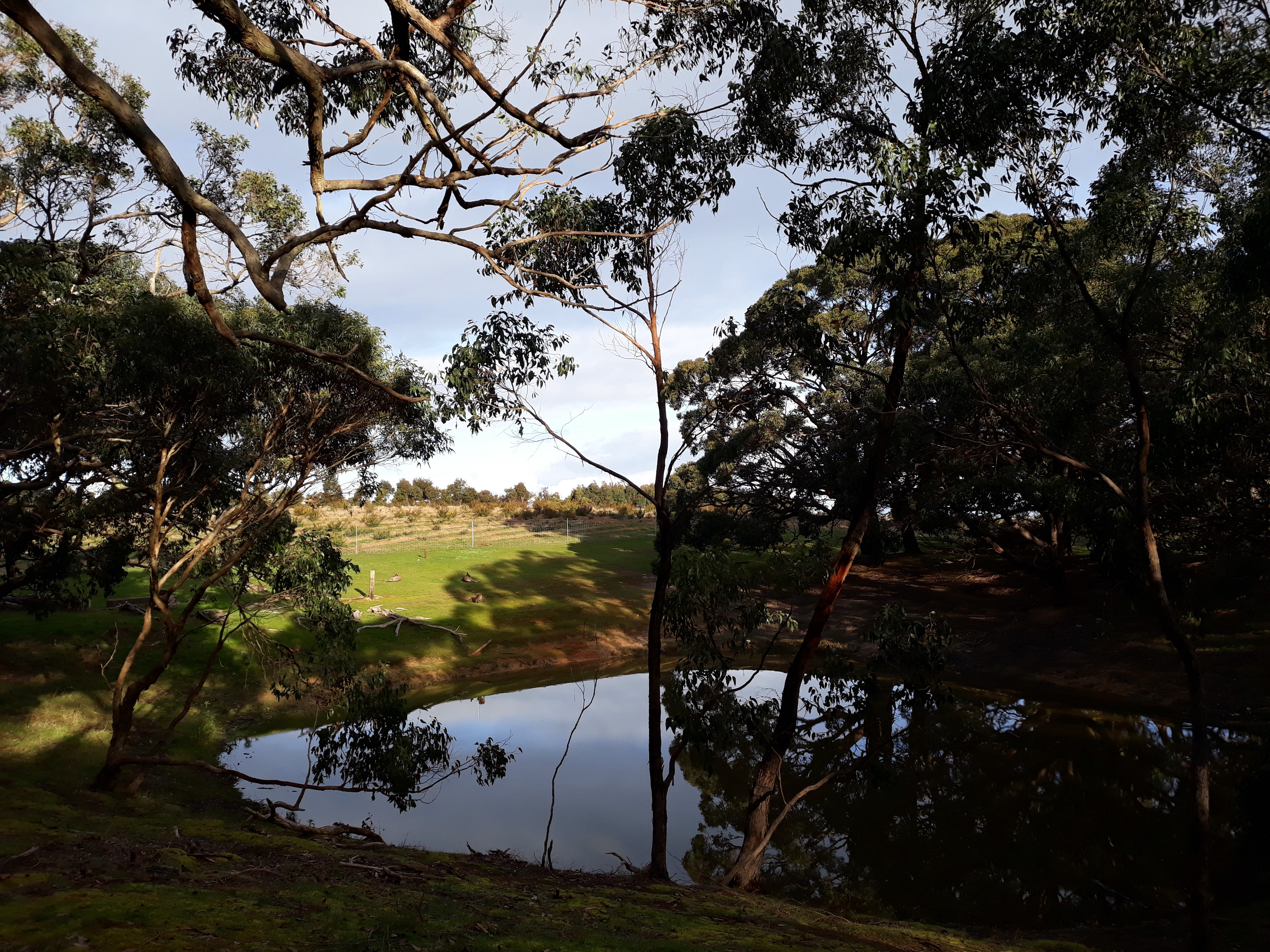
Pathway, Aldinga Scrub, 2022.

Another reason for my quietness on this blog is that I’ve been doing a different kind of writing in my spare time recently, which is to say I’ve started writing fiction again. As I mentioned in my previous post, last year I submitted the manuscript of a middle-grade novel to my agent, who is currently trying to find a publisher for it. (No luck yet.) And now, somehow, I find myself writing a novel for adults. I don’t know whether any of the fiction I’ve written since the beginning of the pandemic will ultimately be publishable, but somehow, entirely unexpectedly, it seems that I’ve found the courage to try again, and because of that very unexpectedness, I’m allowing myself to honour my courage for now and see what happens.

Life continues, albeit quietly and unexpectedly, I suppose is what I’m saying. Sometimes I have the words for it and can compose a blog post about it and sometimes I don’t. But I will keep trying. That’s a promise.


Wordless, 2022.

Lately I’ve been reading …


Still here

Other people’s words about … the safety of books

I walk from the museum to the train and take it downtown where I get off and go to a coffee shop I used to go to before I worked full time. I was in grad school for six years — English literature, mid- to late-twentieth century, British and American, forgotten or actively discarded female writers: Penelope Fitzgerald, Anita Brookner, Jean Rhys, Nella Larsen, Lucia Berlin. There was a time when I thought giving books to other people — showing them their richness, their quiet, secret, temporary safety — could be a useful way to spend one’s life. I spent another five years as a part-time adjunct, waitress, admin assistant. Once, for six months, I wrote quizzes to accompany the bad books put out by an education corporation, but I was fired because I couldn’t keep my sentences short enough.

From ‘Want

by Lynn Steger Strong

It’s been a while since I posted here, for which I apologise. In the last few months I’ve moved house, lost my car in a car crash and sprained my ankle. In addition (and somewhat unexpectedly), the house I bought and moved into had no running water beyond a garden tap, and the sale of the house I moved out of fell through three days before settlement.


In the garden (1).

But I’m still here in the new house, still alive, still breathing. And Lizzie, the little cat who appeared in my garden at the old house two years ago, is with me, too. Though she still won’t allow human touch, she has managed the move quite splendidly so far. On the advice of the cat rescue organisation who helped me trap her and move her into the new house, I’m keeping her indoors for several weeks before attempting to allow her back outside. I hope that when I do open the door for her into the garden she’ll choose to stay with me.

I hope, I hope, I hope.


In the garden (2).

When I moved into my old house, there were no trees and the garden was a bare patch of ground covered with a pervasive weed called caltrop (three-corner jacks). I pulled out all the caltrop and then planted trees and watched them grow. When Lizzie arrived years later, she sat beneath the trees or wandered down the path beneath them from one end of the garden to the other. In the end, though I often think of myself as an indoor person, as someone who lives more richly in my inner world than the outer world, I found it far harder to leave those trees, that garden, than I did to leave the house itself.

My new house is bigger than the last one, and still within walking distance of the beach, but once again there are no trees. So I’m back to planting trees again, back to watching them grow.


Still within walking distance.

In the midst of it all, as the pandemic continues, as South Australia finally opens its borders to the rest of the world, I’ve also submitted a manuscript to my literary agent and written the first draft of another one. The manuscript I submitted to my agent is doing the rounds and has so far been rejected by six publishers, and I don’t know if it will ever be published. And the other manuscript, the first draft of which I’ve just completed — well, it’s still very much a first draft. It has a long, long way to go, many more drafts, before it will tell the story I want it to tell.

But both as a reader and as a writer, I still believe, like Lynn Steger Strong’s narrator in the passage I’ve quoted above, that giving books to other people — showing them their richness, their quiet, secret, temporary safety — [can] be a useful way to spend one’s life. After all this time, all these years, reading and writing still enrich my days and fill my life with purpose.

I’m still here. I hope you are, too.

Stumble

Other people’s words about … being an adult

I’ve joked all my life about my complete incapacity with money. Nothing has made me more anxious than dealing with finances. Trying to do my accounts caused a fog in my brain, a feeling near panic. I sensed, with the same primitive instincts that locate danger, that money is something that invalidates me, that cancels me out. I was afraid of it, afraid of its mysterious mechanisms. I loathed it, and yet it ruled my life …

Before I was in my fifties, I had no idea, until an accountant added it up, how much I earned in a year. I couldn’t read my financial records and I didn’t possess the smallest notion of what to do if I did. To me, all these things were as punitive and arbitrary as the love of God, which passeth all understanding.

From ‘Monsters: A Reckoning

by Alison Croggon

For the last few years I have lived with a similar sense of incapacity at the edges of my awareness to the one that Alison Croggon describes in the passage above. My incapacity is partly, like Croggon’s, about financial matters: though I finally learned to manage to file my tax return in my early thirties, for example, I have yet to come to terms with superannuation and all its requirements. (I make flippant jokes to friends about how I plan to live in a tent after retirement. And then I say: ‘Besides, what’s retirement, anyway? I’ll have to keep working to pay my bills till the day I die.’)

But that fog in my brain that Croggon describes descends on me in other areas, too. I have been aware since my late twenties that I had lost, or couldn’t locate, several crucial documents of identity — my birth certificate, my Australian citizenship certificate. I stumbled along without these documents, managing to get by using my passport instead, until, around the time I began to avoid getting in planes, I let my passport lapse, too, until it no longer qualified as a document that could establish my identity.

And still, even then, I put off applying for a replacement birth certificate or citizenship certificate. I was terrified that I would find once I started the application process that I wouldn’t qualify for those documents anymore. I was terrified I would no longer be able to prove that I am who I am. (Whoever that is.) I was terrified, in other words, that the application process would, as Croggon puts it, cancel me out.


Fog at Deep Creek.

I have lived my life like this for years. Decades, even. But in the space of the last three weeks — and I apologise for the clumsiness of the segue here, but it is all I can muster — in addition to re-establishing my identity and regaining my papers, I have bought a house and I have sold a house. Somewhere in those last three weeks I have also walked through a doorway out into the sunshine — a real, physical doorway, I mean, not a metaphorical one — and rolled my ankle, possibly tearing a ligament (still trying to figure that out). As a result of this I find myself now, quite literally, limping and stumbling through my days.


After the fog cleared.

I apologised earlier for the clumsiness of my segue, but the clumsiness I was referring to, though not intentional, was hardly coincidental. Though it shames me to say this, I find it impossible to talk with any grace or even with any sense of safe passage about the things I have been doing recently: proving my identity, applying for home loans, buying and selling and moving house. They are things that most people have to do at some point in their lives in our society, I know, but going through them makes me feel sick enough, my stomach churning, my head spinning. Talking about it, writing about it, processing it is too much. That fog in the brain again.

It takes a certain level of privilege to be in the position I am in, to have got through my life the way I have till now: no questions to answer, no endless need to prove who I am. The colour of my skin, the family I am part of, the certainty that I am lucky enough to feel about my gender and sexuality, the generation I was born into — all of these things have allowed me, and will continue to allow me, to choose to make myself powerless in the ways I have chosen to till now.


Deep Creek reflections.

And yet. That doesn’t mean the terror isn’t real. It doesn’t mean the choices I’ve made haven’t felt instinctive, primitive, inevitable; it doesn’t mean they haven’t felt like choices at all. It doesn’t mean I won’t keep limping through the days, wondering when I will be able to walk — or maybe, one day, even run? — again.

Lately I’ve been reading …

  • Through the Window: Rather than a number of articles, today I’m sending you this link instead, the Griffith Review‘s wonderful series of essays about the experience of living through the coronavirus pandemic. If you are interested in any kind of coronavirus chronicles, I can highly recommend any of the essays on this list.

Chasing clouds

Other people’s words about … getting lost

I said earlier that I have no special running talents. In fact, I have one: getting lost.

No-one gets lost like I do. It’s not just a running thing. It’s a getting lost thing.

I’ve been lost when running, walking, driving, cycling, sailing, using public transport, even (once) taking a taxi, on at least three continents, since I first ventured out into the world as an unaccompanied teenager. I’ve temporarily abandoned a car in Milton Keynes, and once phoned [my wife] Clare from the outskirts of Northampton to warn her that I might not find my way home for days. I’ve never been lost on a running track (yet), but I have been lost indoors — not just temporarily disoriented, but properly, sit-down-and-cry-and-wait-to-die lost — on a disastrous visit to the Birmingham branch of Ikea.

From ‘Running Free’
by Richard Askwith

I am someone who gets lost as easily as Richard Askwith. I live in Australia, not England, so I’ve never got lost in Milton Keynes or Northampton, but I have certainly been to the Adelaide branch of Ikea and experienced that sense of utter lostness that he so delightfully describes as sit-down-and-cry-and-wait-to-die lost. (Though, actually, I would call that particular kind of ‘lost’ an Ikea thing rather than a getting lost thing. Just saying … )


Dune’s counterpane:
How can you ever feel lost when these are the things you see along your way?

I don’t just get lost physically, either. I frequently feel lost in a metaphorical sense, too. I admire anyone who seems to know (or who feels as though they know) where they are going in life. I don’t. I never have. The older I get, the more strongly I become aware of my inner sense of lostness.

Often, this innate sense of lostness feels like a burden. But not always. Because the thing about setting off towards one place and ending up somewhere else entirely, somewhere you hadn’t planned on and don’t recognise at all, is that you get the chance to explore.


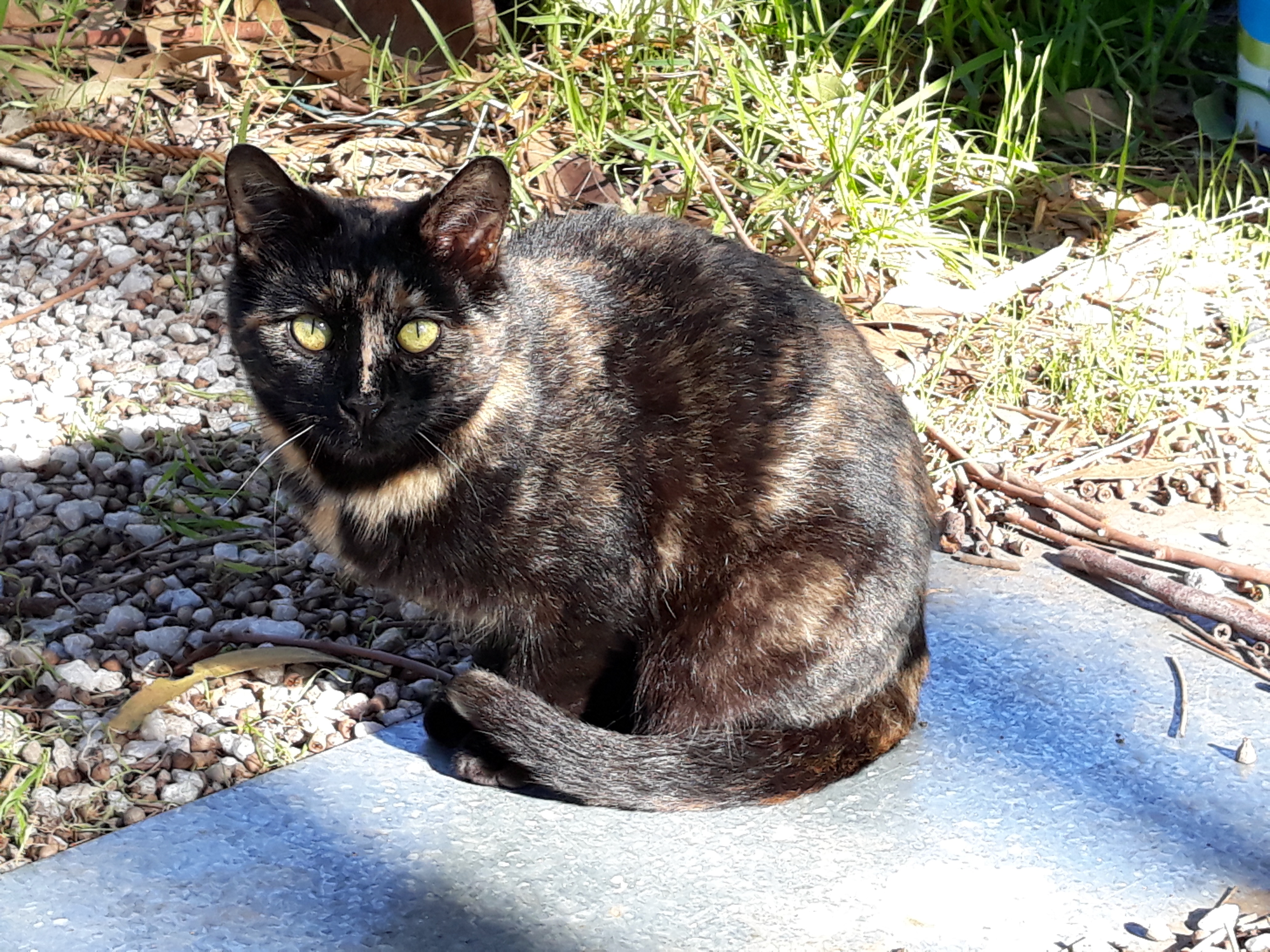
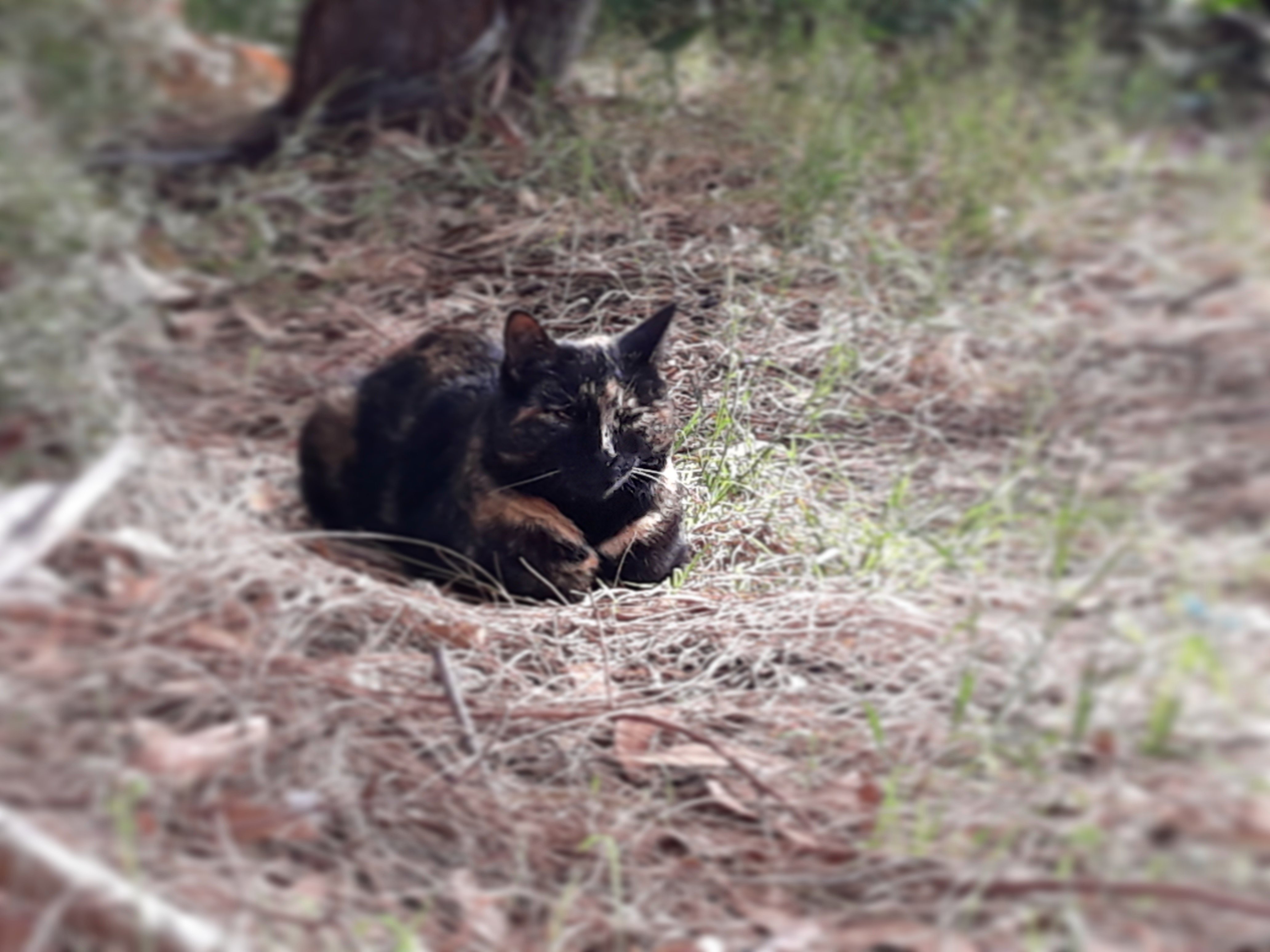
Lizzie the garden cat:
A lost cat, but also a found one.

I’m talking metaphorically here again, of course. But the older I get, the more strongly I also come to understand the importance of being willing to explore, willing to wander, willing to wonder. And sometimes, in hopeful moments, I see many years of exploring and wandering and wondering ahead of me.

I like that thought.

Lately I’ve been reading …

That dark ocean

Other people’s words about … rescue

A look of doubt came across my mother’s face. It was all there in her expression. The knowledge that a person can become lost in their life, how you might swim in the waters and reach for the lifebuoys but never be rescued, might drown out there in the dark ocean of your choices.

From ‘The Inland Sea’
by Madeleine Watts

When I was a young woman receiving treatment for my eating disorder, I used to agonise over every decision I made, whether the decision was a tiny one (like what percentage of fat the yoghurt I ate should contain) or whether the decision was a life-affecting one (like what career path I should follow, or whether I should follow a career path at all). For a year or so I saw a community mental health nurse who would say to me over and over, whenever I ruminated over my decision-making processes, ‘Rebecca, there are no wrong or right decisions, no good or bad choices. There are just better ones.’

At the time, I found this woman’s words comforting. Certainly, her counsel helped me to dither less — and dithering less, for someone who had spent all her life dithering and equivocating and stalling, could only be a good thing.


Path to the horizon.

But now that I am an older woman, I wince slightly when I remember the words of that community nurse. First, like the mother of Madeleine Watts’s narrator in the passage I’ve quoted above, I am only too aware that the decisions we make in our lives can lead us down paths with destinations that are not at all what we thought they would be when we set out on them. And sometimes those paths we follow are paths with no return — paths we can only keep on walking down, no matter how lost we may feel while we walk down them.


Path through the clouds. (Look closely!)


Second, I’m even more aware that the concept of choice itself may be illusory. For a variety of reasons, those of us living in Western societies are sold the idea that we can choose how to lead our lives, choose the outcomes that lie ahead of us.* But the older I become — the older I am lucky enough to become, I should say — the more I find myself acknowledging that there are many things over which we have no control at all. You can make as many decisions and choices as deliberately or spontaneously as you like, but life often happens anyway — in its own way.

I’m conscious of talking in clichés here. Still, it’s clear to me, at the ripe old age of fifty-one, that in the end the most important decisions we make in our lives are not about what we will do but about how we will choose to respond to the cards that life has dealt us.

* I use the word ‘sold’ deliberately.

Lately I’ve been reading …

Chasing clouds

Other people’s words about … running

Once he warmed up, once the tension was gone, once the sweat had properly broken and his breathing was rhythmically heavy and every twinge of stiffness and pain from previous workouts had been obliterated by adrenaline and endorphins, when all of that had happened, there was almost nowhere on earth he’d rather be, even on up-and-down back roads with no shoulder or, as now, on the old railroad path too crowded with entitled cyclists or groups of power-walking mums in their pastel tops and self-crimped hair.

For forty-five minutes, or an hour, or an hour and a half, the world was his, and he was alone in it. Blissfully, wonderfully, almost sacredly alone.

From ‘Release’
by Patrick Ness

One of the things I think I most love about running is that the act itself is so full of mysterious contradictions. For example, it’s hard work, and yet I look forward to it as a luxurious treat, in much the same way I look forward to eating an oversized piece of decadent chocolate cake. Similarly, when I’m running I feel as though I’m moving purposefully forward, following a path to something new. And yet it’s obvious that, unless your plan when you set out is to run away and never return, any run is circular, ending right back where it began.

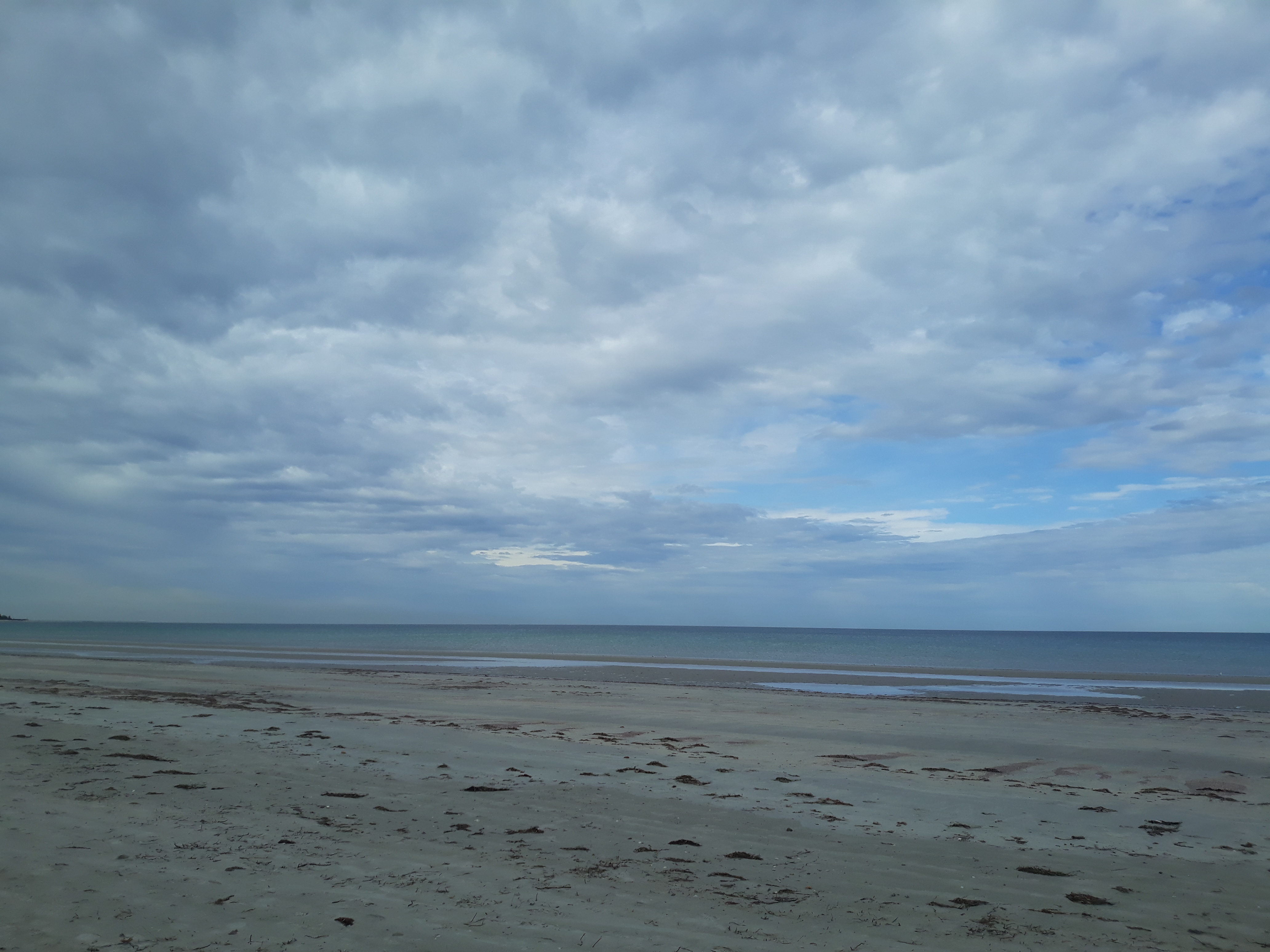
Even the sense that I am on my own when I run — blissfully, wonderfully, almost sacredly alone, as Patrick Ness puts it in the excerpt above — is unreliable. I am never alone when I run. I run on roads, on shared paths, on trails, on beaches. There are always others inhabiting the space with me, running or walking or cycling or just sitting on a bench enjoying the view (like the views you see in the photographs I took for this post). Running, even for a lone runner like me, is an entirely communal activity.

Another contradiction: sometimes, when I feel unwell — headachey, perhaps, or queasy or tired or sleep-deprived — I know that from the moment I step outside those symptoms will leave me for the duration of my run. Probably, I’ll feel unwell again afterwards; running isn’t ever, in my experience, a cure. But for those fifteen or thirty or forty-five minutes when my feet are drumming the ground in the old, familiar rhythm, I know I’ll be symptom-free.

I have no explanation for this. It’s just part and parcel of this beloved thing I know as running.

Maybe that’s why running appeals to so many different kinds of people — because the concept itself, what it involves, what it means, is so flexible, so all-encompassing. Some of us run to lose weight; some of us run to get fit; some of us run to break records; some of us run to find joy. Whatever the reason, those of us who are physically lucky enough to be able to consider running for the long term, in whatever fashion we can manage, have one thing in common.

We know it makes us feel like a better version of ourselves.

Lately I’ve been reading …

Perspective

Other people’s words about … the way we look at things

In the sky [above the garden] a plane glints, tiny as a metal cracker toy, and draws a roar reduced to a whisper after it, as it follows the flight path over Bexford Hill towards distant Heathrow. There’s always a plane up there if you look, near or far, visible or only betrayed by a line of vapour, but always moving westwards … It’s as if the aeroplanes were part of the mechanism of the garden; a necessary part. As if this tidy patch of lawn surrounded by its fence, with its brilliant blossoms too many to count and its coiled yellow hose, together formed the bottom half of a machine of bliss, which required for its complete working the dome of sky above, and for the furthest component of its clockwork the timekeeping planes on their celestial track. Patiently they tick from east to west. Or perhaps they are joined to the sky, and it is the sky that is moving, a blue sphere studded with occasional silver that cranks around, and around, and around.

From ‘Light Perpetual’
by Francis Spufford

I love the way Francis Spufford, in the passage above, turns on its head the way we usually look at a place that is deeply familiar to us to create a whole new way of looking at it.

Sometimes maybe that’s all we need, right? A new perspective.

One day this week: A blue world.

In the past few weeks, I’ve been busy editing and working and making, meanwhile, small decisions about the way I plan to work from now on. I say they were small decisions and they were, really, but in some ways — the best ways — they have transformed the way I feel about how I live my daily life.

Over the years I’ve read a great deal about the benefits of cognitive behavioural therapy, which in essence is a therapy that aims to help a person change the way they think so that they can overcome their own particular mental obstacles.


Another day the same week: A grey world.

But I’ve never found much resonance in cognitive therapy. For me, it’s less about changing the way I think about things than it is about changing the way I see things.

Semantics, you think? Maybe. But it works for me.

Lately I’ve been reading …

What lies beneath

Other people’s words about the sea

Sometimes the whole sea looks like a mirror of beaten silver, though it’s too turbulent to hold many reflections; it’s the bay that carries a reflected sky on its surface. On the most beautiful days, there are no words for the colours of San Francisco Bay and the sky above it. Sometimes the water reflects a heaven that is both grey and gold, and the water is blue, is green, is silver, is a mirror of that grey and gold, catching the warmth and cold of colours in its ripples, is all and none of them, is something more subtle than the language we have. Sometimes a bird dives into the mirror of the water, vanishing into its own reflection, and the reflective surface makes it impossible to see what lies beneath.

From ‘Recollections of My Non-Existence’
by Rebecca Solnit

It’s been a while since I’ve written a post for this blog, for which I apologise. Sometimes, life has a way of getting in the way. Sometimes, there just isn’t much to say.

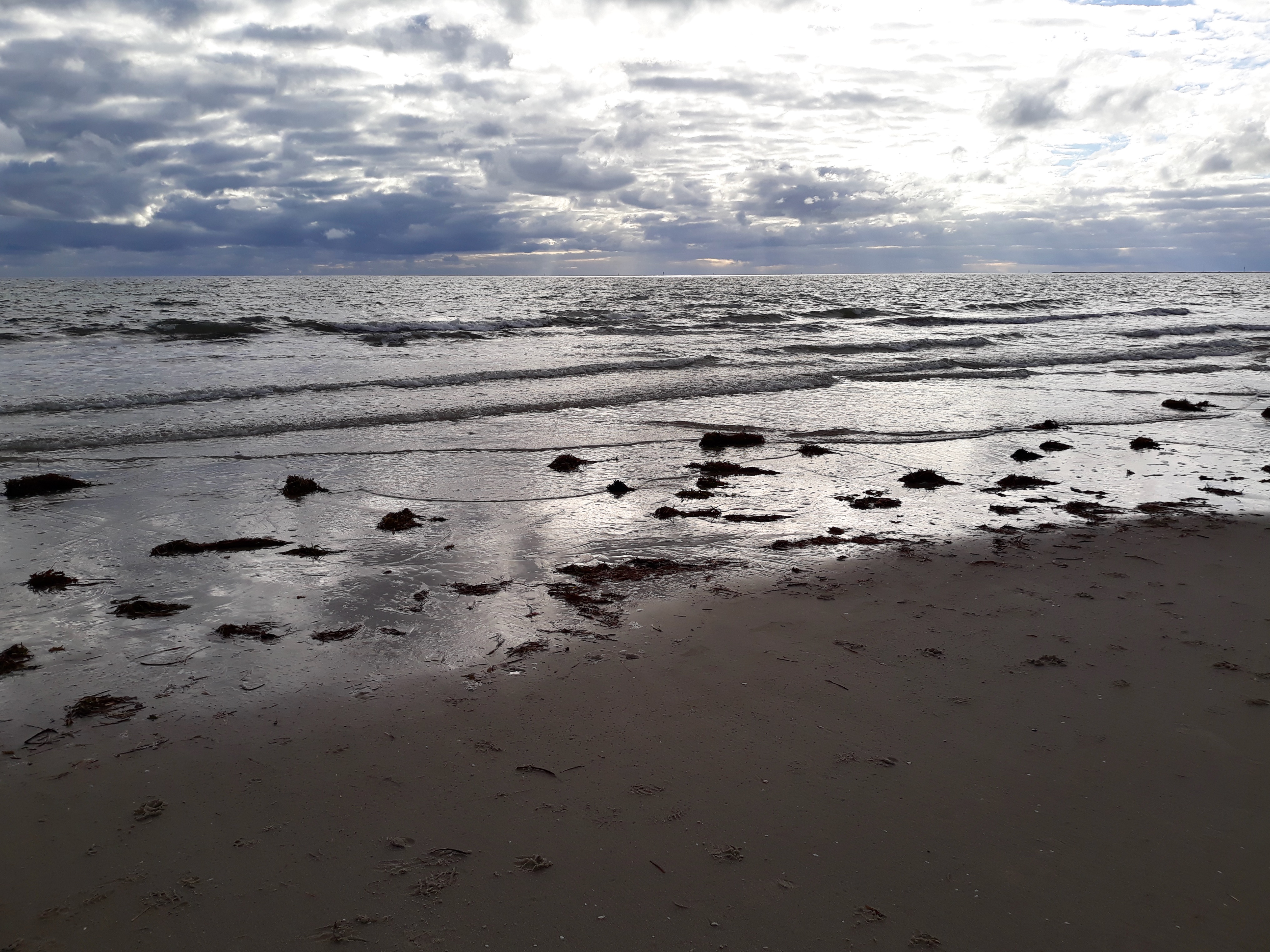
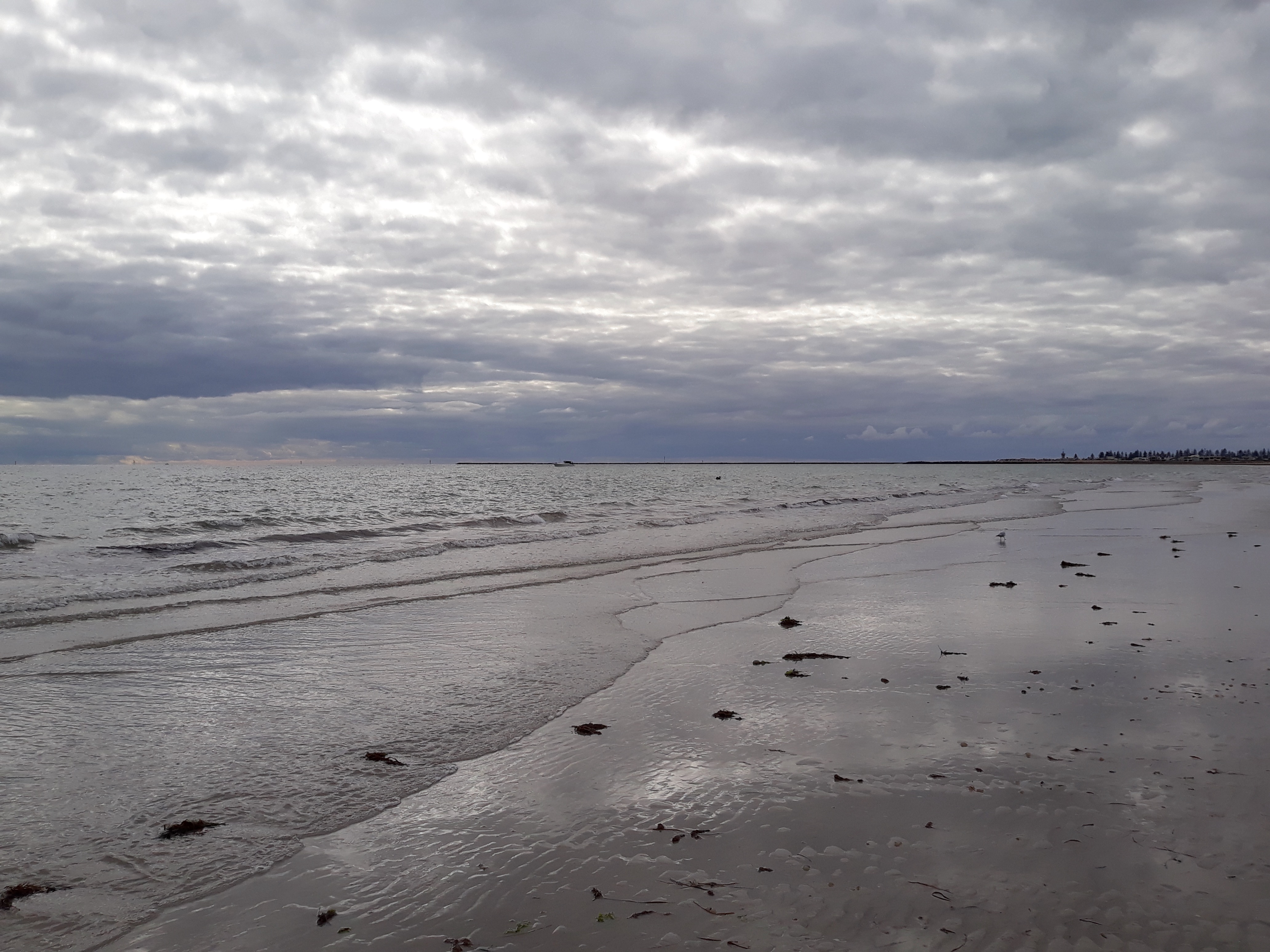
Still, Rebecca Solnit’s words about the sea make me think of walking and running by my own sea, so far from hers, on the other side of the world. In the weeks since I last wrote a blog post, summer has faded away and autumn has arrived, and the sea has transformed itself from deep blue …


… to a wondrous, pearly, rippled blue …


… to spun silver.


Time passes, and the world turns, and that is how it should be. May the world keep turning for you, too.

Lately I’ve been reading …

Only connect: The secrets of the universe

Other people’s words about connection

I placed my hand on the back of his neck. I pulled him toward me. And kissed him. I kissed him. And I kissed him. And I kissed him. And I kissed him. And he kept kissing me back.
We laughed and we talked and looked up at the stars.
‘I wished it was raining,’ he said.
‘I don’t need the rain, ‘I said. ‘I need you.’
He traced his name on my back. I traced my name on his.
All this time.

From ‘Aristotle and Dante Discover the Secrets of the Universe’
by Benjamin Alire Sáenz

I am a sucker for a love story that moves me. The older I get, the more what I mean when I talk about ‘a love story that moves me’ is ‘a love story that makes me weep’.

It’s taken me years to work out why this is. It is not because I am not loved. It is not because I do not love in return. It is because the love stories that make me weep are about a moment — or moments — of connection.


Big sky.

Oh, connection. I had planned in this post to theorise about why I — like so many other people, I suspect — feel so disconnected right now from other people and from the natural world around me. I’d planned to talk about the coronavirus pandemic. About the climate change crisis. About violence and discrimination against people who are not white or male or middle-class or heterosexual or young. And about what it feels like, as a non-married, non-childbearing, non-career-driven woman to turn fifty-one in this year, 2021.

But in the end I decided against writing about those things — partly because I’ve talked about them in previous posts over the years, and partly because most of these things are common topics of conversation right now, and I don’t think I have any new ideas to contribute.


Meeting place.

What I have decided to do instead is to start a new occasional series on this blog called — in the spirit of EM Forster, whose words in 1910 in Howard’s End seem more prescient than ever — Only connect!. In this series, I will be quoting passages that are in one way or another about those moments of connection that move me so deeply. Mostly, I suspect, that means the quotes in this series, like the passage I’ve quoted above from Benjamin Alire Sáenz’s beautiful novel for young adults about two Mexican-American boys who fall in love with each other in the 1980s, will be about love and intimacy. But there are other forms of connection that move me, too, and I will quote passages about them here, too.

Years ago, when I first wrote the blurb on my About the Words page of this blog, this is what I wrote: [This blog is] about my love for words, particularly other people’s words, and how they speak to me. Words can make us laugh, cry, think, hope, dream, rage —- but they have no meaning unless they are shared. I see now that what I was saying when I wrote that blurb was that words are a form of connection. And so I hope, in bringing this new series of posts to you that you, too, feel a moment of connection — with the words I’ve quoted, with the writer who wrote them, with me, too, perhaps.


A pot of tea and a book.

PS The photographs that dot this post come from a recent trip I took to Yorke Peninsula, where I spent the week reading, walking, eating, sleeping. I had no access to mobile phone coverage, or to emails, or to the internet. Strangely, it did not feel as though I was disconnected at all. Rather, it felt as though I was reconnecting — with the world around me, and with the natural rhythms of life. And that, perhaps, is the truest kind of connection of all.

Lately I’ve been reading …

How you receive the world

Other people’s words about … being vulnerable

But still she couldn’t sleep. The window was open and bare. The curtain had fallen down and no-one had bothered to put it back up because it always fell down again when you tried to pull it across. Ada was afraid that something bad was in the garden. The trees creaked. The night swam through the window and came into the room like a river.

From ‘The Last Summer of Ada Bloom’
by Martine Murray

Sometimes things are not as they seem. Sometimes the world outside seems dark and threatening, as Ada perceives it to be in Martine Murray’s gorgeous words quoted above — even when it is not.

In my last blog post, I wrote about some bad feedback that I thought I’d been given about a project I’ve been working on for a very long time. It turns out that that feedback wasn’t what it seemed at first to me, and that I’d been wrong in my interpretation of it. It turns out that there is hope for that project, after all.

Sometimes it depends on how you look at things, and on how you receive the world.

How you look at it: Darkness or light?

The project I was referring to was one I’d worked on for a long time, although over the years my commitment to it had wavered and waxed and waned. Sometimes I’d tried to run away from it, but every time I did, I would find myself returning to it, unable to abandon it until I knew that I had seen it through, no matter what the outcome would be. Towards the end I lost all sense of joy in my work on that project. It became a self-imposed duty, something I had to do regardless of the outcome, regardless of how I myself felt about it, regardless of how much time or energy or wellbeing it demanded of me. That’s why, when I thought that the feedback I’d received on it implied that I might have to do some more work in order to get it across the line, I wrote: And I do not (yet) know if I have the energy or the moral courage to do that work. I truly do not know.

In the days after I received that feedback, as I tried to work through my response, a kind friend asked me if I had ever listened to Brene Brown’s TED talk on the power of vulnerability. I had heard of Brene Brown but I had never listened to her talk, nor I had I ever read any of her material. Without knowing anything about her, I had written her off as some kind of New Age guru or self-help profiteer. But I respect this friend a great deal, and in addition I was feeling so vulnerable that I figured listening to someone else talk about vulnerability might not be such a bad thing. So I sat down and listened to the talk, and within the first two minutes I found myself weeping.

Have you listened to it? If you haven’t, I can only recommend that you do. It is a humble speech, filled with common sense and humorous insight. It is a talk about how we long to connect with each other, and how important it is for us not to be afraid to connect, and what it takes to do so. For me, listening to Brown was a lightning moment. I wish a lot of things, but in relation to this project one of the things I most wish is that I had reached out earlier while I was working on it. I wish I had been unafraid to ask for feedback or advice right back in the early stages. I wish I had been willing to say to someone: This is what I’m working on, and it’s not working, and I don’t know why.

I didn’t, because I was seeking perfection. I didn’t, because I felt too vulnerable. But there is no such thing as perfection. And sometimes you have to be willing to feel vulnerable to move on.

This is Brene Brown’s TED talk, if you want to listen to it.

How you look at it: cute or wild?

In the aftermath of all of this, I feel exhausted and fragile. I still don’t know what will happen now that my project is out in the world (although I promise that I’ll tell you when I find out). At the same time, I feel as though I’ve learned something that I needed to know — not just about that project, but about myself. That’s another reason that it’s important to allow ourselves to be vulnerable. It’s the only way we can learn.

Lately I’ve been reading …