He put his hand out. One drop of water and then another.
Spitting, his [dad] called this kind of rain.
Not enough to fill the creeks, but enough to make the ferns droop and the ground smell like wet dog.
It is no wonder that most Adelaide inhabitants have little idea of what the pre-European vegetation of the Adelaide Plains looked like, because over vast swathes of suburbia, unless one knows exactly where to look, it is basically all gone and has been for over a hundred years. Add to this the interest in recent decades in planting Australian natives that may have been sourced from regions over a thousand kilometres away and there is little wonder that confusion exists about the identity of the truly indigenous plants of the Adelaide Plains.
from ‘The Native Plants of Adelaide‘ by Phil Bagust and Lynda Tout-Smith
One of my favourite places to spend time in is Aldinga, south of Adelaide, though I didn’t grow familiar with it until I was well into adulthood. When I was a child, Aldinga was still a little coastal country town within driving distance of Adelaide. City people spent their summer holidays there each year. That was all I knew about it.
Aldinga isn’t a small country town anymore: over the years, it’s been swallowed up in the growing suburban sprawl — those vast swathes of suburbia — along the coast north and south of Adelaide. It’s no longer a holiday town, either. People travel farther afield these days for their holidays, mostly overseas. Many of the beach shacks have been knocked down, but some still stand.
Aldinga Scrub is a patch of native coastal vegetation growing just inland of the beach: an environment of dense, bushy vegetation growing on low sandy dunes. As a child, I didn’t even know of its existence, though now I try to make the effort to visit it as often as I can. It is, in fact, the only patch of remnant (pre-European) coastal vegetation left in South Australia. It’s not pristine — there are many weeds growing in it. The climate within the Scrub itself has changed, too, due to the diversion of natural stormwater by farmers onto encroaching farmland.
And yet, wandering through on a precious day off work — listening to the songs of the shrike-thrushes and whistlers and magpies and fantails; stumbling across a lone echidna trundling through the undergrowth; standing back to allow a kangaroo with a joey in her pouch bound past — I feel as though I get a hint of what the place was like before European settlement. Hence the photographs on today’s post, which I took on a visit in mid-September, as spring took hold of the Scrub.
I’ve never named the Scrub explicitly on my blog before, though I’ve posted many photographs from my visits to it. I feel fiercely protective of the place — because of its unique status; because I discovered it late in life; because I know that the more that humans like me encroach upon it, the more it disappears. Because, because, because.
Meanwhile, whenever I visit the Scrub, I continue to teach myself the names of the native birds and animals and plants and insects who inhabit it. I wander about, learning and wondering. I may never really know its original nature, but I plan to go on teaching myself about it until the day I die.
On a windless, clouded afternoon at the end of May,
I go for another bushwalk.
I’m greeted at the start of my walk by one of my favourite native birds,
the kookaburra:
Its laughter echoes through the scrub for the first ten minutes of my walk.
Then comes magpie song:
A kangaroo regards me intently from afar.
The only bush in flower is one whose name I don’t know.
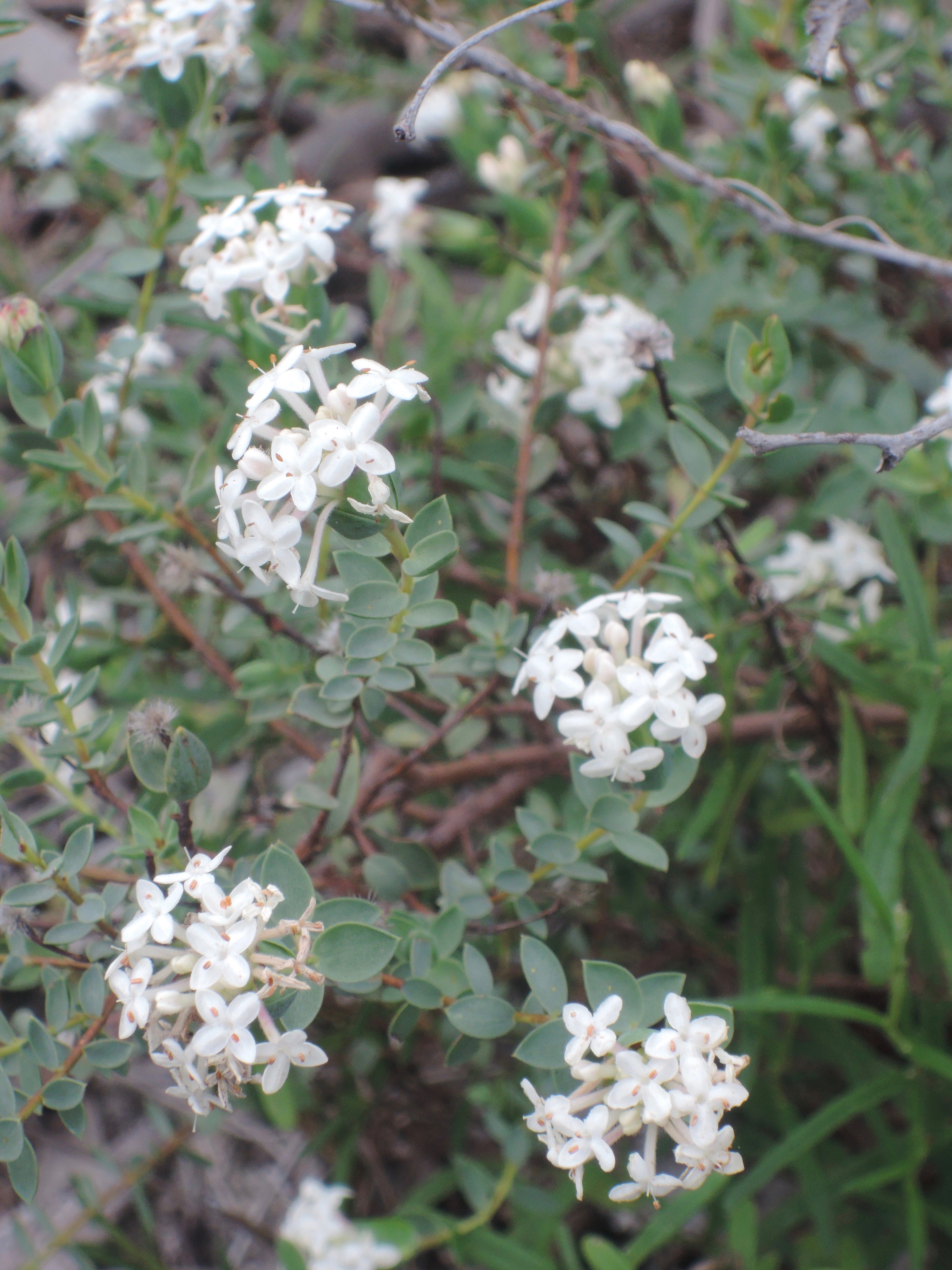
Its flowers grow in tiny, white clusters and smell sweet and rich, like honey.
It’s quiet in the bush,
and I, too, am quietly gladdened for my time there.
In the Northern Hemisphere, they call it Indian summer:
a hot, dry start to Autumn.
That’s what we had here last month —
— warm, sunny days.
Still nights.
No rain.
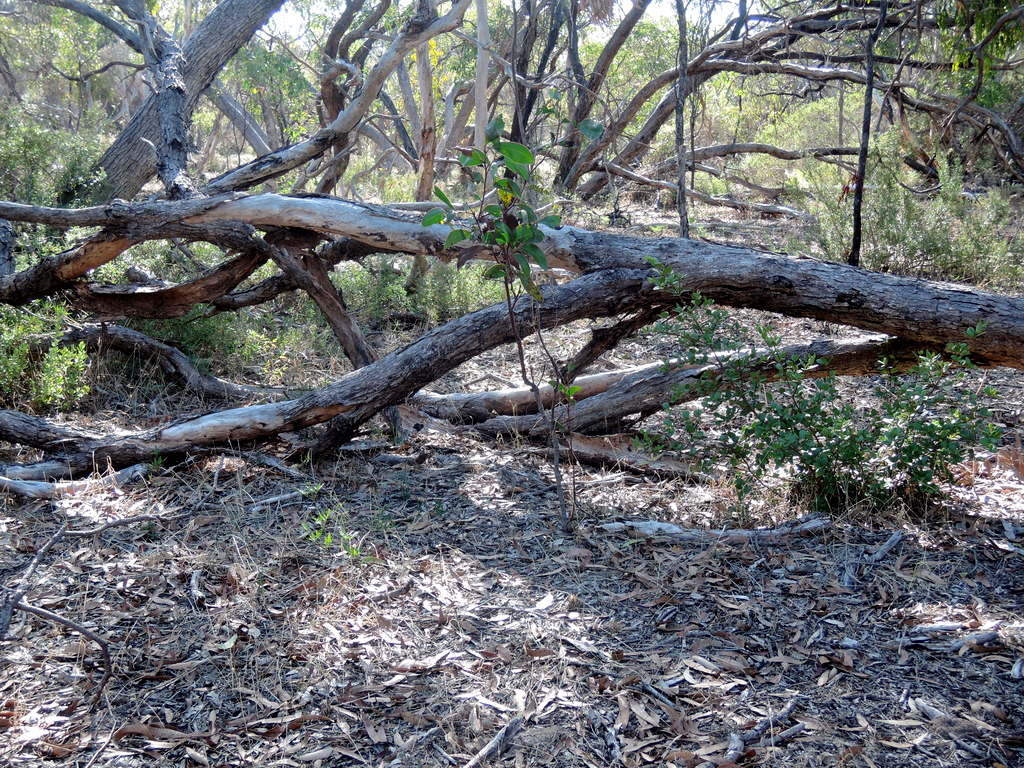
In the bush,
dry twigs crackled beneath my feet,
and the odd flower bloomed.
Winter stole closer,
like afternoon shadows
creeping across sandy ground.
I took a walk through the bush again in late September.
Skinks rustled through the undergrowth.
Whistlers burbled; shrike thrushes sang; blue fairy-wrens and fantails darted about.
And there were wild flowers everywhere, including common fringe-myrtles;
Common fringe-myrtle (calytrix tetragona)
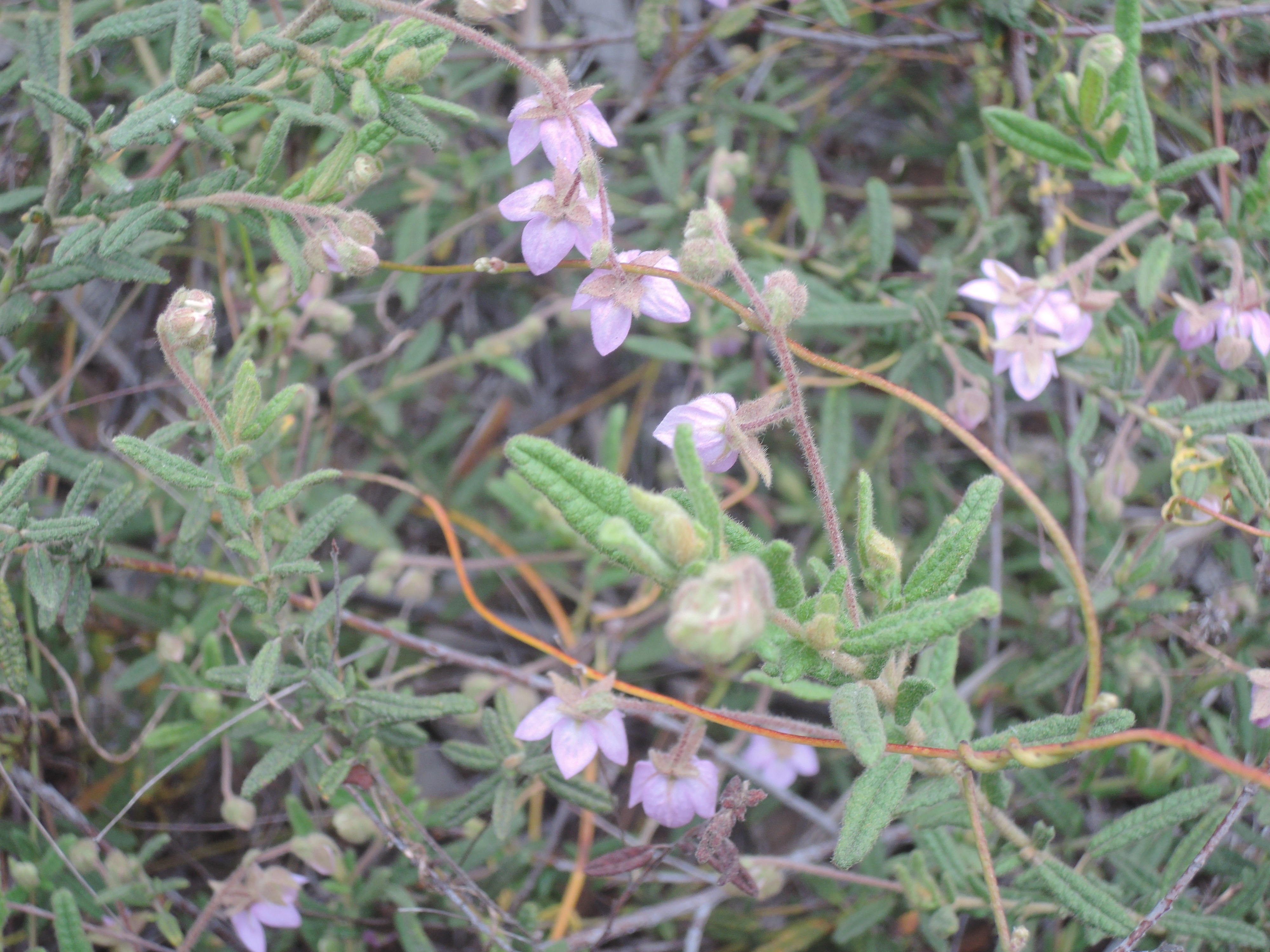
paper flowers;
Paper-flower (thomasia petalocalyx)
smooth rice-flowers;
Smooth riceflower (pimelea glauca)
and grevilleas.
Spider-flower (grevillea lavandulacea)
Every month brings a new season in the bush.
Every month brings a new, different kind of joy.
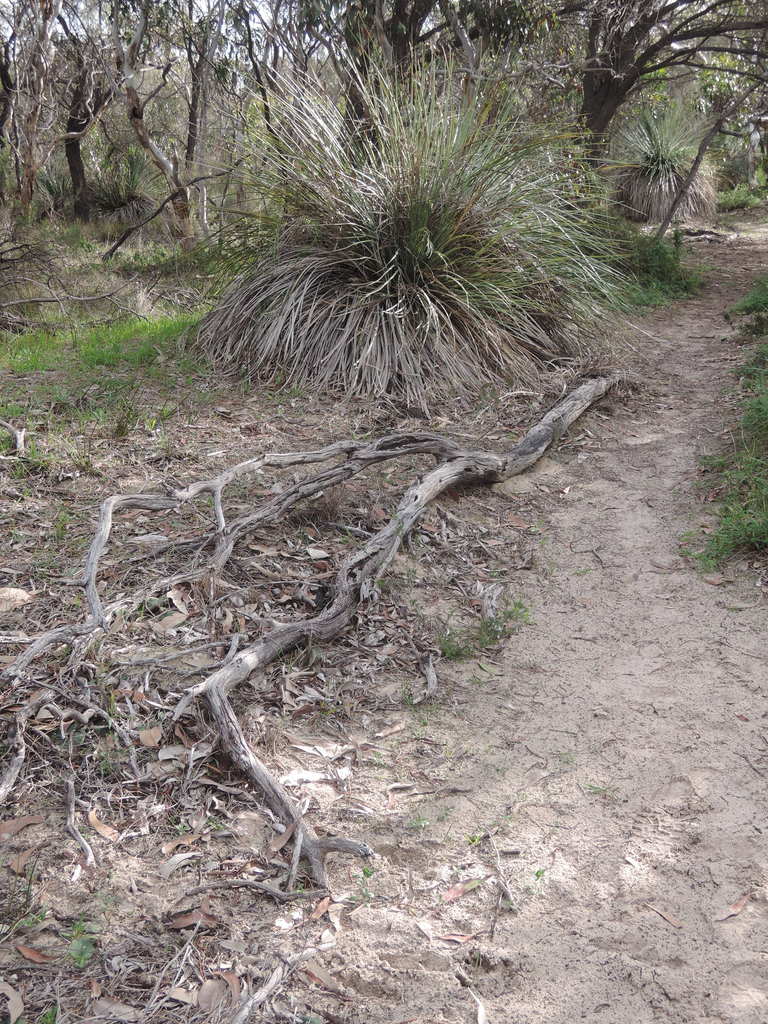
One of my favourite native plants is the grasstree.
In the last few weeks, walking through the bush,
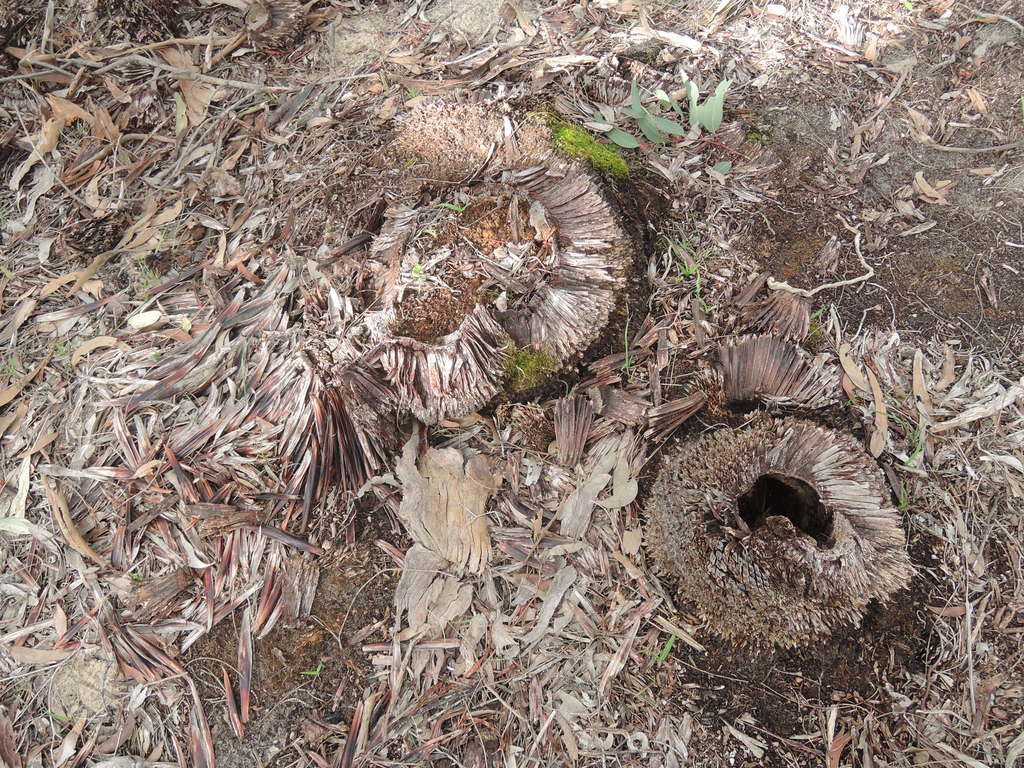
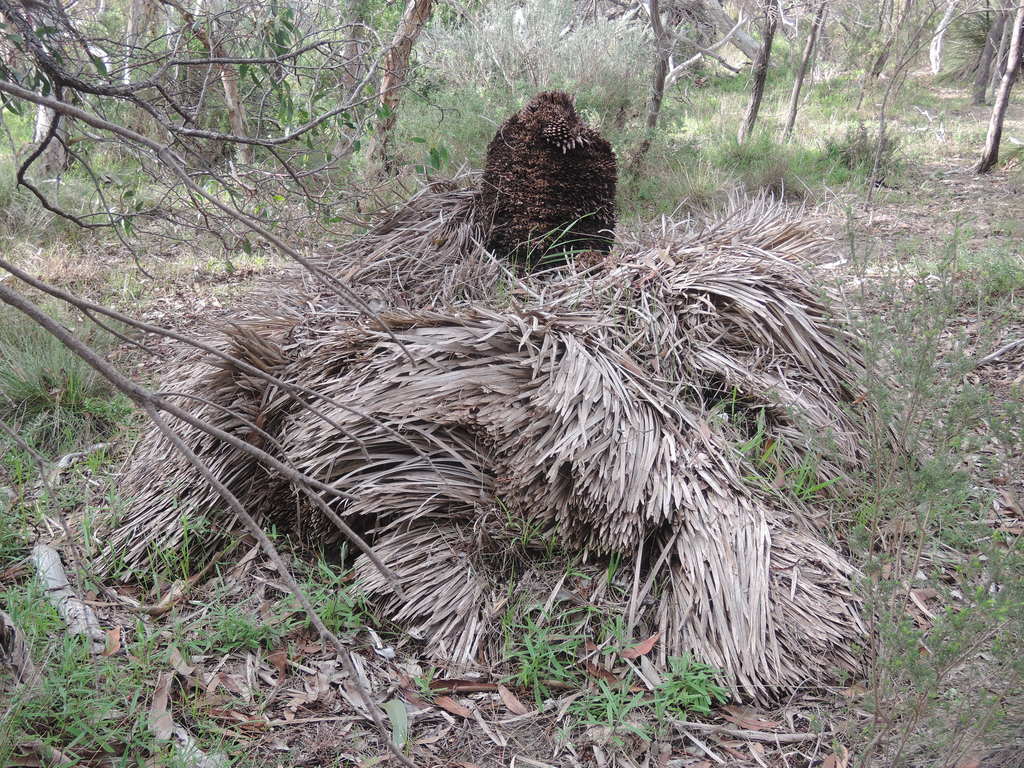
I’ve glimpsed grasstrees at all stages of their life cycle.
Some were growing and establishing themselves:
Some were flowering:
And some were dying and decaying:
At each stage of their life
grasstrees seem to me unique, strange, prehistoric …
and beautiful.










 twenty-one words