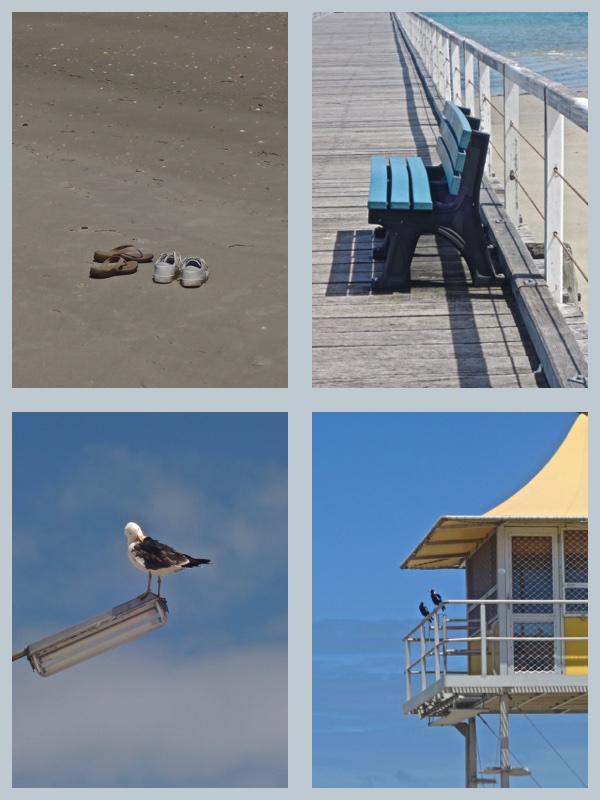
Fleeting

Other people’s words about … happiness

Happiness doesn’t come in the way I expected; not a massing of good things over time, but a succession of small, strange and unowned moments — the sun makes a hot oblong on the bedroom floor and I stand in it with my eyes closed. The coriander germinates in the window box and up comes the seedling. The bled radiators stop knocking at night.

From ‘Dear Thief
by Samantha Harvey

I thought it was apt to write a post on happiness today, to accompany my previous post on sadness — though perhaps both posts are, after all, about the same thing, simply taken from opposing perspectives.

But also it seemed apt to me to write a post about happiness because today’s post, I think, will be my last post, at least on this blog, twenty-one words.

Over the years, I’ve written about many things on this blog — the sea, the sky, vomiting, writing, books, therapy, running, walking, travel, birds, flowers, hope, to name a few. But in many ways, I see, looking back, that I’ve been exploring, post by post, what it means to live a small life in the happiest, or at least the most meaningful and most humble, way I know.

Happiness, as Harvey says, isn’t something you can accumulate or amass; it most surely isn’t something you can own. It flits into our lives and out again. Writing this blog has been, for me, both a meaningful and a humbling experience — and in that sense it has been a happy experience for me, too. I don’t know if my posts have brought you, my readers, any moments of happiness, but I hope so: I do.

I spent over half my life waiting for the accumulation of happiness and then I realised that it doesn’t accumulate at all, it just occurs here and there, like snow that falls and never settles. Not the drifts that you and I imagined we would plough ourselves into, but instead gently, opportunistically, holding one’s tongue out to catch the flakes.

I’m not sure yet whether I’ll leave this blog up for posterity (i.e. for a little while!) or whether I’ll take it down altogether, or whether, perhaps, I’ll change its privacy settings so that you can only access it by contacting me first. (Please feel free to do that, if it’s what I do.)

In the meantime, I’ll go on running and walking and hoping and reading and looking, looking, looking.
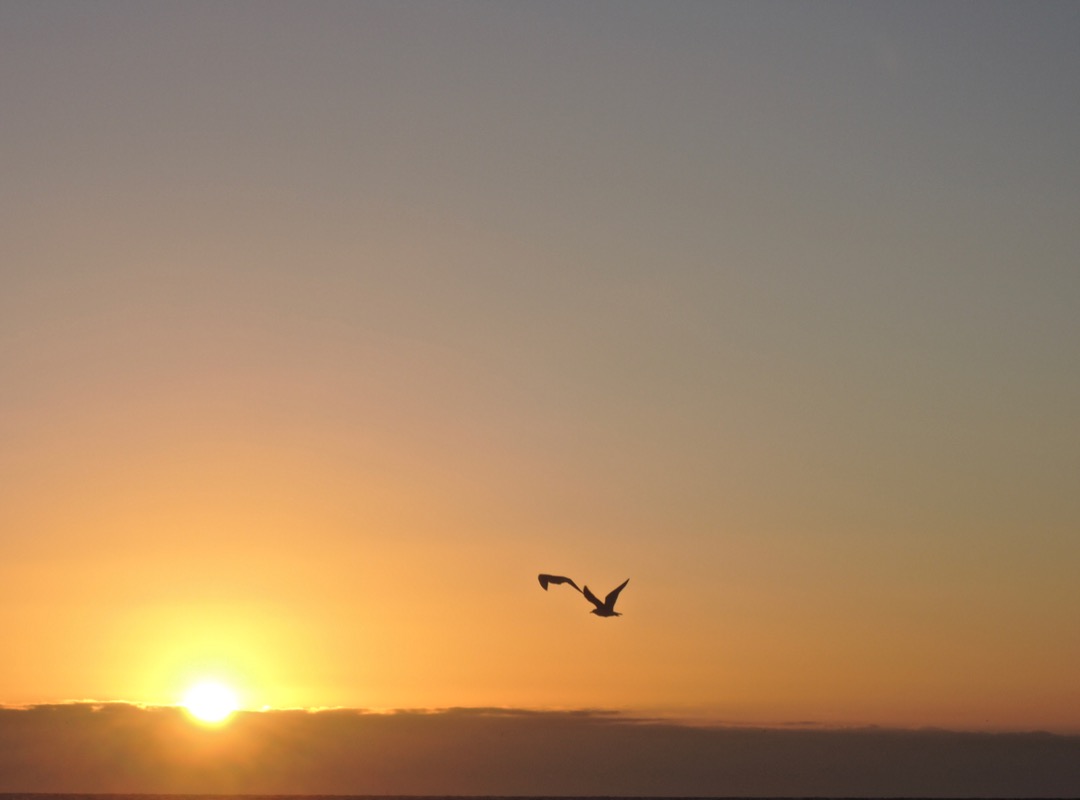
Fleeting


Thank you to everyone who’s read this blog. Take care of yourselves. Keep reading and looking. Keep savouring those fleeting moments of happiness, whenever they come your way.

Observation

Other people’s words about … sadness

Why was she so sad? The unspoken question had dangled over the [therapist’s] beige couch and the framed degrees and the economy of Kleenex. He commanded a cache of Ohs and I sees in varying grades of volume and texture, knew when to prod and when to sink with her. Why was she so sad?

Ada was sad because she was sad because she was sad. She experienced extreme difficulty in reaching past the tautological.

From ‘Infinite Home
by Kathleen Alcott

Some time ago, for much the same reason as Ada in the passage above, I quit therapy. I had come to my therapist feeling sad; but years of therapy later, I still felt sad. It seemed to me at last that, whether my sadness was unique or universal or — like Ada’s — purely tautological, the time for exploring it was over.

In the years that have passed since then, I’ve learned that I feel better when I try to make peace with sadness than I do when I try to overcome it. There is much to be said for acceptance and for patience. And for seeing things through.

I took the pictures in today’s post on a day when I had just heard that I will be losing my job at the end of this year. I felt, that day, as though I had been cheated of something — of an income, yes, but also of something less tangible, some essential part of me that I couldn’t actually name. I felt anxious and old and vulnerable and as though I had failed. Most of all, I just felt sad.

What I saw

I couldn’t sit still with my sadness that day; I couldn’t see it through. So I did the only thing that seemed manageable to me in the moment: I took myself off for a run by the beach. I ran what seemed to me a long way, the furthest I’d ever run, in fact — although the distance didn’t matter, really. What mattered was that I was outside: moving, breathing deeply, looking around. Seeing. Sadness, I’ve found, stops me from seeing. But stepping outside returns my vision to me, at least for a while.

Losing a job — especially a job that you love, especially when you are nearing fifty — entails a specific kind of sadness, one that is wrapped up in grief and fear. Still, I’m curious. What do you do when you are sad?

This day, and the next, and the next

Other people’s words about … the vastness of the ocean

For every day went ahead like a ferry on its cables, from one shore to the other, passing on its route those same red buoys tasked with breaking up the water’s monopoly on vastness, making it measurable, and in so doing giving a false impression of control.

From ‘Flights
by Olga Tokarczuk
(translated by Jennifer Croft)

A false impression of control:
breakwater in the foreground and a line of buoys on the horizon …

Snatched phrases: the sky

Look at the sky. (It’s amazing. It’s always amazing.)

From ‘Notes on a Nervous Planet’
by Matt Haig

Matt Haig is right. The sky is amazing.

It is always amazing.

It is a story that is forever unfolding …

PS Shout-out to my father, whose birthday it is today! 

Chasing clouds

When the run does its work, I will become lost in its beating heart.
We run on.

From ‘Running with the Pack’
by Mark Rowlands

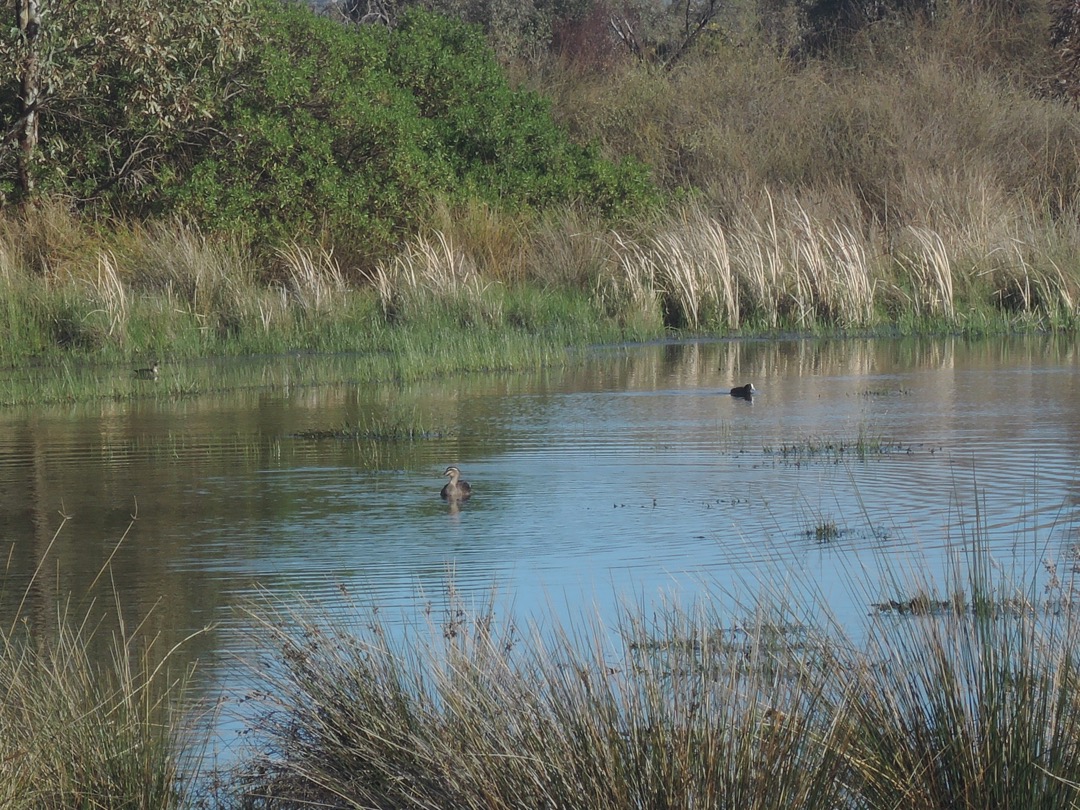
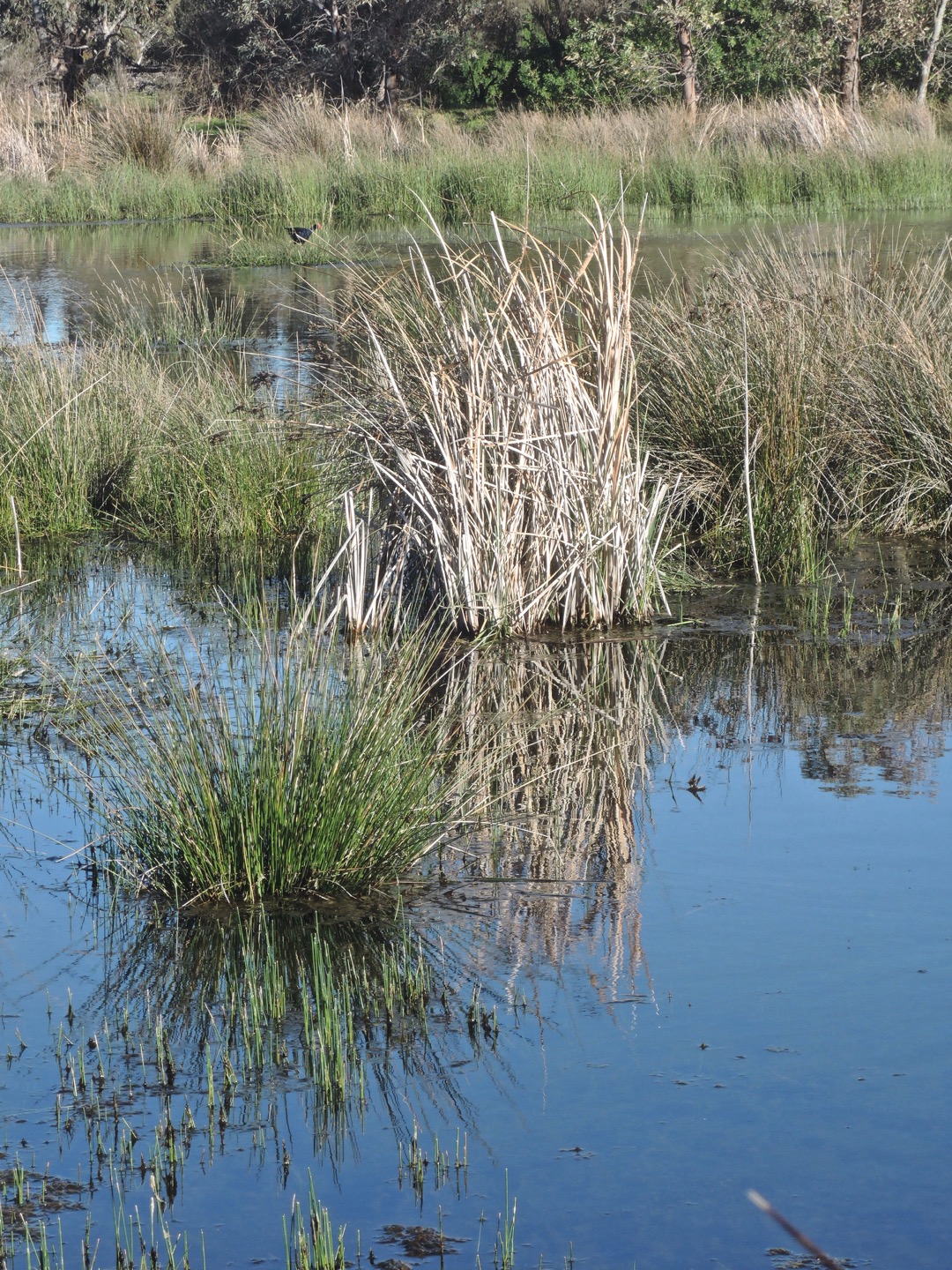
Today’s photos come from a run I went on in early September on a day when the first faint hint of spring was in the air.

I followed a path that wound through scrub and vineyards and wetlands and beach.

Somewhere along the path, an elderly couple were standing, leaning against a wooden fence. The man greeted me as I came closer, and called out, ‘Where have you come from? Where does this path lead to?’ And so I stopped to chat to them, describing how to get to the beach from where they were.

In the wetlands I pulled out my camera. The pictures show the landscape, but they don’t convey the sounds — frogs croaking, a hidden moorhen squawking wildly in amongst the reeds.

And they don’t convey the feeling of the sun on my skin, either: warm and sweet and new, the way the sun always feels in the first, early days of spring.

Grey

Other people’s words about … the sea

He opened the window and let in the ocean, gulped in that grey air as though oxygen was enough to save him from the people in the house, watched the waves, noted the dark rip forming at the southern end of the beach. He ignored the sound of Charlie’s voice in the lounge, hilarious, oblivious, the sounds of the girl in the bathroom behind him, scrubbing insistently; called to mind the tentacles of the cloud from earlier, saw the colours he’d mix [if he were to paint it], the strokes, the shapes. After a few moments, his breathing slowed and he began to enter the place where no one else could come.

From ‘Bluebottle
by Belinda Castles

Like Jack in the quote above, sometimes I find that the best cure, the only cure, for my day’s woes is a few deep breaths of fresh ocean air. That’s why I live so close to the sea, just a few minutes’ walk away.

The kind of seaside scene Castles describes in the passage above isn’t your stereotypical calm blue seas and white sands and warm, soft air. No, it’s a grey day, a wild day, an ominous day, heralding the end of summer. And yet it save[s] Jack, all the same.

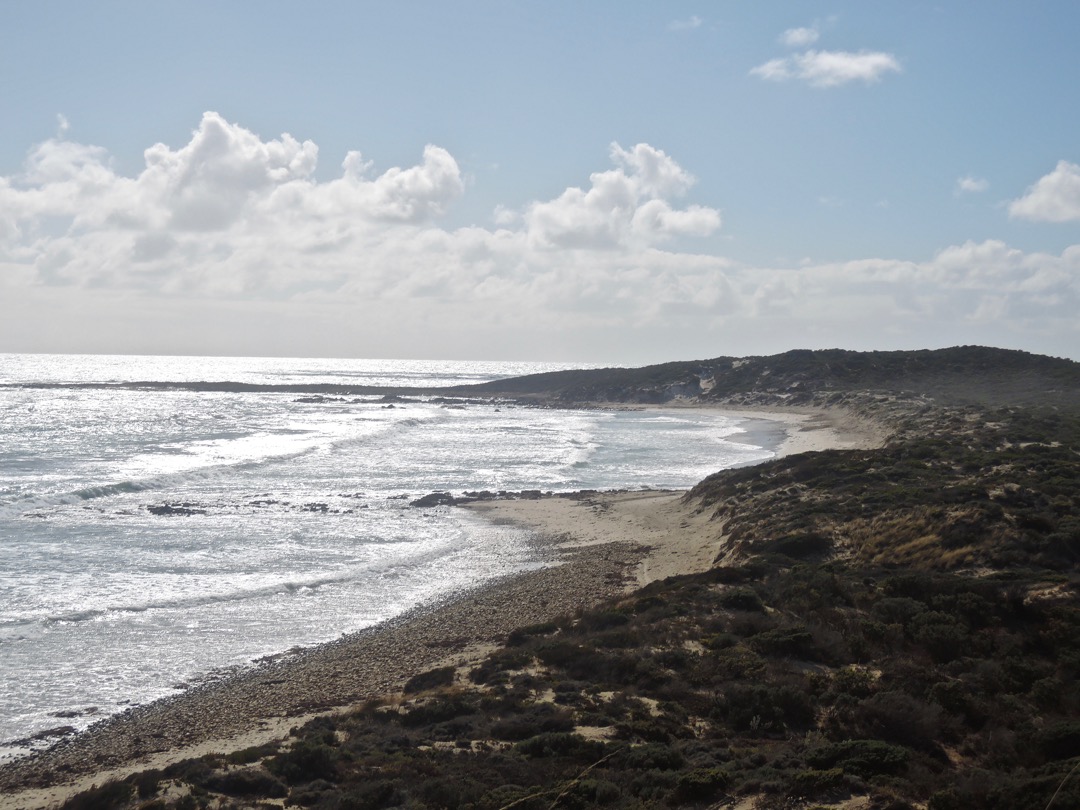
When I took the beachside photos you see in this post, just a few weeks ago, the air was grey, just as it is for Jack as he looks out of his bedroom window onto the beach scene below. But in my case, the greyness came from a winter fog rather than a summer storm. This was a thick, dank, spectral fog that hung over the ocean for half an hour or so and then drifted away again.

And, like Jack, I gulped in that grey air and let the rest of my day fade away — and felt all the better for it.

Out & about: spring flowers

‘When you’re walking the view shifts and changes.
Walking’s a form of hope.’

from ‘The World Without Us
by Mireille Juchau


I’ve just spent a week on holiday, during which I did a lot of walking.

Common (variegated) groundsel

I had planned to go running as much as I could, but due to illness, in the end I had to opt for a gentler form of movement.

Vanilla lily

And that turned out to be not such a bad thing.

Red parrot pea

The sun was gentle and soft most days, though the wind felt distinctly chilly. On a walk through Aldinga Scrub, I saw native flowers blossoming everywhere, in every colour: yellow, purple, orange, white, pink, blue.

Rice flowers

Paper flowers

Blue Grass Lily (Caesia calliantha)

Even the parts of plants that weren’t flowering seemed exotic and gorgeously coloured.

Twining vines (devil’s twine)

Crimson branches

Bees darted about, drinking nectar.

Bee on a coast beard heath plant (or a rice flower?)
with curling shoot

And though they’re not pictured here, roos observed me as I walked the sandy trail, while whistlers burbled hidden in the trees and a frogmouth boomed in the distance.

Yellow bush peas
(that’s what I call them, but apparently they’re called common eutaxia)

Spring has truly arrived.

Out & about: enough

‘When you’re walking the view shifts and changes.
Walking’s a form of hope.’

from ‘The World Without Us
by Mireille Juchau


Some days, after work, I don’t have time to go for the kind of walk that the passage above, which I quote on this blog so often, describes: a long walk, a wandering walk, a wondering walk. Some days there just aren’t enough hours of daylight left — not for that kind of walk.

There might be a few moments, though — just enough moments to dash down the road and glimpse a dark swathe of clouds in the sky —

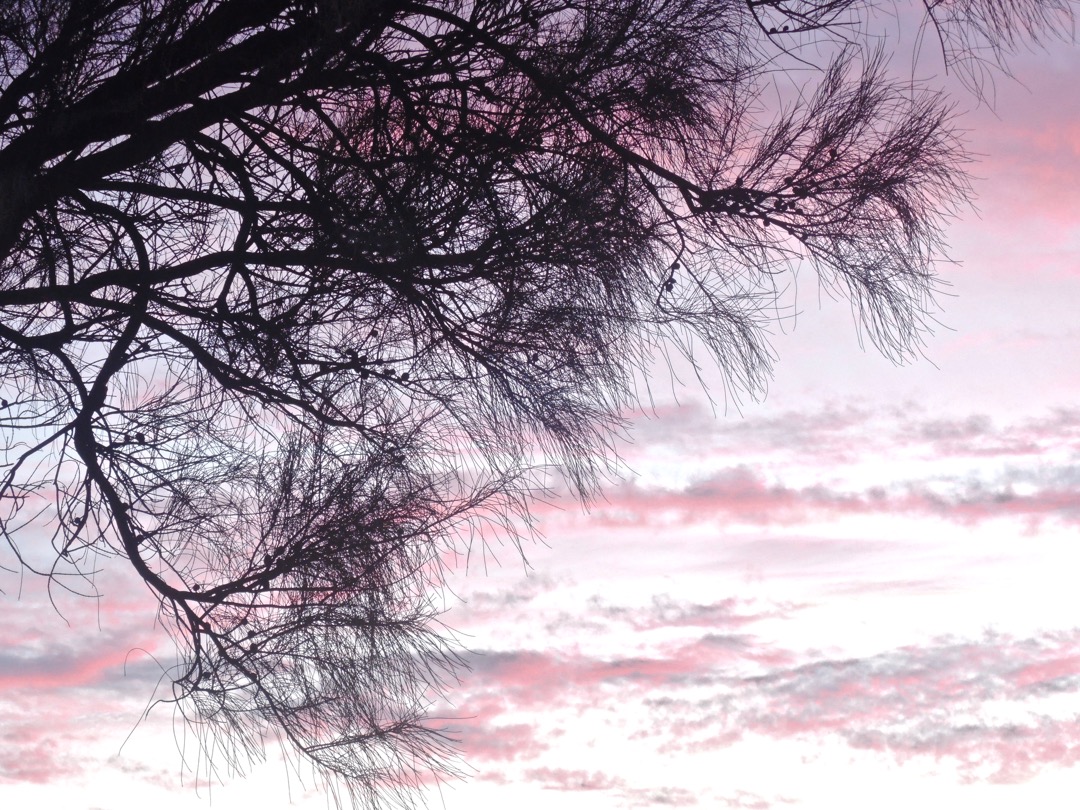
— or the branches of a sheoak tree silhouetted against cotton-pink clouds —

— or a sea turned opal.

Beacons to guide the ships home

The day I took the photos in this post was one of those days. All I had left of that day were those few moments — the last few moments of the day. So I told myself that they were enough, those few moments.

And for a few moments they were. They really were.

A question

A quick, extra post today, because …

I have a question for you …

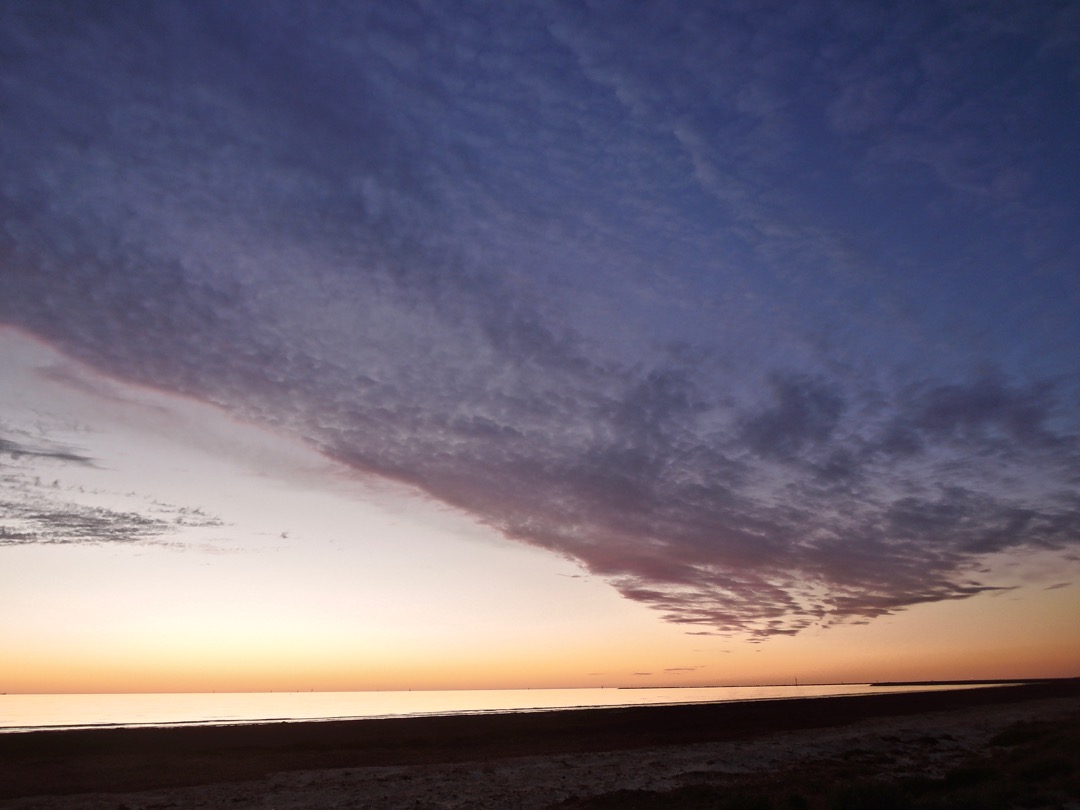
(And meanwhile, feel free to enjoy the pictures that accompany this post, which have nothing to do with my question, but everything to do with all the usual reasons I keep writing this blog … )

Autumn sunset

The list of books I’ve quoted and discussed on this blog is growing and growing, and the current page of links I have to them is growing and growing, too. I’m thinking of reorganising that page, sorting the books into more categories than the current ones (which are fiction and literature; non-fiction; poetry; magazine/newspaper/blog posts).

Winter sunrise

How would you like to see these lists organised? Would you like further subdivisions of the current categories (e.g. fiction: Australian; fiction: American, etc.)? Or would you prefer categories that don’t distinguish between, say, fiction and non-fiction or between book and non-book but are theme-based instead (e.g. running; walking; love; nature; life; health)?

Summer clouds

I’d love your feedback. Pop a comment here …