Chasing clouds

It was the week of daffodils, and they were everywhere — outside everyone’s fences and shrubs, jubilant. It was that perfect running weather: cool and damp, still a little cloudy over the water.

From ‘Alternative Remedies for Loss’
by Joanna Cantor

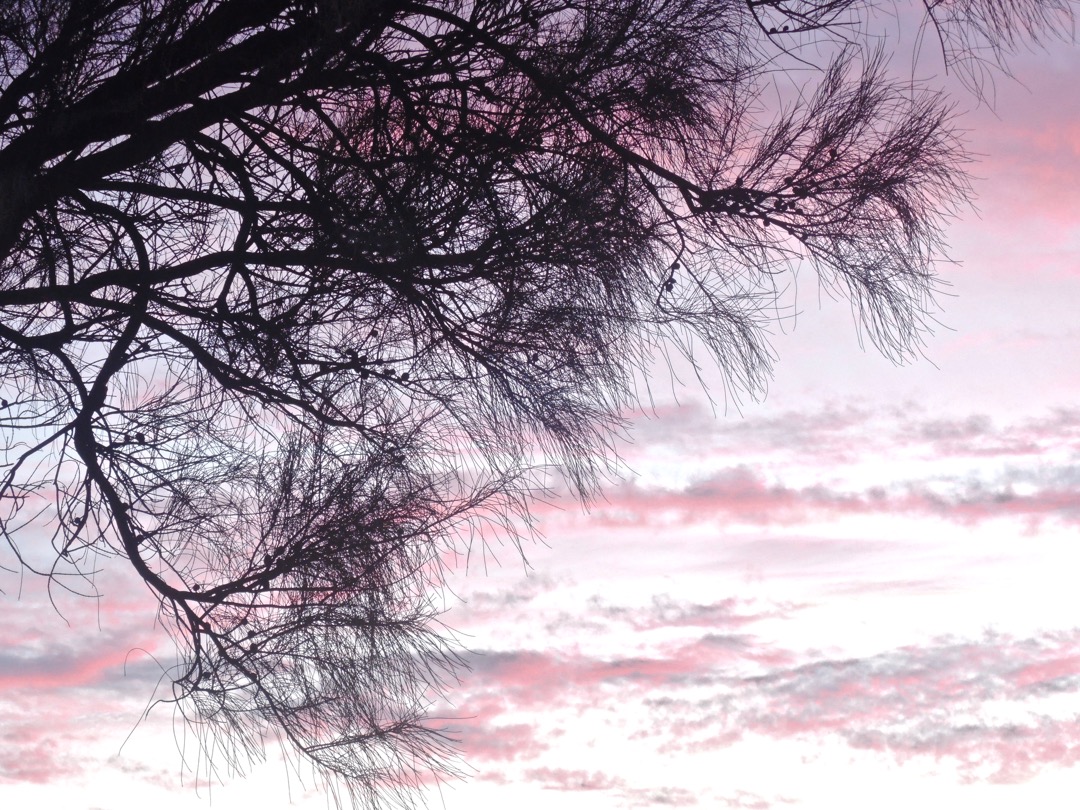
The photos in today’s post come from a run I went on in early October, a muggy, warm, cloudy spring day, perfect for running, though different from the conditions Cantor describes above.

It was also the Monday of the October long weekend, as well as the first weekend of the school holidays, so the jetties at Semaphore and Largs Bay were jostling with people, and kids paddled and squealed in the water. Dogs dashed about on the shore, chasing balls.

This year, oddly, the usual swathes of variable groundsel flowers didn’t appear on the dunes around Taperoo and Largs Bay. But the pigface plants blossomed as usual, their astonishing purple brightness undimmed by the cloudy sky above.

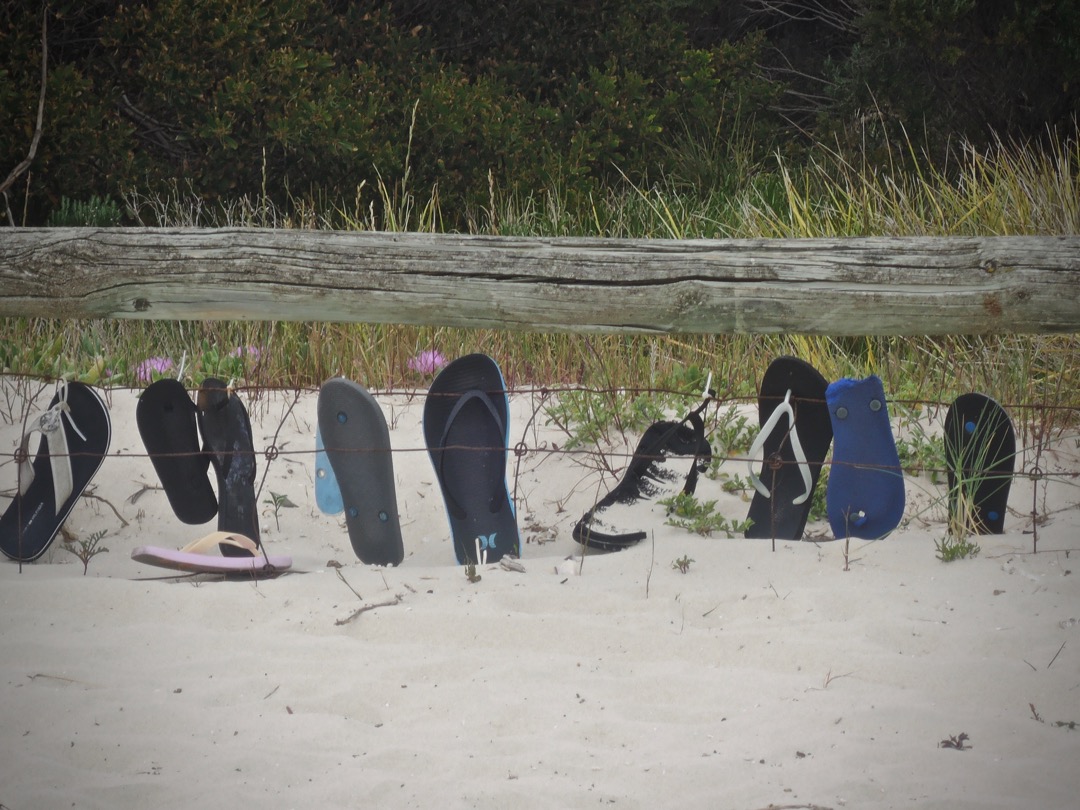
On the way home, I left the beach by a path I don’t usually take, and found this array of beach-thongs dotting the fence post, which brought a smile to my face:

Whatever your definition of perfect running weather, I’m pretty certain that any day on which you finish up your run with a smile comes close to perfect, regardless!

Snatched phrases: the sky

Look at the sky. (It’s amazing. It’s always amazing.)

From ‘Notes on a Nervous Planet’
by Matt Haig

Matt Haig is right. The sky is amazing.

It is always amazing.

It is a story that is forever unfolding …

PS Shout-out to my father, whose birthday it is today! 

Snatched phrases: on translation

But a certain dullness of mind seems an almost necessary qualification, if not for every public man, at least for everyone seriously engaged in making money.

From ‘The Idiot’
by Fyodor Dostoevsky

Hmmm … read and weep. Dostoevsky’s observation about people is as relevant now as it was when he wrote it in the late nineteenth century. If only our public figures, our business people, our politicians would take heed!

But onto other things — no more weeping for now. One of the overarching reasons I’ve had for writing this blog in the last few years has been to give myself (and hopefully you, my readers) the chance to explore the joys of reading: to revel in other people’s words, to find meaning in their thoughts and the way they express them, to learn from them, to find communion and kinship with them. As I’ve remarked before, without books and reading, I would be a far lonelier person.

Recently, I’ve found a different kind of companionship in my reading. On Mother’s Day earlier this year, my mother and I started a reading ‘project’ together, our own little two-woman book club. At her suggestion, we have decided to read works of translation. We take it in turns to pick a title and read it, and then we exchange titles, and, having read them, meet up for coffee or for a walk to talk about them. The Idiot was one of her choices.

My mother is an inveterate reader. She reads widely, hungrily, curiously. Her joy in reading is contagious and almost palpable. I’m glad — and privileged — to have ‘caught’ that joy from her. And I’m extra glad to be exploring new books with her, to be having my world opened by her and by the writers she chooses.

Meanwhile, while we’re on the subject of translation, here’s the thing about reading, and the happiness you can find in it: it translates into life.

And that happiness is only amplified when it is shared.

Chasing clouds

When the run does its work, I will become lost in its beating heart.
We run on.

From ‘Running with the Pack’
by Mark Rowlands

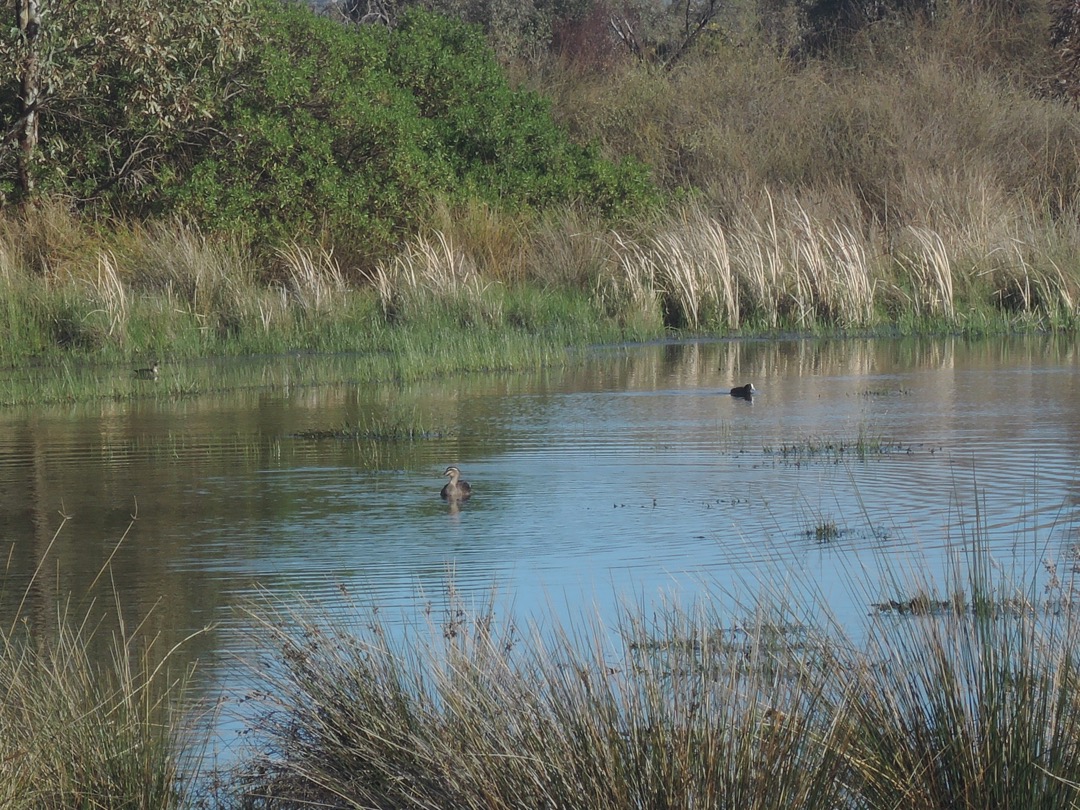
Today’s photos come from a run I went on in early September on a day when the first faint hint of spring was in the air.

I followed a path that wound through scrub and vineyards and wetlands and beach.

Somewhere along the path, an elderly couple were standing, leaning against a wooden fence. The man greeted me as I came closer, and called out, ‘Where have you come from? Where does this path lead to?’ And so I stopped to chat to them, describing how to get to the beach from where they were.

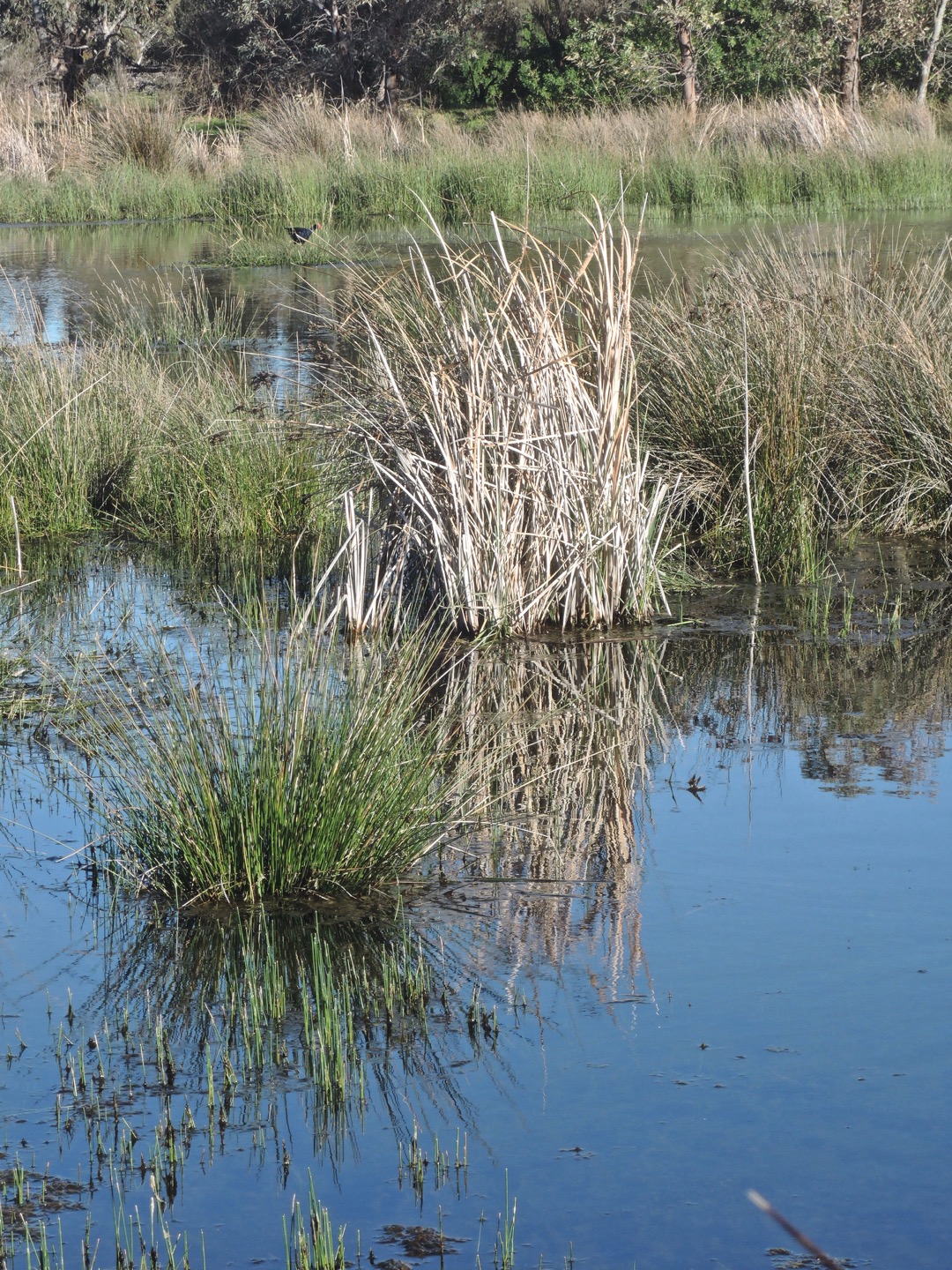
In the wetlands I pulled out my camera. The pictures show the landscape, but they don’t convey the sounds — frogs croaking, a hidden moorhen squawking wildly in amongst the reeds.

And they don’t convey the feeling of the sun on my skin, either: warm and sweet and new, the way the sun always feels in the first, early days of spring.

Grey

Other people’s words about … the sea

He opened the window and let in the ocean, gulped in that grey air as though oxygen was enough to save him from the people in the house, watched the waves, noted the dark rip forming at the southern end of the beach. He ignored the sound of Charlie’s voice in the lounge, hilarious, oblivious, the sounds of the girl in the bathroom behind him, scrubbing insistently; called to mind the tentacles of the cloud from earlier, saw the colours he’d mix [if he were to paint it], the strokes, the shapes. After a few moments, his breathing slowed and he began to enter the place where no one else could come.

From ‘Bluebottle
by Belinda Castles

Like Jack in the quote above, sometimes I find that the best cure, the only cure, for my day’s woes is a few deep breaths of fresh ocean air. That’s why I live so close to the sea, just a few minutes’ walk away.

The kind of seaside scene Castles describes in the passage above isn’t your stereotypical calm blue seas and white sands and warm, soft air. No, it’s a grey day, a wild day, an ominous day, heralding the end of summer. And yet it save[s] Jack, all the same.

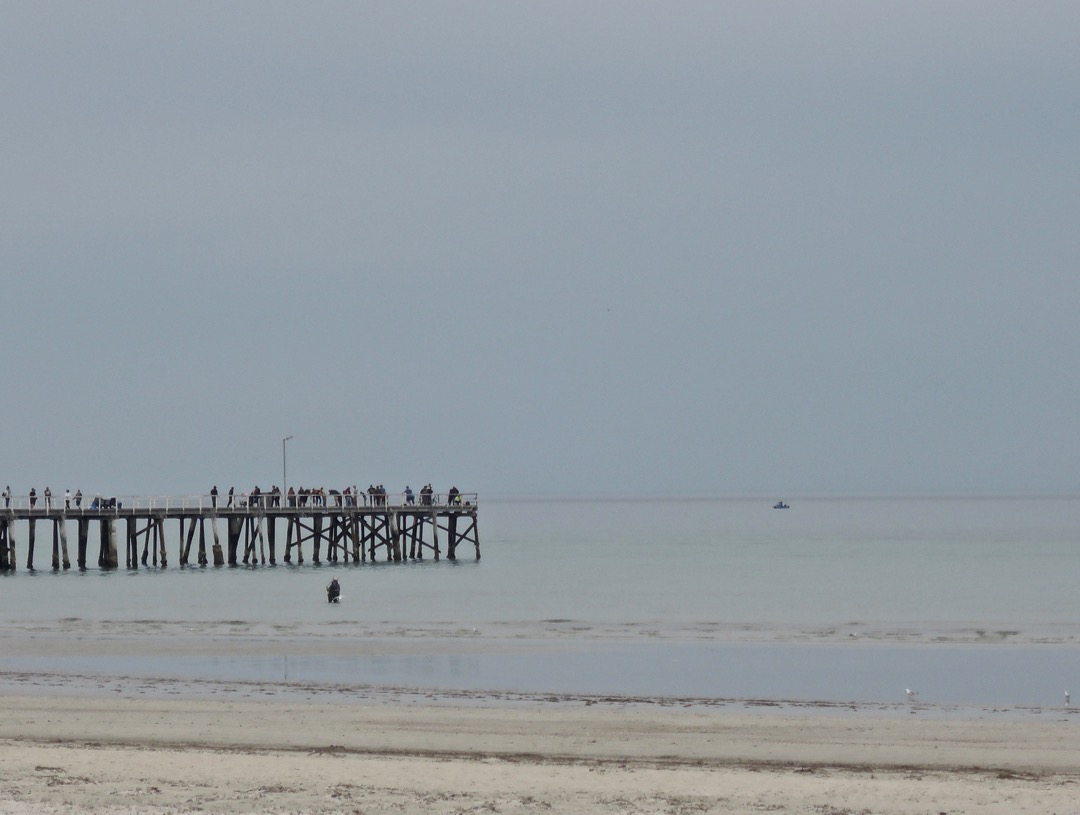
When I took the beachside photos you see in this post, just a few weeks ago, the air was grey, just as it is for Jack as he looks out of his bedroom window onto the beach scene below. But in my case, the greyness came from a winter fog rather than a summer storm. This was a thick, dank, spectral fog that hung over the ocean for half an hour or so and then drifted away again.

And, like Jack, I gulped in that grey air and let the rest of my day fade away — and felt all the better for it.

Out & about: spring flowers

‘When you’re walking the view shifts and changes.
Walking’s a form of hope.’

from ‘The World Without Us
by Mireille Juchau


I’ve just spent a week on holiday, during which I did a lot of walking.

Common (variegated) groundsel

I had planned to go running as much as I could, but due to illness, in the end I had to opt for a gentler form of movement.

Vanilla lily

And that turned out to be not such a bad thing.

Red parrot pea

The sun was gentle and soft most days, though the wind felt distinctly chilly. On a walk through Aldinga Scrub, I saw native flowers blossoming everywhere, in every colour: yellow, purple, orange, white, pink, blue.

Rice flowers

Paper flowers

Blue Grass Lily (Caesia calliantha)

Even the parts of plants that weren’t flowering seemed exotic and gorgeously coloured.

Twining vines (devil’s twine)

Crimson branches

Bees darted about, drinking nectar.

Bee on a coast beard heath plant (or a rice flower?)
with curling shoot

And though they’re not pictured here, roos observed me as I walked the sandy trail, while whistlers burbled hidden in the trees and a frogmouth boomed in the distance.

Yellow bush peas
(that’s what I call them, but apparently they’re called common eutaxia)

Spring has truly arrived.

Tentative

Other people’s words about … railway stations

The ideal place for coffee is part of a railway station. I have always felt this. There’s something about the stillness amid the bustle, something about standing and stopping as a great crowd flows around you. One of my best railway coffee stops was Ramses Station in Cairo on an undergrad trip twenty years ago: citizens of the world drinking beakers of sweet black tea and eating brittle, quietly disappointing cakes on their way to places I would never visit myself, a sun-stained ruffle of Baedeker pages to everything I saw and touched and smelled.

From ‘The Unmapped Mind
by Christian Donlan

Picture a young couple arriving in Cairo, not by train as Christian Donlan describes it in the passage above, but by bus, having met and travelled together from Jerusalem. Now picture the young woman, a few weeks later, leaving Cairo again, this time by train, this time, like Donlan, from Ramses Station.

It is 1993. The young man is American. He has been studying at the American University in Cairo, learning Arabic. The young woman is Australian. The two are very much in love, though newly, tentatively, messily. After a few weeks of living together in Cairo, he has told her that her English-speaking, Western ways are distracting him from immersing himself in the Egyptian world — its language, its people, its life — in the way he’d planned to before they met.

And so she has agreed to leave.

The day he takes her to Ramses Station, she doesn’t see anyone drinking coffee the way Donlan describes it. She sees only a grimy railway platform swirling with people. It’s grimy and swirling with people in the same way that all of Cairo is grimy and swirling with people. She’s decided to catch the train to Luxor, to Aswan, to take a felucca down the Nile — to do all the things that tourists do when they are in Egypt, though she prides herself on not being a tourist and has till now studiously avoided doing those things.

They stand on the platform and hold each other, and because they are young and tentative and newly, messily in love, they find it hard to let go of each other.

I don’t want you to leave, he whispers.

You’ll hate me if I stay, she answers.

Both of these things are true.

And so she says good bye and shoulders her backpack. The last thing she will remember of him before the train departs is the way he turns, finally, to walk out of the station, calling out his farewell over his shoulder to her in Arabic.

In Arabic. Yes. She takes this as a reminder of the resentment he has felt towards her. That resentment sparks just enough anger in her to make her climb up onto the train without looking back.

Three weeks later, she will arrive back in Ramses Station, in a train from Upper Egypt. She will get out of the train and walk through the station and make her way along the crowded, grimy streets back to the apartment where he is living, where they lived together before she left. He won’t be expecting her — or not exactly, not that day. There are no mobile phones in 1993, and there is no landline in the apartment. She has tried to call him several times from various pay phones in the rickety, dusty streets of Aswan but they have spoken only once.

Come back, he said over the phone, his voice raw and husky from sleepless nights and cheap cigarettes. I miss you. I can’t live without you. Please come back.

And so she has come back.

Cairo, 1993

You know, perhaps, from previous posts that I travelled far and wide in my early twenties, and that some of that travel was certainly by train. You know, perhaps, that I lived in Cairo for a short period in my early twenties. So maybe the story above is mine, or maybe it’s a composite of stories I heard or witnessed along the way during my travels, or maybe I made it up.

All of these things may be true.

Here is a fact about Ramses Station, though — or rather, a fact about any railway station. They are full of stories — arrivals, departures; journeys to, journeys from. Because of this, railway stations are full of all the emotions that such things entail: joy, sorrow, confusion, hope, longing; they are full of emotions that are new and tentative and messy, that are tinged with love.

And, if for no other reason than that, the railway stations you’ve arrived at, the railway stations you’ve departed from, are worth remembering, long afterwards. Long after you know you’ll never come back.

Out & about: enough

‘When you’re walking the view shifts and changes.
Walking’s a form of hope.’

from ‘The World Without Us
by Mireille Juchau


Some days, after work, I don’t have time to go for the kind of walk that the passage above, which I quote on this blog so often, describes: a long walk, a wandering walk, a wondering walk. Some days there just aren’t enough hours of daylight left — not for that kind of walk.
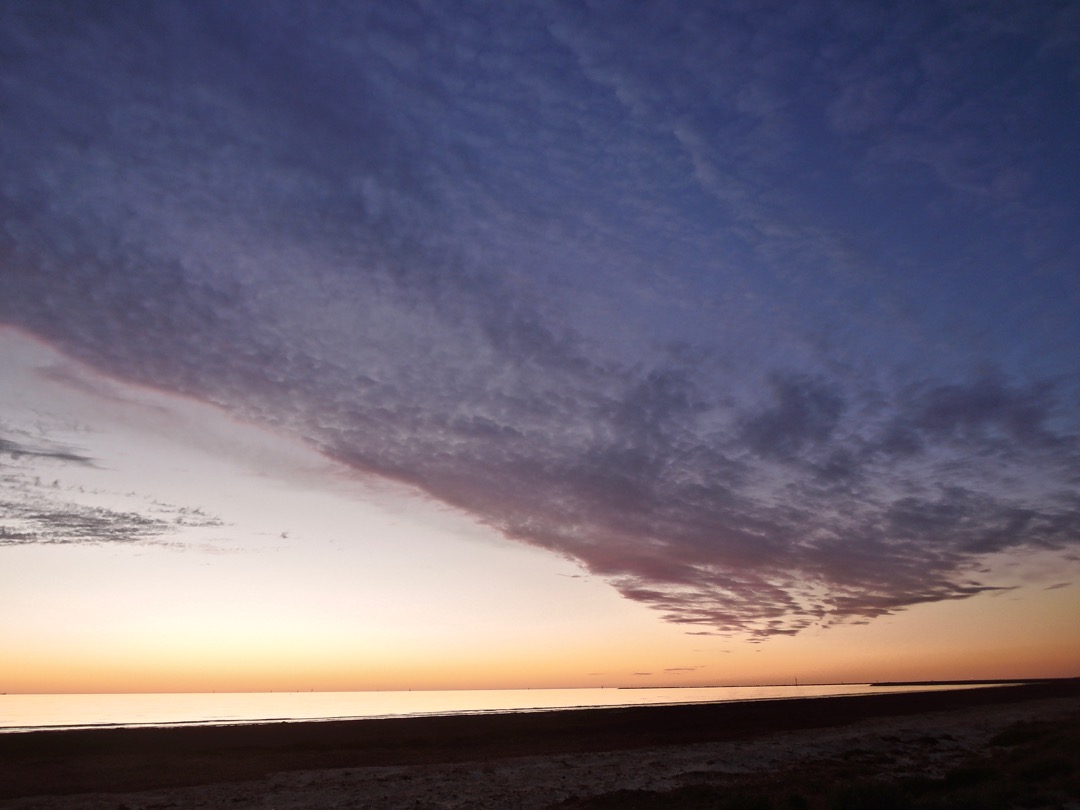
There might be a few moments, though — just enough moments to dash down the road and glimpse a dark swathe of clouds in the sky —

— or the branches of a sheoak tree silhouetted against cotton-pink clouds —

— or a sea turned opal.

Beacons to guide the ships home

The day I took the photos in this post was one of those days. All I had left of that day were those few moments — the last few moments of the day. So I told myself that they were enough, those few moments.

And for a few moments they were. They really were.

Chasing clouds

If I am thinking at all when I run, this is a sign of a run gone wrong — or, at least, of a run that has not yet gone right. The run does not yet have me in its grip. I am not yet in the heartbeat of the run; the rhythm of the run has not done its hypnotic work. On every long run that has gone right, there comes a point where thinking stops and thoughts begin.

From ‘Running with the Pack:
Thoughts from the Road on Meaning & Mortality’

by Mark Rowlands

I suspect — no, in fact, I know — that I don’t run far enough, or long enough, or hard enough to have experienced the same kind of long run to which Mark Rowlands is referring here. And yet, even on my kind of run — the kind of run when you run simply for the joy of the moment and nothing else — there comes a point when the rhythm of the run [begins to do] its hypnotic work for me.

That’s why I came back to running, twenty years after I stopped. I am a worrier, a thinker — no, an over-thinker. But I’m not when I run. For those twenty years when I stopped running, I couldn’t forget the sweet spot I used to find at some point during a run, when, as Rowland puts it, thinking stops and thoughts begin. And I couldn’t find it, either — not outside of running.

Elsewhere in his book, Rowlands has this to say about why he runs:

People sometimes assess the quality of their runs in terms of times, distances and also in more sophisticated ways: the AIs — the number, duration and intensity of the aerobic intervals they have inserted into the miles they have run; the TUT — the total uphill time and so on. But, as far as I am concerned, times, distances, AIs, TUTs — these are all just contingencies, incidentals. Every run has its own heartbeat; the years have taught me this. The heartbeat of the run is the essence of the run, what the run really is.

I’m with Rowlands here. I don’t do tech — either in my day-to-day life or while I’m out running. I don’t own a smartphone, or a fitbit, or a garmin. I don’t even own a pedometer. The only things I take with me when I go for a run are my (non-digital) watch and (sometimes, but not always) my camera. That’s it. I put my watch on my wrist, and I hold my camera in one hand, and then I go out and run. I know roughly how far I run, but only roughly, which is exactly how I like it.

Every run has its own heartbeat, Rowlands says, and then, without skipping a beat: the years have taught me this. Those words — heartbeat, the years, taught — have nothing to do with AIs or TUTs (neither of which I’d heard of, before I read Rowlands’s book), and everything to do with living. With learning. With growing.

Which are some of the other reasons that I run.

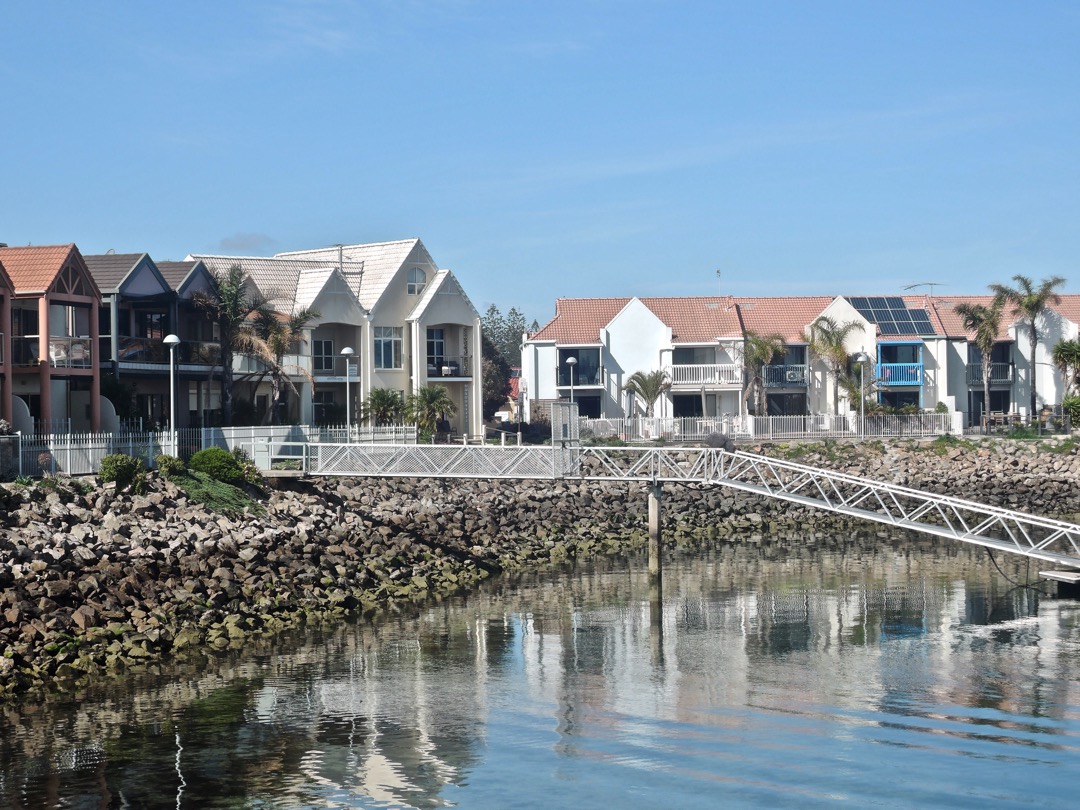
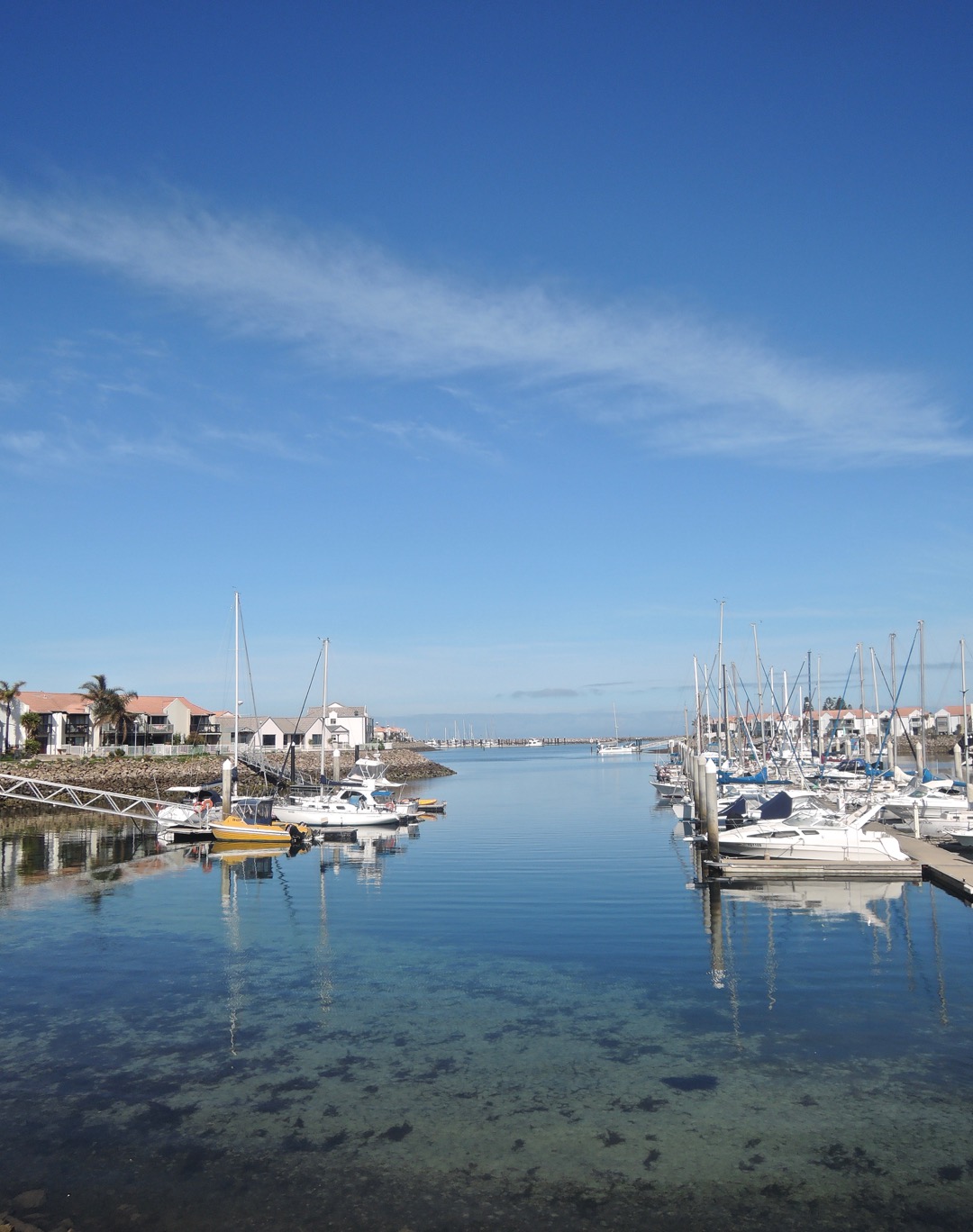
I took the photos you see in today’s post on a run in the North Haven area one Sunday morning in late August. I ran beyond the breakwater and along the water’s edge by the yacht club and marina. As you can see, there was virtually no wind, though the air was brisk and cold.

It was a blue day — blue sky, blue water, blue paint on the boat ramps. Blue. Blue. Blue. My eyes felt wide open to the blue. I had promised myself that I would stop whenever I wanted to, whenever I saw something that struck my fancy, and that is what I did: I ran and stopped, ran and stopped, ran and stopped. I ran into the blue. I lost my rhythm and then found it again, several times, and it took me a while to figure out that this was my rhythm, on that morning, at least.

And I felt, as I often do when I’m out running, that I had found my heartbeat again: that I had heard it, and understood it, and honoured it.

That, too, is why I run.

On purpose

Other people’s words about … meaning

Some people … believe they have to find their purpose to live fully … [But] it is perfectly fine — and in fact recommended — to simply live each of your moments fully and marvel at it all. What if that is your purpose?

From ‘The Energy Guide
by Dr Libby Weaver

I am not much one for self-help books, these days, especially ones that focus on how to find happiness or health. I don’t think — as I did when I was younger, as young people so often do — that health and happiness are things you can seek out or earn, or that they are things you can, or should, feel entitled to.

But I do like Libby Weaver’s words here, even though her book falls squarely into that category of books I’ve just derided. I like her words because what else does it make sense to do other than to simply live each of your moments fully, no matter what each of those moments is like, or what is happening during it? What better thing can we do as we live out our days than marvel at it all?

Weaver goes on to say:

Consider that the real purpose of anyone’s life is to be fully involved in living. Be present for the journey. Act on what you care about.

You could call the attitude Weaver is advocating mindful, if you so chose. Or you could call it sensible. Or humble. Or grateful. Whatever you call it, I think it’s an attitude worth cultivating.

Winter sunrise: be present.

Because unlike health and happiness, unlike riches and freedom, unlike love and success, unlike youth and beauty, unlike wisdom and intelligence, being fully involved in living is achievable. It’s not always easy, but it’s possible.

And that, I think, is a good place to start.