On running

Finally, after a summer of heartache followed by almost crippling depression, came the walking phase. After a hectic routine of lying under my coffee table weeping, I had reached a point where I had to get outside and see daylight. I wanted to feel the breath of warm air on my skin; I yearned to feel the blood circulate around my body again … Half-deranged by weeks of erratic sleeping — nights spent enervated and panicky followed by sluggish, heavy-limbed days — I decided in desperation that physically exhausting myself might make the nights seem a little more welcoming. I longed to yearn to lie down at the end of the day, legs aching from use rather than the anxious jiggling they did under my desk for hours on end.

from ‘Running like a girl
by Alexandra Heminsley

When I was twenty-five, I took up running to cure my own case of heartbreak. I lived by the beach (a different one then), and so I picked out my four-kilometre course, from one jetty to the next and back; and then I ran.
And the heartbreak lifted. Running brought me the simplest joy I’ve ever known, in fact — until I developed runner’s knee.
Twenty years later, I’ve started running again.
The joy’s still there …
… but so is the runner’s knee.
I won’t give up hope, though: running is the best salve I know.
Cross your fingers for me?

Stop and smell the roses

Native plants and vegetation are my passion.
(We all know that.)
So you won’t be surprised when I say I haven’t always been the hugest fan of roses.
They’re not native to Australia.
Sometimes they seem overblown to me, and showy — blowsy, even.
DSCN2325
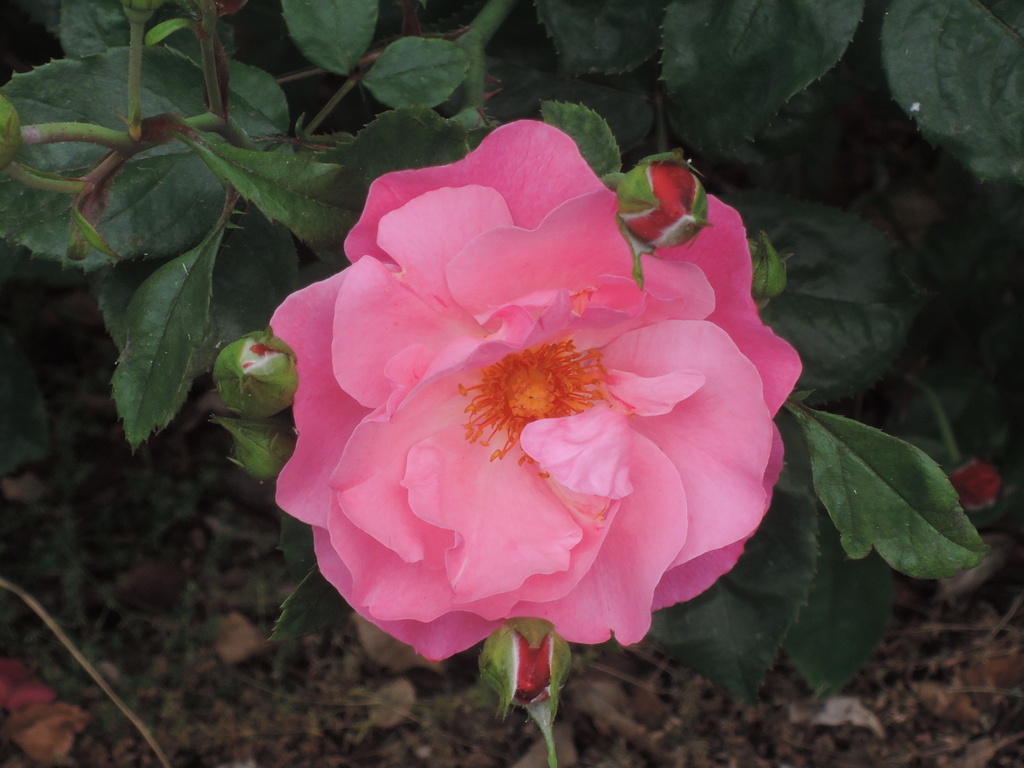
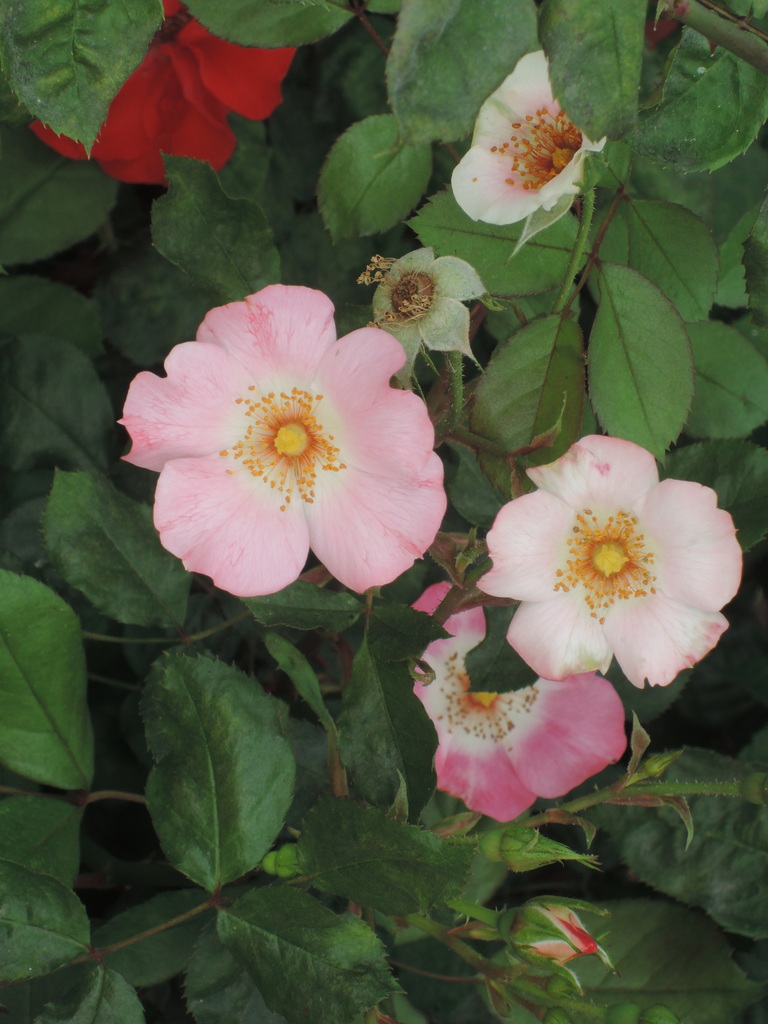
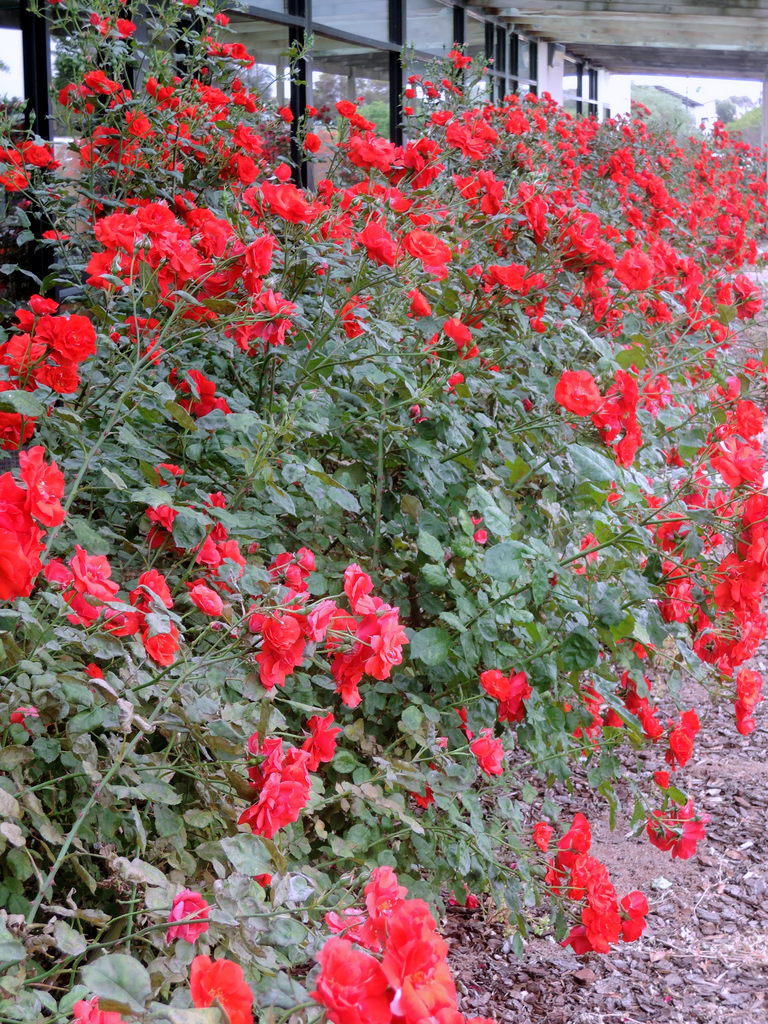
But once a year, the rose bushes outside a library I visit frequently put on quite a show.
DSCN2324
Somehow, these roses please even my curmudgeonly spirit.
DSCN2329
They are, simply, quite lovely.
DSCN2323

They bring joy, not just into my day …
DSCN2326

but into my very soul.

DSCN2328

I think I’m slowly joining the rose-lover’s world …

Late spring

In late October, I went for another bushwalk.
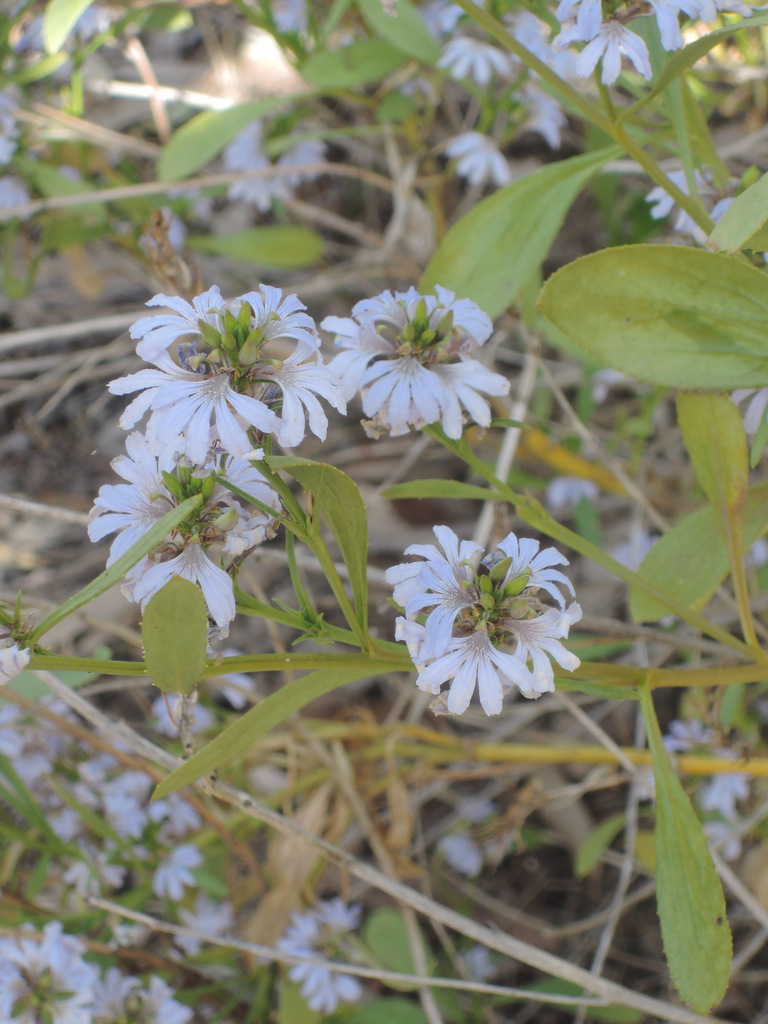
In blossom were fan flowers:
DSCN2331
muntries:
DSCN2345
and those papery, daisy-like flowers, the common everlastings:
DSCN2336
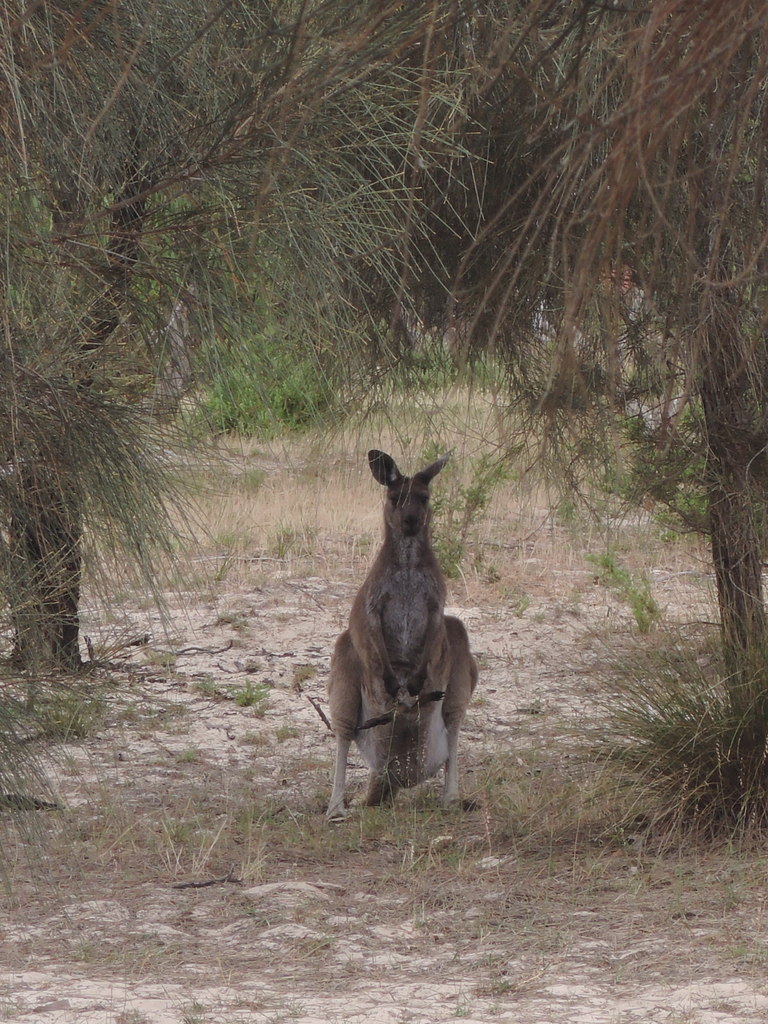
I encountered other inhabitants of the area, too —
many of them.
DSCN2339
It was mid-morning — grazing time, I think, before the sun gets too hot.
I don’t like disturbing roos:
when threatened, they can be aggressive, especially if they are guarding joeys.
And besides, I’m aware that I’m on their territory, not vice versa.
So I stepped away and left them happily to it …
DSCN2350
… Do you think it’s comfortable in that pouch?
It doesn’t look it to me!

When all is said and done

Other people’s words about … staying still

Do you ever have the urge to just move?
Metaphorically, I mean — not physically. That feeling inside — that longing not to feel stuck anymore.
I do. (Midlife crisis, anybody?!)
I don’t think there are any answers to this longing. I think the more we try to move — to push on, to change — the more we forget the grace there is in surrender.
In simply staying still.
Maybe you’re not an ABBA-tragic like me (I know! I know!). But today I give you a song that helps me with this.
Have a listen.
See what you think.

Listen to the song: ‘When all is said and done’, by ABBA*

* Note:
Click on the orange ‘play’ button at the top of the page in this link to listen to the song. It’s one of my favourites. The song is about the end of a relationship … but I think it works equally well if you think of it as talking about the end of a phase in your life. (Bear with me here. I know ABBA aren’t known for the literary nature of their lyrics! I did warn you I was an ABBA-tragic … )

Deception

On one of my favourite bike rides,
I pass an empty field outside a GP clinic.
Most of the year, it’s just a bare field with long, uncut grass.
But in spring, it changes.
DSCN2267


DSCN2270

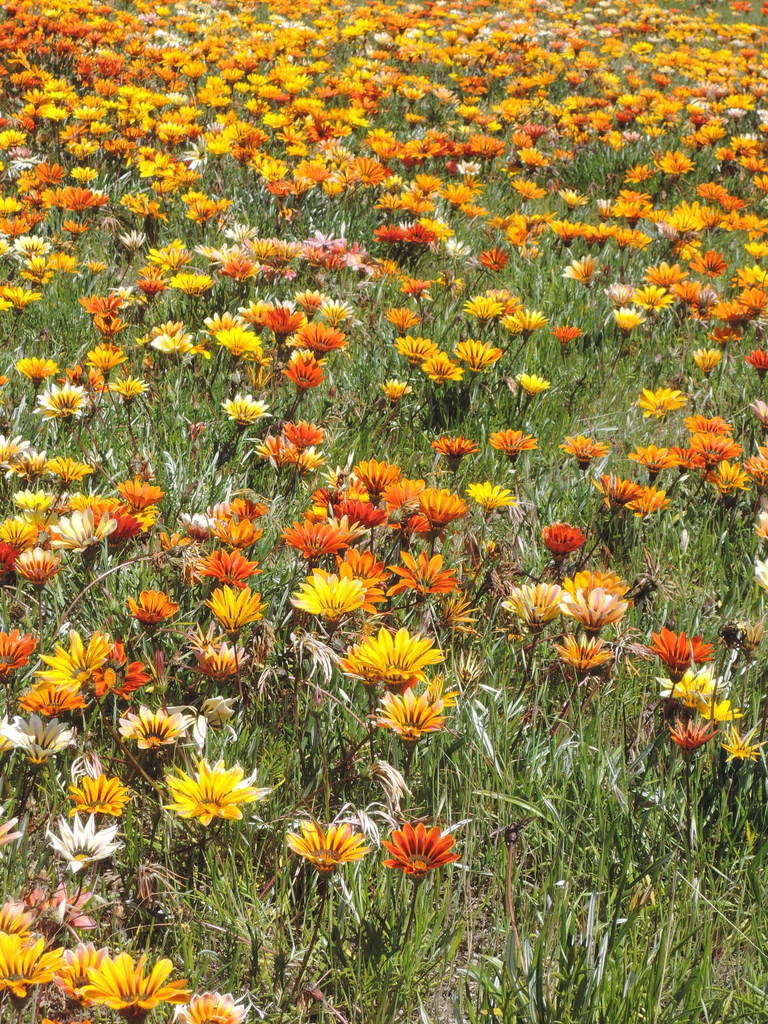
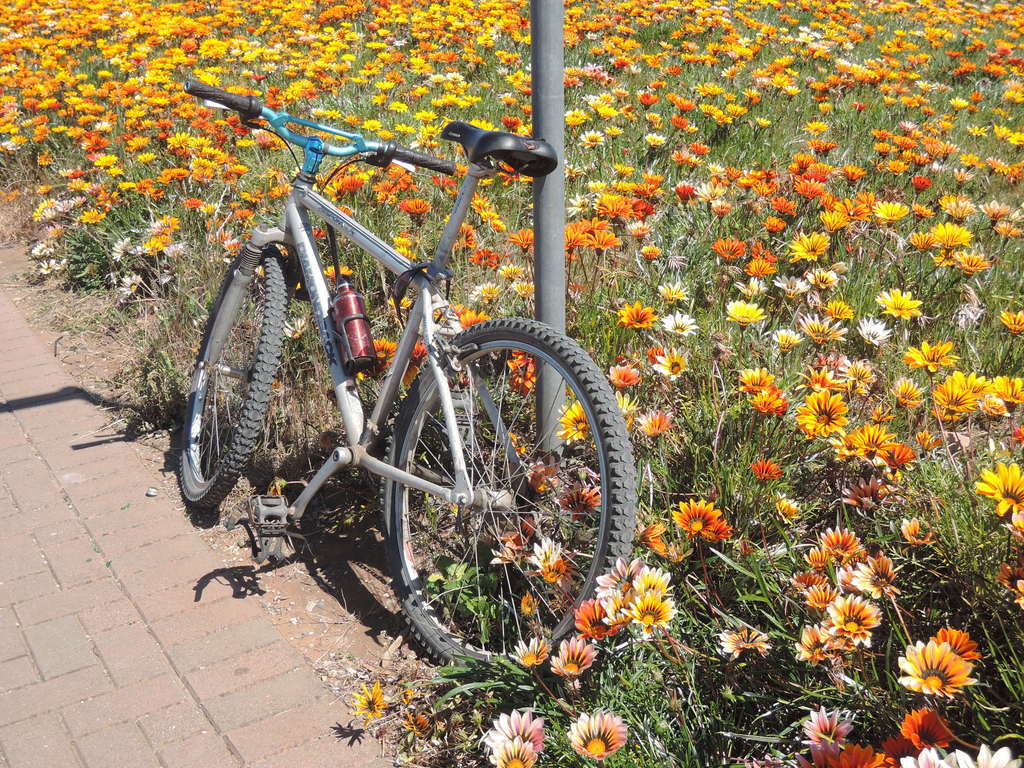
Such deceptive beauty!
These flowers, heralding from South Africa,
are considered weeds here.
They’ve spread far and wide, pushing out our own native flowers.

DSCN2269

It’s hard not to admire them, though —
their abandoned spread;
their cheerful, bright colours …

DSCN2272

DSCN2273

… and their faces uplifted to the sun.

Spring joy

I took a walk through the bush again in late September.
Skinks rustled through the undergrowth.
Whistlers burbled; shrike thrushes sang; blue fairy-wrens and fantails darted about.
And there were wild flowers everywhere, including common fringe-myrtles;

paper flowers;

smooth rice-flowers;

and grevilleas.

Every month brings a new season in the bush.
Every month brings a new, different kind of joy.

Soup for the soul

Soup from my father’s kitchen

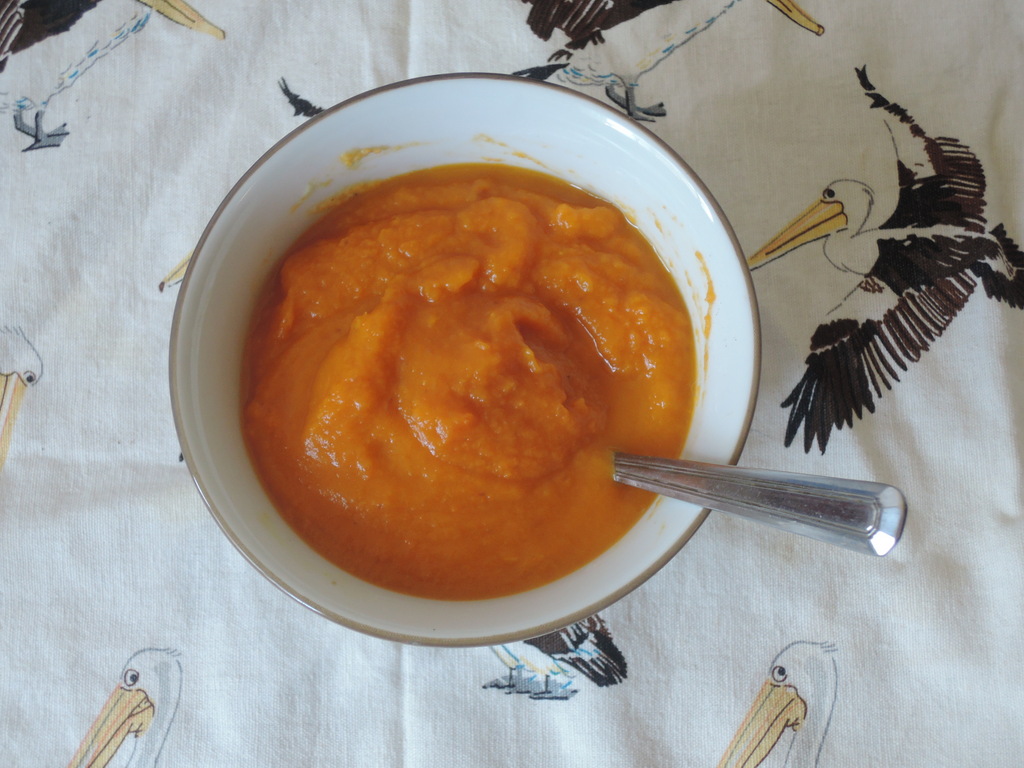
During winter, my father cooks up a weekly batch of vegetable soup,
which he and my mother eat for lunch each day.
The soup flavours vary —
pumpkin one week, tomato the next, broccoli and green bean the next.
And he always sets aside some for me.
DSCN2297
Winter’s well behind us now, of course.
(In the first week of October,
the temperatures soared over 30 degrees Celsius.)
DSCN2298
But I’m still enjoying my father’s soup,
which is tasty, warming and good …
DSCN2299
… and which he makes, always, with love.

Abundance

My garden originally had several patches of arum lilies.
Also called calla lilies, these flowers are sometimes thought to symbolise death. They’re considered a toxic weed in South Australia, so I ended up reducing my lilies to one small, protected patch.
DSCN2239
They spring up during the mid-winter rains, when the grass is long and wet and green, and the soil damp and crumbly — reminding me not of death, but of life.
Of growth.
Of abundance.

I’m happy to let them grow in that small patch, ready for picking and putting in a vase — tall, elegant and lush.

The chef gets healthy

Other people’s words about … life

Cookbooks are all about food and cooking, right?
But here’s what I found in a cookbook I borrowed from the library recently:

I generally don’t get into the whole ‘life quote’ thing; I pop them in a basket with mason jars and hip-hop yoga. But there’s a snowboarder I follow on Instagram called Kevin Pearce … who listed the non-negotiables in his life and it really stuck with me. I adapted the list to suit my life, but the fundamentals are still the same. When I am disciplined about making time for these rules, I find everything else falls into place easily and I am a better person, inside and out. That’s a good thing, right?
Make space for this:

  • Start the day with exercise.
  • Do yoga or meditate (even just 5 minutes): morning, noon and night.
  • Eat a healthy breakfast, lunch and dinner.
  • Prepare food in advance so there’s no excuse to eat crap.
  • Drink lots of water, at least 2 litres a day.
  • Get outside, look around (not down at your screen) and listen.
  • Be present!
  • Take care of hygiene.
  • Read and learn something new every day.
  • Keep in touch with friends and family.
  • Lead with your heart and keep your mind close behind.
  • Remember that conscious breathing will always centre you.
  • Be appreciative and be patient.
  • Surround yourself with awesome, like-minded people.
  • Sleep and rest, as much as you feel you need.

from ‘The Chef Gets Healthy’
by Tobie and Georgia Puttock

I have to confess: the recipes in the cookbook didn’t do much for me. I like my carbs! (Tobie and Georgia have eschewed carbs in the name of health.)
But I loved Tobie’s list.
It’s a recipe for life, not just for food.
And, as with all the best recipes, you can adapt it and make your own.
It’s a starting-point, I think —
a good one, too.

Life cycle

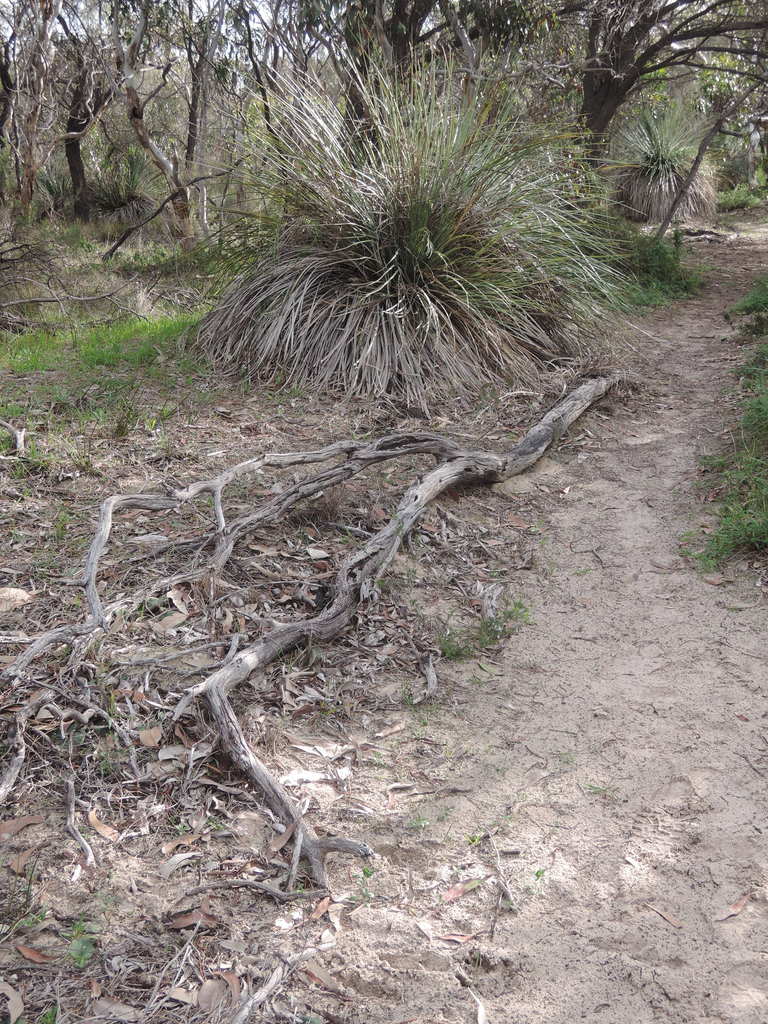
One of my favourite native plants is the grasstree.
In the last few weeks, walking through the bush,
I’ve glimpsed grasstrees at all stages of their life cycle.

Some were growing and establishing themselves:

DSCN2064

DSCN2067

Some were flowering:

DSCN2218

DSCN2219

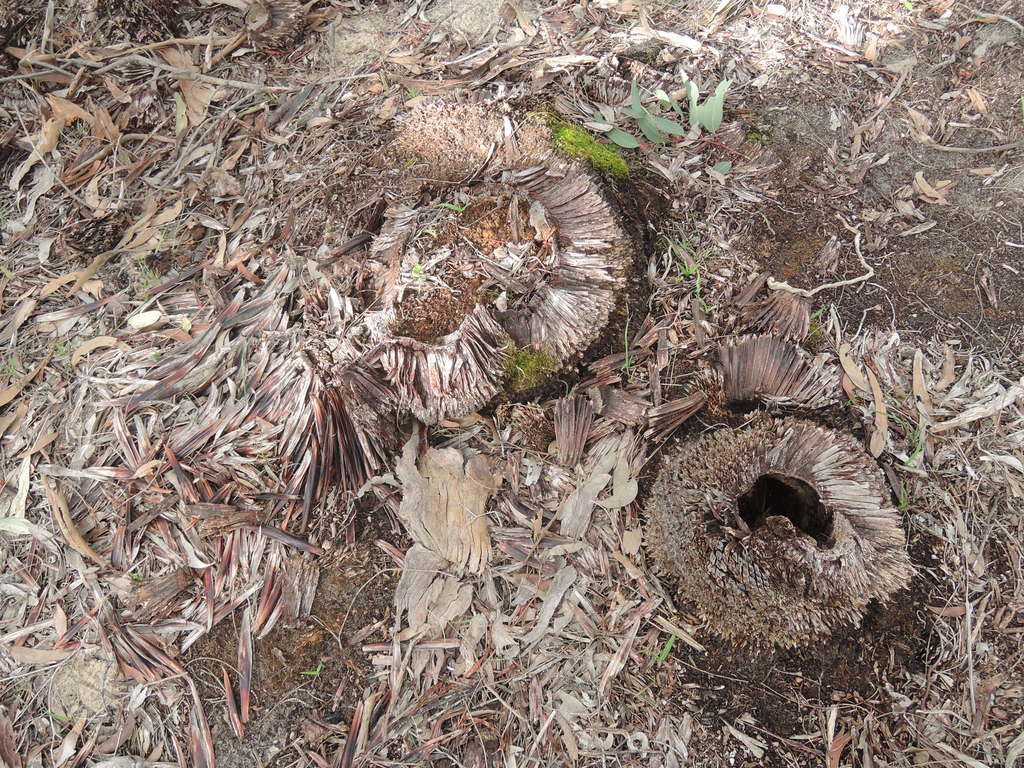
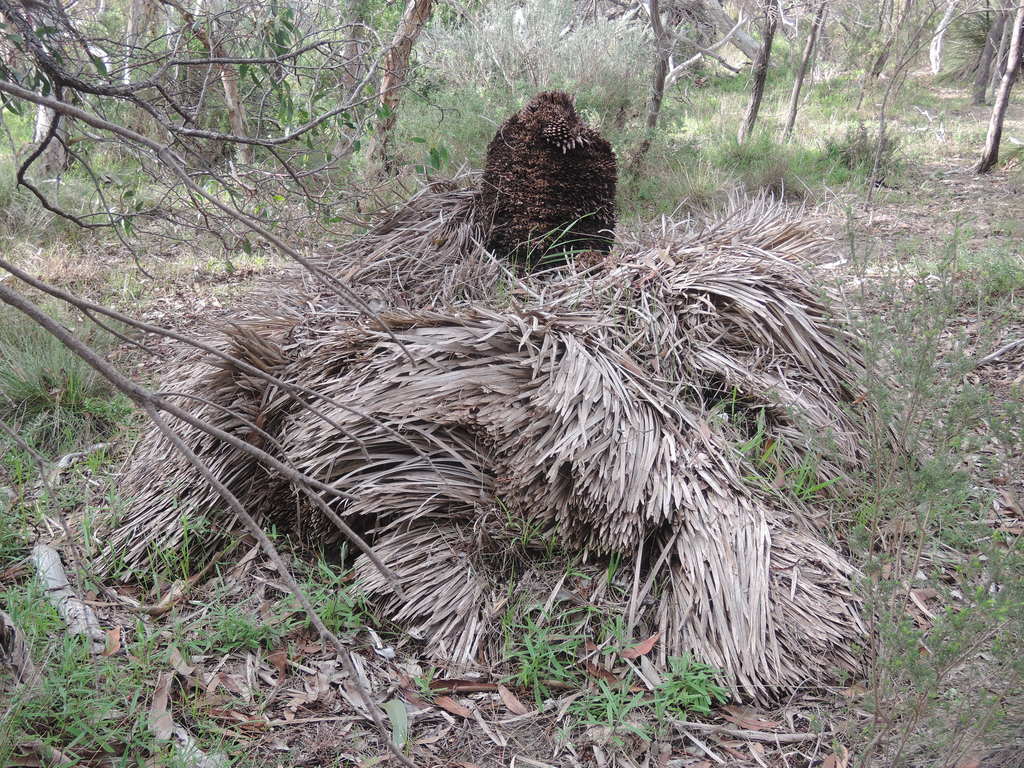
And some were dying and decaying:

DSCN2058

DSCN2059

At each stage of their life
grasstrees seem to me unique, strange, prehistoric …
and beautiful.