Snatched phrases on … the weather

‘Someone once told me it was bad blogging and boring writing
to wax lyrical about the weather but I can’t help it.
And I am not sorry.’

from Ruby and Cake blog,
this
post

Well, as you may have guessed by now, I’m with Ruby on this. I love waxing lyrical about the weather, and have been doing so, on and off, ever since I began writing this blog, back in April 2014.

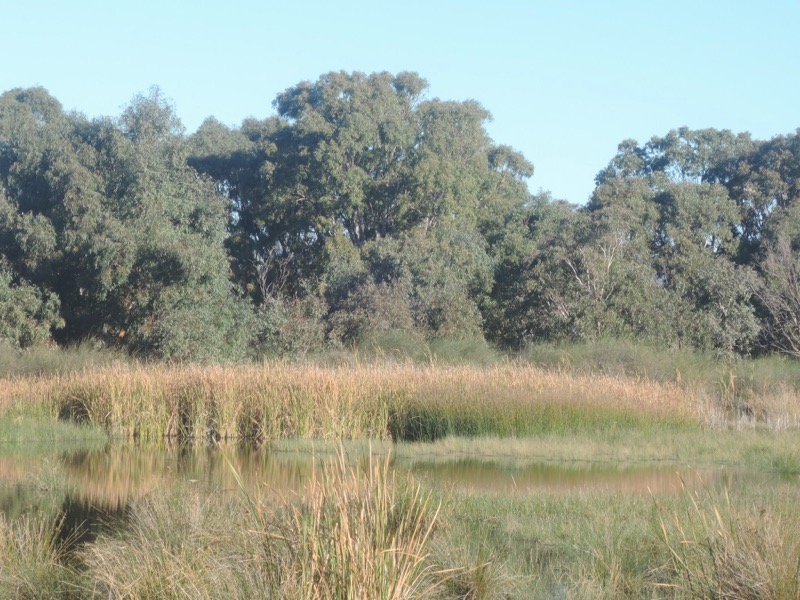
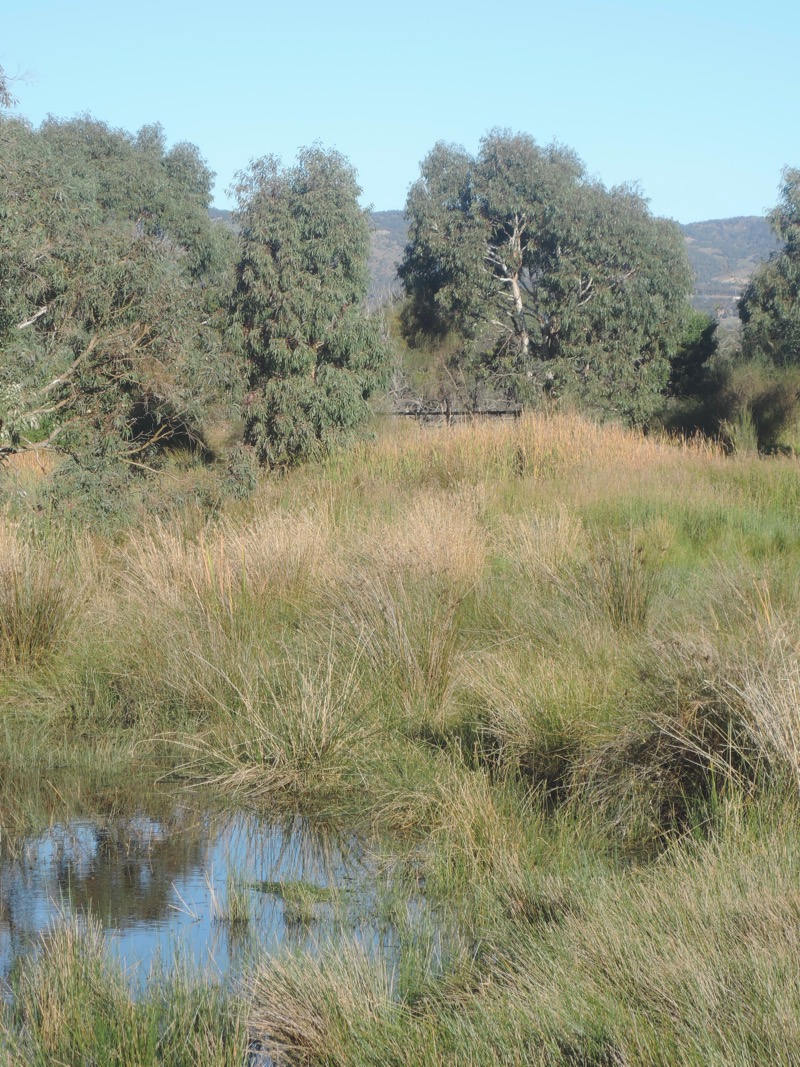
And when I’m not waxing lyrical about the weather, I’m taking photographs in celebration of it instead. So, to continue the weather celebrations, here are some photos from one of my latest saunters out and about.

This particular jaunt took place in early June, a time of year when we expect rain and clouds and wind here in South Australia. But, as I’ve mentioned several times before recently, in my usual waxing-lyrical-about-the-weather mode, that’s not the weather we’ve had at all this June. This day was just one of a number lately that began cold, crisp and clear, and progressed into soft, still sunniness.

If I were to say anything more here about how clear and true the sun shone as I wandered through the wetlands that day, or about how the sunshine filled me with joy, I’d be venturing into waxing-purple territory. (That, I believe, is the stage that follows the waxing-lyrical stage.) So I’ll leave you to enjoy these photos without further ado.

Although PS Like Ruby, as far as talking about the weather goes, I’m. Just. Not. Sorry.

Darkness encroaching

Other people’s words about … winter

Minutes after that the sun came out: brilliant, stunning us all. Still, it was no surprise when we were let out of school a half hour early due to the windchill. I made my way home from the bus stop at a rigid trot. I crunched along the snow-packed trail, felt the wind come off the lake in blasts, heard the pines groan and creak overhead. Halfway up the hill, my lungs started to feel raggedy. My face changed into something other than face, got rubbed out. When I finally got to the top of the hill, when I slowed down to brush ice from my nose, I turned and saw a puff of exhaust across our lake. I had to squint against all that white to make it out.

From ‘History of Wolves
by Emily Fridlund

Many years ago, I spent a winter in Michigan in the USA. For a whole month, the temperature did not lift above zero degrees Celsius. Having lived in South Australia most of my life, I had never seen a lake freeze over before. I walked across the surface of the frozen water, and grasped for the first time the meaning of the term ‘windchill’, a term I realised I had never understood before. A little way further out, a fisherman sat in a folding camp chair with his line cast down into a carved-out pool at his feet. I thought of taking a photograph, but my hands grew numb in the few seconds it took me to take off my gloves and fiddle with the lens on my camera. How can you grow so cold so quickly? It didn’t seem possible.

My American friends, knowing my love of ice cream, suggested taking me to the ice cream parlour in their local town, but it was shut down for the winter. We did a quick march up and down each side of the main street to look at the ice sculptures standing outside the shops. I kept expecting them to melt. I am Australian: I expect ice to melt. That’s just what it does.

For me, Emily Fridlund’s words, which I’ve threaded above and below throughout this post, capture the essence of that winter I spent in the northern hemisphere.

Overhead each afternoon we could hear the Canada geese coming back. We could hear them giving directions, labouring through wind currents, setting down their Vs. When the sun had just about set, we turned around, Paul lagging, getting farther and farther behind, so as the day grew truly cold –- miniature winter setting in, the way it does at night in April –- I put the backpack on … and we headed back toward his house on the lake.

What a lovely phrase, don’t you think?: Miniature winter.

Here in South Australia, where our climate is temperate, we don’t have four distinct seasons. Autumn is the beginning of what I always think of as the grey months. Our native trees are mostly evergreen, so they don’t shed their leaves; the weather simply grows windy, rainy and cold. As winter approaches, the days grow greyer still, and the hours of daylight shorten. The sky seems to sink lower over the earth, closing everything in. The world grows monochrome.

But then, in the middle of March, the temperature shot up to fifty and miraculously stayed there. Within a couple of weeks, the south slope drifts had eroded to stalagmite pillars. A wet sheen appeared across the surface of the ice, and in the late afternoons you could hear the whole lake pop and zing. Cracks appeared. It was warm enough to gather wood from the pile without mittens, to unfreeze the latches on the dogs’ chains with the heat of your fingers.

This time of the year — the first days of March, the very beginning of autumn — I always grow nostalgic for summer. Down the road at the beach, the sea is still warm enough to swim in, and the sand crumbles soft and dry and warm beneath my bare feet. A sense of urgency comes over me as I look up at the upside-down bowl of blue sky above me. I murmur spells at it, trying to make it stay.

The grey months are coming but not yet, not yet.

Note:
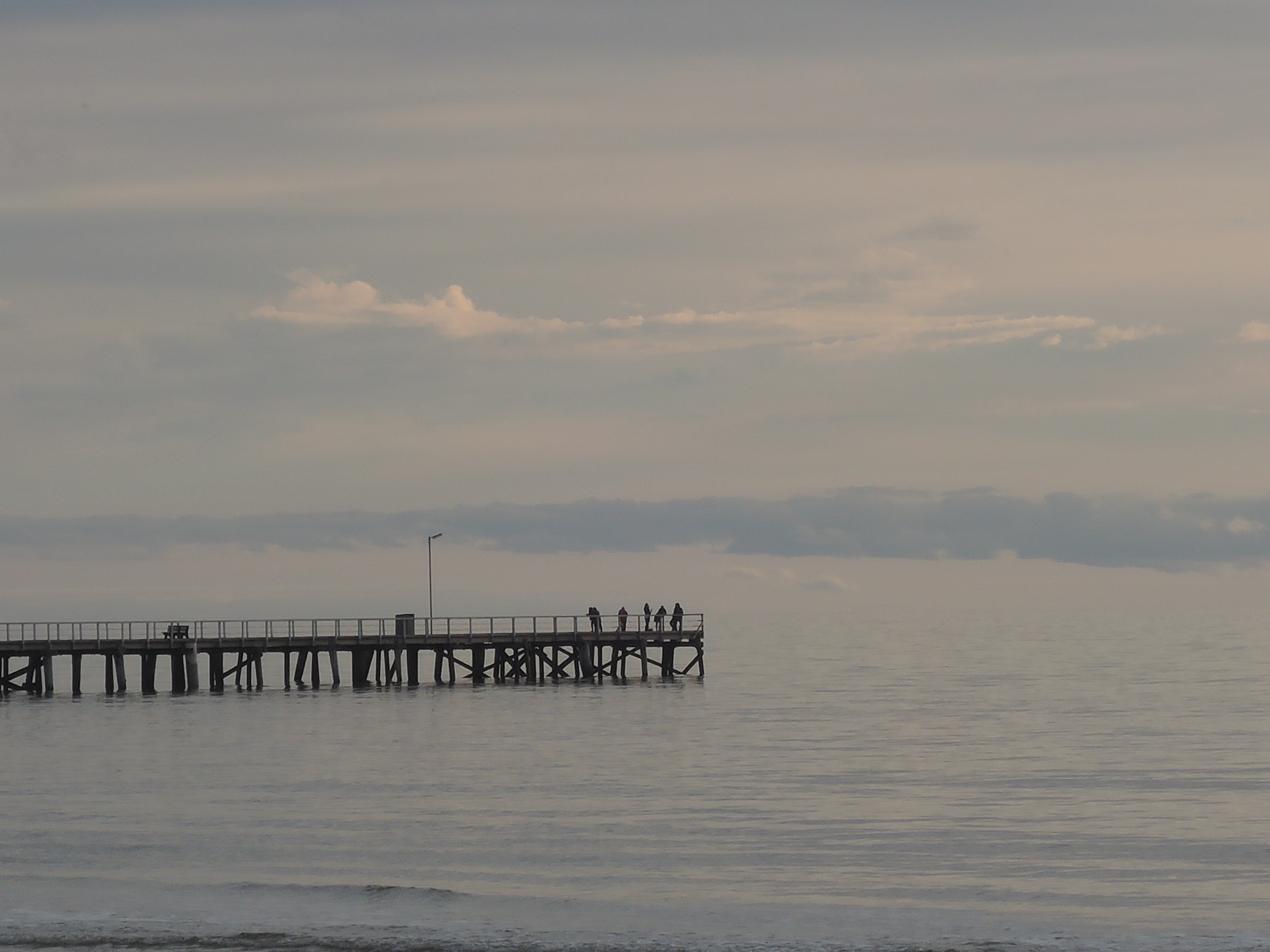
The pictures accompanying today’s posts are photos I’ve taken over the last few years during the South Australian winter. It may look as though I used black-and-white film, but I didn’t. That’s just the way it is.

At ease on this earth

Other people’s words about … beauty

I am haunted by waters. It may be that I’m too dry in myself, too English, or it may be simply that I’m susceptible to beauty, but I do not feel truly at ease on this earth unless there’s a river nearby.

from To the River
by Olivia Laing

Haunted by waters. Isn’t that a beautiful phrase?

Though the words I’ve quoted above are about a river rather than the sea, still, they ring true for me. For most of my adult life — except for the two or three years I spent in my early twenties, travelling and working abroad — I have chosen to live within walking distance of the sea. In my late twenties and thirties, as I’ve mentioned before, I lived in a series of share households: different houses every eighteen months or so, different housemates. But each of those houses was close to the sea.

These days, I live in a house just a few minutes’ walk to the beach. Open a window, and you can hear waves rolling onto shore. Step onto the front porch, and you’ll smell seaweed drying out beyond the water’s reach — a damp, bleached, faintly rotten smell. Look around indoors, and you’ll see drifts of sand piling up in the corners.

The sea surrounds me. It’s how I make sense of things. It’s how I feel at ease.
DSCN2831

There’s another phrase I love in the words above: susceptible to beauty.

Like anyone else, I have good days and bad days. There are days when I feel at home, here on this earth: when my skin feels comfortable beneath the layers of my clothes, and the warmth of the sun feels kind and good. And there are days when the world seems vast, alien, spinning, remote. What gets me through those latter kinds of day are tiny moments of beauty, out there by the water: pinpricks of sunlight sparkling on the tips of waves, like sequins on a piece of cloth; clouds chasing across the horizon, billowing and grey; a cluster of yellow flowers growing in the dip of a dune, petals cupped to reflect the light.

DSCN2833

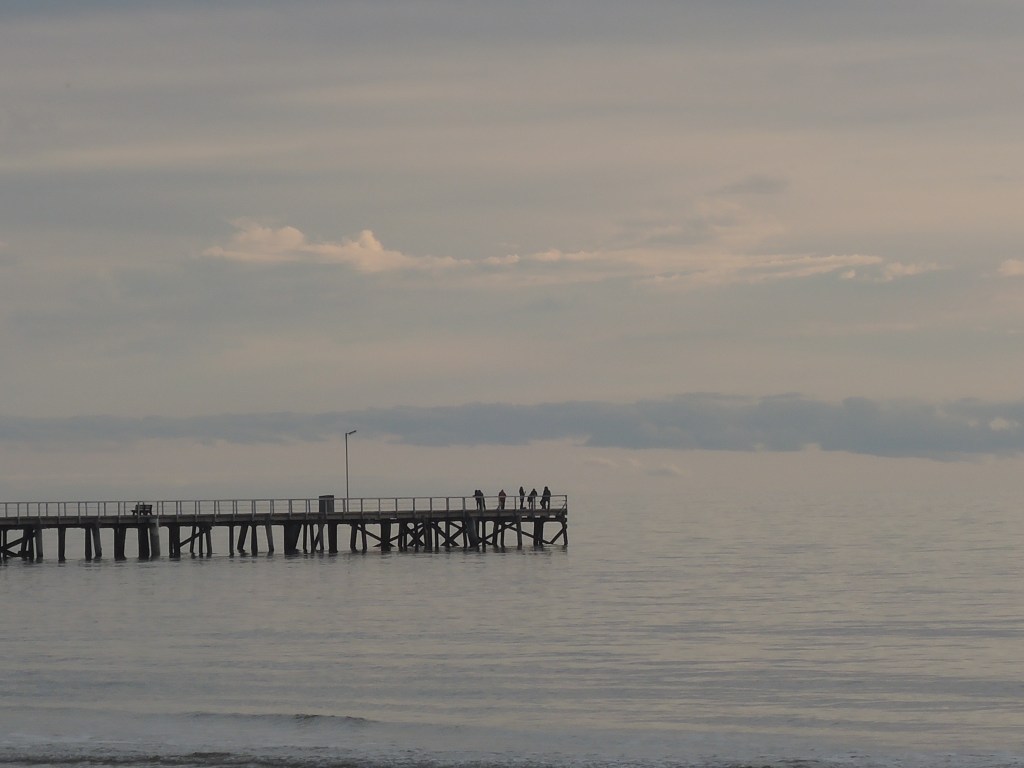
I took the photographs you see here late one August afternoon, just a few weeks ago. Sitting at my desk, working at my computer, I felt hemmed in suddenly: by streets and footpaths, by fences and cement driveways, by the sound of my neighbour hawking up sputum in his bathroom. The longing to get away from all of that was so strong it felt akin to starving. I felt hollow through and through.

I shut down my computer, stepped outside, and walked down the road to the sea.

DSCN2832

Five minutes later there I was, standing on the sand, looking out at the water and the sky. It was close to sunset and I wandered a while along the shore, released at last: from work and worry and words. And I saw something, then, that I don’t know how to describe, though I’ll try: I saw spring coming. The air had a certain quality to it — a softness, perhaps, after the steely bleakness of winter. I thought that if I reached out with my hand I might touch that beautiful softness. It seemed possible, just for a moment.

Looking at the photographs now, I don’t see what I did then. Perhaps you don’t, either. But I know that I saw it, all the same. It was one of those moments — those tiny moments of beauty — to which I, like Olivia Laing, am susceptible.

I am grateful for those moments, is what I’m trying to say. They give me a kind of gladness. They bring me home.

Soup for the soul

Soup from my father’s kitchen

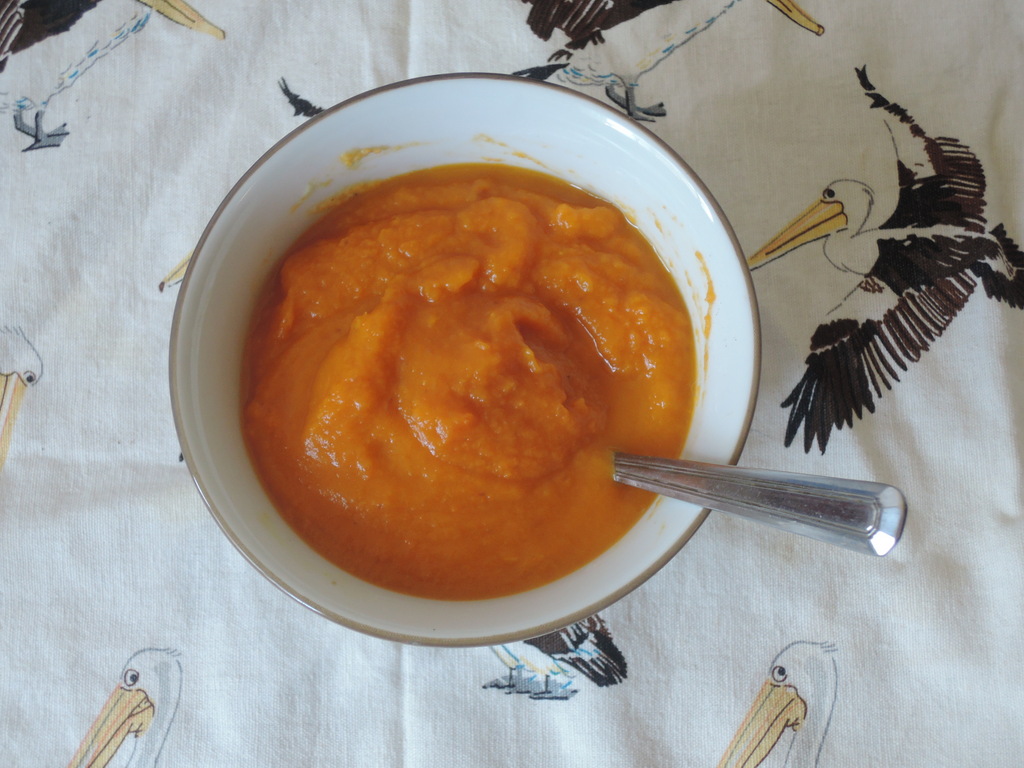
During winter, my father cooks up a weekly batch of vegetable soup,
which he and my mother eat for lunch each day.
The soup flavours vary —
pumpkin one week, tomato the next, broccoli and green bean the next.
And he always sets aside some for me.
DSCN2297
Winter’s well behind us now, of course.
(In the first week of October,
the temperatures soared over 30 degrees Celsius.)
DSCN2298
But I’m still enjoying my father’s soup,
which is tasty, warming and good …
DSCN2299
… and which he makes, always, with love.

Abundance

My garden originally had several patches of arum lilies.
Also called calla lilies, these flowers are sometimes thought to symbolise death. They’re considered a toxic weed in South Australia, so I ended up reducing my lilies to one small, protected patch.
DSCN2239
They spring up during the mid-winter rains, when the grass is long and wet and green, and the soil damp and crumbly — reminding me not of death, but of life.
Of growth.
Of abundance.

I’m happy to let them grow in that small patch, ready for picking and putting in a vase — tall, elegant and lush.

Life cycle

One of my favourite native plants is the grasstree.
In the last few weeks, walking through the bush,
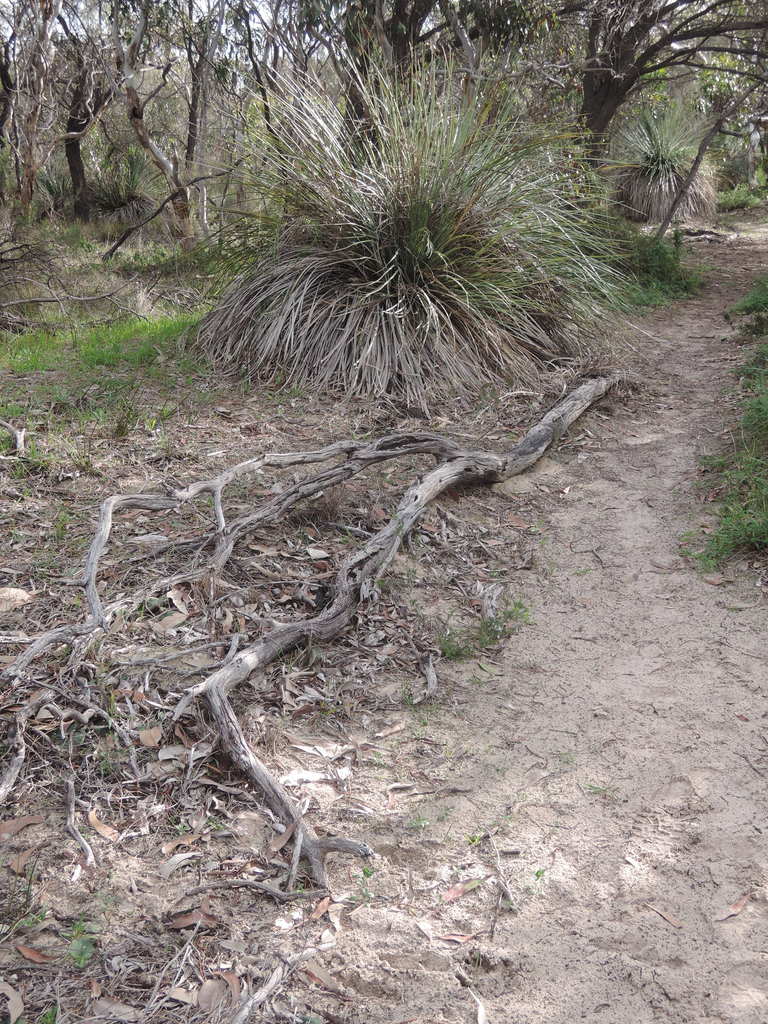
I’ve glimpsed grasstrees at all stages of their life cycle.

Some were growing and establishing themselves:

DSCN2064

DSCN2067

Some were flowering:

DSCN2218

DSCN2219

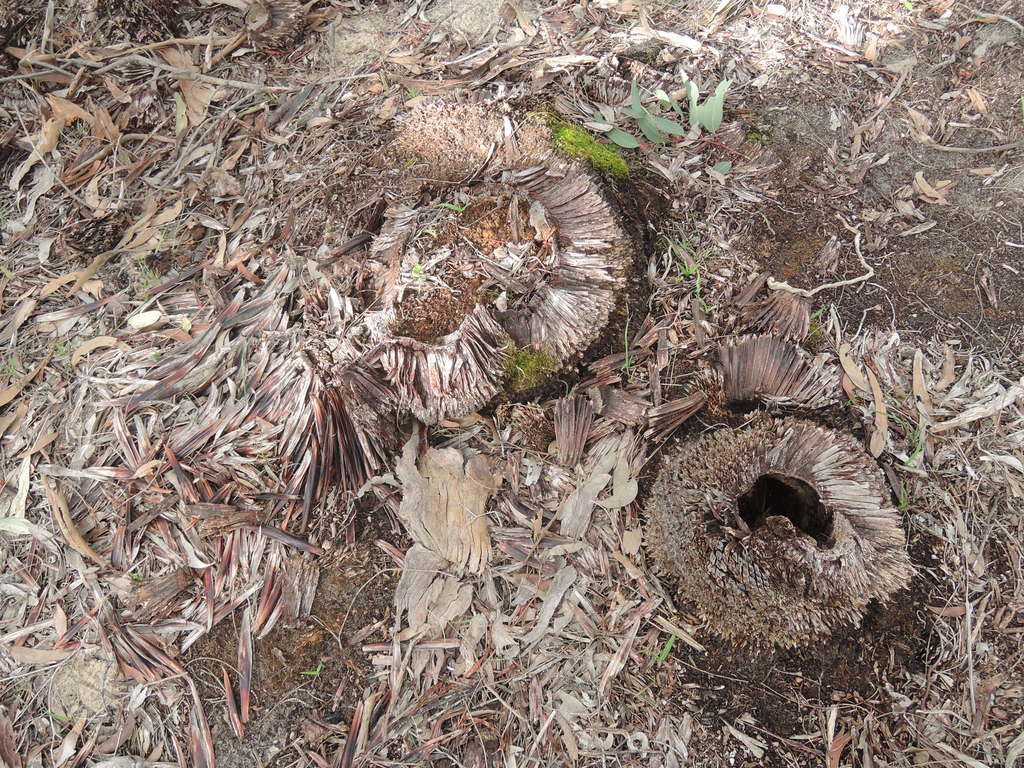
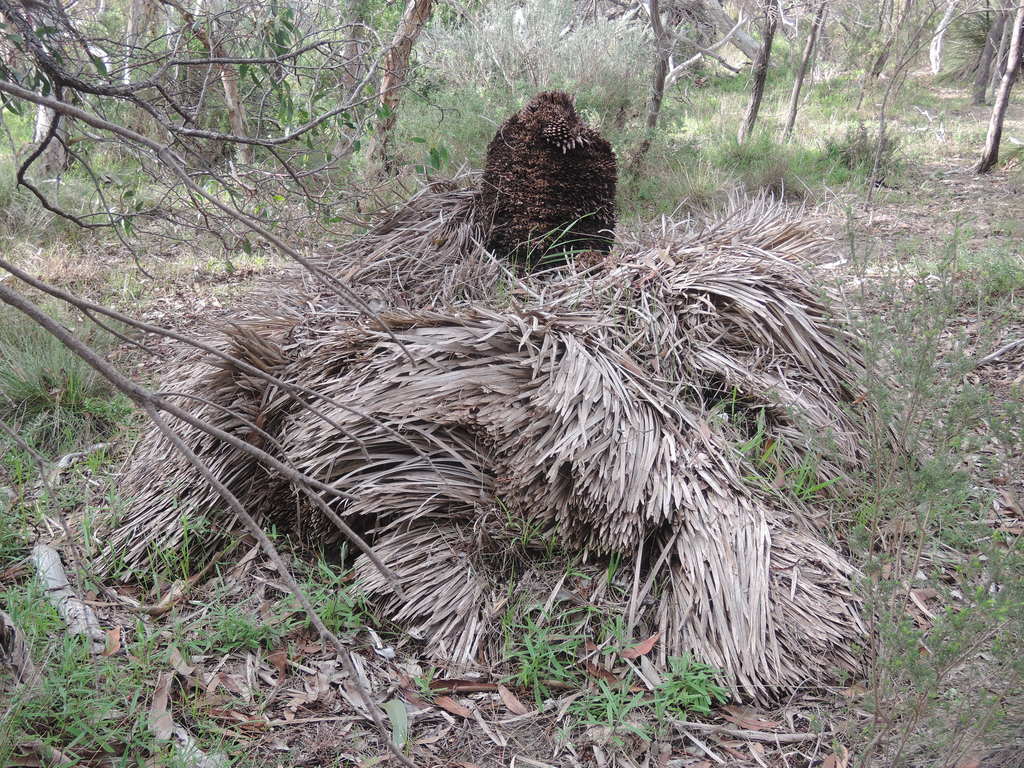
And some were dying and decaying:

DSCN2058

DSCN2059

At each stage of their life
grasstrees seem to me unique, strange, prehistoric …
and beautiful.