‘If he put his feet in to the water here at the beach in Jarmuli,
he was dipping them in the universe.’
From ‘Sleeping on Jupiter’
by Anuradha Roy

(tales from the birdgirl)

From ‘Sleeping on Jupiter’
by Anuradha Roy

I’d asked [my disabled friend] Jessie when a doctor had last looked at her. She couldn’t remember, so [while Jessie was staying with me] I went to my doctor, still Jock Ledingham’s wife, Una, at her practice, which was in their home in Ladbroke Square.
Una listened to me kindly, and then asked if anyone was nursing her. ‘Only me.’ There was an awkward pause, and then I added, hardly audible, ‘And I’m afraid I’m very bad at it.’ Lack of food and sleep made me start crying again.
‘I’m going to make you a tomato sandwich,’ she said. ‘All my family can manage a tomato sandwich whatever they are feeling like.’ She did, and I ate it, and felt much better.
from ‘Slipstream: A Memoir‘
by Elizabeth Jane Howard (p. 147)
When I was a child, my mother would sometimes make my sister and me tomato rolls for dinner instead of our usual cooked meal. This was a summertime-only ritual — she saved it for those evenings when the air was thick and heavy with heat. My sister and I would have spent the day dipping in and out of the swimming pool, so that our skin and hair reeked of chlorine. We’d come inside and stretch out on the carpet in the living-room at the front of our house, next to an electric fan. We’d read, or watch the cricket on television, or play Lego, or colour in, while the fan blew warm air over us and our hair dripped down our backs, forming great wet circles on our t-shirts. And then, at last, it was dinnertime.

My mother made her tomato rolls with white bread — the kind that is crusty on the outside and fluffy on the inside. She cut the rolls lengthwise in thirds rather than in halves, and then spread each layer thickly with butter. Over the butter she laid slices of tomato. Then, as a last touch, she seasoned the tomato with salt. (Never pepper. Children hate pepper.)
These were the days before Australians of Anglosaxon heritage knew about things like basil or coriander, ricotta or feta. We had never eaten avocado or garlic or extra virgin olive oil. We didn’t know of the existence of focaccia bread or ciabatta or sourdough. Most people ate margarine in preference to butter, thinking it was a healthier option. And we ate salt with everything — we lived in a hot climate, after all; we needed to replace the salt we’d sweated out during the day. So a tomato roll was just what it sounded like: a tomato roll. Nothing more, nothing less.
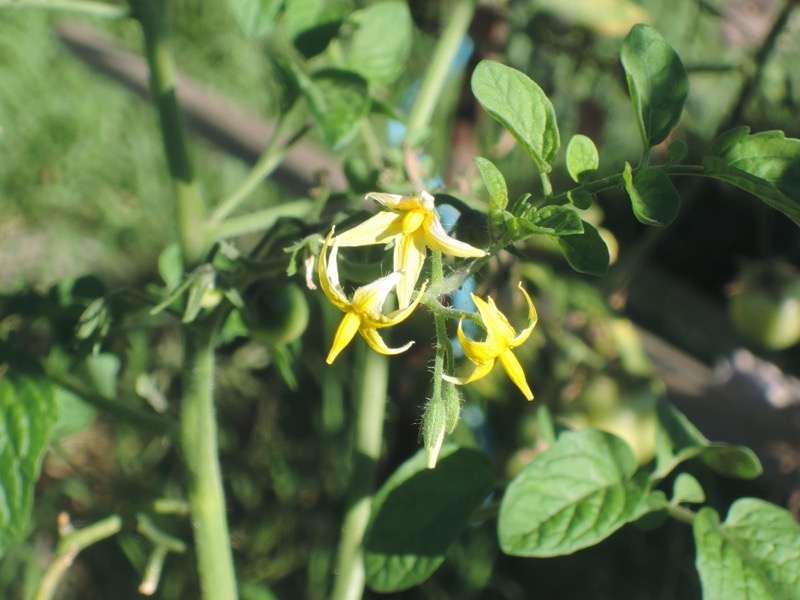
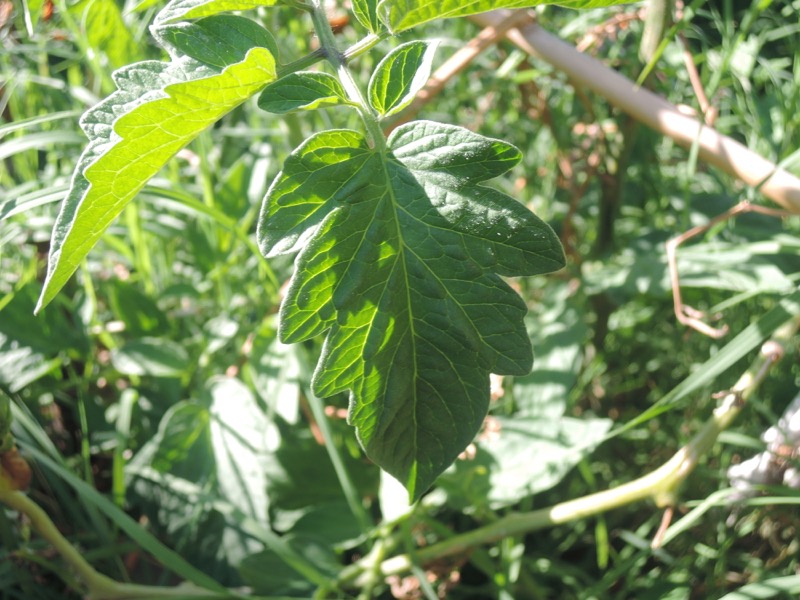
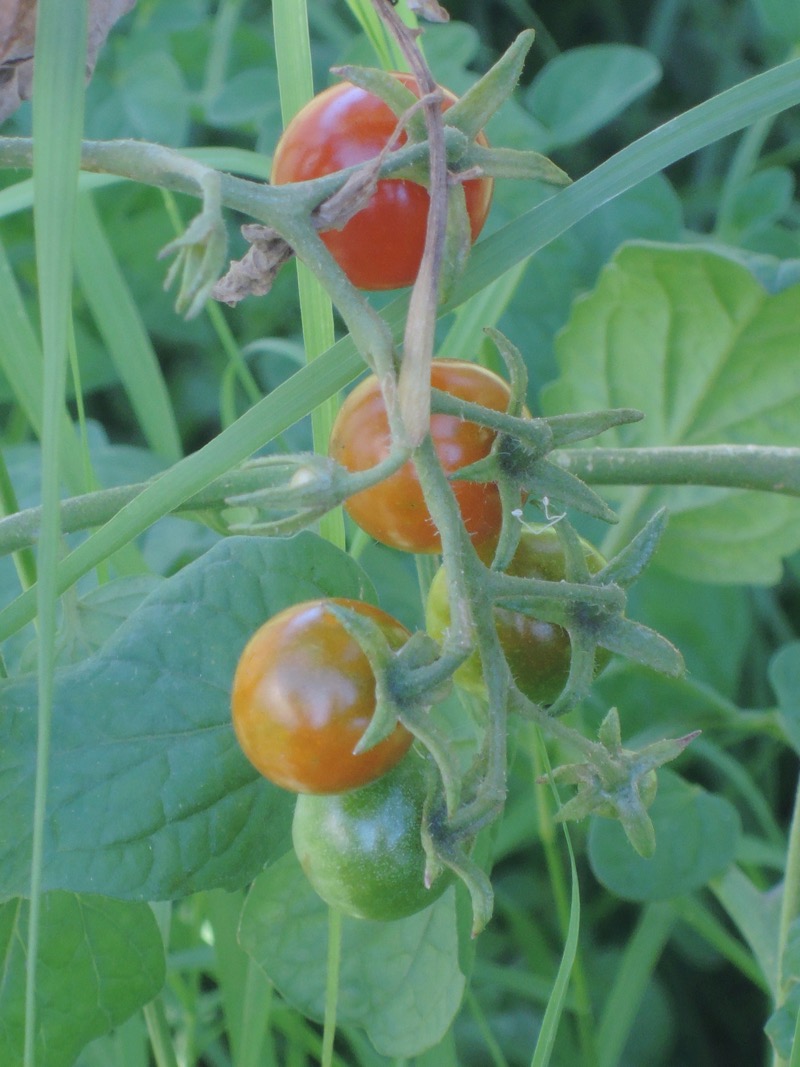
It’s almost forty years since I ate one of my mother’s tomato rolls, and yet when I read Elizabeth Jane Howard’s words above about the curative powers of a tomato sandwich, I was instantly transported back to those simple summer meals my mother made us.
Bread. Butter. Tomatoes. Salt. I still think of this particular combination of food as the ultimate luxury, the greatest treat.
And as a symbol of my mother’s love.

from ‘Words in Deep Blue‘
by Cath Crowley
Okay, so I don’t have any photos of the sea in moonlight, because I have as yet to figure out night-time photography.
But the words above reminded me of one of the things I love about the sea, and one of the reasons I so frequently post other people’s words about it, accompanied by my own photos: I love how the sea changes colour, depending on the season, the temperature, the weather, the time of day, the tide. The colours you see below — blue, green, pewter, turquoise, gold, silver — are just some of the many colours of the sea.
You may recognise some of these photos from earlier posts on this blog. Forgive the repetitiveness. That is one of the things about the ocean, I think: the wonder it instils in you, each time you see it, each time you visit it. It repeats itself, over and over.


from ‘This is the Story of You’
by Beth Kephart


from ‘The World Without Us‘
by Mireille Juchau



from ‘The Colour of Tea‘
by Hannah Tunnicliffe


It was the top of the morning, the very cream, and I skimmed it off and crouched in the cornfield, gulping it down … The field ended in a double ditch, and from it grew a mass of flowers in a profusion of colours and forms, such as is seen trimming the edges of medieval manuscripts. Black medick, I counted, buttercup, horsetail, ribwort plantain, hedge woundwort, must mallow and curled dock, the clustered seeds a rusty brown. Wild rose, dandelion, the red and white dead nettle, blackberry, smooth hawksbeard and purple-crowned knapweed. Interspersed with these were smaller, more delicate flowers: cut-leaved cranesbill, birdsfoot trefoil, slender speedwell, St John’s wort, heath bedstraw, tufted vetch and, weaving in and out of the rest, field bindweed, its flowers striped cups of sherbet-pink and white. The stem of the knapweed was covered in black fly, and a spider trap shaped like a dodecahedron had annexed a few pale purple flowers of vetch inside swathes of tight-woven web.
from ‘To the River‘
by Olivia Laing
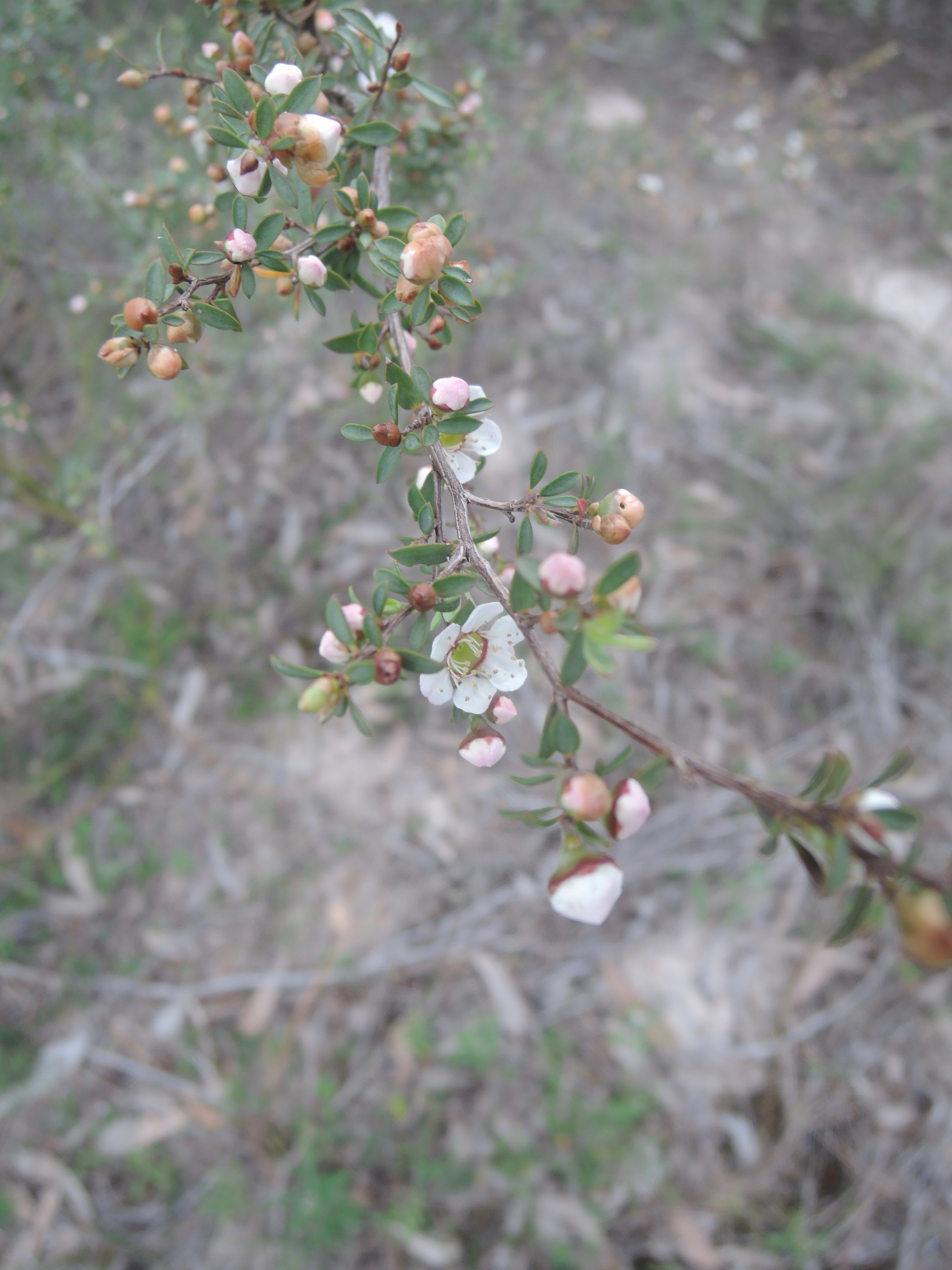
I have quoted from Olivia Laing before, I know. Still, one day a week or so ago as I went for a bushwalk, I couldn’t help thinking again of To the River. In particular, my thoughts kept returning to the passage I’ve quoted above. We’ve had an extraordinarily wet, windy spring here in South Australia this year — a spring that’s left me craving our usual harsh, dry, crackling heat. But the ‘up’ side to the lower temperatures and higher rainfall has been the abundance of wildflowers.


That day, as I strolled along the path, it felt to me as though I was walking on a carpet of flowers. Whistlers burbled in the trees above me — I spied both golden whistlers and rufous whistlers — and wattlebirds clucked, and magpies warbled, and I am sure I heard the call of a curlew or a godwit, though I really don’t know whether that’s possible in the part of the world through which I was walking.
Meanwhile, the rug of flowers went on spreading out before me.


As I walked, I found myself doing exactly what Laing does in the passage above: counting the flowers. I saw each flower; I named it; I knew it. I made my list as Laing made hers, and though we live in different hemispheres, and our lists are very different, I suspect that the joy I felt in making my list was somewhat akin to hers.


If I was an artist or a calligrapher — if I was a mediaeval scribe — I would decorate the edges of this post with the flowers I saw that day, in reference to the illuminated manuscripts Laing mentions above. But I am none of those things, so my photos will have to suffice. (As usual, hover your cursor over the photos to see the name of each flower — or my attempt, at least, to identify and name each one. Part of the pleasure in list-making is the knowledge that some of the names on the list might be wrong. I learn as I go.)

Perhaps you might like to think of these photos as a kind of pictorial version of the list I made that day, or as evidence of the carpeted path I trod, or as a simple expression of my joy.

They’re all of those things to me.

The narrow trail I had been following came to an end as it rose to meet the old grey asphalt road that runs up to the missile guidance station. Stepping from path to road means stepping up to see the whole expanse of the ocean, spreading uninterrupted to Japan. The same shock of pleasure comes every time I cross this boundary to discover the ocean again, an ocean shining like beaten silver on the brightest days, green on the overcast ones, brown with the muddy runoff of the streams and rivers washing far out to sea during winter floods, an opalescent mottling of blues on days of scattered clouds, only invisible on the foggiest of days, when the salt smell alone announces the change. This day the sea was a solid blue running toward an indistinct horizon where white mist blurred the transition to cloudless sky.
from ‘Wanderlust‘
by Rebecca Solnit
Rebecca Solnit’s words remind me of my own jaunts to and from the sea. So, no more words from me today — just a gallery of pictures I’ve taken over my own years of oceanside ramblings. You’ll recognise many of these pictures from earlier posts, no doubt, but collected here they convey, I hope, the many moods of the sea.
(Hover over the pictures to see their connection to the words above.)


from ‘The Faraway Nearby‘
by Rebecca Solnit
Sometimes, when I’m reading, a small phrase or a sentence will catch my eye, hidden away in the middle of the paragraph, or at the bottom of a page. Perhaps the words in that phrase snag my attention because they are beautiful; or perhaps the thought behind the phrase is beautiful — complex and lingering — despite the simplicity of the actual words.
I write these phrases down in a notebook and treasure them, as you might a necklace your mother gave you when you were a young woman, or a china teacup that once belonged to your grandmother. Sometimes, when I’m writing them down, the word ‘stolen’ creeps into my mind: there is something about the act of recording them which makes me feel I have snatched them from their creator and reappropriated them as mine, storing them inside my heart.
Snatched phrases: today’s post, quoting Rebecca Solnit’s beautiful words about books, is the first in an occasional series here with this theme. However you think of these words, whatever your definition of the word ‘stolen’, they are yours now, too. Writers write for others, after all; writing is about the transmission of words and ideas from a writer to his or her readers — readers like you and me.
And they are not really stolen at all, these words. It feels that way at first, because they are so precious and so beautiful. But in fact, it is the other way around: the words have stolen our hearts. To read is to be captured, over and over again. I can think of no better form of thievery.

She has always been the reader — no-one else in the family is that interested. She had carted her books from house to house as a student, the boxes growing in number each time, keeping them because she could not imagine doing otherwise, and because she thought that there was something permanent in a book, that it lasted forever. But now, when she takes an older paperback out to reread or loan, she is surprised at how fragile it has become, the paper threatening to tear in her hands if she turns the page, tiny black specks embedded in its tissue pages; bugs, probably. She should have cleared them out, she thinks. Packed them up in boxes for recycling. No-one would want them when she was gone.
From ‘Between a Wolf and a Dog‘
by Georgia Blain
I grew up in a house in which every room contained a bookcase or a wall lined with bookshelves. I remember kneeling in front of those shelves as a child, scanning them, trying to make sense of the order in which they had been shelved, trying — with a child’s sense of incomprehension — to understand the titles. There were lots of orange paperback spines (oh, those old Penguin classics!). There were fat, hardback dictionaries — volume after volume of them. There were thick novels with white covers and raised lettering. There were books with titles like Fear of Flying, which didn’t seem to be about flying at all. There were books with titles containing words like ‘teach’ and ‘literature’ and ‘linguistics’ and ‘semantics’.
And none of these books had pictures in them.
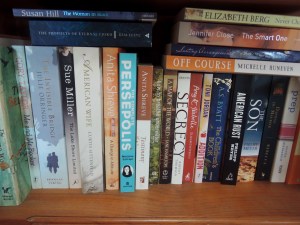
I made a vow when I was about seven or eight years old that I would never, ever read an adult book. The books on my parents’ shelves seemed to be about — or to come from — a disturbing adult world: a world of which I knew I wanted no part. And so the first time I read a book without any illustrations, I felt half-proud, and half-afraid. Was I crossing over to adulthood now, after all? Could I stop myself? It seemed not. Reading, in the end, was more than just enjoyable: it was essential.
As a young woman, I lived for many years in a series of rented houses and share households. My housemates and I each had our own bedroom, but we shared saucepans and bowls and TVs and washing machines. We talked about the films we wanted to see, the music we liked to listen to, the books we had just read. We cooked for each other and shared bottles of cheap red wine and chardonnay. We borrowed novels from the local library, and bought tattered secondhand paperbacks from the local op shop.
During those years, I stored any books I owned on a makeshift shelf that I’d constructed by putting bricks on my bedroom floor and laying a plank of wood over the top of the bricks. Later, I went through a phase where I decided that lettuce crates were a cool way to store my books. I couldn’t bring myself to buy a proper bookshelf. I was afraid, I think, of making the commitment. A bookshelf spelled permanency. It spelled adulthood. It spelled turning into your parents. I wasn’t going to do that. (Why, I wonder, are we so fervently against turning into our elders when we are young? Now I would be honoured to think I was, or am, like either of my parents.)

I don’t remember exactly when I gave in to owning a bookshelf: to growing up, to admitting, happily, that I shared my parents’ passion for literature. I am glad that I did, though. The books on my shelves may one day fade, their pages tearing, their covers warping with damp. They may seem meaningless to anyone else. And yet there is something permanent in them: there is something that lasts forever, despite their physical frailty.
Reading transports to you another world: a world of someone else’s creation. It makes you feel things — sadness, joy, anger, bewilderment. Writers share their worlds with us; their books are their gifts. Those gifts leave an imprint on us. You can’t store that imprint on a plank of wood resting on a brick. You can’t stack it in a lettuce crate. And you certainly can’t pack it up and recycle it.
 twenty-one words
