‘It’s maybe why her mother took to walking, Tess thinks as she clambers through thickets of ash, brown kurrajong, weeping fig.
When you’re walking the view shifts and changes.
Walking’s a form of hope.’
from ‘The World Without Us‘ by Mireille Juchau
When you’re walking …… the view shifts and changes.Walking’s a form of hope.
View of Perth and the Swan River from Kings Park Sunday 23 October 2016
Recently, I spent a weekend in Perth, Western Australia, celebrating a friend’s fiftieth birthday.
Read that sentence again. It doesn’t sound like much, does it? I hopped onto a plane in Adelaide on Friday afternoon, and arrived in Perth two hours later; I rented a small, sunlit apartment in West Perth for two nights; and then late on Sunday afternoon, I hopped onto another plane and flew back to Adelaide. This is the kind of thing people do all the time, if they can afford to. It’s what people call a ‘holiday’, a ‘break’.
And this trip was both of those things, and for me, that seems a little like a miracle.
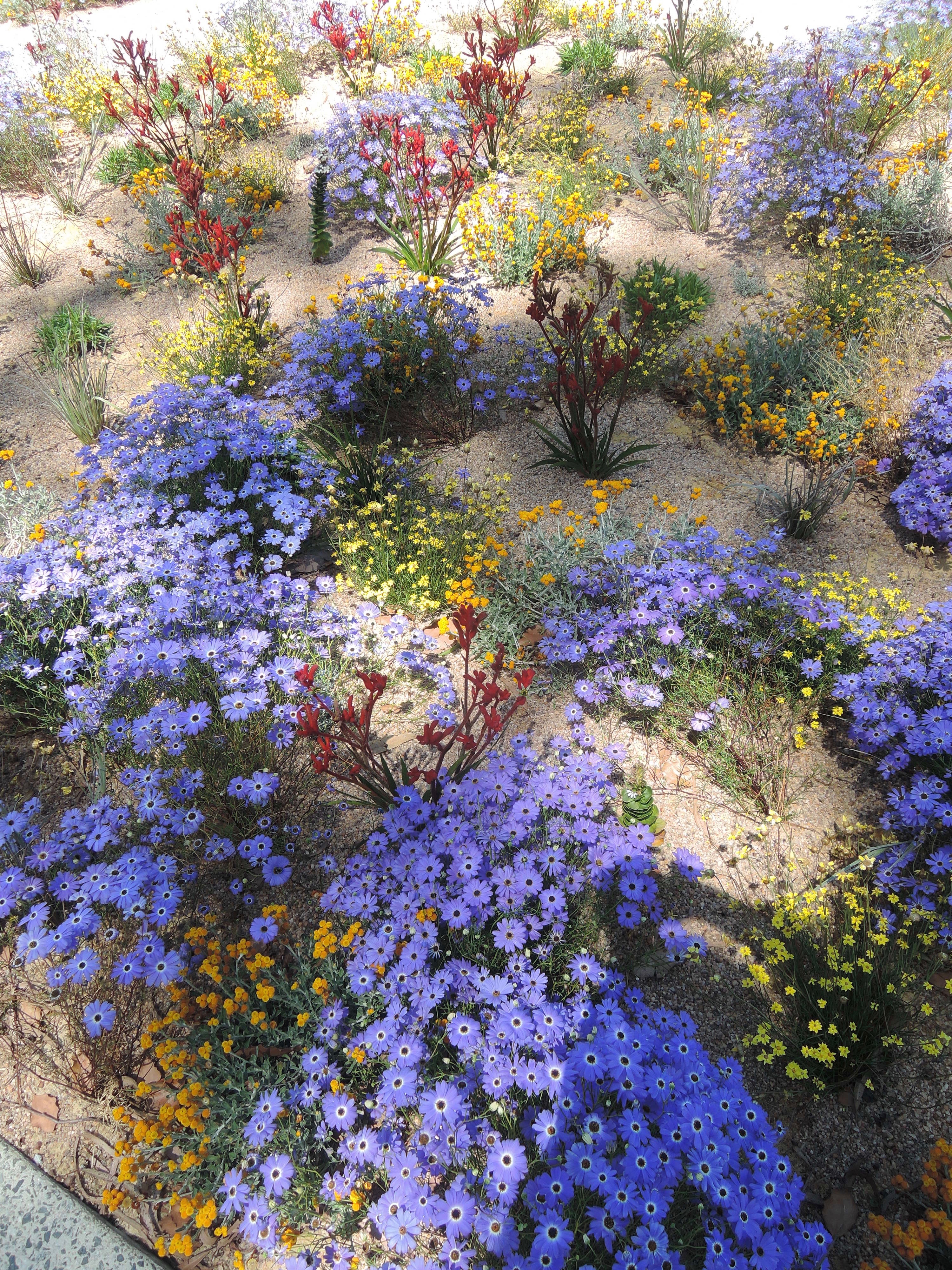
Wildflowers in Kings Park Sunday 23 October 2016
In my twenties, I spent over two years travelling and living overseas: waitressing in London, volunteering on an archaeology dig in Texas, working in a factory and then an ice cream shop in Germany, and, in my last year, teaching English in Cairo and Jakarta. I was a well-seasoned traveller by any standards. By that age, I had already had emetophobia — a fear of nausea and vomiting, which I have mentioned in passing on this blog before (here, for example) — for over fifteen years. It caused the odd anxiety attack, but nothing else. It certainly didn’t stop me from my travels.
But then, in my late thirties, something happened. Something — some edifice of bravery or stability or spontaneity inside of me — crumbled. For some reason, I began to feel queasy and nauseated more often, and so, because of the emetophobia, I began to feel anxious more often. The sickness and the anxiety always accompanied each other: sometimes it was hard to tell which came first. (This is the emetophobe’s eternal dilemma: Do I feel anxious because I am nauseous? Or do I feel I nauseous because I am anxious?)
My illness and anxiety seemed to be magnified when I travelled interstate or overseas. They became even worse if I was travelling in the company of people I loved, people I really wanted to travel with. I booked rash, non-refundable trips to visit my dearest friends who live interstate — Perth, New South Wales — and then cancelled my bookings, losing all the money I’d spent in the process. I planned holidays in Portugal and New York, with family, with friends, with people I loved, and then I cancelled those trips, too. I wanted to go on those trips, but I felt that I couldn’t.
In the end, I stopped going on holidays anywhere beyond the state borders of South Australia.
I just stopped.
Kings Park: more wildflowers
Fear of holidays is a very strange fear to have. Adelaide author Elisa Black is one of the few people who understand it:
The anxiety during this trip was so intense that it is almost too much to remember, no matter how hard I try. I know I thought I was going crazy. I know I was exhausted …
Constant dread, that is what I felt … What I wanted was to not feel this way, to be normal, but if that wasn’t possible then I wanted to crawl into a hole where I could be safe, where everything could be controlled …
from ‘The Anxiety Book‘ by Elisa Black
Those phrases: constant dread, and I wanted to crawl into a hole where I could be safe. They say it all. For me, they speak to a form of social anxiety. For many years, I have been ashamed of my phobia. What is there to fear about vomiting? And so, when I get nauseous, and the nausea triggers my anxiety, I am also flooded with feelings of shame. I try to act ‘normally’ during the course of an attack of nausea, but my terror and my shame impair my performance. (Note that word, with all its implications: ‘performance’.)
What I long for when I am nauseous is to be alone. I long for some kind of sanctuary.
Kings Park: A spot of shade
Fear of holidays and travel is one thing. But then, too, there’s the fear of flying.
Winter in Adelaide this year has been very stormy. We have had one of the rainiest winters ever recorded; we have had statewide power cuts; we have had floods. It is spring now, and yet winter still hovers and menaces. The night before I left for Perth, there was another storm, and when I went to walk my dog the following morning, I saw that branches from the pine trees that line the esplanade by the beach had come down, barring our path over the dunes.
It did not seem a very auspicious day for flying. All that wind! All that turbulence! I wondered — I truly wondered — if I could get on the plane and fly to Perth as I’d promised.
Wildflowers in Kings Park Saturday 22 October 2016
Oddly, I am not actually afraid of the act of flying itself: unlike many anxious fliers, I don’t fear plane crashes or hijacking. I once knew a woman who feared flying because she had a fear of sharks, but I don’t share this particular terror. My fear is, I think, more like a form of claustrophobia: it is a fear of becoming nauseated and thus anxious whilst I am trapped inside a machine, way up in the air, with no escape. I am not very good at staying still when I am anxious about being sick. I do not lie down, as most people do when they feel unwell: I go outside; I pace; I tremble; I sob melodramatically; I run away. I do not like to be witnessed or contained. An aeroplane is, unfortunately, the perfect vessel of witness and containment.
Scott Stossel shares my fear:
For instance, the fear of vomiting … makes me afraid of travel because I’m afraid I’ll vomit far from home. It makes me afraid of flying not for the conventional reason that I’m afraid that the plane will crash, although I also have that, but I’m afraid I’ll get motion sick and get nauseous … The horrible kind of self-fulfilling vicious cycle of emetophobia is that if you’re prone to acute anxiety and nervousness, as I am, it often manifests itself with stomach symptoms.
At first glance, today’s post might seem to be all about fear. Yet here I am, back from a wonderful weekend in Perth, despite all my fears.
So what I am writing about today is, in fact, celebration. Forgive me if it seems solipsistic, but this is about me breaking a pattern. It’s about me, stepping onto a plane; me, flying; me, not getting ill while I was on holiday as I’d feared (though I did get anxious). It’s about me being able to do something I’ve wanted to do for a long, long time. It is about some part of me being restored after all these years: rebuilt. Not recovered, exactly: I am still emetophobic; I still have a funny tummy; I am still anxious; I still find recovery, from both illness and anxiety, a problematic concept.
Most of all, what I am writing about today is hope.
Morning cuppa on the balcony: my own little sanctuary
By the way, if you should ever choose to holiday in Perth, you must visit Kings Park, where most of the photos on today’s post were taken. It is a beautiful place: a kind of sanctuary, if you like. Take a picnic there with you, or a book; go for a wander with friends.
Enjoy your time there. Celebrate it. Allow yourself to feel restored.
Picnic spot in Kings Park (Statue of woman with child, Peppermint Lawn) Saturday 22 October 2016
And, wherever you are today, whatever you are doing right now, breathe. Smile. Wonder.
Hope.
This photo is for my mother, and for the future holidays I hope to have with her
It is no wonder that most Adelaide inhabitants have little idea of what the pre-European vegetation of the Adelaide Plains looked like, because over vast swathes of suburbia, unless one knows exactly where to look, it is basically all gone and has been for over a hundred years. Add to this the interest in recent decades in planting Australian natives that may have been sourced from regions over a thousand kilometres away and there is little wonder that confusion exists about the identity of the truly indigenous plants of the Adelaide Plains.
from ‘The Native Plants of Adelaide‘ by Phil Bagust and Lynda Tout-Smith
One of my favourite places to spend time in is Aldinga, south of Adelaide, though I didn’t grow familiar with it until I was well into adulthood. When I was a child, Aldinga was still a little coastal country town within driving distance of Adelaide. City people spent their summer holidays there each year. That was all I knew about it.
Aldinga isn’t a small country town anymore: over the years, it’s been swallowed up in the growing suburban sprawl — those vast swathes of suburbia — along the coast north and south of Adelaide. It’s no longer a holiday town, either. People travel farther afield these days for their holidays, mostly overseas. Many of the beach shacks have been knocked down, but some still stand.
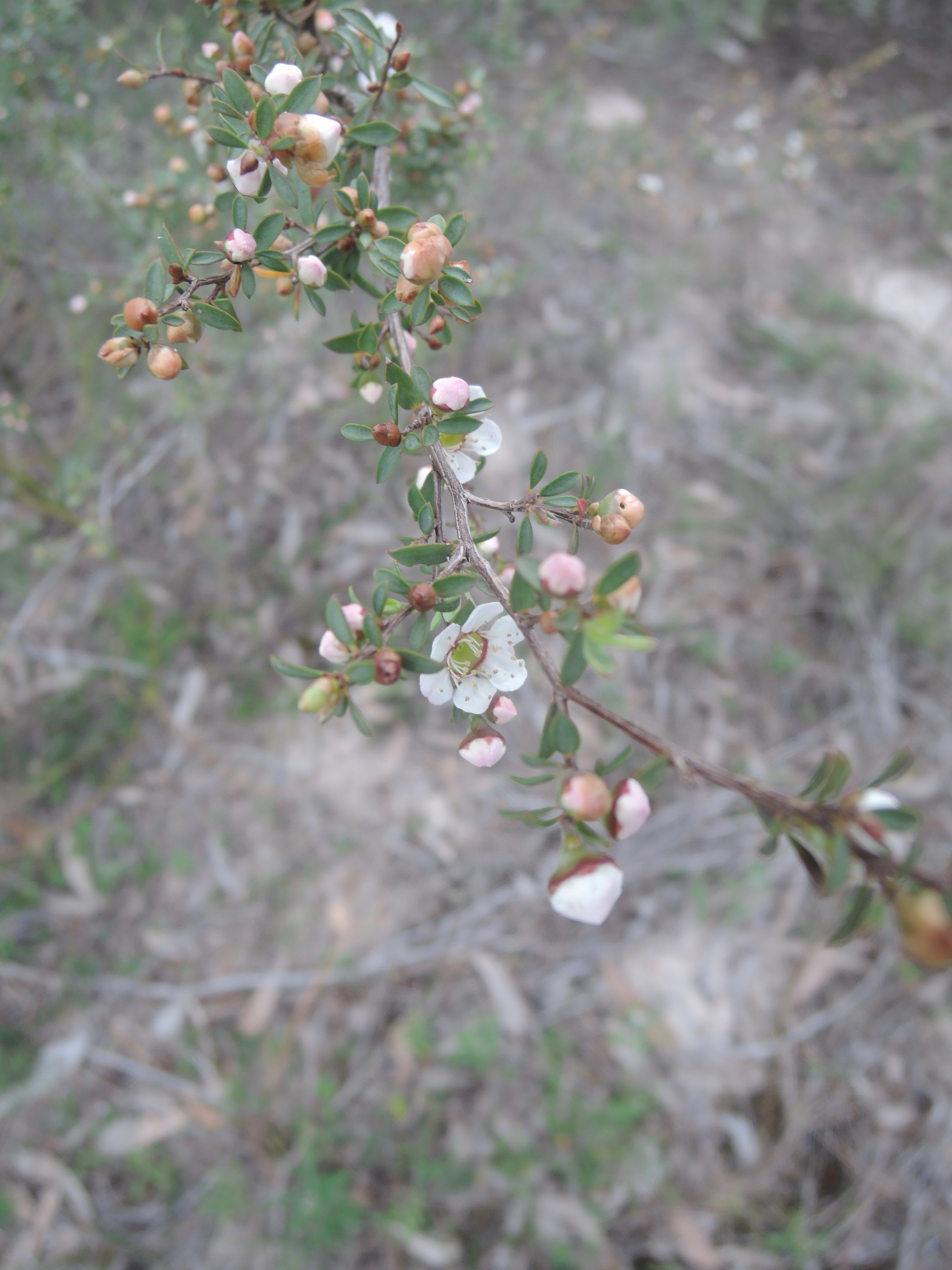
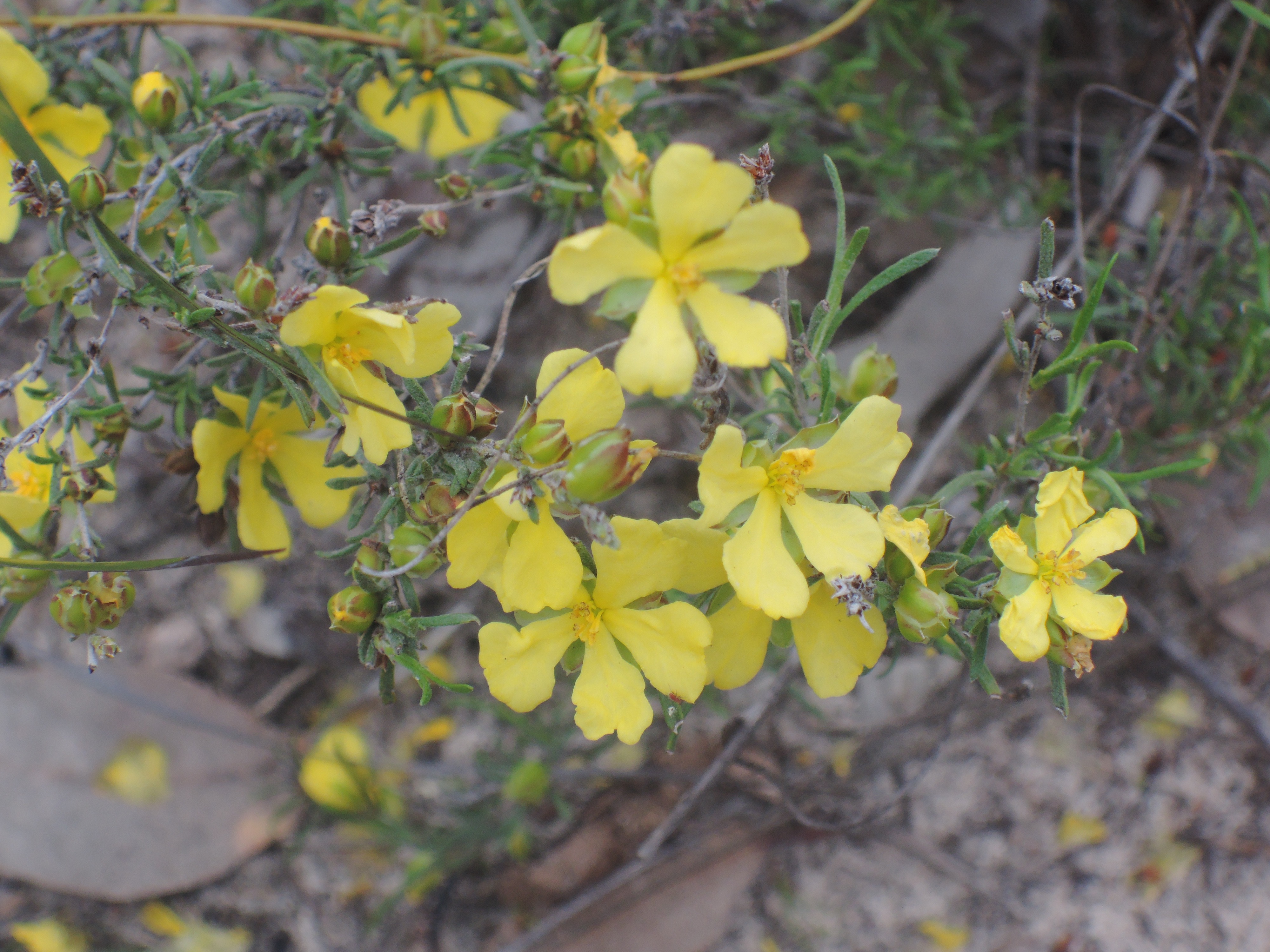
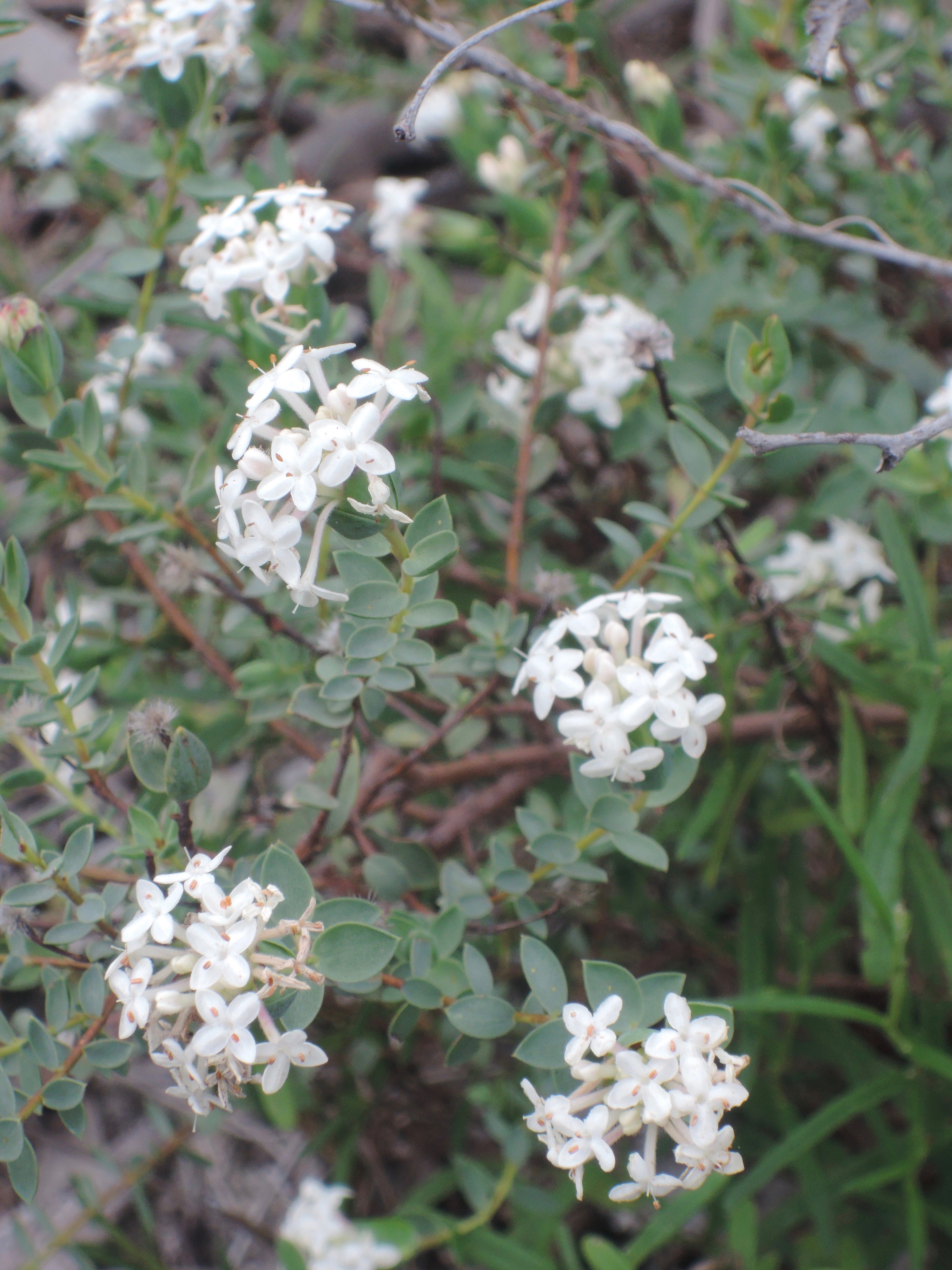
Aldinga Scrub is a patch of native coastal vegetation growing just inland of the beach: an environment of dense, bushy vegetation growing on low sandy dunes. As a child, I didn’t even know of its existence, though now I try to make the effort to visit it as often as I can. It is, in fact, the only patch of remnant (pre-European) coastal vegetation left in South Australia. It’s not pristine — there are many weeds growing in it. The climate within the Scrub itself has changed, too, due to the diversion of natural stormwater by farmers onto encroaching farmland.
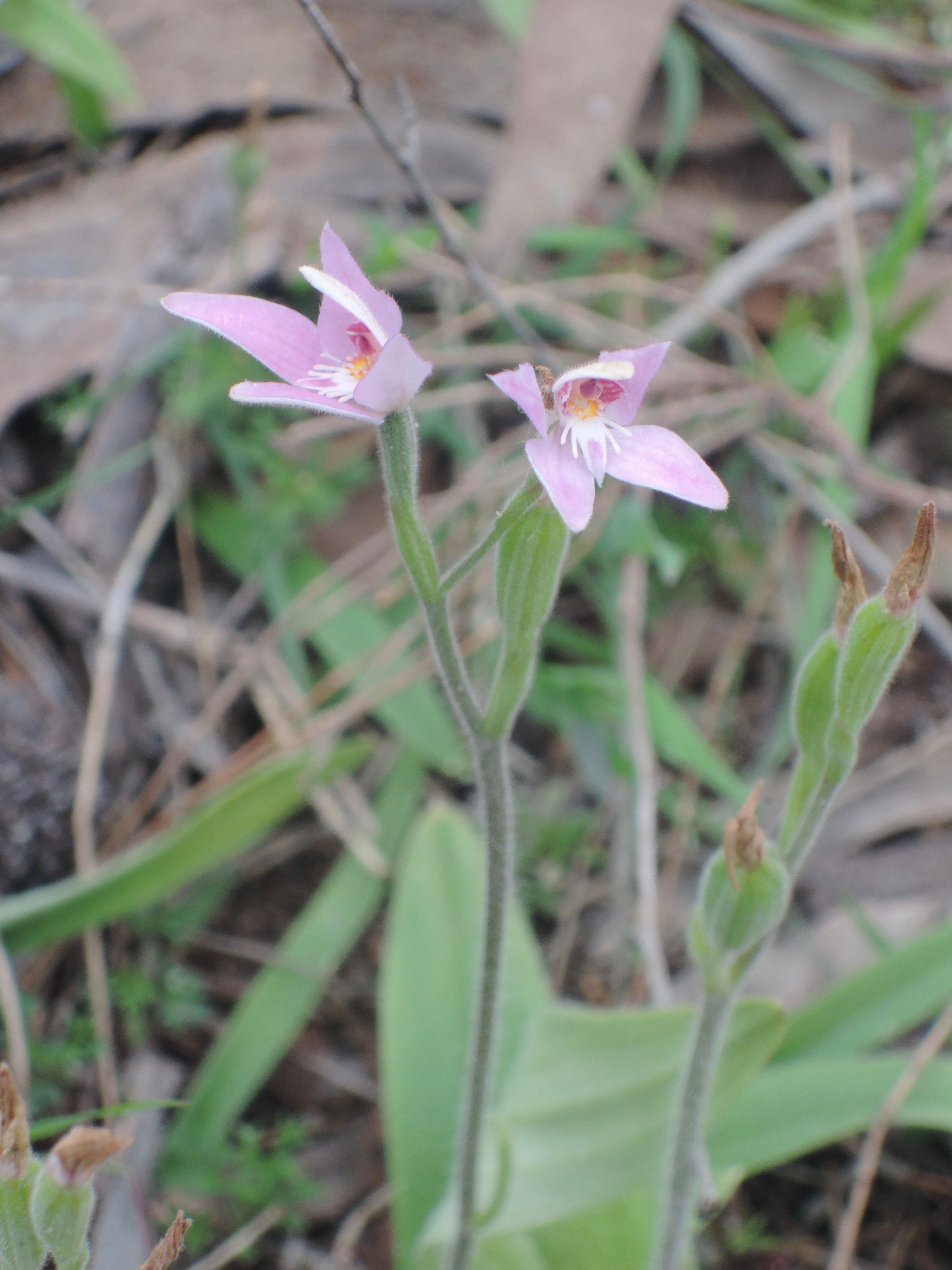
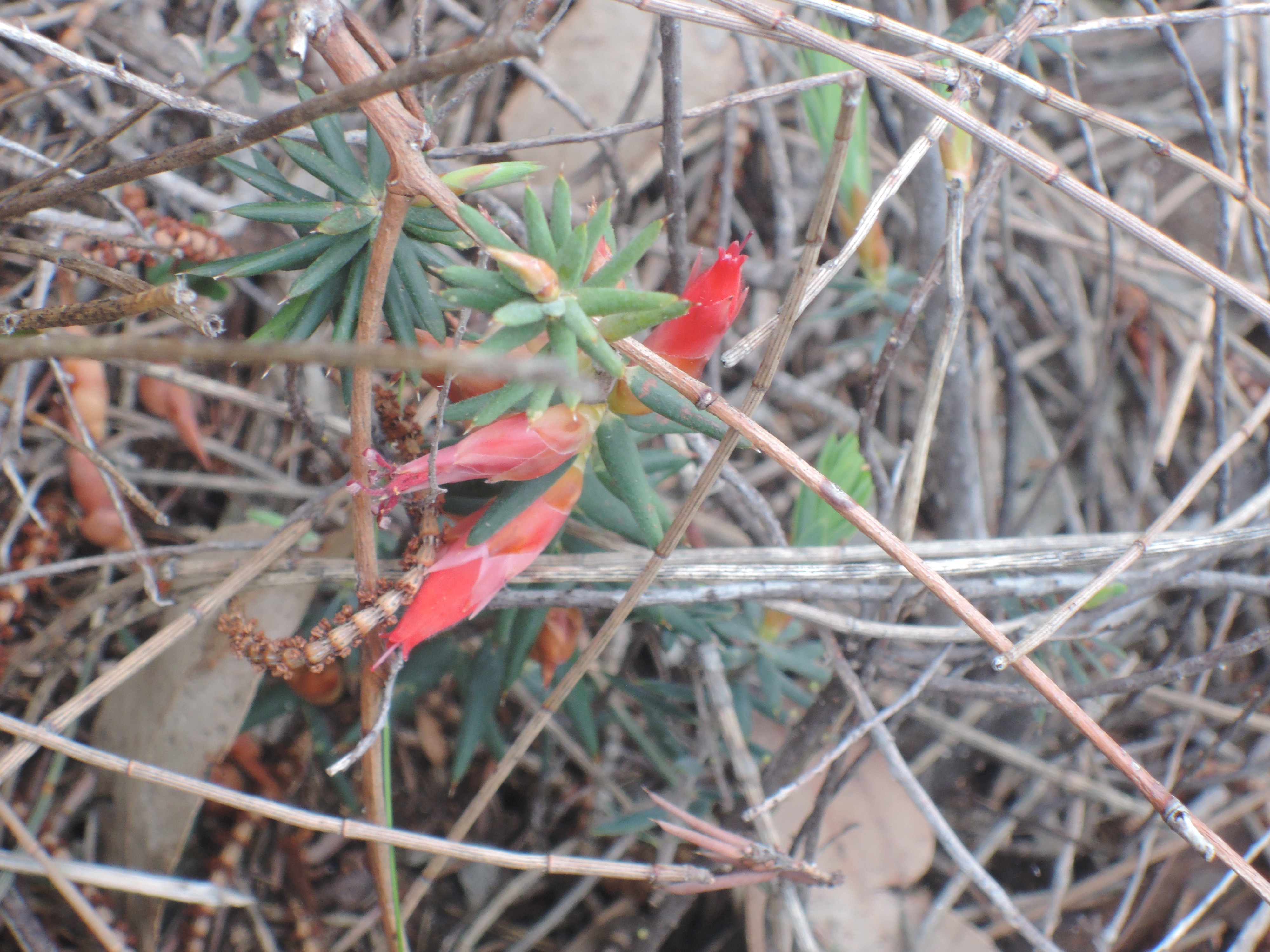
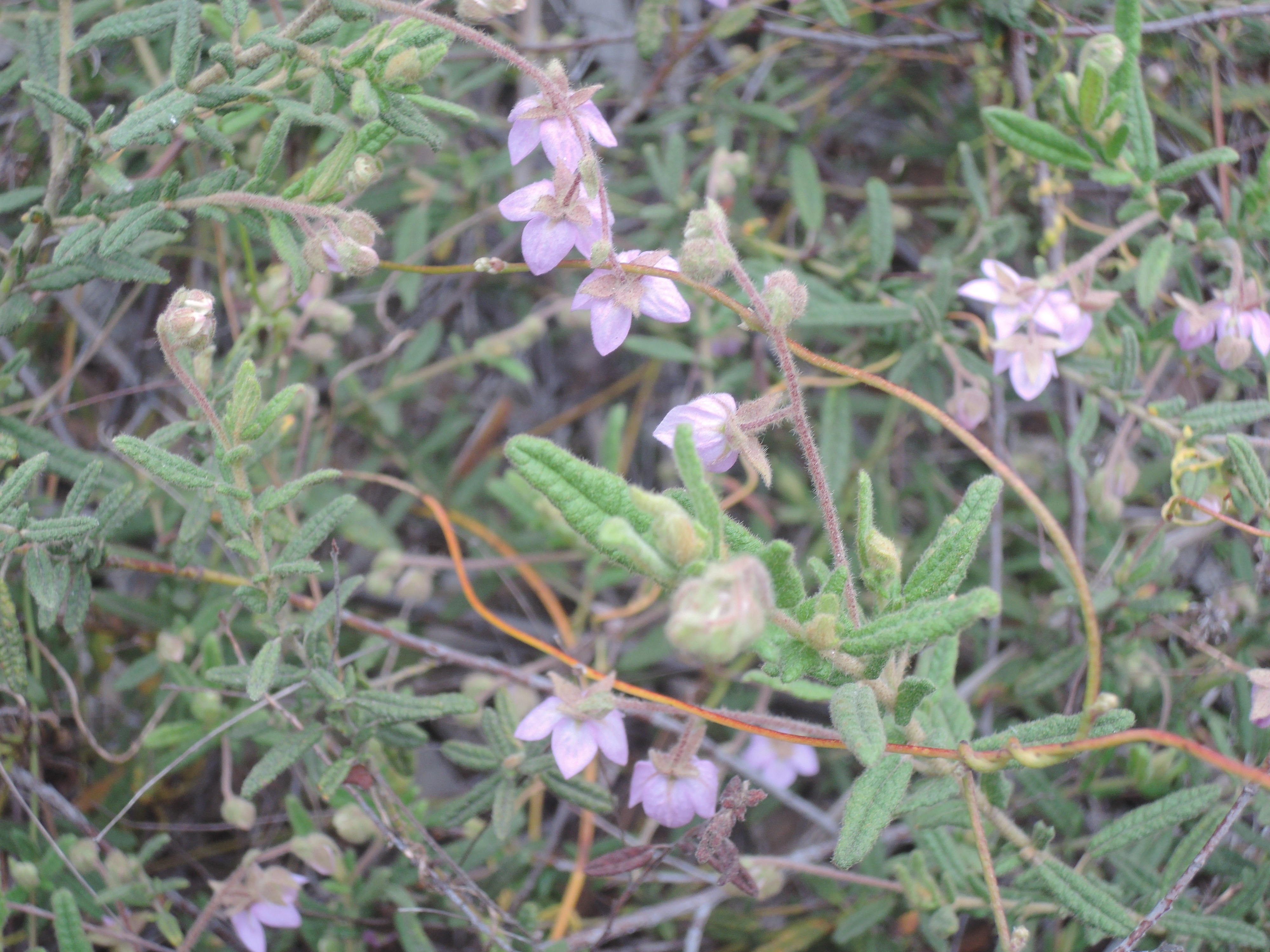
And yet, wandering through on a precious day off work — listening to the songs of the shrike-thrushes and whistlers and magpies and fantails; stumbling across a lone echidna trundling through the undergrowth; standing back to allow a kangaroo with a joey in her pouch bound past — I feel as though I get a hint of what the place was like before European settlement. Hence the photographs on today’s post, which I took on a visit in mid-September, as spring took hold of the Scrub.
I’ve never named the Scrub explicitly on my blog before, though I’ve posted many photographs from my visits to it. I feel fiercely protective of the place — because of its unique status; because I discovered it late in life; because I know that the more that humans like me encroach upon it, the more it disappears. Because, because, because.
Meanwhile, whenever I visit the Scrub, I continue to teach myself the names of the native birds and animals and plants and insects who inhabit it. I wander about, learning and wondering. I may never really know its original nature, but I plan to go on teaching myself about it until the day I die.
I am haunted by waters. It may be that I’m too dry in myself, too English, or it may be simply that I’m susceptible to beauty, but I do not feel truly at ease on this earth unless there’s a river nearby.
from To the River by Olivia Laing
Haunted by waters. Isn’t that a beautiful phrase?
Though the words I’ve quoted above are about a river rather than the sea, still, they ring true for me. For most of my adult life — except for the two or three years I spent in my early twenties, travelling and working abroad — I have chosen to live within walking distance of the sea. In my late twenties and thirties, as I’ve mentioned before, I lived in a series of share households: different houses every eighteen months or so, different housemates. But each of those houses was close to the sea.
These days, I live in a house just a few minutes’ walk to the beach. Open a window, and you can hear waves rolling onto shore. Step onto the front porch, and you’ll smell seaweed drying out beyond the water’s reach — a damp, bleached, faintly rotten smell. Look around indoors, and you’ll see drifts of sand piling up in the corners.
The sea surrounds me. It’s how I make sense of things. It’s how I feel at ease.
There’s another phrase I love in the words above: susceptible to beauty.
Like anyone else, I have good days and bad days. There are days when I feel at home, here on this earth: when my skin feels comfortable beneath the layers of my clothes, and the warmth of the sun feels kind and good. And there are days when the world seems vast, alien, spinning, remote. What gets me through those latter kinds of day are tiny moments of beauty, out there by the water: pinpricks of sunlight sparkling on the tips of waves, like sequins on a piece of cloth; clouds chasing across the horizon, billowing and grey; a cluster of yellow flowers growing in the dip of a dune, petals cupped to reflect the light.
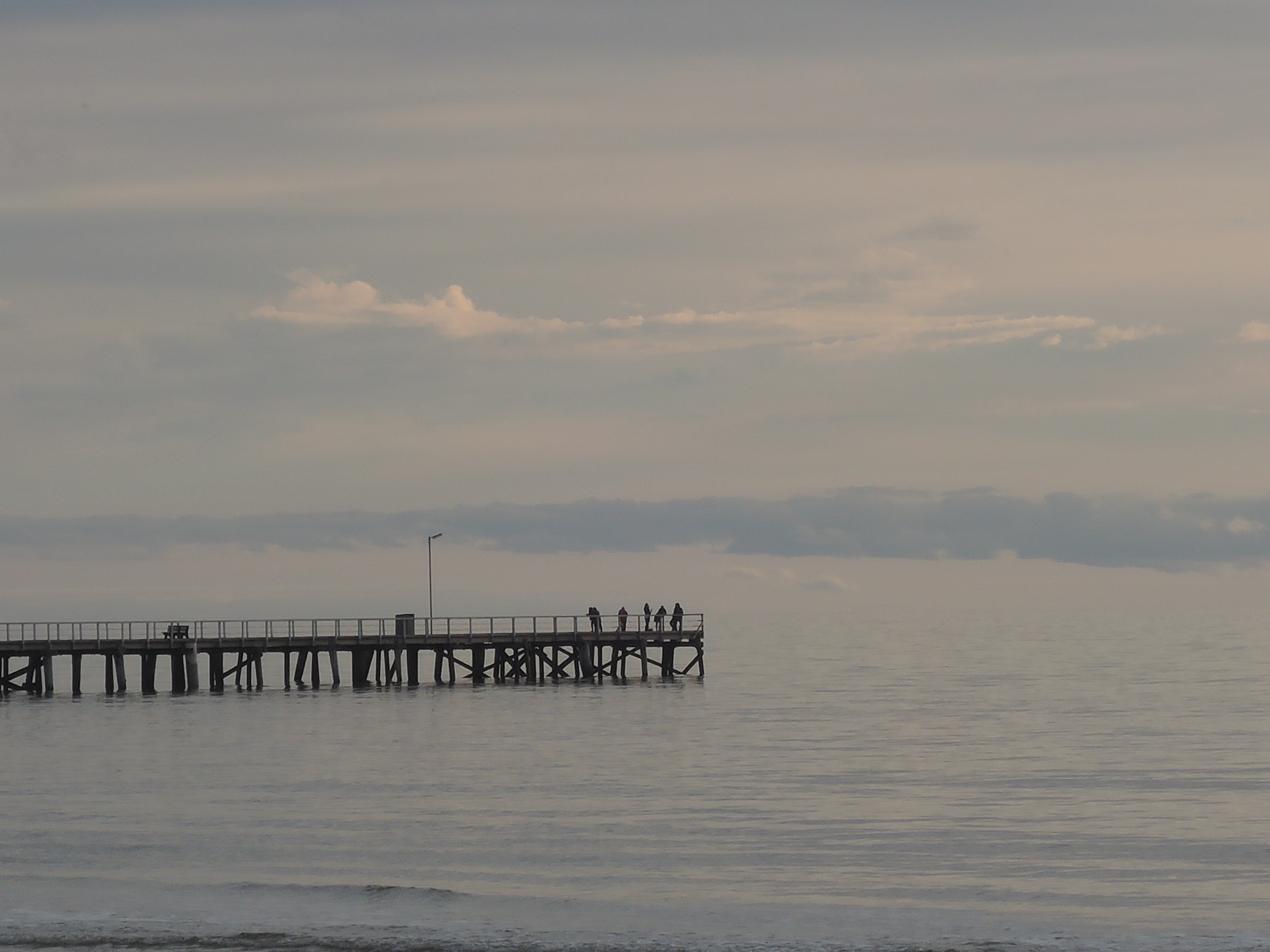
I took the photographs you see here late one August afternoon, just a few weeks ago. Sitting at my desk, working at my computer, I felt hemmed in suddenly: by streets and footpaths, by fences and cement driveways, by the sound of my neighbour hawking up sputum in his bathroom. The longing to get away from all of that was so strong it felt akin to starving. I felt hollow through and through.
I shut down my computer, stepped outside, and walked down the road to the sea.
Five minutes later there I was, standing on the sand, looking out at the water and the sky. It was close to sunset and I wandered a while along the shore, released at last: from work and worry and words. And I saw something, then, that I don’t know how to describe, though I’ll try: I saw spring coming. The air had a certain quality to it — a softness, perhaps, after the steely bleakness of winter. I thought that if I reached out with my hand I might touch that beautiful softness. It seemed possible, just for a moment.
Looking at the photographs now, I don’t see what I did then. Perhaps you don’t, either. But I know that I saw it, all the same. It was one of those moments — those tiny moments of beauty — to which I, like Olivia Laing, am susceptible.
I am grateful for those moments, is what I’m trying to say. They give me a kind of gladness. They bring me home.
I think maybe [my father] liked the worlds in his head better than the real one. As far as I ever knew, he didn’t have any close friends … Once, when I was about nine or ten, I told him I wasn’t very popular at school. He told me that friends were overrated, because the only person you could ever really count on was yourself. Weirdly, that actually made me feel better.
from ‘Thanks for the Trouble‘ by Tommy Wallach
I am, I suppose, what most people would describe as introverted. There are other words that go along with this kind of description: shy, quiet, aloof, disengaged, uncertain, insecure, antisocial. Those are mostly negative words, I see. Perhaps they are coined by extroverts.
The year that we lived in England, I was at my most introverted: I had no friends at all. (Here’s a question: do you end up without friends because you are introverted, or do you become introverted because you have no friends?) I was fourteen, and I wandered those long school corridors with the white polished floors alone. I wore the wrong clothes, and I had the wrong accent, and I lived life at the wrong pace and the wrong volume. At lunch I sat in one of the stalls in the girls’ toilets, waiting the hour out. I listened to girls coming in and out, the cubicle doors swinging, the toilets flushing. My breath caught on the sweet spray of perfume they doused themselves with as they stood before the mirrors. I listened to their chatter, high and loud and lipsticked. And then I listened to the door to the girls’ room banging shut again, their footsteps receding down the white-floored corridors as they went back to wherever they had come from.
After the first few weeks, one of the school teachers took pity on me, and introduced me to a couple of girls in my class.
‘Go and sit with them at lunchtime,’ he said, with a look on his face that was half-pity and half-exasperation. He was small and balding and chipper. ‘They’re nice girls. They’ll look after you.’
Such well-meaning, misguided intentions! I looked at the two girls and they looked back at me. I could see they were as horrified at the prospect of me spending lunchtime with them as I was. And yet we all did what he said. They took me back to their lunchtime bench, and I sat with them and their friends — that day and the day after and the day after that. For months, in fact, I ate my sandwich with them silently; I sat with them silently; I watched them silently; I listened to them silently. They took to ignoring me, in the end. They went on with their lives — their parties and their gossip and their drinking and their shopping and their boyfriends — while I sat mute beside them, in what seems to me now almost a parody of introversion.
I have often thought back to that year in high school. I’ve thought about how, at night, I lay in the darkness of my bedroom, the one with the wallpaper with pretty sprigs of flowers dotted over it, and longed for popularity and friendship, for someone my own age to count on. I’ve thought about how I believed that I must be faulty in some way — weak, or cowardly, or defective — because I couldn’t do what other people my own age did instinctively: talk. Make connections. Relax. Laugh.
So it astonishes me now, to look back and see a different possibility, a different narrative, from the one I’ve just told. I don’t believe that friends are ‘overrated’, to use Wallach’s word. Still, I wonder: what if I had learned to trust myself during that year? What if I had learned that I was my own friend? What if I had allowed myself to like the world in my head at least as much as the real one? More broadly, what if we could teach all young people to count on themselves in this way? What, then?
I am not sure. But I think it’s important to listen to alternative narratives like the one in the words above: to retell our life-stories to ourselves, to seek out new plots, new endings. I think it’s important to trust your own inner world: to learn to turn to it in times of need, or in times of loneliness. Introversion, in this context, is irrelevant. What’s relevant is resilience. Resilience is all that matters.
Resilience, you will note, is not a negative word.











 twenty-one words