Out and about: after the rain

‘When you’re walking the view shifts and changes.
Walking’s a form of hope.’

from ‘The World Without Us
by Mireille Juchau


This year, July was exceptionally dry in South Australia. Then August blew in and it has been bitterly cold, windy and rainy ever since.

There is a manic wind whipping through the treetops today … the sort of wind that’s somewhat unsettling and leaves me feeling a bit scratchy, Belinda Jeffery writes in her August 5 entry in her wonderful cookbook-cum-nature diary The Country Coobook. And I know what she means. In the middle week of August, I spent a week on holiday near the coast down south, and much of the time the squalls of rain were so frequent and unpredictable, there wasn’t much of a chance for me to get out.

Rain in the vineyards

Still, one morning mid-week the sun shone between showers and I risked a walk. I headed down a path that skirted wetlands and vineyards (on one side) and bush (on the other side) and then turned south to follow the path back into the bush.

Flooded bush

The low-lying parts of the land along the trail had flooded. Beyond the reeds that bordered the flooded land, I saw trees with their trunks submerged, and waterbirds diving and swooping from branch to branch.

Submerged trunks

There was even a family of ducks.

If I crouched down to peek through the reeds, I could just see the green grassy banks rising above the flooded land, further within, beyond the path.

Is the grass always greener on the other side?

Once I’d walked far enough south, I turned west, deep into the bush, where there were no more floods, and where yellow blossom dotted the landscape (more about which in an upcoming post). But even as I walked, the sky darkened and the temperature dropped.

I made it home just before the next burst of rain …

Snatched phrases on … the sea

‘They’d ended up sitting on the beach,
the sea a great black heaving beast,
sighing and rolling under the white light of the moon.’

From ‘Between a Wolf and a Dog
by Georgia Blain

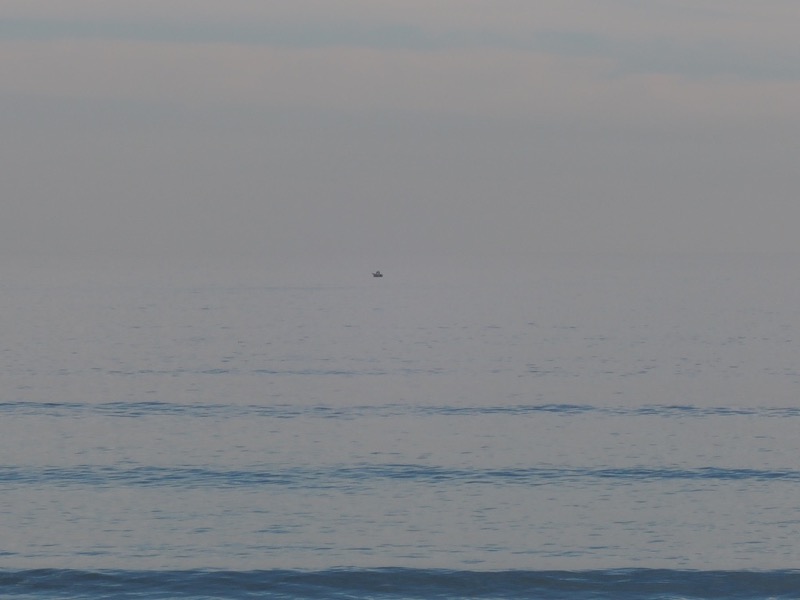
I don’t have any photographs to accompany this post because I still haven’t yet managed to get the hang of the craft of night-time photography. But isn’t that a wonderful image of the sea at night? — that great black heaving beast, sighing and rolling. It makes me want to go for a night-time walk on the beach right now …

Out and about: a new series

‘When you’re walking the view shifts and changes.
Walking’s a form of hope.’

from ‘The World Without Us
by Mireille Juchau


As I’ve mentioned before, I have two part-time jobs, which I move between each week. One of my jobs involves editing manuscripts for an academic press, while the other involves call centre work.

The job at the call centre doesn’t involve sales work; I work for a not-for-profit community health organisation. My calls are mostly from clients wondering what time their nurse is coming or needing an unscheduled visit from a nurse due to an unexpected health crisis, or from members of the public wanting to find out how to go about becoming a client. Around me, as I take call after call, my colleagues do the same. We work in a bubble of chatter and noise: phones ringing; people laughing or raising their voices for a client who’s hard of hearing; people taking complaints; the lunch lady ringing her bell as she pushes her trolley between desks to sell food to anyone who didn’t bring their own lunch with them.

During each shift, I am allotted a thirty-minute lunch break at a stipulated time (which varies depending on what time my shift starts). There is a lunch room at the end of the corridor, with a toaster and a microwave and a dishwasher, but I rarely eat my lunch there. Though I’m proud to work for the organisation — though I enjoy the work and value what we all do there — I think of those thirty minutes as my chance to escape.

And so I wander outside the office with my lunch. Our office is on the fringes of the city, and just down the road from our building is a stretch of park land that runs between the main road and the railway track. I walk there each day, and despite the hum of traffic and the rattle of trains passing, it’s a peaceful time. Swallows dive in front of me; parrots chirp; magpies sing; mynah birds chortle.

You can’t go far in thirty minutes, and I walk briskly along the path on a designated route. Still, despite my hurry, there are moments enough in which I have the chance to notice the passing of the seasons. In the cold months of the year, the grass is long and wet and the trees sway in wild, wet winds, their branches silhouetted against the grey sky. In the hot months, the grass dies off and the sun beats down between the branches, and the birds murmur amongst themselves.

Today’s pictures come from one of those lunch breaks a couple of weeks ago: late July, early August. Officially, these months are still classified as winter, at least according to the Western calendar. I’ve heard, though, that Indigenous Australians traditionally mark the time differently, recognising more than four seasons each year — and on this walk I saw why. Despite the cold, blustery wind, and the wet grass, and the leaden clouds above me threatening squalls of rain, the native bushes along the path had begun to flower. Acacia trees were heavy with musty yellow blossom (as pictured in the top photo), and I came upon a couple of hardenbergia vines in full bloom, their vines resplendent with purple flowers (as pictured in the remaining photos).

Perhaps you recognise the words I’ve quoted at the top of this passage: I’ve quoted them before. I think the words bear repeating, here and elsewhere, which is why this is the first post in a new series on my blog — a series I’m entitling ‘Out and About’. In these posts, you’ll find pictures and thoughts that I’ve collected together after one of my frequent wanders. It’s not a new topic for my blog, really — just a new way of gathering these kinds of post together: a recognition of how much this part of my life means to me.

Walking is a form of hope. It’s also a form of joy. That’s how those lunchtime walks seem to me.

On turning forty-seven

Other people’s words about … living small

He wasn’t a big man anymore. He wouldn’t be famous, like he’d dreamed as a kid, teaching himself to sign his name in all curved letters so he would be prepared to autograph a football. He would live a small life, and instead of depressing him, the thought became comforting. For the first time, he no longer felt trapped. Instead, he felt safe.

from ‘The Mothers
by Brit Bennett

Each year, as the number of years I’ve lived on this planet grows, I feel my own life shrink in the scheme of things. And to my own surprise, I have come to find this process, in the words of the protagonist in the passage I’ve quoted above, comforting and safe rather than depressing.

Call it ageing …

Small …

… or perspective …

Smaller …

… or necessity.

Smaller still …

Whatever it is — this passage to smallness, this losing yourself within the bigness of the world — can feel downright joyful, you know?

Note:
I’m not the only blogger who likes to reflect on their birthdays. I loved this post from Nicole from Eat this Poem , who reads Elizabeth Bishop’s poem ‘The Bight’ each year on her birthday. I had not come across this poem before and am so grateful Nicole has drawn my attention to it. It’s a beautiful poem, definitely worth reading each year (if not more often)!

Tentacles

Other people’s words about … urbanisation

Here, town finished, and countryside began. You crossed over, from pavements and shops, towards copses and streams, and meadows full of grazing cows. The streets and the fields seemed to push at each other, the city trying to sprawl further out and the fields resisting. The planners and architects and merchants would obviously win. What force had buttercups and earthworms and cabbages against the need of human beings for dwelling places, against developers’ chances to make money? Alive as a strange creature in an aquarium, the city stretched out its tentacles, grew and swelled, gobbling the pastures and hedgerows that lay in its path. Fields were bought, and new rows of houses built, and then the process repeated.

from ‘The Walworth Beauty
by Michèle Roberts

I first started visiting and spending time in Aldinga Beach almost twenty years ago, when it was still — just, almost — a country town. Ever since then, the city has been creeping up on it. Sometimes I think the encroaching suburbs are like an oil spill, seeping down the slopes of the hills from the north, all the way into the Scrub. And so, though the rural world at Aldinga Beach is very different from the nineteenth-century English one Michèle Roberts describes in the passage above, still her words seem apposite.

But the Scrub is still alive and I still make time to go there on days off, and whenever I’m wandering there, I feel hope. I took the pictures in today’s post one morning in late July. Though the sky was grey and the temperature was chilly, the first breath of spring had wafted over the Scrub, as I hope you’ll see below.

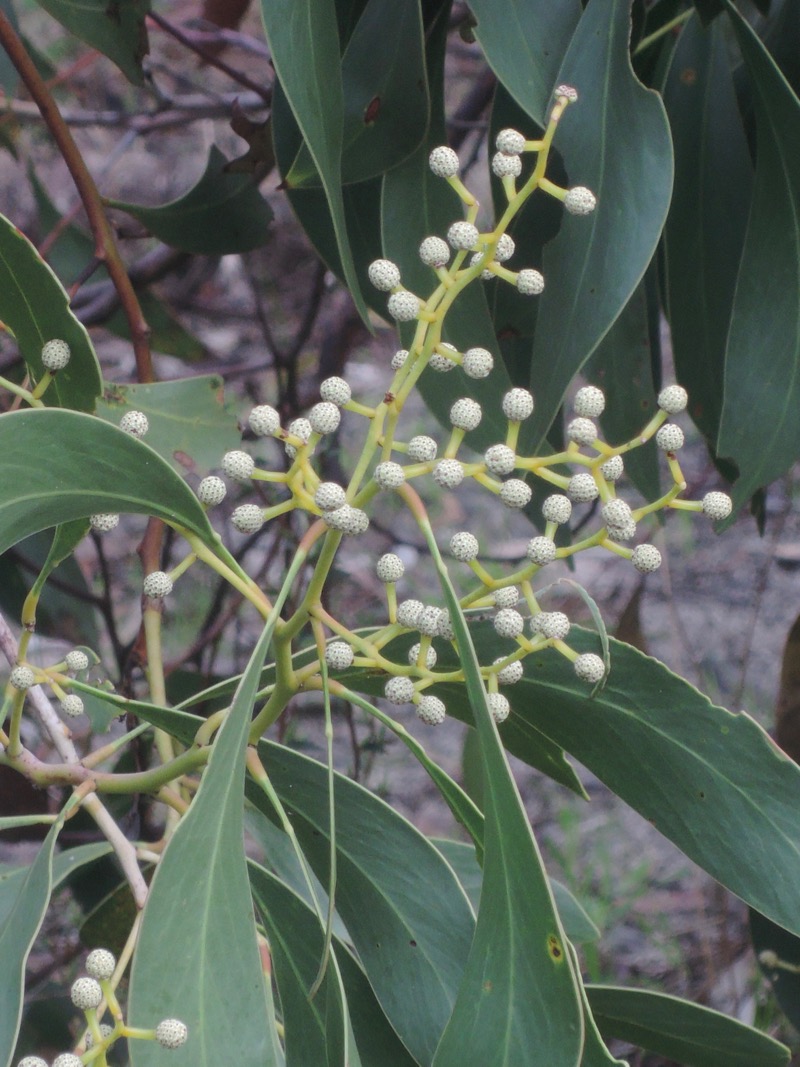
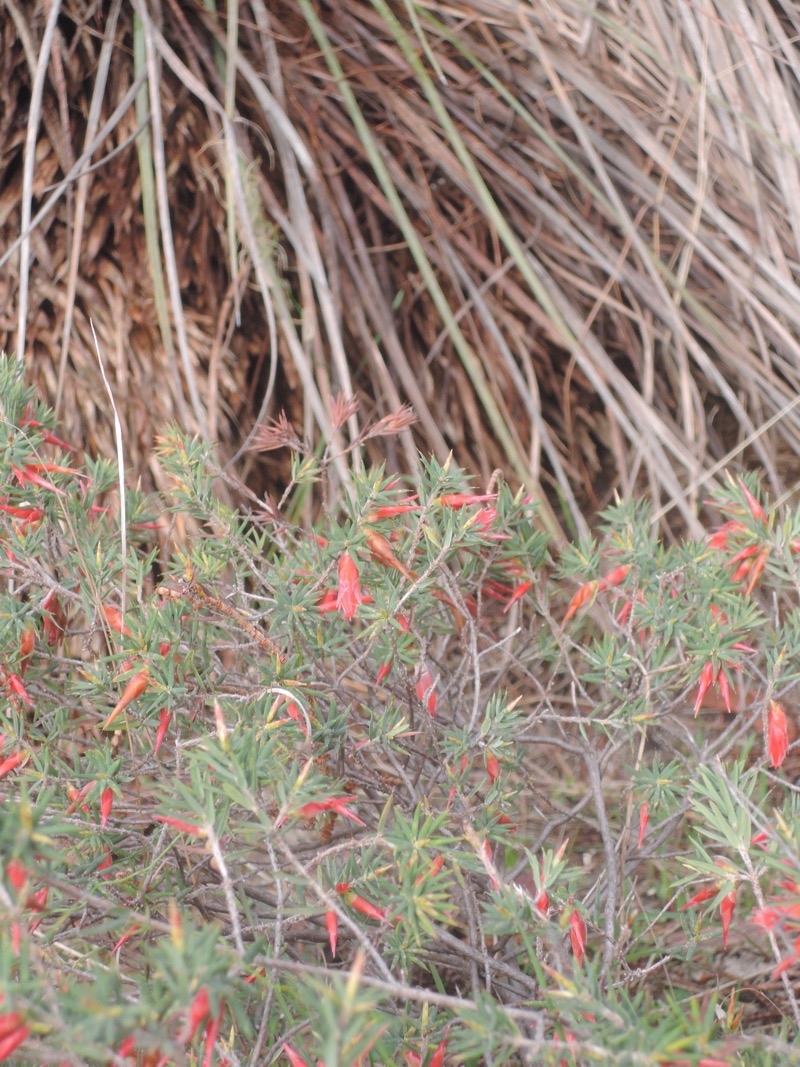
In flower that morning were flame heath bushes …

… and …

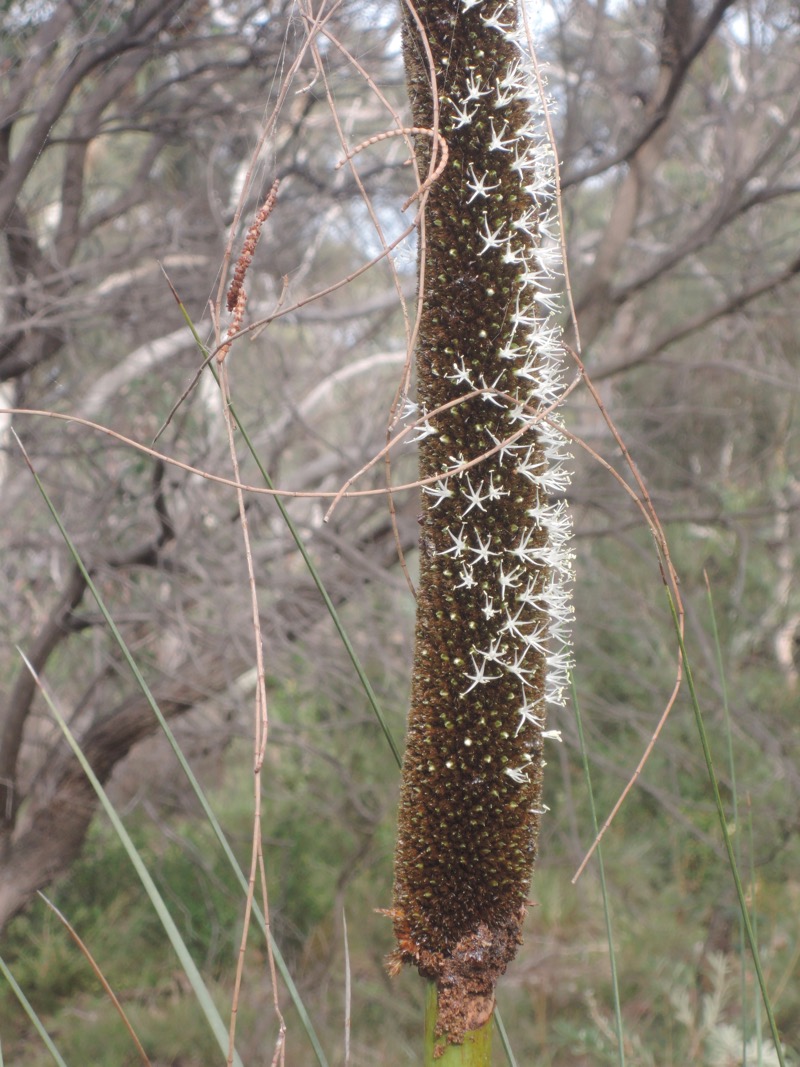
… grass trees.

I saw the first shy showing …

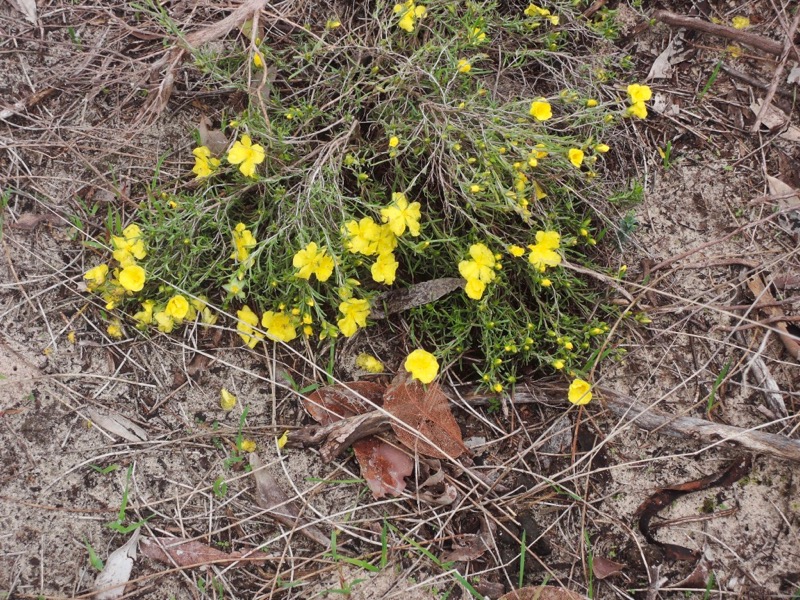
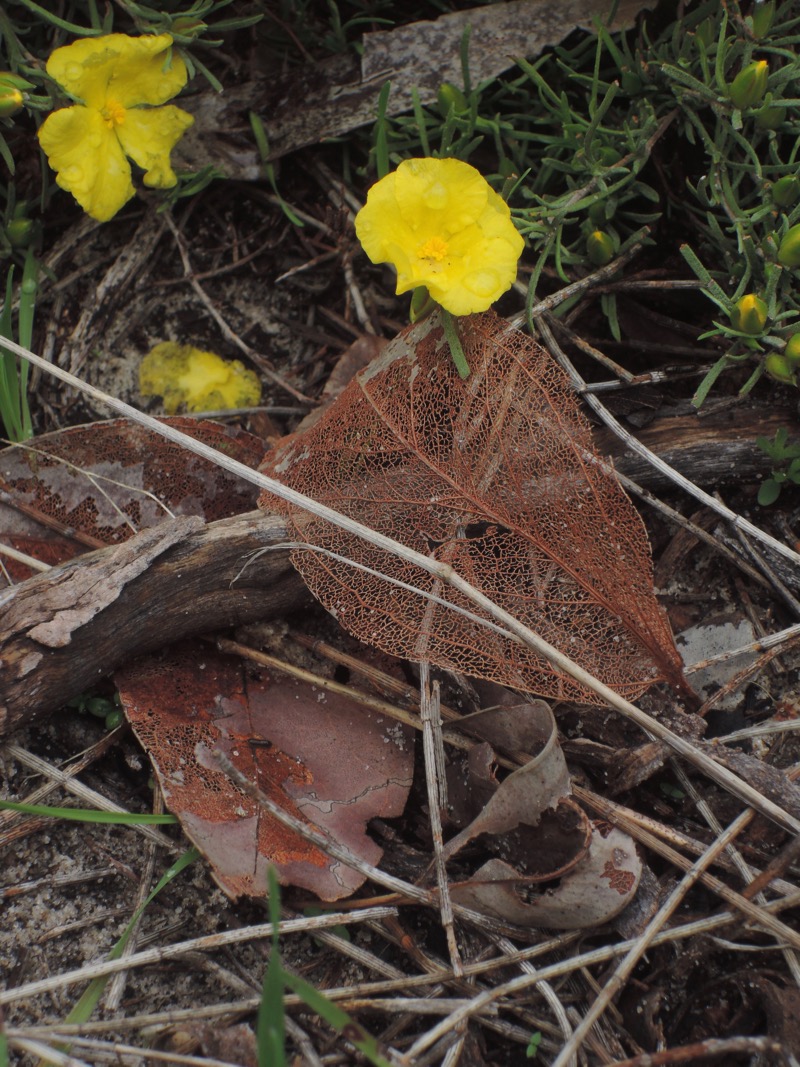
… of guinea flowers:

There were green shoots everywhere …

… after the recent rains.

And there were other plants budding, too. Like this:

And this:

And this:

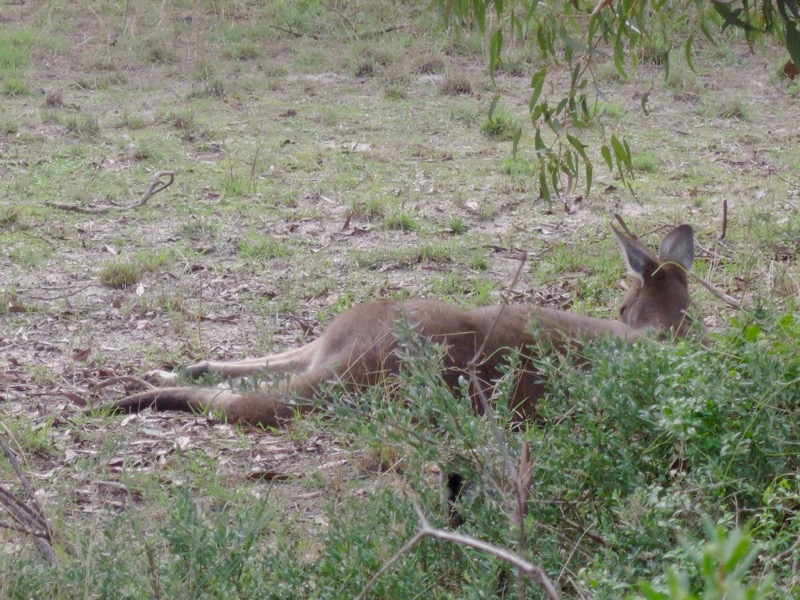
In the southwest corner of the Scrub, where the land slopes down towards the coast, the kangaroos were snoozing …

… although they weren’t best pleased when I disturbed them:

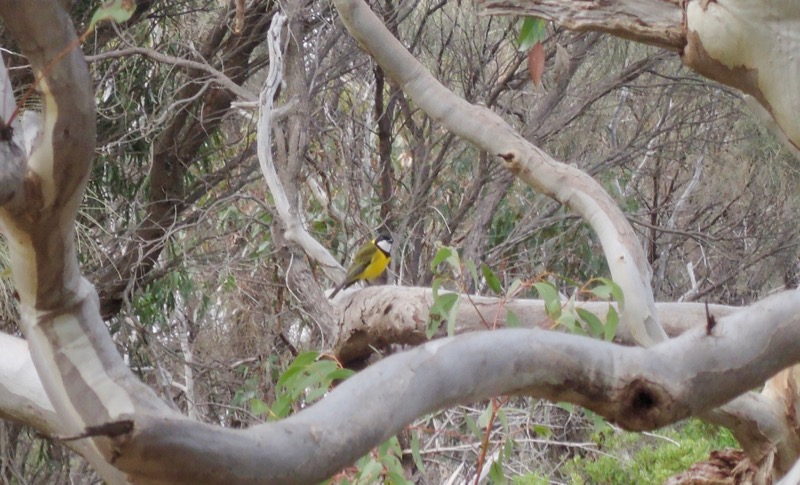
Further on, I caught a flash of gold from the corner of my eye. It was a golden whistler darting about the branches of a tree beside the sandy path.

Whistlers don’t sing at this time of the year, but their plumage is as glorious as ever (though unfortunately faintly blurred in my photos):

So, yes, the tentacles of the city are reaching out in South Australia.

But still, the last remnants of the pre-urbanised world like Aldinga Scrub live on.

How to live well

Other people’s words about … health and wellbeing

My Top 10 Tips for Health and Wellbeing

  • Listen to your body
  • Keep moving
  • Get plenty of sleep
  • Read the small print
  • Eat out less; cook at home more
  • Reconnect with nature
  • Reduce your stress
  • Appreciate the simple things
  • Share the love
  • Be grateful

from ‘Feel Good Good
by Valli Little

I am fascinated by other people’s tips for living well. I like Valli Little’s suggestions above, which are simple and practical, and come from years of experience.

My own strategies for living well vary, depending on my mood, but here are my current top ten:

1. Eat plenty of fruit and vegetables. And some cake.

2. Move — however you can, whatever your physical limitations.

3. Step outside.

4. Read books.

5. Spend time with people you love. Let them know you love them.

6. Know that happiness and sadness are like the clouds and the wind. They blow in. They blow out.

7. Practise gratitude for how things are. Don’t fret about how they could be.

8. Enjoy solitude. Know that you can survive loneliness.

9. Cultivate humility.

10. Find things …

… that make your heart sing.

Leafless

Other people’s words about … winter light

The sun was like a moon in this country, and in its light I felt as if I was looking at everything through a pearl. It was cold and the trees had no leaves. I had never seen a leafless tree before.

from ‘Sleeping on Jupiter
by Anuradha Roy

I love this description by Anuradha Roy of a Northern Hemisphere winter, as seen through the eyes of a young Indian woman accustomed to living in the tropics. I remember feeling the same way myself when I left Australia in my twenties to travel through Britain, Europe and North America (and, later, elsewhere). For a year I lived and worked in Germany, as I’ve mentioned once before, in a small industrial town in Nordrhein-Westfalen, not far from Dortmund and Dusseldorf. To begin with, from November through to April, before my German was fluent enough for me to find another job, I worked in a factory.

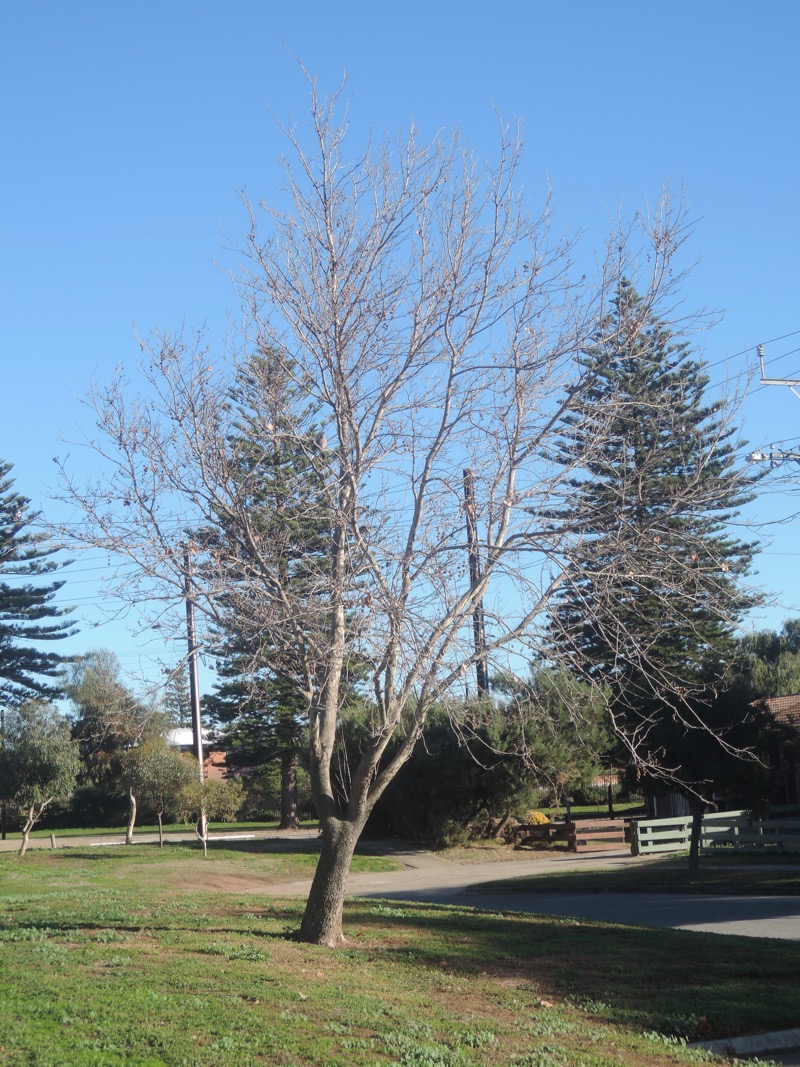
Leafless tree on Gedville Street,
between the coast and the railway station

During those winter months in Germany, I rose each day just before six o’clock and walked through the dark streets of town to the station, where I caught a train and then a bus to the factory district. My shift started at around seven-thirty, but daylight didn’t filter through the glass panels of the workshop ceiling until well after nine-thirty. I left work at four o’clock — first back on the bus and then onto the train; then back on foot through the streets towards the fourth-floor apartment I shared with a German friend. By the time I reached the door that led from the street of our apartment building into the stairwell, the sky had darkened again.

I thought, as I shuttled from home to railway station to bus to factory and then back in reverse, that I might never see broad daylight again.

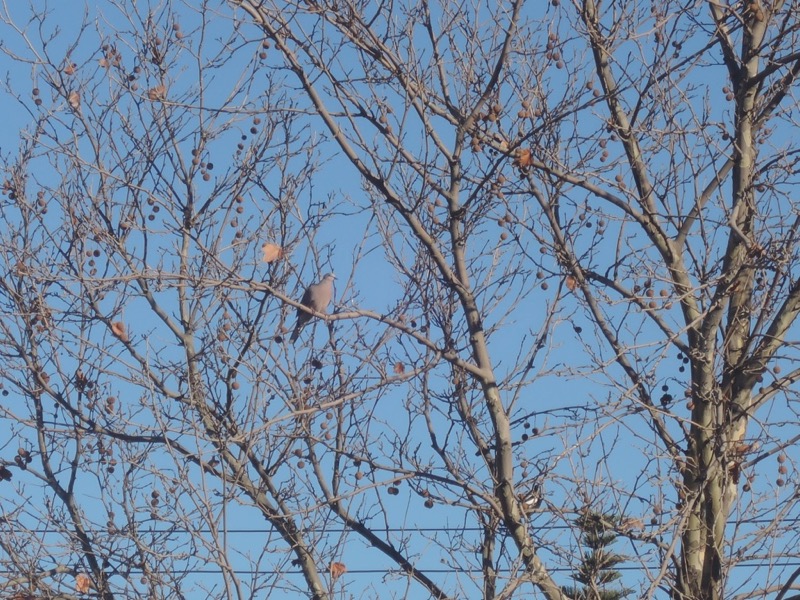
Dove in leafless tree

The trees that lined the street on which I lived during those months were European trees, native to the area, and so they were deciduous. Their leafless, bare branches formed stark silhouettes against the grey apartment buildings and the grey, clouded sky. It didn’t snow, but even in the few hours of daylight we were granted, the sun stayed hidden, a faded white ball in that streak of grey sky. Everything seemed cold and grey. I, too, felt cold and grey.

Leafless tree leaning into a house near Largs Bay School

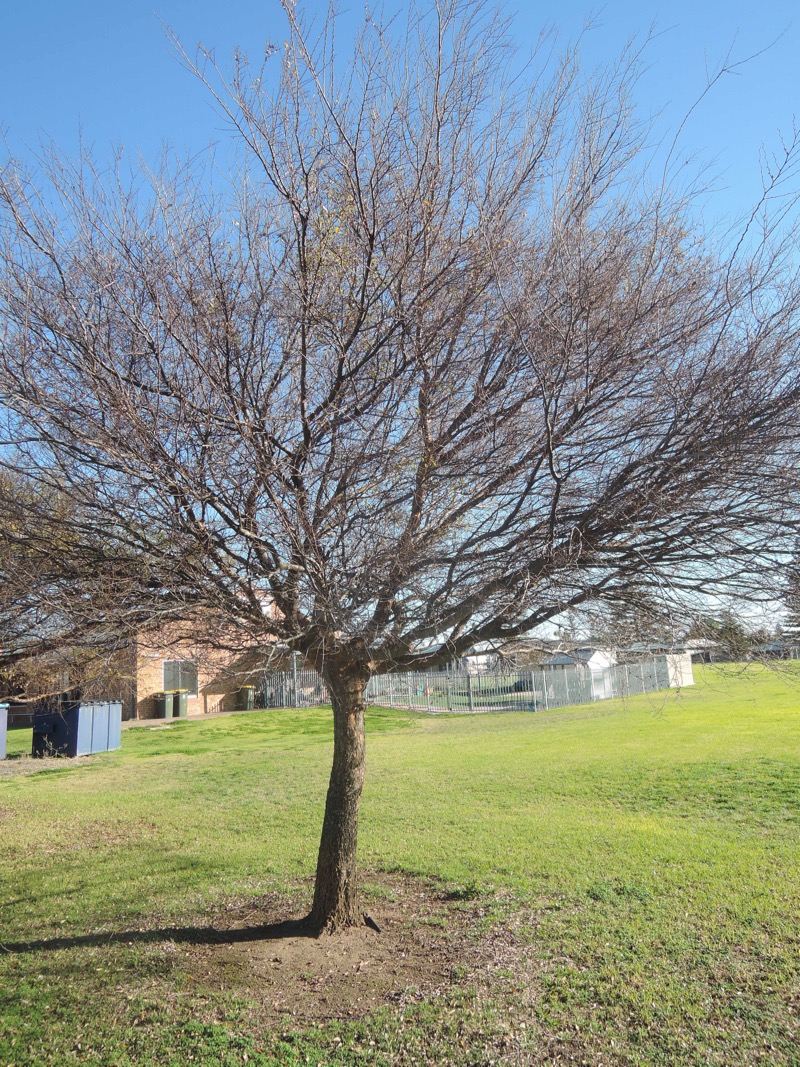
Though Australia does have a few native deciduous trees, most native vegetation is evergreen. And so, even though the winters here in South Australia can at times feel very grey, most leafless trees — like the ones I photographed to accompany today’s post, all of which grow in the neighbourhood where I live — are imports from countries like Germany: cousins of those trees that lined the streets of the town where I worked all those years ago.

Leafless tree on the school oval
on Gedville Street

I’m a home-body these days. I love the Australian sun. I love the wide arch of sky and the shifting, glittering, restless ocean. I love the grey-green leaves of eucalypts, the drooping pods of acacia trees, the red bristles of bottlebrush flowers, the golden needles of the sheoaks. I couldn’t live anywhere else now. This is home to me.

Travelling brought me a lot of joy, though, and it taught me things I could never have learned if I’d stayed at home. My love for this place is a part of what my travels taught me, I think. Those bare-branched trees were a gift. They led me back home.

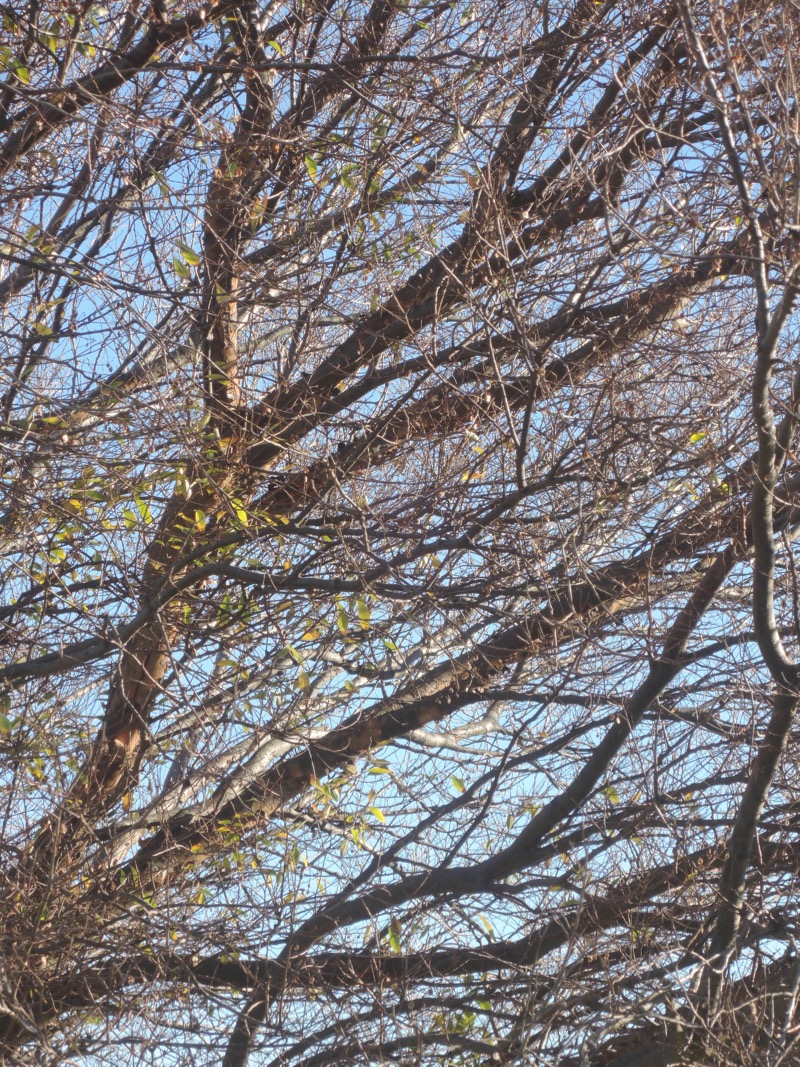
Even leafless trees don’t seem leafless here
when you look at them closely!

Creating ephemera

Other people’s words about … cooking

I’ve decided I need to make things with my hands, it’s my new thing. Everything else is just so intangible and bullshit. I know that really when you get down to it, cooking produces ephemera just like all the other crap we all do … but at least for a moment there’s a thing, you know?

From ‘The Innocents
By Francesca Segal

I often wonder why food writing has become so popular in the last few years. There are so very many food blogs and cookbooks and cooking magazines. Equally, there are so very many people who read them (including me). Why?

One of the reasons, I think, is that food photography is beautiful. Food photographs make use of beautiful props, gorgeous landscapes, natural light. They woo you. Though what they ostensibly promise you is a tasty meal, underneath they promise you something else entirely. If you make this recipe, they murmur to you, you, too, will have produced something beautiful. You, too, can lead a beautiful life.

(Instagram Syndrome, anyone?)

So Segal is right, in the passage I’ve quoted above: cooking produces ephemera, essentially. And yet — and yet — it doesn’t feel that way. When you look at a food photograph; when you tell yourself you’ll make it; when you go out and buy the ingredients and come home and spend a couple of hours cooking it; when you dish it up on the table and eat it with your loved ones — when you do all this, you feel like what you have in front of you is a thing, as Segal puts it: a thing that you made.

Even if, in the end, all you do is read the damn recipe and look at the damn photographs — still, that promise gusts through you. You might make this recipe. You might produce something beautiful. You might just make something.

I’ve spoken about my love of baking before. I’m sure I’m as sucked in by the ephemera industry as anyone else, but still, I keep going back for more. There’s always another cake to make, right? And the next one you make might even turn out to look as beautiful as it did in the photograph you spent so many hours drooling and dreaming over …

My own food photographs, as the pictures in this post amply illustrate, lack all the qualities that good food photographs require. Still, in case you should want to join the ephemera celebration, here’s a list of some of my (current) favourite food blogs:

delightful crumb
(for thoughtful words and beautiful recipes from Stacy in California)
oh, ladycakes
(for meticulously photographed vegan baking from Ashlae in Denver, Colorado)
ruby & cake
(for food with a lovely and quirky slant from Ruby in the Blue Mountains, Australia)
what should I eat for breakfast today
(for simple breakfast recipes from the wonderful, drily humorous Marta)
three little halves
(for gorgeous photos and illustrations from Aleksandra in New York)
Brooklyn supper
(from Elizabeth and Brian in New York)
eat in my kitchen
(for simple, stylish recipes from Mieke in Berlin)
the alimental sage
(for sporadic but lovely recipes from Camilla in Melbourne, Australia)
dagforever
(for tasty recipes and hilarious commentary
from my French, bench-loving friend Anne in Perth)

Happy cooking (and dreaming), everyone! Rebecca xo

Snatched phrases on … the weather

‘Someone once told me it was bad blogging and boring writing
to wax lyrical about the weather but I can’t help it.
And I am not sorry.’

from Ruby and Cake blog,
this
post

Well, as you may have guessed by now, I’m with Ruby on this. I love waxing lyrical about the weather, and have been doing so, on and off, ever since I began writing this blog, back in April 2014.

And when I’m not waxing lyrical about the weather, I’m taking photographs in celebration of it instead. So, to continue the weather celebrations, here are some photos from one of my latest saunters out and about.

This particular jaunt took place in early June, a time of year when we expect rain and clouds and wind here in South Australia. But, as I’ve mentioned several times before recently, in my usual waxing-lyrical-about-the-weather mode, that’s not the weather we’ve had at all this June. This day was just one of a number lately that began cold, crisp and clear, and progressed into soft, still sunniness.

If I were to say anything more here about how clear and true the sun shone as I wandered through the wetlands that day, or about how the sunshine filled me with joy, I’d be venturing into waxing-purple territory. (That, I believe, is the stage that follows the waxing-lyrical stage.) So I’ll leave you to enjoy these photos without further ado.

Although PS Like Ruby, as far as talking about the weather goes, I’m. Just. Not. Sorry.