Snatched phrases (on books)

‘A book is a heart that only beats in the chest of another.’

from ‘The Faraway Nearby
by Rebecca Solnit

Sometimes, when I’m reading, a small phrase or a sentence will catch my eye, hidden away in the middle of the paragraph, or at the bottom of a page. Perhaps the words in that phrase snag my attention because they are beautiful; or perhaps the thought behind the phrase is beautiful — complex and lingering — despite the simplicity of the actual words.

I write these phrases down in a notebook and treasure them, as you might a necklace your mother gave you when you were a young woman, or a china teacup that once belonged to your grandmother. Sometimes, when I’m writing them down, the word ‘stolen’ creeps into my mind: there is something about the act of recording them which makes me feel I have snatched them from their creator and reappropriated them as mine, storing them inside my heart.

Snatched phrases: today’s post, quoting Rebecca Solnit’s beautiful words about books, is the first in an occasional series here with this theme. However you think of these words, whatever your definition of the word ‘stolen’, they are yours now, too. Writers write for others, after all; writing is about the transmission of words and ideas from a writer to his or her readers — readers like you and me.

And they are not really stolen at all, these words. It feels that way at first, because they are so precious and so beautiful. But in fact, it is the other way around: the words have stolen our hearts. To read is to be captured, over and over again. I can think of no better form of thievery.

At ease on this earth

Other people’s words about … beauty

I am haunted by waters. It may be that I’m too dry in myself, too English, or it may be simply that I’m susceptible to beauty, but I do not feel truly at ease on this earth unless there’s a river nearby.

from To the River
by Olivia Laing

Haunted by waters. Isn’t that a beautiful phrase?

Though the words I’ve quoted above are about a river rather than the sea, still, they ring true for me. For most of my adult life — except for the two or three years I spent in my early twenties, travelling and working abroad — I have chosen to live within walking distance of the sea. In my late twenties and thirties, as I’ve mentioned before, I lived in a series of share households: different houses every eighteen months or so, different housemates. But each of those houses was close to the sea.

These days, I live in a house just a few minutes’ walk to the beach. Open a window, and you can hear waves rolling onto shore. Step onto the front porch, and you’ll smell seaweed drying out beyond the water’s reach — a damp, bleached, faintly rotten smell. Look around indoors, and you’ll see drifts of sand piling up in the corners.

The sea surrounds me. It’s how I make sense of things. It’s how I feel at ease.

DSCN2831

There’s another phrase I love in the words above: susceptible to beauty.

Like anyone else, I have good days and bad days. There are days when I feel at home, here on this earth: when my skin feels comfortable beneath the layers of my clothes, and the warmth of the sun feels kind and good. And there are days when the world seems vast, alien, spinning, remote. What gets me through those latter kinds of day are tiny moments of beauty, out there by the water: pinpricks of sunlight sparkling on the tips of waves, like sequins on a piece of cloth; clouds chasing across the horizon, billowing and grey; a cluster of yellow flowers growing in the dip of a dune, petals cupped to reflect the light.

DSCN2833

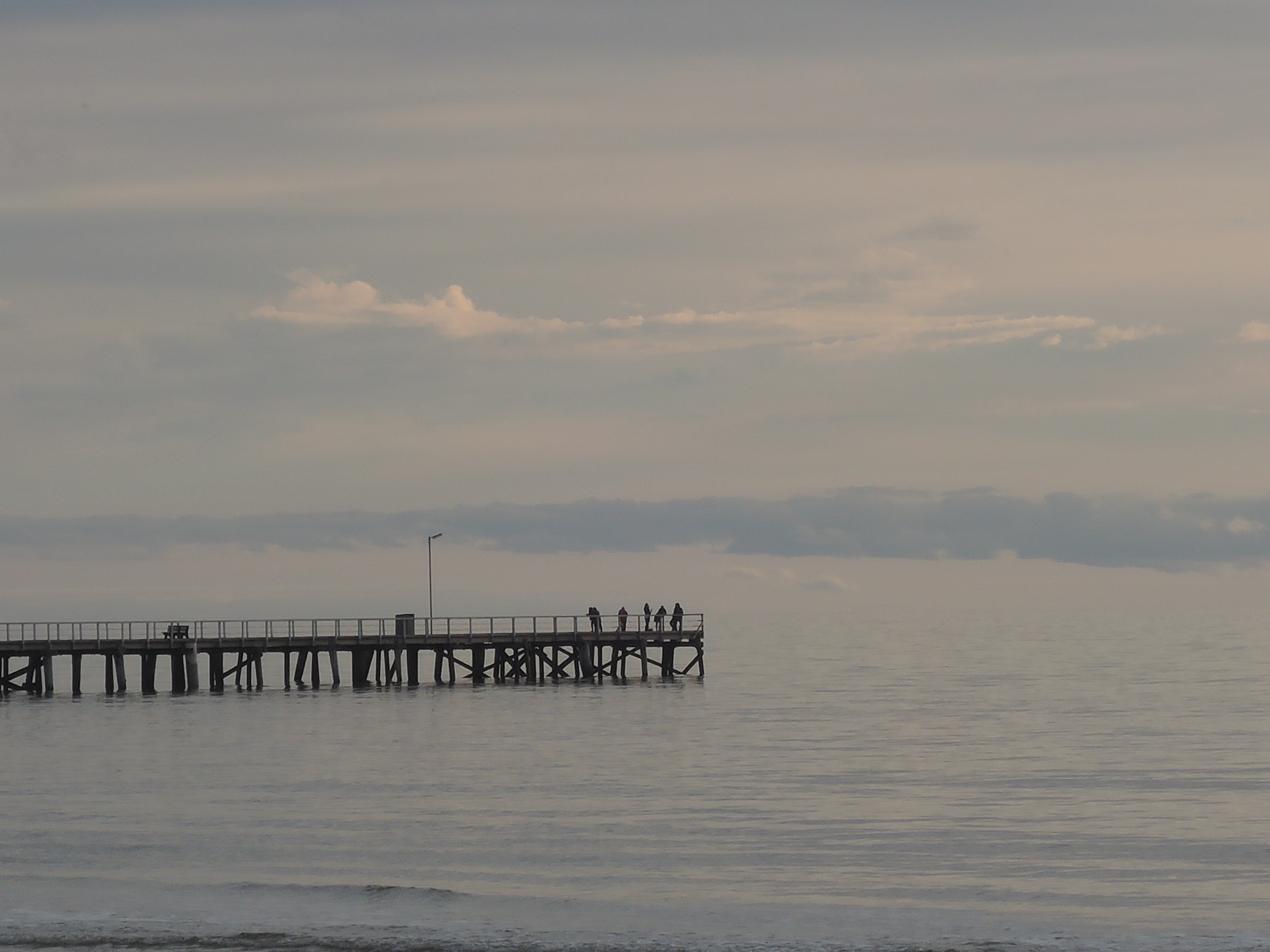
I took the photographs you see here late one August afternoon, just a few weeks ago. Sitting at my desk, working at my computer, I felt hemmed in suddenly: by streets and footpaths, by fences and cement driveways, by the sound of my neighbour hawking up sputum in his bathroom. The longing to get away from all of that was so strong it felt akin to starving. I felt hollow through and through.

I shut down my computer, stepped outside, and walked down the road to the sea.

DSCN2832

Five minutes later there I was, standing on the sand, looking out at the water and the sky. It was close to sunset and I wandered a while along the shore, released at last: from work and worry and words. And I saw something, then, that I don’t know how to describe, though I’ll try: I saw spring coming. The air had a certain quality to it — a softness, perhaps, after the steely bleakness of winter. I thought that if I reached out with my hand I might touch that beautiful softness. It seemed possible, just for a moment.

Looking at the photographs now, I don’t see what I did then. Perhaps you don’t, either. But I know that I saw it, all the same. It was one of those moments — those tiny moments of beauty — to which I, like Olivia Laing, am susceptible.

I am grateful for those moments, is what I’m trying to say. They give me a kind of gladness. They bring me home.

The reader

Other people’s words about … books

She has always been the reader — no-one else in the family is that interested. She had carted her books from house to house as a student, the boxes growing in number each time, keeping them because she could not imagine doing otherwise, and because she thought that there was something permanent in a book, that it lasted forever. But now, when she takes an older paperback out to reread or loan, she is surprised at how fragile it has become, the paper threatening to tear in her hands if she turns the page, tiny black specks embedded in its tissue pages; bugs, probably. She should have cleared them out, she thinks. Packed them up in boxes for recycling. No-one would want them when she was gone.

From ‘Between a Wolf and a Dog
by Georgia Blain

I grew up in a house in which every room contained a bookcase or a wall lined with bookshelves. I remember kneeling in front of those shelves as a child, scanning them, trying to make sense of the order in which they had been shelved, trying — with a child’s sense of incomprehension — to understand the titles. There were lots of orange paperback spines (oh, those old Penguin classics!). There were fat, hardback dictionaries — volume after volume of them. There were thick novels with white covers and raised lettering. There were books with titles like Fear of Flying, which didn’t seem to be about flying at all. There were books with titles containing words like ‘teach’ and ‘literature’ and ‘linguistics’ and ‘semantics’.

And none of these books had pictures in them.

DSCN2822

I made a vow when I was about seven or eight years old that I would never, ever read an adult book. The books on my parents’ shelves seemed to be about — or to come from — a disturbing adult world: a world of which I knew I wanted no part. And so the first time I read a book without any illustrations, I felt half-proud, and half-afraid. Was I crossing over to adulthood now, after all? Could I stop myself? It seemed not. Reading, in the end, was more than just enjoyable: it was essential.

As a young woman, I lived for many years in a series of rented houses and share households. My housemates and I each had our own bedroom, but we shared saucepans and bowls and TVs and washing machines. We talked about the films we wanted to see, the music we liked to listen to, the books we had just read. We cooked for each other and shared bottles of cheap red wine and chardonnay. We borrowed novels from the local library, and bought tattered secondhand paperbacks from the local op shop.

During those years, I stored any books I owned on a makeshift shelf that I’d constructed by putting bricks on my bedroom floor and laying a plank of wood over the top of the bricks. Later, I went through a phase where I decided that lettuce crates were a cool way to store my books. I couldn’t bring myself to buy a proper bookshelf. I was afraid, I think, of making the commitment. A bookshelf spelled permanency. It spelled adulthood. It spelled turning into your parents. I wasn’t going to do that. (Why, I wonder, are we so fervently against turning into our elders when we are young? Now I would be honoured to think I was, or am, like either of my parents.)

DSCN2825

I don’t remember exactly when I gave in to owning a bookshelf: to growing up, to admitting, happily, that I shared my parents’ passion for literature. I am glad that I did, though. The books on my shelves may one day fade, their pages tearing, their covers warping with damp. They may seem meaningless to anyone else. And yet there is something permanent in them: there is something that lasts forever, despite their physical frailty.

Reading transports to you another world: a world of someone else’s creation. It makes you feel things — sadness, joy, anger, bewilderment. Writers share their worlds with us; their books are their gifts. Those gifts leave an imprint on us. You can’t store that imprint on a plank of wood resting on a brick. You can’t stack it in a lettuce crate. And you certainly can’t pack it up and recycle it.


Why I drink tea, not coffee

Other people’s words about … tea

The MOTH (the Man of the House) thinks the world’s drowning in a tsunami of expensive [cappuccino] froth. He’s fighting the trend single-handedly. He drinks tea made from tea leaves. He doesn’t like ‘gift’ teas that arrive with house guests and distant cousins …

DSCN2773

Every morning and most evenings, the MOTH makes tea following the rules set down by his mother. Bring a kettle of water to a ‘rolling’ boil. Warm the teapot. Put in a generous measure of loose tea. Fill the pot with boiling water, replace the lid and wait patiently. In the meantime, put out china cups and saucers, teaspoons, the sugar bowl and a jug of milk. Hot buttered toast and a jar of homemade marmalade will do nicely as well.

From ‘Tea and Sympathy’ by Pat McDermott
featured in
The Australian Women’s Weekly, July 2016

Old-time readers of this blog will know of my love for tea by now. I would rather give up wine, chocolate or cheese than give up my daily pot(s) of tea.

DSCN2777

Many years ago, I attempted to become a coffee drinker. I was working as a student barista in a cafe in Port Adelaide at the time, and the coffees I made for my customers smelt enticing. There is nothing better than the smell of freshly brewed coffee.

But. I soon discovered that I am extremely sensitive to caffeine. Give me a cappuccino at nine o’clock in the morning, and I will be jittery and fidgety and twitchy all day. I won’t sleep. I’ll still be awake the next morning, heart hammering away, eyes dry and wide. And don’t even get me started on that sense of the walls of the room caving in on me …

DSCN2776

My grandmother drank tea, and I remember her making me cups when I was a child: the ritual of it, the alluring whiff of mysterious adulthood that came with it. Still, for years after I’d begun reacting to coffee, I avoided drinking tea because I knew it also had caffeine in it, though in a smaller dose. Eventually, though, I became close to someone who was an inveterate tea-drinker, and I felt tempted again. Eventually, tea wooed me back in just the way that coffee had once done.

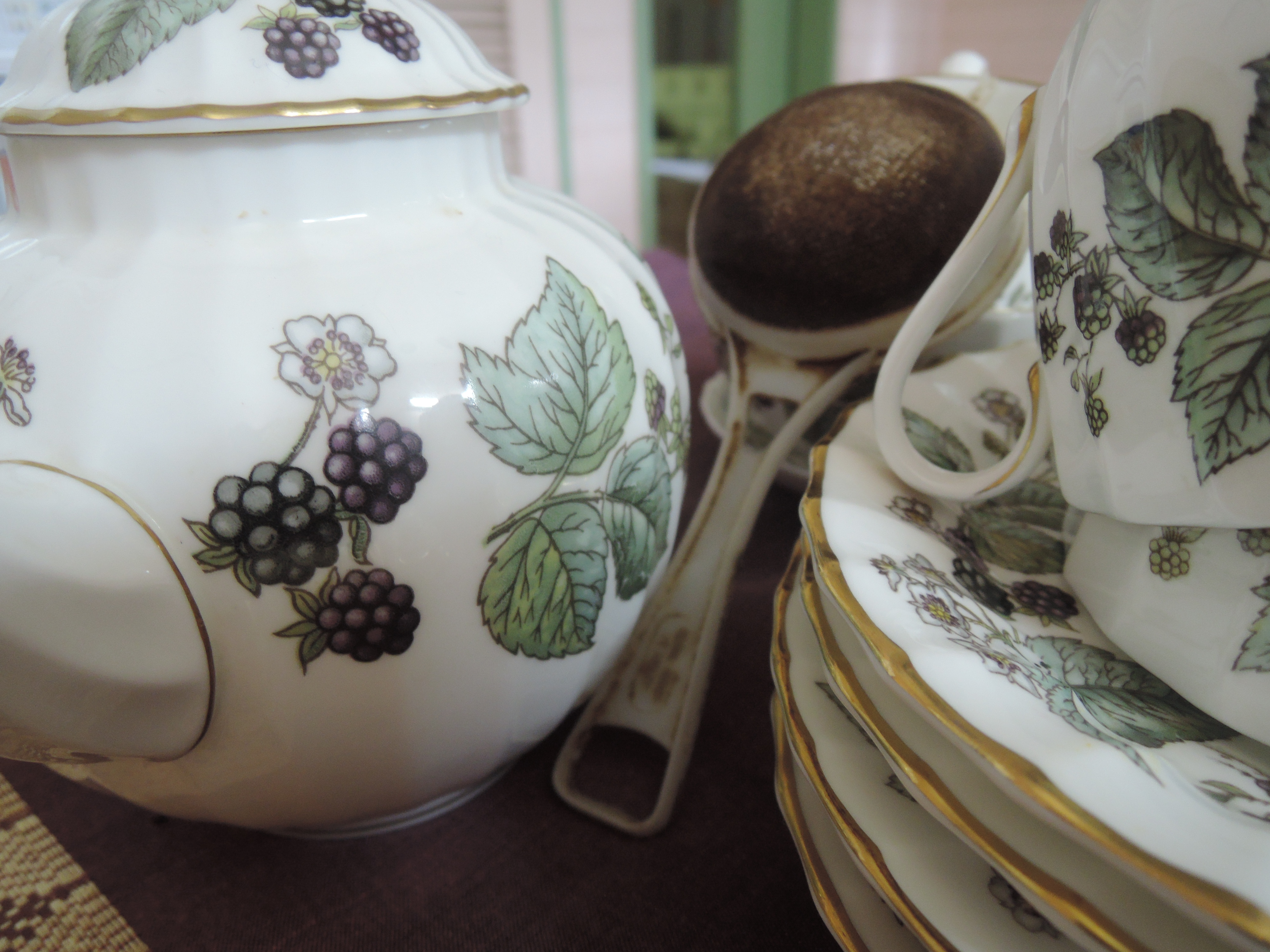
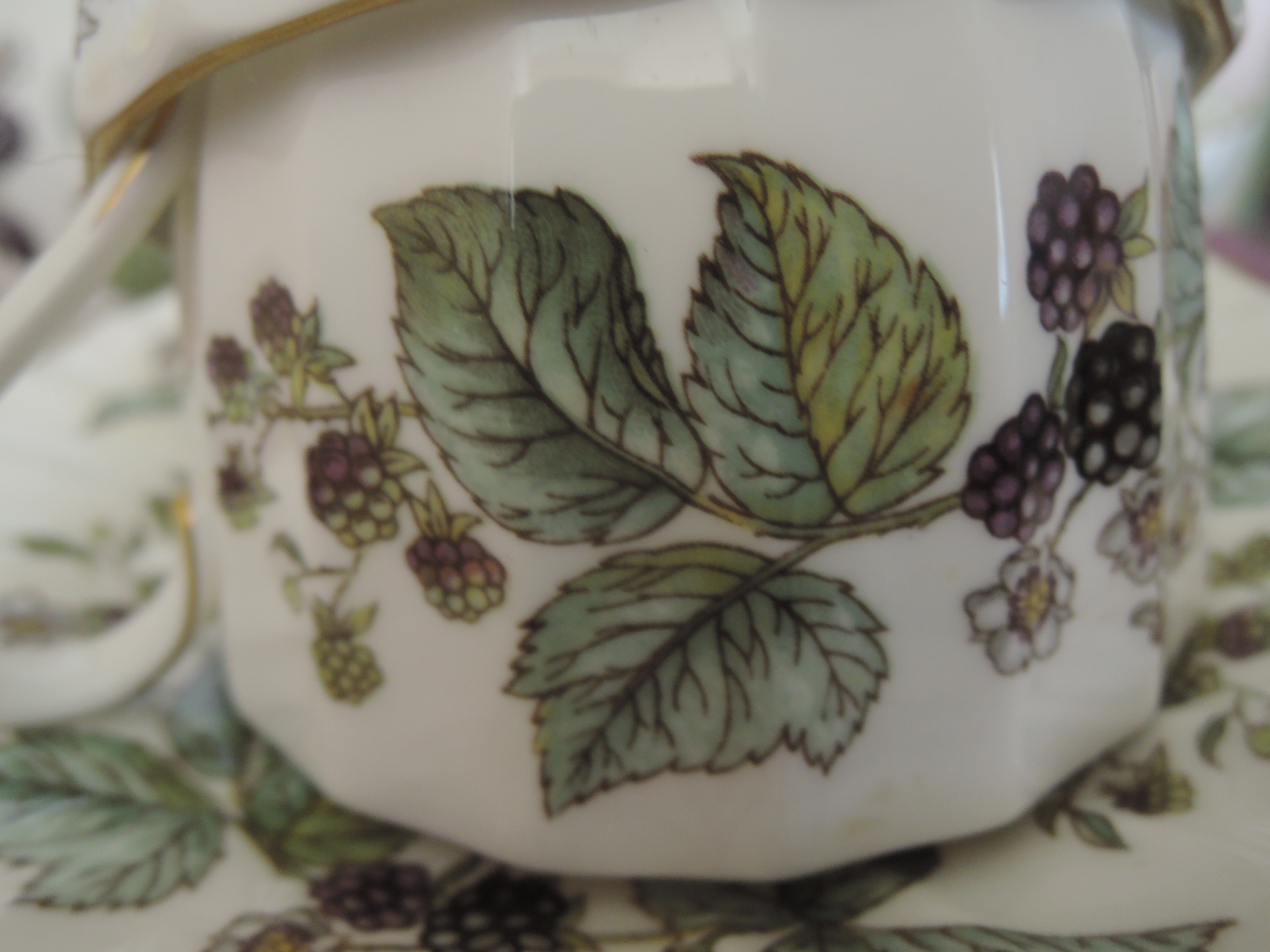
Maybe it’s the smaller amount of caffeine. Maybe it’s psychological. Maybe it’s the ritual of tea-making: my grandmother’s Royal Worcester china, the pot, the brewing, the accompaniment of sourdough toast spread with a (thick!) layer of my mother’s grapefruit marmalade or my father’s quince jam. Whatever it is, I have found that I can handle the caffeine in tea.

I read recently in The Australian Healthy Food Guide (p. 14) that Lord Twining, of Twinings Tea fame, has been known to state that anything less than nine cups of tea per day is a totally unsatisfying tea-drinking day. Clearly, Lord Twining may have vested interests in making statements like this … but I can’t help admiring such a line of thinking, all the same.

And so … let the tea-drinking continue!

Inner world

Other people’s words about … resilience

I think maybe [my father] liked the worlds in his head better than the real one. As far as I ever knew, he didn’t have any close friends … Once, when I was about nine or ten, I told him I wasn’t very popular at school. He told me that friends were overrated, because the only person you could ever really count on was yourself. Weirdly, that actually made me feel better.

from ‘Thanks for the Trouble
by Tommy Wallach

I am, I suppose, what most people would describe as introverted. There are other words that go along with this kind of description: shy, quiet, aloof, disengaged, uncertain, insecure, antisocial. Those are mostly negative words, I see. Perhaps they are coined by extroverts.

The year that we lived in England, I was at my most introverted: I had no friends at all. (Here’s a question: do you end up without friends because you are introverted, or do you become introverted because you have no friends?) I was fourteen, and I wandered those long school corridors with the white polished floors alone. I wore the wrong clothes, and I had the wrong accent, and I lived life at the wrong pace and the wrong volume. At lunch I sat in one of the stalls in the girls’ toilets, waiting the hour out. I listened to girls coming in and out, the cubicle doors swinging, the toilets flushing. My breath caught on the sweet spray of perfume they doused themselves with as they stood before the mirrors. I listened to their chatter, high and loud and lipsticked. And then I listened to the door to the girls’ room banging shut again, their footsteps receding down the white-floored corridors as they went back to wherever they had come from.

After the first few weeks, one of the school teachers took pity on me, and introduced me to a couple of girls in my class.

‘Go and sit with them at lunchtime,’ he said, with a look on his face that was half-pity and half-exasperation. He was small and balding and chipper. ‘They’re nice girls. They’ll look after you.’

Such well-meaning, misguided intentions! I looked at the two girls and they looked back at me. I could see they were as horrified at the prospect of me spending lunchtime with them as I was. And yet we all did what he said. They took me back to their lunchtime bench, and I sat with them and their friends — that day and the day after and the day after that. For months, in fact, I ate my sandwich with them silently; I sat with them silently; I watched them silently; I listened to them silently. They took to ignoring me, in the end. They went on with their lives — their parties and their gossip and their drinking and their shopping and their boyfriends — while I sat mute beside them, in what seems to me now almost a parody of introversion.

I have often thought back to that year in high school. I’ve thought about how, at night, I lay in the darkness of my bedroom, the one with the wallpaper with pretty sprigs of flowers dotted over it, and longed for popularity and friendship, for someone my own age to count on. I’ve thought about how I believed that I must be faulty in some way — weak, or cowardly, or defective — because I couldn’t do what other people my own age did instinctively: talk. Make connections. Relax. Laugh.

So it astonishes me now, to look back and see a different possibility, a different narrative, from the one I’ve just told. I don’t believe that friends are ‘overrated’, to use Wallach’s word. Still, I wonder: what if I had learned to trust myself during that year? What if I had learned that I was my own friend? What if I had allowed myself to like the world in my head at least as much as the real one? More broadly, what if we could teach all young people to count on themselves in this way? What, then?

I am not sure. But I think it’s important to listen to alternative narratives like the one in the words above: to retell our life-stories to ourselves, to seek out new plots, new endings. I think it’s important to trust your own inner world: to learn to turn to it in times of need, or in times of loneliness. Introversion, in this context, is irrelevant. What’s relevant is resilience. Resilience is all that matters.

Resilience, you will note, is not a negative word.

The one true story

Other people’s words on … writing

He said, ‘What is your job as a writer of fiction?’ And she said that her job as a writer of fiction was to report on the human condition, to tell us who we are and what we think and what we do.

from ‘My name is Lucy Barton
by Elizabeth Strout

When I first began this blog, I was adamant that, though I am a published writer, my blog would not be about writing. A writer can blog about things other than writing, right? A writer isn’t just a writer: a writer is a person; a writer has a life. That’s what I wanted to blog about.

Besides, it seemed to me that blogging about writing would be, in my case, an inexcusably audacious act. My thinking went like this: I have published only two books. I haven’t published anything since 2010. My books have gone out of print. What can I tell anyone about writing? Who would want to read what I had the temerity to say?

Early drafts: an audacious act

I don’t much like the word ‘writer’. Perhaps it’s because I haven’t published much and don’t make a living from my writing, but I feel pretentious and arrogant when I call myself one. I think of myself instead as someone who has written two books, and would like to write another one, but is struggling to do so.

That’s another word I don’t like: ‘struggle’. When I first began writing stories and fiction, the writing was an act of joy. It was a process of humble discovery. Each word that I wrote, each sentence, each chapter, was a journey. I was learning to do something new. I was learning to do something I loved. I was learning.

Writing is a learning process
Lessons in writing: all part of the learning process

So when I first read the words I’ve quoted above from Elizabeth Strout, I thought: Yes! Writing fiction, for me, has always been about opening myself up to sorrow, and to joy, and to humility, and to discovery. It’s about expressing those things, however afraid I am to do so. It’s about making sense of my life. It’s about trying to make something beautiful. It’s about having the temerity — the audacity, the arrogance — to share my words with other people: people who, like me, love reading.

Most of all, writing fiction, like blogging, is about sharing.

And so that’s the reason I’m posting these words about writing today. Call it pretension; call it temerity. Call it audacity; call it arrogance. Call it learning; call it sorrow; call it joy.

Elizabeth Strout again (from the same book):

You will have only one story … You’ll write your one story many ways. Don’t ever worry about story. You have only one.

Maybe this is the only story I have to share, but that doesn’t mean it’s not worth sharing.

The third year

Beautiful words

I love reading.
I love words.
Maybe you’d noticed?
After all, reading and writing have been two of my core themes on this blog, right from the start.
So.
This year — my third year of blogging (yes, really! twenty-one words has been around for over two years now) — that will be my main focus.
Other people’s words.

A year of reading
A year of reading

Each week, I’ll be posting a quote from something I’ve read and loved,
either recently or long ago.
(Some writers’ words stay in your mind forever.)
Sometimes I’ll post a photo to accompany the quote,
sometimes I’ll post a comment instead.

A cup of tea to accompany reading makes it even better ...
A cup of tea to accompany reading makes it even better …

I hope you’ll find some words here, in the next year, that tickle your fancy;
that make you think;
that make you laugh,
or smile,
or cry;
that make you go to your library and read those other people’s words for yourself.
For me, that’s what reading’s all about.

Note
For readers wondering about my original theme — twenty-one words, after which this blog is named — fear not. ‘Twenty-one’ will still be a theme around here. Watch this space to find out how.

Gladness

On a windless, clouded afternoon at the end of May,
I go for another bushwalk.
I’m greeted at the start of my walk by one of my favourite native birds,
the kookaburra:

Its laughter echoes through the scrub for the first ten minutes of my walk.
Then comes magpie song:

A kangaroo regards me intently from afar.

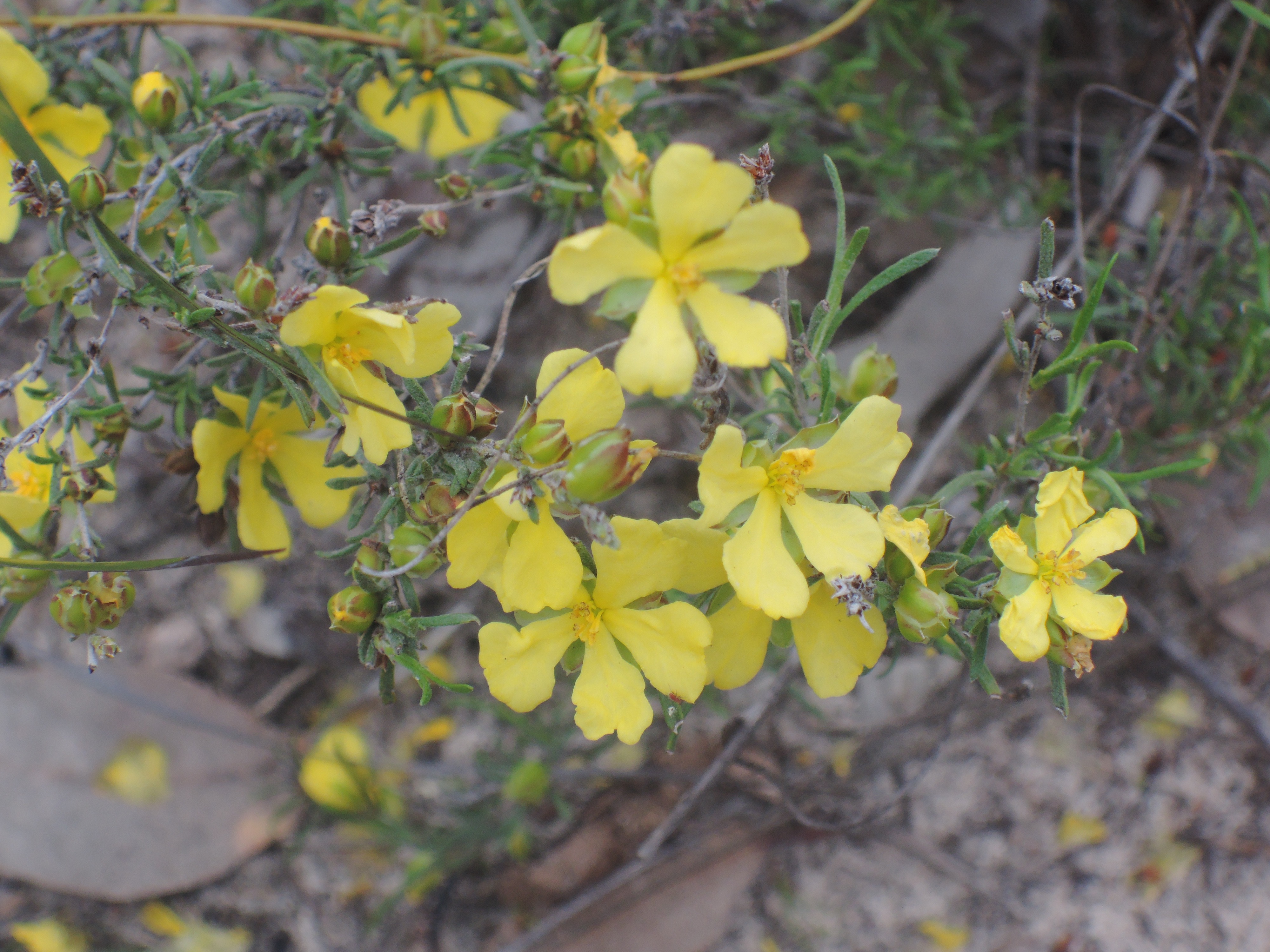
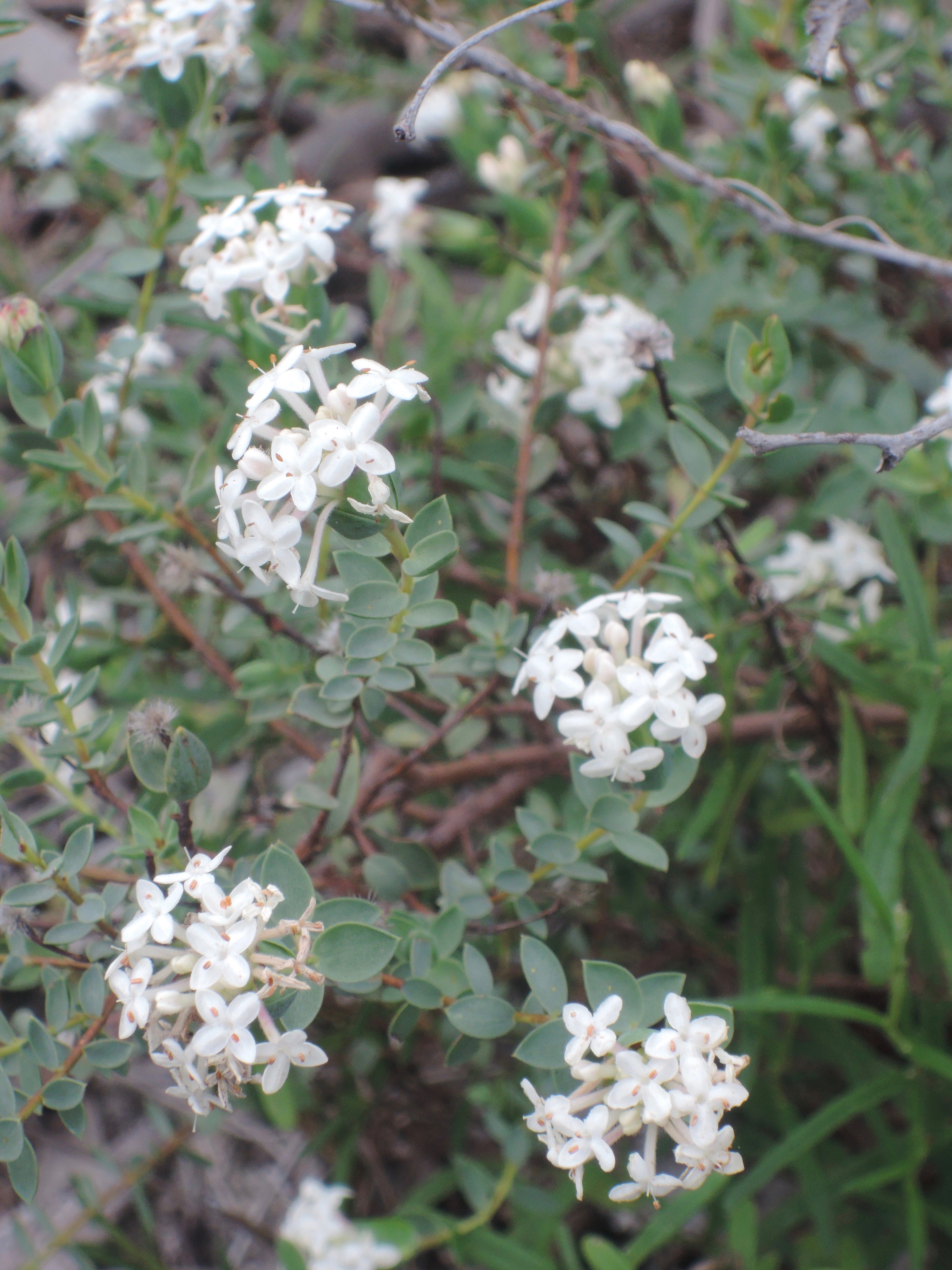
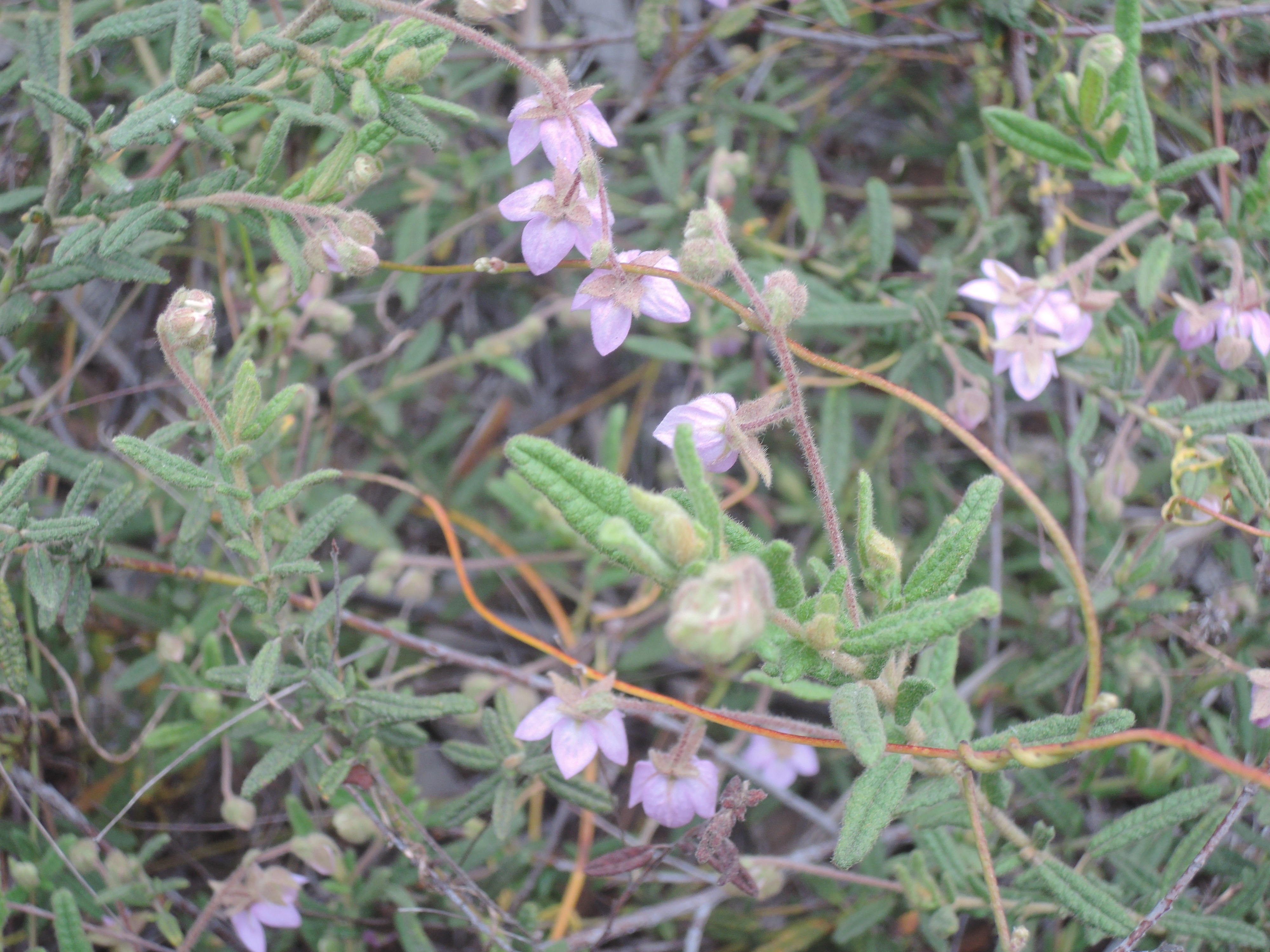
The only bush in flower is one whose name I don’t know.
Its flowers grow in tiny, white clusters and smell sweet and rich, like honey.

It’s quiet in the bush,
and I, too, am quietly gladdened for my time there.

The circle of life

I can’t resist coming back to Kim Leine’s ‘The Prophets of Eternal Fjorde’ today to post a couple more quotes. This time, we are not focusing on intestinal discomfort. (Enough already!)

My constitution would seem to be better than I would have thought, for I have survived two attacks upon my life this winter and may thereby once more look forward to further prolongation of my futile destiny.
(p. 406)

Morten Falck, a Danish missionary, struggles with his own fleshly weakness, with his desires and cravings, and with the despair that comes from leading a life whose purpose is not entirely clear to him.

I cannot go back … I can only go forward, in a ceaseless circle, and my only hope  is that when the circle is complete and the motion halts I shall have arrived at the place that is best for me …
(p. 505)

Life as a ceaseless circle:
Don’t you, too, sometimes feel you are pushing forward blindly, hoping — hoping — that you will one day arrive at a place that makes sense?

The flesh is weak

Other people’s words about … well, elimination

Writers don’t often describe bodily functions in literature (other than sex). After all, reading is about escapism, right?

But in ‘The Prophets of Eternal Fjord’, Kim Leine describes the main character’s afflictions with — ahem — a sensitive colon so evocatively that his physical suffering becomes embedded into the story.

His intestines are in an uproar. He senses the ominous ripple of diarrhoea in the bowel, the quivering alarm of the sphincter.
(p. 114)

Morten Falck is an eighteenth-century missionary in the Danish colony of Greenland.

His bowels emit a series of shrill tones of varying intensity. He grimaces, then collects himself.
(p. 127)

This is a story of suffering, weakness, morality, intestinal discomfort and (perhaps) redemption.

It gushes from him the moment he pulls up his cassock and sits down on the privy seat, a mud-like mass, almost without smell, an inexhaustible landslide of brown. His intestines writhe in agony, and yet there is a considerable element of joy at being able to release, to discharge this spray of filth and empty the bowels. He groans, bites his hand and chuckles. His sphincter blares and squelches, and then there is silence. He feels more is to come and shifts his weight from side to side, bent double, his head between his bony knees, his hands massaging his stomach, but nothing is forthcoming. It is as if something is stuck inside him, a thick log of excrement blocking his passage. But most likely a fold of the intestine, he considers. He recalls images of the corpses he dissected and drew as a young man, and he sees now his own colon in his mind’s eye and the blockage that has occurred. He imagines its slow release and the sudden slop that comes with it. The thought of it helps. A new deluge is evacuated and his anus trumpets a fanfare.
(p. 151)

Seriously, how can you not admire such a vivid description of intestinal torture?
Come on, admit it — we’ve all been there at some time!