The big ‘I’

Other people’s words about … the view

Sit. Quietly. Turn your awareness to your heart space.

Now imagine you’re sitting on a small wooden bench with yourself. Imagine you’re doing so in that space in the centre of your chest. There you are, sitting to your right, the little nattering humanoid that you are, berating yourself for eating too much at lunch and debating whether to hang the washing out or not. This little nattering self is your little ‘i’. You (the big ‘I’) can watch it all. Yep, there you are, sitting quietly, looking out at a view, over treetops down to an ocean. On your little bench. Together. You’re just hanging, nowhere to go, nothing to do. The two of you …

From ‘First, We Make the Beast Beautiful
by Sarah wilson

It was my friend and fellow blogger, Anne, who first alerted me to the appeal of benches — I mean, real benches, in real life. In her ‘Bench Series‘, she posts photos of benches that she’s snapped from all over the world. I’d never really looked at benches before, except as convenient things to sit on while I rested and took a moment to enjoy the view before me. Now I find myself noticing them (and photographing them) all the time.

The kind of bench Sarah Wilson describes in the passage I’ve quoted above, though, is a metaphorical bench, one that you can only find within yourself. It’s a place where you can sit while you encounter, and learn to accommodate, your two selves: the busy, superficial, language-oriented self that churns out thoughts night and day, and the deeper, quieter, wordless self that lies beneath all the nagging chatter.

The idea of the two selves isn’t unique to Wilson. It’s an idea common to many systems of thought, one we’ve all become more familiar with since the recent popularisation of mindfulness-based practices and therapies. But I particularly like the way she uses the image of sitting on a bench to explain it. It’s a simple, vivid, accessible reminder of how easy it is to get caught up in (and believe) your own thoughts.

A thought, after all, is only that: a thought. It may be true; it may not. Thoughts and the truth exist independently of each other. When I first came across this idea (here), it seemed both counterintuitive and revolutionary to me. I’m still grappling with it.

Wilson again:

And then it might occur to you that your little mate ‘i’ is just that — a little mate sitting next to you. And that this Big ‘I’ is who you really are. It feels deep and close and yet so vast.

Okay, I’ll admit I winced, at first, when I read these words. First, I’m not sure that the quieter self (the one Wilson calls the Big ‘I’) is deep or close or vast — or, indeed, in any way somehow ‘better’ than any other part of our self. I think that it just is.

Second, I was troubled by her use of the phrase little mate both to describe the thinking self, and to distinguish that self from the non-thinking self. I found the phrase overly colloquial, like some kind of condescending attempt to make a difficult concept more user-friendly to her less educated readers. But I have slowly come to feel the opposite way about her wording. The word mate implies friendship: it implies love, acceptance, forgiveness. Also fun. That’s helpful, I think. Why vilify a part of yourself, when you can instead smile and make friends with it?

Wilson uses meditation to find her bench. As you know, I don’t. But I don’t think that matters. What matters is that you know the bench exists — and that you know how to find it, however you get there.

And whether or not your prefer your benches real or whether you prefer them metaphorical, I wish you many sun-dappled, peaceful benches of your own in your life, wherever you happen to be.

The beast

Snatched phrases (on being present)

Do the anxiety. Then leave it there. This is our challenge.
from ‘First, We Make the Beast Beautiful: A New Story about Anxiety
by Sarah Wilson

Simple words, huh? They apply to all manner of ills, I think — not just anxiety. They are about staying in the present: doing the hard stuff when it comes up, not questioning it or agonising over it … and then leaving it behind and moving on.

There are no solutions to anxiety out there, Wilson argues further on: no cures or fixes. So you just do it …

… and then you leave it.

This makes great sense to me.

Today’s photos? They’re from one of my latest bushwalks, a couple of weeks ago: mid-March. It was a still, grey afternoon, and when I first began to walk, the colours seemed drab, and the birdsong was muted, and the air felt unkind and cold.

But as I wandered on, I began to see a few flowers despite the greyness, and I came upon a kangaroo, which stiffened at my bumbling approach and then bounded away. I heard the sea murmur somewhere through and beyond the thicket of trees, and a magpie began to carol, low and soft.

I had done my day, and I had left it there, and things were fine. Just fine.

Differentiation

Other people’s words about … wild animals

As Paul and I were cresting the last hill, as I was squinting into the darkening woods to make out the path, a couple of deer lifted their heads at once and differentiated themselves from the trees.

We stared at them, and they at us, for a full thirty seconds without moving. They multiplied as we looked at them. There were three at first, then there were four, then there were five. They were the exact color of the bark and leaves –- gray brown –- but the skin around their eyes was red. I felt the breeze on their backs lift the braid from my chest and set it down over my shoulder.

‘They’re going to get us,’ Paul whispered. He reached for my hand.

‘They’re a herd,’ I reminded him. ‘They’re afraid of us.’

Two more appeared. Paul shivered.

From ‘History of Wolves
by Emily Fridlund

There are many places I like to go bushwalking in, but one of my favourites is the Aldinga Scrub. When I walk there, particularly at certain times of the day, I am always conscious that I might encounter a roo or too. There are traces of them throughout the Scrub.

Sometimes a kangaroo appears before me in plain sight — in a clearing in a patch of sunlight, enjoying the last rays of the sun, joey in pouch.

But sometimes there are roos in front of me all the time, without my even realising it. I don’t know what alerts me to them then. It might be the faintest rustle in the leaves around me, or a slight movement — an ear-twitch, perhaps. Sometimes a sense comes over me, simply: a dawning awareness that I am not alone any more, that I am being watched, and regarded, and assessed.

Kangaroos are not naturally aggressive towards humans, as far as I know, or not during encounters like this. But still, like all wild animals, they are protective of each other and of their young. And so, when I come across a roo or two (or more) in this way — when they differentiate themselves from the bushes around them, as Linda, the narrator in the passage above, beautifully puts it — I make sure to stop and take one or two steps back. I let the kangaroos know I’m not a threat. We regard each other a while, creature to creature, acknowledging each other. It’s not fear I feel then, like Paul, the little boy in the quote above: it’s respect.

And then I move on, leaving them to their world, re-entering my own.

Inhabitant

Other people’s words about … noticing

Over the last year I have discovered a passion for birds and wildflowers in particular, along with the ever-present kangaroos. I love the texture of bark, the colour of leaves and mosses, I’m utterly fascinated with the fact that I can walk around our small patch of natural bushland each day and find something I’ve never noticed before. Or find something I have noticed before, but it catches my eye for a different reason.

from ‘Fifteen Acres: A Small Slice of Paradise‘ blog
by Lisa from Central Victoria, Australia

I came across Lisa’s blog only recently and instantly realised she is a kindred blogger. Her blog documents her growing understanding of, knowledge about, and love for all the species of native flora and fauna that live on her block of land in rural Central Victoria. I get the feeling that Lisa has learned about her patch of land simply by walking through it and observing.

One of my favourite parts of the world in my state is Aldinga Scrub. I didn’t even know about the scrub’s existence until I was well into adulthood: it was the beach nearby — with its beautiful cliffs, its blue waters, its fish-inhabited and bird-dotted reef, its wide sands — which initially attracted me.

The first time I walked through the Aldinga Scrub, I was just curious. I had heard that it was the last remnant of original coastal bushland in South Australia, and so I wanted to see what it was like. A year later, going through another phase of feeling inexplicably agitated and uncomfortable in my own skin, I decided to try walking there more often. I thought that, if I made the effort to look outwards at the world around me instead of looking inwards into my own seething internal landscape, I might find solace.

And I did.

A small kind of miracle happened as I revisited the Scrub again and again. As I wandered, I began to wonder. As I wondered, I stopped. As I stopped, I observed. As I observed, I noticed, as Lisa puts it. And then, at last, I started to see and to learn.

Something else happened, too. I began to inhabit the world around me during those walks. Inhabitation — it’s a powerful word. Maybe it’s pretentious. Maybe it’s corny? And yet that’s how it feels.

It never stops, this seeing, learning, wondering, inhabiting. That’s another kind of miracle.

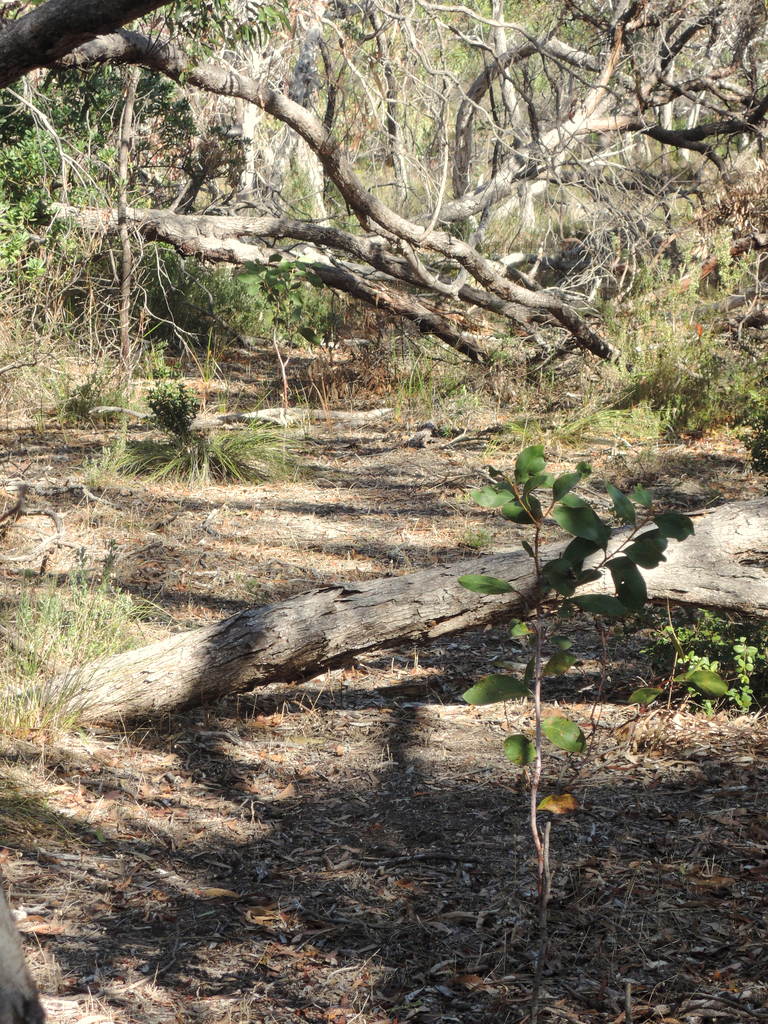
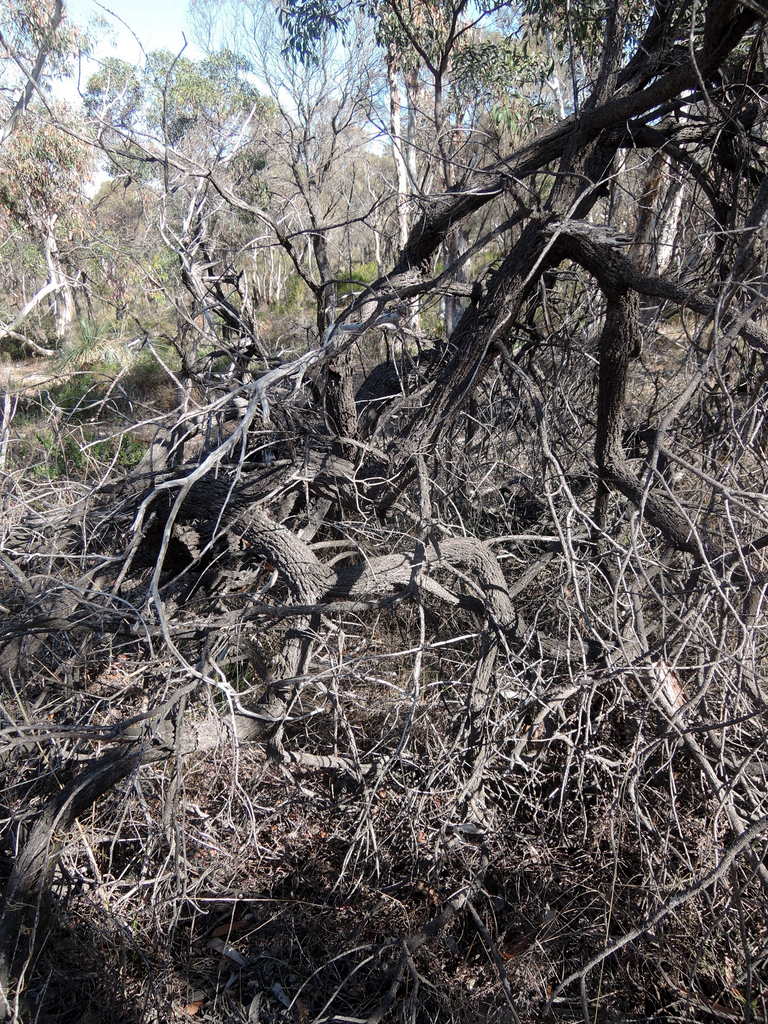
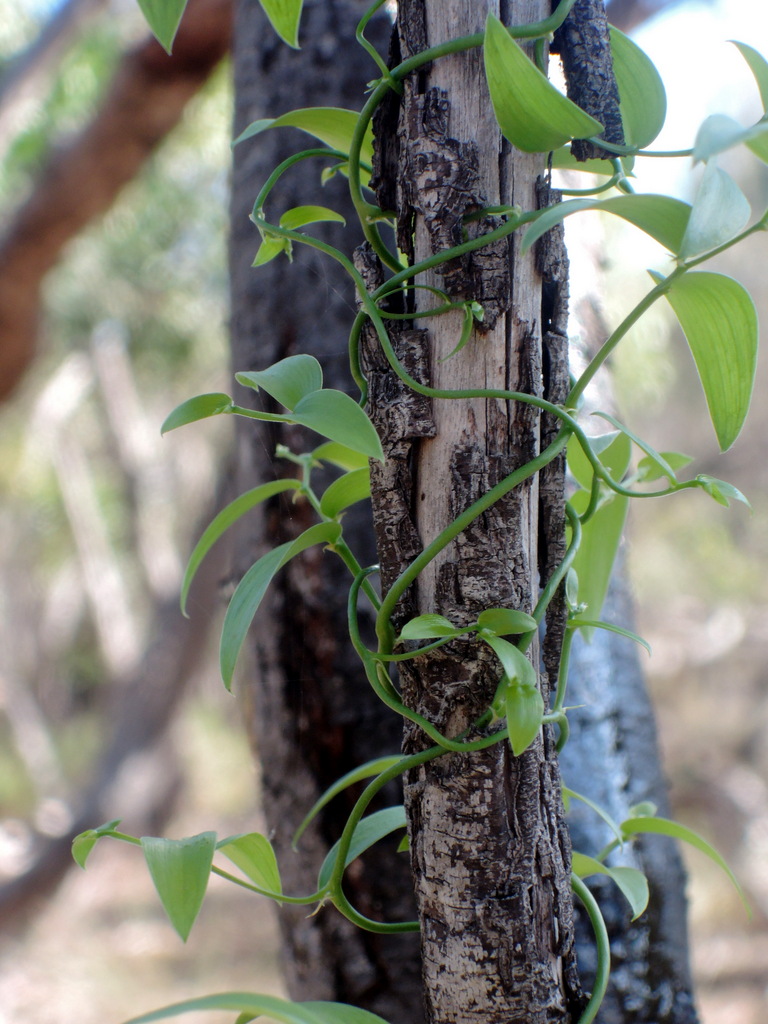
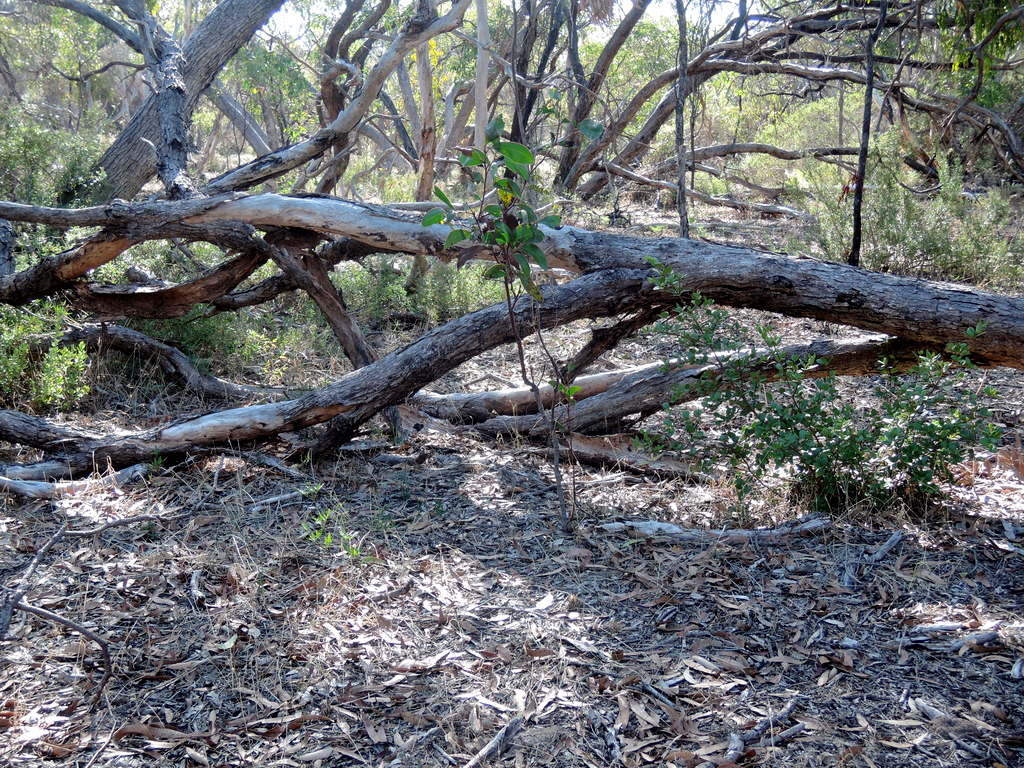
The pictures in this post are photographs I’ve taken over the years on my many visits to, and walks through, the Aldinga Scrub. Here you can see it in its many moods, its many seasons, its many tempers. I don’t know if my photographs can convey the wonder I felt as I took them, or the remembered sense of discovery I feel now when I return to them, but I hope that they convey, at least, the deep joy that my wandering has brought me.

That’s the thing, you see — noticing is both a humble and a joyful process. It’s a privilege to inhabit this kind of joy.

Snatched phrases (on hope)

‘It’s maybe why her mother took to walking, Tess thinks  as she clambers through thickets of ash, brown kurrajong, weeping fig.
When you’re walking the view shifts and changes.
Walking’s a form of hope.’

from ‘The World Without Us
by Mireille Juchau

When you're walking ...
When you’re walking …
... the view shifts and changes.
… the view shifts and changes.
Walking's a form of hope.
Walking’s a form of hope.

Where song begins

Other people’s words about … birdcalls

A bird calls with a sound like a pot being scraped,
and the moist air is cool on our skin.

from ‘The Collaborator
by Margaret Leroy

I love the way that worlds sometimes collide in the space of a few words. What kind of bird is Margaret Leroy describing here? I’m not sure: the characters in her book live on the Channel Islands during the Occupation in World War II — which is a long way from Australia.

And yet when I read her phrase, I thought instantly of our native red wattlebirds.

Wattlebirds (from a photo of a sheet of Earth Greetings wrapping paper: https://www.earthgreetings.com.au)
Wattlebirds
(from a photo of a sheet of Earth Greetings wrapping paper: https://www.earthgreetings.com.au)

Australian birds are known for their startlingly loud calls. In fact, biologist Tim Low has devoted a whole book to this theme. In Where Song Began, he proposes that Australian plants produce such an abundance of nectar that some birds — honeyeaters in particular, including wattlebirds — have evolved with strong aggressive tendencies, which enable them to fight over and defend their sources of nectar. Their loud, harsh calls are a part of that aggression. (You can find a brief summary of this argument here.)

I have struggled for years to come up with words to describe the calls that red wattlebirds make. They are a mixture of chuckles, coughs, clicks, screeches, rattles, squawks and whistles: you can hear a sample on the website Birds in Backyards, whichprovides a link to a recording on this factsheet. (Click on ‘Top 40 Bird Songs’ at the top of the factsheet, and then click on the ‘Soundfile’ for the red wattlebird, which is the fourteenth bird on the list. But turn your volume up first. Wattlebirds are very noisy.)

Wattlebird on a wire

The recording misses something, though, as do my words. Neither effort really conveys the sound of the wattlebird’s call accurately: somehow, Margaret Leroy’s words come closer.

Serendipity, perhaps? Now, whenever I hear a wattlebird call, I will think of these words.


Because

Other people’s words about … settlement

It is no wonder that most Adelaide inhabitants have little idea of what the pre-European vegetation of the Adelaide Plains looked like, because over vast swathes of suburbia, unless one knows exactly where to look, it is basically all gone and has been for over a hundred years. Add to this the interest in recent decades in planting Australian natives that may have been sourced from regions over a thousand kilometres away and there is little wonder that confusion exists about the identity of the truly indigenous plants of the Adelaide Plains.

from ‘The Native Plants of Adelaide
by Phil Bagust and Lynda Tout-Smith

One of my favourite places to spend time in is Aldinga, south of Adelaide, though I didn’t grow familiar with it until I was well into adulthood. When I was a child, Aldinga was still a little coastal country town within driving distance of Adelaide. City people spent their summer holidays there each year. That was all I knew about it.

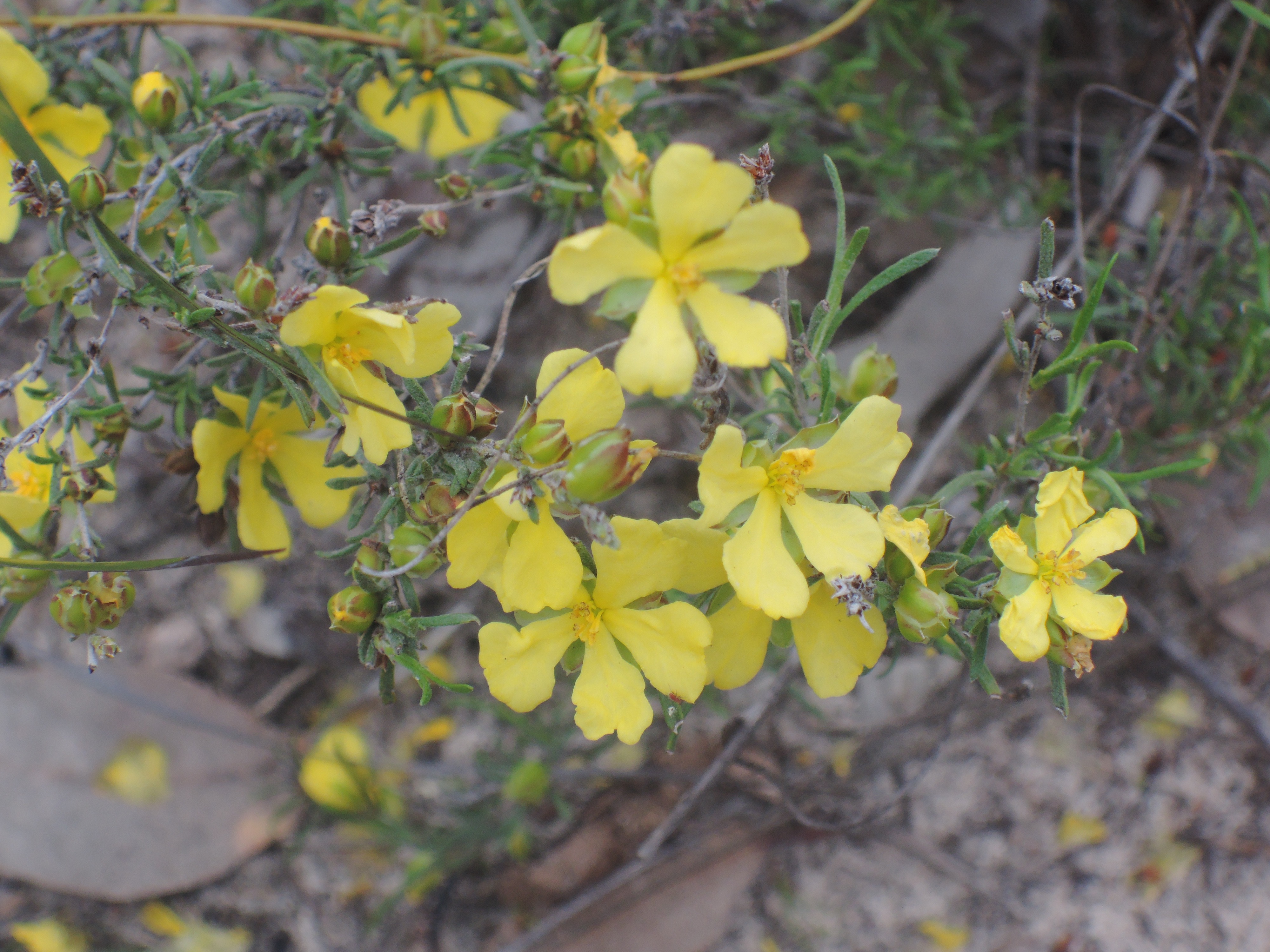
Guinea flower (hibbertia)
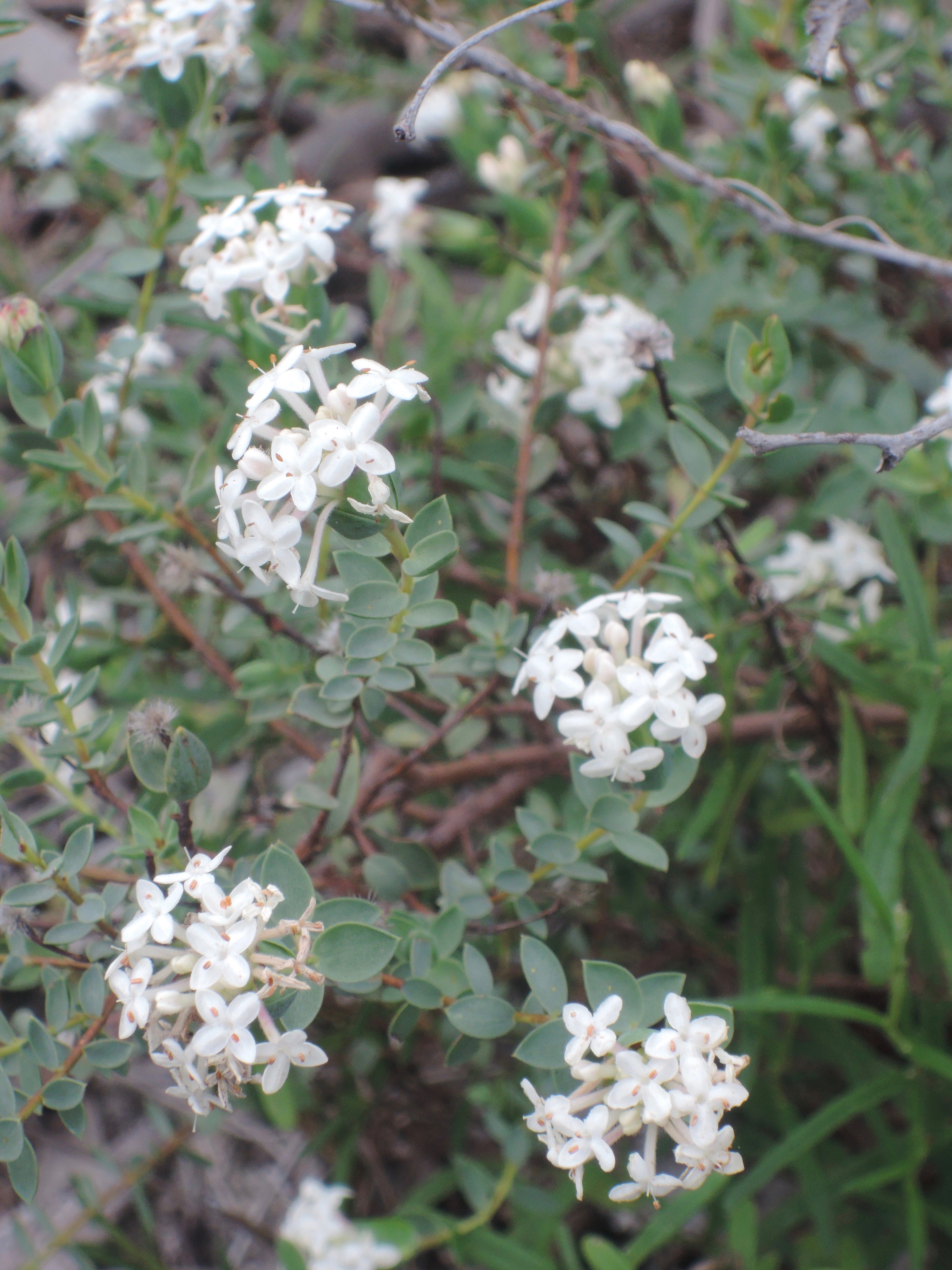
Smooth riceflower (pimelea glauca)

Aldinga isn’t a small country town anymore: over the years, it’s been swallowed up in the growing suburban sprawl — those vast swathes of suburbia — along the coast north and south of Adelaide. It’s no longer a holiday town, either. People travel farther afield these days for their holidays, mostly overseas. Many of the beach shacks have been knocked down, but some still stand.

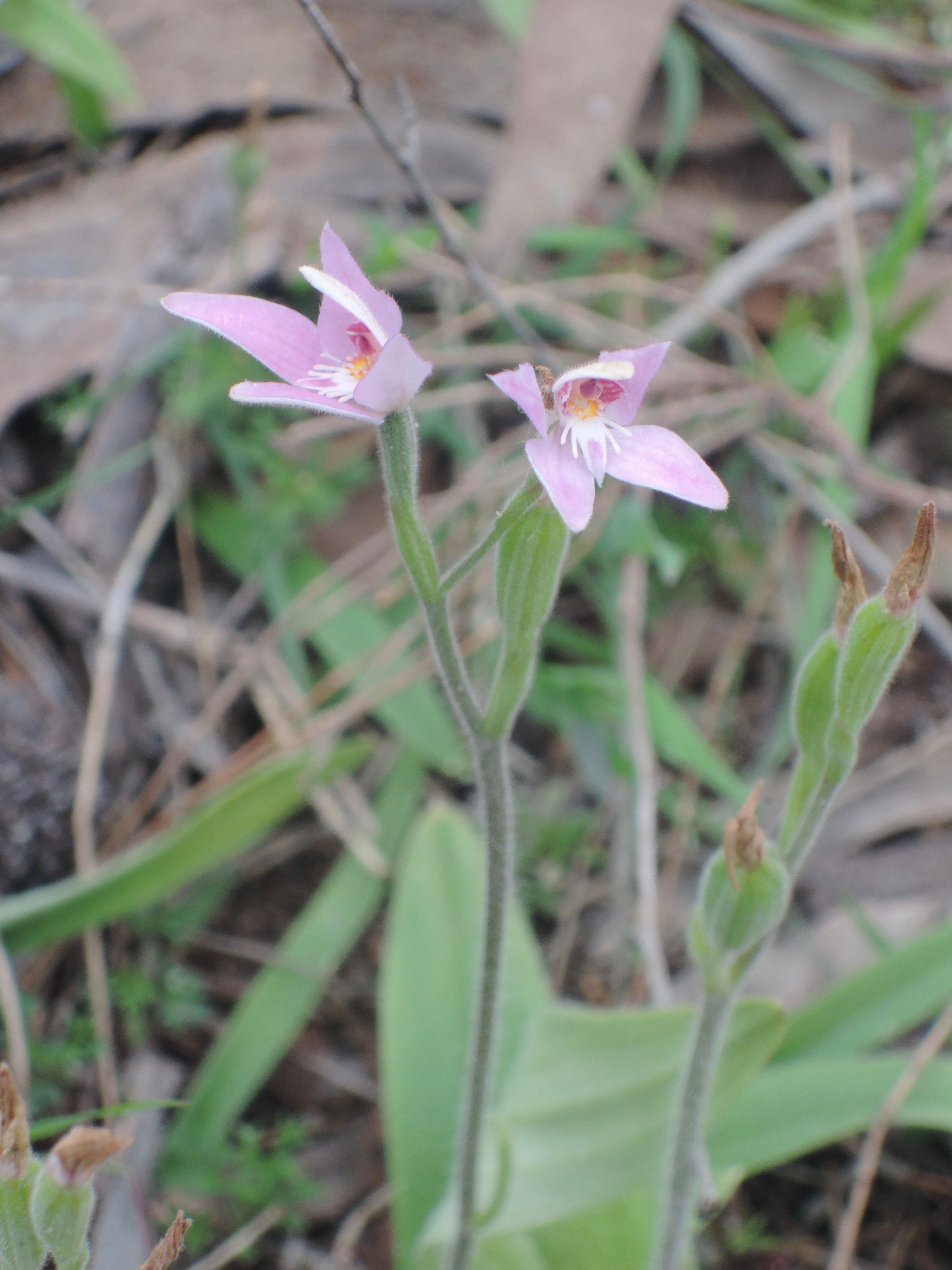
Pink fairy, a spider orchid (caladenia latifolia)
Old man's beard (clematis microphylla)
Old man’s beard (clematis microphylla)
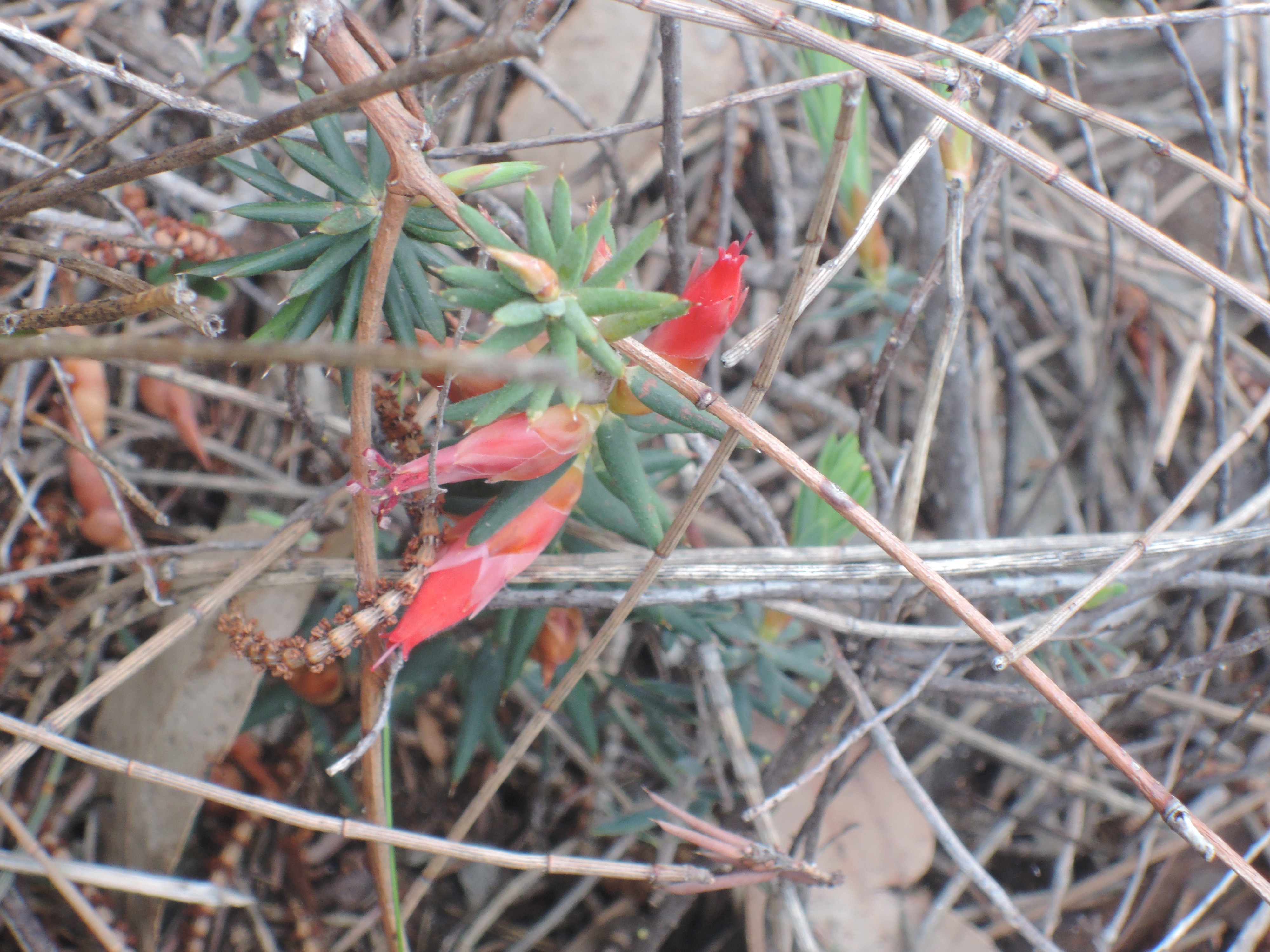
Flame heath (astraloma conostephioides)

Aldinga Scrub is a patch of native coastal vegetation growing just inland of the beach: an environment of dense, bushy vegetation growing on low sandy dunes. As a child, I didn’t even know of its existence, though now I try to make the effort to visit it as often as I can. It is, in fact, the only patch of remnant (pre-European) coastal vegetation left in South Australia. It’s not pristine — there are many weeds growing in it. The climate within the Scrub itself has changed, too, due to the diversion of natural stormwater by farmers onto encroaching farmland.

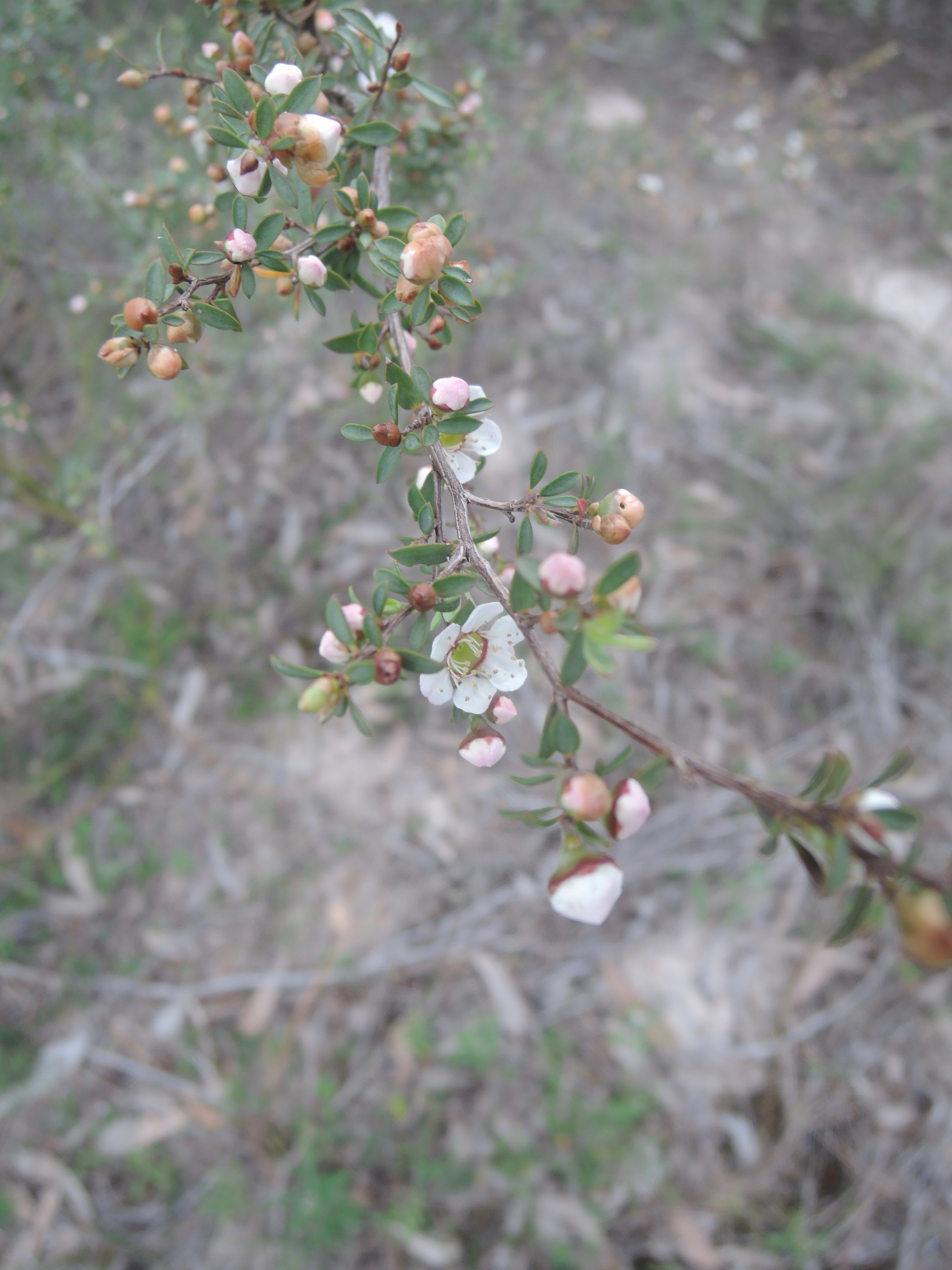
And yet, wandering through on a precious day off work — listening to the songs of the shrike-thrushes and whistlers and magpies and fantails; stumbling across a lone echidna trundling through the undergrowth; standing back to allow a kangaroo with a joey in her pouch bound past — I feel as though I get a hint of what the place was like before European settlement. Hence the photographs on today’s post, which I took on a visit in mid-September, as spring took hold of the Scrub.

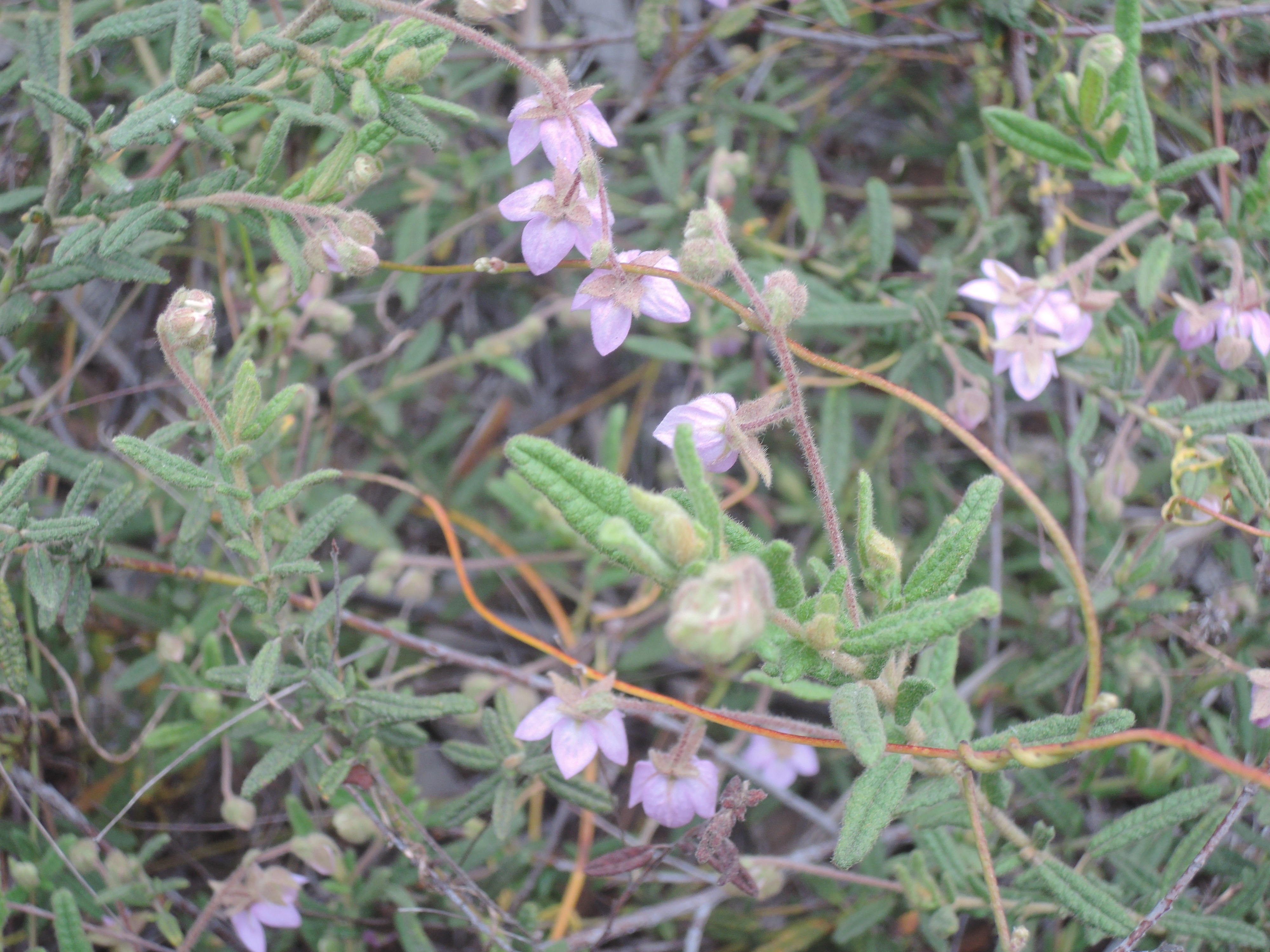
Paper-flower (thomasia petalocalyx)
Variable groundsel (senecio lotus)

I’ve never named the Scrub explicitly on my blog before, though I’ve posted many photographs from my visits to it. I feel fiercely protective of the place — because of its unique status; because I discovered it late in life; because I know that the more that humans like me encroach upon it, the more it disappears. Because, because, because.

Meanwhile, whenever I visit the Scrub, I continue to teach myself the names of the native birds and animals and plants and insects who inhabit it. I wander about, learning and wondering. I may never really know its original nature, but I plan to go on teaching myself about it until the day I die.

Gladness

On a windless, clouded afternoon at the end of May,
I go for another bushwalk.
I’m greeted at the start of my walk by one of my favourite native birds,
the kookaburra:

Its laughter echoes through the scrub for the first ten minutes of my walk.
Then comes magpie song:

A kangaroo regards me intently from afar.

The only bush in flower is one whose name I don’t know.
Its flowers grow in tiny, white clusters and smell sweet and rich, like honey.

It’s quiet in the bush,
and I, too, am quietly gladdened for my time there.

Autumn sun

April 2016

DSCN2689

In the Northern Hemisphere, they call it Indian summer:
a hot, dry start to Autumn.
That’s what we had here last month —
DSCN2675
— warm, sunny days.
Still nights.
No rain.
DSCN2696
In the bush,
dry twigs crackled beneath my feet,
and the odd flower bloomed.
DSCN2678
Winter stole closer,
like afternoon shadows
creeping across sandy ground.
DSCN2692