Chasing clouds

When the run does its work, I will become lost in its beating heart.
We run on.

From ‘Running with the Pack’
by Mark Rowlands

Today’s photos come from a run I went on in early September on a day when the first faint hint of spring was in the air.

I followed a path that wound through scrub and vineyards and wetlands and beach.

Somewhere along the path, an elderly couple were standing, leaning against a wooden fence. The man greeted me as I came closer, and called out, ‘Where have you come from? Where does this path lead to?’ And so I stopped to chat to them, describing how to get to the beach from where they were.

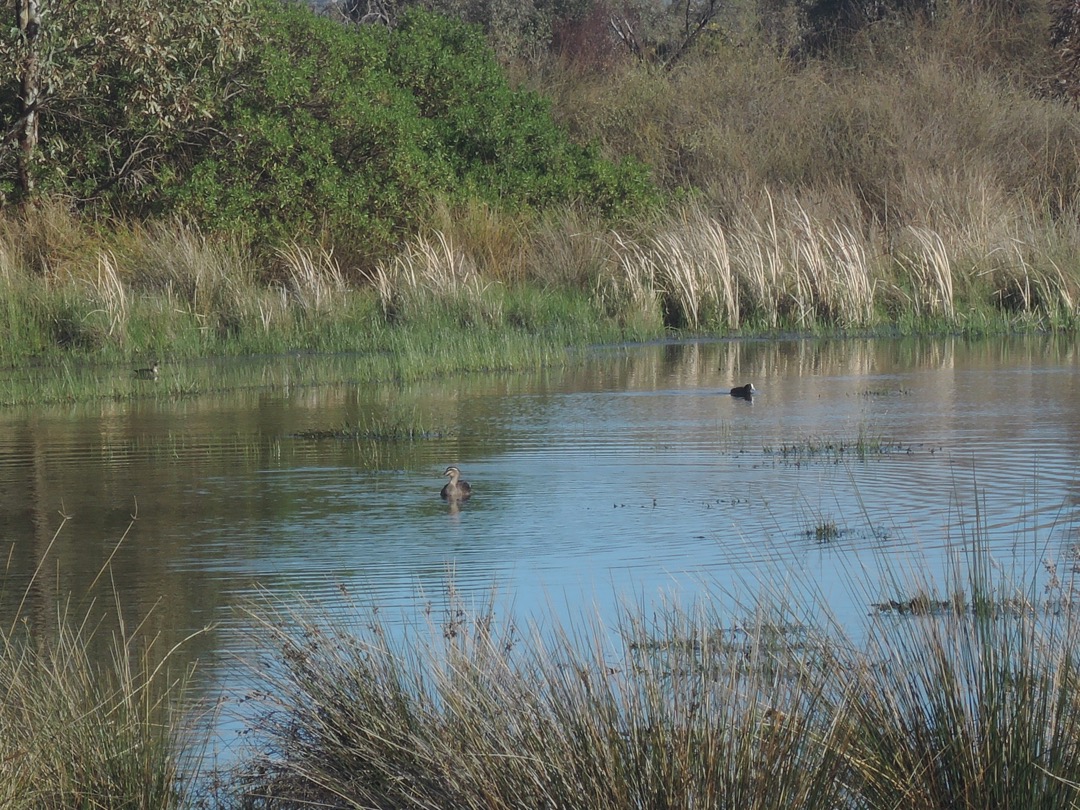
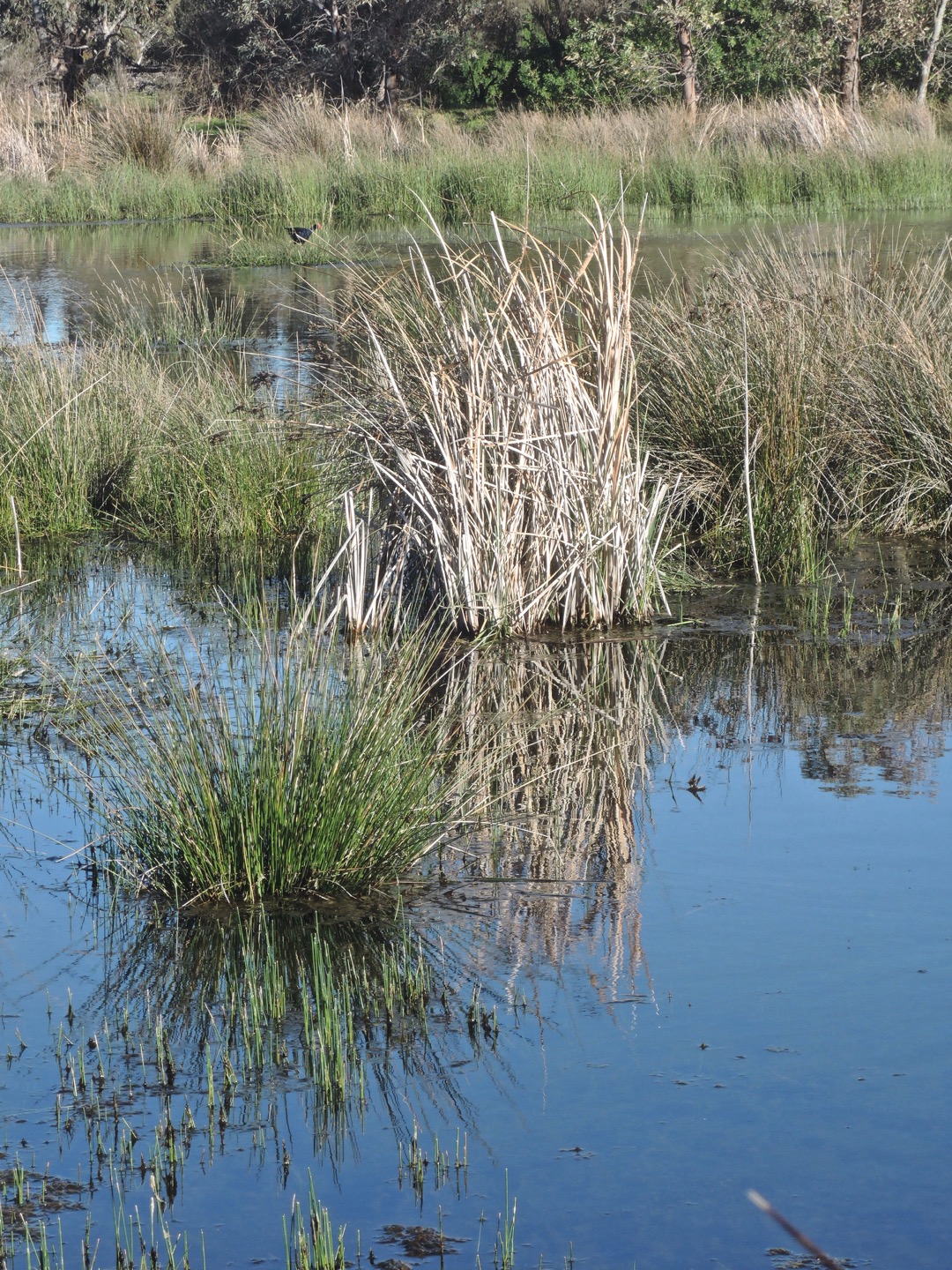
In the wetlands I pulled out my camera. The pictures show the landscape, but they don’t convey the sounds — frogs croaking, a hidden moorhen squawking wildly in amongst the reeds.

And they don’t convey the feeling of the sun on my skin, either: warm and sweet and new, the way the sun always feels in the first, early days of spring.

Out & about: spring flowers

‘When you’re walking the view shifts and changes.
Walking’s a form of hope.’

from ‘The World Without Us
by Mireille Juchau


I’ve just spent a week on holiday, during which I did a lot of walking.

Common (variegated) groundsel

I had planned to go running as much as I could, but due to illness, in the end I had to opt for a gentler form of movement.

Vanilla lily

And that turned out to be not such a bad thing.

Red parrot pea

The sun was gentle and soft most days, though the wind felt distinctly chilly. On a walk through Aldinga Scrub, I saw native flowers blossoming everywhere, in every colour: yellow, purple, orange, white, pink, blue.

Rice flowers

Paper flowers

Blue Grass Lily (Caesia calliantha)

Even the parts of plants that weren’t flowering seemed exotic and gorgeously coloured.

Twining vines (devil’s twine)

Crimson branches

Bees darted about, drinking nectar.

Bee on a coast beard heath plant (or a rice flower?)
with curling shoot

And though they’re not pictured here, roos observed me as I walked the sandy trail, while whistlers burbled hidden in the trees and a frogmouth boomed in the distance.

Yellow bush peas
(that’s what I call them, but apparently they’re called common eutaxia)

Spring has truly arrived.

Chasing clouds

Running affords the freedom of distance, coupled with the literary appeal of solitude. There’s a meditative cadence to the union of measured breaths and metered strides. Writers and runners both operate on linear planes,
and the running writer soon realises [that] the relationship between art and sport is a mutually beneficial one.’

From ‘Why Writers Run’
by Nick Ripatrazone
in The Atlantic

I’d heard about the connection between writing and running before — or at least about certain writers, like Joyce Carol Oates and Haruki Murakami, who run as well as write, and who believe that their running helps their writing. And I’d always understood the connection instinctively, though I don’t think I could have put it into words as Ripatrazone does (fairly baldly and glibly in some spots, it must be said) in his piece for The Atlantic, which I’ve quoted throughout this post.
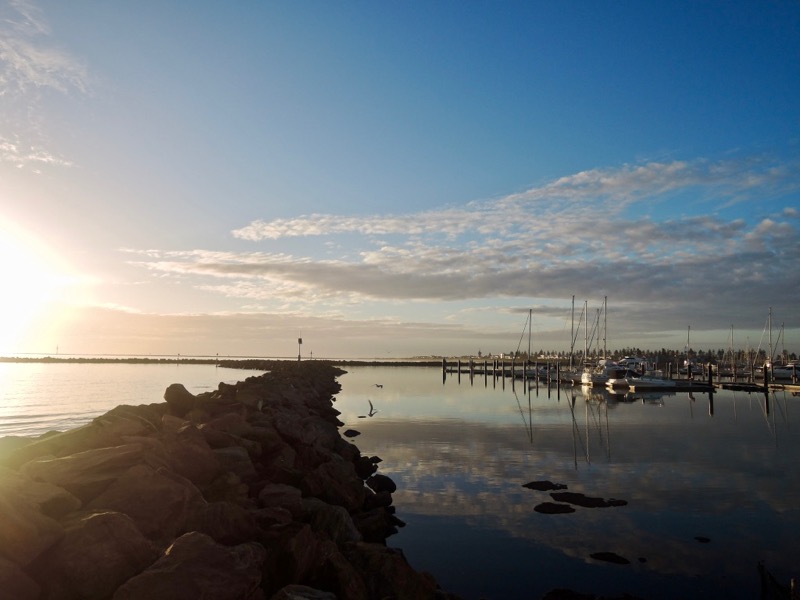
Running, the argument goes, clears the mind. Writers stuck on a sentence should lace their sneakers and go for a jog, knowing that when they return, they will be a bit sweatier, more tired, but often more charged to run with their words. This is Ripatrazone’s advice, at any rate.

While I would quibble with any shoulds when it comes to either running or writing — what works for some people won’t work for others; and one person’s meditative jog is another person’s sweaty, heart-pounding, back-spasming nightmare — Ripatrazone also has this to say, which I love:

Writing exists in that odd mental space between imagination and intellect, between the organic and the planned. Runners must learn to accept the same paradoxes, to realise that each individual run has its own narrative,
with twists and turns and strains.’
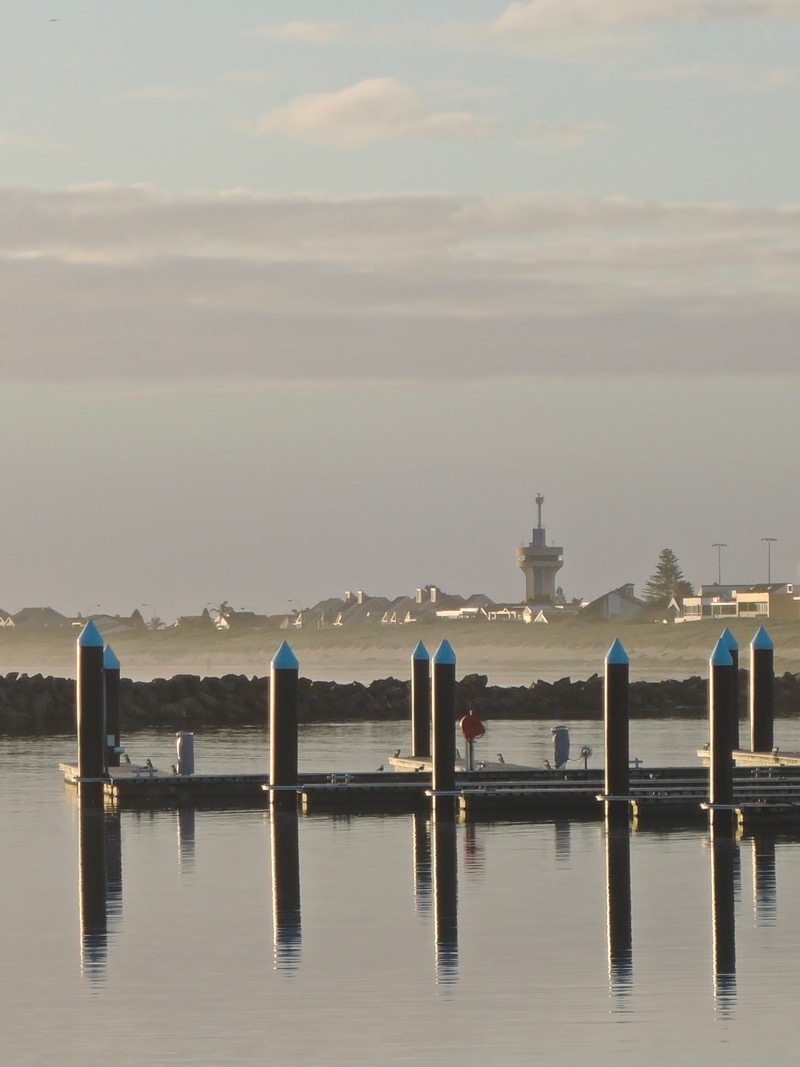
I’ve been struggling for some time to articulate why writing became such a tortured process for me over the last couple of years, and, equally, why I turned to running around this time with such joy. I knew that when I ran I felt a sense of clarity that I don’t otherwise feel; but still, I didn’t think the two things were connected — especially since, not long after I began to run again regularly, I made the decision to stop writing altogether, at least for now.

Now, though, reading Ripatrazone’s words, I wonder if it was that odd mental space … between the organic and the planned that running creates in me that allowed me to stop writing.

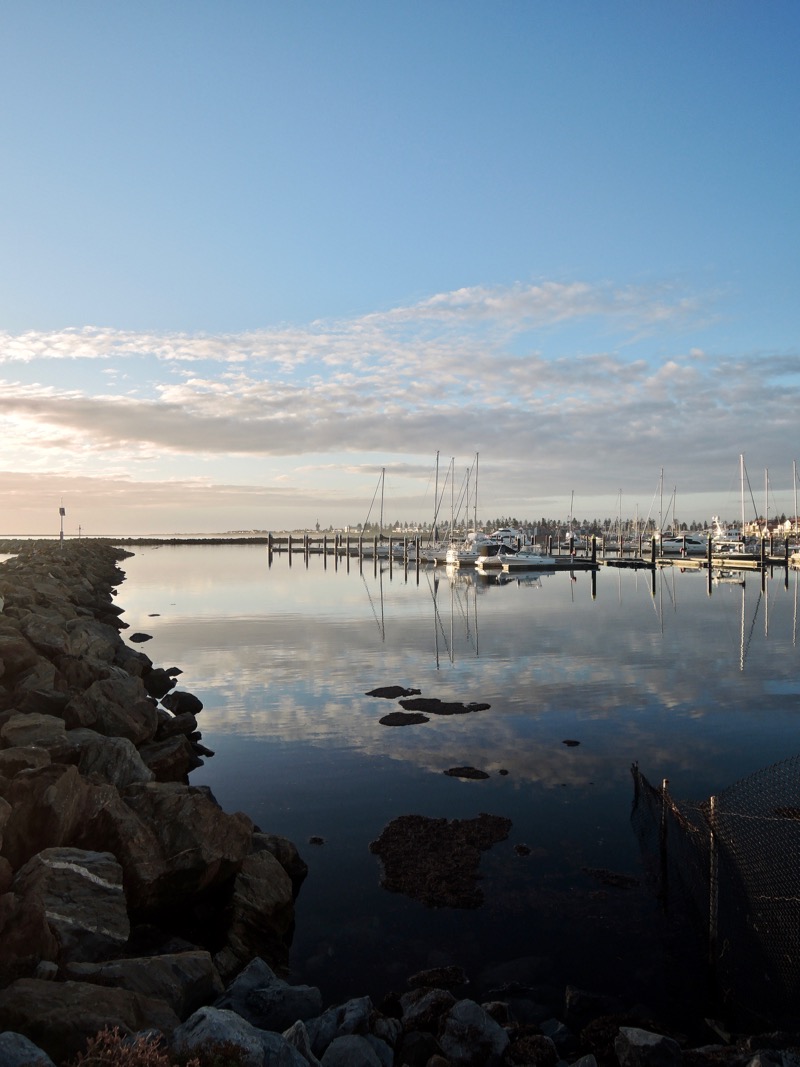
The only way I can explain this is to tell the story behind the pictures in today’s post, which I took on a short, gentle run in late July, after a particularly torrid day at work. I made it onto the beach before the sun set. Once there, I ran with the sun ahead of me rather than at my back. And at the halfway point, at the breakwater, I stopped.

I stopped.

I stopped.

I took these photos, and I breathed in, and I felt the lowering sun on my skin, and I felt everything inside of me, finally, stop.
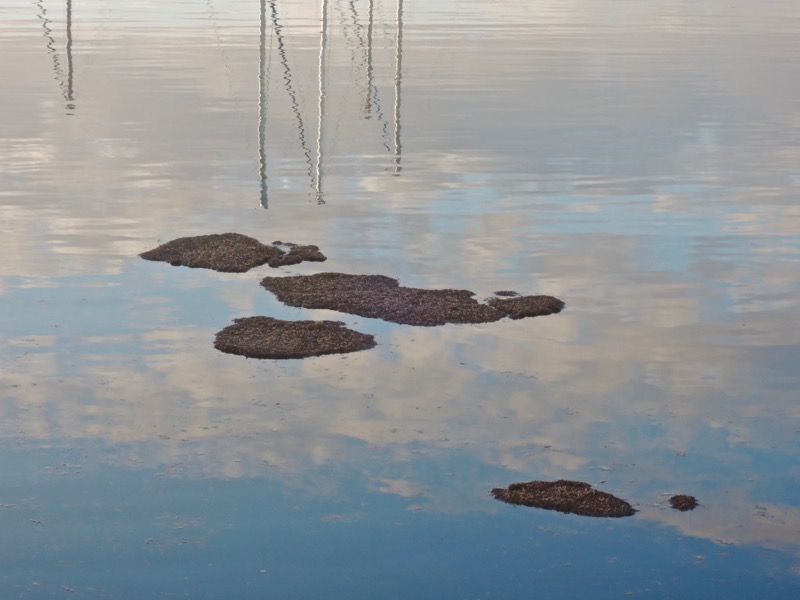
This, I think, is what running does for me: it allows me to stop. It brings me into a kind of stillness I don’t feel at any other time. Running, stopping, finding stillness: to say that these things are intimately connected with each other seems a contradiction in terms. But perhaps it’s not, because something shifted inside of me when I took up running again last year: I felt it almost immediately. That shift was what allowed me to stop writing, which was something — I see now — I had to do, in order to move forward in my life: and to move forward, also, in my writing (again, that contradiction in terms).

Perhaps, in the end, Ripatrazone puts it better than me — not in his clichéd injunction to writers to run in order to improve their writing, but in his description of the paradoxes that both writers and runners must face.

In any case, on the day that I’m speaking of, the day that I took these photos, once I had stopped for a while to breathe in, and to look about, and to rest, I knew that I was ready to move again. And so I turned and ran homewards, with the sun sinking into the sea behind me and the air gradually chilling, and a sense of stillness all about me, and also inside of me.

Deep, deep inside.

Chasing clouds

‘It took me years to see that path and to find my pace.
When I finally got moving, I hoped I might be able to run forever.’

From ‘The Long Run’
by Catriona Menzies-Pike

We’ve had an unusually dry, cold winter in South Australia this year — the driest, I heard recently, since the mid-1960s — and so the days in the last few weeks have been mostly clear and crisp. Global warming and environmental concerns aside, I love this weather.
And here’s a first — I have even grown to love the short days this year!

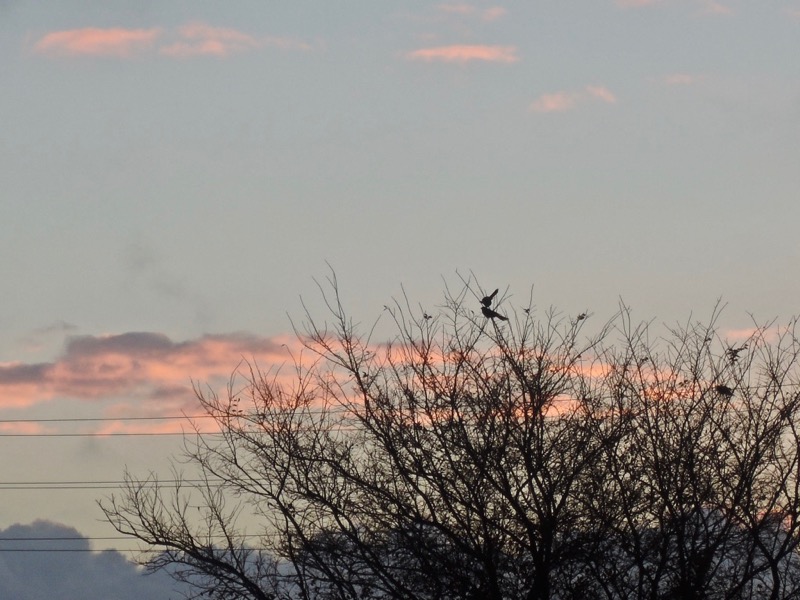
Sunrise, bird, tree.

Some mornings, I get up around 6 am, and go for a run before work, as the sun rises. Running before breakfast, I’ve discovered, is a completely different beast from running later in the day: sleepy and not yet well-fed, I run more slowly (which may not seem possible, but apparently is) but also somehow more smoothly. It is as though the calm of the night, the deep, rhythmic breathing of sleep, still hang over me. I feel light, buoyant, in my body and in my mind, as though I’m still moving through my dreams. My joints are loose and easy, and the exertion of the run seems somehow separate from me, not part of the dream I’m in.

Meanwhile, as I run along the esplanade path or by the shore, the sky grows rosy to the landward east; and the sea turns from silver, to grey, to blue, to the west; and the scent of the sand drifts up to me, filled with chill and damp; and sometimes a sliver of moon hangs above the tops of the pine trees lining the coast.

And I know that I’m awake. Alive. Grateful to be here.

Out and about: autumn

‘When you’re walking the view shifts and changes.
Walking’s a form of hope.’

from ‘The World Without Us
by Mireille Juchau


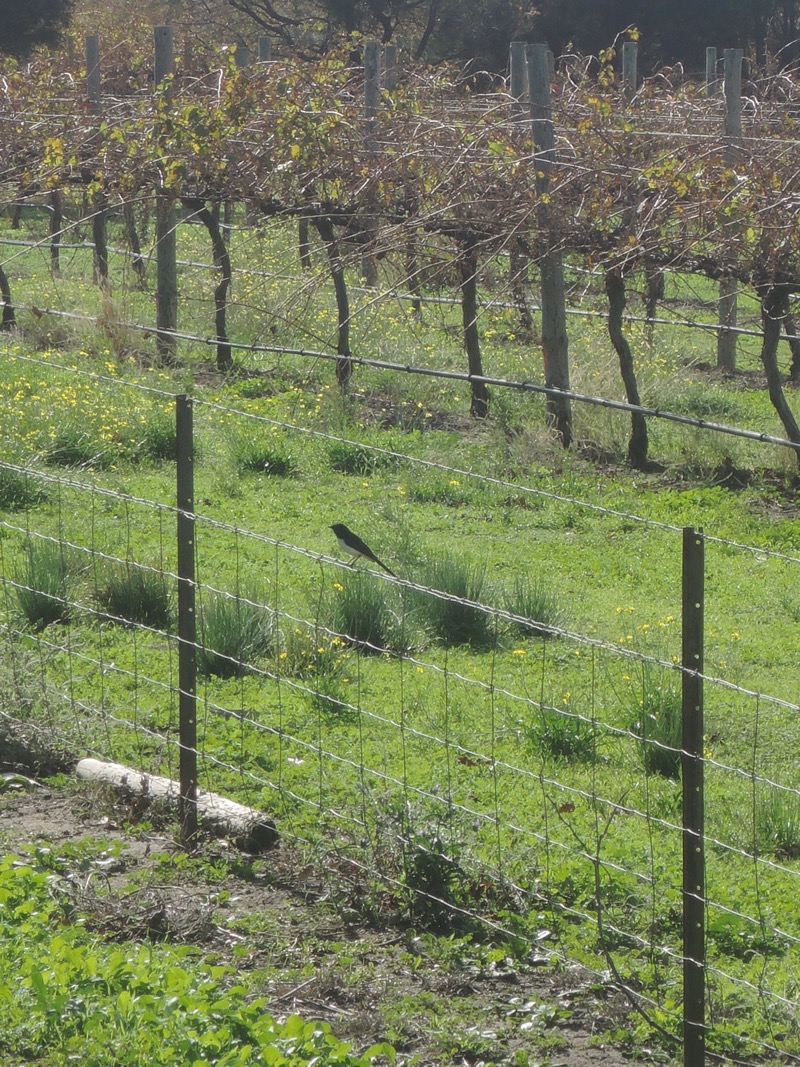
Autumn arrived in the vineyards in mid-May. One weekend in the last week of May or so, I spent some time walking near the Aldinga Scrub, on a track that skirts the wetlands, the Scrub, the vineyards and the farms.

It was one of those autumn days when the sky changes every moment that you look up at it, and with it the light. One moment the sky was blue and the grass shone bright and green; the next, the sun disappeared behind clouds, and the sky darkened, and the grass turned a pale, sombre green.

As I took the photos you see in this post, I became aware of stinging sensations at my ankles and wrists. There had been had rain overnight, and the ground was damp, though the temperature was mild. Mosquitoes were everywhere, biting, biting. I kept stopping to scratch: my ankles, my wrists, my hands. Still, it was peaceful and green.

Can you see the willy wagtail perched on the wire fencing in the photograph above? It darted about as I wandered the track, zigzagging and dipping and feinting, the way willy wagtails do. There were fairy wrens on the path, too, but I didn’t manage to capture them.

Next time, maybe … ?

One day

Other people’s words about … the sea

After lunch, as a reward for their fine behaviour, Nurse allowed them to bundle into coats and hats and bolt from a back door along a path that ran behind Mr Styles’s house to a private beach. A long arc of snow-dusted sand tilted down to the sea. Anna had been to the docks in winter, many times, but never to a beach. Miniature waves shrugged up under skins of ice that crackled when she stomped them. Seagulls screamed and dove in the riotous wind, their bellies stark white. The twins had brought along Buck Rogers ray guns, but the wind turned their shots and death throes into pantomime.

From ‘Manhattan Beach’
by Jennifer Egan

I have never been to a beach in the kind of winter that Jennifer Egan describes in the passage above. Many years ago, in Michigan, I walked across a frozen lake (and thereby learnt the meaning of the term ‘wind chill factor’), but that was a lake, not the ocean. I’d like to experience that wild, violent chill, just once in my life.

The beaches along the South Australian coast have their own seasons of peace and restlessness. Often, the early months of Autumn are times of softness and stillness, and this past April there were several days when the sea lay like blue, shining silk on a bed of sand.

As you can see from the photos in today’s post, which I took at the beach in the first week of April, the South Australian coastal world is utterly unlike Egan’s, but there is wildness at its essence, all the same.

Snatched phrases: stolen

‘[I] saw a squawking flash of cockatoos
go reeling and wheeling into the sky.
The soft secret underside of their wings,
so close, so tender.’

From ‘Skylarking’
by Kate Mildenhall


I was standing at the bus-stop the other day on my way to work when an odd commotion across the road caught my eye. A car had driven past, fast, and something had got caught up in the passage of its passing: something grey and small and warm and moving, something that gave the impression of flight, of flurrying. I wasn’t sure what it was at first, although subconsciously I registered feathers, but after the car had sped past, I saw that it was a small bird. In my memory I replayed what had just happened and this time, in my mind, I saw it: the bird had swooped down from the branch of a tree overlooking the street, but somehow it had mistimed its dive, and so it had got caught up in the passage of the car. Got hit, is what I mean.

The dove — that’s what it was, I saw: one of those spotted turtle doves with the iridescent sheen on their neck and the rash of white spots over a patch of purest black — had landed, after its collision with the car, on the ground in the middle of the far lane. Now the wind was playing with its feathers a little, and I saw the dove try get up on its legs but then fall back down again. It was young, not quite fully grown. I glanced around me, at my fellow commuters waiting at the bus-stop, but though I saw people looking, though I saw them seeing what I was seeing, no-one moved.

And so I ran out onto the road before the next car came past and crouched down beside the dove. I looked down at it, hesitating, and then I whispered to it, because I felt I should, I’m just going to pick you up and get you out of the way of all these cars; and then I reached for it and clasped it between my hands. I could feel its heart beating inside my two hands, and the warmth beneath its feathers, and I could feel it trying to gather itself and flap its wings to free itself from me; it didn’t want me to hold it, not at all. But it was too small or injured to shrug itself free and so I held it gently and lifted it and crossed to the far side of the road, opposite the bus-stop, and then I set it down on the footpath, there out of reach of the traffic.

Once I had put the dove down I crouched down beside it a moment on the footpath, watching it. I said to the bird, You’re safe now, and then it blinked — only it wasn’t a blink, not really. Its eyelid came down far too slowly, like a shutter, in a kind of world-weary exhaustion; and then its eyelid opened again, also too slowly. I could swear it had let out a little sigh as it blinked, although birds don’t sigh, do they? After that, it went utterly still. When I glanced across the road at the bus-stop, no-one was looking my way anymore; everyone was busy with their phones and their handbags and their earbuds. After a moment I stood up and walked back across the road and waited with them at the bus-stop. Five minutes later the bus arrived, and still no-one had spoken, and still the bird hadn’t moved from the place where I had set it to rest on the footpath.

I thought as I sat on the bus that the dove had died: that perhaps the shock of me lifting it up had added a final trauma to its day and its heart had stopped right then, as I crouched by it on the footpath and whispered to it, trying to comfort it. I thought about that all the way to work, and then I tried not to think about it anymore.

Doves are a dime a dozen, and there was nothing more I could have done, I guess, but still I felt sad. It was the intimacy of that moment, I think: feeling the secret beat of the dove’s heart between my hands, the warmth of its soft chest against my palm. I felt, perhaps, the way the narrator does in the passage above, as she observes the cockatoos in the sky, seeing the soft secret underside of their wings. It was the stolen, fleeting nature of the moment between the dove and me, tinged further with the thought that I hadn’t helped, and maybe — just maybe — I had made the dove’s last moments worse, not better.

When I got off at the bus-stop that evening, on my way home from work, I saw to my surprise and my slow delight that the body of the bird wasn’t there as I had expected it to be, cold and long dead. There were no feathers there, either, no signs of blood or injury or scuffle.

And I think now — I truly think — that when I set down the bird on the footpath and it let out that terrible not-sigh, it was in shock, but it was essentially uninjured; and so afterwards — after it had recovered from its shock — it got up and it flew away to safety.

That’s what I think.

Out and about: at lunch

‘When you’re walking the view shifts and changes.
Walking’s a form of hope.’

from ‘The World Without Us
by Mireille Juchau


I haven’t done an out and about post for a while, so I thought it was time. I recently quit my job at the call centre in order to concentrate on my work as an editor, where my workplace is in the city centre …

… which means that my lunch-break strolls haven’t stopped, but they have certainly changed.

It’s easy to be tempted by shops when you work in town (books! clothes! books!), but the other day, on a late lunch break, I headed north towards the river as I left my office, rather than south towards the shops.

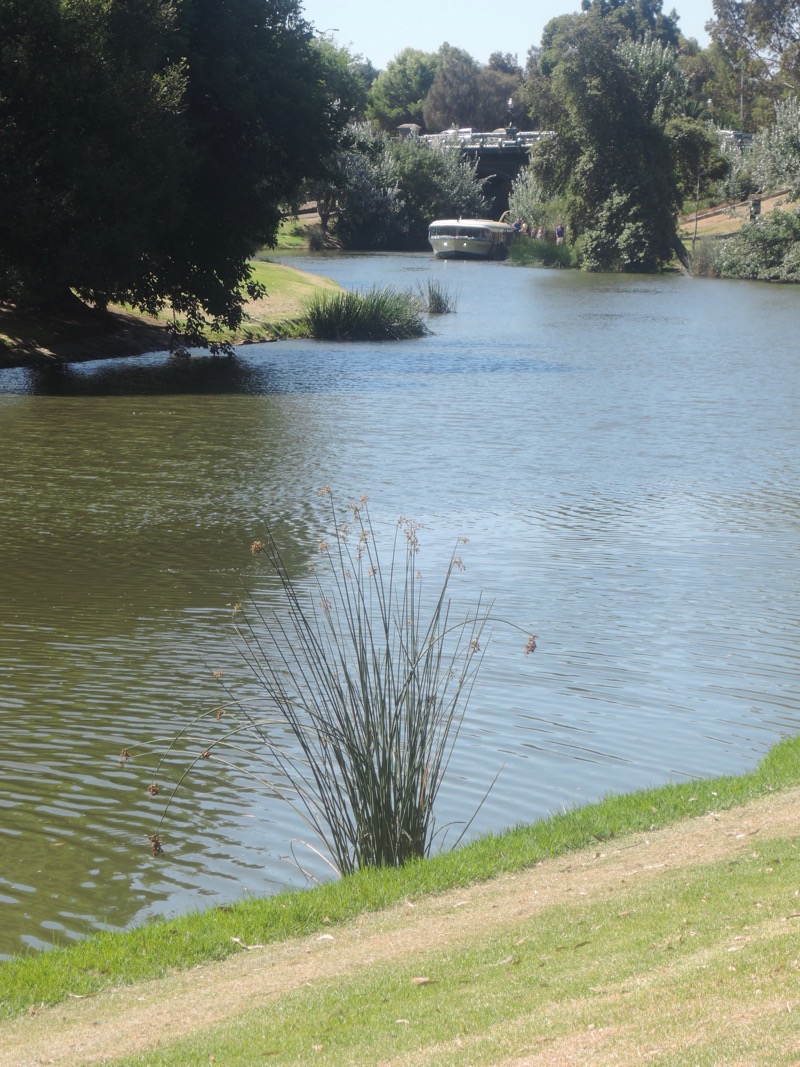
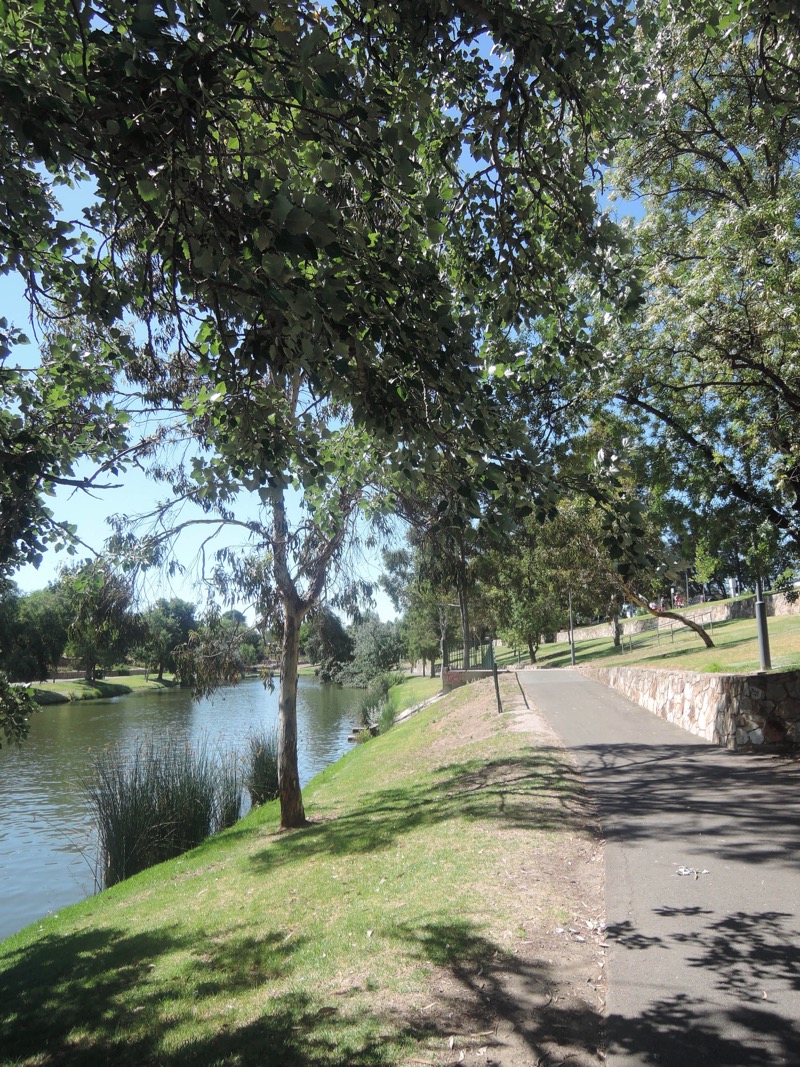
Five minutes north of my office is the River Torrens — the perfect place for a lunchtime stroll.

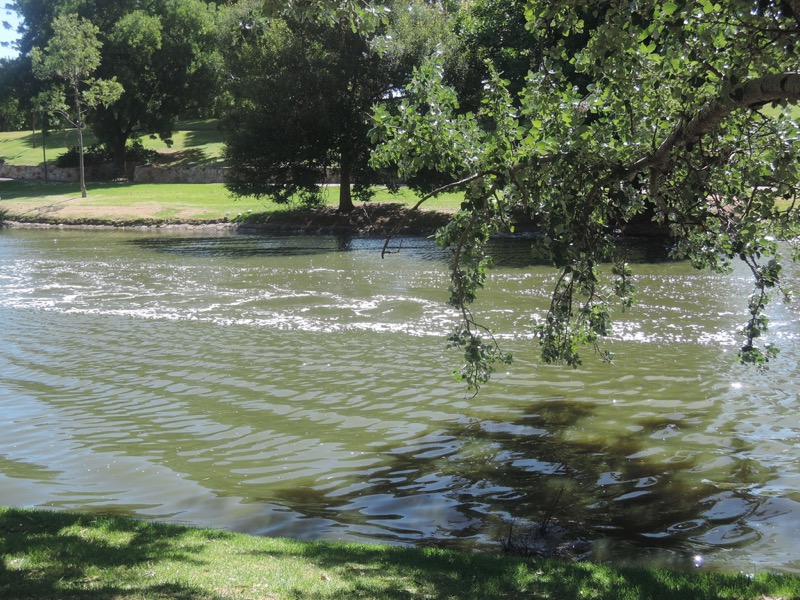
This particular day was one of those lovely January days, as I hope my photos on this post demonstrate: warm and sunny, with soft blue skies and a gentle breeze ruffling the water …

… There were ducks and moorhens paddling about, and the grass, which had been recently mown, smelt dry but sweet.

January is one of my favourite months of the year, as far as the seasons go. It’s usually sunny, and though the days are mostly warm, the temperatures rarely rise to stifling. It’s the ideal month for strolling, walking and wandering.

I plan to come back to the river in my lunch break again soon …

Snatched phrases on … birds

‘It was eluding her again: the essence of bird.’

From ‘Nest
by Inga Simpson

I love this sentence. Jen, the protagonist of Nest, is an artist, and in this passage she is trying to draw a fairy wren.

I’m not an artist; in fact, I’m spectacularly untalented when it comes to drawing. But I know the feeling of trying to capture — in a photograph, perhaps, or in conversation, or in writing — what you see when you see a bird. To say that a bird flies, or that it sings, or that it is beautiful is true, but those descriptions come nowhere near to capturing what a bird really is, or how it makes you feel.

The essence of bird. Perhaps it will always elude me, as it does Jen. Perhaps that’s part of the fascination.