‘If he put his feet in to the water here at the beach in Jarmuli,
he was dipping them in the universe.’
From ‘Sleeping on Jupiter’
by Anuradha Roy

(tales from the birdgirl)

From ‘Sleeping on Jupiter’
by Anuradha Roy

From ‘The Violet Hour: Great Writers at the End‘
by Katie Roiphe
Forgive me, but I’ve pulled Roiphe’s words out of context here. She is talking, specifically, about death: her fear of it, and her admiration of the way others face it. I don’t have the same preoccupation with death — or not yet, anyway: not in my mid-forties. I like to hope I have some way to go before it crosses my path.
Still, sometimes I think that fear is the great equaliser. Maybe you get through the terror because you have to get through the terror, Roiphe writes. It’s the same with all great fears, isn’t it?

Grace, acceptance, resilience, surrender — these are all things I’ve touched on before on this blog (here, for example, and here). May they come to you, too, in your moments of greatest fear: may they be your companions along the way.

Do the anxiety. Then leave it there. This is our challenge.
from ‘First, We Make the Beast Beautiful: A New Story about Anxiety‘
by Sarah Wilson
Simple words, huh? They apply to all manner of ills, I think — not just anxiety. They are about staying in the present: doing the hard stuff when it comes up, not questioning it or agonising over it … and then leaving it behind and moving on.
There are no solutions to anxiety out there, Wilson argues further on: no cures or fixes. So you just do it …
… and then you leave it.
This makes great sense to me.


Today’s photos? They’re from one of my latest bushwalks, a couple of weeks ago: mid-March. It was a still, grey afternoon, and when I first began to walk, the colours seemed drab, and the birdsong was muted, and the air felt unkind and cold.
But as I wandered on, I began to see a few flowers despite the greyness, and I came upon a kangaroo, which stiffened at my bumbling approach and then bounded away. I heard the sea murmur somewhere through and beyond the thicket of trees, and a magpie began to carol, low and soft.
I had done my day, and I had left it there, and things were fine. Just fine.

As Paul and I were cresting the last hill, as I was squinting into the darkening woods to make out the path, a couple of deer lifted their heads at once and differentiated themselves from the trees.
We stared at them, and they at us, for a full thirty seconds without moving. They multiplied as we looked at them. There were three at first, then there were four, then there were five. They were the exact color of the bark and leaves –- gray brown –- but the skin around their eyes was red. I felt the breeze on their backs lift the braid from my chest and set it down over my shoulder.
‘They’re going to get us,’ Paul whispered. He reached for my hand.
‘They’re a herd,’ I reminded him. ‘They’re afraid of us.’
Two more appeared. Paul shivered.
From ‘History of Wolves‘
by Emily Fridlund
There are many places I like to go bushwalking in, but one of my favourites is the Aldinga Scrub. When I walk there, particularly at certain times of the day, I am always conscious that I might encounter a roo or too. There are traces of them throughout the Scrub.


Sometimes a kangaroo appears before me in plain sight — in a clearing in a patch of sunlight, enjoying the last rays of the sun, joey in pouch.

But sometimes there are roos in front of me all the time, without my even realising it. I don’t know what alerts me to them then. It might be the faintest rustle in the leaves around me, or a slight movement — an ear-twitch, perhaps. Sometimes a sense comes over me, simply: a dawning awareness that I am not alone any more, that I am being watched, and regarded, and assessed.

Kangaroos are not naturally aggressive towards humans, as far as I know, or not during encounters like this. But still, like all wild animals, they are protective of each other and of their young. And so, when I come across a roo or two (or more) in this way — when they differentiate themselves from the bushes around them, as Linda, the narrator in the passage above, beautifully puts it — I make sure to stop and take one or two steps back. I let the kangaroos know I’m not a threat. We regard each other a while, creature to creature, acknowledging each other. It’s not fear I feel then, like Paul, the little boy in the quote above: it’s respect.
And then I move on, leaving them to their world, re-entering my own.

When I was about fourteen or so, I studied a poem in school by David Campbell, called ‘On the Birth of a Son‘. It was a sonnet, and I didn’t know much about sonnets, except that Shakespeare wrote a lot of them. It never occurred to me that a contemporary poet might write one.
This sonnet by David Campbell has stayed in my mind ever since. It remains one of my favourite poems. Here it is, in its entirety:
The day the boy was born, the wall fell down
That flanks our garden. There’s an espaliered pear,
And then the wall I laboured with such care,
Such sweat and foresight, locking stone with stone,
To build. Well, it’s just a wall, but it’s my own,
I built it. Sitting in a garden chair
With flowers against the wall, it’s good to stare
Inwards. But now some freak of wind has blown
and tumbled it across the lawn — a sign
Perhaps. Indeed, when first I saw the boy,
I thought, he’s humble now, but wait a few
Years and we’ll see! — out following a line
Not of our choice at all. And then with joy
I looked beyond the stones and saw the view.
On the face of it, this poem is about becoming a parent — the fears new parents have; the limitations parenthood imposes on their lives; the unexpected, unsettling joys it rewards them with. So it might seem strange that Campbell’s words have always resonated with me, though I have chosen, deliberately, never to become a parent.
But that’s the thing about great poems: they are universal. They manage to strike a chord in different people at different times for different reasons.

For myself, every time I read this poem I am moved by the contrast the poet makes between the act of looking inward — at his safe, pretty, cosy life — and the act of looking up, out, to glimpse a view of the world, and his life, beyond.

The view beyond. Recently, I went on a holiday in Yorke Peninsula. I returned to one of my favourite spots, following a long, undulating, unpaved road to get there — one that is corrugated and dotted with puddle-holes, dusty with sand stirred up by other passing vehicles, and lined with dense thickets of bush where brown snakes lie coiled, sleeping.
Each day I passed my time the way I always pass my time there. Each day I woke to the same view.

But it is a spectacular view: of open skies, of wide seas, of sprawling cliffs and rolling sand dunes. It is a view of a life beyond the life I normally lead. It is a view that sets me free.
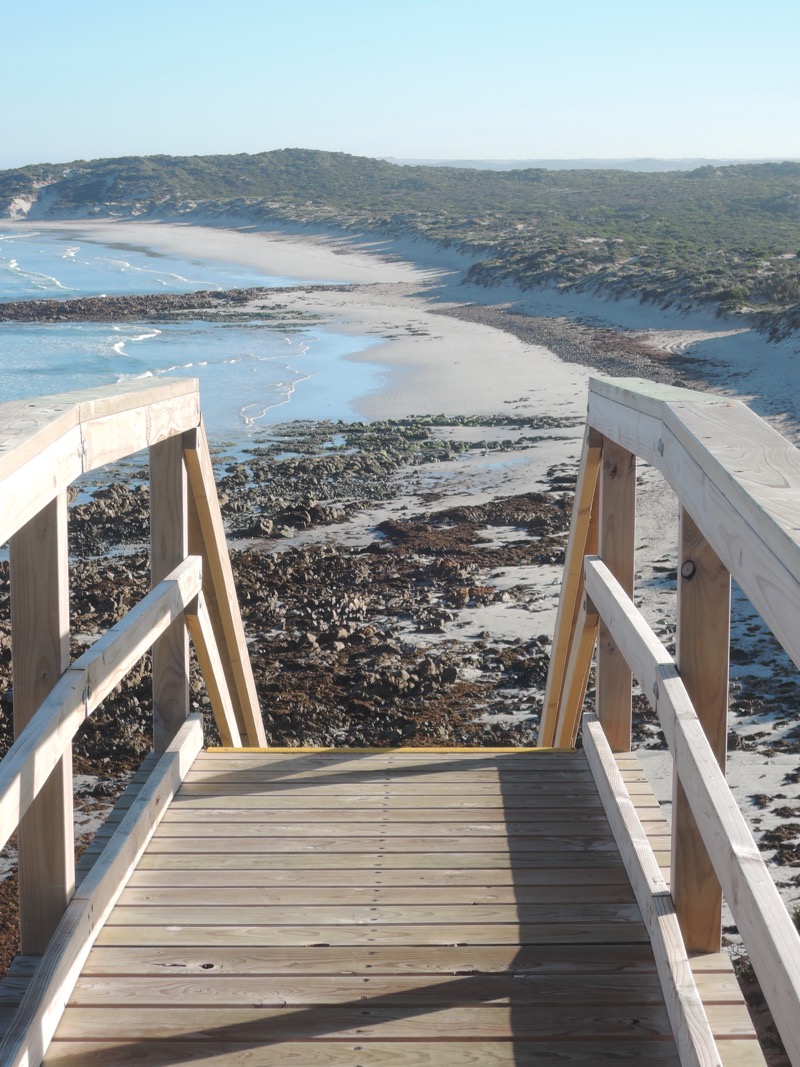
I live a small life: small things give me pleasure. I consider myself, mostly, lucky to be able to live this way. And yet it’s good to escape from time to time: to look up and out and beyond.
And to see, again, the beautiful view.
Notes

She had told herself more than once not to call it loneliness, since it wasn’t any different from one year to the next, it was just how her body felt, like hungry or tired, except it was always there, always the same. Now and again she had distracted herself from it for a while. And it always came back and felt worse.
from ‘Lila‘
by Marilynne Robinson
A couple of years ago, I began to experience recurrent bouts of unexplained nausea. The waves of sickness came every three or four weeks, and left me feeling depleted and frustrated. My symptoms of illness were made more difficult by the fear that accompanied them: a fear that I’ve touched on here and here, and will no doubt touch on again.
In her memoir Slipstream, Elizabeth Jane Howard mentions in passing a phase in her life, when she was a young woman, during which she experienced something like this.
In those days, I had bouts of being unable to eat that sometimes lasted for weeks. This seemed to be one of them. I was very tired from my illness, but encouragement to build up my strength by these kindly people was of no avail. I’d sit before an immense juicy steak and delicious salad, trying to swallow the first pieces of meat, my stomach heaving, and wanting to cry from embarrassment. ‘I’m so sorry. I don’t eat much,’ I had to say.
It was my mother who, just recently, introduced me to Slipstream. When I read the passage above, I wished that Howard was still alive, so that I could write to her and thank her for these words. It helps, when you are going through difficult times, or when you are experiencing something troubling and bewildering for which you yourself have no words, to read someone else’s words on the same thing. Here is Howard again:
I had no energy for writing, I didn’t like living alone, and I could hardly drag myself to the office every other week to earn the six pounds that barely kept the wolf from the door … I remember the misery of sitting in restaurants faced with enormous menus and finally asking for something like a piece of cold chicken only some of which I managed to force down.
During the worst phase of my own bouts of nausea, I felt my life began to fold in on itself. Although I wasn’t ill all the time — although there were days and weeks when I felt well: days, even, when I felt as though I’d never feel sick again — those bouts took a toll on me. I called in sick at work frequently, and worried about the consequences. (Would I be put on a performance plan? Would I get sacked? What if I couldn’t hold my job down anymore? How would I live with myself if I couldn’t make a living?) I worried about my social life. (What if I lost all my friends because I kept cancelling on them at the last moment? What if they didn’t believe me when I told them I was sick? What if they thought I was just neurotic, or antisocial?) And I fretted about people in my family, whom I wanted to see more frequently than I did. (Did they know I still loved them? Did my absence hurt them? Were they, too, judging me?) I began to feel disabled on all fronts — by my symptoms of illness, by my fear of those symptoms, and by my shame about my fear.
The sickness happens less often now, I am glad to say, though it still comes, accompanied by symptoms that feel worse than they sound: fatigue, headaches, nausea, heavy eyes, weak limbs. I am as yet to find a cause. In the meantime, when I do experience bouts of illness like this, I try not to let myself feel the way I felt during that worst phase. Isolated is one word that comes to mind to describe the way I felt. Lonely is another.
And here is where reading helps. Reading Howard’s words I feel a sense of kinship. The kinship makes me reflect, as I so often do, that writing is an act of sharing, and that sometimes — sometimes — reading can feel like a defence against loneliness.
♦
It wasn’t until I read Toni Bernhard’s How to Live Well with Chronic Pain and Illness that it finally became clear to me that illness — whether it’s serious or mild, whether it’s intermittent or constant, whether it’s accompanied by fear or not — is, inherently, lonely. Experienced long-term, it is all the more so. Bernhard, who lives with a fatigue-related chronic illness that keeps her largely bedridden, is illuminating on the theme. She writes:
In these moments when I accept that some of the people I know may never understand what life with chronic illness is like for me, I’m able to let go of the painful longing and fruitless desire for them to behave as I want them to. It’s like putting down a heavy load because I’m finally giving up a fight I cannot win. This gives rise to equanimity –- that calm sense of peace and well-being with my life as it is, whether others understand it or not.
Read those sentences again: Some of the people I know may never understand. Those words go to the heart of loneliness. So do these: painful longing. Fruitless desire. Illness should not entail any of these kinds of feelings, but it does. It is a very lonely experience. (If you are experiencing illness-related loneliness, I highly recommend Bernhard’s book. Her words are both wise and comforting. They may even impart a sense of kinship.)
The main character in Marilynne Robinson’s book, from which I quoted at the top of this post, is lonely in another way. Lila’s loneliness is the result of poverty and an extreme lack of love in her upbringing, and her experience of it is utterly embodied. I’ve never heard loneliness described this way before, but I find the interpretation as enlightening as Bernhard’s. Loneliness, Robinson is saying, is a physical — a visceral — thing. It is as much a part of living as hunger and fatigue; it is with us from our first breath to our last. Like illness, it is a part of the cycle of being alive in this world.

Perhaps the difficulty we have with loneliness, then, is not so much with its actual presence, nor with its cause — whatever that may be — as it is with the way we experience it and interpret it. I find this thought strangely consoling.
Is it possible to feel consolation and loneliness simultaneously? Probably — but it’s much harder.
Note:
There are a number of bloggers who write about their experience of living with serious or long-term illness. Here is where the blogging community comes into its own! Two bloggers whose frank, clear-sighted words on illness I particularly admire are Elana Amsterdam of Elana’s Pantry, who lives with Multiple Sclerosis and writes about managing her illness through a grain-free diet and a low-stress lifestyle, and Ali Feller from Ali on the Run, a passionate runner who blogs about living (and running) with Crohn’s Disease.

Andrew Wylie and Sarah Chalfant continued to treat me as a writer until eventually I became one again.
from the ‘Acknowledgments’ section
in ‘Aftermath‘
by Rachel Cusk
There is a ritual I always follow when I first pick up a new book to read. Before I begin to read it, I flick to the end to see how many pages it is. I like to know the length of the book I’m about to read, so that as I’m reading it, I know exactly how far I am through. It’s a way of measuring the pace of the story, perhaps: a way, too, of pacing myself and measuring my mood as I read. Sometimes, also, I admit, it’s a way of determining whether I’ll keep reading the book to its end. (If I’m bored and I’m not even a third of the way through, I stop. Life is so short and the library has so many books, it’s not worth spending time struggling through one I’m not enjoying!)
Once I’ve done that, I like to read the ‘About the Author’ section. I look at the author photo and check out their biography. Are they an academic? Is this their first book? How old are they? What do they like to reveal about themselves? Do they stick solely to their writing history, or do they mention their family, their loved ones, their hobbies? Do they write full-time, or do they have another job that pays for the privilege of writing? Maybe reading about the author is a way of trying to find some kind of connection. Reading is better, in my experience, when you feel connected in some ways — to the characters, certainly, but also, at least for me, to the author.
Next, I look at the list of the author’s previous publications, near the front of the book. I look at the copyright page, to see the date of publication. And then, finally, I read the acknowledgments. I love to see who the author thanks in their acknowledgments, and in what order, and whether their acknowledgments are formal or perfunctory (or both), or informal and long-winded and meandering. Sometimes there is a hint of how the author felt as they wrote the book — whether the writing of it was a joyful process or whether they were filled with troubles and doubt as they wrote.
There is an art to writing good acknowledgments, I think. If the author says too much — gushing about how wonderful the writing process was, or moaning about how difficult it became — they embarrass themselves. If the author says too little, the words are meaningless. Sometimes — unfairly, no doubt — I am so swayed by my reaction to the acknowledgments that I have already decided whether I love or hate the book before I’ve even read the book itself.
Rachel Cusk’s acknowledgments for Aftermath are of average length; the writing of them is neither perfunctory nor over the top. There is no hint of whining in them, and yet the sentence I’ve quoted above hints — subtly, I think, and poignantly — at serious writerly doubt. Once I’d read that sentence, I was determined to read the book all the way through, no matter how difficult I found it. Cusk, in those few words, had won me over.
They continued to treat me as a writer until eventually I became one again. That might be one of the most grateful sentences I’ve ever read from a writer. Gratitude, graciousness, humility — these are qualities I admire in others and aspire to myself. A writer who can write a sentence like that is, simply, the kind of writer whose books I want to read.

Note:
Some readers may remember that I published an earlier version of this post by mistake, before I had finished writing it — a version I subsequently (and very hastily) deleted when I realised my mistake! This is the finished version, finally …

from ‘The World Without Us‘
by Mireille Juchau

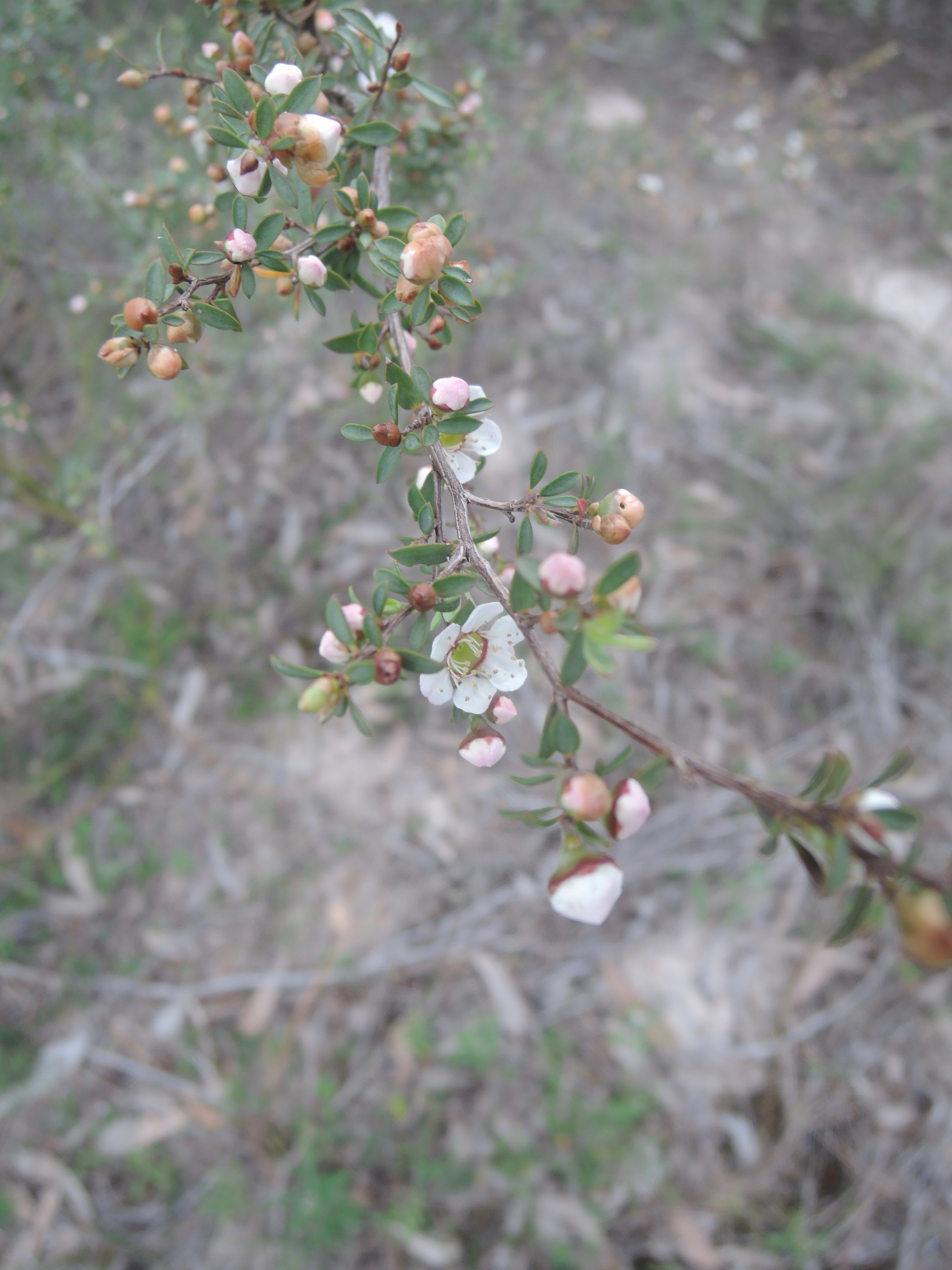


Merry Christmas, everyone.
May your holiday be filled with joy,
and also with serenity and tranquillity.
Rebecca xo


Recently, I spent a weekend in Perth, Western Australia, celebrating a friend’s fiftieth birthday.
Read that sentence again. It doesn’t sound like much, does it? I hopped onto a plane in Adelaide on Friday afternoon, and arrived in Perth two hours later; I rented a small, sunlit apartment in West Perth for two nights; and then late on Sunday afternoon, I hopped onto another plane and flew back to Adelaide. This is the kind of thing people do all the time, if they can afford to. It’s what people call a ‘holiday’, a ‘break’.
And this trip was both of those things, and for me, that seems a little like a miracle.

In my twenties, I spent over two years travelling and living overseas: waitressing in London, volunteering on an archaeology dig in Texas, working in a factory and then an ice cream shop in Germany, and, in my last year, teaching English in Cairo and Jakarta. I was a well-seasoned traveller by any standards. By that age, I had already had emetophobia — a fear of nausea and vomiting, which I have mentioned in passing on this blog before (here, for example) — for over fifteen years. It caused the odd anxiety attack, but nothing else. It certainly didn’t stop me from my travels.
But then, in my late thirties, something happened. Something — some edifice of bravery or stability or spontaneity inside of me — crumbled. For some reason, I began to feel queasy and nauseated more often, and so, because of the emetophobia, I began to feel anxious more often. The sickness and the anxiety always accompanied each other: sometimes it was hard to tell which came first. (This is the emetophobe’s eternal dilemma: Do I feel anxious because I am nauseous? Or do I feel I nauseous because I am anxious?)
My illness and anxiety seemed to be magnified when I travelled interstate or overseas. They became even worse if I was travelling in the company of people I loved, people I really wanted to travel with. I booked rash, non-refundable trips to visit my dearest friends who live interstate — Perth, New South Wales — and then cancelled my bookings, losing all the money I’d spent in the process. I planned holidays in Portugal and New York, with family, with friends, with people I loved, and then I cancelled those trips, too. I wanted to go on those trips, but I felt that I couldn’t.
In the end, I stopped going on holidays anywhere beyond the state borders of South Australia.
I just stopped.

Fear of holidays is a very strange fear to have. Adelaide author Elisa Black is one of the few people who understand it:
The anxiety during this trip was so intense that it is almost too much to remember, no matter how hard I try. I know I thought I was going crazy. I know I was exhausted …
Constant dread, that is what I felt … What I wanted was to not feel this way, to be normal, but if that wasn’t possible then I wanted to crawl into a hole where I could be safe, where everything could be controlled …
from ‘The Anxiety Book‘
by Elisa Black
Those phrases: constant dread, and I wanted to crawl into a hole where I could be safe. They say it all. For me, they speak to a form of social anxiety. For many years, I have been ashamed of my phobia. What is there to fear about vomiting? And so, when I get nauseous, and the nausea triggers my anxiety, I am also flooded with feelings of shame. I try to act ‘normally’ during the course of an attack of nausea, but my terror and my shame impair my performance. (Note that word, with all its implications: ‘performance’.)
What I long for when I am nauseous is to be alone. I long for some kind of sanctuary.

Fear of holidays and travel is one thing. But then, too, there’s the fear of flying.
Winter in Adelaide this year has been very stormy. We have had one of the rainiest winters ever recorded; we have had statewide power cuts; we have had floods. It is spring now, and yet winter still hovers and menaces. The night before I left for Perth, there was another storm, and when I went to walk my dog the following morning, I saw that branches from the pine trees that line the esplanade by the beach had come down, barring our path over the dunes.
It did not seem a very auspicious day for flying. All that wind! All that turbulence! I wondered — I truly wondered — if I could get on the plane and fly to Perth as I’d promised.
Oddly, I am not actually afraid of the act of flying itself: unlike many anxious fliers, I don’t fear plane crashes or hijacking. I once knew a woman who feared flying because she had a fear of sharks, but I don’t share this particular terror. My fear is, I think, more like a form of claustrophobia: it is a fear of becoming nauseated and thus anxious whilst I am trapped inside a machine, way up in the air, with no escape. I am not very good at staying still when I am anxious about being sick. I do not lie down, as most people do when they feel unwell: I go outside; I pace; I tremble; I sob melodramatically; I run away. I do not like to be witnessed or contained. An aeroplane is, unfortunately, the perfect vessel of witness and containment.
Scott Stossel shares my fear:
For instance, the fear of vomiting … makes me afraid of travel because I’m afraid I’ll vomit far from home. It makes me afraid of flying not for the conventional reason that I’m afraid that the plane will crash, although I also have that, but I’m afraid I’ll get motion sick and get nauseous … The horrible kind of self-fulfilling vicious cycle of emetophobia is that if you’re prone to acute anxiety and nervousness, as I am, it often manifests itself with stomach symptoms.
from an interview on NPR with Scott Stossel
author of ‘My Age of Anxiety‘
6 January 2014
At first glance, today’s post might seem to be all about fear. Yet here I am, back from a wonderful weekend in Perth, despite all my fears.
So what I am writing about today is, in fact, celebration. Forgive me if it seems solipsistic, but this is about me breaking a pattern. It’s about me, stepping onto a plane; me, flying; me, not getting ill while I was on holiday as I’d feared (though I did get anxious). It’s about me being able to do something I’ve wanted to do for a long, long time. It is about some part of me being restored after all these years: rebuilt. Not recovered, exactly: I am still emetophobic; I still have a funny tummy; I am still anxious; I still find recovery, from both illness and anxiety, a problematic concept.
Most of all, what I am writing about today is hope.

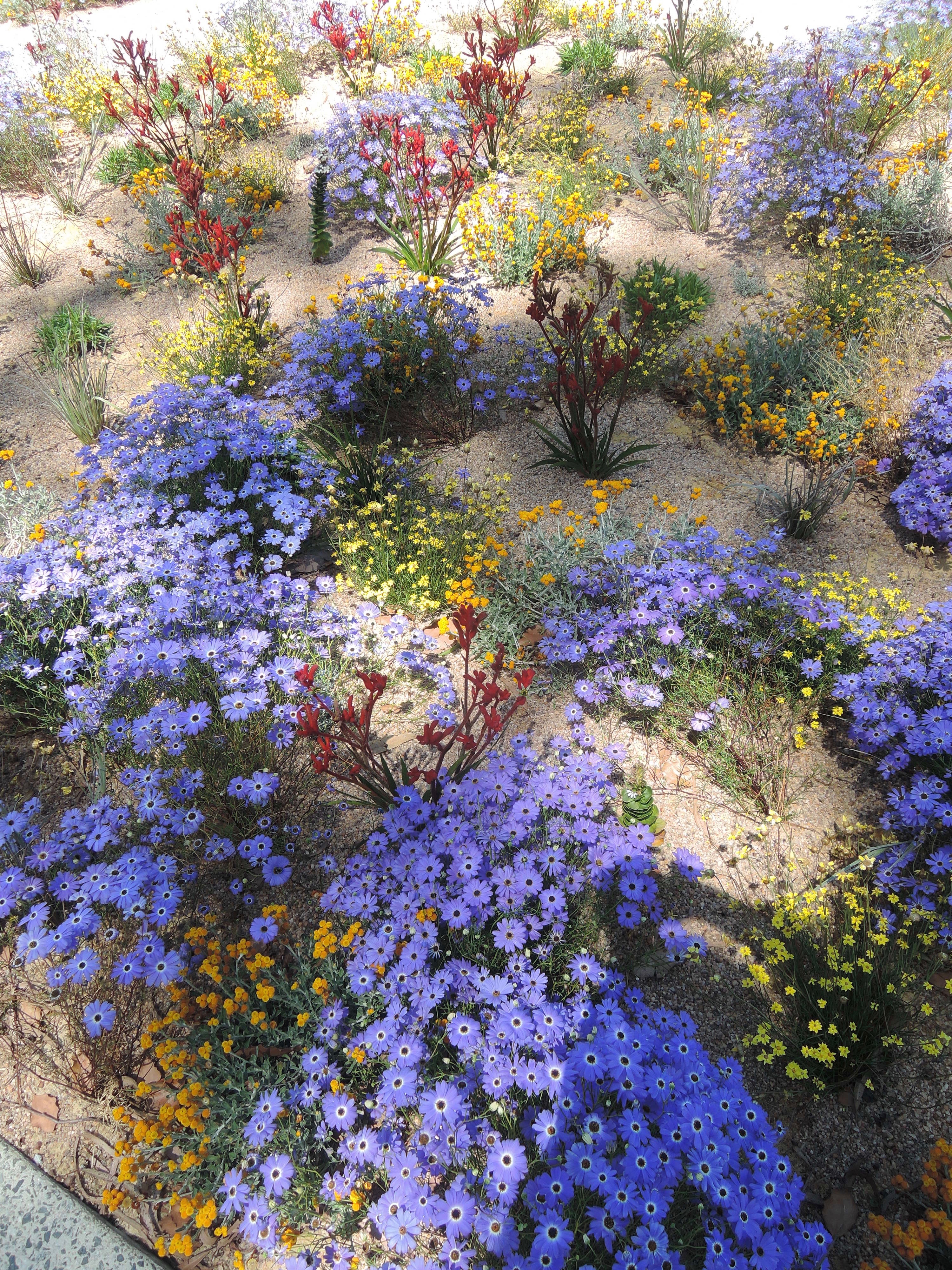
By the way, if you should ever choose to holiday in Perth, you must visit Kings Park, where most of the photos on today’s post were taken. It is a beautiful place: a kind of sanctuary, if you like. Take a picnic there with you, or a book; go for a wander with friends.
Enjoy your time there. Celebrate it. Allow yourself to feel restored.

And, wherever you are today, whatever you are doing right now, breathe. Smile. Wonder.
Hope.

 twenty-one words