When the water runs dry

Other people’s words about … drought

Many years ago, when I was in my twenties and travelling overseas, my American boyfriend took me back home to meet his family and friends in Michigan. We had been living for the previous few months in Cairo, that famous desert city, and to begin with we had, like all Westerners, drunk bottled water, fearing that the local water might make us sick. But we didn’t have much money and we had read that the municipal water in Cairo was safe to drink, even for Westerners, and so after a few weeks we had transitioned to drinking tap water. Neither of us had become sick as a result, but the Cairo water was so heavily chlorinated (presumably to make it safe to drink) that even I, hailing from Adelaide, found it hard to stomach.

In my home town, the tap water was similarly heavily chlorinated — so heavily, in fact, that it was said that aeroplanes, landing in Adelaide to refuel, didn’t refill with local water. How apocryphal this story is, I am not sure, but in any case, back in Cairo my boyfriend and I had taken to adding Tang to our water to take the taste of chlorine away. When I think of Cairo now, I still think of the taste of the water we drank in our last few weeks there, tangy with artificial orange flavour. How it sat in your belly afterwards like a stone. It was in Cairo, not Adelaide, that I came to understand the meaning of the term hard water.

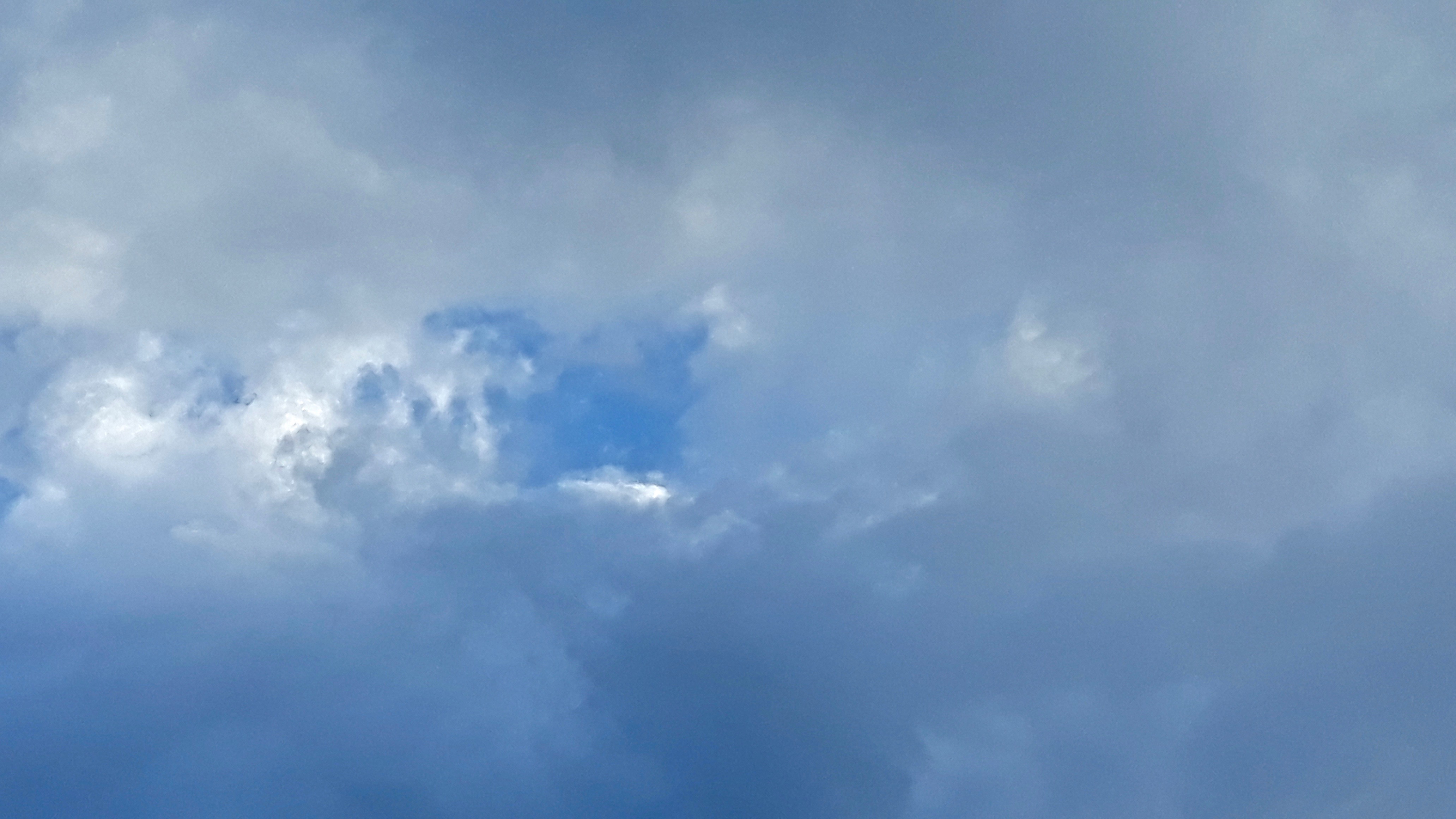
Clouds but no rain, Aldinga Beach, May 2025.

The narrator in Madeleine Watt’s quietly devastating novel Elegy, Southwest, Eloise, is a young Australian woman, twenty-nine years old in the present day, which makes her, I guess, a Millennial. And yet when I read the passage I’ve quoted above I thought of myself, most decidedly a Gen X-er, and my own reactions to water scarcity when I was travelling in the nineties. In Michigan, when my boyfriend left the tap running as he brushed his teeth, when his mother washed the dishes under a running tap, I struggled to swallow back my protests.

‘We’re surrounded by the Great Lakes,’ my boyfriend said, teasing me. ‘We’re hardly experiencing water scarcity.’

But my response to the sight of running water was instinctive, fundamental. Water was a precious resource. You didn’t waste it. You just didn’t.
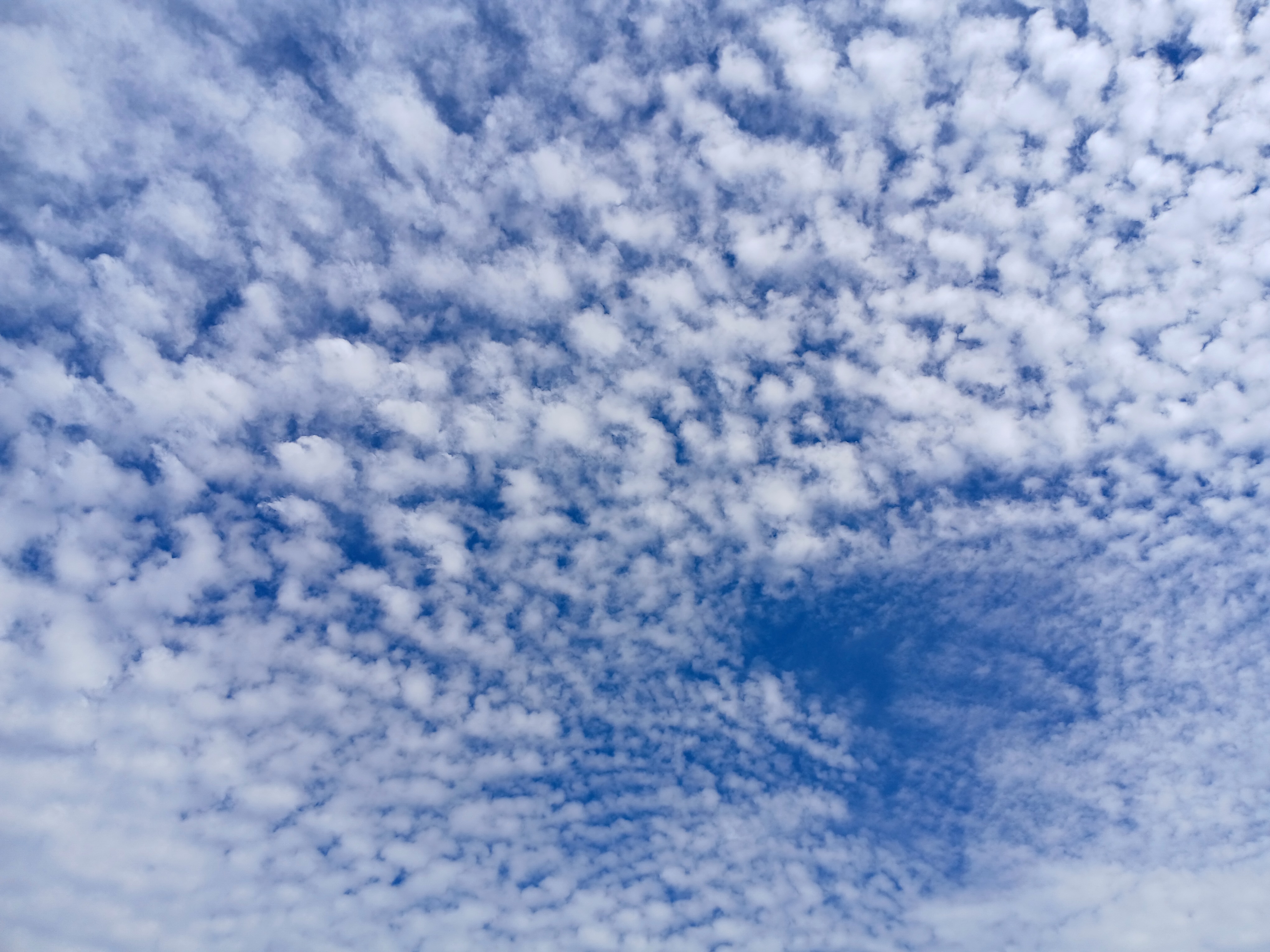
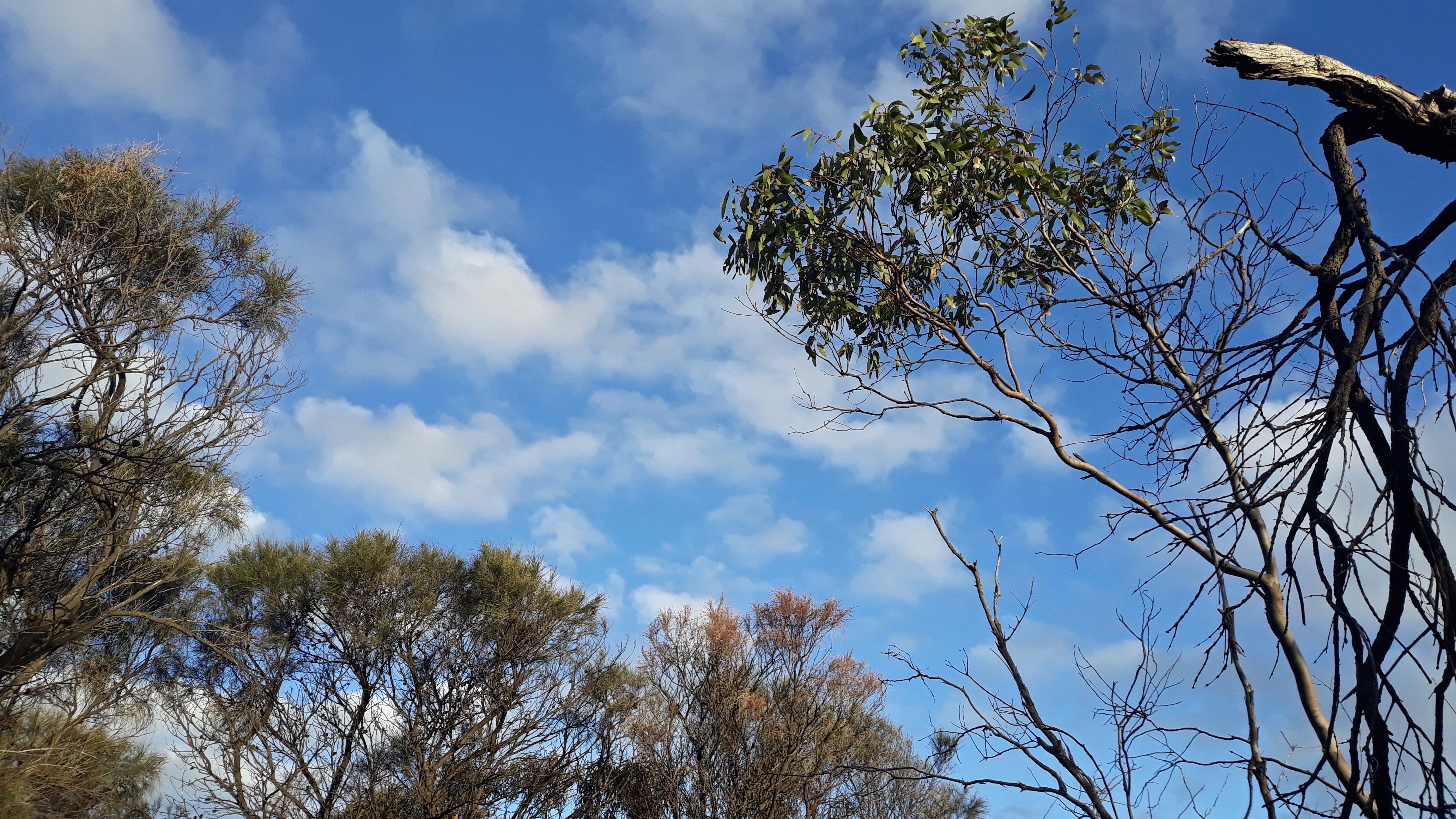
This year in South Australia we’re experiencing record low rainfall. After the driest summer in thirty-three years, we’ve moved into an equally dry autumn, and we’ve been saved from water restrictions only through the existence of the desalination plant that opened in 2012 in response to the Millennium Drought. Meanwhile, the native local flora and fauna are visibly, heart-breakingly struggling to stay alive. Those beautiful wide blue skies of South Australia? I’ve come almost to dread them.

Like Eloise, I grew up watching Hollywood movies where teenagers hung out in malls with fountains in them. Like Eloise, I don’t remember seeing a fountain in our local malls (though in the much-loved TV comedy from the noughties Kath and Kim, the local shopping mall is aptly — prophetically? — named Fountain Lakes). And like Eloise, all these years later, in these years of drought after drought, I, too, want to ask: Who is in charge? Why isn’t somebody doing something?

Lately I’ve been reading …

All that food

Other people’s words about … not eating

Mae doesn’t look convinced, but she hands me another bowl, which I pass to TJ. He holds it in the space between us, locking eyes.
You didn’t take any, he says.
I took plenty, I say. I’m stuffed.
No. I watched you.
You must’ve blinked.
Then try some more.
I just told you–
Don’t be a dick, says TJ.
Boys, says Mae.
Her voice is terse enough to shut us up.
Mae holds our gaze until we’ve settled. Then she pours more wine into her coffee mug, twirling her food with a fork.
It’s been too long since we’ve been together, says Mae. Let’s make it a nice evening.
So TJ shoves the bowl of tomatoes my way. I scoop more onto my plate. Then I take bites from the spaghetti and the chicken, and it’s all delicious, and the three of us eat silently, until there’s something like a hum between us.
Is the bathroom still in the same place, I ask.
Mae points down the hallway. I don’t look at TJ when I stand. But once I’ve locked the door behind me, I turn on the faucet, and it’s maybe another five seconds before all that food leaves me.

from ‘Family Meal
by Bryan Washington

When I was a teenager receiving treatment for an eating disorder, people had certain fixed ideas about what kind of person was likely to experience anorexia. By ‘people’, I mean not just family and friends but doctors, psychiatrists, medical researchers. Anorexics, people thought then (because that was what we called people with anorexia in those years, anorexics, a label that many people would now object to), were generally white, middle-class, well-educated, high-achieving, likeable young women with a tendency towards perfectionism.

Perhaps, back then, this was true. Or perhaps, more likely, if you were anorexic but you happened to be male, poor, uneducated, older than twenty-five, queer, or a person of colour — or any combination of these things — then your anorexia went unrecognised. Undiagnosed. Untreated.

We know better than this now, I am thankful to say.

Fringe Lily, December 2023.

In the passage I’ve quoted above, Cam, one of the narrators of Bryan Washington’s second novel, Family Meal, is grieving the loss of his boyfriend, Kai, who died in unexpected, violent circumstances. Cam is Black and queer; he is also addicted to many things, including drugs, sex and, yes, starving himself. He is surrounded by friends who see what he is doing to himself and try to talk to him about it, try to show him that they see, and that they care, and that he doesn’t need to be alone. It takes him a long time to see this for himself, though.

Cam’s experience of struggling with food is different from mine, and that’s partly because of who each of us is — precisely because I did, after all, fit most of the anorexic stereotypes I’ve listed above — although it’s also partly because everyone’s struggle with food is, simply, different. But I am so glad, so glad, that contemporary literature that includes stories about anorexia and disordered eating has broadened to include other stories than ones like mine.

And it’s funny how, no matter what your background, no matter what your life experience, the feelings don’t change. I’m fucking suffocating from the weight of myself, Cam writes.

I remember feeling exactly the same.

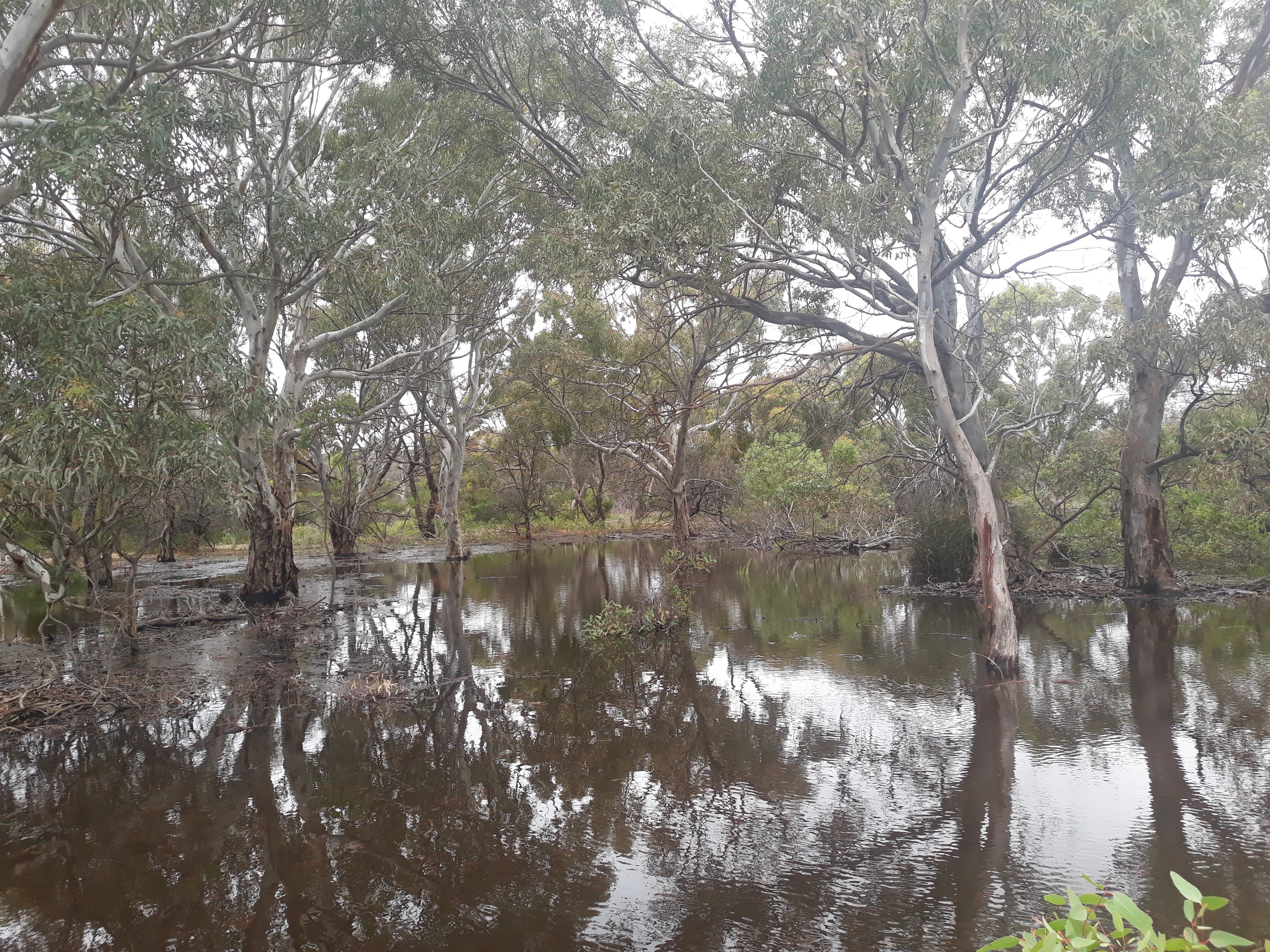
After the rain, Flooded scrub, November 2023.

Lately I’ve been reading …

Speak

Other people’s words about … despair

She sat across from him. For some reason, he removed his glasses and set them on the gold table. His naked eyes were as dark as the burnished leather they sat on and held a startling amount of despair. The effect struck her as indecent, as if he’d disrobed. ‘Put your glasses back on,’ she wanted to tell him. ‘For God’s sake.’

from ‘Vacuum in the Dark
by Jen Beagin

I’ve been thinking a lot recently about the things people say to each other and the things they don’t. And about subtext, which is not quite the same thing but is part of it all the same.

Over the last couple of years, having written and submitted a middle-grade fiction manuscript to my agent which has as yet to find a home with a publisher, I’ve been writing a literary fiction manuscript. I haven’t mentioned this here till now, in part because my writing in that area is still so new and tentative, and in part because when I say the words, ‘I am writing a literary fiction manuscript’, all I hear is my own internal mocking laughter.

You? says the voice in head, that little internalised voice. How could you possibly presume to have something to say in the literary fiction field? How could you assume that much writing talent of yourself? That much wisdom?

Bracken fern, light and shadow, January 2023.

It’s impossible to say whether what I’m writing will ever be something complete, let alone publishable. That’s the risk any writer takes, whether they have had previous books published, as I have, or not. But what I am writing about in that manuscript is in part what Jen Beagin describes so beautifully in the passage I’ve quoted above: our unwillingness to witness each other’s despair. Our inability to talk about it or bring it to light. Our constant need to reassure each other with upbeat, optimistic conversation and good cheer.

I am not by nature a cheerful person. Nor am I an optimist. Nor am I a skilled conversationalist. At fifty-two, I still find myself getting midway through a conversation with another person, only to realise that I have revealed too much of myself: my fears, my doubts, my sadnesses. (Actually, ‘I still find myself’ is the wrong way to put this; in fact, the right way to put this would be, ‘I increasingly find myself’.) Maybe this isn’t evident to the person I’m talking to, or maybe it is. I’m never sure. But I often feel like the man Beagin describes in the passage above: glasses off, the truth in my eyes revealed. This is not a comfortable place to find myself.

But increasingly I believe in the importance of confronting the secrets we see in other people’s eyes. I believe in meeting those secrets head-on. I believe in talking about them. Perhaps what I am saying here is that secrets don’t have to be the subtext to the conversations we have with other people: they can be the essence of our conversations. They can be where we meet.

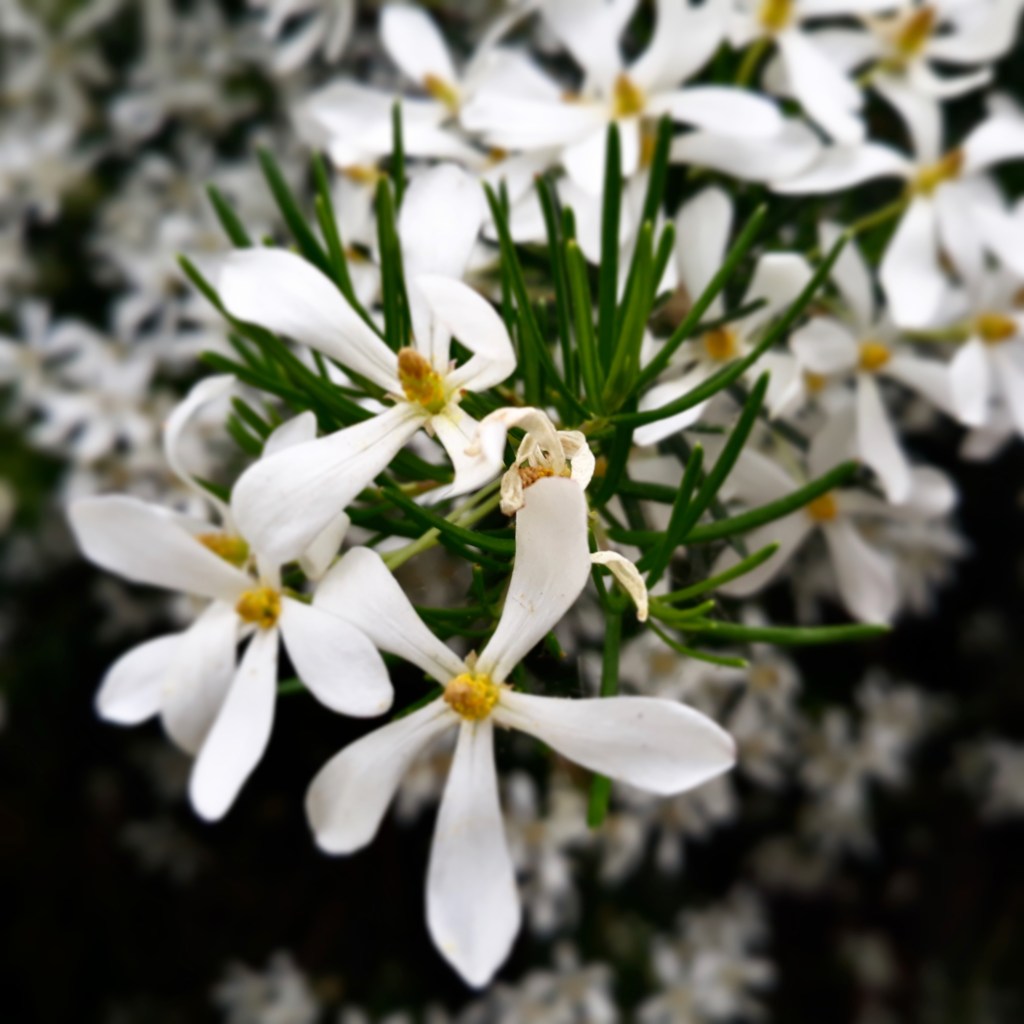
Common everlasting flowers, January 2023.

Lately I’ve been reading …

Wordless

Other people’s words about … the things we say

All that talking, years of reading: There was a time I thought that all language might contain something of value, but most of life is flat and boring and the things we say are too. Or maybe it’s that most of life is so much stranger than language is able to make room for, so we say the same dead things and hope maybe the who and how of what is said can make it into what we mean.

From ‘Want

by Lynn Steger Strong

I’ve been posting less and frequently on my blog over the last few months, I know. And it’s not, as you might think, because I have become more active on other (more instant) social media, though I can see the appeal of posting photographs (excluding selfies) on Instagram. 


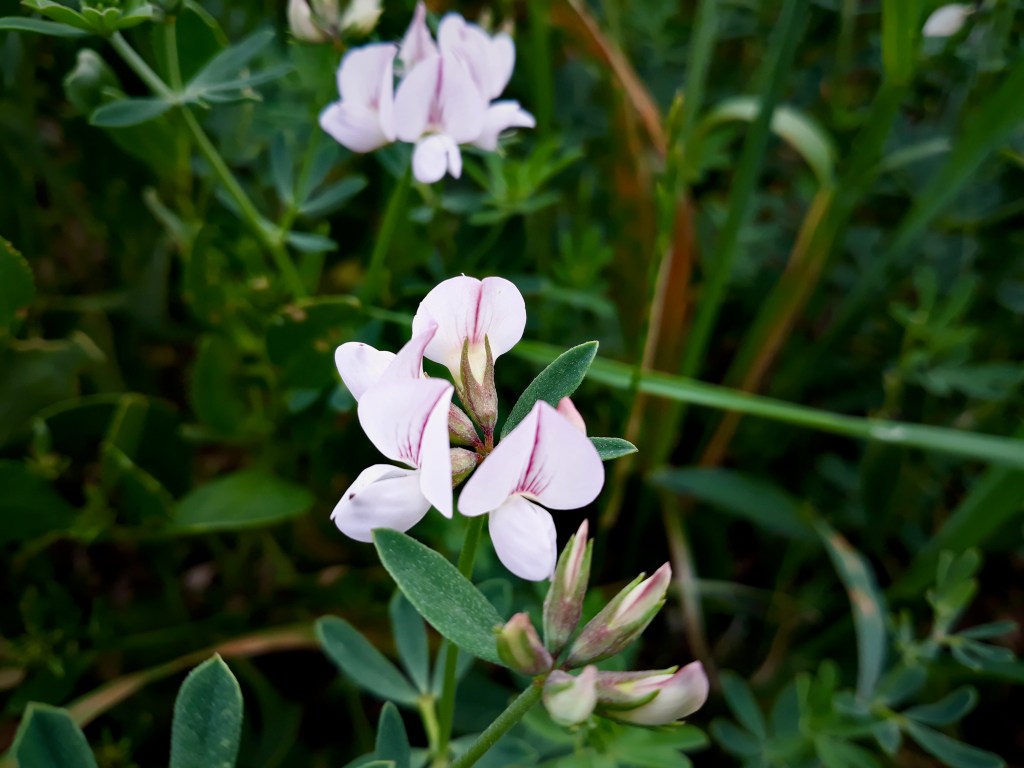
Spring flowers, Aldinga Scrub, 2021.

In fact my quietness on this blog is more to do with the fact that most of life is so much stranger than language is able to make room for, as Lynn Steger Strong puts it so wonderfully in the passage I’ve quoted above. The Covid-19 pandemic, now entering its third year globally, has left me feeling, in the truest part of me, wordless. I am surviving, for which I am grateful. I am getting on with my life. But I don’t know how to put that into words very well, or at least not in the form of a blog post. I enjoy blogging, and I like my space in the blogosphere, so I hope that this phase will pass. But in the meantime … here I am, not finding the language I need to say what I want to say.


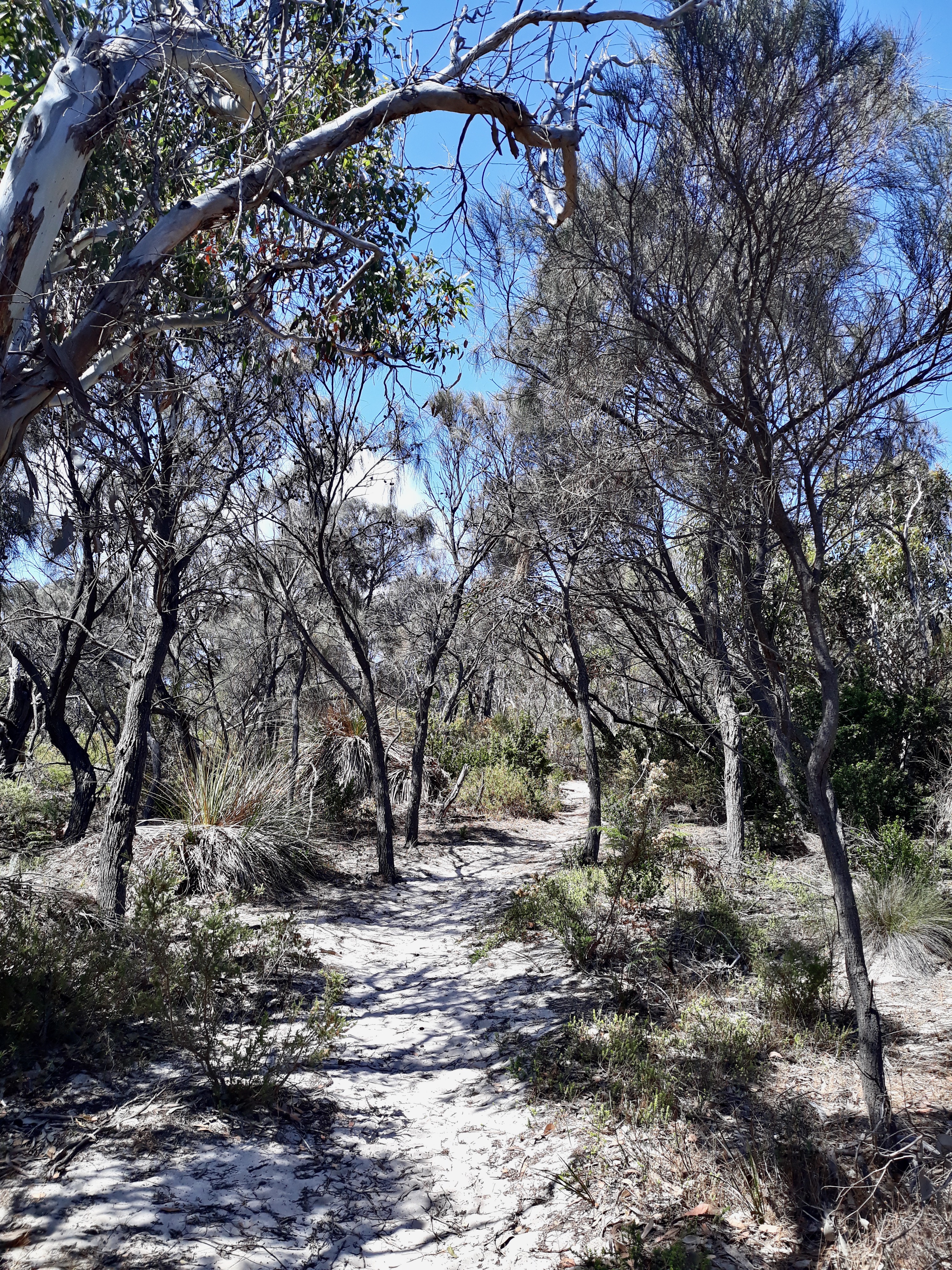
Pathway, Aldinga Scrub, 2022.

Another reason for my quietness on this blog is that I’ve been doing a different kind of writing in my spare time recently, which is to say I’ve started writing fiction again. As I mentioned in my previous post, last year I submitted the manuscript of a middle-grade novel to my agent, who is currently trying to find a publisher for it. (No luck yet.) And now, somehow, I find myself writing a novel for adults. I don’t know whether any of the fiction I’ve written since the beginning of the pandemic will ultimately be publishable, but somehow, entirely unexpectedly, it seems that I’ve found the courage to try again, and because of that very unexpectedness, I’m allowing myself to honour my courage for now and see what happens.

Life continues, albeit quietly and unexpectedly, I suppose is what I’m saying. Sometimes I have the words for it and can compose a blog post about it and sometimes I don’t. But I will keep trying. That’s a promise.


Wordless, 2022.

Lately I’ve been reading …


Chasing clouds

Other people’s words about … getting lost

I said earlier that I have no special running talents. In fact, I have one: getting lost.

No-one gets lost like I do. It’s not just a running thing. It’s a getting lost thing.

I’ve been lost when running, walking, driving, cycling, sailing, using public transport, even (once) taking a taxi, on at least three continents, since I first ventured out into the world as an unaccompanied teenager. I’ve temporarily abandoned a car in Milton Keynes, and once phoned [my wife] Clare from the outskirts of Northampton to warn her that I might not find my way home for days. I’ve never been lost on a running track (yet), but I have been lost indoors — not just temporarily disoriented, but properly, sit-down-and-cry-and-wait-to-die lost — on a disastrous visit to the Birmingham branch of Ikea.

From ‘Running Free’
by Richard Askwith

I am someone who gets lost as easily as Richard Askwith. I live in Australia, not England, so I’ve never got lost in Milton Keynes or Northampton, but I have certainly been to the Adelaide branch of Ikea and experienced that sense of utter lostness that he so delightfully describes as sit-down-and-cry-and-wait-to-die lost. (Though, actually, I would call that particular kind of ‘lost’ an Ikea thing rather than a getting lost thing. Just saying … )


Dune’s counterpane:
How can you ever feel lost when these are the things you see along your way?

I don’t just get lost physically, either. I frequently feel lost in a metaphorical sense, too. I admire anyone who seems to know (or who feels as though they know) where they are going in life. I don’t. I never have. The older I get, the more strongly I become aware of my inner sense of lostness.

Often, this innate sense of lostness feels like a burden. But not always. Because the thing about setting off towards one place and ending up somewhere else entirely, somewhere you hadn’t planned on and don’t recognise at all, is that you get the chance to explore.


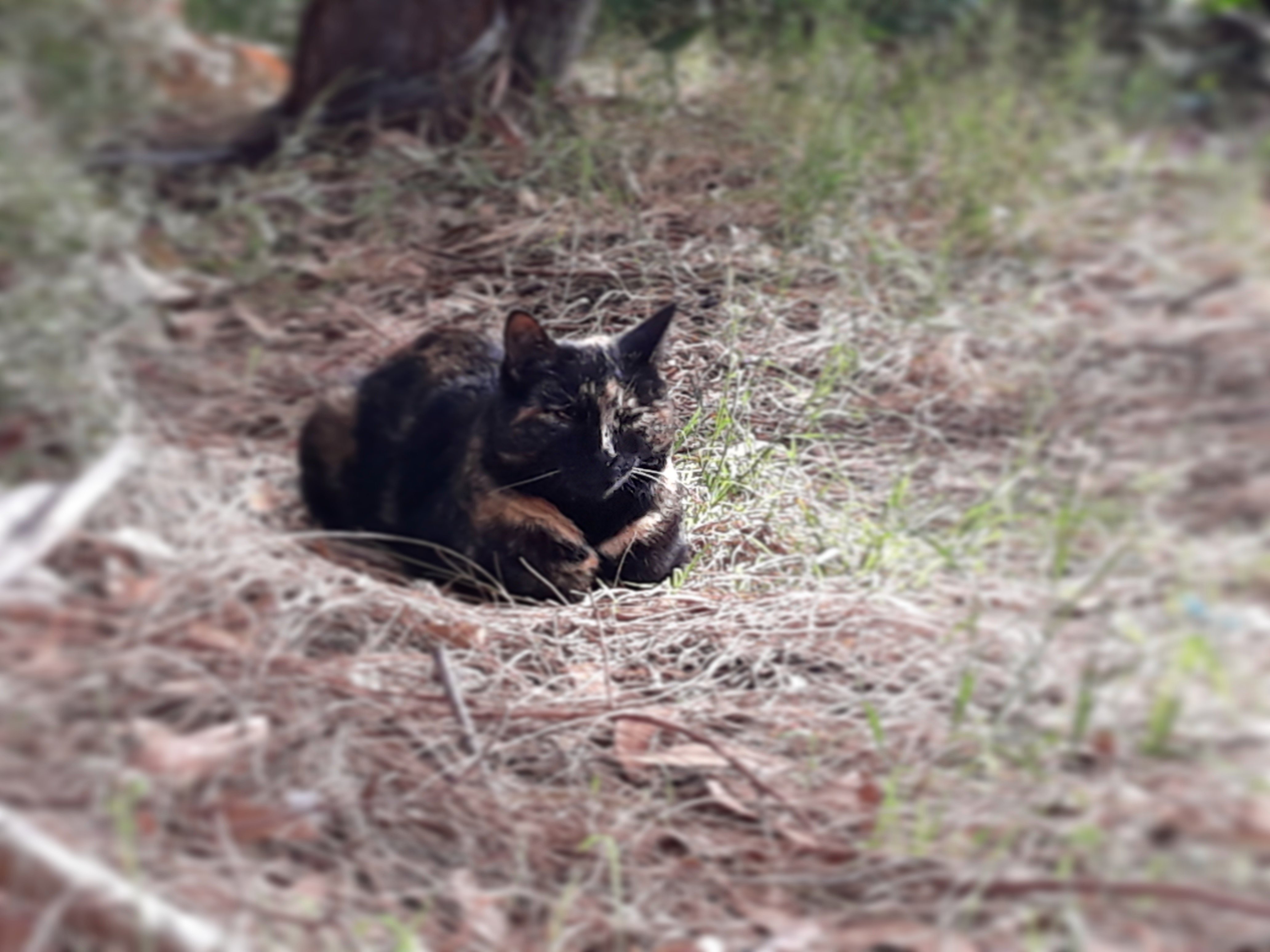
Lizzie the garden cat:
A lost cat, but also a found one.

I’m talking metaphorically here again, of course. But the older I get, the more strongly I also come to understand the importance of being willing to explore, willing to wander, willing to wonder. And sometimes, in hopeful moments, I see many years of exploring and wandering and wondering ahead of me.

I like that thought.

Lately I’ve been reading …

Cage

Other people’s words about … words

Sometimes at the birth and death of a day, the opal sky is no colour we have words for, the gold shading into blue without the intervening green that is halfway between those colours, the fiery warm colours that are not apricot or crimson or gold, the light morphing second by second so that the sky is more shades of blue than you can count as it fades from where the sun is to the far side where other colours are happening. If you look away for a moment you miss a shade for which there will never be a term, and it is transformed into another and another. The names of the colours are sometimes cages containing what doesn’t belong there, and this is often true of language generally, of the words like woman, man, child, adult, safe, strong, free, true, black, white, rich, poor. We need the words, but use them best knowing they are containers forever spilling over and breaking open. Something is always beyond.

From ‘Recollections of My Non-Existence’
by Rebecca Solnit

In the passage I’ve quoted above, Rebecca Solnit gives a beautiful, vivid description of a sunset, a description which then morphs, somehow — in just the same way she describes the colours in the sky morphing — into a discussion about words: how we use them, how they imprison us, and how our understanding of the way that they imprison us might just set us free.

This year, perhaps even more than previous years, we need the words, as Solnit puts it, to ask ourselves questions about what is happening all around us: in the political sphere, the public health sphere, the environmental sphere. And yet, at the same time, all the words we use when we ask ourselves those very questions, when we try to make sense of this year, are nothing more than containers, cages. I can’t think, honestly, of a word that really captures what this year has been like, or what the meaning of this year might be, or how we might learn from this year so that next year isn’t the same (or worse).

I am a person who loves to read and to write, and so it seems natural to me, when I feel wordless, to equate my wordlessness with despair. But sometimes, this year, when I’ve been at my most wordless in the face of everything that is happening in the world, I have been reminded of a line by Emily Dickinson: Hope is the thing with feathers.

Hope, Dickinson writes, sings the tune without the words. Dickinson’s hope is feathered and wordless; it is an uncaged creature, a creature that is free.

I think of Dickinson’s warm, flitting hope as an antidote to everything else I’ve felt in response to this year. When I read her poem, her words set me free.

Lately I’ve been reading …

With thanks to my mother for the second and third items on this list.

On wonder, and grief

Other people’s words about … this amazing world

Look at the sky. (It’s amazing. It’s always amazing.)

From ‘Notes on a Nervous Planet’
by Matt Haig

I’ve found myself at a loss for words to write in here recently. The loss of words carries over to images, too, and therefore to other media like my Instagram account — I haven’t taken a photograph for weeks. I haven’t even been able to pick up a pen and write in my own diary.

I am, in general, someone who is readily able to immerse myself in the wonder of the natural world. The photographs I take and post, here and on Instagram, of the scrub and the sea and the sky and the sand and the sunset, are the physical manifestation of this. The habit of wondering is one I taught myself, years ago, as a way to manage the bouts of anxiety and sadness I’ve always experienced. Call it mindfulness, call it relaxation therapy, call it diversion, call it meditation, it’s what I do: it’s how I move through the world. It’s how I stay present, how I stay humble.

But since the end of last year, ever since the fires began raging here, I haven’t been able to respond that way to the world around me: to access that wonder. In fact, wonder feels frivolous — insensitive, tasteless — when the world around you, the living world, is burning, burning.

Here in South Australia, in the last couple of weeks, we’ve had milder weather, and even some rainfall. As a result, the fires, for now, are largely under control, though when the heat returns — as it will — so, I think, may the fires.

But in the wake of those fires, the land in those areas has burned to nothingness. The trees and the animals have been killed. There is nothing left. There is nothing to wonder at.

What I feel now, instead of wonder, is rage and grief. These fires should not have happened. For thousands of years, before 1788, the people who lived here managed the land, and they managed fire. They co-existed with the natural world. In the last two hundred years, we have lost that ability, and with it we are losing the land.

There are books you can read about this, if you want to know more — books that were written well before this year’s fires, books that studied the past and made warnings about the future. I would recommend, in particular, Bill Gammage’s The Biggest Estate on Earth (about which, you can read more here).

There are also things you can do, right now — organisations to which you can donate your money, or your time, or your talent. If you are an Australian, there are choices you can make today, as you go about your daily life, about how you spend any disposable income you might have — for example, where you buy your food, where you go on holiday — so that your money goes towards local communities affected by the fires (for example, #bookthemout and Empty Esky). I hope that, though movements such as these are aimed at helping the people affected by the fires, they will also, as a natural consequence, help the other living beings affected by the fires. By contributing to these areas, you contribute to all the lives within those areas.

I would add: do these things now. Please. But also, do them forever.

Bushfire prevention is a long-term strategy. It’s a lifestyle choice, and it’s a political choice. If we are to change the course of the future in Australia, if we are to change the way we live in our environment, if we are to learn to co-exist in this Australian environment, then we have to change things forever.

Until we manage to do this, I, like many other Australians, will continue to feel rage and grief instead of wonder.

Burning, breaking

Other people’s words about … climate change

For the very first time, the wetlands are also on fire. Old Gondwana growth, ancient forests are aflame. This is not the forest that regenerates; what is being lost will never return. It is not hard to see that something is deeply, palpably wrong. All winter drought conditions have intensified; the building fire skipped the river, which should have been a natural break. There is practically no water left; the Shoalhaven is so parched that the town will run dry within months.

From ‘Mourning a Disappearing World as Australia Burns’
by Jessica Friedmann
Read the whole article here

Happy New Year to all my readers. I wish you all a joyous 2020.

I’m writing this post on a day in which bushfires continue to rage uncontrolled across much of my country. I know that this story is being covered by the media, and so there is not much I can say that you yourselves probably haven’t read or thought already. The article I’ve quoted in today’s post is worth reading, though, in addition to whatever else you’ve read or heard: I am in accordance with much of what Friedmann writes.

All I will say is this: it has astonished me for years that I live in a country where it is possible for politicians to deny that climate change is occurring, that I live in a country (a world?) where apathy and bluster are accepted forms of political leadership.

My country is burning. It has been getting ready to burn like this for years. It breaks my heart.

It breaks my heart.

Holiday views, though the fires were already burning when I took this photograph.
View from the Kangaroo Island ferry, 29 December 2019

Because we can

Other people’s words about … making myths

Women who run: women with disabilities, fat women, women who’ve recovered from physical injuries, trans women, migrant women, Indigenous women, depressed women, women with no time, women with no kids, women ladies of leisure, schoolgirls, retirees, mothers, aunts, grandmothers, queer women, straight women, slow women. Scrutinise any one of these categories and a set of stories that defy generalisation will emerge, stories that destabilise the big stupid myths that say women can’t run, that only certain kinds of women can run, that it’s too dangerous, that it’s unfeminine, that it’s a sign of trouble.

From ‘The Long Run’
by Catriona Menzies-Pike

Next week, I start a new job in a new workplace. It’s been nine months since I had a salaried job, and though I’ve enjoyed the challenge of working as a freelance editor — and though I don’t plan to stop freelance editing any time soon, despite my new job, because my new job is part-time and therefore will allow me to continue freelance editing on a similar part-time basis — I feel both relieved and blessed to be returning to the salaried work force. At forty-nine, I am willing to admit that job security and a regular income is important to me. I knew this when I began freelancing. I know it even more deeply now, nine months later.

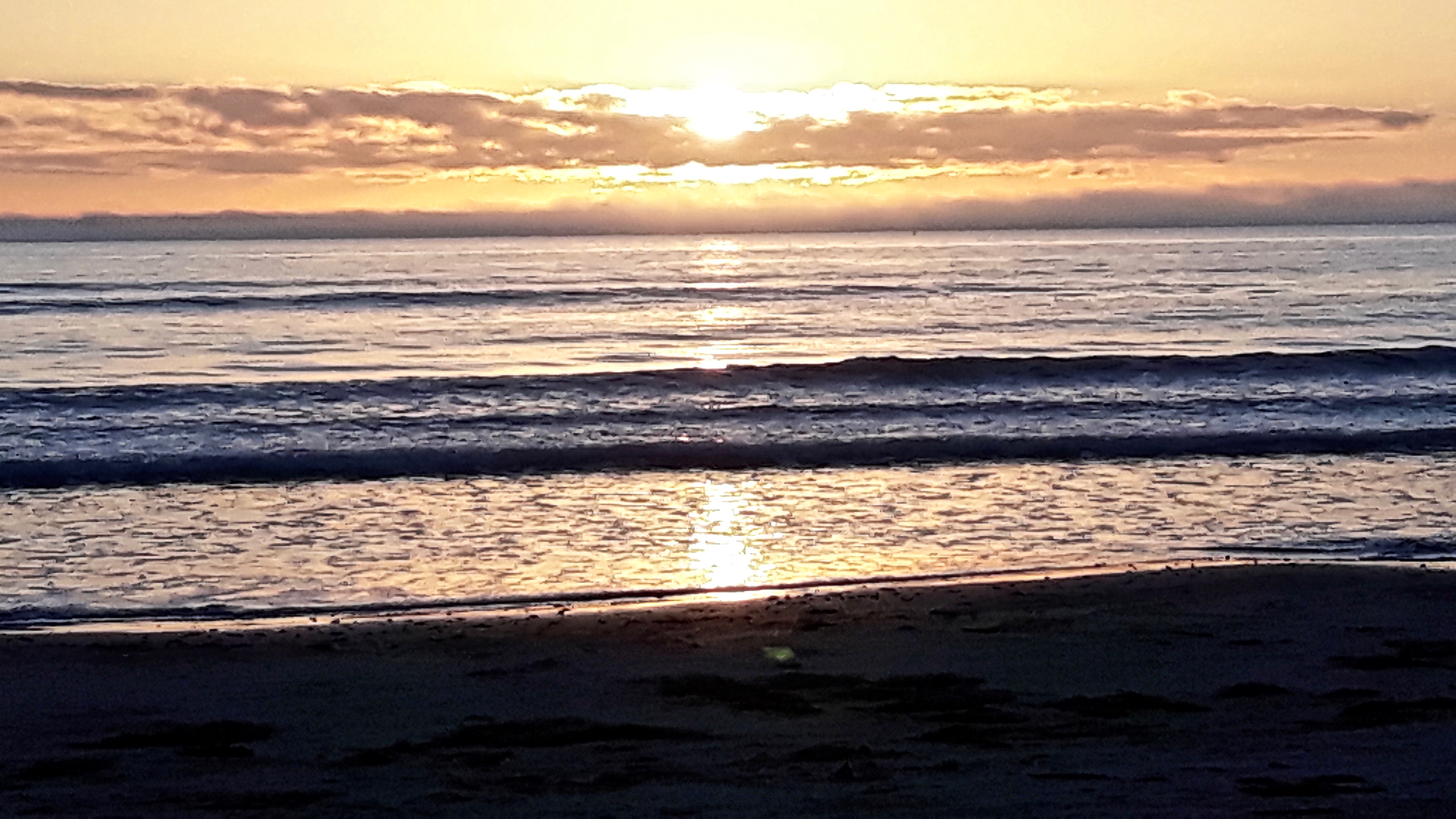
Winter sunset

I took some of the photos that you see in today’s post over the last few weeks, while I was out walking or running around my local neighbourhood. Running for me isn’t so much about, as Catriona Menzies-Pike puts it in the passage I’ve quoted above, destabilis[ing] the big stupid myths that say women can’t run: it’s more about destabilising my own personal, stupid myths about myself, one of which, for many years, was that I wasn’t an athlete, I wasn’t strong, and I couldn’t run.

Deep blue sky

In fact, some of the stories I’ve told myself all my life are true. I’ll never be an athlete. I’ll never be strong, physically or mentally. But I do continue to run, and continuing to run continues to make me feel good.

Spring flowers 

No matter how slowly I run some days — no matter how old or stiff or sad or achey I feel when I’m running — and no matter whether I have a stable, salaried income or an unstable, freelance income, I run. Not far, and not fast, it’s true.

Nonetheless.

I run, not just because it makes me feel good, but because I can.

Hole in the sky

Lately I’ve been reading about …

Take note

Other people’s words about … gratitude

I am so glad to still be here. Every day, I do my best to see the colours. I take note. I breathe them in.

From ‘How it Feels to Float’
by Helena Fox

It’s been a while since I’ve posted, I know. I want you all to know that I have been thinking of you, and I have been thinking of posting. There just hasn’t been room inside my head to get to it.

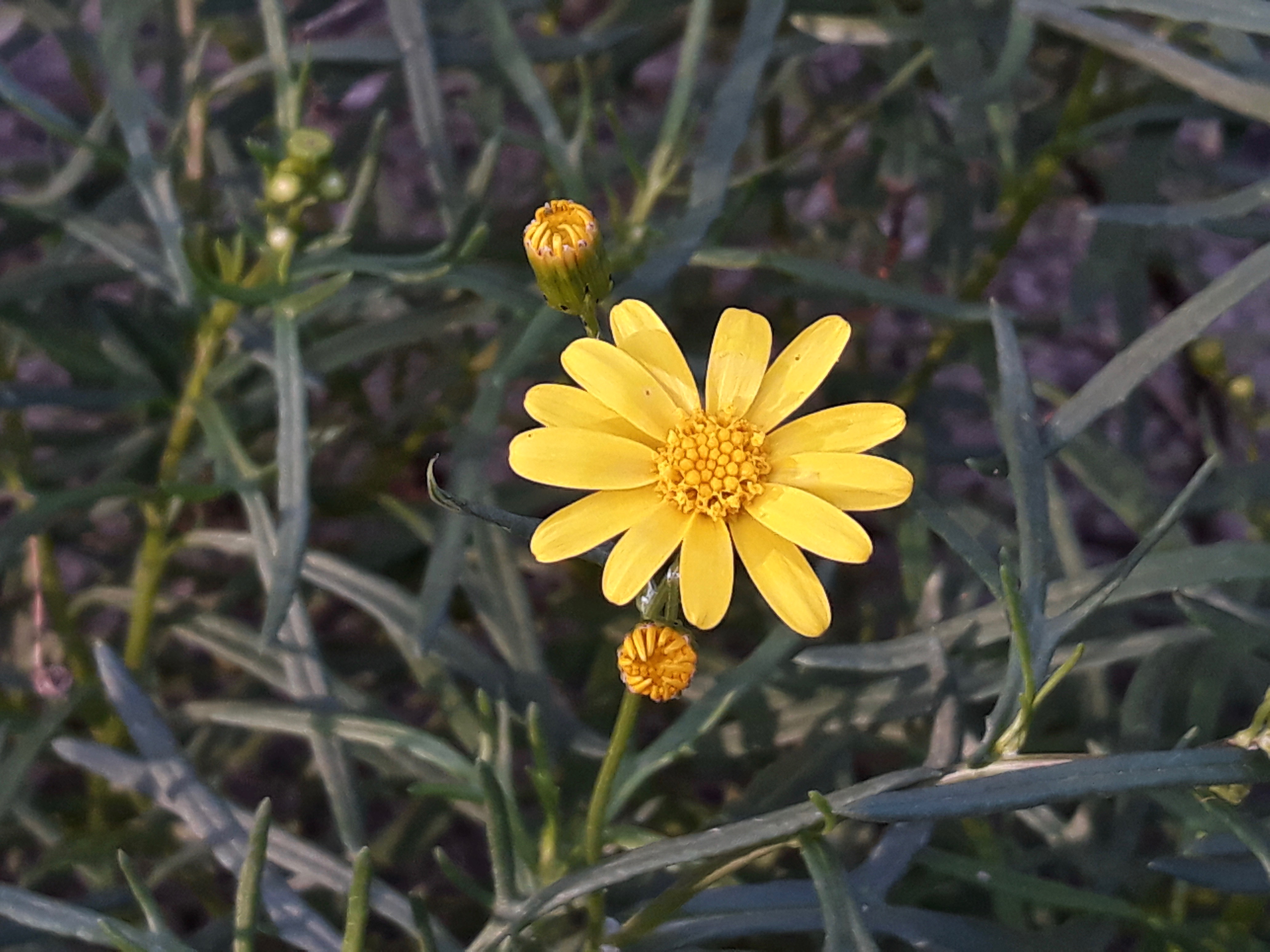
The first groundsel flowers of the season
(Spring is coming)

But when I read Helena Fox’s words in the Acknowledgments section at the back of her wonderful novel for young adults, How it Feels to Float, I wanted to pass them on. Because no matter how crammed my head — my brain, my mind — feels at the moment, I, too, do my best to see the colours, to breathe them in.

Blue winter sky

The photographs in today’s post come from a walk I took a few weeks back. I hadn’t walked that path for a while, and I haven’t walked it since, but those moments were precious. I am still breathing them in.

Last rays