The air that you breathe

Other people’s words about … air quality

It was terribly hot that summer. Mr Robertson left town, and for a long while the river seemed dead. Just a dead brown snake of a thing lying flat through the centre of town, dirty yellow foam collecting at its edge. Strangers driving by on the turnpike rolled up their windows at the gagging, sulphurous smell and wondered how anyone could live with that stench coming from the river and the mill. But the people who lived in Shirley Falls were used to it, and even in the awful heat it was only noticeable when you first woke up; no, they didn’t particularly mind the smell.

from ‘Amy & Isabelle
by Elizabeth Strout

Recently, after several members of staff in one of my workplaces became sick over the course of consecutive shifts, the part of the building in which we work was shut down, due to what has been deemed an ongoing air quality issue.

That particular office is on the upper floor of a fully air-conditioned building: one of those buildings where you can’t open a window even if you want to. I have always struggled with this: I believe, right down to my core, that breathing temperature-controlled, recycled air will never, ever be equal to breathing air that drifts in through an open window. I continue to believe this even though the air outside the windows in that building is itself compromised by petrol, diesel and exhaust fumes from the nearby main road.

To me, the most pernicious aspect of all of this is the habituation. Like the residents of Shirley Falls in the quote above, when my colleagues and I first walk into work at the beginning of a shift, we notice things in the air that we stop noticing after we’ve been at work for a while. Like them, we don’t particularly mind the smell of our workplace. Or not consciously, anyway.

I balance this with escaping on my days off. I took the photos that accompany today’s post (of vanilla lilies, grass trees, acacias and boobiallas all newly in bloom) on a walk I took recently through the bush, another of my wanders out and about.

When I am walking outdoors, at least, the air I breathe always seems sweet.

How to live well

Other people’s words about … health and wellbeing

My Top 10 Tips for Health and Wellbeing

  • Listen to your body
  • Keep moving
  • Get plenty of sleep
  • Read the small print
  • Eat out less; cook at home more
  • Reconnect with nature
  • Reduce your stress
  • Appreciate the simple things
  • Share the love
  • Be grateful

from ‘Feel Good Good
by Valli Little

I am fascinated by other people’s tips for living well. I like Valli Little’s suggestions above, which are simple and practical, and come from years of experience.

My own strategies for living well vary, depending on my mood, but here are my current top ten:

1. Eat plenty of fruit and vegetables. And some cake.

2. Move — however you can, whatever your physical limitations.

3. Step outside.

4. Read books.

5. Spend time with people you love. Let them know you love them.

6. Know that happiness and sadness are like the clouds and the wind. They blow in. They blow out.

7. Practise gratitude for how things are. Don’t fret about how they could be.

8. Enjoy solitude. Know that you can survive loneliness.

9. Cultivate humility.

10. Find things …

… that make your heart sing.

Creating ephemera

Other people’s words about … cooking

I’ve decided I need to make things with my hands, it’s my new thing. Everything else is just so intangible and bullshit. I know that really when you get down to it, cooking produces ephemera just like all the other crap we all do … but at least for a moment there’s a thing, you know?

From ‘The Innocents
By Francesca Segal

I often wonder why food writing has become so popular in the last few years. There are so very many food blogs and cookbooks and cooking magazines. Equally, there are so very many people who read them (including me). Why?

One of the reasons, I think, is that food photography is beautiful. Food photographs make use of beautiful props, gorgeous landscapes, natural light. They woo you. Though what they ostensibly promise you is a tasty meal, underneath they promise you something else entirely. If you make this recipe, they murmur to you, you, too, will have produced something beautiful. You, too, can lead a beautiful life.

(Instagram Syndrome, anyone?)

So Segal is right, in the passage I’ve quoted above: cooking produces ephemera, essentially. And yet — and yet — it doesn’t feel that way. When you look at a food photograph; when you tell yourself you’ll make it; when you go out and buy the ingredients and come home and spend a couple of hours cooking it; when you dish it up on the table and eat it with your loved ones — when you do all this, you feel like what you have in front of you is a thing, as Segal puts it: a thing that you made.

Even if, in the end, all you do is read the damn recipe and look at the damn photographs — still, that promise gusts through you. You might make this recipe. You might produce something beautiful. You might just make something.

I’ve spoken about my love of baking before. I’m sure I’m as sucked in by the ephemera industry as anyone else, but still, I keep going back for more. There’s always another cake to make, right? And the next one you make might even turn out to look as beautiful as it did in the photograph you spent so many hours drooling and dreaming over …

My own food photographs, as the pictures in this post amply illustrate, lack all the qualities that good food photographs require. Still, in case you should want to join the ephemera celebration, here’s a list of some of my (current) favourite food blogs:

delightful crumb
(for thoughtful words and beautiful recipes from Stacy in California)
oh, ladycakes
(for meticulously photographed vegan baking from Ashlae in Denver, Colorado)
ruby & cake
(for food with a lovely and quirky slant from Ruby in the Blue Mountains, Australia)
what should I eat for breakfast today
(for simple breakfast recipes from the wonderful, drily humorous Marta)
three little halves
(for gorgeous photos and illustrations from Aleksandra in New York)
Brooklyn supper
(from Elizabeth and Brian in New York)
eat in my kitchen
(for simple, stylish recipes from Mieke in Berlin)
the alimental sage
(for sporadic but lovely recipes from Camilla in Melbourne, Australia)
dagforever
(for tasty recipes and hilarious commentary
from my French, bench-loving friend Anne in Perth)

Happy cooking (and dreaming), everyone! Rebecca xo

A certain light

Other people’s words about … vanity (etc.)

Matt’s mother had the bluest of eyes and still wore her hair long, adding henna to soften the appearance of white strands in the black. One of her friends trimmed it for her. ‘Now that you’re forty, maybe you should think of cutting it short.’

His mother looked stricken. ‘I will one day. But not yet. Not yet.’
Her hair was her only vanity. She wore no make-up, and dressed always in shorts or jeans and men’s shirts she bought at op-shops. Even at work she got away with a tidy variation of her uniform, as she called it.

She said that lipstick rotted your brain.
from ‘Mahalia
by Joanne Horniman

Like Matt’s mother in the passage above, I don’t wear any kind of make-up, a habit that stems partly from choice and principle, and partly — honestly? — from laziness and ineptitude. (Which came first — not knowing how to wear make-up, or not wanting to be bothered with it? I can’t say for sure.) I don’t colour or style my hair, either, though I did recently re-introduce myself to a hairdryer after decades of simply washing my hair and letting it dry naturally (or just tying it up, still wet, in a ponytail or a straggly bun in an effort to forget about it).

‘I think you are a rebel, Rebecca,’ an Italian hairdresser said to me wryly, years ago, when I insisted he just wash my hair and trim it and — shock, horror — just leave it at that.

And I thought — I truly thought, with the arrogance of youth — that he meant it as a compliment, though now I’m not so sure.

You used to tell yourself that your hair, with its grey, sometimes made you look blond in certain light or from a distance, but now it really looks as grey as a sad cloudy day, as bleak as crows calling in a fallow field on a sad cloudy day, as miserable as cold rain beginning to fall on that sad cloudy day in that fallow field with the crows wheeling overhead, calling their faraway call that reaches into your heart and splays it open.

from ‘This is the Water
by Yannick Murphy

There is a joy in Horniman’s mother, a joy in the way she views her own appearance, that is entirely absent in the middle-aged narrator in Murphy’s novel: that woman with the fallow, splayed-open heart. Still, depending on my mood, I can feel affinity with either of them at any particular given time. And I wonder, how can that be, when the two women seem so far apart?

The truth is, like Horniman and Murphy, I’m not really talking about vanity here anymore. There’s a fine line between being proud of yourself just the way you are, ‘naturally’, and being filled with futile despair about the havoc that the ageing process and life in general have begun to wreak on you, inside and out. I find myself treading back and forth over that line all the time. Is that a part of ageing? Or of being a woman? Or of something else entirely? I don’t know.

What I do know is this: sometimes the sky is sad and bleak and cloudy, as Murphy describes it, and sometimes it is clear, but it is always wide and high and open. And what keeps it that way is the light that shines behind and through …

A beautiful thing

Other people’s words about … appetite

To say that I ‘lost’ my appetite during those years would be a joke. On the contrary, I ate, slept, and breathed appetite. I thought about food constantly, pored over food magazines and restaurant reviews like a teenage boy with a pile of porn, copied down recipes on index cards: breads, cakes, chocolate desserts, pies with the richest fillings, things I longed for and wouldn’t let myself have. In truth, I had appetites the size of Mack trucks — driving and insistent longings for food and connection and bodily pleasure — but I found their very power too daunting and fearsome to contend with, and so I split the world into the most rigid place of black and white, yes and no.

from ‘Appetites
by Caroline Knapp

Appetite is a strange, fickle creature. I remember feeling, years ago, when I first read Caroline Knapp’s words in the passage I’ve quoted today, an overwhelming sense of recognition and kinship. I have always had a strong, keen appetite, and back then, when I read Knapp’s book, I felt ashamed of this fact; I fought my driving and insistent longings for food and connection and bodily pleasure.

I don’t feel that way now; my life is on a different keel. In fact, the periodic bouts of nausea I experience lead me to feel the very opposite. During these bouts of sickness, I would give anything — anything at all — to feel hungry.

Part of what I miss when my appetite is gone is the sense of anticipation that I, like all of us, experience with regards to food: the sense of looking forward to something I know will be pleasurable — whether we’re talking solitary pleasures here (sitting on the porch in the sunshine with a plate of cake on my knee and a pot of tea at my feet) or shared pleasures (a meal with family or friends). Anticipation, I realise now, is a pleasure in and of itself. Strip away anticipation and you strip away, with it, a great source of pleasure from your life.

Still, what I have learned is that there are other pleasures to anticipate, apart from food; other things to look forward to; other things, in a way, to hunger for, and then — finally — to savour. These days, the moment I start to feel a little better after a bout of sickness, the moment the nausea begins to fade, I make a big effort to stop languishing inside my house. I take a deep breath and then start seeking out, immediately, the things I know will bring me pleasure.

A while back, I quoted some words from Sarah Wilson about managing anxiety by (to paraphrase) simply doing it, leaving it, and moving on. Wilson’s words, I see, apply here, too. Anxiety, after all, is only one source of anguish: sickness is another. By not dwelling on our anguish, by actively making ourselves move on from it, we allow a sense of anticipation and pleasure to return to our lives.

We allow our appetite for life to flourish once again.

If I could go back in time and give my younger self advice now, I would counsel her to cherish her appetite rather than to be daunted by it (Knapp’s word). I would tell her that hunger and appetite are vital to life. I would tell her that hunger, like appetite, is a beautiful thing. And I would tell her to look up, out and around at the world. To savour the things she sees and experiences. To savour all the pleasures life has to offer.

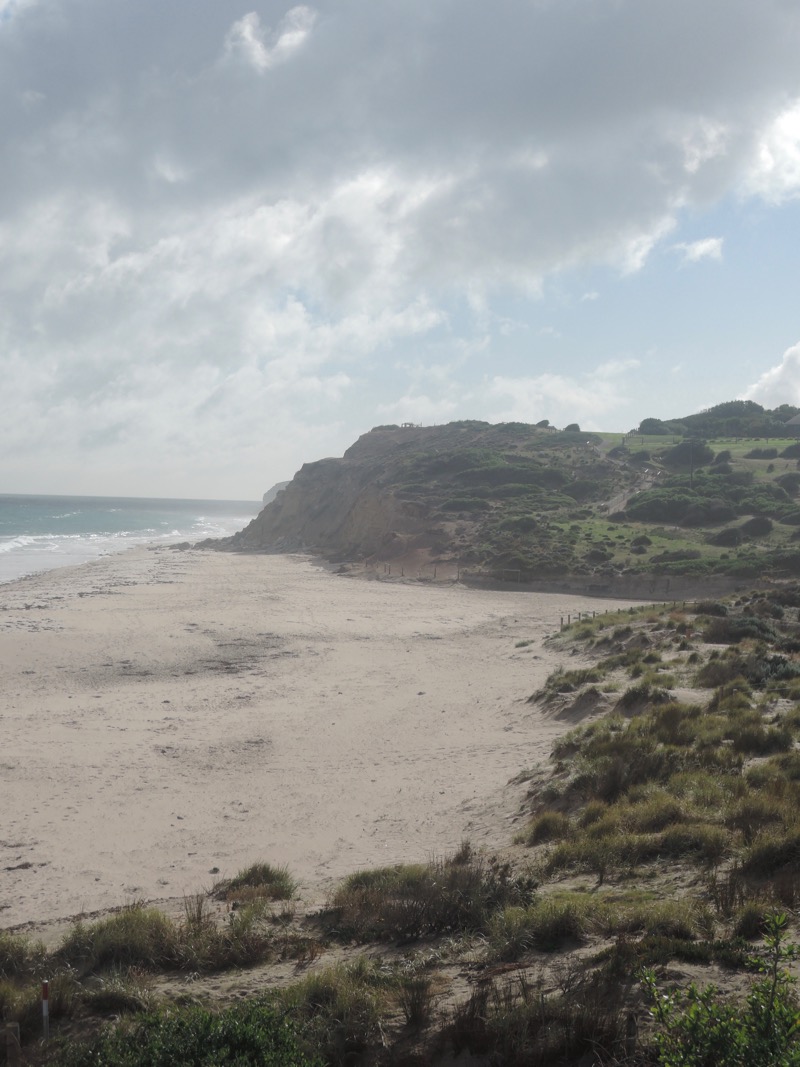
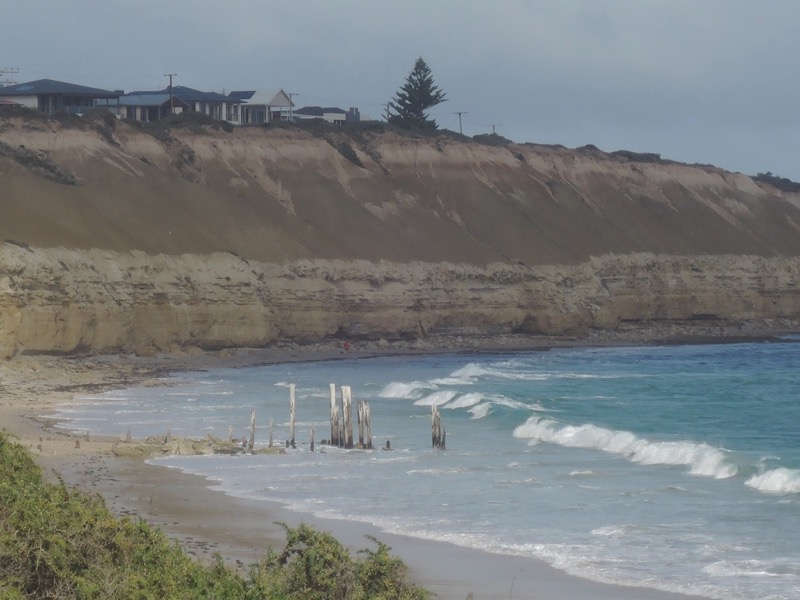
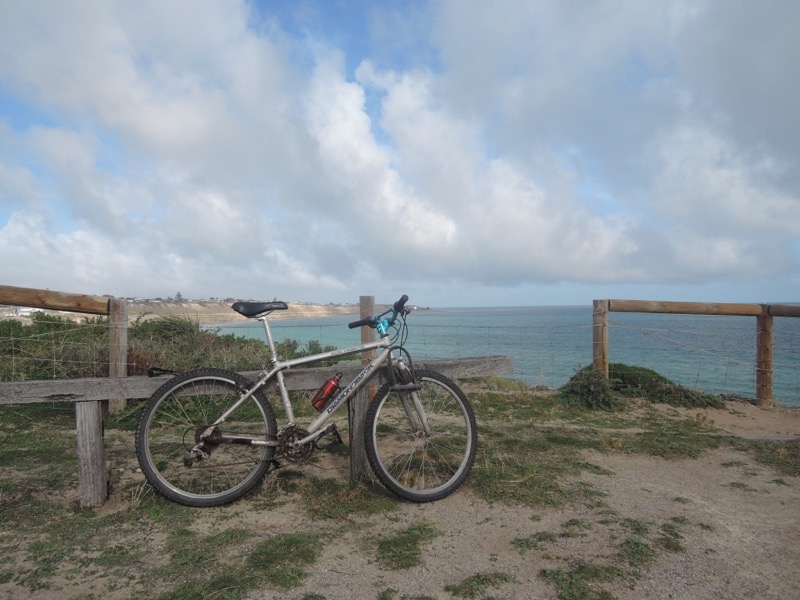
I took the photos you see in today’s post on a recent trip to the Aldinga Beach/Port Willunga area. I had not been feeling particularly well in the days prior to this; I had slept poorly as a result; and though I’d planned a bike ride, I cycled slowly, feeling tired and not terribly fit.

Still, it was good to be out there. I had looked forward to that ride, and I enjoyed it. It felt good to be alive.

What, then, is this?

Other people’s words about … therapy

Sometimes I wonder why I come here [to see my psychoanalyst] when the coming is so iterative, so forced. Having to come here sometimes feels like the biggest problem I have. I feel like a lonely man visiting a brothel, the money changing hands, paying for understanding as some people pay for love. And just as that is not love, so this cannot be understanding. What, then, is it?

from ‘Aftermath
by Rachel Cusk

As I’ve mentioned here before, I spent several years in and out of therapy, being treated for anorexia and its aftermath. I will be forever grateful to the therapists I saw during those years. They treated me with respect, patience, warmth and compassion. And they listened. Oh, they listened.

But I stayed in therapy too long, I think. I believed at the time that I was seeking a cure for my constant sense of malaise. That cure seemed terribly elusive. Now I think it was elusive because, subconsciously, I knew there wasn’t one. What I was really reaching out for was understanding, and that is not something I found in therapy sessions.

Therapy is a strange process. It is, as Rachel Cusk says in the passage above, a transaction of sorts. When that transaction starts to make you feel worse rather than better, when you feel lonelier leaving the therapist’s office than you did on arriving, it’s time to stop. It really is as simple as that, though it took me some time to figure this out.

Post-therapy, am I still seeking understanding? Yes, of course — just like everyone else. Have I found it? Not really. Perhaps no-one ever does. What I have found, though, is solace. I find solace in pots of tea, and walks along the beach, and wanders through the bush. I find it in cakes I bake, and books I’m reading, and holidays I plan to go on. I find it in birdsong, and in leisurely bike rides, and in the company of friends and family and pets.

And I find solace in other people’s stories.

Tell me, then, where do you find solace?

The beast

Snatched phrases (on being present)

Do the anxiety. Then leave it there. This is our challenge.

from ‘First, We Make the Beast Beautiful: A New Story about Anxiety
by Sarah Wilson

Simple words, huh? They apply to all manner of ills, I think — not just anxiety. They are about staying in the present: doing the hard stuff when it comes up, not questioning it or agonising over it … and then leaving it behind and moving on.

There are no solutions to anxiety out there, Wilson argues further on: no cures or fixes. So you just do it …

… and then you leave it.

This makes great sense to me.

Today’s photos? They’re from one of my latest bushwalks, a couple of weeks ago: mid-March. It was a still, grey afternoon, and when I first began to walk, the colours seemed drab, and the birdsong was muted, and the air felt unkind and cold.

But as I wandered on, I began to see a few flowers despite the greyness, and I came upon a kangaroo, which stiffened at my bumbling approach and then bounded away. I heard the sea murmur somewhere through and beyond the thicket of trees, and a magpie began to carol, low and soft.

I had done my day, and I had left it there, and things were fine. Just fine.

In the middle of ordinary life

Other people’s words about … meditation

While I was [at Maharishi’s meditation course in the Alps] I managed to meditate for up to four hours a day, but back home it all seemed difficult again. And then, gradually, as I listened to the lectures it dawned on me that meditation was for recluses or people inclined that way. Prolonged practice could only result in a detachment from life that, although it might be better, I didn’t want. I didn’t want to become indifferent to anything, and as I watched those closest to Maharishi it seemed to me that they had this desire, gift, need — however you want to put it. I wanted to be in the middle of ordinary life trying to make the best of it even if — I could see more clearly now — it entailed my making the same mistakes many times. I didn’t want to give my life to anyone, I wanted to have it and use it and be an ordinary householder. So gradually I stopped. I think of Maharishi with great respect and affection, and I am sure that there is a spiritual hierarchy in which I am merely on the lower rungs. That was it.

from ‘Slipstream
by Elizabeth Jane Howard

I’ve written before about how I tried meditation recently (again), before deciding, finally, that it didn’t work for me. I don’t want to bore you by repeating myself endlessly on this blog; please feel free to read my older posts about the topic if you’re interested. Most particularly, what has worked for me, post-meditation, has been learning to spend my days looking outward rather than inward.

I do particularly like Elizabeth Jane Howard’s spin on the theme, though. That’s why I’m revisiting it today. Perhaps, when she wrote the words above, meditation wasn’t considered to be the cure-all that it often is now; perhaps, for that reason, her words were less transgressive than they seem to me as I read them today. Still, I find her words wise and humble and filled with gratitude. Ironic, isn’t it? Those three things — wisdom, humility, gratitude — are all things we are often told we may develop through practising meditation.

Tea for one —
an ordinary pleasure,
all the more worth treasuring for its ordinariness

Like Howard, the older I get, the more I realise how attached I am to life — and how much I want to stay attached. My days are filled with petty, mucky angst, and I like them that way. Yes, I have bad days — days when my head aches, and my stomach churns, and my throat crawls with a hot kind of sickness and I can’t figure out why; days when my thoughts seem fevered and panicked and tumbling and disconnected; days when it takes all my effort to get dressed for work, and go in, and sit at my desk, and stay seated there, and stay still, oh, just stay still.

Still, even as I wait the bad days out, not knowing how else to get through them, I find myself wanting, in my strange, fierce way, to hold onto them. Because, like Howard, I want to be in the middle of ordinary life trying to make the best of it.

It’s about honouring life, really, isn’t it? That’s what I want to strive for. That’s all. That’s really all.

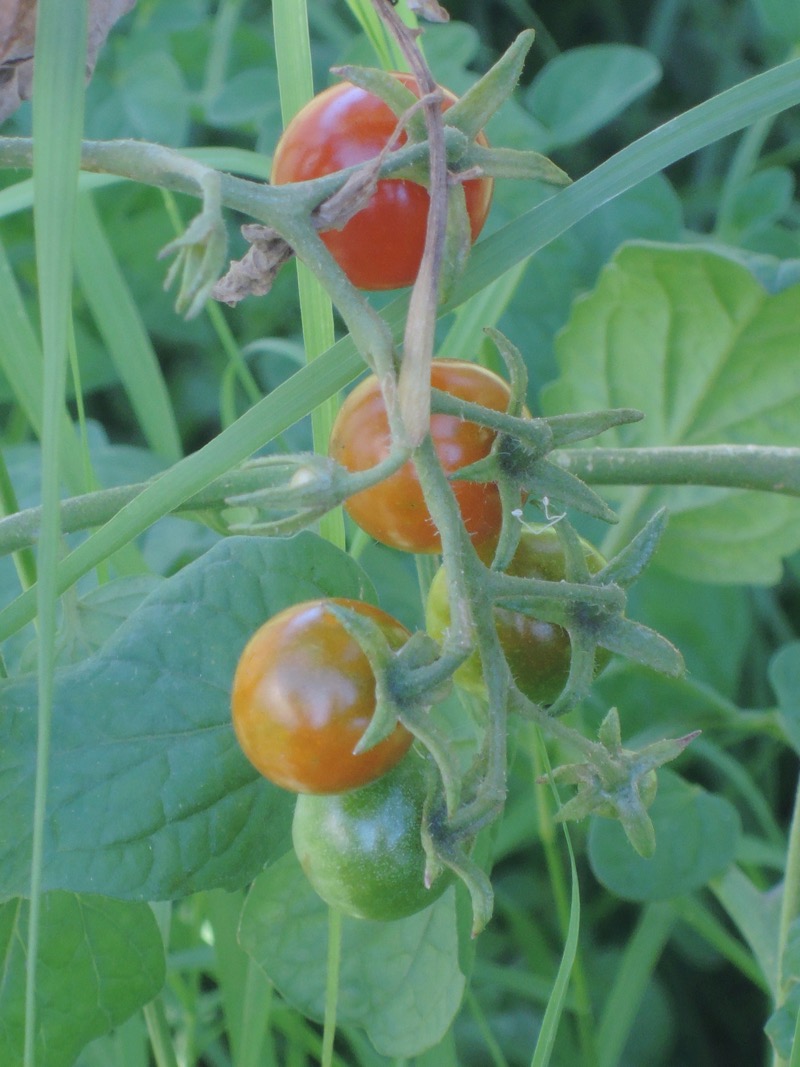
Of love and tomatoes

Other people’s words about … tomato sandwiches

I’d asked [my disabled friend] Jessie when a doctor had last looked at her. She couldn’t remember, so [while Jessie was staying with me] I went to my doctor, still Jock Ledingham’s wife, Una, at her practice, which was in their home in Ladbroke Square.

Una listened to me kindly, and then asked if anyone was nursing her. ‘Only me.’ There was an awkward pause, and then I added, hardly audible, ‘And I’m afraid I’m very bad at it.’ Lack of food and sleep made me start crying again.

‘I’m going to make you a tomato sandwich,’ she said. ‘All my family can manage a tomato sandwich whatever they are feeling like.’ She did, and I ate it, and felt much better.

from ‘Slipstream: A Memoir
by Elizabeth Jane Howard (p. 147)

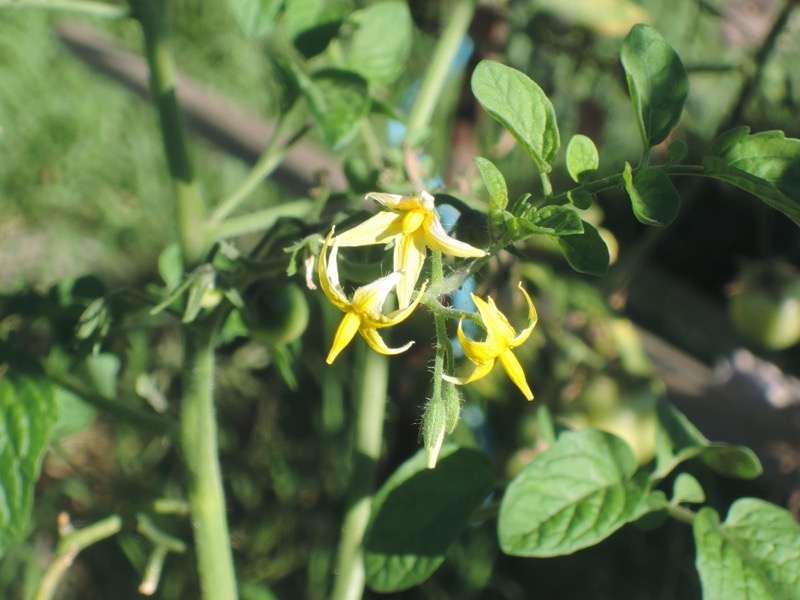
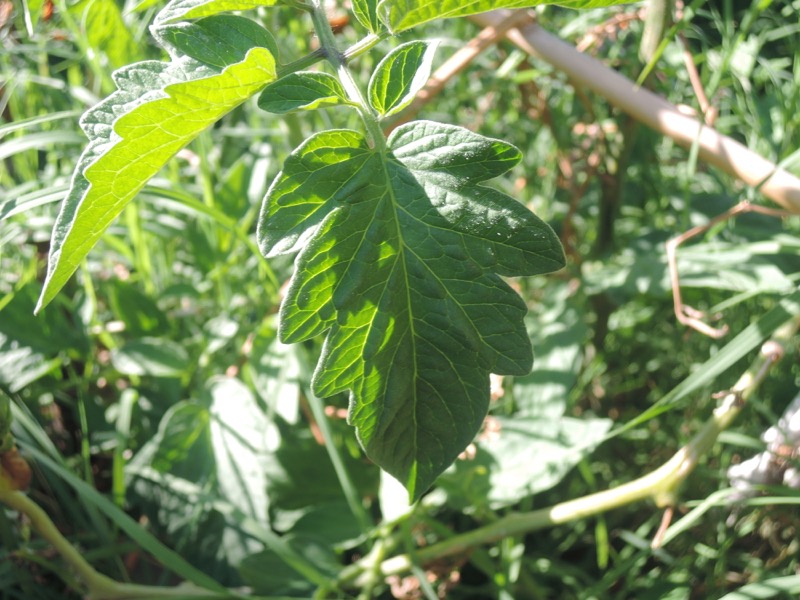
When I was a child, my mother would sometimes make my sister and me tomato rolls for dinner instead of our usual cooked meal. This was a summertime-only ritual — she saved it for those evenings when the air was thick and heavy with heat. My sister and I would have spent the day dipping in and out of the swimming pool, so that our skin and hair reeked of chlorine. We’d come inside and stretch out on the carpet in the living-room at the front of our house, next to an electric fan. We’d read, or watch the cricket on television, or play Lego, or colour in, while the fan blew warm air over us and our hair dripped down our backs, forming great wet circles on our t-shirts. And then, at last, it was dinnertime.

dscn3129

My mother made her tomato rolls with white bread — the kind that is crusty on the outside and fluffy on the inside. She cut the rolls lengthwise in thirds rather than in halves, and then spread each layer thickly with butter. Over the butter she laid slices of tomato. Then, as a last touch, she seasoned the tomato with salt. (Never pepper. Children hate pepper.)

These were the days before Australians of Anglosaxon heritage knew about things like basil or coriander, ricotta or feta. We had never eaten avocado or garlic or extra virgin olive oil. We didn’t know of the existence of focaccia bread or ciabatta or sourdough. Most people ate margarine in preference to butter, thinking it was a healthier option. And we ate salt with everything — we lived in a hot climate, after all; we needed to replace the salt we’d sweated out during the day. So a tomato roll was just what it sounded like: a tomato roll. Nothing more, nothing less.

dscn3131

dscn3135

It’s almost forty years since I ate one of my mother’s tomato rolls, and yet when I read Elizabeth Jane Howard’s words above about the curative powers of a tomato sandwich, I was instantly transported back to those simple summer meals my mother made us.

Bread. Butter. Tomatoes. Salt. I still think of this particular combination of food as the ultimate luxury, the greatest treat.

And as a symbol of my mother’s love.

dscn3132


Why I drink tea, not coffee

Other people’s words about … tea

The MOTH (the Man of the House) thinks the world’s drowning in a tsunami of expensive [cappuccino] froth. He’s fighting the trend single-handedly. He drinks tea made from tea leaves. He doesn’t like ‘gift’ teas that arrive with house guests and distant cousins …

DSCN2773

Every morning and most evenings, the MOTH makes tea following the rules set down by his mother. Bring a kettle of water to a ‘rolling’ boil. Warm the teapot. Put in a generous measure of loose tea. Fill the pot with boiling water, replace the lid and wait patiently. In the meantime, put out china cups and saucers, teaspoons, the sugar bowl and a jug of milk. Hot buttered toast and a jar of homemade marmalade will do nicely as well.

From ‘Tea and Sympathy’ by Pat McDermott
featured in
The Australian Women’s Weekly, July 2016

Old-time readers of this blog will know of my love for tea by now. I would rather give up wine, chocolate or cheese than give up my daily pot(s) of tea.

DSCN2777

Many years ago, I attempted to become a coffee drinker. I was working as a student barista in a cafe in Port Adelaide at the time, and the coffees I made for my customers smelt enticing. There is nothing better than the smell of freshly brewed coffee.

But. I soon discovered that I am extremely sensitive to caffeine. Give me a cappuccino at nine o’clock in the morning, and I will be jittery and fidgety and twitchy all day. I won’t sleep. I’ll still be awake the next morning, heart hammering away, eyes dry and wide. And don’t even get me started on that sense of the walls of the room caving in on me …

DSCN2776

My grandmother drank tea, and I remember her making me cups when I was a child: the ritual of it, the alluring whiff of mysterious adulthood that came with it. Still, for years after I’d begun reacting to coffee, I avoided drinking tea because I knew it also had caffeine in it, though in a smaller dose. Eventually, though, I became close to someone who was an inveterate tea-drinker, and I felt tempted again. Eventually, tea wooed me back in just the way that coffee had once done.

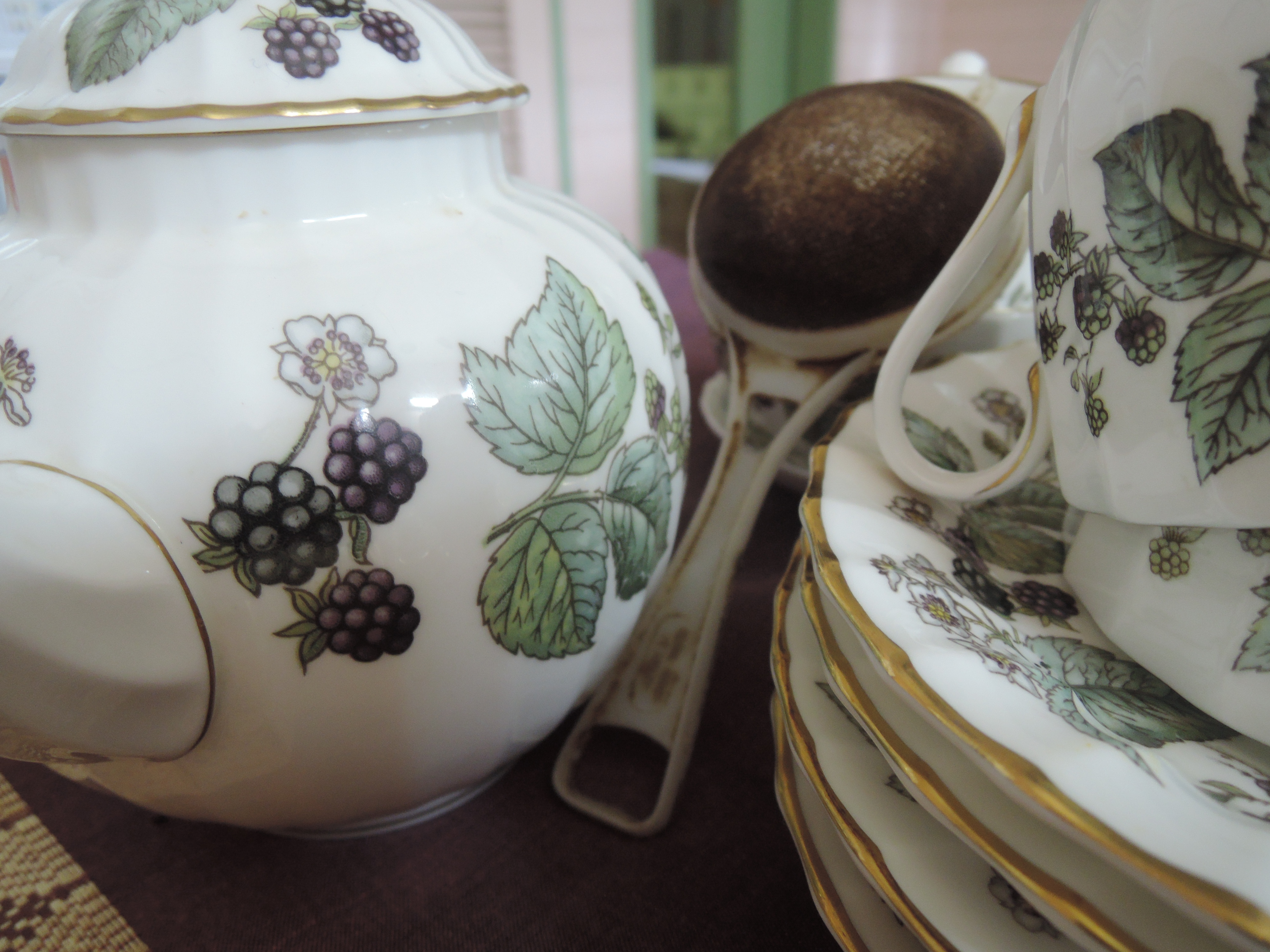
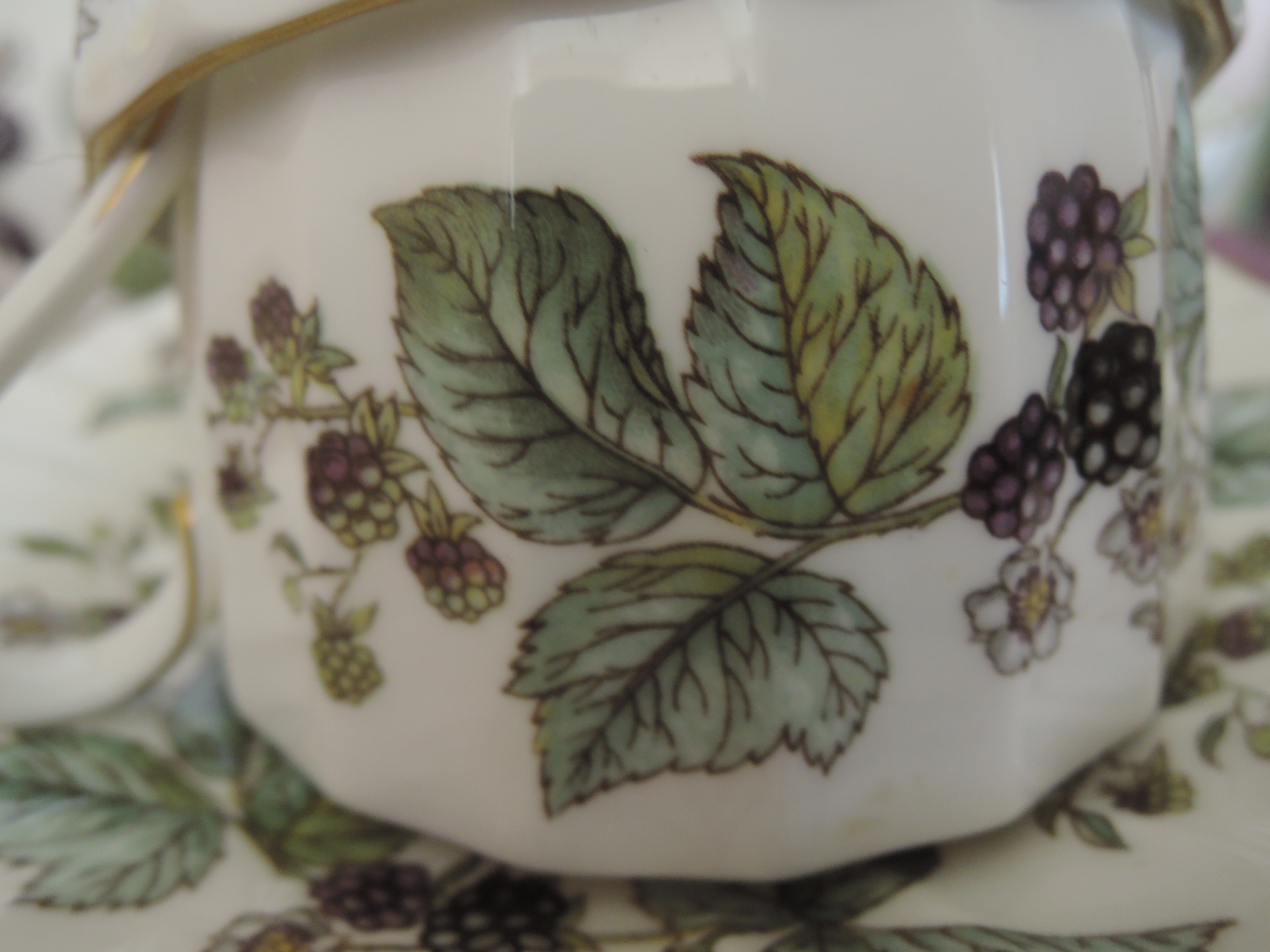
Maybe it’s the smaller amount of caffeine. Maybe it’s psychological. Maybe it’s the ritual of tea-making: my grandmother’s Royal Worcester china, the pot, the brewing, the accompaniment of sourdough toast spread with a (thick!) layer of my mother’s grapefruit marmalade or my father’s quince jam. Whatever it is, I have found that I can handle the caffeine in tea.

I read recently in The Australian Healthy Food Guide (p. 14) that Lord Twining, of Twinings Tea fame, has been known to state that anything less than nine cups of tea per day is a totally unsatisfying tea-drinking day. Clearly, Lord Twining may have vested interests in making statements like this … but I can’t help admiring such a line of thinking, all the same.

And so … let the tea-drinking continue!